
In my experience as a medical furniture supplier, patient chairs look simple, but many purchasing problems start when a buyer only sends a product name or photo. They receive several quotations, compare the unit prices, and choose the cheapest one. This approach is risky. The real problem isn't just about chair quality; it's about approving an order based on incomplete information, which can lead to higher shipping costs, damaged goods, project delays, or chairs that don't fit the actual hospital room.
From the supplier side, a vague inquiry for "patient chairs" usually leads to a vague quotation. One supplier might quote a basic model with minimal packing, while another quotes a complete version with stronger materials and export-ready cartons. The prices are not comparable.
*Buyers should choose patient chairs by confirming the room function, user type, material and structure, included items, packing method, carton/CBM data, lead time, trade term, and inspection points before comparing supplier prices.* This turns a risky guess into a controlled procurement decision.

What Will the Patient Chair Actually Be Used For in the Hospital Room?
Define the chair's purpose by room function and user type before you look at a product model. A chair for a patient recovering beside a bed has different needs than one for a visitor or in a busy clinic waiting area. Assuming "patient chair" is a standard, one-size-fits-all product is a common mistake that leads to mismatches.
I often remind project buyers that the first question isn't about price; it's about where and how the chair will be used. Will it be used by:
- Patients in a ward room, requiring stability and comfort?
- Visitors or attendants, where space-saving and durability might be key?
- Elderly users in a nursing home, demanding high stability and easy-to-use armrests?
- Users in a clinic, where easy cleaning and frequent movement are priorities?
From a supplier's operational standpoint, when we receive a project inquiry, we also need to know if the chairs are part of a larger ward furniture package. A chair must fit functionally and aesthetically with the hospital bed, bedside cabinet, and overbed table.
- Practical Buyer Action: Prepare a room-by-room or department-based product list. Instead of asking for "100 patient chairs," specify "60 chairs for patient ward rooms, 20 for visitor areas, and 20 for the outpatient clinic."
- Risk & Decision Point: The risk of not defining the use case is ordering chairs that technically match the product name but fail in daily use—they're too large for the room, uncomfortable for the user, or difficult for staff to clean. The decision is to invest time in planning the application before requesting quotations.
Which Material, Structure, and Cleaning Details Should Buyers Confirm?
Request a detailed specification sheet and do not rely on product photos alone. Two chairs can look identical in a picture but differ significantly in frame structure, material grade, surface finish, and stability. These are the details that determine a chair's suitability for a demanding healthcare environment.
A photo can show the design, but it can't tell you if the frame is robust, if the surface finish is designed to withstand hospital-grade cleaning agents, or if there are gaps where dirt and bacteria can accumulate.[^1] When we prepare a quotation for a healthcare project, we must clarify these points to ensure the product meets long-term use requirements. For cleaning-related specifications, buyers can also review the [CDC environmental cleaning guidance](https://www.cdc.gov/hai/prevent/resource-limited/environmental-cleaning.html)
For example, one supplier might quote a chair with a standard powder-coated steel frame. Another might offer a similar-looking chair with a reinforced structure or a more durable finish at a different cost. Without a specification sheet, you can't compare them.
- Practical Buyer Action: Before comparing prices, ask every potential supplier for a specification sheet that confirms product size, material details, frame structure, surface finish, and any cleaning or maintenance guidelines.
- Supplier-Side Operational Detail: When a bulk order is confirmed, the approved specification sheet becomes the manufacturing and inspection standard. If the buyer only approves a picture, it becomes very difficult to manage quality control or resolve disputes if the delivered product doesn't meet expectations.
- Risk & Decision Point: The risk of photo-based buying is receiving a chair that looks right but performs poorly, leading to early replacements and user complaints. The decision is whether to prioritize a quick, photo-based selection or a more diligent, specification-based one.

Why Can Similar Patient Chair Quotations Have Very Different Prices?
A lower price often reflects an incomplete quotation, not a better deal. When you receive quotes for similar-looking chairs with very different prices, it's a signal to investigate what is included, what is optional, and what assumptions each supplier made.
I have seen many cases where a buyer compares one supplier's complete quotation with another's basic one and mistakenly concludes the second is cheaper. The "cheaper" quote might be missing key details:
- It may be for a simpler structure or lower-grade material.
- It might exclude features shown in the photo, like upgraded armrests.
- It could be based on minimal, domestic-use packing, not export-ready cartons.
- It might use a different trade term (e.g., EXW vs. FOB), shifting logistics costs to you.
A practical supplier should clearly separate included and optional items. This transparency is a sign of a reliable partner. To compare fairly, use a simple matrix like the one below.
Similar Chair Quote Comparison Matrix
| Comparison Point | Supplier A | Supplier B | Buyer Notes |
|---|---|---|---|
| Product photo | Similar design | Similar design | Photo alone is not enough. |
| Material confirmed? | Yes / No | Yes / No | Must compare the same material basis. |
| Structure details | Clear / Vague | Clear / Vague | Stability depends on structure. |
| Included items listed? | Yes / No | Yes / No | Avoid hidden optional costs. |
| Packing method explained? | Yes / No | Yes / No | Packing affects damage risk. |
| Carton size & CBM provided? | Yes / No | Yes / No | Needed for freight comparison. |
| Trade term | To be confirmed | To be confirmed | Must compare the same cost responsibility. |
| Communication clarity | Strong / Weak | Strong / Weak | A key indicator of supplier reliability. |
- Risk & Decision Point: The risk of choosing the lowest unit price blindly is facing unexpected costs later for "optional" features or discovering the product isn't suitable. Your decision is to compare the total, clearly defined value, not just the headline price.
How Do Packing, Carton Size, and Total CBM Affect the Real Cost?
Confirm packing details and total shipping volume (CBM) before you finalize a supplier, as this data can significantly alter your total landed cost. For furniture, especially on export orders, freight is a major part of the final price. A chair with a low unit price can become expensive if its packing is inefficient and takes up too much container space.
When we prepare an export order, packing isn't an afterthought; it's a critical part of the product. We must calculate the carton dimensions, pieces per carton, gross weight, and total CBM to provide an accurate freight estimate and ensure the products arrive safely. Weak packing might make a quote look attractive, but it creates a high risk of scratches, bent frames, or broken parts during transit.
- Practical Buyer Action: Ask every potential supplier for their standard packing details, including carton dimensions, gross/net weight, and total CBM for your target quantity. Request packing photos if available.
- Supplier-Side Operational Detail: A complete packing list is a key export document. It contains the exact carton count, dimensions, weight, and CBM. We use this data to book container space and prepare customs documents. Without it, logistics planning is just guesswork.
- Risk & Decision Point: The risk is that a "cheaper" chair becomes more expensive once high freight costs are added, or your profit margin is erased by replacing goods damaged due to poor packing. The decision is whether to treat packing as a cost to be minimized or as an investment in protecting your order.

What Should Buyers Check Before Confirming a Bulk Patient Chair Order?
Use a comprehensive checklist to confirm all order details in writing before authorizing production. For bulk orders, consistency and clarity are paramount. A simple "go ahead" based on a photo and a price is not enough. One delayed or incorrect furniture item can affect an entire hospital room handover.
When we handle a large project, we work from a final, confirmed order sheet that details everything from the room-by-room quantity breakdown to the agreed-upon inspection points. This document aligns the buyer's expectations with our production and logistics teams. I often remind buyers that lead time starts after all these details are confirmed, not on the day of the initial inquiry.
Below is a practical checklist to guide your final confirmation process.
Patient Chair Procurement Checklist
| Check Item | What Buyer Should Confirm | Why It Matters | Supplier Question to Ask |
|---|---|---|---|
| Room Function | Ward room, clinic, nursing home, visitor area, etc. | Different rooms have different chair priorities (comfort, cleaning, space). | Where is this chair best used? |
| User Type | Patient, visitor, attendant, or elderly user. | Affects stability, comfort, and armrest design requirements. | Is this chair designed for the intended user? |
| Quantity Plan | Quantity broken down by room or department. | Prevents shortages, surpluses, and poor room planning. | Can you quote and pack based on my room-by-room list? |
| Material & Structure | Frame material, finish, seat/backrest design. | Determines durability, cleaning ease, and long-term appearance. | What are the exact material and structure specifications? |
| Included Items | Standard features vs. optional upgrades. | Prevents disputes over what the price includes. | Can you list exactly what is included and what is optional? |
| Packing Method | Carton type, internal protection, labeling. | Reduces shipping damage and ensures goods arrive safely. | Can you provide packing photos and explain the protection method? |
| Shipping Data | Carton size, pieces per carton, gross weight, total CBM. | Essential for calculating accurate landed cost and comparing freight. | What is the final packed volume (CBM) for my order quantity? |
| Trade Term | EXW, FOB, CIF, etc. (Incoterms). | Defines cost and risk responsibility between buyer and supplier. | Which Incoterm is this quotation based on? |
| Lead Time | Time from final confirmation to shipment readiness. | Crucial for project scheduling and meeting deadlines. | What is the realistic lead time after all specifications are approved? |
| Inspection Points | Finish, structure, quantity, packing, and labels. | Catches issues before shipment, when they are easier to fix. | What can be checked during a pre-shipment inspection? |
How Can Buyers Judge Whether a Supplier Is Suitable for Healthcare Furniture Projects?
Evaluate a supplier by the quality of their questions and the clarity of their answers, not just by their price. A reliable project supplier acts more like a procurement partner than a simple vendor. They will ask you questions to reduce risk on both sides.
In my experience, a good supplier doesn't just send a price. They first ask about your project's needs: department use, room function, quantity, material preferences, packing requirements, and project schedule. This dialogue is essential for providing a product and service that truly fits.
Here are some signs to look for:
Good Signs (Green Flags):
- Asks about the chair's intended use and user type.
- Provides a clear specification sheet with the quotation.
- Separates included and optional items.
- Voluntarily provides packing details and CBM data.
- Can discuss how chairs fit into a larger ward furniture plan.
Warning Signs (Red Flags):
- Sends a price with only a vague product description.
- Cannot explain the difference between similar-looking models.
- Avoids questions about packing or CBM.
- Has no clear process for confirming specifications before production.
- Practical Buyer Action: Before committing, test your potential supplier. Send them a detailed inquiry that includes your room function and quantity needs, and see how they respond. Do they answer your questions clearly and ask their own clarifying questions?
- Supplier-Side Operational Detail: At CareFurnex, our process is designed for healthcare projects. We encourage buyers to provide their room lists and project schedules so we can help plan categories, confirm configurations, and coordinate shipments. Clear communication from the start prevents costly errors later.
- Risk & Decision Point: The risk of choosing a supplier based on a low price and a nice photo is that you may partner with a company that is not equipped for the complexities of B2B healthcare projects. The decision is whether you are sourcing a simple product or looking for a supplier who can support your project's success.
Your Next Step in Sourcing Patient Chairs
Choosing the right patient chair is about more than finding a product; it's about executing a clear procurement process. A successful order starts long before the payment is made. It starts with defining the chair's purpose, confirming its specifications, and clarifying all cost, packing, and logistics details.
If you are preparing a bulk or project order for hospital furniture, take the time to define your needs. Prepare your department list, room functions, quantity requirements, and any specific material or packing needs. A professional supplier will use this information to provide a practical recommendation and a transparent quotation.
References
[^1]: Centers for Disease Control and Prevention. (2019). Best Practices for Environmental Cleaning in Healthcare Facilities: in Resource-Limited Settings. Retrieved from https://www.cdc.gov/hai/prevent/resource-limited/environmental-cleaning.html. [Official CDC guidance](https://www.cdc.gov/hai/prevent/resource-limited/environmental-cleaning.html)
Written by
CareFurnex Team
CareFurnex Team shares practical knowledge about hospital beds, patient room furniture, medical trolleys, clinic furniture, and healthcare facility procurement for international B2B buyers.
Related Products
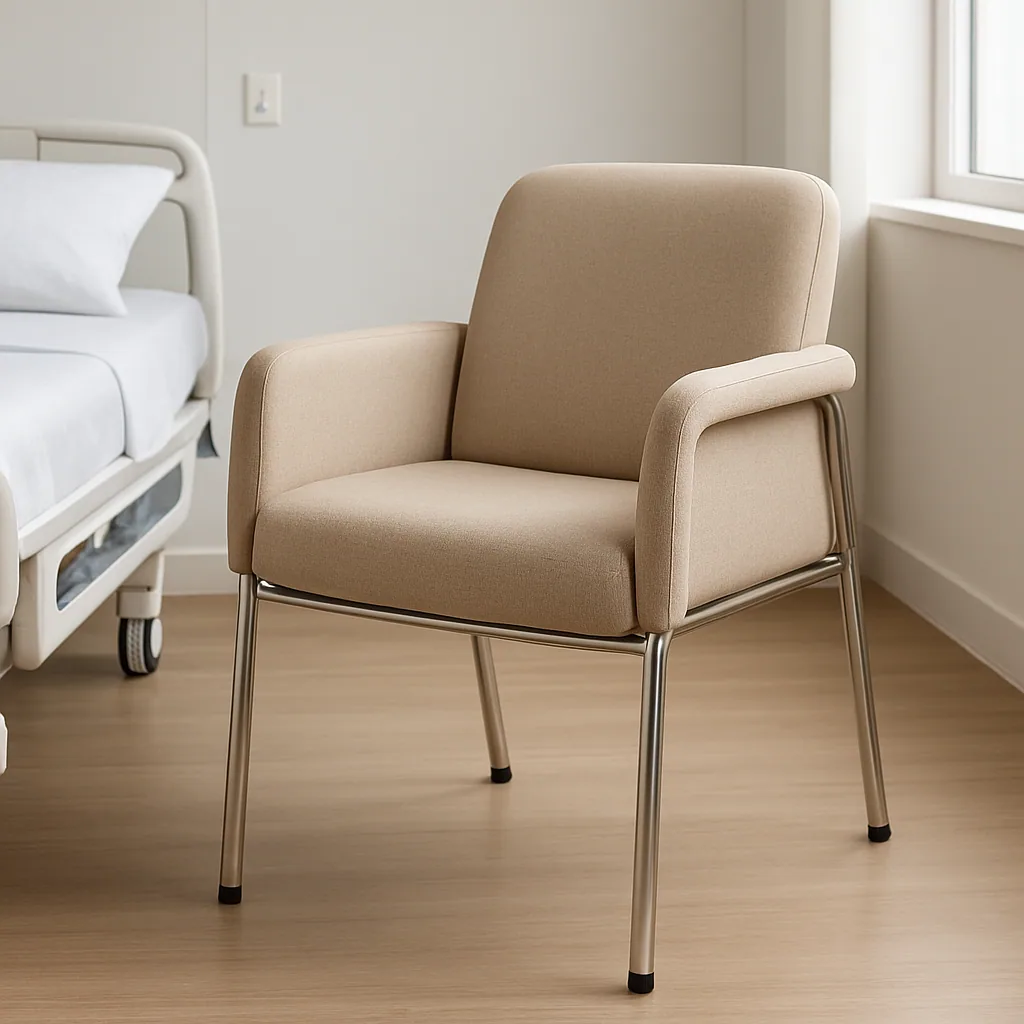
Patient Chairs
Patient seating for ward rooms, recovery areas, waiting areas, and healthcare facilities.
View product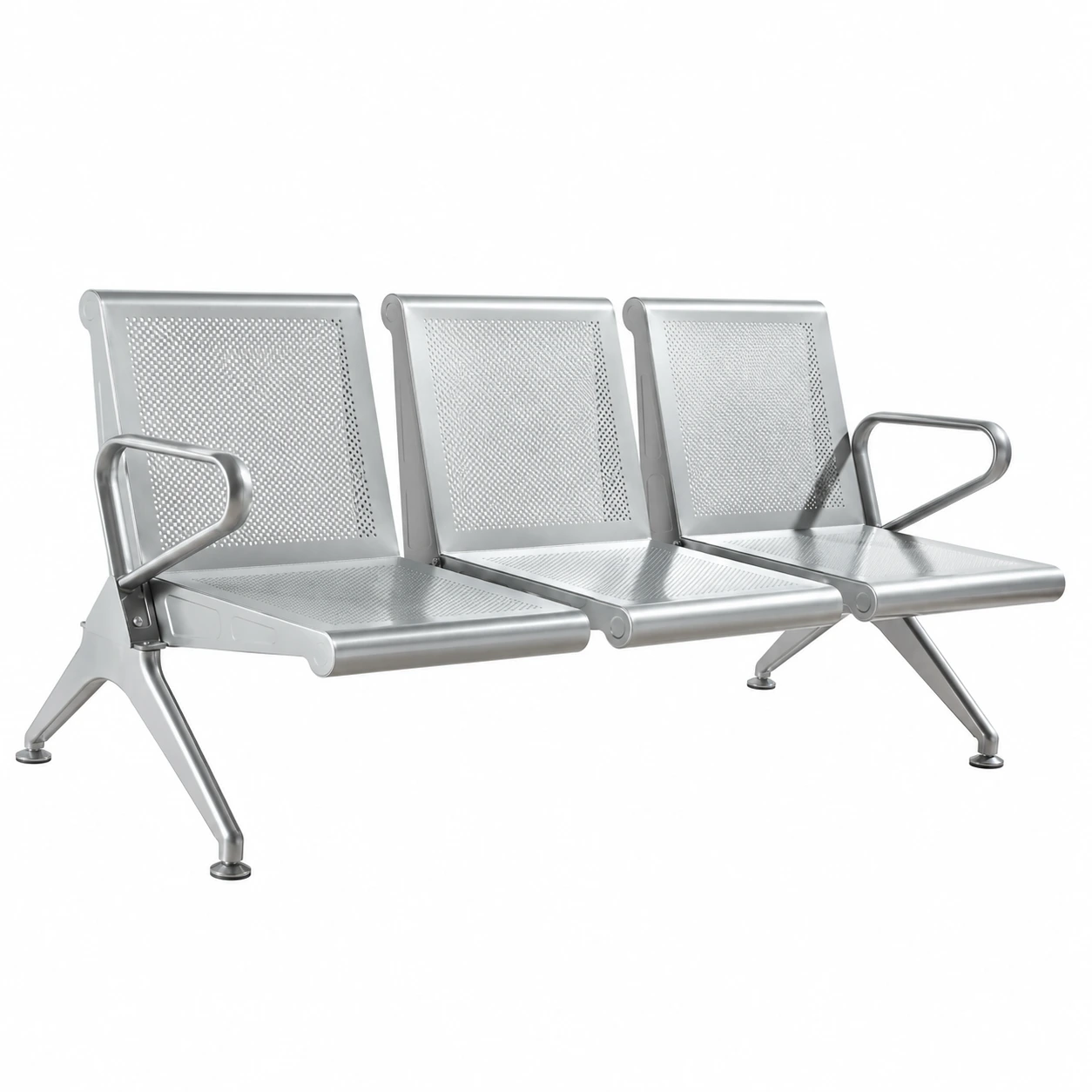
Waiting Chairs
Clinic waiting chairs and bench seating for public reception and patient waiting areas.
View product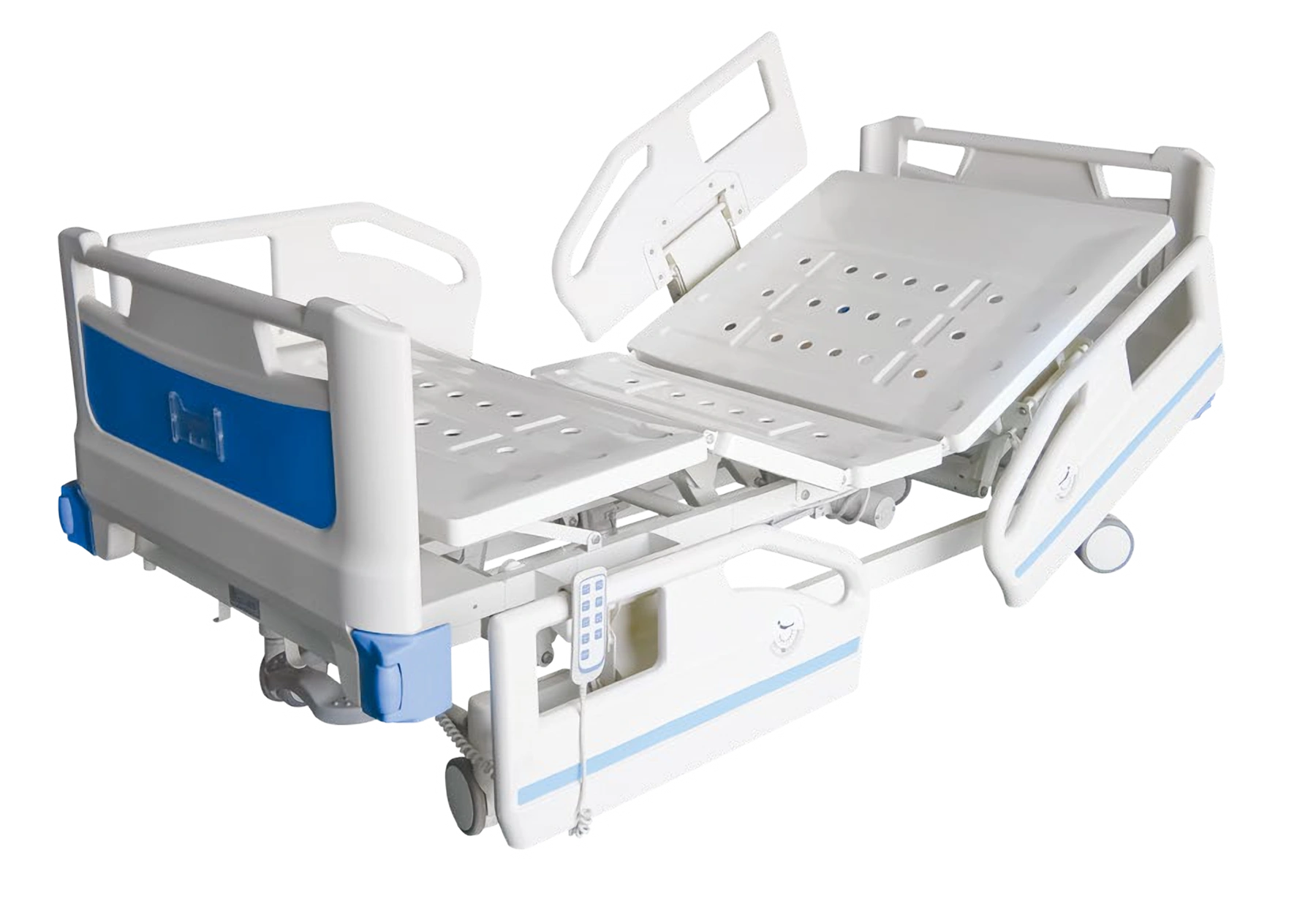
Hospital Beds
General-purpose patient beds for inpatient wards and standard hospital rooms.
View product