
As one of the many medical equipment distributors in the market, you're always looking for ways to grow your business and increase order value with your hospital clients. Adding healthcare furniture seems like a logical next step, but it often brings a wave of uncertainty. You're suddenly faced with new inventory risks, complex after-sales service demands, and the daunting task of finding a reliable supplier. The key is to shift your mindset from simple procurement to strategic sourcing, focusing on supplier partnership and smart portfolio planning to build a profitable new revenue stream.
The most effective way for medical equipment distributors to succeed with furniture is by treating it as a strategic business expansion, not just a procurement task. This approach involves leveraging existing hospital relationships to offer complementary product packages, selecting suppliers based on their project support capabilities, evaluating hidden quality details that go beyond the spec sheet, and building a flexible "good, better, best" product portfolio to meet diverse client needs.

This might sound more complex than simply finding the cheapest hospital bed. However, by breaking it down into a series of deliberate steps, you can avoid common pitfalls and position your company for long-term success. Let's explore the key considerations that will help you build a profitable and low-risk furniture line.
How Should Medical Equipment Distributors Select Their First Furniture Products?
You've decided to add furniture to your offerings, but the sheer number of options is overwhelming. Should you start with hospital beds, trolleys, or cabinets? Picking the wrong products could leave you with expensive, slow-moving inventory and missed opportunities with your most important clients.
The most effective strategy is to analyze your existing client base and their recent equipment purchases. Instead of searching for a generic "best-sellers" list, select complementary furniture categories that allow you to create a complete package deal, increasing value for both you and your hospital clients.
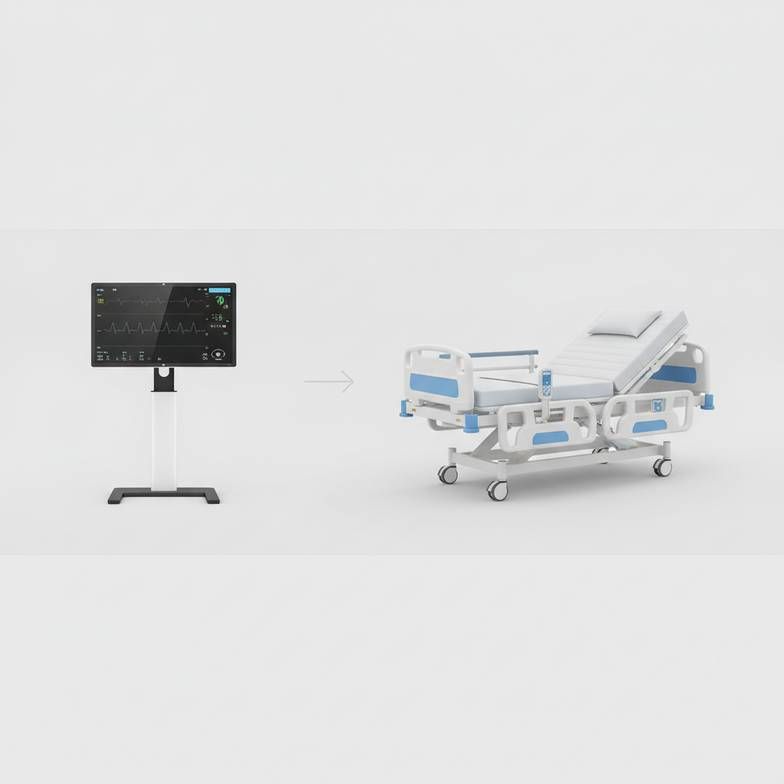
Dive Deeper: From Product Seller to Solution Provider
Many medical equipment distributors we work with initially ask us for a list of our "most popular" items. It's a natural question, but it's not the most strategic one. The real opportunity lies in deepening your existing relationships.
Start with Your Core Customers
Your best guide to product selection is your own sales history.
- Do you primarily sell patient monitors and ventilators to ICU departments? Then the most logical additions are ICU beds, emergency crash carts, and patient chairs designed for critical care environments.
- Is your strength in selling diagnostic equipment to outpatient clinics? Focus on examination couches, physician stools, and medical record trolleys.
- Do you equip entire hospital wards with general medical devices? Then your ideal starting point is a package of manual or electric hospital beds, bedside cabinets, and overbed tables.
By aligning your furniture portfolio with your equipment expertise, you leverage your existing knowledge and client relationships. You're not just selling a product; you're providing a more complete solution for a department you already understand.
The Power of the "Package Deal"
Hospital procurement managers are busy. They prefer to work with fewer, more reliable suppliers. When you can offer a package deal—for example, a complete patient room including the electric bed, mattress, bedside cabinet, and overbed table—you simplify their job significantly. This strategy has several benefits:
- Increases Average Order Value: You sell more to the same customer.
- Strengthens Your Position: You become a one-stop-shop partner rather than just another vendor.
- Creates a Competitive Moat: It's harder for competitors who only sell standalone equipment to compete with your integrated solution.
This approach transforms the sales conversation. Instead of discussing the price of a single item, you're discussing the value of a complete, coordinated room setup.
What Defines a Good Furniture Supplier for Medical Equipment Distributors?
You've shortlisted a few suppliers. Their catalogs look impressive, and their prices seem competitive. But how can you be sure they can truly support your business and protect your reputation with your clients? Choosing the wrong partner can lead to damaged goods, missed tender deadlines, and costly service issues that erode your profits and brand equity.
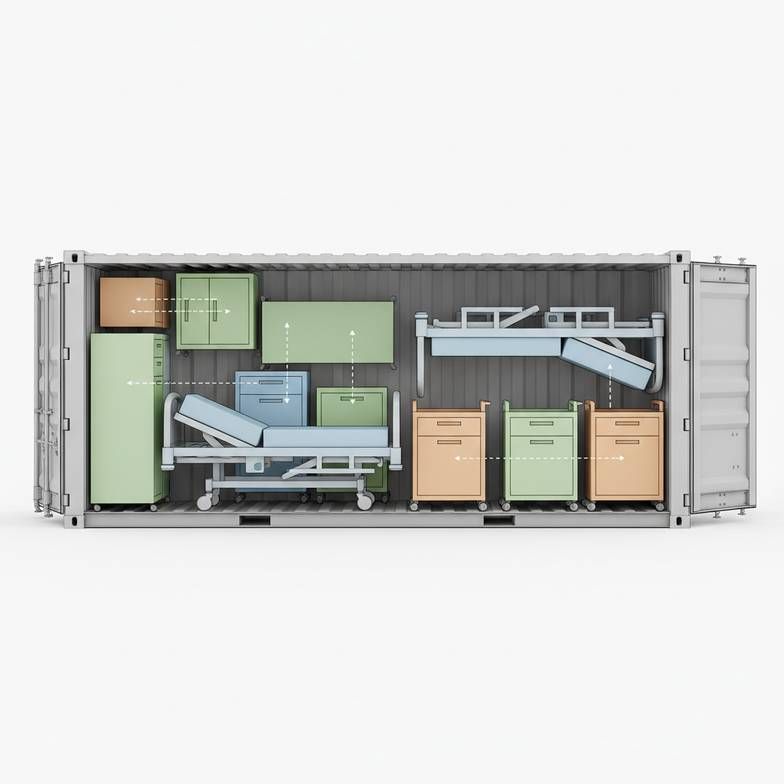
A good supplier for medical equipment distributors is a project partner, not just a product vendor. Their real value is demonstrated through robust project support, which includes services like creating mixed-container loading plans, providing detailed specification sheets for tenders, and implementing a clear, reliable spare parts strategy.
Dive Deeper: Differentiating a Trader from a Partner
The difference between a simple trader and a strategic supply partner is crucial for your long-term success. A trader sends you a price list; a partner asks about your project's goals, your client's specific needs, and your tender requirements. Their goal is to help you win the business and ensure a smooth delivery.
Critical Support Services to Look For
When evaluating potential suppliers, ask about these specific capabilities:
- Mixed Container Planning: Very few distributors want to order a full 40-foot container of a single type of bedside cabinet. A valuable partner will help you plan a mixed container with beds, trolleys, cabinets, and other items. This allows you to place a larger, more cost-effective order while managing your inventory and cash flow efficiently.
- Tender & Bidding Support: A common mistake we see is distributors losing tenders because their supplier couldn't provide the required documentation in time. A true partner will have unbranded technical specification sheets, high-resolution images, and all the necessary data (dimensions, weight, packing volume) ready for you to adapt for your bids.
- Spare Parts & After-Sales Strategy: Before you place your first order, you should know how you will handle a service request. Ask for a list of common spare parts (like casters, gas springs, and remote controls) and their prices. A good supplier can even include a starter set of essential spares with your main order, allowing you to provide immediate support to your clients.
Here’s a simple table to compare what you should expect:
| Feature | Simple Trader | Strategic Partner |
|---|---|---|
| Primary Focus | Product & Price | Project & Solution |
| Communication | Sends a catalog | Asks about your project goals |
| Shipment Support | Full container of one item | Plans mixed container loading |
| Sales Support | Price list | Tender documents, spec sheets |
| After-Sales | Vague or no clear plan | Clear spare parts strategy |
Choosing a strategic partner might not always mean the lowest initial price, but it will almost certainly result in a lower total cost of ownership and a more profitable business relationship.
How Do You Evaluate Furniture Quality Beyond the Spec Sheet?
You're comparing quotes for a hospital bed, and all the spec sheets look nearly identical: "steel frame," "ABS plastic headboard," "four casters." It’s incredibly tempting to choose the supplier with the lowest price. This is a trap. The biggest risks to your reputation and long-term costs are hidden in the details the spec sheet doesn't mention.
To truly assess quality, you must ask targeted questions about the "hidden" components. Focus your evaluation on material thickness, caster brand and diameter, powder coating standards, and packaging durability. These factors, rarely listed on a basic quote, are what determine a product's real-world lifespan and your future after-sales burden.
Dive Deeper: The Details That Define Durability
Based on feedback from hundreds of projects, we've learned that small details make a huge difference in client satisfaction. Here’s what you should be asking your potential suppliers about.
The Non-Negotiable Quality Checkpoints
- Steel Thickness: A hospital bed frame made from 1.5mm thick steel tubing is significantly more robust and will last much longer than one made from a 1.2mm tube. This 25% difference in material isn't visible in a photo, but it's felt in the product's stability and longevity. Always ask for the steel thickness specification.
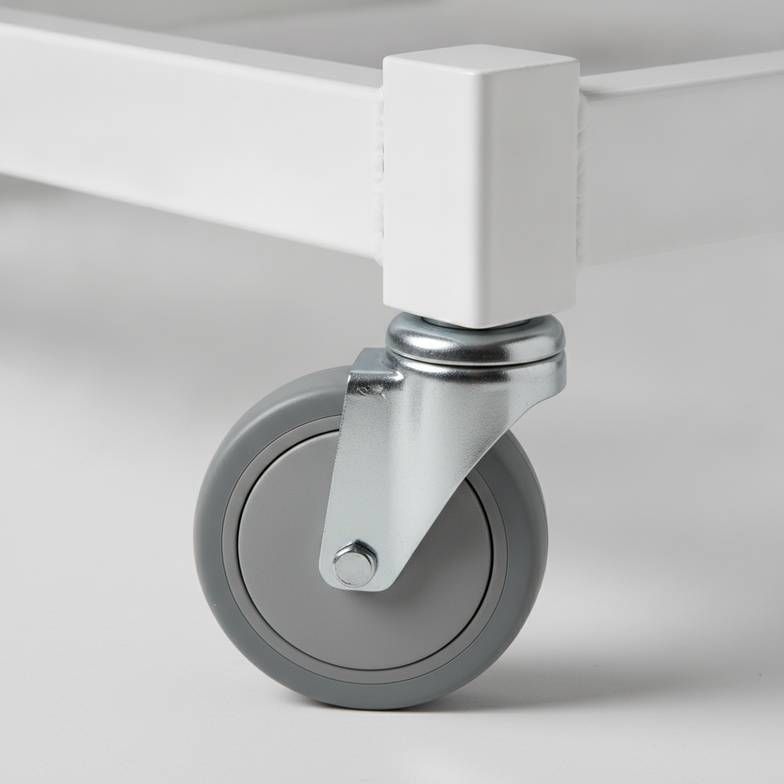
- Caster Quality and Size: From our experience, the most frequent service issue reported by distributors is failing casters. A cheap, unnamed caster will break, rust, or jam, causing major headaches for nursing staff. Insist on a reputable caster brand and confirm the diameter—125mm (5 inches) is the industry standard for hospital beds for good reason, as it rolls smoothly over thresholds and uneven floors.
- Powder Coating Process: A single, quickly sprayed layer of paint will chip and rust when exposed to the harsh cleaning chemicals used in hospitals. A high-quality finish involves a multi-stage process, including chemical pre-treatment (like phosphating) to ensure the powder coat adheres properly to the steel, providing a durable, rust-resistant surface.
- Packaging Durability: A low price often comes at the expense of packaging. A product arriving damaged is not a bargain; it’s a problem that requires your time and money to fix. Ask for photos or videos of how the products are packed. For international shipping, 5-layer corrugated cartons are a minimum, and sensitive or heavy items should be crated.
> A common scenario we see is when a distributor loses a tender despite having the lowest price. During the hospital's physical product evaluation, their sample felt flimsy and less stable compared to a competitor's, which used thicker steel and better casters—details that were never listed in the original tender document.
Should Medical Equipment Distributors Build a Flexible Furniture Portfolio?
You're getting ready to select your initial product line, but a new concern arises. You're worried about locking your business into a single price point. What happens when one hospital client needs a budget-friendly option for a large ward upgrade, while another requires a high-end solution for a prestigious private clinic tender?
Yes, building a flexible "good, better, best" portfolio for your key furniture categories is a powerful and highly recommended strategy. This approach enables you to cater to diverse client budgets and a wide range of tender requirements without having to find a new supplier for every unique opportunity.
Dive Deeper: The "Good, Better, Best" Strategy
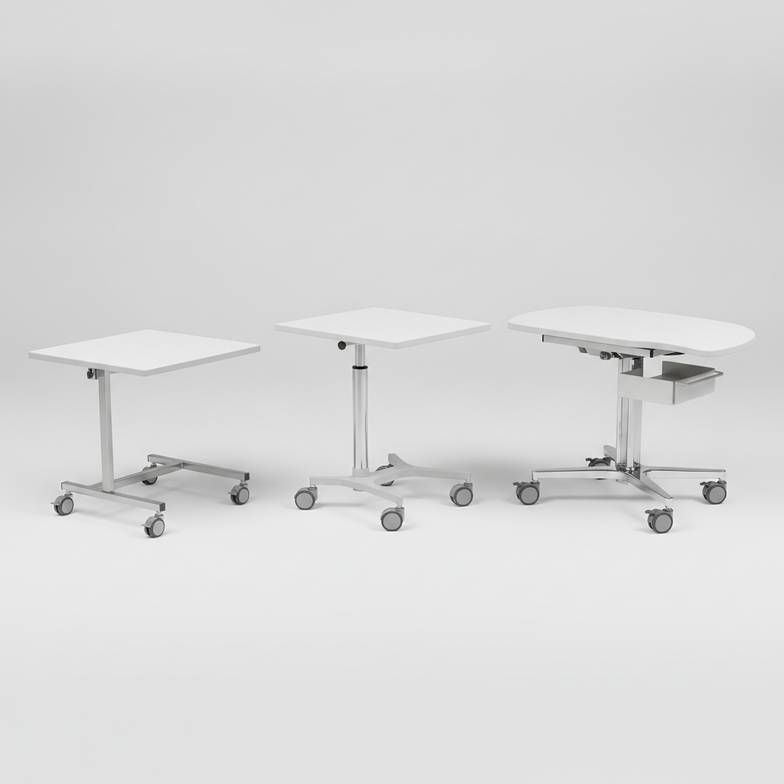
This tiered approach allows you to become a more versatile and responsive partner for your clients. Instead of just having "a hospital bed" to offer, you have a solution for every need.
A Practical Portfolio Example
Let's apply this to a core product like a hospital bed:
- "Good" - The Budget-Conscious Workhorse: This is your basic, functional, and cost-effective model. Think of a manual hospital bed with two cranks (back and leg adjustment). It's built to be durable but lacks extra features. This model is perfect for large-scale public hospital projects, rural clinics, or tenders where price is the primary deciding factor.
- "Better" - The Balanced Performer: This is the most popular choice for most general wards, offering an excellent balance of features, durability, and price. A three-function electric hospital bed with quality casters, durable ABS side rails, and a reliable motor system fits here. It meets the ergonomic needs of nursing staff and the comfort needs of patients. This should be your core, go-to offering.
- "Best" - The Premium Solution: This is your top-tier model, packed with advanced features for specialized environments like the ICU or high-end private hospitals. This could be a multi-function ICU bed with an integrated scale, X-ray translucent backrest, central braking system, and a "cardiac chair" position. It's designed to win competitive tenders where clinical features are more important than price.
How a Tiered Portfolio Drives Your Business
Adopting this strategy provides tangible business advantages for medical equipment distributors:
- Wider Market Coverage: You are no longer disqualified from a tender because your only product is too expensive or too basic. You can now compete across a broader spectrum of opportunities.
- Strategic Upselling: When a client asks for the "good" option, you can present the "better" option and explain the long-term value of investing in electric adjustment or more durable components.
- Optimized Inventory: You can choose to stock your high-volume "better" model and source the "good" and "best" tiers on a per-project basis. This is where having a supplier who supports mixed orders and has a flexible production line becomes a massive asset.
Frequently Asked Questions
How do I handle warranty and spare parts for furniture?
Clarify the warranty policy and spare parts availability before you place an order. A reliable supplier should provide a clear warranty statement (typically 1–2 years for frames and electronics) and a priced list of common spare parts. We recommend ordering a small "starter set" of critical spares like casters and hand controllers with your first major shipment to ensure you can provide immediate service.
Is it better to source from a factory or a trading company?
The business license label is less important than the supplier's capabilities. Some factories lack the export experience or project support teams to help distributors effectively. Conversely, a specialized trading partner may offer superior consolidation, logistics, and project management services. Focus on finding a partner who provides the support services we've discussed—tender support, mixed container planning, and after-sales strategy—regardless of their official designation.
How can I be sure the quality is good when sourcing from China?
Start by requesting samples of key items to evaluate them firsthand. Ask for detailed specifications, close-up photos, and even videos of the production process. Specify your requirements for critical components like steel thickness and caster brand. For large orders, consider hiring a third-party inspection company to verify quality before the container is loaded and shipped.
What's the biggest mistake medical equipment distributors make with furniture?
The most common and costly mistake is choosing a supplier based on the lowest price alone. This often ignores the hidden costs of poor quality, shipping damage due to inadequate packaging, and a lack of after-sales support. These issues can quickly erode your profit margin and, more importantly, damage the reputation you've worked hard to build with your hospital clients.
Conclusion
For medical equipment distributors, expanding into healthcare furniture is a significant opportunity to increase revenue and become a more integral partner to your clients. Success, however, doesn't come from simply finding the cheapest products. It comes from a strategic shift in thinking. By focusing on your clients' needs to build a complementary product line, vetting suppliers for their project support capabilities, looking beyond the spec sheet to judge true quality, and building a flexible "good, better, best" portfolio, you can mitigate risks and create a sustainable, profitable business line. This journey transforms you from a product seller into a true healthcare solutions provider.
If you're ready to build a profitable and low-risk furniture line for your business, contact CareFurnex. We specialize in providing the project support and practical solutions that medical equipment distributors need to succeed in today's competitive market.
Written by
CareFurnex Team
CareFurnex Team shares practical knowledge about hospital beds, patient room furniture, medical trolleys, clinic furniture, and healthcare facility procurement for international B2B buyers.
Related Products
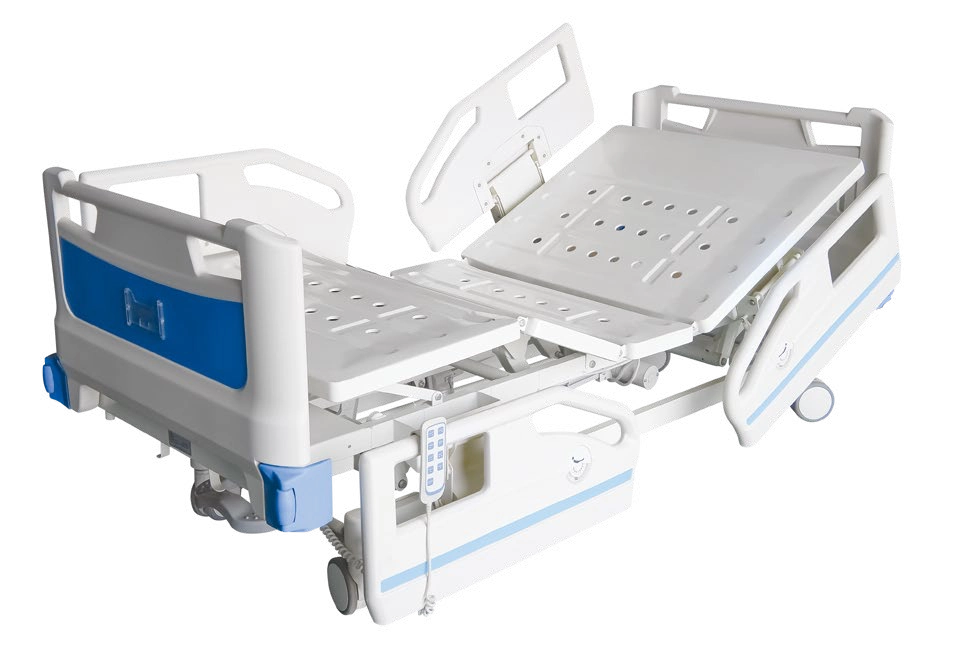
Hospital Beds
General-purpose patient beds for inpatient wards and standard hospital rooms.
View product
Ward Furniture
Complete ward furniture options for patient rooms and hospital care areas.
View product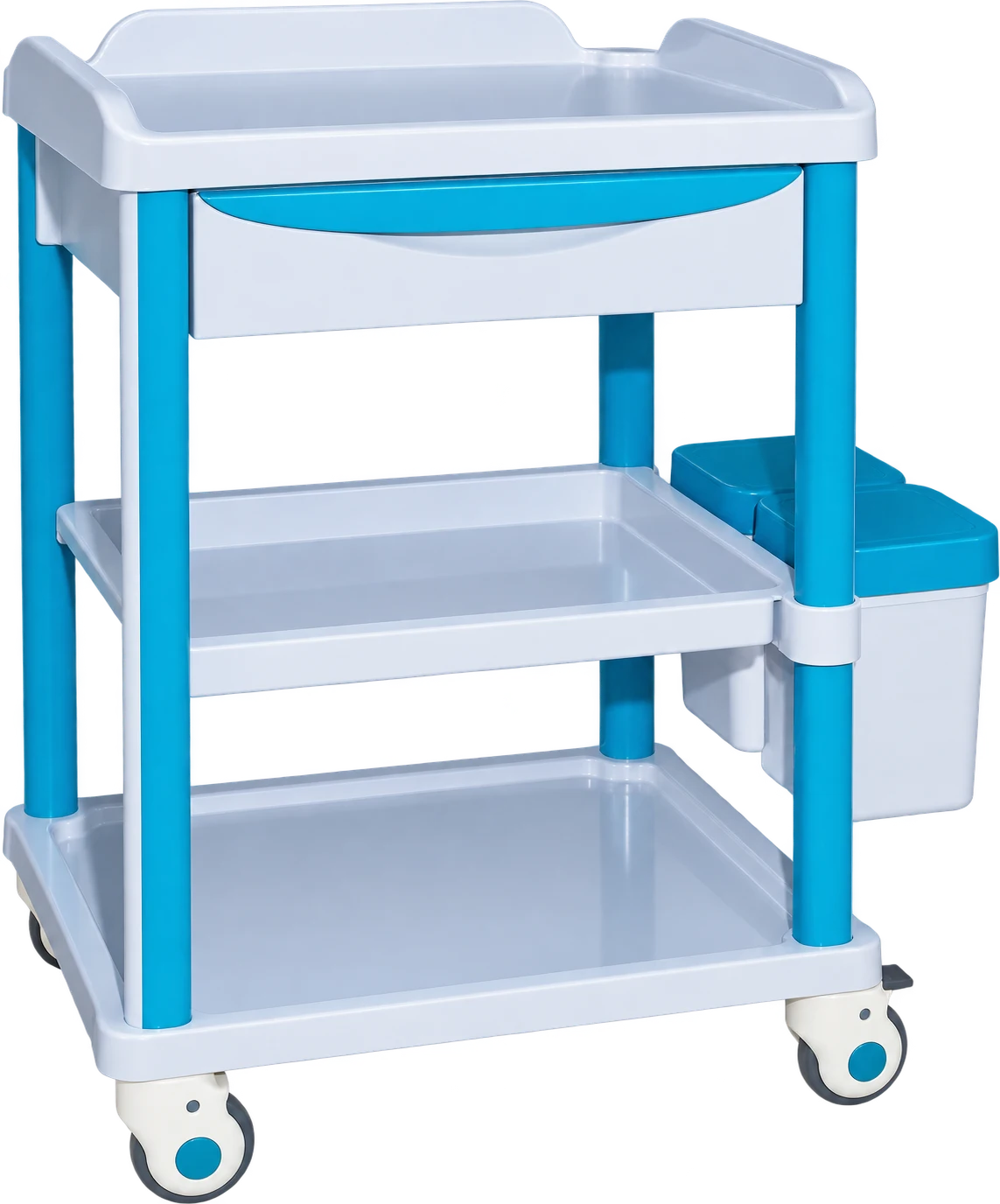
Medical Trolleys
Mobile carts for nursing rounds, treatment supplies, medicines, and clinical tools.
View product