
Struggling with a broken medical trolley caster is a common problem that brings hospital workflows to a grinding halt. This minor component failure quickly agitates the entire department, causing trolley downtime, potential floor damage, and safety risks for staff. The solution isn't just about finding a quick fix; it's about understanding that planning for medical trolley caster replacement during the initial procurement stage is the most effective form of risk management.
The most important maintenance detail for medical trolley caster replacement is to address it before you even buy the trolley. Buyers should focus on selecting the correct caster type for the specific hospital environment (e.g., anti-static for OR, silent for wards) and confirming the supplier's spare parts availability and procurement process during the initial quotation phase. This proactive approach prevents future downtime, reduces long-term costs, and ensures operational safety.
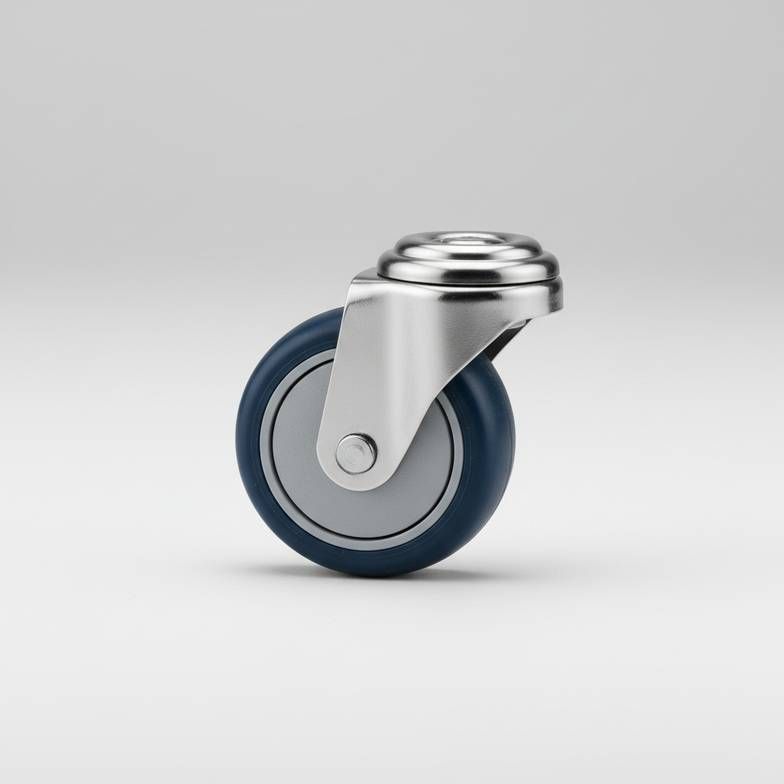
This might seem counterintuitive. Why worry about a replacement part for a brand-new product? Because the questions you ask about caster replacement reveal a great deal about the trolley's quality and the supplier's reliability. Let's explore why this shift in perspective from reactive maintenance to proactive procurement is critical for any healthcare facility.
How Do Different Hospital Environments Affect Caster Choice?
You might think a caster is just a wheel, and that any trolley can be used anywhere in the hospital. This assumption can lead to significant operational issues, increased costs, and even safety hazards. The real solution lies in matching the caster's properties to the specific demands of its intended environment before you make a purchase.
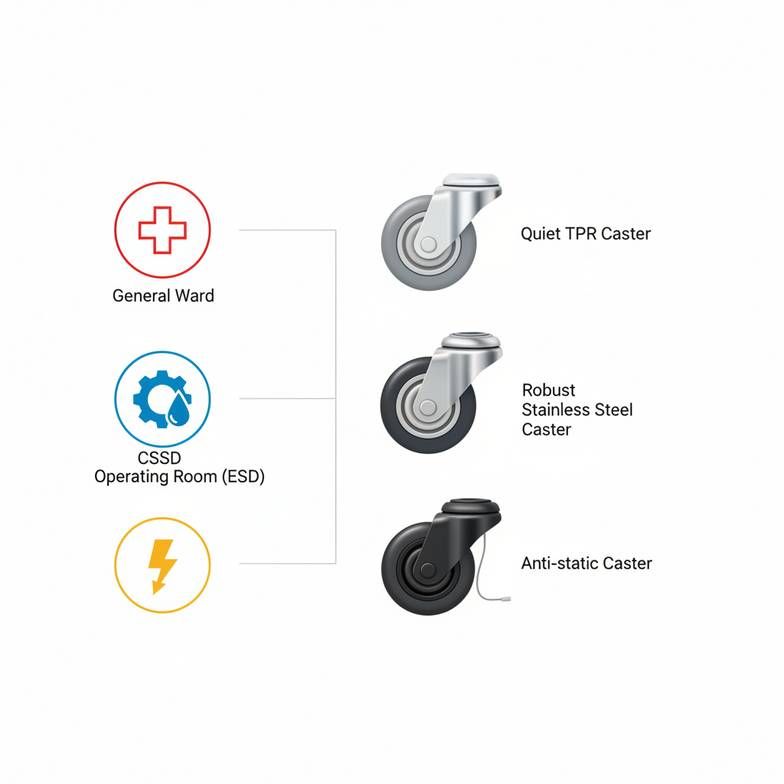
The choice of caster is directly influenced by where the medical trolley will be used. A general ward has very different requirements from a sterile operating room or a high-traffic central supply department. Selecting the wrong type can lead to premature failure and operational disruption.
Dive Deeper: Matching Casters to Clinical Needs
From our experience handling inquiries from hospital project contractors, one of the first questions we ask is, "In which department will this trolley be used?" The answer changes everything. A generic specification is not enough; you need a solution tailored to the workflow.
Operating Rooms (OR), MRI Suites, and Electronic-Sensitive Areas
In environments with sensitive electronic equipment, such as operating rooms, ICUs, or diagnostic imaging suites, static electricity is a major concern. A rolling trolley can build up a static charge that can damage expensive medical devices or cause discomfort to patients and staff.
- Solution: Specify anti-static or conductive casters (ESD). These casters have materials and construction that safely dissipate static charge into the floor, protecting equipment worth tens of thousands of dollars. For MRI suites, you must also ensure all components, including the caster housing and bearings, are non-magnetic.
Central Sterile Services Department (CSSD)
The CSSD is a harsh environment for any equipment. Trolleys here are constantly exposed to water, harsh cleaning chemicals, and high temperatures from cart washers and autoclaves.
- Solution: Look for casters with high chemical resistance and housings made from stainless steel (Grade 304 is ideal) to prevent rust and corrosion. The wheel material must withstand repeated cleaning cycles. Sealed bearings are also critical to prevent water and debris from causing seizure.
General Wards, Patient Rooms, and Clinics
In areas where patients are resting, noise is a primary concern. The clatter of a trolley with hard, cheap wheels can be extremely disruptive. Staff ergonomics are also key, as nurses push these trolleys for miles every day.
- Solution: Choose casters with Thermoplastic Rubber (TPR) wheels. TPR is a soft, non-marking material that provides a quiet, smooth ride, absorbs shocks, and protects expensive hospital flooring. Larger diameter wheels (e.g., 125mm) roll more easily over thresholds, elevator gaps, and uneven surfaces, reducing the physical strain on staff.
What Is the True Cost of Low-Quality Trolley Casters?
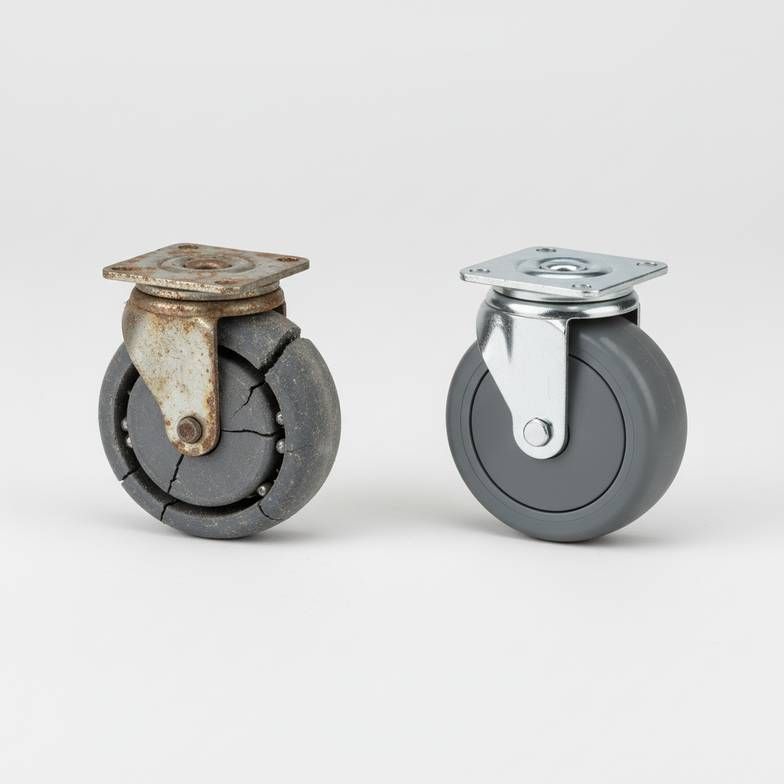
A low price on a quotation for a medical trolley can seem very attractive, especially when you are trying to meet a tight budget. However, this initial saving is often an illusion that disappears when you face frequent breakdowns, workflow disruptions, and unhappy staff. The real solution is to evaluate the Total Cost of Ownership (TCO), not just the upfront purchase price.
The true cost of low-quality casters goes far beyond the price of a replacement part. It includes the costs of maintenance labor, trolley downtime, potential damage to hospital property, and the unquantifiable risk to staff and patient safety. A cheap caster is almost always the most expensive option in the long run.
Dive Deeper: Calculating the Hidden Expenses
When a procurement manager compares two quotes, one is often cheaper. The temptation is to choose the lower price. However, we have learned from after-sales feedback that this is where future problems begin. The price difference often lies in components the buyer can't easily see—like the quality of the caster bearings, the thickness of the steel, or the grade of the wheel material.
Here’s a breakdown of the costs you'll likely face with an underspecified caster:
- Direct Replacement Costs: This is the most obvious cost. You have to buy new casters. If the supplier used non-standard parts, finding a match can be difficult and expensive. You may also need to pay for a technician's time to perform the repair.
- Operational Downtime: This is a significant hidden cost. When a medication cart or emergency trolley is out of service, nursing staff must find workarounds. This disrupts established workflows, reduces efficiency, and can delay patient care. What is the cost of one hour of a specialized trolley being unavailable during a busy shift?
- Floor Damage: Hard, low-quality plastic wheels can scratch, dent, and scuff expensive hospital flooring like vinyl or epoxy. Over time, the cost of repairing or replacing a damaged floor section will far exceed the initial savings on the trolley.
- Staff Strain and Injury: A trolley with a seized or wobbly caster is difficult and frustrating to push. This increases the physical strain on nurses and other staff, potentially leading to musculoskeletal injuries and worker compensation claims.
To illustrate, consider this simple comparison over a 5-year lifespan:
| Cost Factor | Trolley A (Low-Quality Casters) | Trolley B (High-Quality Casters) |
|---|---|---|
| Initial Price | $350 | $450 |
| Caster Replacements | 3 sets @ $60/set = $180 | 0 sets = $0 |
| Maintenance Labor | 3 hours @ $50/hr = $150 | 0 hours = $0 |
| Estimated Downtime Cost | $100 | $0 |
| Total 5-Year Cost | $780 | $450 |
This simple table shows that the "cheaper" trolley actually costs over 70% more over its life. This is the data that justifies a smarter purchasing decision.
What Caster Specifications Should I Ask My Supplier About?
When you receive a trolley quotation, it might just say "4 x 100mm casters." This tells you almost nothing. The difference between a reliable, long-lasting trolley and a problematic one is hidden in the details of that specification. To protect your investment, you need to ask the right questions and demand clarity.
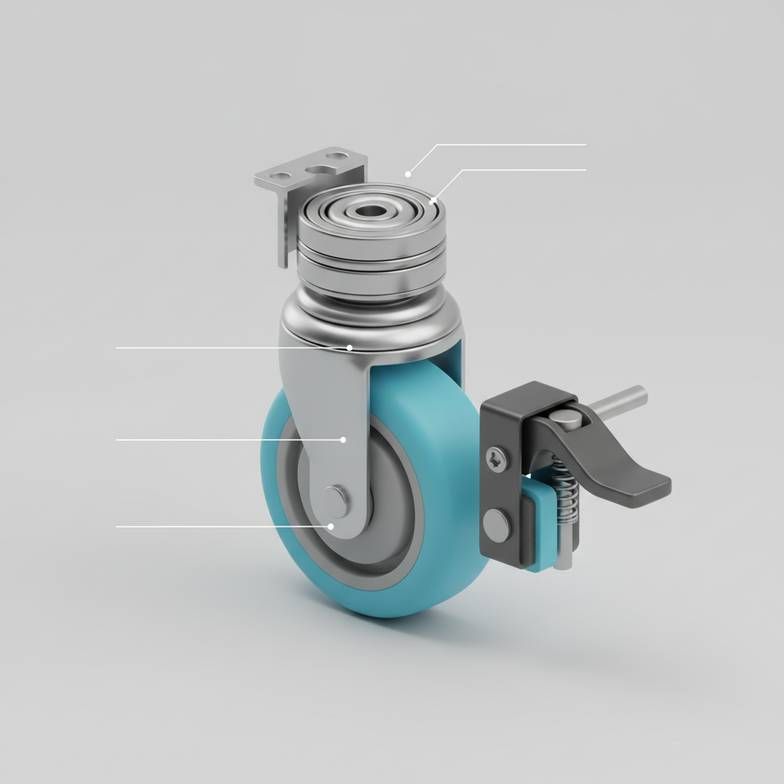
Instead of accepting a generic description, you should ask your supplier for specific details about the caster's material, diameter, bearing type, braking system, and load capacity. This forces a transparent comparison and helps you evaluate the true quality of the product you are buying.
Dive Deeper: From Vague Descriptions to Actionable Data
A professional supplier should be able to provide these details easily. If a supplier is hesitant or unable to answer, it's a major red flag. It suggests they either don't know their own product or are hiding the fact that they use low-quality components.
Here are the key medical trolley caster specifications to ask about:
Wheel Material and Diameter
- What to ask: "What is the wheel material (e.g., PU, TPR, PA) and what is its diameter in millimeters?"
- Why it matters: As discussed, TPR (Thermoplastic Rubber) is quiet and floor-friendly, great for wards. PU (Polyurethane) is extremely durable and handles heavy loads well, often used on treatment and equipment trolleys. A larger diameter (e.g., 125mm vs. 100mm) allows the trolley to roll more easily over obstacles like door thresholds and elevator gaps.
Bearing Type
- What to ask: "Do the casters use precision ball bearings or a simpler sleeve/plain bearing?"
- Why it matters: Precision ball bearings provide the smoothest, easiest rolling motion, significantly reducing the push force required by staff. They are a hallmark of a high-quality caster. Plain bearings are cheaper but create more friction and will wear out faster, making the trolley difficult to maneuver.
Braking System
- What to ask: "Does this trolley use a total-lock, a wheel-lock, or a diagonal braking system?"
- Why it matters: A simple wheel lock just stops the wheel from rolling but allows the caster to swivel, meaning the trolley can still move. A total-lock caster (or central locking system) locks both the wheel's rotation and the caster's swivel at the same time. This provides much greater stability and safety, which is essential when a nurse is dispensing medication or performing a bedside procedure.
Load Capacity (Dynamic vs. Static)
- What to ask: "What is the dynamic load capacity per caster, and for the trolley as a whole?"
- Why it matters: Suppliers sometimes list a high static load capacity (the weight it can hold when stationary). But a trolley is meant to move. The dynamic load capacity (the weight it can handle while rolling) is the number that truly matters. A good rule of thumb is that the total capacity of the four casters should be at least double the expected working load to account for shock loads and uneven surfaces.
By asking these questions, you transform the procurement conversation from one about price to one about value and performance.
Why Is Planning for Medical Trolley Caster Replacement a Supplier Test?
It feels strange to discuss replacing parts on a product you haven't even bought yet. Many buyers assume that spare parts will be available if they are needed. Unfortunately, we've seen cases where a distributor or hospital is left with a fleet of unusable trolleys because a cheap, non-standard caster failed and the original supplier is nowhere to be found.
The way a potential supplier responds to your questions about planning for medical trolley caster replacement is a powerful litmus test. It reveals their commitment to after-sales support, their understanding of long-term hospital needs, and the overall reliability of their supply chain. A good partner plans for the future with you.

Dive Deeper: Separating Partners from Transactional Sellers
When you source medical furniture, especially for large projects or distributor stock, you are not just buying a product; you are entering into a B2B relationship. You need a partner who will support you long after the initial payment is made. Asking about caster replacement strategy is an excellent way to gauge this.
Here’s what to look for in a supplier's response:
The Green Flags of a Reliable Partner:
- Clarity and Transparency: They can immediately identify the exact caster model used on the trolley, including its specifications and part number.
- Established Process: They have a clear procedure and price list for ordering spare parts. They can tell you the lead time and shipping costs for a set of replacement casters.
- Proactive Planning: A truly experienced supplier might suggest including a small percentage of spare casters (e.g., 2-3%) in your main container shipment for a large project order. This saves you significant time and shipping cost in the future.
- Long-Term View: Their answers show they understand that equipment longevity and serviceability are important to you. They see after-sales support as part of the deal, not an inconvenience.
The Red Flags of a Risky Seller:
- Vague Answers: "Don't worry, the casters are very good quality." or "They are a standard size; you can find them anywhere." This often means they are using generic, unbranded parts and have no real after-sales plan.
- No Process: "We'll figure it out if it happens." This is a sign of an inexperienced or purely transactional supplier. When a caster breaks two years from now, they will have no system in place to help you.
- Defensiveness: If a supplier seems annoyed that you are asking about future problems, they are not focused on your long-term operational success.
By framing the caster replacement question as a strategic part of procurement, you test the supplier's entire business philosophy. You quickly discover who is a reliable partner and who is just trying to make a quick sale.
Frequently Asked Questions
What is the difference between TPR and PU casters for medical trolleys?
TPR (Thermoplastic Rubber) casters are softer, providing a quieter and smoother ride that is ideal for patient wards as it reduces noise and protects floors. PU (Polyurethane) casters are harder and more durable, offering higher load capacity and excellent resistance to chemicals and abrasion, making them suitable for heavier treatment or equipment trolleys.
How often should medical trolley casters be inspected?
We recommend incorporating caster inspection into a regular preventative maintenance schedule, perhaps monthly or quarterly. Staff should check for debris tangled in the axles, ensure the braking function works correctly, and confirm that the casters swivel and roll smoothly. A proactive check can prevent a disruptive failure.
Can I use casters from a different supplier on my trolley?
It can be risky. The mounting type (e.g., threaded stem, grip ring, top plate), stem size, and dimensions must match exactly. Using an incompatible caster can damage the trolley frame and void the manufacturer's warranty. It's always best to source replacements from the original supplier to guarantee compatibility and performance.
Are anti-static casters necessary for all medical trolleys?
No, not all trolleys require them. Anti-static (ESD) casters are critical in areas with sensitive electronic medical equipment, such as operating rooms, ICUs, and diagnostic labs, to prevent static discharge from damaging devices. For general use in hallways or patient rooms, standard high-quality casters (like TPR) are sufficient.
Conclusion
The conversation around medical trolley caster replacement needs to shift from a reactive maintenance headache to a proactive procurement strategy. As we've seen, focusing solely on the initial price of a trolley is a common mistake that leads to higher total costs, operational downtime, and safety risks. The true measure of a smart purchase lies in the details—the caster materials, bearings, and braking systems that define a trolley's daily performance and longevity.
By asking specific questions about caster specifications and demanding a clear plan for spare parts, you are not just buying a product; you are testing your supplier's commitment to quality and long-term partnership. This approach empowers you to select trolleys that serve your facility reliably for years, ensuring the safety of your staff and the continuity of patient care.
If you are a hospital project contractor, distributor, or procurement manager looking for practical healthcare furniture solutions with clear specifications and reliable B2B support, we can help. Contact CareFurnex today to discuss your project requirements and let us assist you in making an informed decision that prioritizes long-term value.
Written by
CareFurnex Team
CareFurnex Team shares practical knowledge about hospital beds, patient room furniture, medical trolleys, clinic furniture, and healthcare facility procurement for international B2B buyers.
Related Products
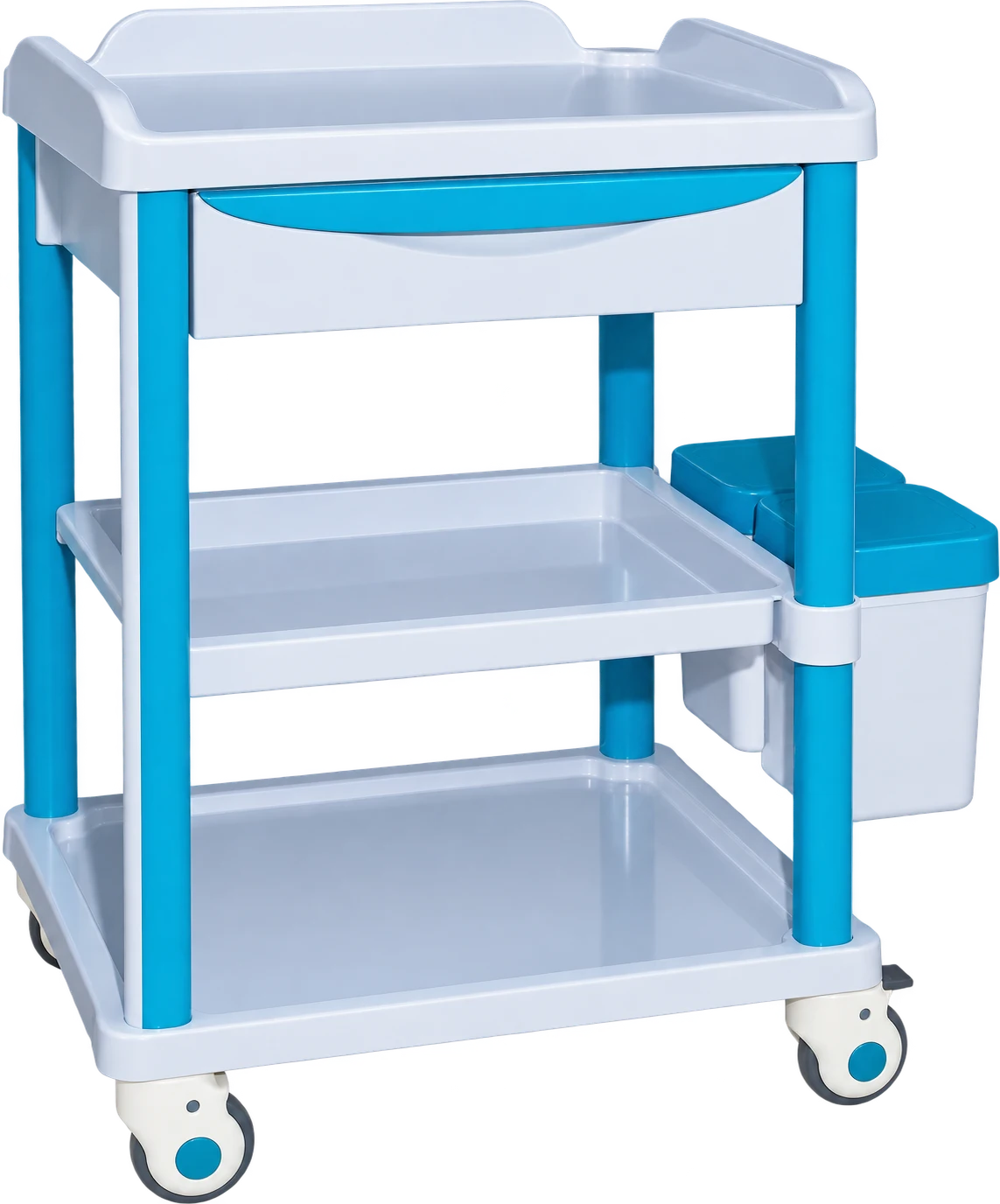
Medical Trolleys
Mobile carts for nursing rounds, treatment supplies, medicines, and clinical tools.
View product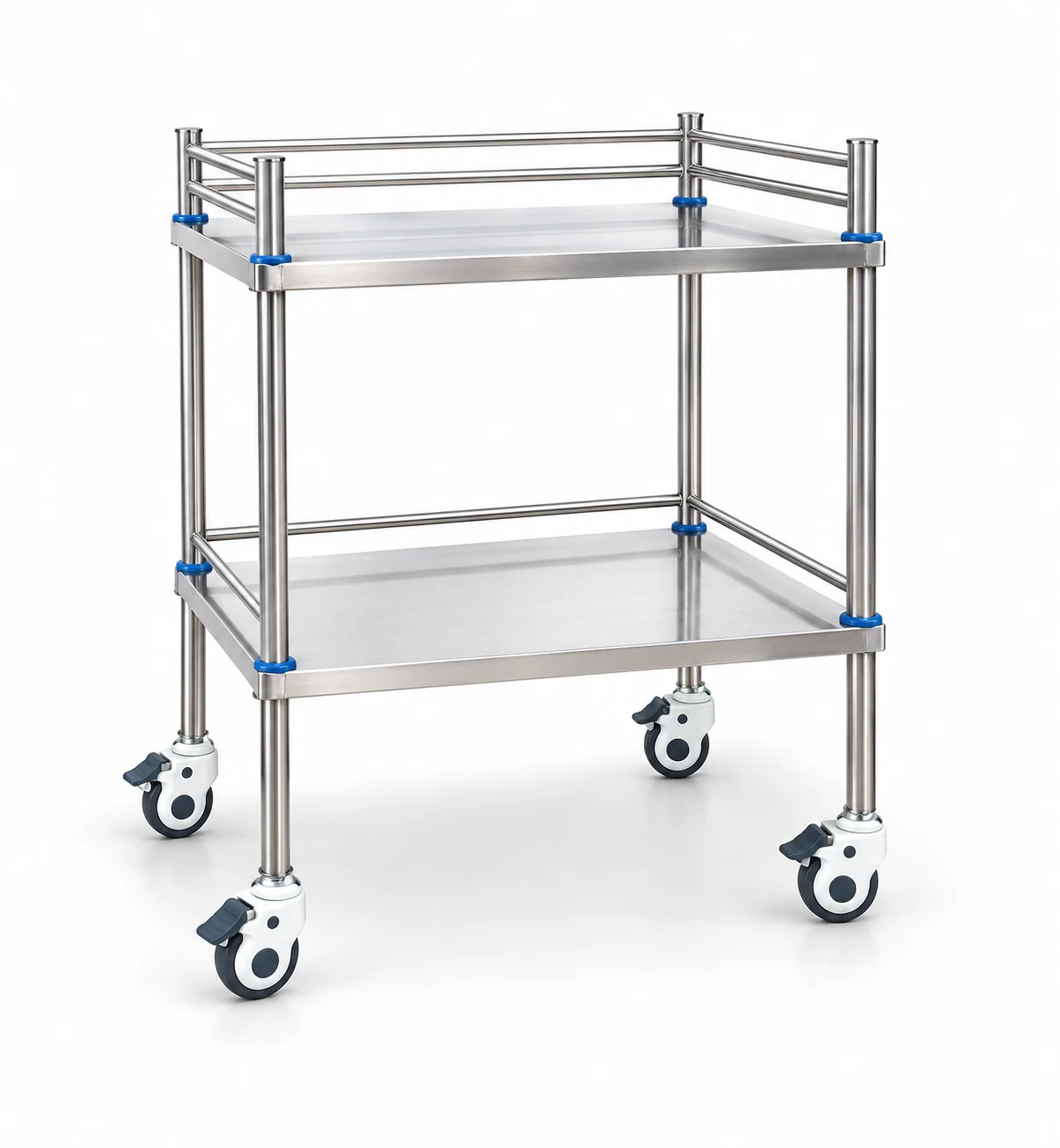
Stainless Steel Trolleys
Compare stainless steel trolleys by model, stated dimensions and configuration.
View product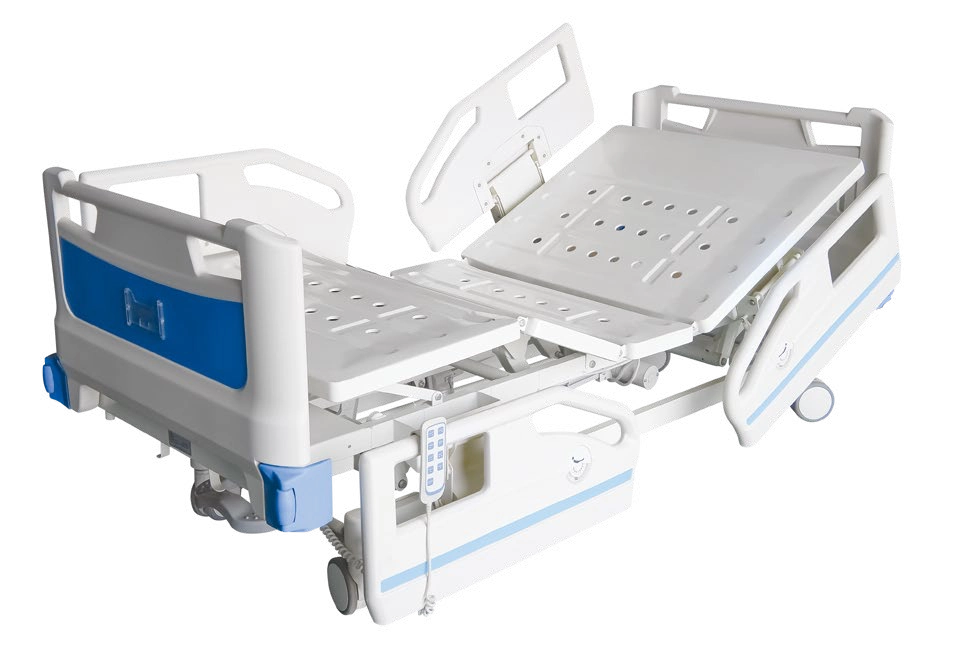
Hospital Beds
General-purpose patient beds for inpatient wards and standard hospital rooms.
View product