
You are preparing to purchase nursing beds for a long-term care facility, renovation project, or distributor order. You have several quotations on your desk. The product photos look similar, but the prices are different. The risk is that the lowest-priced offer might hide incomplete configurations, missing accessories, or weak export packing that leads to higher freight costs and damaged goods.
Choosing the wrong bed is not just a purchasing mistake; it becomes a daily operational problem for caregivers and a comfort and safety issue for residents.
For long-term care facilities, the right nursing bed is not simply the lowest-priced bed in the quotation. It is the bed whose function, side rails, casters, mattress compatibility, accessories, packing, and delivery plan match the facility’s daily care needs.
This guide will walk you through the critical procurement checkpoints from a B2B supplier's perspective. It will help you compare nursing bed offers on a complete basis, reducing risk before you confirm a bulk order.

How Should Buyers Define the Right Nursing Bed for a Long-Term Care Facility?
Before requesting a price, you must define your use scenario. A nursing bed for long-term care is not just a piece of medical equipment; it's part of a resident's daily living environment. Its suitability depends entirely on how it will be used.
In my experience, many buyers start with the question, "What is your nursing bed price?" But before a supplier can provide a useful quotation, we need to understand the care scenario. A bed for a highly mobile resident is different from one for a dependent patient.
A good supplier should ask about your facility's needs before recommending a product. This prevents you from getting a bed that is technically acceptable but impractical for daily operation. The main trade-off is between a fast, generic inquiry and a detailed, specific one. A generic request for "nursing bed price" will only yield a generic quote that is difficult to compare. In contrast, a specific request based on your use scenario allows suppliers to propose the right configuration from the start, saving you time on repeated quotation changes and preventing future operational complaints.
Practical Buyer Action: Before sending an inquiry, prepare a short brief covering these points:
- Facility Type: Nursing home, rehabilitation center, or elderly care project.
- Room Function: Private room, shared ward, or special care unit.
- Resident Care Level: General elderly care, high dependency, or rehabilitation.
- Functional Preference: Manual or electric adjustment needs.
- Quantity: Number of beds required, broken down by room type if possible.
- Key Requirements: Mattress needs, essential accessories, and project schedule.
Which Configuration Details Change the Real Value of a Nursing Bed?
Look beyond the main product photo and compare the detailed specification sheet. Similar-looking beds can have very different practical value depending on their configuration. The unit price often reflects these hidden details.
From the supplier side, we know that one product name can hide multiple versions. The most common areas where configurations differ are:
- Functions: Manual vs. electric adjustments (backrest, leg rest, height).
- Side Rails: The type, material, and operating mechanism.
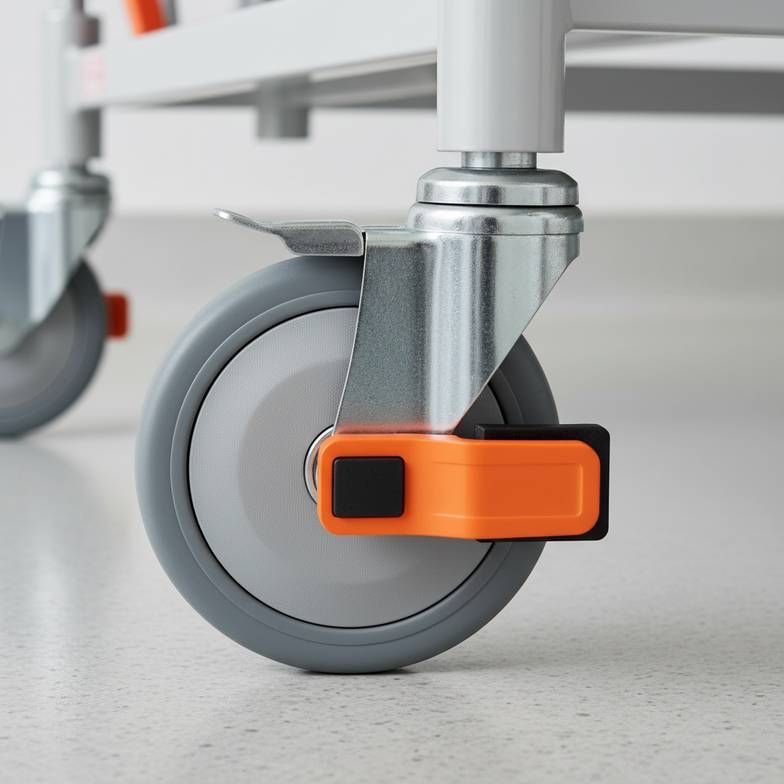
- Casters & Brakes: The quality, size, and number of locking casters.
- Bed Frame & Platform: The structure and material used for the mattress platform.
I often remind buyers that a product photo doesn't show how easily a side rail operates or how smoothly a caster rolls. These details, however, are what your caregivers will notice every single day. A cheaper bed might use simpler side rails or basic casters that are less convenient or durable.
Practical Buyer Action: Use a checklist to compare quotations on an item-by-item basis. Don't just compare the final price. Ask for close-up photos or videos of the side rails, casters, and control mechanisms if you are unsure.
Nursing Bed Configuration Comparison Checklist
Use this table to ensure you are comparing equivalent products, not just similar-looking ones.
| Check Item | Supplier A | Supplier B | Buyer Notes & Action |
|---|---|---|---|
| Bed type | Specify manual or electric. | ||
| Adjustment functions | List required adjustment functions. | ||
| Side rail type | Confirm side rail type and operation. | ||
| Caster type & size | Confirm caster material and size. | ||
| Brake configuration | Specify number of locking casters. | ||
| Mattress included? | Confirm: Included / Optional / Not Supplied. | ||
| Mattress compatibility | Confirm mattress platform dimensions. | ||
| Accessories included | List all included accessories (IV pole, etc.). | ||
| Spare parts plan | Confirm spare parts availability. | ||
| Packing method | Specify packing method (carton, crate). | ||
| Carton dimensions / CBM | Request total CBM and weight. | ||
| Trade term | Confirm trade term (FOB, CIF, etc.). |
What Items Are Included in the Nursing Bed Price, and What Is Optional?
Assume nothing is included unless it is explicitly listed in the quotation. Many after-sales disputes arise from misunderstandings about what the quoted price covers. Product photos often show a bed fully equipped with a mattress, IV pole, and other accessories for display purposes. The actual offer may only be for the bed frame itself.
When we prepare a quotation, we try to be very clear about what is standard and what is optional. However, if a quote is vague, the responsibility falls on the buyer to clarify. A low price that excludes a mattress, for example, is not comparable to a higher price that includes one.
Practical Buyer Action: Before confirming an order, ask your supplier for a clear list that separates standard included items from optional accessories.
Key items to confirm:
- Mattress: Is it included, optional, or not supplied?
- Side Rails: Are the rails shown in the photo the standard included version?
- IV Pole: Included or an optional add-on?
- Hardware: Are all necessary nuts, bolts, and tools for assembly included?
- Spare Parts: Are any common wear-and-tear parts (like caster wheels) included?
The risk of not clarifying is facing unexpected costs and installation delays. You might receive the beds only to find you need to place a second order for mattresses or accessories, incurring extra freight charges and pushing back your project timeline.
How Do Mattress Compatibility, Side Rails, and Caregiver Workflow Affect Daily Use?
Connect product specifications to the reality of daily care operations. A nursing bed is not a static piece of furniture; it's a tool used by caregivers and a living space for residents. Details like mattress fit and side rail operation have a direct impact on workflow and safety.
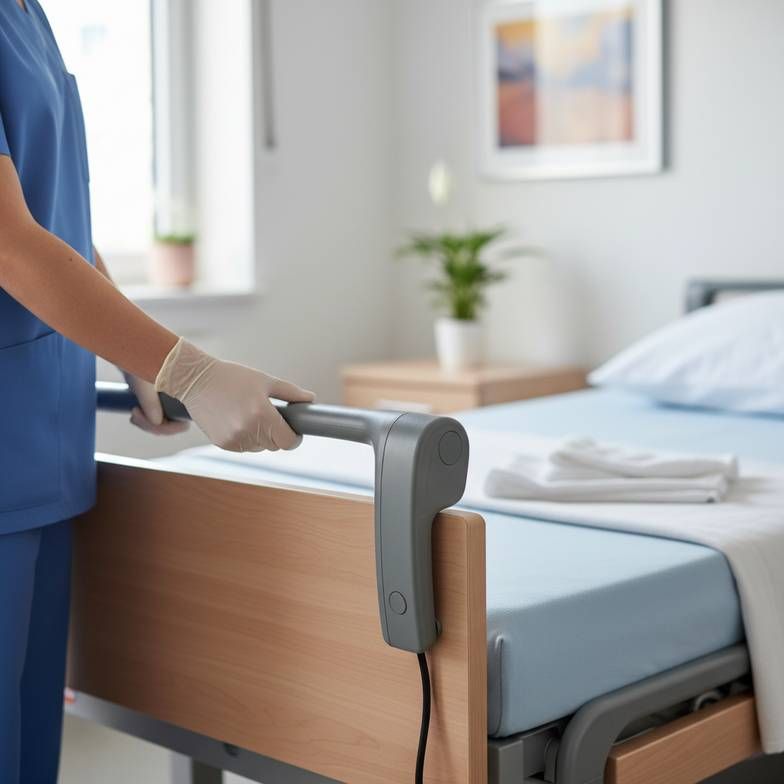
A common mistake I have seen is buyers purchasing beds and mattresses from different suppliers without coordinating the specifications. A mattress that is too thick, for instance, can reduce the effective height of the side rails, potentially compromising their intended function and creating usability issues. A bed with clunky, hard-to-operate side rails can frustrate caregivers who have to adjust them multiple times a day.
From the supplier side, we know that caregivers feel the "quality" of a bed through its functional parts. They notice if the casters stick, if the brakes don't lock firmly, or if the bed is difficult to clean. These small inconveniences add up to significant operational friction.
Practical Buyer Action: Ask specific operational questions.
- If the mattress is not included, what size and thickness are recommended for proper side rail function?
- Can the supplier provide a video showing how the side rails are raised and lowered?
- Are the casters suitable for the flooring in your facility?
- Is there enough clearance under the bed for cleaning equipment?
Why Can a Low Nursing Bed Unit Price Become Expensive After Packing and Shipping?
A low unit price means nothing until you confirm the packing details and total shipping volume (CBM). Nursing beds are bulky. The way they are packed directly impacts freight costs, damage risk, and your total landed cost.
For export orders, I always advise buyers to request packing data before making a final price comparison. A supplier might offer a 5% lower unit price but use packing that is 20% larger in volume. After you factor in ocean freight, which is based on volume, the "cheaper" bed becomes the more expensive option. Furthermore, weak packing can lead to scratches, dents, or broken components, resulting in costly claims or unusable products.
Practical Buyer Action: Before finalizing your supplier choice, request the following packing data for your order quantity:
- Packing method (e.g., carton, reinforced with wood) and packing photos.
- Carton dimensions (Length x Width x Height).
- Gross Weight and Net Weight per carton.
- Total CBM (Cubic Meters) for the entire order.
- Whether the beds are shipped assembled, semi-assembled (SKD), or completely disassembled (CKD).
Ignoring packing and CBM is a major risk in furniture procurement. The table below highlights how small overlooked details can lead to significant business consequences.
Hidden Risks and Buyer Actions
| Hidden Risk | Possible Consequence | What Buyer Should Do Before Ordering |
|---|---|---|
| Buying by photo only | Receiving the wrong configuration or missing features | Request a detailed specification sheet. |
| Unclear included items | Missing mattress, accessories, or spare parts | Ask for a clear list of included vs. optional items. |
| Weak export packing | Goods arrive damaged, scratched, or with broken parts. | Request packing method details and photos. |
| No CBM data requested | Final freight cost is much higher than expected. | Request carton dimensions, weight, and total CBM. |
| Vague lead time | Beds arrive late, delaying project opening. | Ask for a lead time breakdown (production, packing, etc.). |
| No inspection plan | Quality or quantity problems are found only after arrival. | Confirm pre-shipment inspection points with the supplier. |
What Should Buyers Check Before Confirming a Bulk Nursing Bed Order?
Treat the order confirmation as a final project review, not just a purchase. For bulk orders, any small mistake in the specification is multiplied across every unit. Before you sign the purchase order or send payment, a final verification of all details is crucial.
When we prepare a bulk order, we need clear confirmation on the final specifications. Any changes after production begins can cause delays and extra costs. This is also the time to think beyond the beds themselves. For a long-term care facility project, you likely also need bedside cabinets, overbed tables, and other ward furniture. Coordinating these items with one supplier can simplify logistics and ensure a consistent design.
Practical Buyer Action: Use a final checklist to review all aspects of the order with your supplier. This ensures both parties have the same expectations and reduces the chance of post-delivery disputes.

Bulk Order Preparation Checklist
A. Use Scenario & Quantity
- [ ] Facility type and care level confirmed.
- [ ] Room-by-room quantity list finalized.
- [ ] Manual or electric preference confirmed for each type.
B. Product Specification
- [ ] Final bed model and specification sheet approved.
- [ ] Side rail, caster, and brake details confirmed.
- [ ] Mattress compatibility and supply plan confirmed.
- [ ] All included accessories and optional items listed and approved.
- [ ] Spare parts plan discussed and confirmed.
C. Commercial Details
- [ ] Final unit prices and total value confirmed.
- [ ] Trade term (e.g., FOB, CIF) confirmed.
- [ ] Lead time breakdown (production, packing, shipment) understood.
D. Packing & Shipping
- [ ] Packing method and protection level confirmed.
- [ ] Final carton dimensions, weight, and total CBM received.
- [ ] Shipping marks and labeling requirements provided to the supplier.
E. Quality & Project Coordination
- [ ] Pre-shipment inspection points agreed upon.
- [ ] Coordination with other furniture categories (e.g., cabinets, tables) reviewed.
Conclusion: Procure Nursing Beds with Confidence
Choosing the right nursing beds for a long-term care facility is about more than comparing product photos and unit prices. The best procurement decision comes from a thorough evaluation of the entire package: the use scenario, the exact configuration, what's included, mattress compatibility, caregiver workflow, and the total landed cost after packing and shipping.
A low initial quote can be tempting, but it’s the hidden details that determine the true cost and long-term value. By asking the right questions and confirming specifications before you order, you protect your investment, support your caregivers, and ensure the comfort and safety of your residents.
If you are planning a project for a long-term care facility, preparing a detailed inquiry with your room list, quantity needs, and functional requirements is the most effective first step. A professional supplier can use this information to help you plan your product categories and provide a quotation that is both competitive and complete. At CareFurnex, we specialize in supporting B2B buyers with project-based medical furniture procurement, ensuring all details are clarified before your order is confirmed.
Written by
CareFurnex Team
CareFurnex Team shares practical knowledge about hospital beds, patient room furniture, medical trolleys, clinic furniture, and healthcare facility procurement for international B2B buyers.
Related Products
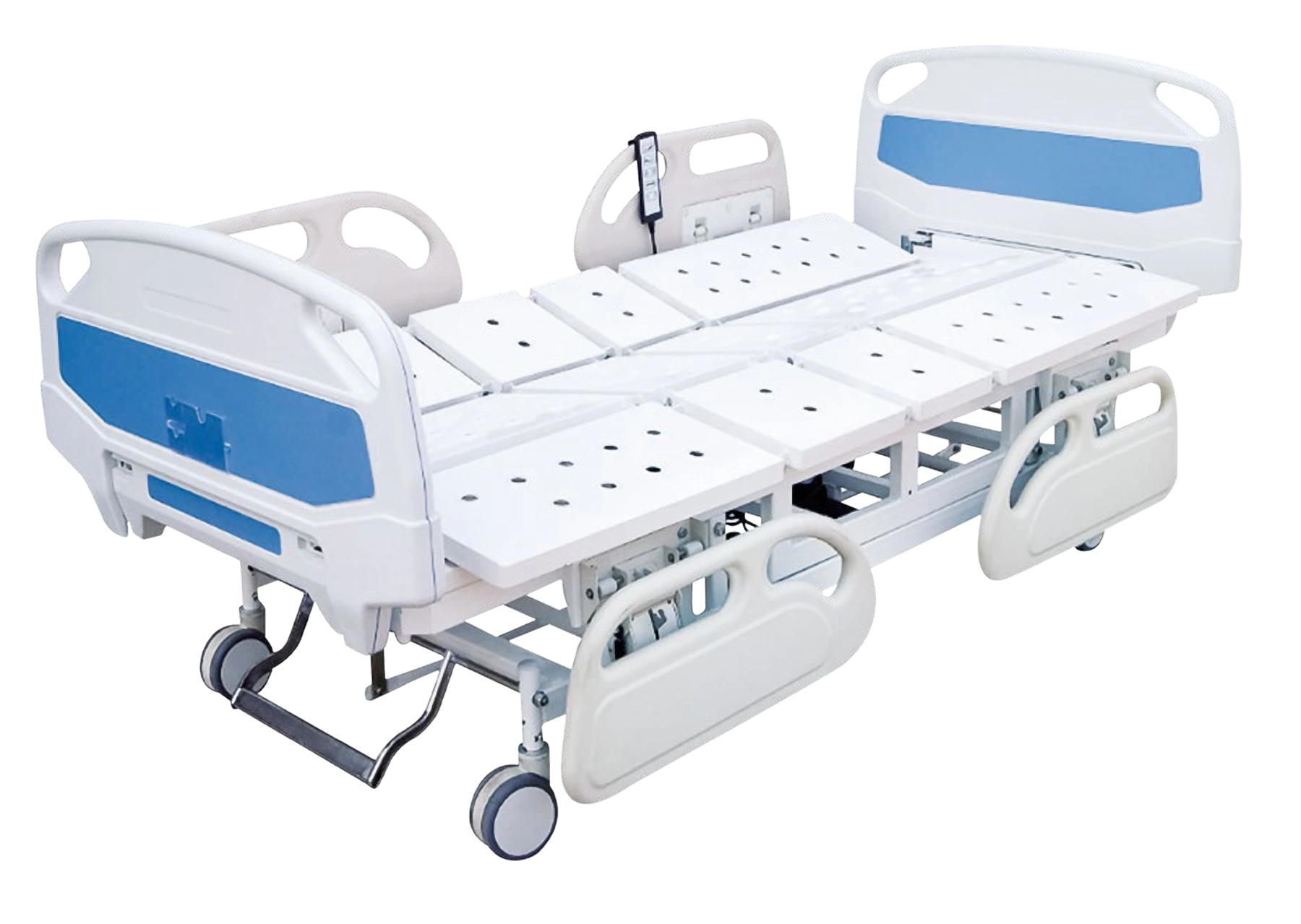
Nursing Beds
Long-term care beds designed for elderly residents and daily nursing operation.
View product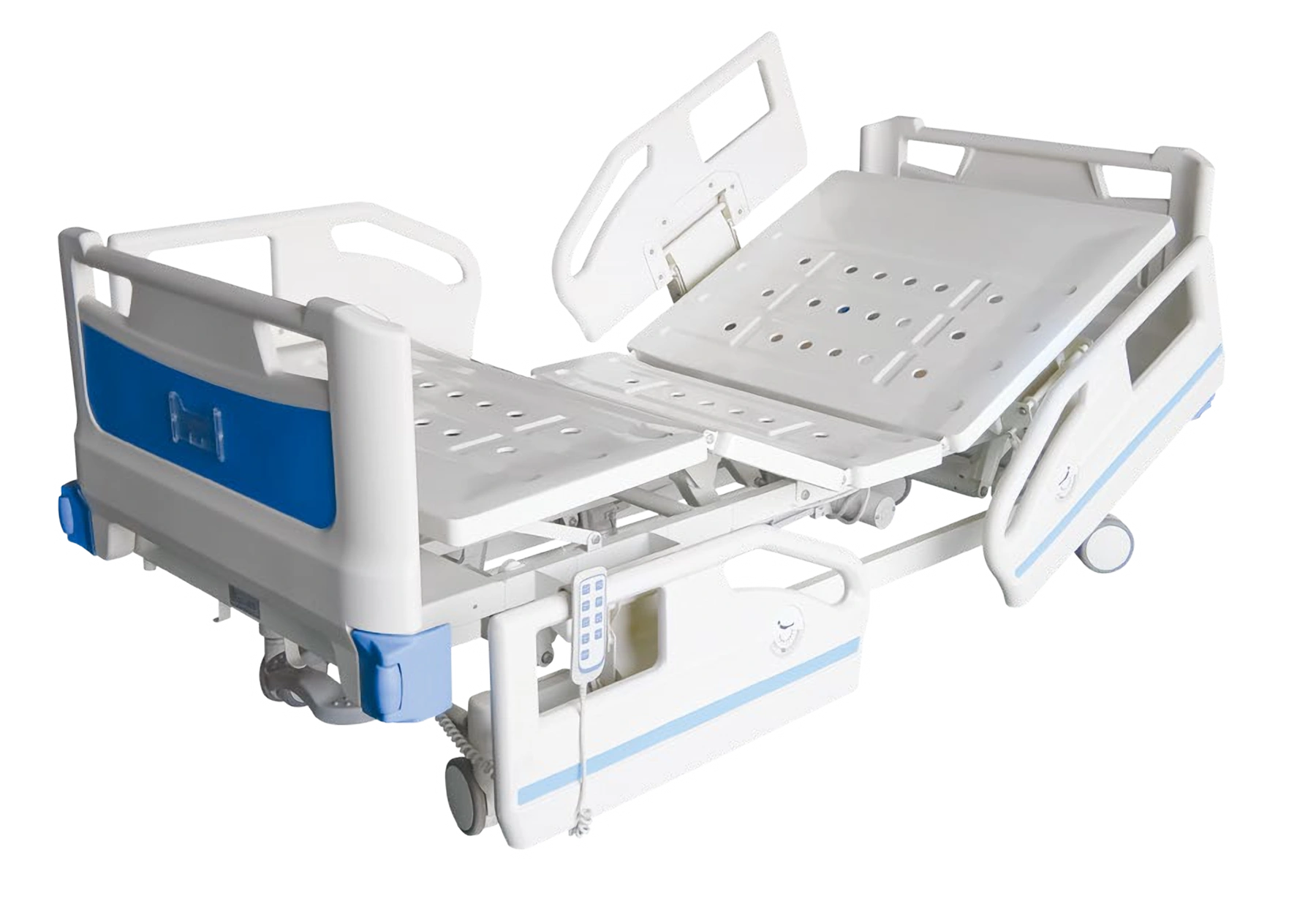
Hospital Beds
General-purpose patient beds for inpatient wards and standard hospital rooms.
View product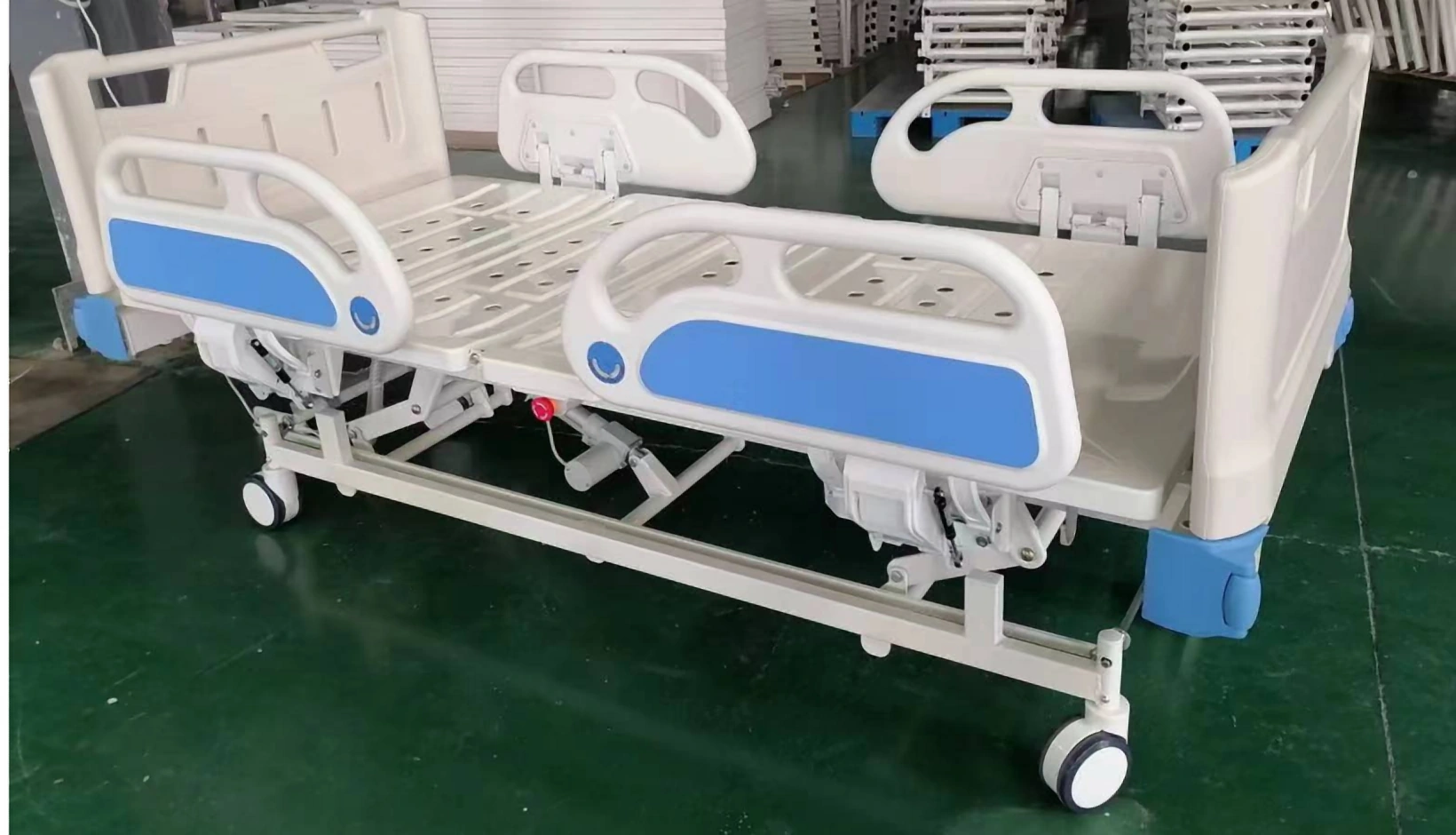
Electric Hospital Beds
Motorized multi-function beds with electric height, backrest, and leg adjustment options.
View product