
Struggling to compare the specifications for a hospital bed weighing system? It’s easy to feel overwhelmed by technical jargon, and a poor choice can lead to inaccurate data and workflow problems for clinical staff. To make a confident purchasing decision, you need to look beyond the price tag and understand the details that truly matter for your facility.
To choose the right hospital bed weighing system, you must confirm four key specification areas: the required accuracy level for the intended clinical department (e.g., ICU vs. general ward), the integration method (factory-installed vs. third-party add-on), the user interface and data connectivity options (including EMR/HIS integration), and the supplier's long-term service plan, including calibration procedures and spare parts availability.
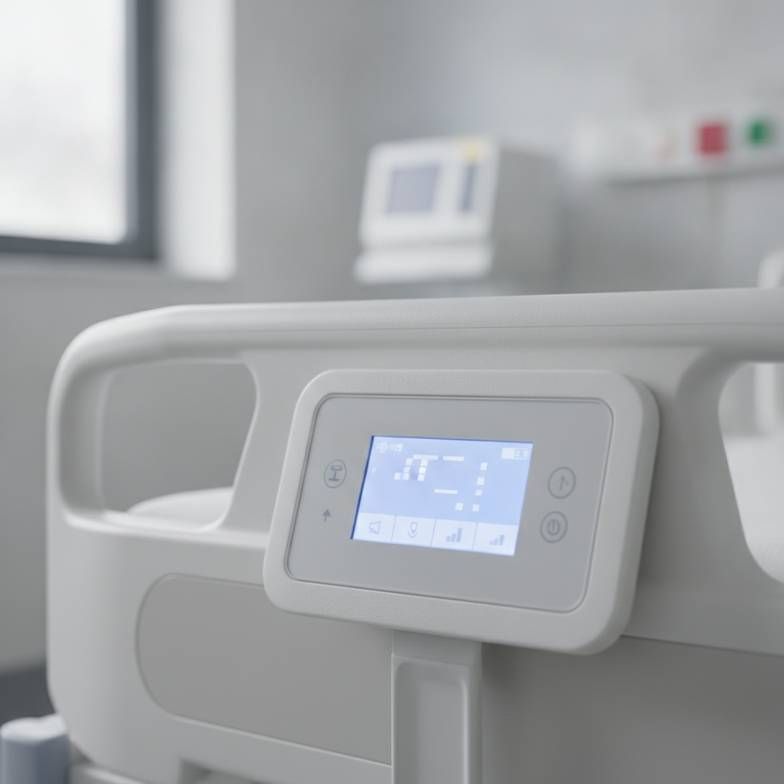
That's the high-level checklist. However, each of these points contains hidden complexities that can significantly impact your operational costs, clinical workflows, and patient safety. Let’s dive deeper into the critical questions you should be asking your suppliers to assess the true value and risk of each option.
How Does Clinical Use Define Weighing System Accuracy Needs?
A common problem for buyers is that nearly every supplier claims their system is "highly accurate." But an accuracy level that is perfectly acceptable for a general ward could be insufficient, or even dangerous, in a critical care setting. To avoid this mismatch, you must learn to define your accuracy requirements based on the specific clinical environment where the bed will be used.
The required precision of a hospital bed scale is dictated by its clinical application. For general wards, an accuracy of ±500g for routine weight monitoring is often sufficient. In contrast, critical care units like the ICU require higher accuracy, typically ±100g to ±200g, for precise fluid balance management.

In my experience supporting project tenders, one of the most frequent points of confusion is the difference between resolution and accuracy. Understanding this is the first step to properly evaluating a hospital bed weighing system.
General Ward vs. Critical Care (ICU) Requirements
The purpose of the measurement dictates the required precision.
- General Wards: Here, the primary goal is often to monitor a patient's weight trend over several days or weeks. This helps track nutritional status or fluid retention in stable patients. A system with an accuracy of ±500g (about 1.1 lbs) is usually adequate for this purpose. The focus is on long-term changes, not minute-to-minute fluctuations.
- Critical Care Units (ICU, CCU, Dialysis): In these environments, the game changes completely. Clinicians use patient weight to make immediate decisions about drug dosages, ventilator settings, and fluid management for hemodynamically unstable patients. A patient's fluid balance can be a critical indicator of their response to treatment. For these applications, a much higher accuracy of ±100g to ±200g is often the standard. The system must be sensitive enough to detect small but clinically significant changes in real time.
Beyond the Spec Sheet: Real-World Accuracy
A supplier's datasheet might list an impressive accuracy figure, but you must question how that performance is maintained in a busy hospital environment.
Here are key questions to ask:
- Patient Movement: How does the system's software filter out "noise" from a restless or agitated patient? A good system will have an averaging or "stable weight" function that provides a reliable reading despite minor movements.
- Bed Articulation: What happens to the accuracy when the head or foot of the bed is raised? A well-designed integrated system will have software that compensates for the shift in weight distribution, ensuring the reading remains accurate regardless of bed position. This is a common failure point for less sophisticated systems.
- Performance at Capacity: How does the accuracy hold up across the entire weight range, especially for bariatric beds? Ask if the stated accuracy (e.g., ±100g) applies to a 50kg patient as well as a 250kg patient.
A frequent question we get from buyers is, "Is ±500g accuracy good enough?" The only correct answer is: "It depends entirely on which department will use the bed." Matching the specification to the clinical need is the most important step in mitigating risk.
Is a Factory-Integrated Hospital Bed Weighing System Always Better?
You are likely facing two options: a hospital bed with a weighing system integrated at the factory, or a standard bed that can be fitted with a third-party scale kit. The integrated option is often more expensive, and it's tempting to see the add-on as a way to save costs. However, this choice has major implications for warranty, maintenance, and long-term reliability.
A factory-integrated hospital bed weighing system is generally the superior choice. It offers the benefit of a single warranty, factory calibration that accounts for bed articulation, and a seamless user interface. While third-party add-ons might seem cheaper upfront, they introduce significant risks related to compatibility, service responsibility, and long-term accuracy.
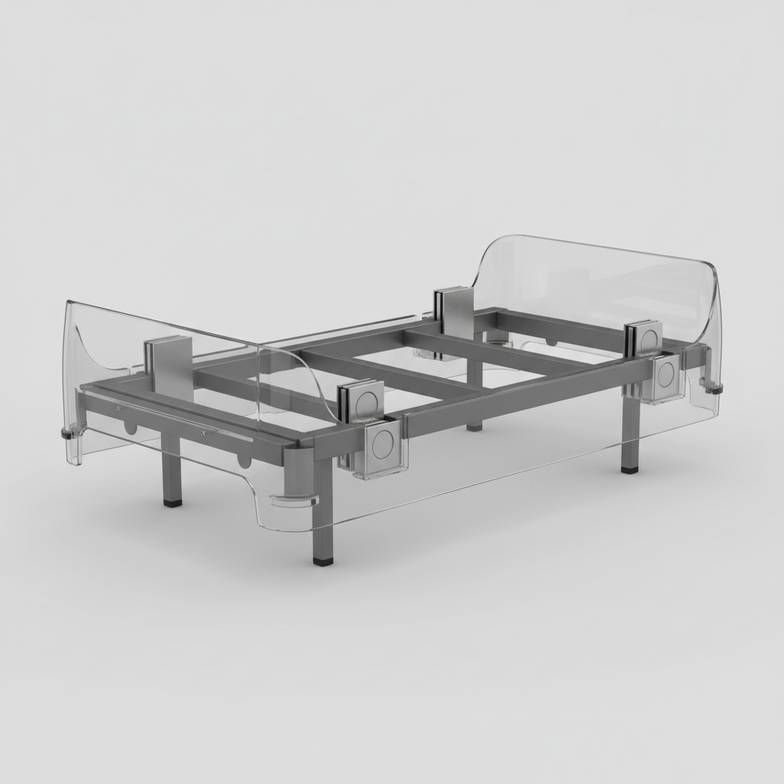
Choosing between these two paths is a classic procurement dilemma: balancing upfront cost against total cost of ownership and operational risk. From our experience in project support, the hidden costs of a disjointed system often outweigh the initial savings.
The Strong Case for Factory Integration
A system designed by the bed manufacturer and built into the frame from the start offers several clear advantages:
- Single Point of Contact: If something goes wrong, you have one supplier to call. With a third-party system, you risk the bed manufacturer blaming the scale supplier, and vice-versa, leading to extended downtime.
- Superior Calibration: The system is calibrated at the factory with the bed's specific geometry and articulation in mind. This means the system is designed to provide accurate readings even when the backrest or leg rest is adjusted.
- Guaranteed Compatibility: There is no risk of the weighing system's components interfering with the bed's mechanical or electrical functions. The user controls are often seamlessly integrated into the bed's side rails or footboard panel.
- Durability and Protection: Load cells and wiring are built into the bed's chassis, protecting them from damage during transport, cleaning, and daily use.
When Could a Third-Party System Make Sense?
While factory integration is usually preferred for new purchases, add-on systems have a place:
- Retrofitting Existing Beds: If you have a fleet of relatively new, high-quality beds without scales, a third-party kit may be the only financially viable way to add weighing capability.
- Highly Specialized Needs: In rare cases, a hospital may require a very specific type of weighing technology (e.g., for metabolic research) that isn't offered by major bed manufacturers.
However, buyers must be aware of the trade-offs, which are best summarized in a direct comparison.
| Feature | Factory-Integrated System | Third-Party Add-on System |
|---|---|---|
| Warranty | Single provider (bed manufacturer) | Two separate providers (bed & scale) |
| Calibration | Factory-set, more stable | Requires on-site calibration, higher risk of drift |
| Compatibility | Guaranteed seamless operation | May interfere with bed functions or data ports |
| Service | One technician for all issues | Potential for blame-shifting between suppliers |
| Upfront Cost | Higher | Lower |
| Total Cost of Ownership | Often Lower | Potentially Higher due to service issues |
What Data and Interface Details Should Your Hospital Bed Weighing System Have?
A sophisticated weighing system is completely useless if the data is difficult for nurses to access or if it can't be integrated into your hospital's digital ecosystem. Manual data entry is prone to human error, which defeats the entire purpose of investing in a high-precision scale. Before you purchase, you must rigorously evaluate the user interface and data connectivity.
A good hospital bed weighing system must have an intuitive, easy-to-read display with clear functions like "tare" and "zero." Critically, it must also provide a reliable data output option (e.g., RS-232, Ethernet, Wi-Fi) and the necessary communication protocols for your IT department to integrate it with the hospital's EMR or HIS.

We have seen hospital projects stall because this one area was overlooked. A "smart bed" is only smart if it can communicate effectively with your staff and your other systems.
The User Interface (UI) Experience
Think from the perspective of a nurse on a busy 12-hour shift. The interface must be fast, intuitive, and unambiguous.
- Display Clarity: Is the screen backlit and easy to read from a distance or at an angle? Can it display weight in both kilograms and pounds?
- Intuitive Controls: Are the buttons clearly labeled with universal symbols? How easy is it to perform essential functions like zeroing the scale (before a patient gets in) or taring the scale (to subtract the weight of bedding and accessories)?
- Workflow-Enhancing Features: Look for functions like "auto-hold" or "freeze," which lock the weight reading on the display so the nurse can record it without rushing. A "weight change" feature, which automatically calculates and displays the difference from a previous reading, is a powerful tool for monitoring fluid balance in the ICU.
Data Connectivity and EMR/HIS Integration
Automating data transfer from the bed to the patient's electronic medical record is the ultimate goal. It eliminates transcription errors, saves nursing time, and provides a more accurate, time-stamped record of weight changes.
- Physical and Wireless Connections: What output ports are available? Common options include a serial port (RS-232), an Ethernet port for a wired network connection, or built-in Wi-Fi. Confirm which option is compatible with your hospital's infrastructure.
- The Golden Question: Ask the supplier: "Can you provide the full communication protocol, API documentation, and technical support necessary for our IT team to integrate the bed's data output with our EMR system?" If they hesitate or cannot provide this, it is a major red flag.
- Integration Support: Does the supplier have experience integrating with major EMR platforms like Epic or Cerner? Can they provide case studies or references?
In our role supporting buyers, we always stress this point: a bed without a clear data integration path is a missed opportunity. Insist on seeing the documentation before you sign the purchase order.
How Do You Verify Long-Term Reliability and Service for a Hospital Bed Weighing System?
The bed and its weighing system might perform perfectly on the first day, but what happens in year three or year five? A broken scale transforms a sophisticated, expensive ICU bed into a standard bed, instantly negating your investment. The supplier's service and support structure is as critical a specification as the product's accuracy.
To verify long-term reliability, you must ask the supplier for their official calibration procedure, confirm the availability of trained local service technicians, and demand a clear warranty policy that specifically details coverage for all weighing system components, including the load cells and electronics.
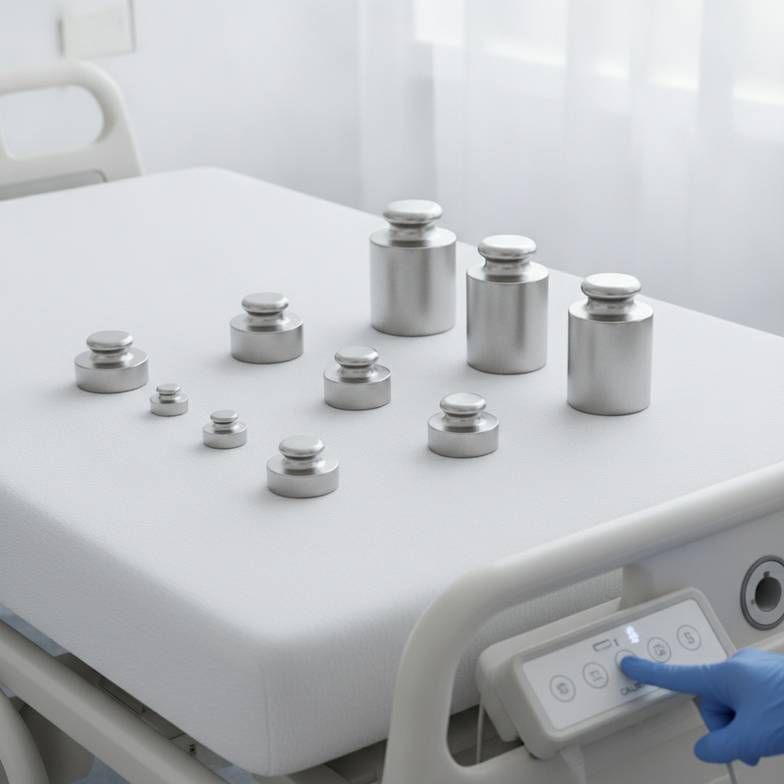
Evaluating serviceability is about risk management. It's about ensuring your asset remains functional and clinically useful for its entire expected lifespan.
The Importance of a Clear Calibration Protocol
Every precision measurement device requires periodic calibration. The key is understanding what that process involves.
- Ask for the Procedure: Request the official, documented calibration procedure from the manufacturer. Is it a simple process that your hospital's biomedical engineering department can perform in-house, or does it require a proprietary tool or a specialist field technician?
- Frequency and Cost: How often does the manufacturer recommend re-calibration? (Annually is typical). What specific calibration weights are required, and what is their cost? This is a real, ongoing operational expense that must be factored into your budget.
Spare Parts and Technician Access
When a component fails, your ability to get the bed back in service quickly depends on the availability of parts and people.
- Load Cell Lifespan: Load cells are the heart of the hospital bed weighing system. Ask for their expected lifespan and replacement cost.
- Spare Parts Guarantee: For how many years after a bed model is discontinued will the supplier guarantee the availability of spare parts like load cells, cables, and control boards? A commitment of 7-10 years is a good industry standard.
- Service Network: A frequent concern for buyers sourcing from overseas is post-sale support. Does the supplier have a network of trained service technicians in your country or region? If not, what is their plan for remote diagnostics and training your local staff? A reliable supplier should have a clear answer to this question.
Understanding the Warranty in Detail
Don't just glance at the warranty duration. Read the fine print.
- Component Coverage: Does the warranty cover the weighing system components (load cells, electronics) for the same period as the bed frame? Sometimes they have shorter, separate warranties.
- Exclusions: What actions could void the warranty? Common exclusions include damage from using improper cleaning chemicals, unauthorized service attempts, or exceeding the bed's weight limit.
Frequently Asked Questions
How often does a hospital bed weighing system need to be calibrated?
Typically, a hospital bed scale should be calibrated at least once a year or whenever a major repair is performed. However, you should always follow the specific guidelines and frequency recommended by the bed's manufacturer to ensure optimal accuracy and patient safety.
Can you add a weighing system to an existing hospital bed?
Yes, it is sometimes possible to retrofit an existing bed with a third-party weighing system kit. However, this approach can introduce challenges with mechanical compatibility, warranty coverage, and achieving the same level of integrated accuracy as a factory-installed system. It is often a less reliable long-term solution.
What is the difference between "accuracy" and "resolution" on a bed scale?
Resolution is the smallest weight increment the display shows (e.g., 0.1 kg or 100g). Accuracy is how close that displayed reading is to the true, actual weight. It is possible for a scale to have a high resolution (showing many decimal places) but still be inaccurate. Always prioritize the supplier's stated accuracy specification.
Do I need a weighing system on every bed in the hospital?
No, this is usually not necessary or cost-effective. A weighing system is a strategic investment that should be focused on clinical areas where precise, frequent weight monitoring is critical to patient care. These departments typically include the ICU, CCU, dialysis units, oncology, and bariatric care wards.
Conclusion
Selecting the right hospital bed weighing system goes far beyond comparing numbers on a spec sheet. It is a detailed risk assessment process. A successful procurement decision hinges on matching the system's accuracy to the specific clinical need, scrutinizing the benefits of factory integration over add-on kits, planning for seamless data flow into your EMR, and, most importantly, verifying the supplier’s commitment to long-term service and support. By asking these deeper questions, you can move from simply buying a product to investing in a reliable clinical tool that enhances patient care and safeguards your budget.
If you are navigating the complexities of specifying hospital furniture for your next project, our team at CareFurnex is here to help. We support healthcare buyers, distributors, and project contractors in sourcing practical, reliable solutions with clear specifications and dependable B2B support. Contact us to discuss your requirements.
Written by
CareFurnex Team
CareFurnex Team shares practical knowledge about hospital beds, patient room furniture, medical trolleys, clinic furniture, and healthcare facility procurement for international B2B buyers.
Related Products
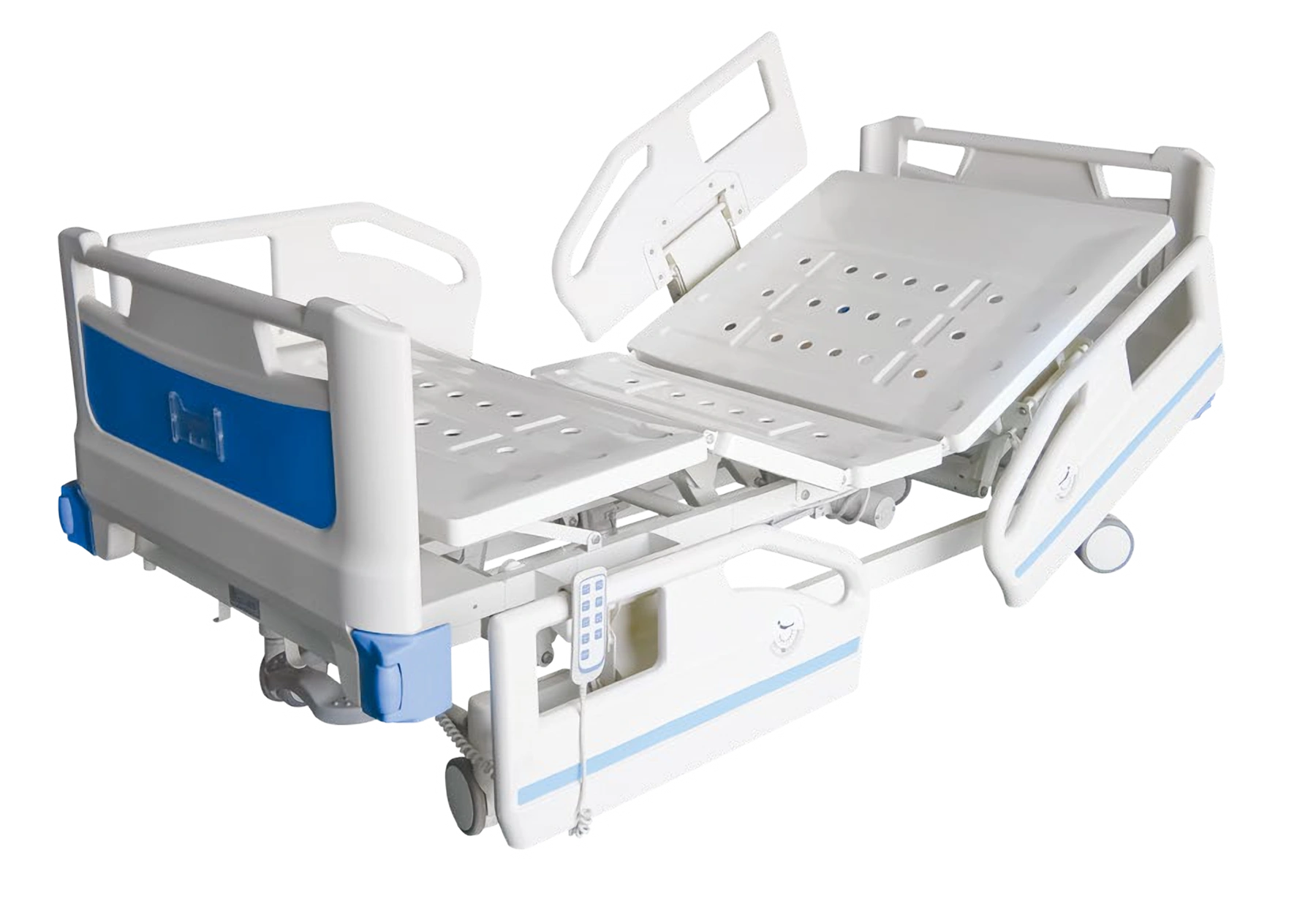
Hospital Beds
General-purpose patient beds for inpatient wards and standard hospital rooms.
View product
Electric Hospital Beds
Motorized multi-function beds with electric height, backrest, and leg adjustment options.
View product
Ward Furniture
Complete ward furniture options for patient rooms and hospital care areas.
View product