
A new shipment of medical trolleys arrives for your hospital project or clinic. The units match the catalog photos, and the price was competitive. But soon, the complaints begin. Nurses find the casters noisy and hard to push. The drawers don't fit essential treatment supplies. Accessories shown in the supplier’s photos are missing.
For an importer, this scenario can lead to unsellable inventory and lost credibility. For a hospital, it means daily workflow disruption. This often happens when medical trolleys are chosen based on appearance and unit price alone.
The best way to choose medical trolleys is to start from the use scenario, then confirm material, drawer layout, accessories, casters, packaging, shipping volume, and supplier support before comparing prices.
As a B2B supplier, I’ve seen this problem derail countless orders. Choosing the right medical trolley is a procurement decision that directly impacts a healthcare facility’s daily operations. This guide explains how to avoid common mistakes and secure furniture that truly serves your medical staff and patients.
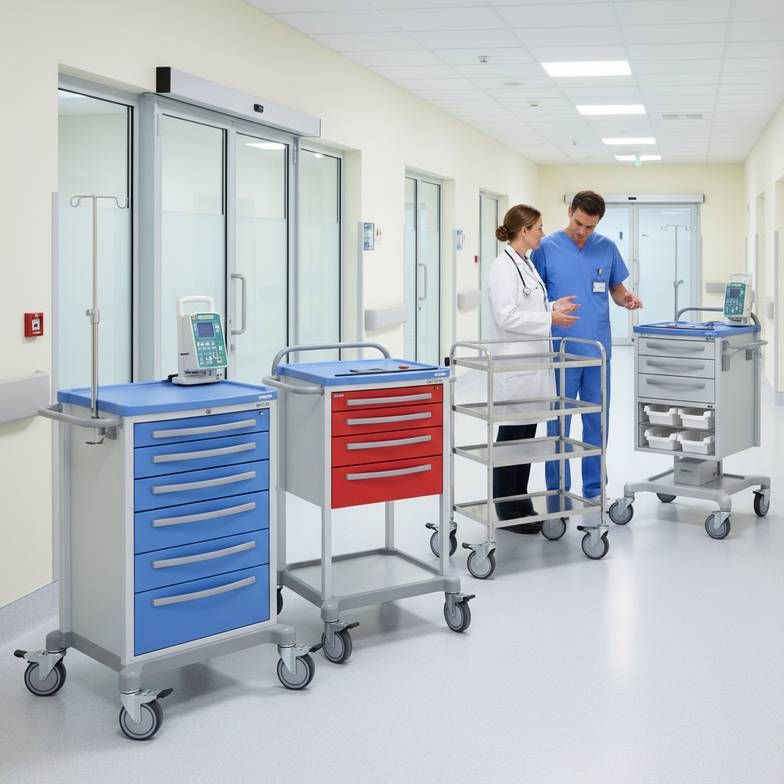
Which Type of Medical Trolley Fits Each Hospital or Clinic Use Scenario?
Your first step is to match the trolley type to its specific department and intended function, not to select a model based on a generic photo.
Many hospital buyers and importers try to simplify procurement by choosing one standard trolley model for all areas. This often backfires, as a trolley optimized for a treatment room may be unsuitable for a nursing station or medication distribution.
From the supplier side, the first question I always ask a buyer is not "Which model do you want?" but "Where and how will this trolley be used?" The answer determines whether you need a treatment trolley, nursing trolley, medication cart, or a general-purpose clinic cart. A medication cart, for instance, requires specific drawer layouts and lock options for security, while a nursing trolley needs excellent mobility and organized space for routine tools.
Before you even look at a catalog, create a list of requirements grouped by department. Document how many trolleys are needed for treatment rooms, nursing stations, wards, and clinic procedure rooms. This simple step transforms your inquiry from a vague request into a clear project brief for your supplier.
Medical Trolley Use-Scenario Selection Matrix
This matrix helps you connect your facility’s needs to the right trolley type and ask your supplier the right questions before you get to the quotation stage.
| Hospital or Clinic Area | Main Use | Suitable Trolley Type | Storage Focus | Drawer / Accessory Needs | Key Supplier Questions | Risk If Wrong |
|---|---|---|---|---|---|---|
| Treatment Room | Daily treatment support | Treatment Trolley | Dressings, instruments, treatment supplies | Practical drawers, guardrails, handles | Which drawer layout fits treatment supplies? | Supplies are mixed or hard to access. |
| Nursing Station | Nursing workflow support | Nursing Trolley | Nursing tools, routine supplies | Smooth movement, organized drawers | Is this suitable for frequent movement? | Staff complaints and poor workflow. |
| Medication Area | Medicine handling | Medication Cart | Medication storage | Lock options, organized drawers | Which lock and drawer layout are available? | Poor storage control or unsuitable layout. |
| Clinic Room | General medical support | Clinic Medical Cart | Basic supplies | Compact layout, easy movement | What model fits small clinic rooms? | Oversized or under-functional trolley. |
This process makes it clear that the best trolley is the one that fits the workflow, not just the one that looks good or has the most drawers.
What Material and Structure Should You Choose for Daily Healthcare Use?
Select a material and structure that match your facility’s cleaning protocols, durability expectations, and daily use frequency.
It’s easy to assume two clean-looking medical trolleys in photos will perform the same, but the material and build quality directly affect service life, maintenance, and hygiene. Buyers often focus on a trolley's visual design but overlook how the material—be it ABS polymer, powder-coated steel, or stainless steel—impacts daily operations.
A trolley used constantly in a busy emergency room has different durability requirements than one used occasionally in a small clinic. I often remind buyers to connect material choice to real-world conditions. For example, environments with frequent cleaning using harsh chemicals may benefit from materials with higher corrosion resistance.
Before production, communicate your use environment to the supplier. Ask them to recommend a material that balances cost, durability, weight, and ease of cleaning for your specific needs.
How Should You Decide Drawer Layout, Locks, and Accessories Before Quotation?
You must confirm the required drawer configuration, lock options, and included accessories before comparing supplier quotations.
Drawer layout and accessories are frequent sources of misunderstanding that can render a trolley impractical. Many buyers check the number of drawers but pay little attention to their depth or internal dividers. A shallow drawer may not hold larger supply boxes, while a lack of organization can turn a neat supply cart into a cluttered mess.
Likewise, product photos often show trolleys fully equipped with waste bins, sharps containers, IV poles, and baskets. However, these are frequently optional add-ons, not included in the base price.
From a supplier's perspective, I need these details to provide an accurate quote. An inquiry for a "five-drawer medical trolley" is incomplete without knowing if locks are needed, what the drawer depths should be, and which accessories must be included.
Before confirming an order, ask your supplier for a clear breakdown:
- What items will this trolley store? (e.g., medicines, files, instruments)
- Are the drawer depths suitable for these items?
- Are central locks or individual drawer locks needed?
- Which accessories are included in the quote, and which are optional?
- Are accessories factory-installed or packed separately for on-site assembly?
Clarifying this upfront prevents receiving a trolley that doesn’t meet staff expectations or incurring unexpected costs to order missing parts later.

Why Do Caster Quality, Brakes, and Stability Matter More Than Buyers Expect?
Caster and brake quality directly determines the trolley’s daily usability, safety, and the user’s perception of its overall quality.
Many buyers focus on the trolley body and treat the wheels as a minor detail to save costs. This is a significant mistake for frequently moved hospital trolleys. In a busy hospital, a trolley is pushed and turned dozens of times a day. One of the quickest ways to get complaints from nursing staff is to provide a cart with noisy, stiff, or wobbly wheels. The brakes are equally critical; they must lock securely to keep the trolley stationary during procedures.
I have seen buyers downgrade casters to meet a budget, only to face user dissatisfaction and requests for replacement trolleys months later. The small saving ended up costing far more in the long run. Treat casters and brakes as essential quality points. Ask your supplier: What type of casters are used? How many have brakes? Are they designed for quiet, smooth movement on hospital floors? For trolleys in high-traffic areas, this is not a feature to compromise on.
What Hidden Cost Details Should You Check Beyond the Unit Price?
A fair comparison between suppliers must go beyond the unit price to include configuration, packaging, total shipping volume (CBM), and trade terms.
The lowest quoted price is not always the lowest landed cost. For importers and project buyers, these hidden details can dramatically alter the final budget. Two suppliers might quote a "treatment trolley," but one quote may be for a basic model with minimal packaging, while the other includes key accessories and robust export packing. A cheaper trolley packed in a larger carton can also incur higher sea freight costs, erasing the initial price advantage.
Here is a simplified example. The numbers are for comparison logic only.
- Supplier A: 100 trolleys @ $150/unit. Each packed in a 0.4 CBM carton. Total CBM = 40.
- Supplier B: 100 trolleys @ $145/unit. Each packed in a 0.5 CBM carton. Total CBM = 50.
If ocean freight is $80 per CBM, the freight for Supplier A is $3,200. For Supplier B, it is $4,000. Your $500 saving on product cost is wiped out by an $800 increase in shipping. This doesn't even account for potential damage from weaker packaging or the cost of missing accessories.
Medical Trolley Quotation Comparison Checklist
Before placing an order, use this checklist to compare quotations on an equal footing.
| Comparison Item | Supplier A | Supplier B | Why It Matters | Buyer Action Before Confirming |
|---|---|---|---|---|
| Trolley Model | Stated Clearly | Broad Name Only | Similar names hide different products. | Request exact model and specification. |
| Drawer Layout | Qty & Depth Listed | Qty Only | Drawer depth affects real storage. | Confirm what will be stored. |
| Accessories | Included/Optional List | Photo Only | Photo may show items not included. | Ask what is included in the base price. |
| Casters & Brakes | Details Provided | Not Specified | Affects daily movement and user safety. | Confirm caster and brake arrangement. |
| Packaging | Export Packing Details | Not Mentioned | Affects damage risk during transit. | Ask for the packing method and photos. |
| Packing Volume | Total CBM Provided | Not Provided | Directly impacts freight cost. | Request carton dimensions and CBM. |
| Trade Terms | FOB, CIF, etc. Stated | Unclear | Affects who pays for shipping and insurance. | Confirm included and excluded costs. |
By demanding this level of detail, you move from comparing prices to comparing total value and risk.

How Do You Compare Suppliers for Project-Based Medical Trolley Orders?
For projects, evaluate a supplier on their ability to clarify your needs and support your procurement process, not just on how fast they can email a price list.
A good B2B supplier for healthcare furniture acts more like a consultant than a vendor. Their goal is to help you avoid mistakes before they happen. A supplier who only sends a catalog and a price is placing the full burden of correct specification on you. A more reliable project partner asks questions. They will want to understand your use scenarios, clarify accessory needs, and explain how their packaging protects the trolleys during shipment.
At CareFurnex, we specialize in supplying clinic furniture and hospital furniture for B2B projects. We know that medical trolleys are often part of a larger procurement plan that includes hospital beds, ward furniture, and storage solutions. A supplier's ability to provide clear, category-based planning and export-friendly communication is a key indicator of their reliability.
Before committing to a large order, assess the supplier's communication. Do they help you define your needs, or do they just wait for you to provide all the answers?
Pre-Order Confirmation Checklist for Medical Trolley Orders
Use this final checklist before issuing a purchase order to ensure all critical details are locked in.
| Confirmation Item | Confirmed? | Notes / Questions for Supplier |
|---|---|---|
| Use scenario for each trolley type | ☐ | Which department will use each model? |
| Material and structure suitability | ☐ | Is it right for our cleaning and durability needs? |
| Drawer layout and lock options | ☐ | Do the drawers fit our supplies? Are locks needed? |
| List of included & optional accessories | ☐ | Is everything we need included in the final price? |
| Caster and brake specifications | ☐ | Is the trolley suitable for frequent movement? |
| Packaging method and protection | ☐ | How are corners, drawers, and casters protected? |
| Shipping volume (carton size & total CBM) | ☐ | Do we have the data to get an accurate freight quote? |
| Trade terms (e.g., FOB, CIF, DDP) | ☐ | What costs are included and excluded? |
| Production lead time from confirmation | ☐ | Does the timeline fit our project schedule? |
This checklist serves as your final safeguard against the common pitfalls of B2B furniture procurement.
Conclusion: Look Beyond the Unit Price to Find the Right Fit
Choosing the right medical trolley is not about finding the lowest unit price. It's about finding the best fit for your facility's workflow, ensuring durability for daily use, and managing the total cost of procurement.
The cheapest quote is rarely the safest. The real question isn't just "How much is one trolley?" but "How much will one fully functional, safely delivered, and user-accepted trolley cost by the time it's in service?"
Before you confirm your next order, take a moment to review your process. Start with the use-case, demand clear specifications, and work with suppliers who provide the details you need to make an informed decision.
If you are planning a healthcare project, our team at CareFurnex can help you navigate these details. We support B2B buyers in selecting the right medical furniture categories for their specific needs.
Written by
CareFurnex Team
CareFurnex Team shares practical knowledge about hospital beds, patient room furniture, medical trolleys, clinic furniture, and healthcare facility procurement for international B2B buyers.
Related Products
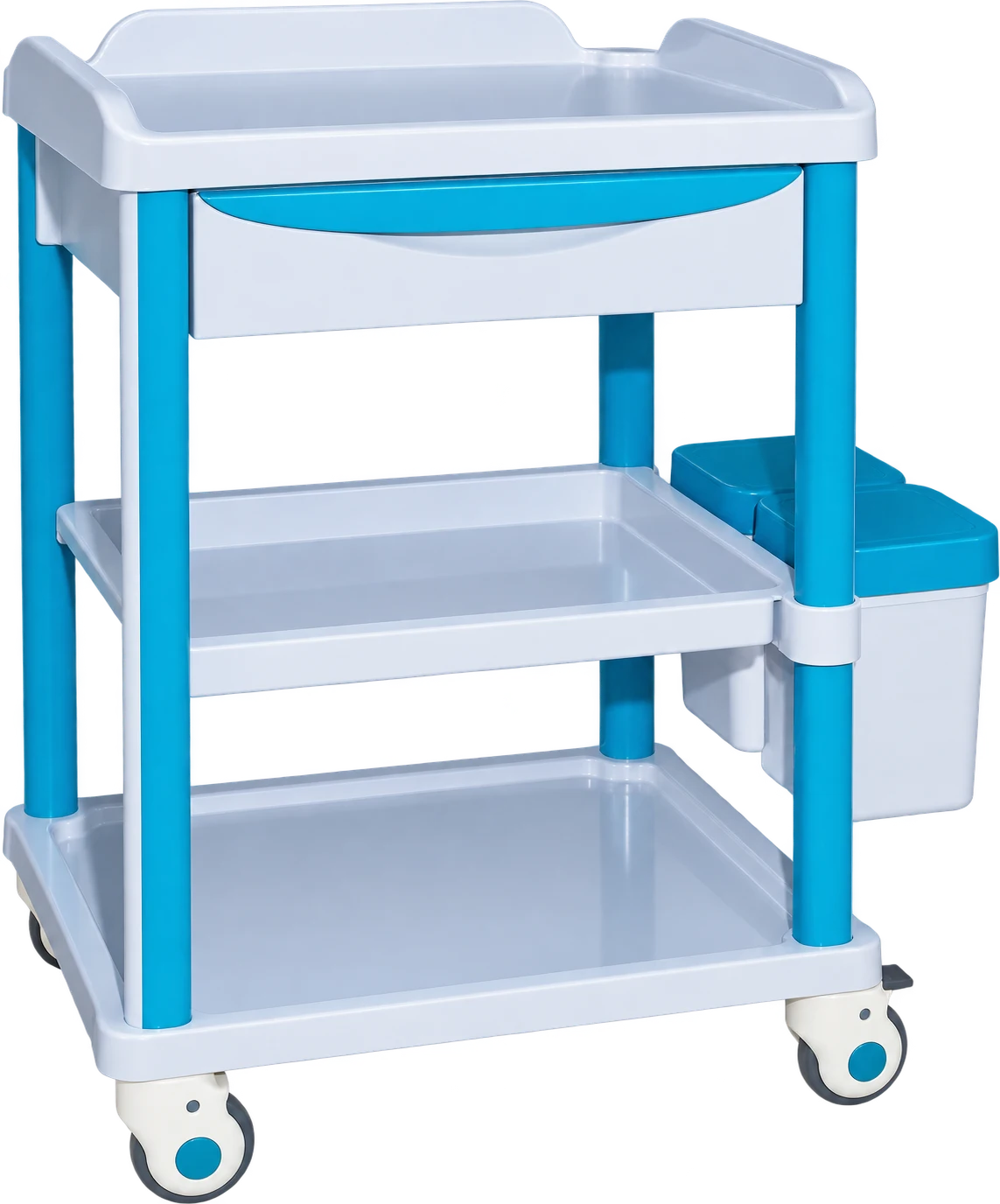
Medical Trolleys
Mobile carts for nursing rounds, treatment supplies, medicines, and clinical tools.
View product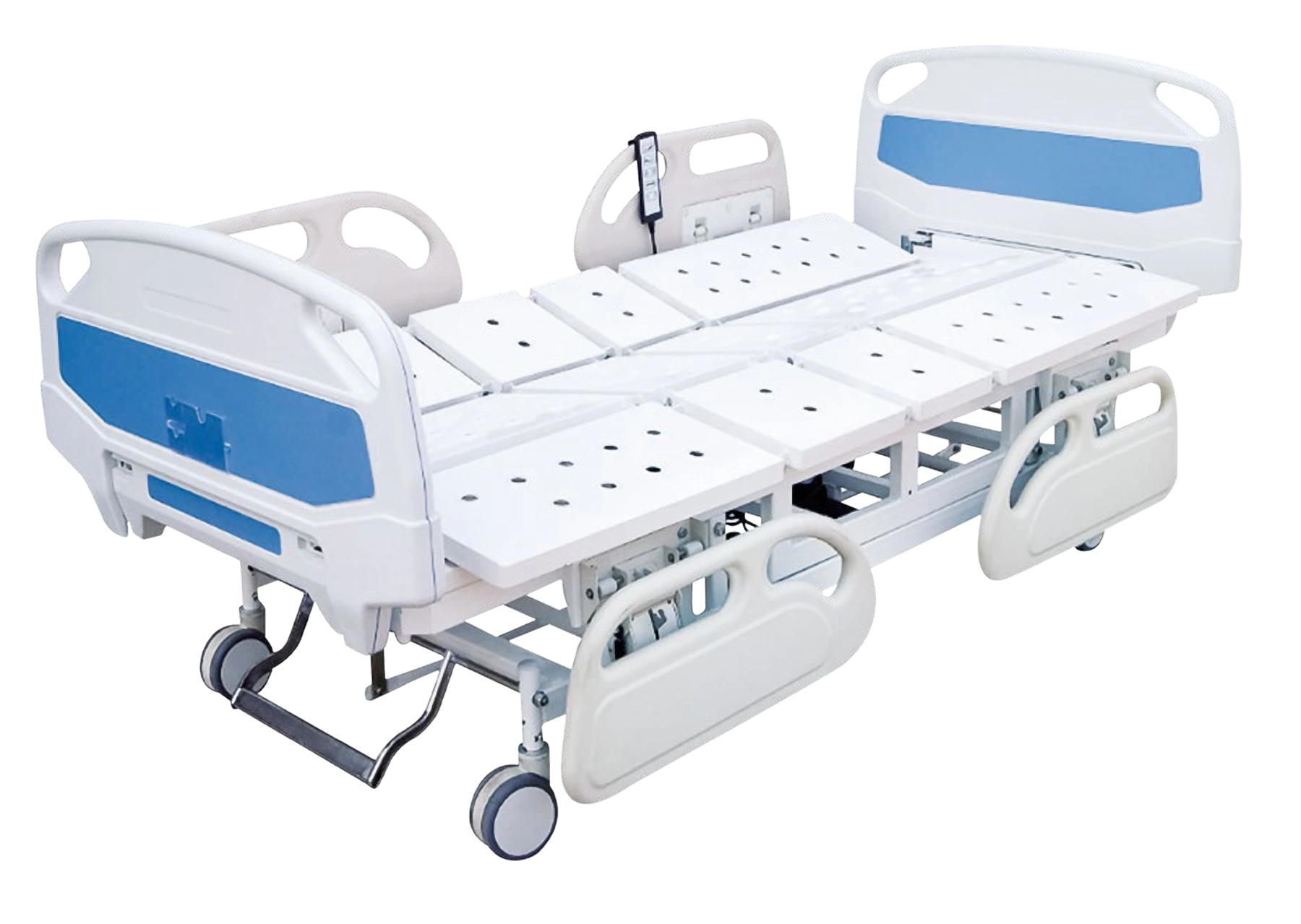
Nursing Beds
Long-term care beds designed for elderly residents and daily nursing operation.
View product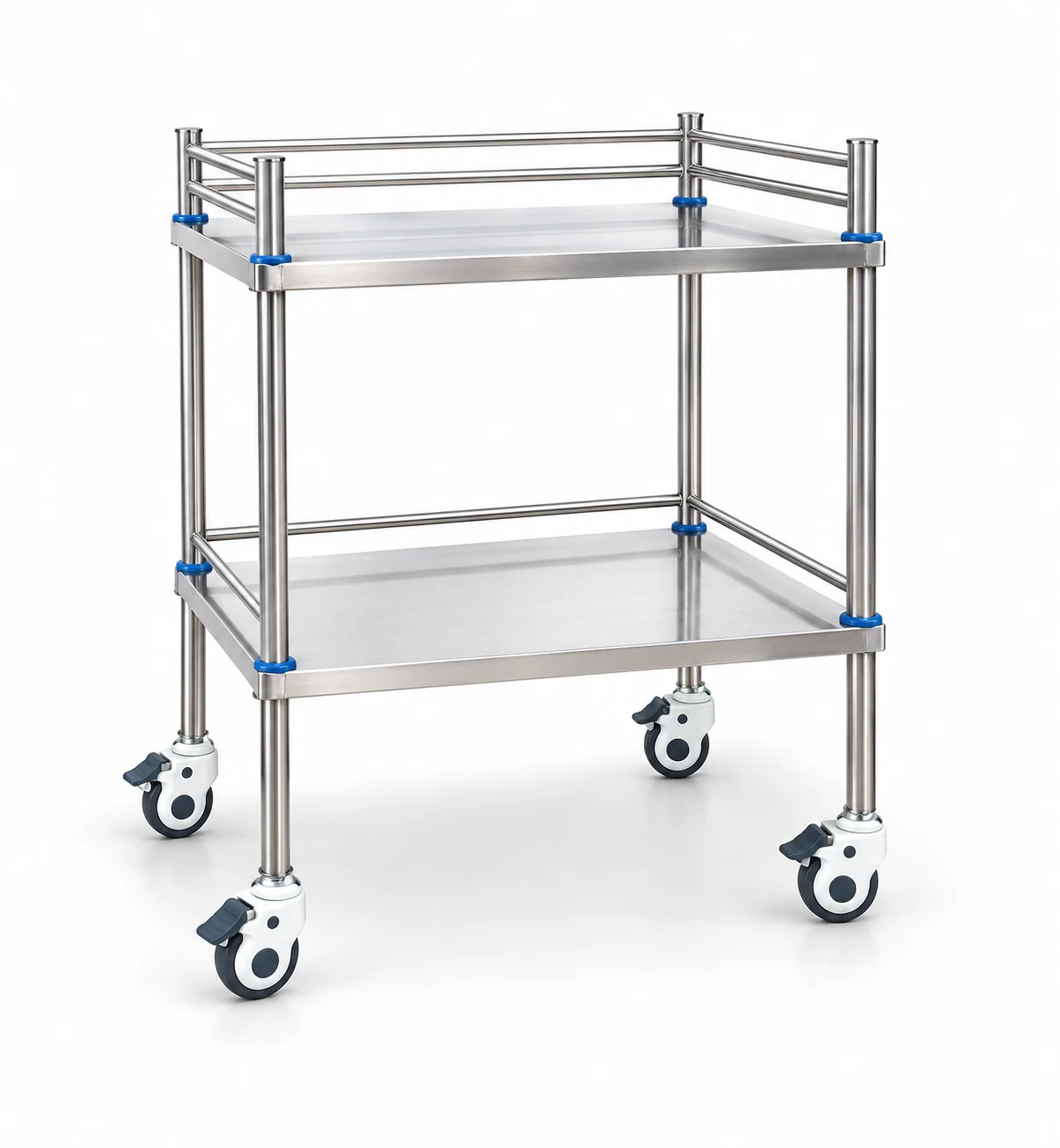
Stainless Steel Trolleys
Compare stainless steel trolleys by model, stated dimensions and configuration.
View product