
Struggling to choose the right material for your infusion chairs? The market is full of conflicting claims about cleanability and comfort, leaving you worried about making a costly mistake that leads to premature replacement or patient complaints. The key to selecting the right chemotherapy infusion chair upholstery isn't finding one perfect material, but understanding the critical trade-offs between infection control, patient experience, and long-term durability.
The best chemotherapy infusion chair upholstery successfully balances three factors: cleanability against hospital-grade disinfectants, comfort for patients during long treatment sessions, and real-world durability that includes seam strength and chemical resistance, not just surface abrasion. The ideal choice ultimately depends on your facility's specific cleaning protocols, patient volume, and procurement budget.
Now that we have the core framework, let’s break down how to evaluate these factors from a procurement perspective. This will equip you to ask suppliers the right questions, compare proposals accurately, and make a defensible purchasing decision that minimizes long-term risks for your facility.
How Do You Truly Evaluate Chemotherapy Infusion Chair Upholstery for Cleanability?
Nearly every supplier brochure will claim its upholstery is "easy to clean" or "chemical resistant." This vague promise, however, doesn't protect you when your environmental services team uses specific, high-strength disinfectants daily. The solution is to move beyond generic claims and demand proof that the material is compatible with your actual cleaning protocols.
To properly evaluate cleanability, request test data showing the upholstery's resistance to your facility's specific disinfectant chemicals, such as quaternary ammonium, hydrogen peroxide, or bleach-based solutions. Always ask for the supplier's recommended cleaning protocol, including dilution ratios and contact times, to ensure it aligns with your procedures and maintains the product warranty.
Dive Deeper: From "Chemical Resistant" to "Disinfectant Compatible"
As a procurement professional, it's vital to see past marketing terms. "Chemical resistant" is a broad claim. "Disinfectant compatible" is a specific, verifiable fact. The latter means the upholstery has been tested against the exact chemicals your facility uses for infection control. A frequent question we receive from project contractors is, "Is this material bleach-safe?" A much better question is, "At what concentration and for what contact duration is this upholstery safe with sodium hypochlorite?"
The Impact of Common Hospital Disinfectants
Not all disinfectants are created equal, and their effects on upholstery can vary dramatically. Understanding this is key to preventing premature material degradation.
- Quaternary Ammonium Compounds (Quats): These are common in many hospital-grade wipes and sprays. While effective, some formulations can leave a residue on certain polyurethane (PU) materials that, over time, can cause the surface to become sticky or tacky.
- Accelerated Hydrogen Peroxide (AHP): AHP is a powerful and fast-acting disinfectant. However, it can be aggressive on certain dyes. Using AHP on lower-grade upholstery can lead to color fading or blotchiness, impacting the chair's appearance long before it wears out.
- Sodium Hypochlorite (Bleach): Often considered the gold standard for killing pathogens like C. diff, bleach is also highly corrosive. If used on upholstery not rated for it, or in a higher concentration than recommended, it will cause the material to become brittle and crack. This is one of the most common causes of premature upholstery failure we see from post-installation feedback.
Critical Questions for Your Supplier
To cut through the noise, add these questions to your tender or supplier inquiry:
- Can you provide a list of disinfectants this upholstery has been tested against?
- What were the specific results of testing with [Your Disinfectant's Active Ingredient]?
- What is the maximum recommended bleach dilution ratio (e.g., 1:10) and contact time to maintain the warranty?
- Does using [Specific Cleaner Name] void or affect the warranty in any way?
Answering these questions transforms your procurement process from a guessing game into a risk-managed decision.
Is Patient Comfort More Important Than Durability for Infusion Chair Upholstery?
Patients undergoing chemotherapy can spend four to six hours or more in an infusion chair, making their comfort a clinical and experiential priority. Yet procurement teams often feel forced to choose between soft, comfortable materials and hard-wearing, durable ones. The good news is that you don't have to sacrifice one for the other if you know what to look for.
Patient comfort is as critical as durability because it directly impacts the patient experience in your facility. The goal is to find a balance. Look for materials like high-performance polyurethane (PU) for a soft touch, but ensure it is paired with high-density foam underneath for proper support. The key is to verify that the comfortable material still meets your durability and cleanability standards.
Dive Deeper: Deconstructing Comfort and Durability
These two concepts are more complex than they appear. By breaking them down, you can specify your needs more accurately.
The Components of Patient Comfort
Comfort isn't just about softness. For a long infusion session, it involves several factors:
- Tactile Feel: High-performance PU leathers offer a supple, skin-friendly feel that is much warmer and more inviting than the stiffer, "plastic-y" texture of some traditional medical vinyls.
- Breathability: Upholstery that traps heat and moisture will quickly become uncomfortable. Some advanced PUs are engineered to be more breathable, which reduces sweating and helps regulate temperature during prolonged seating.
- Underlying Foam: The upholstery is only half the story. The foam beneath it does most of the work. A cheap, low-density foam will collapse quickly, offering poor support. Insist on high-resilience (HR) foam with a density of at least 2.5 lbs/ft³. This provides better long-term support and prevents that "sinking" feeling.
Durability Beyond the Rub Count
The Martindale test, which produces a "rub count," is the most common durability metric suppliers provide. It measures how many times a fabric can be abraded before it shows wear. While a high number (e.g., 100,000+) is good, it doesn't predict the most common failure points in a medical setting.
More relevant durability metrics for chemotherapy infusion chair upholstery include:
- Seam Strength: The seams are almost always the weakest point. Look for double-stitching in high-stress areas. Ask the supplier for results from a seam slippage test (ASTM D434), which measures how well the seams hold together under force.
- Flex Cracking Resistance: Infusion chairs recline and adjust constantly. The upholstery must be able to stretch and flex without cracking. This test is far more relevant than a simple abrasion test for a chair with moving parts.
- Colorfastness: You need to know how the color will hold up to daily cleaning (crocking) and exposure to facility lighting (lightfastness).
Here is a table to help compare the trade-offs:
| Feature | Medical-Grade Vinyl | High-Performance PU |
|---|---|---|
| Comfort | Often stiffer, less breathable, can feel cold/sticky. | Softer, more leather-like feel, better breathability. |
| Cleanability | Excellent resistance to a wide range of chemicals. | Very good, but may require specific protocols to avoid damage. |
| Durability | High abrasion resistance but can become brittle and crack. | Excellent flex resistance, less prone to cracking from movement. |
| Best For | High-turnover areas with aggressive cleaning protocols. | Long-stay units (oncology, dialysis) where patient experience is a top priority. |
What Are the Real-World Durability Checks for Chemotherapy Infusion Chair Upholstery?
You're reviewing a technical data sheet filled with numbers and standards that are difficult to connect to your daily operations. You worry that these specifications don't reflect the real-world stresses a chair will face in a busy oncology ward. The key is to translate these technical specs into practical checks that address the most common points of failure we see in healthcare furniture.
Real-world durability checks for chemotherapy infusion chair upholstery go beyond lab-certified abrasion tests. The most important checks involve verifying disinfectant compatibility to prevent chemical-induced cracking, confirming high seam strength in stress zones like the seat and armrests, and ensuring the material can resist repeated flexing without failure.
Dive Deeper: Focusing on the True Points of Failure
Based on our experience supporting hospital project contractors and distributors, chairs rarely fail because the center of the seat cushion wore through. They fail due to specific, predictable issues.
The Silent Killer: Chemical Degradation
The number one threat to your upholstery's lifespan is not patient use; it's your cleaning protocol. As mentioned earlier, repeated use of an incompatible disinfectant will break down the material's structure. It will harden, lose its flexibility, and eventually crack under normal patient weight and movement.
For this reason, a supplier's cleaning guide should be considered a core part of the product's durability specification. If their recommended protocol is unrealistic for your staff to follow (e.g., requiring a post-disinfection water rinse every time), then that upholstery is simply not a durable choice for your facility.
Scrutinizing Seams and Construction
After chemical damage, seam failure is the next most common issue. During procurement, it's easy to focus on the flat surface of the upholstery swatch, but the construction is what holds it all together.
- Stitching: Look for double-stitching or reinforced seams, especially where the backrest meets the seat and along the edges of the armrests.
- Inverted Seams: Some designs use inverted or hidden seams in fluid-impact areas to reduce the chance of liquids penetrating the stitching holes and reaching the foam.
- Manufacturing Tension: Based on feedback from post-installation reviews, we've seen chairs where the upholstery was pulled too tight during manufacturing. This pre-stresses the seams, making them highly susceptible to tearing even under normal use. Ask the supplier about their quality control process for upholstery application.
The Hidden Spec: The Upholstery Backing
The part of the upholstery you can't see—the backing fabric—provides most of its tensile strength and dimensional stability. A weak or flimsy backing will allow the top layer to overstretch, sag, and eventually fail. A high-quality medical upholstery will have a robust polyester or poly-cotton knit backing. Don't hesitate to ask a potential supplier, "What is the material composition and weight of the upholstery backing?" A knowledgeable supplier will have this information readily available.
Frequently Asked Questions
What's the difference between medical-grade vinyl and polyurethane (PU)?
Medical-grade vinyl is a PVC-based material known for its excellent chemical resistance and durability, though it can feel stiffer to the touch. Polyurethane (PU) offers a softer, more leather-like feel and better breathability, making it more comfortable for patients in long sessions. However, PU may require more specific cleaning protocols to maintain its integrity.
How many rub counts should chemotherapy chair upholstery have?
While a high Martindale rub count (e.g., over 100,000) indicates good abrasion resistance, it is not the most critical durability metric for an infusion chair). Prioritize test results for chemical resistance, seam strength, and flex cracking, as these reflect more common failure points in a clinical setting than simple surface wear.
Can I use bleach wipes on any medical upholstery?
No. Never assume all medical upholstery is bleach-safe. Using bleach or bleach wipes on a material not specifically rated for it can cause irreversible discoloration, hardening, and cracking, which will almost certainly void the warranty. Always confirm the manufacturer's approved disinfectant list and required dilution ratios.
Does more expensive upholstery always mean better durability?
Not necessarily. A more expensive material might offer superior comfort or a premium texture, but if its cleaning requirements do not align with your hospital's standard protocols, it can fail much faster than a less expensive, more chemically robust option. The best value comes from matching the upholstery specification to your operational reality.
Conclusion
Ultimately, selecting the best chemotherapy infusion chair upholstery is a strategic procurement decision, not just a choice of fabric. It requires moving beyond marketing claims and focusing on the three-way balance of cleanability, comfort, and real-world durability. By prioritizing compatibility with your facility's cleaning protocols, looking beyond simple rub counts to assess seam strength and flex resistance, and considering patient comfort for long treatments, you can make a choice that protects your investment, supports your staff, and improves the patient experience. This methodical approach turns a confusing choice into a clear, defensible decision that benefits your facility for years to come.
If you are sourcing for a hospital project and need help aligning upholstery specifications with your facility's operational needs, contact CareFurnex. We provide practical, buyer-focused support to help you build tender documents, compare suppliers, and minimize procurement risks.
Written by
CareFurnex Team
CareFurnex Team shares practical knowledge about hospital beds, patient room furniture, medical trolleys, clinic furniture, and healthcare facility procurement for international B2B buyers.
Related Products
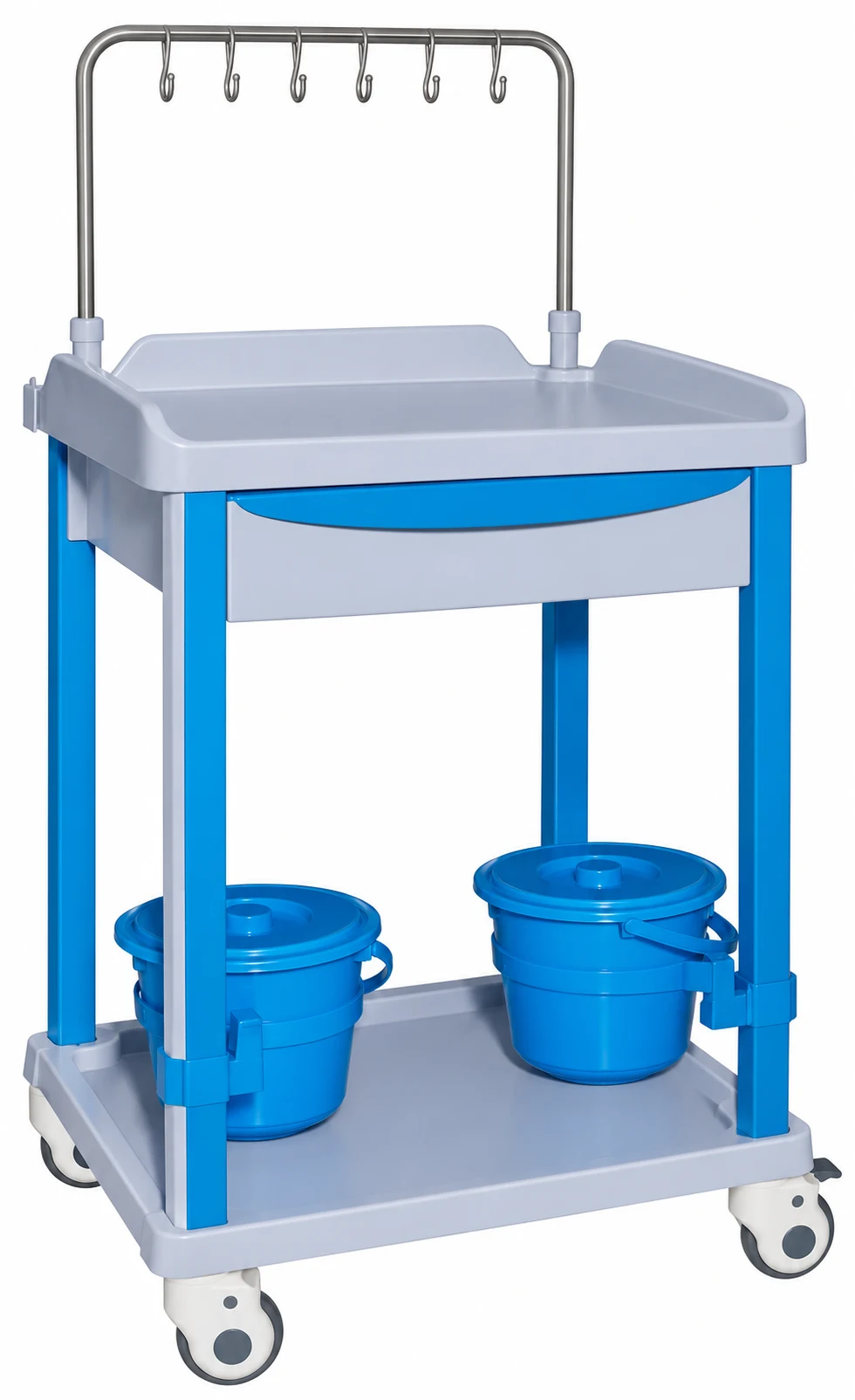
Infusion Carts
Compare infusion carts by model, stated dimensions and configuration.
View product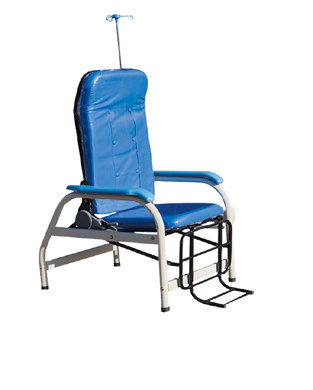
Infusion Chairs
Steel and stainless steel frame chairs with padded seating; both listed at 740 × 800 × 1180 mm.
View product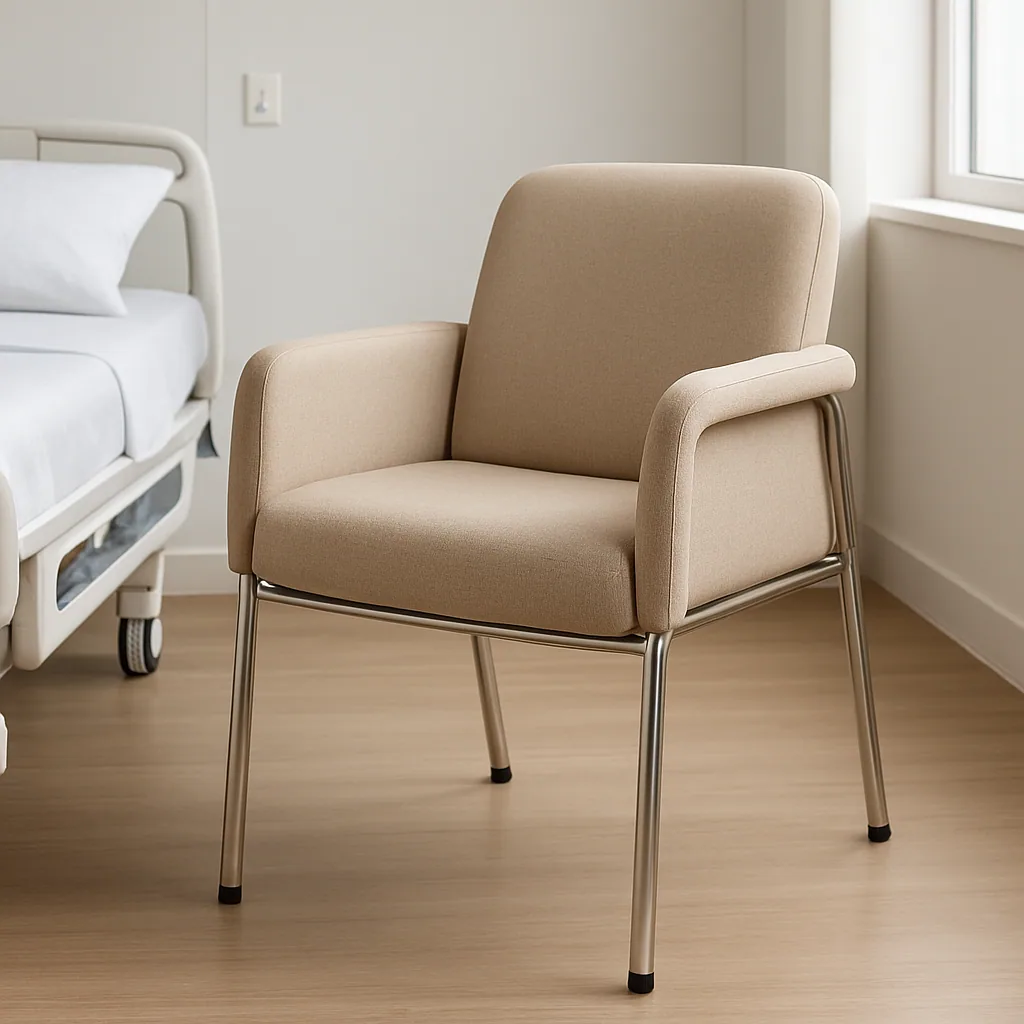
Patient Chairs
Patient seating for ward rooms, recovery areas, waiting areas, and healthcare facilities.
View product