
Choosing the right patient stretcher for your facility feels like a high-stakes decision. You're trying to balance a tight budget with the needs of your staff and patients. Pick the wrong model, and you could be stuck with workflow bottlenecks, caregiver strain, and unexpected repair bills. The debate over hydraulic vs manual stretchers is a perfect example, but focusing on which is "better" is the wrong way to look at it.
The best stretcher depends entirely on your specific workflow, patient volume, and long-term budget. Hydraulic stretchers offer fast, effortless height adjustments ideal for high-acuity environments like emergency rooms. Manual stretchers provide a reliable, lower-cost solution for general patient transport where frequent, rapid height changes are not required.
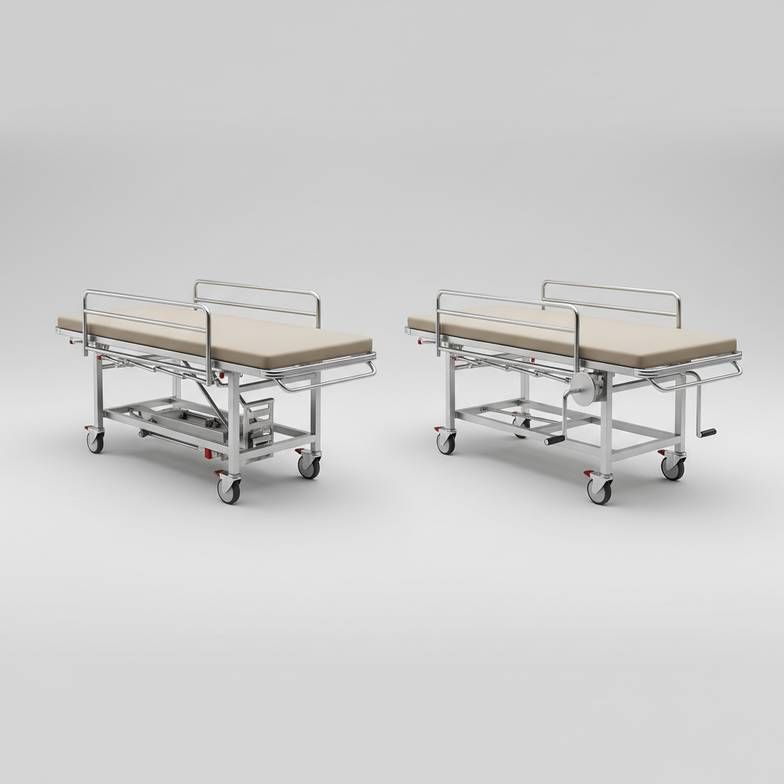
This simple answer is just the beginning. The real decision lies in the details that go far beyond the initial price tag. Let's break down the key factors—cost, workflow, and maintenance—so you can make a smart, sustainable procurement decision.
Is the Upfront Cost the Most Important Factor?
Let's be honest, the first thing most buyers look at is the price. A manual stretcher is almost always cheaper to purchase upfront, which can be very tempting for budget-conscious procurement teams. But this is one of those areas where a lower initial cost can lead to higher costs down the road.
No, the upfront cost isn't the most important factor. The total cost of ownership is a much more critical metric. This includes the purchase price plus the indirect costs of inefficiency, potential staff injuries from repetitive manual cranking, and long-term maintenance needs.
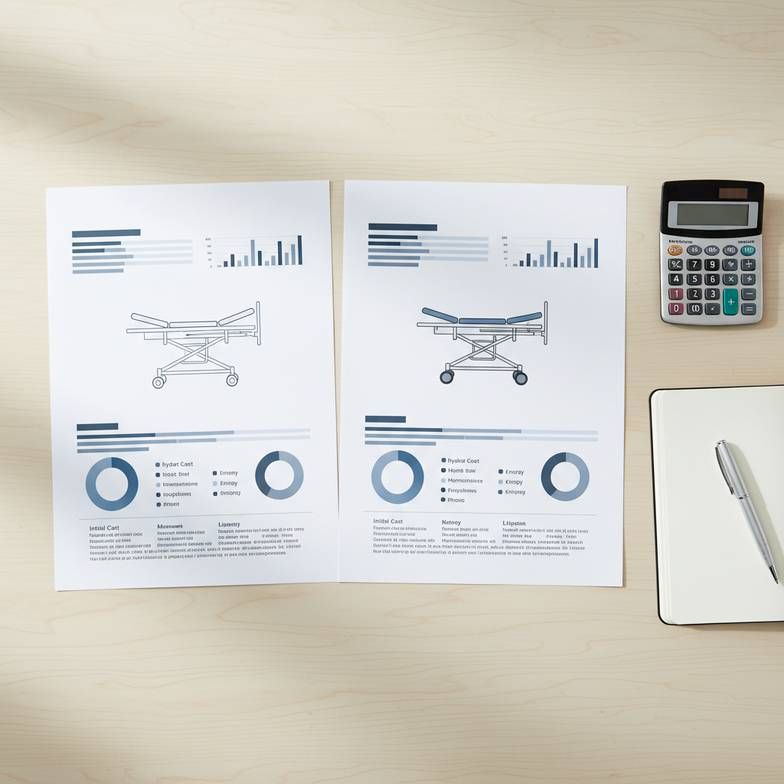
Dive Deeper: The True Cost of a Patient Stretcher
When we work with hospital project contractors, a common conversation is shifting the focus from the unit price to the total operational value. The question isn't just "How much does it cost?" but rather "What is the cost of not having the right tool for the job?"
Manual Stretcher Cost Profile:
- Lower Initial Investment: This is the main appeal. For facilities with limited capital, a manual stretcher gets the job done without a large upfront expense.
- Simpler Mechanics: Fewer complex parts can mean fewer things that could break, which seems like a cost-saver.
- Hidden Costs: The real cost comes from workflow friction. Imagine a busy emergency department. A nurse needs to adjust the stretcher height for a procedure, then lower it to transfer the patient to a bed. Doing this repeatedly with a manual crank takes time and physical effort. This accumulated time is a direct efficiency loss. Furthermore, the repetitive motion can contribute to workplace strain and injury, leading to sick days and compensation claims—a significant hidden cost.
Hydraulic Stretcher Cost Profile:
- Higher Initial Investment: There's no getting around it; the hydraulic pump system, foot pedals, and more robust frame command a higher price.
- Increased Efficiency: The ability to raise or lower a patient with a simple press of a foot pedal is a massive time-saver in fast-paced environments. This means faster patient turnover and more efficient staff.
- Reduced Risk of Injury: By eliminating the need for manual cranking under load, hydraulic stretchers significantly reduce the risk of musculoskeletal injuries for caregivers. In the long run, investing in ergonomics is almost always cheaper than paying for injuries.
Here is a simple comparison to help you frame the decision:
| Feature | Manual Stretcher | Hydraulic Stretcher |
|---|---|---|
| Upfront Price | Low | High |
| Ideal Workflow | Low-frequency transport, general wards | High-turnover, ER, PACU, surgical |
| Staff Effort | High (cranking) | Low (foot pedal) |
| Adjustment Speed | Slow | Fast |
| Potential Hidden Cost | Staff strain, inefficiency | Higher repair cost if system fails |
| Total Cost of Ownership | Can be high in busy settings | Can be lower in busy settings |
A procurement manager I once spoke with was tasked with outfitting a new outpatient clinic. They initially leaned toward manual stretchers for all rooms to save money. After we discussed their expected patient flow, they realized that while most rooms only needed simple transport, the procedure room would benefit immensely from a hydraulic model. They ended up with a mixed order, putting the right tool in the right place and optimizing their budget without sacrificing workflow.
How Does Workflow Influence the Hydraulic vs Manual Stretchers Decision?
A stretcher that looks perfect on a spec sheet can be a daily frustration if it doesn't match how your team works. The mechanism—manual crank or hydraulic pump—is less important than the a patient's journey through your facility.
Your specific departmental workflow is the single most important factor. A hydraulic stretcher's value shines in environments requiring frequent, rapid, and effortless height adjustments, like an ER or recovery room. A manual stretcher is often a more practical and cost-effective tool for simple, low-acuity patient transport.
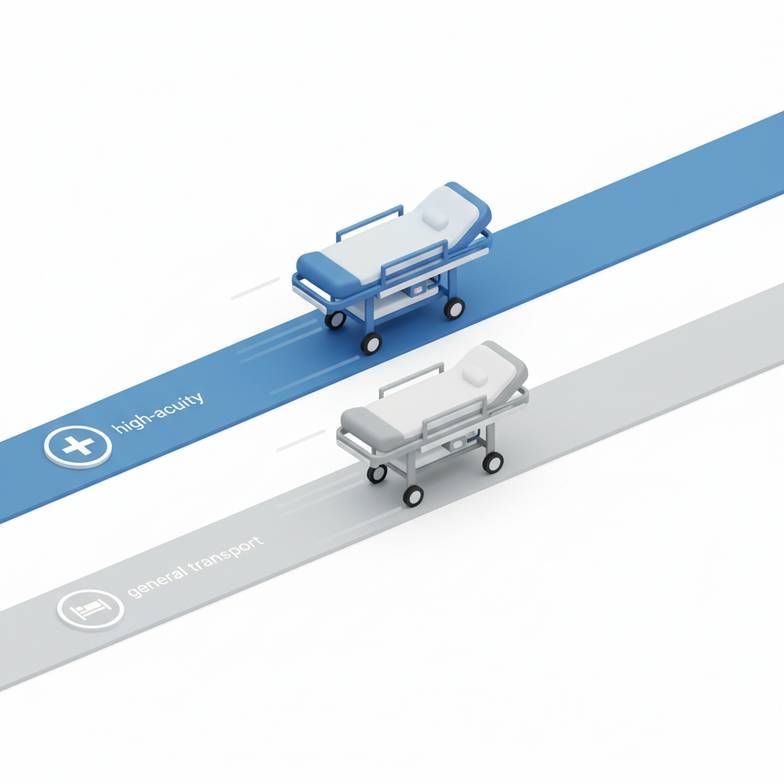
Dive Deeper: Matching the Stretcher to the Task
Based on the hundreds of inquiries we handle, a buyer's department tells us more about their needs than their initial product request. Let's walk through a few common scenarios.
The Emergency Department (ER) or Trauma Center
This is the classic use case for a hydraulic stretcher.
- Speed is Critical: Patients arrive in various conditions, and staff need to adjust the bed height quickly for assessment, intubation, or other immediate interventions. A foot-operated hydraulic pump allows for hands-free adjustment, so caregivers can keep their hands on the patient or on other equipment.
- Frequent Transfers: An ER patient might be moved from the ambulance cot to the stretcher, then to an imaging table, and finally to a hospital bed. Each transfer requires a precise height match to ensure patient safety and reduce physical strain on staff. Doing this with a manual crank dozens of times a day is simply not feasible.
- High Patient Load: The stretcher needs to be a workhorse. Hydraulic systems are generally designed for this high-demand, high-load environment. Features like Trendelenburg and Reverse Trendelenburg positioning, often standard on hydraulic models, are crucial here.
General Patient Transport and Wards
For moving a stable patient from their room to a different department like physical therapy, a manual stretcher is often sufficient.
- Infrequent Height Adjustment: In these cases, the stretcher height is typically set once to match the bed height for transfer and may not be changed again until the patient returns. The speed of adjustment is not a primary concern.
- Cost-Effectiveness: When you need to purchase a fleet of stretchers for general use across multiple floors, the lower upfront cost of manual models allows you to equip your facility adequately within budget.
- Simplicity of Use: For staff who may not use a stretcher every day, a simple, intuitive crank handle can be less intimidating than a multi-pedal hydraulic system.
Outpatient Clinics and Procedure Rooms
This is where the decision gets interesting.
- A simple manual examination couch or stretcher may be fine for a basic check-up room.
- However, for a clinic that performs minor procedures, a hydraulic stretcher offers many of the same benefits as in an ER. The ability to easily position the patient without manual effort makes the procedure smoother and safer for both the patient and the clinician.
When helping clients review tender specifications, we often see a requirement for "one stretcher model" for the entire facility. We always advise them to consider a mixed-model approach. It's a much smarter way to allocate resources, ensuring your high-acuity departments have the efficient tools they need, while your general wards get the reliable, cost-effective equipment they require.
What Are the Real Maintenance Differences Between Hydraulic vs Manual Stretchers?
Many buyers worry that a hydraulic stretcher will be a maintenance nightmare. They picture complex systems and expensive repairs. On the other hand, they assume a manual stretcher is simple and therefore trouble-free. The reality is a bit more complicated.
Both systems require regular maintenance, but the nature of that maintenance differs. Hydraulic systems need checks for leaks and fluid levels, while manual systems experience wear on cranks and gears. The most critical factor is not the complexity but your supplier's ability to provide clear maintenance guides and a reliable supply of spare parts.
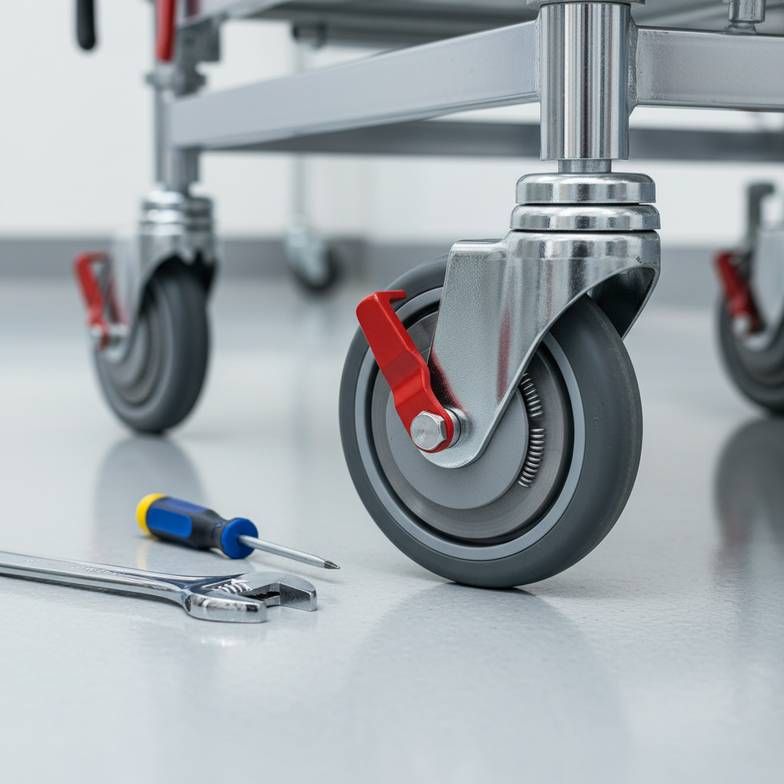
Dive Deeper: Planning for Long-Term Reliability
Your stretcher is an investment that needs to last. A breakdown doesn't just mean a repair bill; it means a critical piece of equipment is out of service, disrupting patient care. Here’s a more realistic look at what to expect from both systems.
Common Maintenance for Manual Stretchers:
- Crank Mechanism: The handle, gearbox, and screw mechanism are the most common points of failure. They are under constant stress, especially if used frequently or with heavy loads. Regular lubrication and inspection for wear are essential.
- Structural Integrity: Because they are often built to a lower price point, it's important to regularly inspect welds and frame components for signs of fatigue or stress.
- Casters and Brakes: This is a universal issue for all stretchers. Brakes must be checked for positive locking, and casters should be cleaned of debris and checked for smooth rotation.
Common Maintenance for Hydraulic Stretchers:
- Hydraulic System: The primary task is checking for oil leaks from the pump, seals, or hoses. The system is sealed, so a leak is a clear sign that a component needs replacement. This is not a user-serviceable repair; it requires a qualified technician.
- Pump and Pedal Function: Staff should be trained to report any "spongy" feeling in the pedals or any instance where the stretcher doesn't hold its height under load. This could indicate air in the system or a failing seal.
- Heavy-Duty Components: Hydraulic stretchers are generally built with more robust frames, casters, and side rails to handle the demands of their intended environment. However, this doesn't make them indestructible. Regular inspection is still key.
A frequent pain point we hear about from clients who bought from other sources is the inability to get spare parts. A simple broken caster or a worn-out crank handle can render an entire stretcher useless if you can't get a replacement. This is why a supplier's post-sales support is so important. Before you buy, ask these questions:
- Do you provide a clear maintenance schedule and checklist?
- What is the standard warranty, and what does it cover?
- Can you guarantee the availability of common spare parts (casters, side rails, crank handles, hydraulic pumps) for the next 5–7 years?
- What is the process for ordering and receiving spare parts?
A reliable sourcing partner doesn't just sell you a box; they provide a solution that includes long-term support. The peace of mind that comes from knowing you can easily repair your equipment is worth far more than any small savings on the initial purchase.
Frequently Asked Questions
What safety features are most important when comparing hydraulic vs manual stretchers?
Regardless of the lift mechanism, the most critical safety features are the side rails and the braking system. Side rails should be easy to operate with one hand but lock securely in place. The braking system, whether it's a central lock or individual caster locks, must be reliable and easy to engage to prevent any movement during patient transfers.
Can a manual stretcher handle bariatric patients?
Some heavy-duty manual stretchers are designed with high weight capacities. However, the physical effort required to lift a bariatric patient with a manual crank is immense and poses a significant injury risk to staff. For facilities that regularly treat bariatric patients, a hydraulic stretcher is strongly recommended for safety and ergonomics.
What is the typical lifespan of a patient stretcher?
With proper maintenance, a good quality stretcher, whether hydraulic or manual, should last 7 to 10 years or even longer. The lifespan is less about the lift system and more about the quality of the frame, welds, casters, and the consistency of your maintenance routine. A cheap, poorly made stretcher may only last a few years in a busy environment.
Beyond the lift system, what other features should I compare?
Look at the mattress quality (is it comfortable and easy to clean?), the caster size and material (larger casters roll more easily over thresholds), the IV pole design, and the presence of an oxygen tank holder. These accessories directly impact workflow and should be considered part of the overall package.
Conclusion
The choice in the hydraulic vs manual stretchers debate isn't about finding a single "best" product. It's about conducting a smart risk-reward analysis for your specific facility. A manual stretcher offers a low upfront cost that's perfect for low-acuity, infrequent transport. A hydraulic stretcher requires a larger initial investment but pays for itself through improved efficiency, enhanced patient safety, and reduced staff injury risk in demanding, high-turnover environments. By looking beyond the price tag and focusing on your daily workflow and total cost of ownership, you can select a patient stretcher that serves as a valuable tool, not a constant problem.
If you are planning a healthcare project or need to upgrade your facility's patient transport equipment, our team at CareFurnex can help. We can review your requirements, discuss the unique demands of your departments, and help you source the right mix of stretchers that balances performance, budget, and long-term reliability.
Written by
CareFurnex Team
CareFurnex Team shares practical knowledge about hospital beds, patient room furniture, medical trolleys, clinic furniture, and healthcare facility procurement for international B2B buyers.
Related Products

Hospital Stretchers
Patient transfer stretchers for emergency rooms, wards, clinics, and healthcare projects.
View product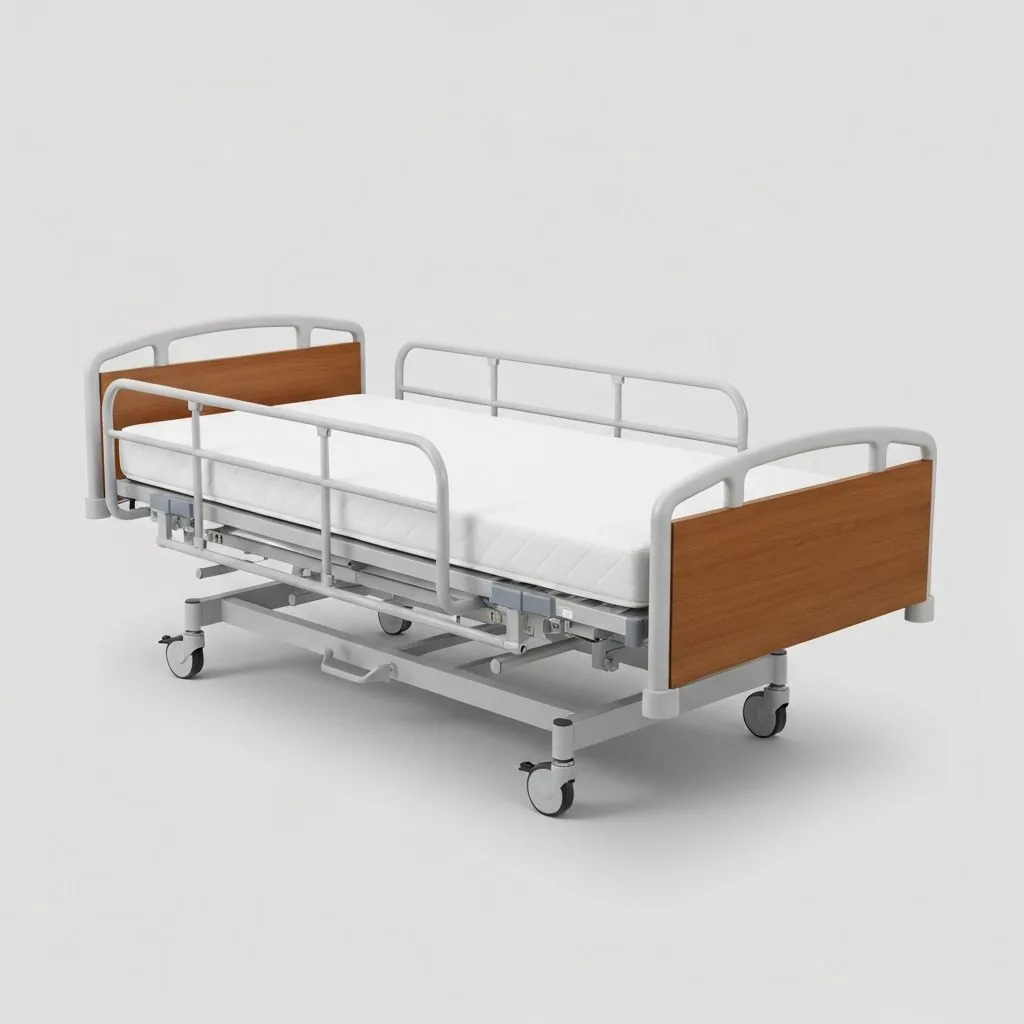
Hospital Beds
General-purpose patient beds for inpatient wards and standard hospital rooms.
View product
Ward Furniture
Complete ward furniture options for patient rooms and hospital care areas.
View product