
Struggling to specify the right stainless steel medical cabinets for your hospital project? The endless options for steel grades, welding types, and finishes can be overwhelming. Making the wrong choice can lead to premature rust, hygiene compliance issues, and costly replacements that damage both your budget and your reputation. This guide provides a practical framework to help you select durable, hygienic, and fit-for-purpose cabinets.
The best choice in stainless steel medical cabinets depends on matching the steel grade, construction, and finish to the specific hospital department's needs. For high-corrosion areas like operating rooms, insist on SS304 and fully welded seams. For dry storage, a more cost-effective SS201 cabinet can be sufficient. The key is to verify these specifications with evidence like material reports and detailed photos before purchasing.
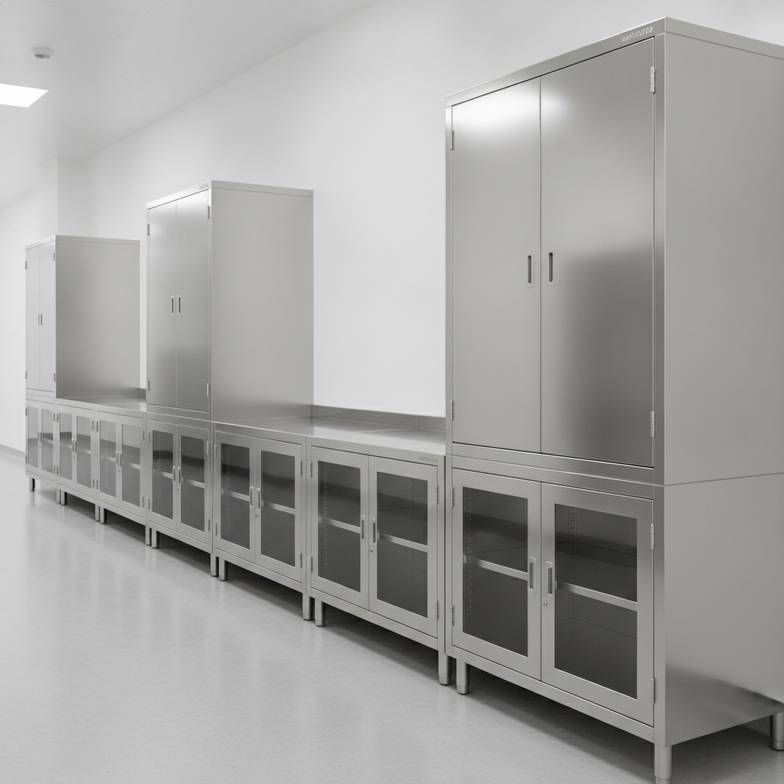
Now that you have the short answer, let's explore the critical details that separate a reliable, long-lasting cabinet from a risky and expensive mistake. We'll break down the key factors so you can develop a procurement checklist that protects your project.
What's the Real Difference Between SS304 and SS201 for Stainless Steel Medical Cabinets?
You constantly see "SS304" and "SS201" on supplier quotations, but what do these grades actually mean for your hospital's daily operations? Choosing the wrong grade can mean wasting money on an over-specified cabinet for a simple storeroom or, far worse, watching a cabinet rust prematurely in a critical sterile environment. Let's clarify which grade is right for which application.
SS304 stainless steel offers superior corrosion resistance, making it the necessary choice for high-moisture, chemically-intensive environments like operating rooms (OR) and Central Sterile Services Departments (CSSD). SS201 is a more economical alternative perfectly suitable for dry storage areas and general wards where exposure to harsh disinfectants is minimal.
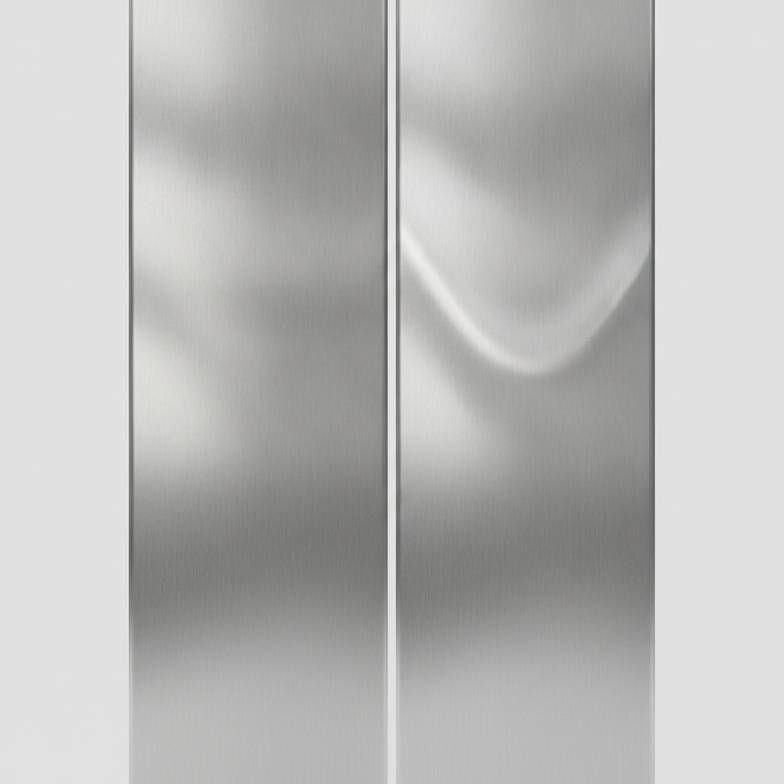
Dive Deeper: Matching Grade to Application
As a supplier, a frequent question from project contractors is whether they need to specify SS304 for every single cabinet. The answer is almost always no. A blended approach, matching the grade to the environment, is the most strategic and cost-effective way to equip a facility.
When to Insist on Grade SS304
SS304 contains a higher percentage of nickel (typically 8-10.5%), which gives it excellent protection against rust and corrosion. This is non-negotiable in certain hospital departments:
- Operating Rooms (OR): Surfaces are constantly wiped down with powerful disinfectants.
- CSSD & Autoclave Areas: High humidity, heat, and chemical exposure are the norm.
- Scrub Sink & Utility Rooms: These areas see constant splashing with water and cleaning agents.
- Laboratories: Potential for spills of various corrosive substances.
In these environments, the chlorides found in many cleaning solutions will attack lower-grade steel, leading to pitting and rust. Insisting on SS304 here is an investment in long-term hygiene and infection control.
Where SS201 is a Smart, Cost-Effective Choice
SS201 is a lower-nickel, higher-manganese stainless steel. It offers decent corrosion resistance in mild environments and is a robust material for general use. It's a perfectly suitable and budget-friendly option for:
- Dry Storage Rooms: For linens, non-sterile supplies, and packaged goods.
- Administrative Offices & Charting Stations: Where cleaning is less frequent and uses milder agents.
- General Patient Wards: For storing personal items or basic supplies away from wet areas.
We've seen buyers get misleadingly low quotes because a supplier substitutes SS201 for SS304 without clarification. By specifying the right grade for the right area, you can allocate your budget more effectively without compromising safety.
| Feature | Grade SS304 (Type 1.4301) | Grade SS201 (Type 1.4372) |
|---|---|---|
| Corrosion Resistance | Excellent | Good |
| Best For | OR, CSSD, Labs, Wet Areas | Dry Storage, Offices, General Wards |
| Nickel Content | ~8% | ~4% |
| Cost | Higher | More Economical |
| Key Benefit | Long-term durability against chemicals | Reduces project cost in low-risk areas |
Why is Welding Quality More Important Than Steel Grade for Some Stainless Steel Medical Cabinets?
Most suppliers will prominently feature the steel grade in their marketing, but the true weak point of a cabinet is often hidden in its joints. Poorly executed welds can trap bacteria, create impossible-to-clean crevices, and compromise the cabinet's structural integrity, turning a supposedly sterile unit into a contamination hazard. Let's examine why "fully welded" is a critical specification.
Fully welded seams create a smooth, continuous, and non-porous surface that is easy to clean and disinfect, preventing any place for bacteria to hide and grow. In contrast, cheaper spot welding leaves gaps and crevices that harbor contaminants and create structural weak points, making it unsuitable for any high-hygiene application.
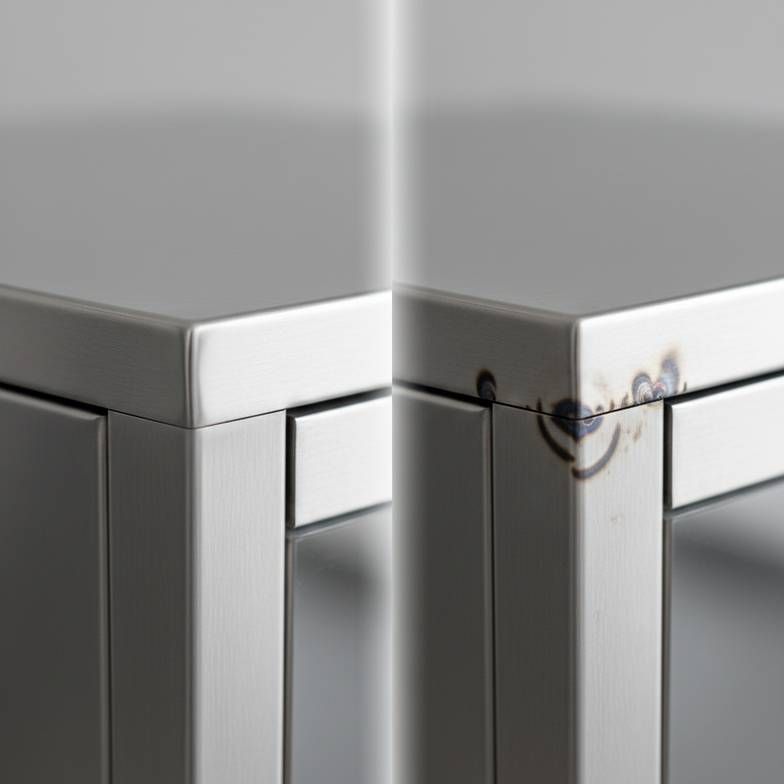
Dive Deeper: From Claims to Construction Reality
When evaluating stainless steel medical cabinets, looking beyond the material grade to the actual construction is a sign of a savvy buyer. The method of assembly directly impacts hygiene, durability, and long-term value.
The Hidden Risk of Spot Welding
Spot welding is a fast and cheap manufacturing process where small points of the metal are fused together. While it can hold a structure together, it's a major liability in a healthcare setting.
- Hygiene Gaps: The un-welded spaces between the spots create tiny crevices. These gaps trap moisture, organic matter, and cleaning solution residue, becoming a breeding ground for biofilm and bacteria.
- Cleaning Failure: Standard surface wiping cannot penetrate these gaps. Over time, this can lead to persistent contamination and potential cross-infection risks. We have seen facilities fail hygiene audits because their cabinets could not be properly sanitized due to this construction flaw.
- Structural Weakness: Spot welds are concentrated points of stress. Under heavy loads or the stress of being moved, these points can break, causing the cabinet to become unstable.
Fully Welded Construction: The Gold Standard for Sterility
Fully welded construction, often using TIG (Tungsten Inert Gas) welding, involves fusing the entire length of the seam. The joint is then ground and polished to be perfectly smooth and flush with the surrounding surface.
- No Place to Hide: A continuous, smooth weld eliminates all crevices, leaving a seamless surface that is easy to clean and validate. This is essential for meeting infection control standards.
- Superior Strength: A fully welded cabinet behaves as a single, monolithic unit. It's far more rigid, durable, and capable of handling heavy instrument trays or supplies without flexing or failing.
- Longer Lifespan: While the initial cost is higher, the durability and hygienic properties mean the cabinet will last much longer, providing a better return on investment.
Don't Forget Steel Thickness
Beyond welding, the thickness of the steel panels is a key indicator of quality. It's typically measured in millimeters (mm) or gauge.
- 1.0mm (20 gauge): Suitable for light-duty use, doors, and side panels.
- 1.2mm (18 gauge): A good standard for structural components and shelves that need to bear weight.
- 1.5mm (16 gauge): Excellent for heavy-duty worktops and frames intended for very heavy loads.
Always ask your supplier to specify the steel thickness in their quotation. A lower price might simply mean they are using thinner, less durable steel.
How Do You Properly Clean and Maintain Stainless Steel Medical Cabinets?
You’ve invested in high-quality stainless steel medical cabinets, but how do you ensure they maintain their integrity and appearance for years to come? Improper cleaning techniques can cause staining, pitting, or even rust, voiding warranties and compromising the very sterile surface you paid a premium for. Let's cover the essential best practices for cleaning and maintenance.
To properly clean stainless steel medical cabinets, use a soft cloth, water, and a mild, pH-neutral detergent. Always wipe in the direction of the brushed grain to avoid scratching. After using a hospital-grade disinfectant, it is crucial to rinse the surface thoroughly with clean water and wipe it dry to remove any corrosive chemical residues.
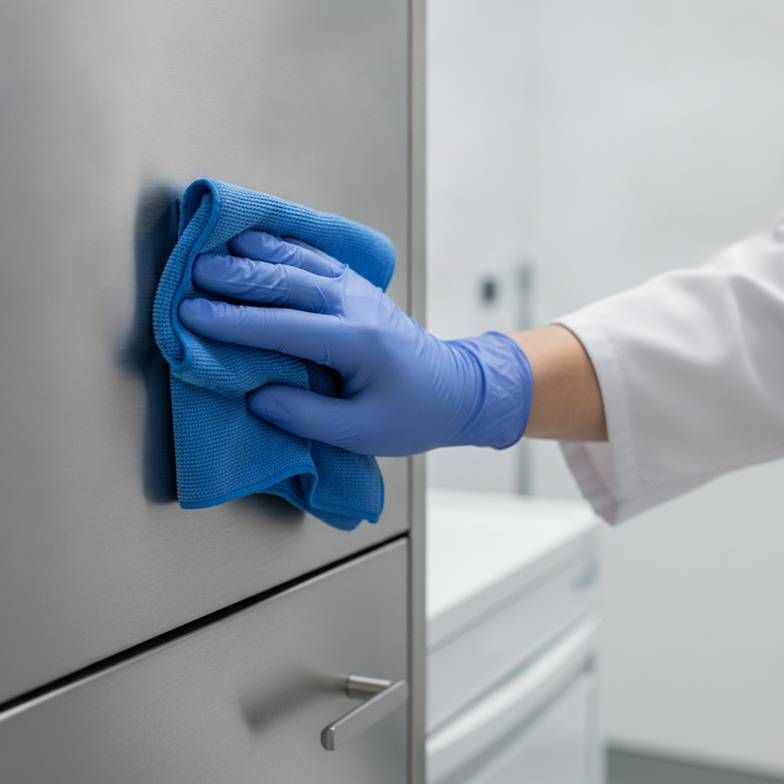
Dive Deeper: A Practical Cleaning Protocol
The longevity of your cabinets depends heavily on your facility's cleaning protocol. Stainless steel is "stain-less," not "stain-proof," and its passive layer can be damaged by incorrect procedures.
The "Do's" of Stainless Steel Cleaning
Here is a simple list of best practices to share with your environmental services team:
- Wipe with the Grain: Stainless steel surfaces have a fine brushed finish, or "grain." Wiping parallel to this grain helps maintain the original look and prevents tiny particles from getting lodged in the finish.
- Use Soft Materials: Microfiber cloths are ideal. They clean effectively without scratching the surface.
- Use Mild Cleaners: For routine cleaning, warm water and a mild detergent are sufficient.
- Rinse Thoroughly: This is the most critical step. After applying any disinfectant or cleaner, rinse the surface with clean water to remove all chemical residues.
- Wipe Dry: After rinsing, use a dry, soft cloth to remove all moisture. This prevents water spots and minimizes the time corrosive agents sit on the surface.
The "Don'ts" That Can Ruin Your Investment
Avoiding these common mistakes is just as important as following the correct procedure:
- NEVER Use Abrasives: Do not use scouring powders, steel wool, or abrasive pads. They will permanently scratch the surface, creating new places for bacteria to hide and ruining the aesthetic.
- AVOID Chloride-Based Cleaners: Cleaners containing chlorides, bromides, iodides, or bleach are the enemy of stainless steel, even SS304. If you must use them for disinfection, they must be highly diluted and, most importantly, thoroughly rinsed off immediately.
- Don't Let Cleaners Dwell: Never allow cleaning solutions to sit and dry on the surface. The prolonged contact, especially as the water evaporates and the chemical concentration increases, is what causes pitting and staining.
- Don't Use "Hard" Water: If your facility has hard water, the mineral deposits can leave spots. Using deionized or distilled water for the final rinse can produce the best results.
Considering a brushed finish (like a #4 finish) over a mirror-polished one is often more practical. It does a much better job of hiding minor scratches and fingerprints, keeping the cabinets looking professional in a busy work environment.
What is the Ultimate Buyer Checklist for Procuring Stainless Steel Medical Cabinets?
Comparing different supplier quotes for stainless steel medical cabinets can feel like an impossible task. One price is low, another is high, but the descriptions look similar. Without a systematic evaluation process, you risk choosing a supplier based on a low price that hides inferior materials, poor construction, and long-term risk. Use this evidence-based checklist to make a truly informed decision.
A smart buyer's checklist for stainless steel medical cabinets moves beyond just comparing prices. It involves demanding evidence. You should request a material test report for the steel grade, ask for high-resolution photos of the welding seams, confirm the panel and frame thickness, and verify that all dimensions and features meet your department's specific needs.
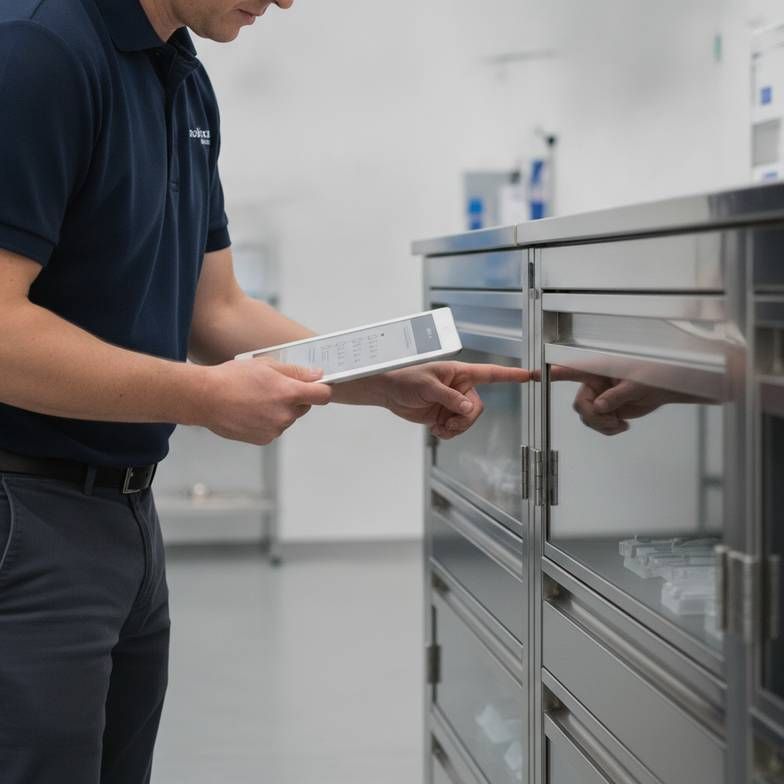
Dive Deeper: Your Evidence-Based Procurement Checklist
Shift your mindset from asking "Is your cabinet good?" to "Prove to me that your cabinet meets these exact criteria." This approach empowers you to compare apples to apples and holds your suppliers accountable.
Step 1: Request Documentary Evidence
Before you even discuss pricing, ask the supplier to provide:
- Material Test Report: For a specific production batch, not a generic certificate. This report confirms the chemical composition of the steel and verifies if it is genuine SS304 or SS201.
- Detailed Technical Specification Sheet: This should list:
- Overall dimensions (H x W x D).
- Steel thickness for panels, frame, and shelves (e.g., 1.2mm).
- Type of surface finish (e.g., #4 brushed).
- Shelf load capacity in kg or lbs.
- Details on locks, hinges, and leveling feet.
- Manufacturer Certifications: Such as ISO 9001 (quality management) or ISO 13485 (medical devices).
Step 2: Demand Visual Evidence
A spec sheet can say anything. Ask for photos that show the reality of the construction.
- Close-up of Welds: Request high-resolution images of both internal and external corner joints. A smooth, ground weld looks vastly different from a spot weld.
- Photos of Hardware: Ask to see the hinges, door handles, and locking mechanisms up close. Are they robust and built for heavy use?
- Internal Structure: Get a clear picture of the shelf adjustment system and supports.
Step 3: Ask Probing Specification Questions
Use this list to drill down into the details during your communications:
- Construction: "Is the main body of the cabinet fully welded or spot welded/bolted together?"
- Material: "Can you confirm the steel thickness for the frame, doors, and shelves separately?"
- Functionality: "Are the shelves adjustable? What is the adjustment increment?"
- Hygiene: "Are the corners and joints inside the cabinet coved or sharp 90-degree angles?" (Coved corners are easier to clean).
- Stability: "Are the feet adjustable to allow for leveling the cabinet on an uneven floor?"
By using this checklist, you transform the procurement process from a game of chance into a methodical, risk-managed investment.
Frequently Asked Questions
Can SS201 stainless steel rust in a hospital?
Yes, SS201 can rust, especially if frequently exposed to harsh cleaning chemicals (like those with chlorides), high humidity, or salty coastal air. It is best reserved for dry, low-intensity environments. For critical areas like operating rooms or CSSD, SS304 is the much safer choice due to its superior corrosion resistance.
What is the ideal steel thickness for a medical cabinet?
For general-purpose cabinets storing lighter supplies, 1.0mm (approx. 20 gauge) is often sufficient. For heavy-duty applications, such as storing heavy instrument trays or bulk solutions, you should specify 1.2mm (approx. 18 gauge) or even 1.5mm steel for the frame and shelves to ensure better durability and load-bearing capacity.
Are glass doors or solid steel doors better for instrument cabinets?
This depends on your workflow. Tempered glass doors allow for quick visual inventory checks without opening the cabinet, which is efficient for busy teams. Solid steel doors offer maximum security, protect light-sensitive supplies, and provide a more robust physical barrier. The choice should be based on your department's specific needs for visibility versus security.
How can I test if a cabinet is really SS304?
A definitive confirmation requires a specialized material testing kit or a handheld XRF (X-ray fluorescence) analyzer. As a buyer, the most practical and professional approach is to demand a formal material test report from the supplier that corresponds to the batch of steel used for your order. A reputable manufacturer should readily provide this documentation as proof of quality.
Conclusion
Choosing the right stainless steel medical cabinets is a crucial decision that impacts hygiene, workflow efficiency, and your long-term budget. The key takeaway is to move beyond simple price comparisons and adopt a risk-management approach. This means matching the steel grade to the environment—SS304 for wet and chemically harsh areas, SS201 for dry storage. It means insisting on fully welded construction for high-hygiene zones and verifying steel thickness for durability. By using an evidence-based checklist to demand material reports, construction photos, and detailed specifications, you can confidently procure cabinets that are safe, durable, and truly fit for purpose.
At CareFurnex, we specialize in helping hospital project contractors, distributors, and procurement managers source healthcare furniture with clear specifications and lower risk. If you need a reliable partner for your next project, contact us for a practical consultation and a detailed quotation on our full range of stainless steel medical cabinets.
Written by
CareFurnex Team
CareFurnex Team shares practical knowledge about hospital beds, patient room furniture, medical trolleys, clinic furniture, and healthcare facility procurement for international B2B buyers.
Related Products
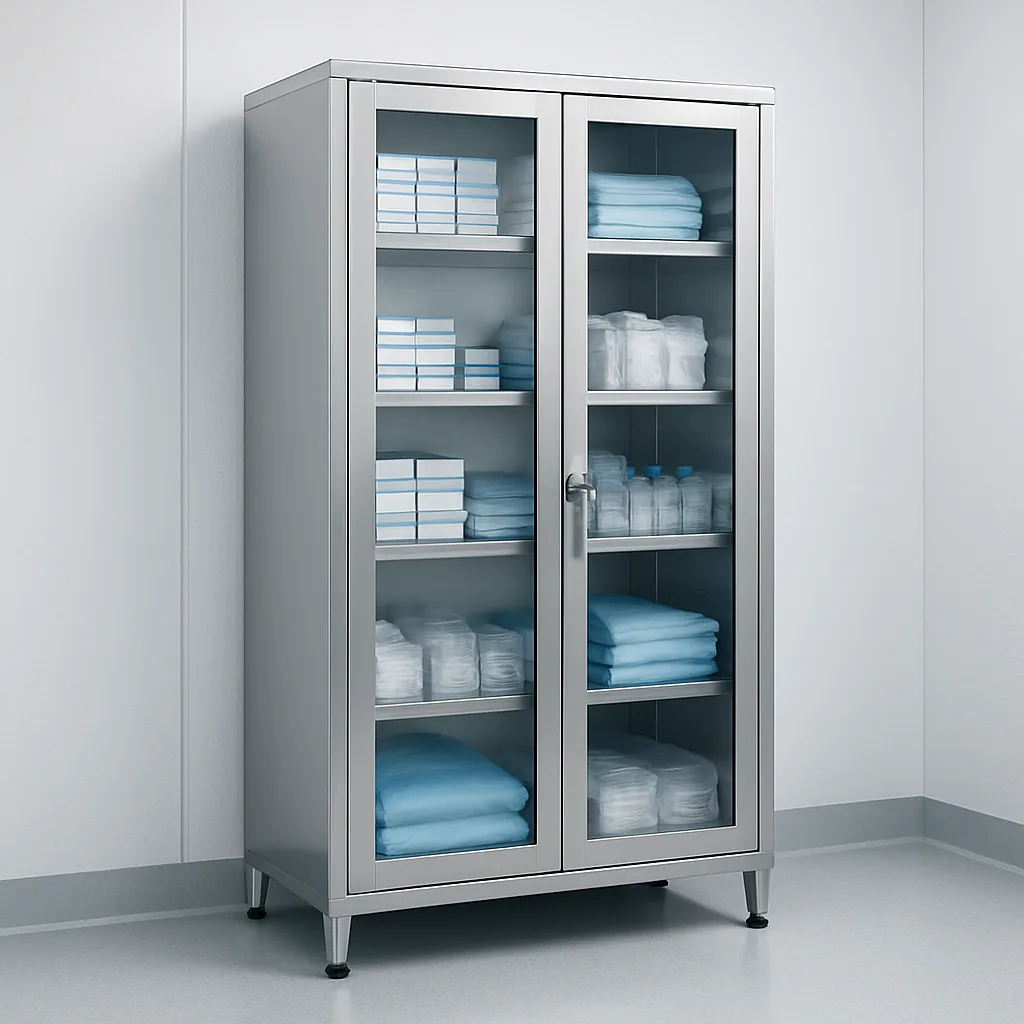
Medical Cabinets
Storage cabinets and medical furniture units for organized patient rooms and ward areas.
View product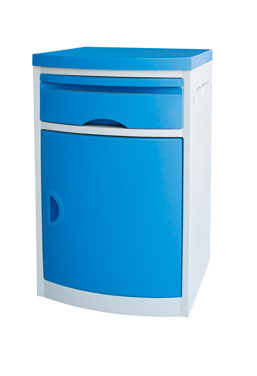
Hospital Bedside Cabinets
This ABS hospital bedside cabinet has a blue top, an upper drawer and a lower door within a light-colored body. Its stated size is 480 × 480 × 760 mm, giving buyers a defined overall footprint for ward furniture planning.
View product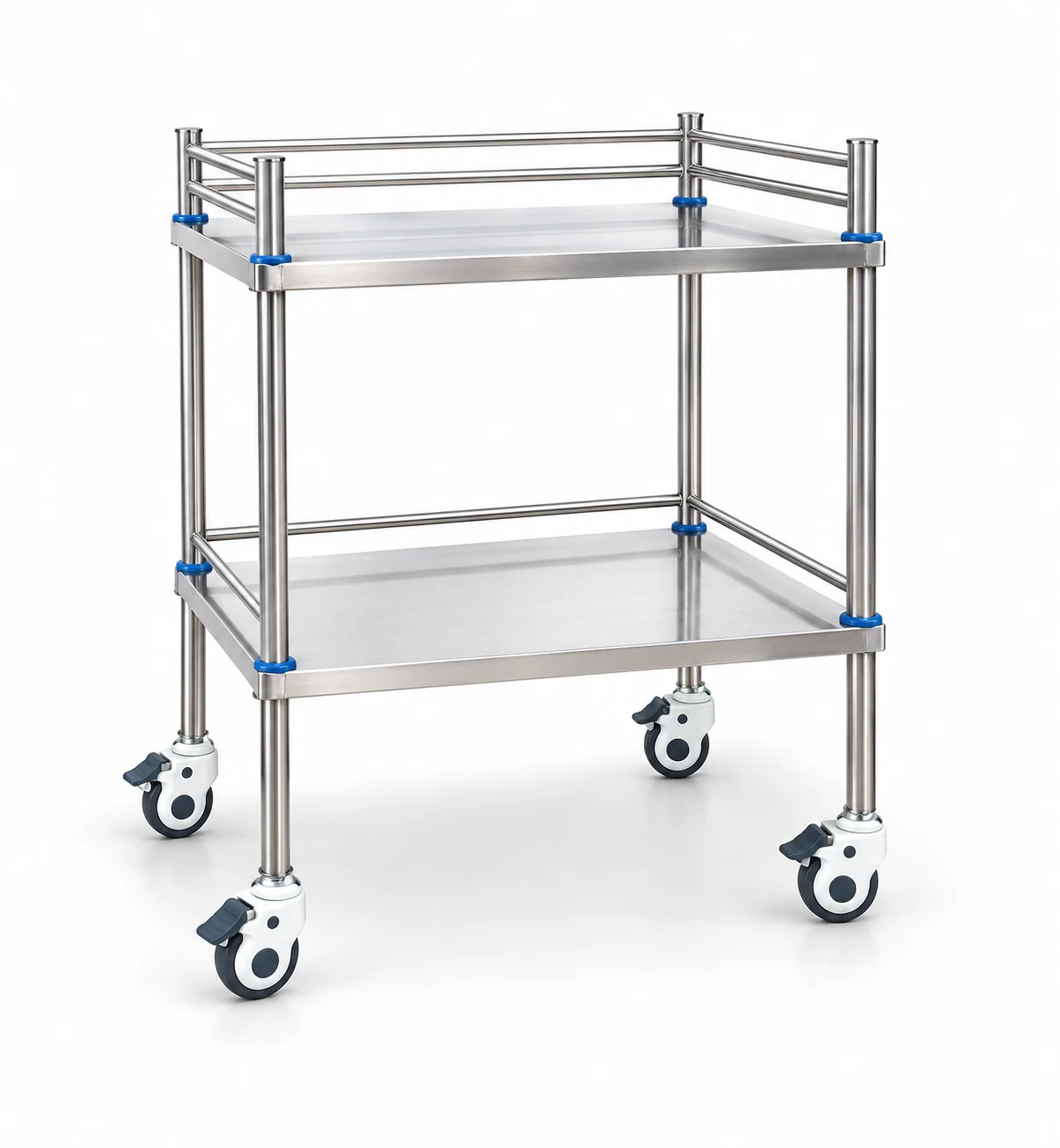
Stainless Steel Medical Furniture
Durable stainless-steel carts, tables, instrument stands, and storage units for clinical spaces.
View product