
Struggling to choose the right emergency folding stretcher from a sea of similar-looking options? You know a reliable stretcher is non-negotiable for patient safety, but it's hard to tell if a low-cost model will fail at a critical moment or if a high-priced one is truly worth the investment. This checklist helps you move beyond basic specs to identify a durable, compliant, and fit-for-purpose stretcher for your facility.
An effective emergency folding stretcher checklist should evaluate four key areas: the specific operational context (clinic vs. hospital vs. field use), the frame material and mechanics (hinges, locks), the fabric durability and cleanability (material, stitching), and the supplier's ability to provide detailed specifications, certifications, and long-term support.
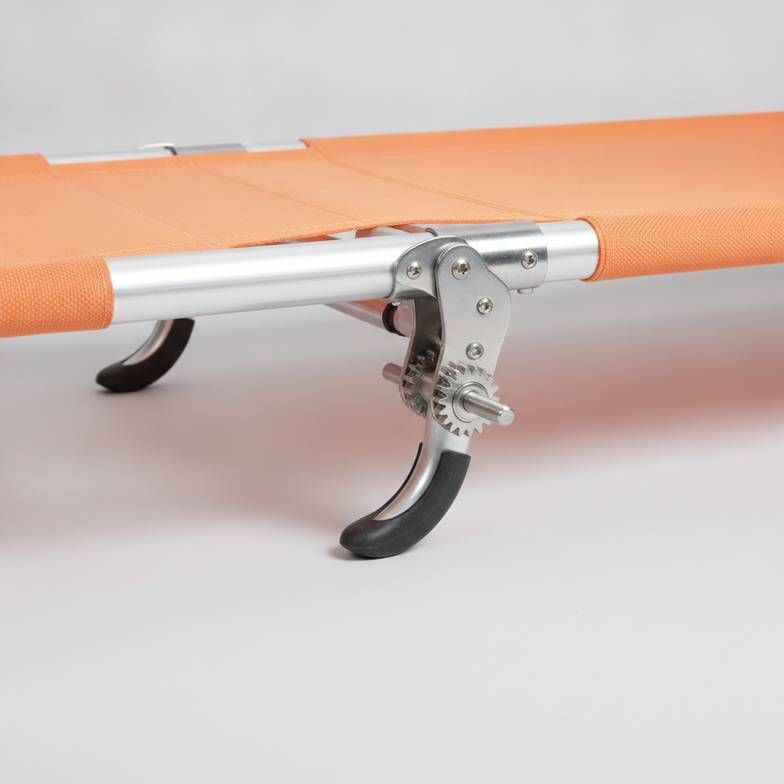
Now that you have the core framework, we can explore each of these points in detail. The goal isn't just to find a product that meets a weight capacity, but to equip you with the right questions to mitigate risk and ensure you procure a stretcher that serves your team and patients reliably for years to come.
How Do You Define the Use Case for Your Emergency Folding Stretcher?
Many buyers assume a single "best" stretcher exists, leading them to compare products based on price alone. However, this approach ignores the most critical factor: how and where the stretcher will actually be used. The demands on a stretcher for a small clinic are vastly different from those for a high-traffic hospital or a large-scale project tender.
Defining your operational context is the first and most important step. A common question we receive from clinics is about finding the cheapest option for occasional use, whereas hospital project contractors need to verify compliance with rigorous tender specifications. Both are valid needs, but they lead to very different product selections.
Dive Deeper
The first item on your checklist should be a clear definition of your environment. This context shapes every subsequent decision. Based on our experience supporting various healthcare providers, we can break this down into three common scenarios.
For Small Clinics and First Aid Rooms
For a small private clinic, school nurse's office, or corporate first aid station, the stretcher is often a standby device. It may be used only a few times a year.
- Priority: Simplicity, ease of storage, and intuitive operation.
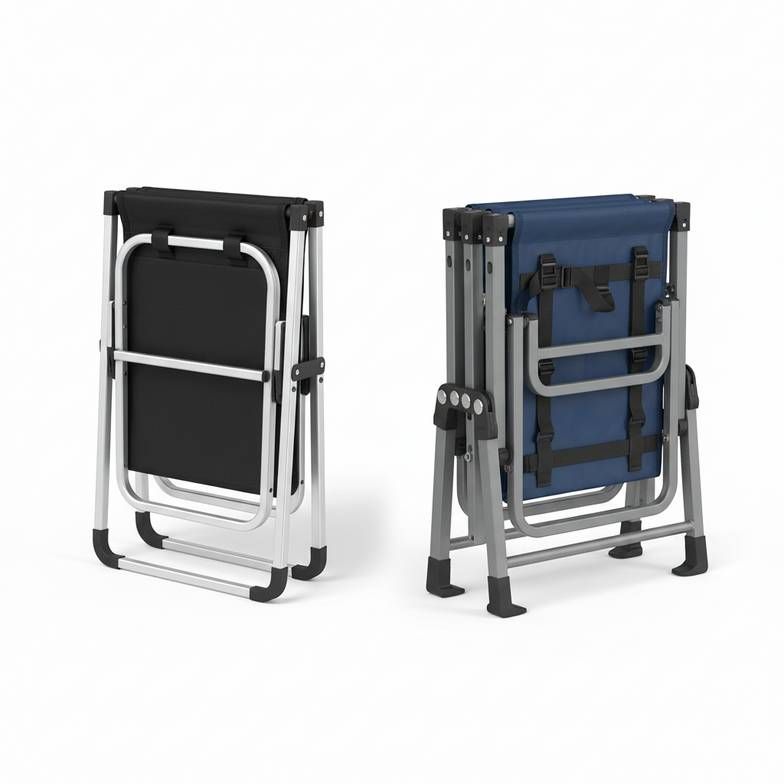
- Key Features: Lightweight aluminum frame for easy handling by one or two people, a simple two-fold or four-fold design, and compact storage dimensions. Durability is important, but high-cycle wear is less of a concern.
- What to Check: Is the folding mechanism straightforward enough for someone who doesn't use it daily? Does it fit in the designated storage closet? Is the weight manageable for your staff?
For Hospital Wards and Emergency Departments
In a hospital setting, an emergency folding stretcher is part of a fast-paced, high-consequence workflow. It's used frequently for internal patient transfers, mass casualty incident (MCI) response, or as overflow capacity.
- Priority: Durability, speed of deployment, and patient security.
- Key Features: A robust frame (often high-grade aluminum), heavy-duty locking mechanisms that provide audible or tactile confirmation, durable wheels or sturdy feet for stability, and patient restraint straps that are strong and easy to clean.
- What to Check: Can the stretcher withstand being deployed and folded multiple times per day? Are the locks and hinges made from steel components that resist wear? Is the fabric resistant to the hospital's aggressive disinfection protocols?
For Large-Scale Projects and Tenders
When procuring for a government tender, a new hospital build, or a large aid organization, the focus shifts to standardization, compliance, and supply chain reliability.
- Priority: Meeting exact specifications, documented certification, and long-term parts availability.
- What to Check: Does the stretcher's material, dimensions, and weight capacity match the tender document precisely? Can the supplier provide certificates for materials (e.g., fire retardant fabric)? Does the supplier have a proven track record of fulfilling large orders and can they guarantee the availability of spare parts like wheels, feet, or locking pins for the next 5-7 years?
Here is a simple comparison table:
| Feature | Small Clinic | Hospital ED | Project/Tender |
|---|---|---|---|
| Primary Goal | Standby readiness | High-frequency use | Specification compliance |
| Frame Material | Standard Aluminum | High-Grade Aluminum | As per tender spec |
| Hinge/Lock | Simple & functional | Heavy-duty, wear-resistant | Verifiable, documented parts |
| Fabric | Basic, easy to wipe | Chemical-resistant, durable | Certified (e.g., fire-retardant) |
| Key Question | Is it easy to store and use? | Will it survive daily abuse? | Can you prove it meets spec? |
What Frame and Hinge Details Define a Quality Emergency Folding Stretcher?
You've seen the spec sheets: "High-strength aluminum alloy, 159 kg capacity." This information is a start, but it doesn't tell the whole story. The real difference between a reliable stretcher and a risky purchase is hidden in the construction details that are rarely listed on a product page.
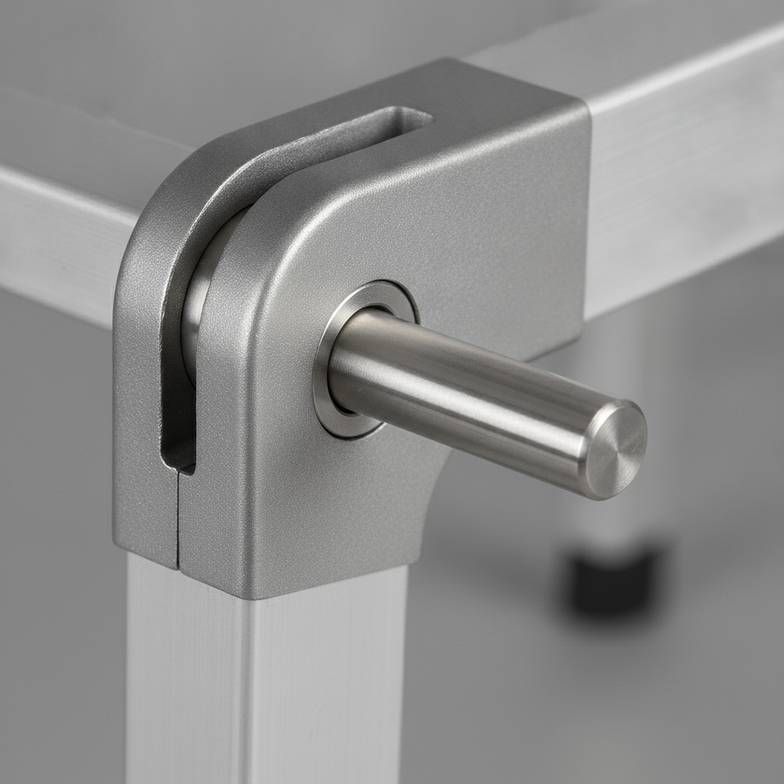
Based on feedback from past project deliveries, the most common points of failure are the hinges and locking mechanisms. A cheap hinge can bend under load, and a poorly designed lock can fail to engage securely, creating a significant safety hazard. Therefore, your checklist must go beyond the surface-level specifications.
Dive Deeper
When we guide buyers, we encourage them to think like an inspector. The frame and its moving parts are the skeleton of the emergency folding stretcher; their integrity is paramount. Here’s what to scrutinize.
The Critical Role of Hinges and Locking Mechanisms
This is where a cheap stretcher most often reveals itself. The folding mechanism is subjected to the most stress during both use and storage.
- Hinges: Look for hinges made of steel or reinforced components, even on an aluminum frame. Purely aluminum hinges can be softer and more prone to deformation over time. Ask the supplier for close-up photos of the hinge assembly.
- Locking System: A secure lock is non-negotiable. The best systems provide positive engagement—a solid click or a visual indicator that the stretcher is locked safely in its open position. We've noticed buyers often overlook the risk of "friction-fit" or ambiguous locking systems that can be mistakenly left partially unsecured. For hospital use, a double-locking mechanism can provide crucial redundancy.
- Action to Take: Ask your potential supplier for a short video demonstrating the folding and unfolding process. Watch how the locks engage. Is it crisp and definite, or is it flimsy and uncertain?
Frame Material and Construction
While most frames are aluminum for its light weight, not all aluminum is created equal.
- Alloy Grade: Ask about the specific grade of aluminum alloy. Higher-grade alloys offer a better strength-to-weight ratio.
- Wall Thickness: A more important, but harder-to-verify spec is the wall thickness of the aluminum tubing. Thicker walls provide more rigidity and resistance to bending, though they add slightly to the weight. A supplier focused on quality should be able to provide this data.
- Welds and Rivets: Inspect the joints. Are the welds clean and consistent? Are rivets tight and flush with the surface? Poor craftsmanship in these areas can indicate a lack of quality control that extends to the entire product.
Stability: Feet, Wheels, and Spreaders
Once deployed, the stretcher must be stable.
- Feet: The feet should be made of durable, non-slip rubber or plastic and be securely attached. These are often the first parts to get lost or broken on low-quality models. Ask if they are available as spare parts.
- Wheels (Casters): If your model has wheels, they are a critical component. Inquire about the wheel material (e.g., polyurethane is often better than rubber), the bearing type (sealed bearings are more durable), and whether they have brakes.
- Spreader Bars: These bars lock the stretcher open and provide lateral stability. Check that they are robust and that the mechanism connecting them to the frame legs is solid. This connection point is another common area of failure.
How Does Fabric and Surface Material Impact Safety and Durability?
It’s easy to focus on the metal frame, but the patient surface—the fabric—is just as critical. You might be worried about the fabric tearing under a patient's weight, but the more immediate, day-to-day risk is different. The wrong fabric can harbor pathogens, degrade quickly from cleaning agents, and become a recurring safety and compliance issue.
For healthcare projects, we've noticed buyers often overlook the long-term implications of fabric choice. A stretcher that can't be properly cleaned according to your facility's protocols is not a viable medical device. Therefore, evaluating the fabric goes far beyond color or feel; it's a matter of infection control and operational durability.
Dive Deeper
The patient support surface must be strong, easy to clean, and comfortable enough for short-term transport. Here's a breakdown of what to look for when adding the fabric specifications to your emergency folding stretcher checklist.
Evaluating Fabric Material: Oxford vs. Vinyl/PVC
You will typically encounter two main types of fabric on a folding stretcher. Knowing the difference is key to matching the product to your use case.
- Oxford Cloth: This is a common woven polyester or nylon fabric. It is strong, relatively lightweight, and often less expensive. However, its woven texture can make it harder to clean thoroughly, as contaminants can get trapped in the fibers. It is often suitable for low-frequency use where aggressive chemical disinfection is not a daily requirement.
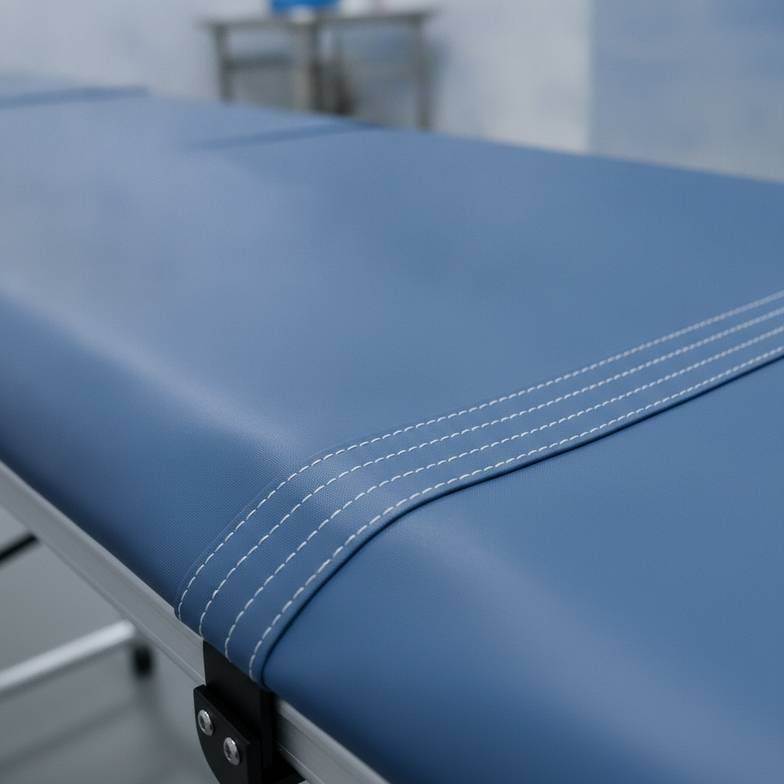
- Vinyl (PVC) Coated Fabric: This material has a smooth, non-porous surface. Its primary advantage is that it's waterproof and easy to wipe down and disinfect. This makes it the preferred choice for hospitals and any environment with strict infection control standards. It is generally more durable against repeated cleaning with harsh chemicals.
Cleanability and Disinfection Protocols
This is a question to ask your supplier directly: "What cleaning agents are recommended for this fabric, and what agents should be avoided?" A quality supplier should provide a clear list. If they can't, it's a red flag. Your checklist should include confirming that the recommended cleaning protocol is compatible with your facility's existing standards. For example, some harsh disinfectants used in hospitals can make lower-quality vinyl brittle and cause it to crack over time.
Stitching, Seams, and Durability
The strength of the fabric is only as good as its weakest seam.
- Stitching: Look for double-stitched seams, especially around the edges and where the fabric attaches to the frame. The thread should be heavy-duty and rot-resistant.
- Reinforcement: Check for extra reinforcement in high-stress areas, such as the points where the poles slide through the fabric sleeves.
- Certifications: For tenders and hospital projects, ask if the fabric is certified as fire-retardant (e.g., compliant with standards like BS 5852). This is often a mandatory requirement that can disqualify a product if the documentation is not available.
Ultimately, the fabric is a component that will wear out. A proactive procurement strategy involves confirming with the supplier that replacement fabric surfaces are available for purchase separately. This can extend the life of the stretcher frame and provide a much better long-term return on investment.
What Should You Ask Suppliers About Your Emergency Folding Stretcher?
You’ve defined your use case and know which technical details to inspect. Now, how do you get this information from potential suppliers? Shifting from a passive buyer to an active investigator is the final step. Sending a simple request for "price and availability" won't give you the insight you need to assess risk.
The problem is that many suppliers will only provide the basic, positive specifications. They won't volunteer information about potential weaknesses or limitations. To protect your investment and ensure patient safety, you need to ask targeted questions that reveal the true quality and reliability of both the product and the supplier.
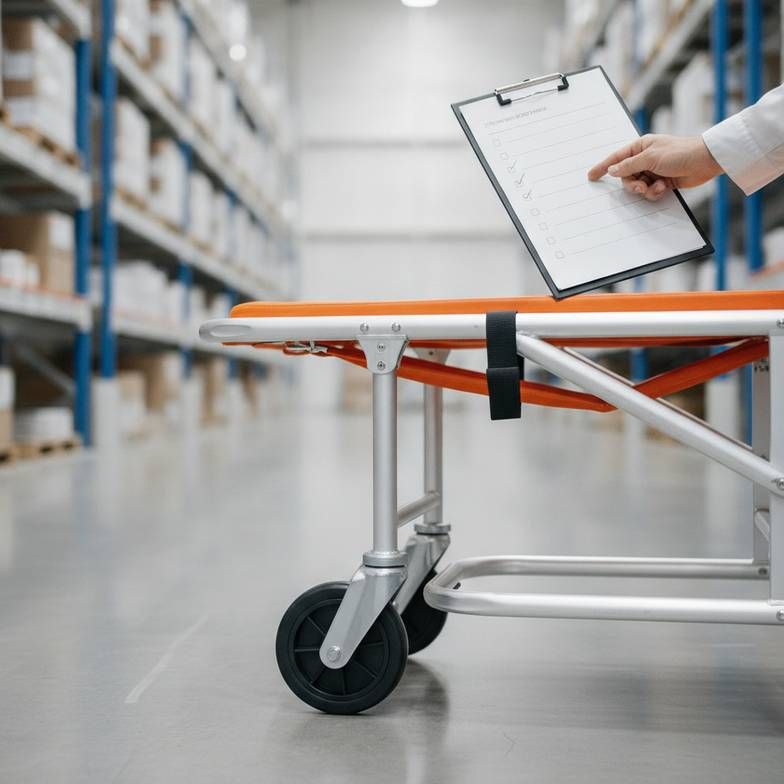
Dive Deeper
We believe a good supplier should welcome detailed questions. It shows the buyer is serious and professional. A supplier who is evasive or cannot answer the following questions may not be the right partner for a critical piece of medical equipment. Use these questions to build your Request for Quotation (RFQ) and to interview potential vendors.
Questions About the Product Itself
- Frame & Materials: "What is the specific grade of aluminum alloy used in the frame, and what is the wall thickness of the tubing?"
- Mechanisms: "Can you provide a close-up photo or video of the hinge and locking mechanism in operation? What material are the locking pins and hinge components made from?"
- Fabric: "What is the fabric material (e.g., Oxford cloth gsm or vinyl type)? Is it certified fire-retardant? What are the recommended cleaning and disinfection agents?"
- Capacity & Testing: "Beyond the stated static weight capacity, has the stretcher been dynamically tested? Can you provide any test reports or certifications?"
- Components: "What material are the feet/wheels made of? Are the wheel bearings sealed? Are the patient restraint straps included, and what is their material?"
Questions About Logistics and Supply Chain
- Packaging: "What are the packed dimensions and gross weight of a single unit? How many units fit in a standard carton for bulk shipping?" (This is critical for calculating shipping costs and storage space).
- Spare Parts: "Do you have a spare parts list? Are key components like wheels, feet, locking mechanisms, and replacement fabric available for separate purchase now and in the future?"
- Lead Time & Origin: "What is the production lead time for an order of [your quantity]? Where is the product manufactured?"
- Documentation: "Can you provide a detailed specification sheet, a certificate of conformity, and any relevant quality certifications (like ISO 13485) for the manufacturing facility?"
Questions About the Supplier's Experience
- Reference: "Can you provide examples of similar healthcare projects or clients you have supplied this model to?"
Asking these questions transforms the procurement process. It forces suppliers to move beyond generic marketing claims and provide the concrete data you need to perform a proper risk assessment. The supplier's ability and willingness to answer comprehensively is often as important as the answers themselves.
Frequently Asked Questions
What is the standard weight capacity for an emergency folding stretcher?
Most emergency folding stretchers have a standard weight capacity between 159 kg (350 lbs) and 220 kg (485 lbs). However, you should always verify the specific capacity of the model you are considering. For bariatric patients, specialized stretchers with higher capacities and wider surfaces are required.
Are aluminum or steel folding stretchers better?
It depends on the priority. Aluminum is much lighter, making the stretcher more portable and easier for staff to handle, which is why it's the most common material. Steel is stronger and more durable but significantly heavier, making it impractical for a portable folding stretcher. Most high-quality models use a high-strength aluminum alloy frame with steel components in high-wear areas like hinges and locks.
How do I clean and maintain the stretcher fabric?
For vinyl (PVC) surfaces, wipe down with a soft cloth using a solution of mild detergent and water or an approved hospital-grade disinfectant. Avoid abrasive cleaners or solvents. For Oxford cloth, follow the manufacturer's guidelines, which may involve gentle cleaning and thorough air-drying. Always confirm the recommended cleaning protocol with the supplier to prevent material degradation.
Can I get spare parts for an emergency folding stretcher?
Yes, a reputable supplier should offer spare parts. The most commonly requested parts are wheels, non-slip feet, locking pins, and even complete replacement fabric surfaces. Before purchasing, confirm the availability and cost of spare parts, as this is critical for long-term maintenance and return on investment.
Conclusion
Creating a comprehensive checklist for an emergency folding stretcher is less about finding a secret model and more about adopting a methodical, risk-focused procurement process. The key is to start by defining your specific use case—whether for a clinic, hospital, or large project. From there, your checklist should prompt a deeper investigation into the critical but often overlooked details: the material and design of the hinges and locks, the durability and cleanability of the fabric, and the stability of its feet or wheels. Finally, use these points to ask suppliers targeted questions that reveal true quality and long-term reliability.
This approach transforms you from a price-checker into an informed buyer, ensuring the emergency folding stretcher you select is not only compliant and cost-effective but also a safe and dependable tool for your healthcare team. If you're sourcing for a project and need help matching specifications to your requirements, contact CareFurnex. We can help you build your checklist and provide the detailed documentation you need to make a confident decision.
Written by
CareFurnex Team
CareFurnex Team shares practical knowledge about hospital beds, patient room furniture, medical trolleys, clinic furniture, and healthcare facility procurement for international B2B buyers.
Related Products
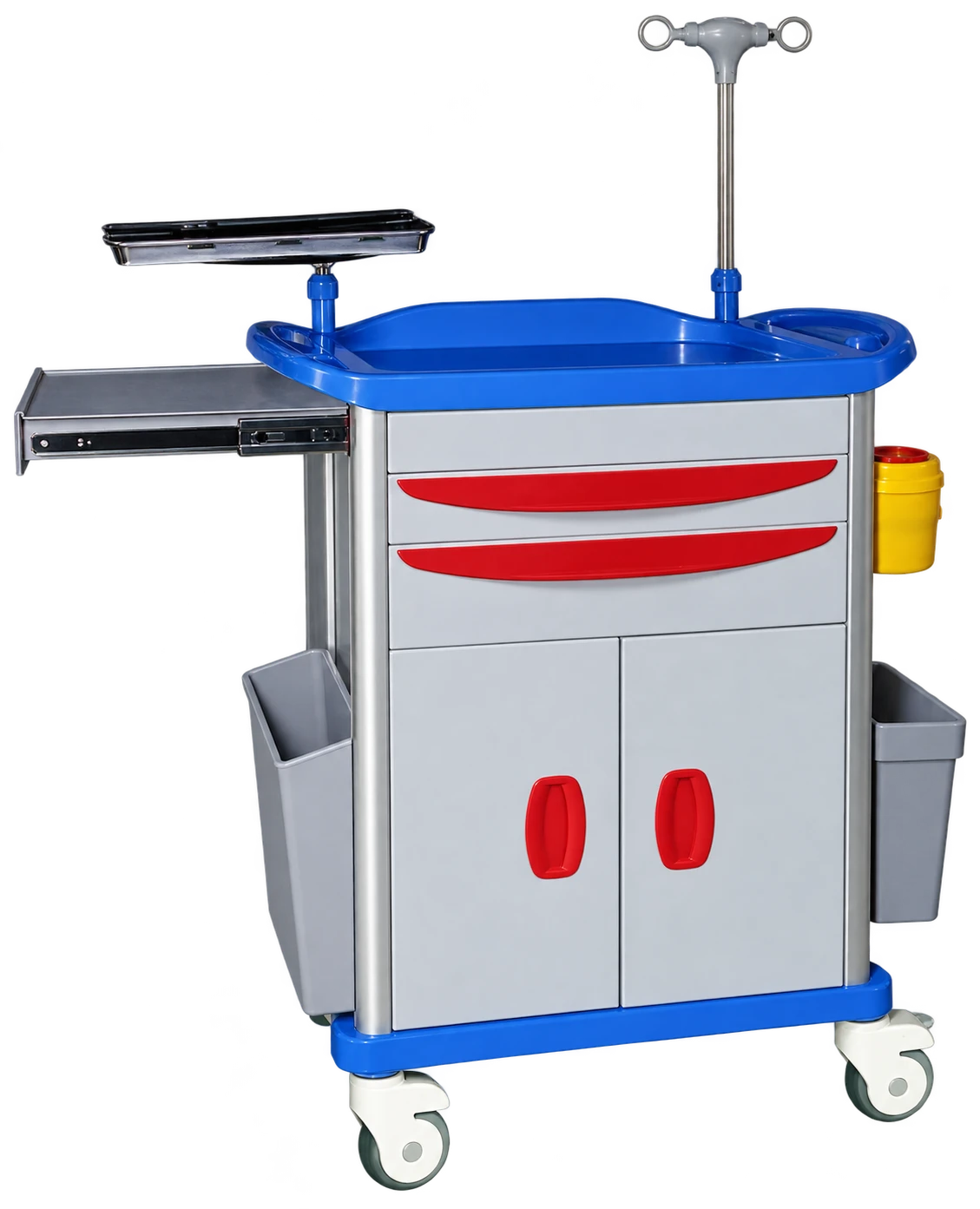
Emergency Carts
Crash carts with organized compartments for emergency rooms and urgent care areas.
View product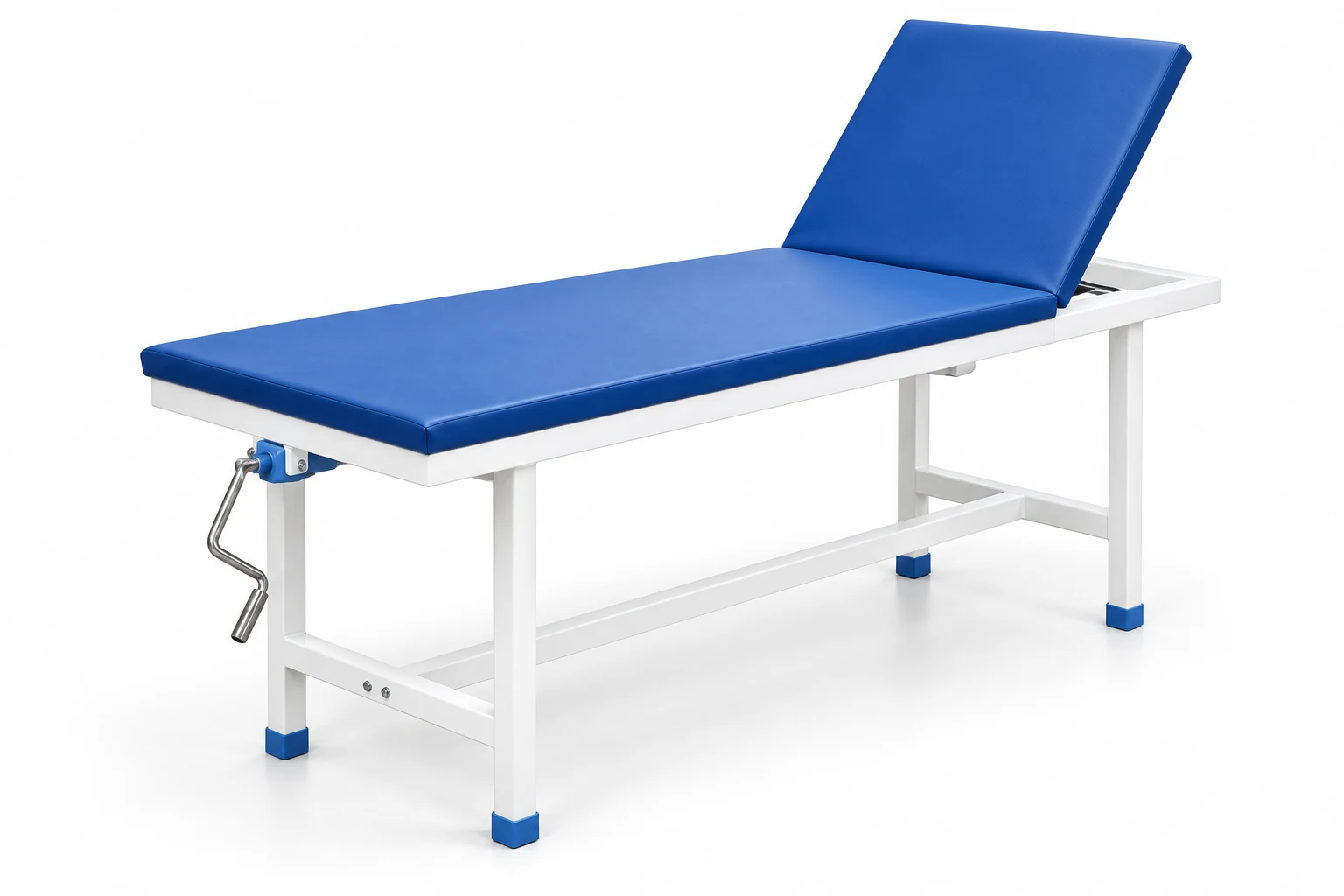
Examination Tables
Compare examination tables by model, stated dimensions and configuration.
View product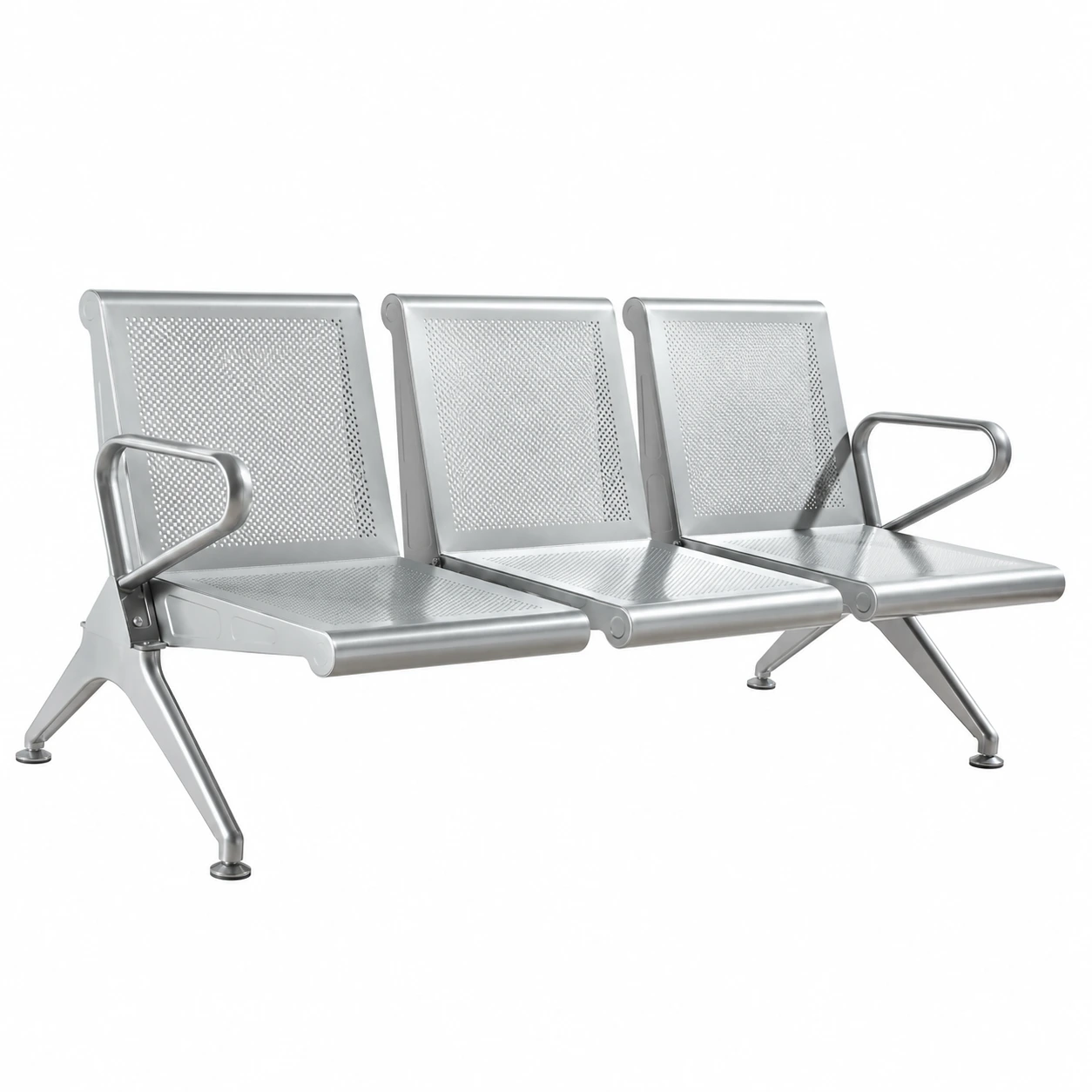
Waiting Chairs
Clinic waiting chairs and bench seating for public reception and patient waiting areas.
View product