
Setting up or supplying a clinic in a rural part of Africa is a massive undertaking. You're focused on providing care, but you're facing huge logistical hurdles. The biggest fear? That the essential furniture you worked so hard to procure arrives broken, or breaks down within months, leaving your clinic non-functional. Getting procurement right is the foundation for successful African rural clinic projects, and it starts with a strategy that values resilience above all else.
The most effective furniture sourcing for African rural clinic projects is a risk-management process. It prioritizes durability, logistical resilience, and context-appropriateness over complex features or the lowest initial price. This approach maximizes the long-term value of your investment under the significant budget and operational constraints you face.
This might sound counterintuitive. Don't you want the "best" or most "advanced" equipment? Not necessarily. In my experience coordinating shipments for these exact scenarios, the "best" equipment is the equipment that works reliably, every single day, in the environment where it's placed. Let’s dive into what that means in practice.
Context Over Features: Why Simplicity Wins?
Are you worried that a sophisticated electric bed will become a useless, heavy piece of metal the first time the power goes out or a circuit board fails? This is a valid and critical concern. The features listed in a product catalog often don't tell you the most important thing: will this product actually work where you're sending it?
For many rural clinics, the answer lies in choosing simplicity. In environments with unstable electricity, limited access to trained technicians, and harsh conditions like dust and humidity, durable and fully manual equipment offers far greater long-term reliability and value than feature-rich but fragile alternatives.
The Manual vs. Electric Bed Dilemma
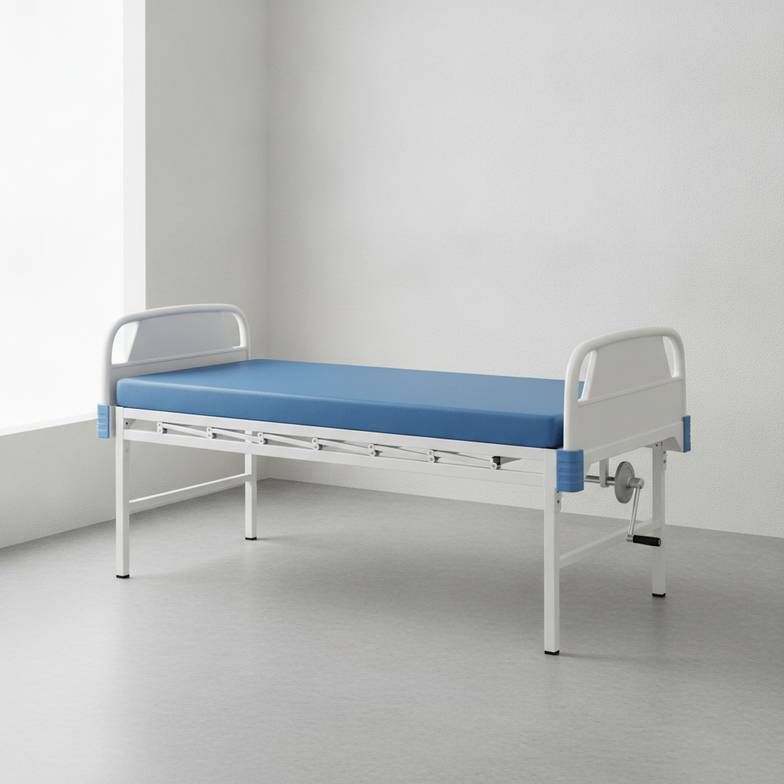
A common question we get from first-time project planners is about electric hospital beds. They see them as the standard of modern care. However, for many African rural clinic projects, a high-quality manual bed is a far more strategic choice.
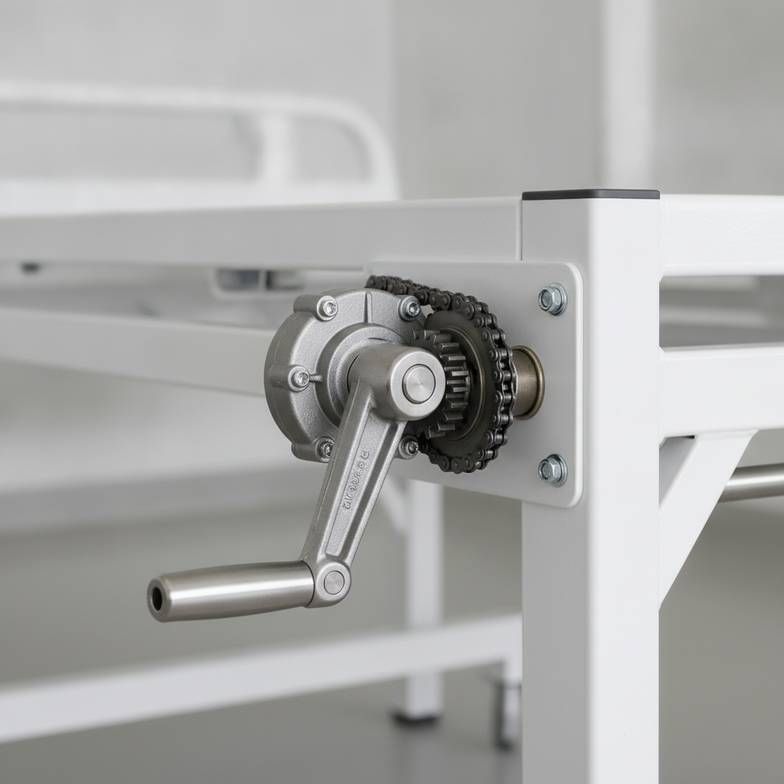
- Power Grid Reliability: An electric bed is useless without stable electricity. A manual bed with a robust crank system for adjusting the backrest and leg rest will function 100% of the time, regardless of power cuts.
- Maintenance and Repair: What happens when a motor, control box, or handset on an electric bed fails? Finding a qualified technician and sourcing specific electronic spare parts in a remote area can be nearly impossible. The entire bed can be rendered inoperable.
- Operator Training: Manual beds are intuitive. Anyone can operate a simple crank. Electric beds have more complex controls that can be confusing or easily damaged if used improperly.
From a supply coordination perspective, we often guide buyers to consider a robust, all-steel manual bed. Look for one with a heavy-duty frame and a simple, protected crank mechanism. The long-term usability far outweighs the "convenience" of an electric model that you can't service.
Environmental Factors: Humidity, Dust, and Heat
The physical environment will attack your furniture every single day. A standard office-grade finish will not last.
- Humidity: Can lead to rust and corrosion, weakening steel frames and causing moving parts to seize up.
- Dust: Can get into mechanical parts like casters and cranks, causing them to jam or wear out quickly.
- Heat: Can degrade plastic components, making them brittle and prone to cracking.
When evaluating furniture, ask your supplier about the specifics of the finish. A quality epoxy powder coating, properly applied and cured, provides a much better barrier against moisture and scratches than a simple layer of paint. Stainless steel is an excellent choice for items that need frequent cleaning and are exposed to moisture, like IV stands and instrument trolleys, but it comes at a higher cost. The key is to match the material and finish to the specific risk in your location.
Total Cost of Ownership: Looking Beyond the Price Tag?
That ultra-low quote from an online marketplace is tempting, especially when you're working with a tight budget. But what happens if half the items arrive with dents, scratches, or broken parts? What if a caster breaks after three months and you have no way to get a replacement?
The true cost of furniture for African rural clinic projects is not the FOB (Free on Board) unit price. The Total Cost of Ownership (TCO) includes the product price, the cost of robust export packaging, the ease (or difficulty) of assembly, and the availability of simple, mechanical spare parts. A cheap product that arrives damaged or quickly becomes unusable is a 100% loss of funds and a failure for the project.
The Critical Role of Export Packaging
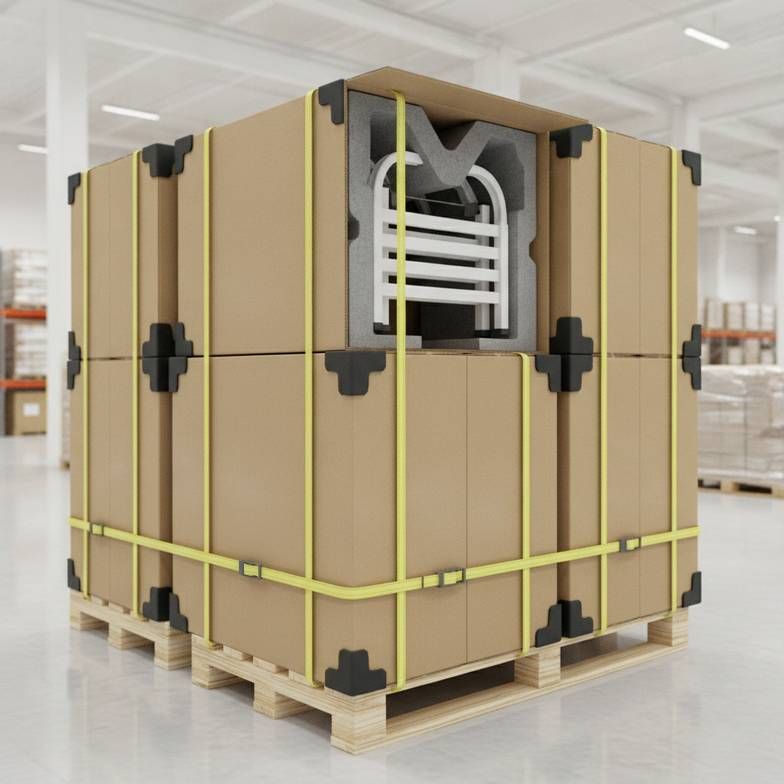
I cannot stress this enough: standard domestic packaging will not survive the journey to a remote clinic. Shipments are often loaded and unloaded multiple times, travel over rough roads, and are stored in less-than-ideal conditions.
From what we've learned preparing shipments for challenging routes, here's what to demand:
- Reinforced Cartons: Ask for 5-layer or 7-layer corrugated cardboard boxes, not thin, flimsy ones.
- Internal Protection: Foam blocks, corner protectors, and bubble wrap are essential to prevent items from shifting and getting scratched or dented.
- Palletizing: For larger orders, securing boxes onto a pallet (or even crating them) provides an enormous amount of protection during handling with forklifts and in transit.
This level of packaging costs more. A supplier who understands export will include it in their quote. A supplier who offers a suspiciously low price is likely cutting this corner, and you will be the one to pay for it when your goods arrive damaged.
Assembly and Spare Parts
Imagine your container arriving at the clinic site. You don't have a team of professional installers or a workshop full of specialized tools.
- Ease of Assembly: Furniture should be designed for simple assembly with basic tools. Ask the supplier for assembly instructions or a video beforehand. If it looks complex, it’s a red flag.
- Mechanical Spare Parts: Things will eventually wear out. The most vulnerable parts are often casters, cranks, and plastic side rails. A good supplier can include a small kit of common spare parts with your main order. Sourcing a few extra casters or a spare crank handle upfront costs very little and can be a lifesaver down the road.
Here’s a simple comparison:
| Factor | Low-Price Supplier | Value-Focused Supplier |
|---|---|---|
| Unit Price | $150/bed | $180/bed |
| Packaging | Thin carton, no protection | 5-layer carton, foam, corner protectors |
| Damage Rate | 15-20% likely | <2% likely |
| Spare Parts | Not available | Can include with order |
| True Cost | $150 + high risk of total loss | $180 + low risk, long-term usability |
The $30 difference per bed is not a cost; it's insurance against project failure.
Frequently Asked Questions
What's the most common mistake in furnishing a rural clinic?
The most common mistake is prioritizing low unit prices and advanced features over durability and logistical readiness. This often leads to purchasing equipment that is either damaged in transit or fails quickly in the field due to a lack of maintenance support or incompatibility with the local environment.
Is a manual hospital bed really better than an electric one for Africa?
For many rural and remote African rural clinic projects, a high-quality manual bed is often a more practical and reliable choice. It eliminates dependence on unstable electricity and removes the risk of complex electronic components failing where they cannot be repaired, ensuring the bed remains functional for patient care.
How can I ensure my furniture isn't damaged during shipping?
Insist on robust export packaging. This means requesting reinforced 5-layer or 7-layer cartons, internal foam and corner protection, and potentially palletizing or crating the shipment. Be willing to pay a little more for a supplier who understands and provides proper packaging for long, rough transit routes.
Why can't I just buy the cheapest furniture I find online?
The cheapest price often hides significant risks. These can include flimsy packaging leading to transit damage, use of low-grade materials that rust or break, a lack of available spare parts, and poor customer support. For a critical project, investing in quality and a reliable partner prevents costly failures.
Conclusion
Ultimately, successful African rural clinic projects are built on a foundation of practical, resilient, and context-appropriate choices. The goal is not to find the cheapest furniture, but to manage risk and secure the best possible long-term value for every dollar spent. This means shifting your thinking from product features to operational reality. Prioritize simple, durable designs. Scrutinize the Total Cost of Ownership, not just the FOB price. And look for a supply partner who understands the unique logistical challenges you face. A procurement strategy built around durability and practicality is your best tool for ensuring that your clinic is equipped to serve its community for years to come.
If you are planning a project and need help reviewing your requirements to build a durable, context-appropriate furniture list, our team at CareFurnex is here to help. We specialize in coordinating medical furniture from selected Chinese manufacturing resources for healthcare projects worldwide. Contact us to discuss your project and see how we can support you.
Written by
CareFurnex Team
CareFurnex Team shares practical knowledge about hospital beds, patient room furniture, medical trolleys, clinic furniture, and healthcare facility procurement for international B2B buyers.
Related Products
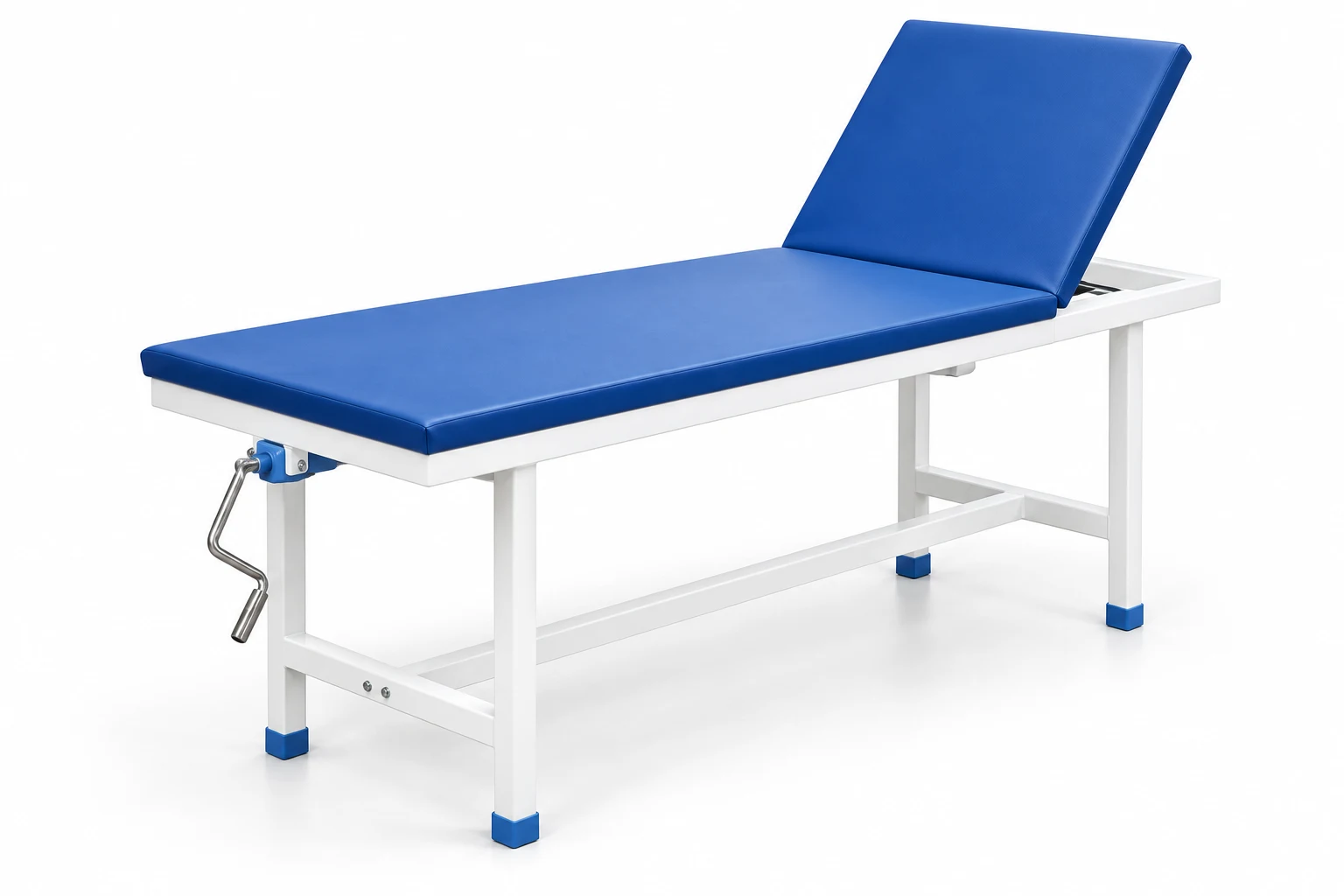
Examination Tables
Compare examination tables by model, stated dimensions and configuration.
View product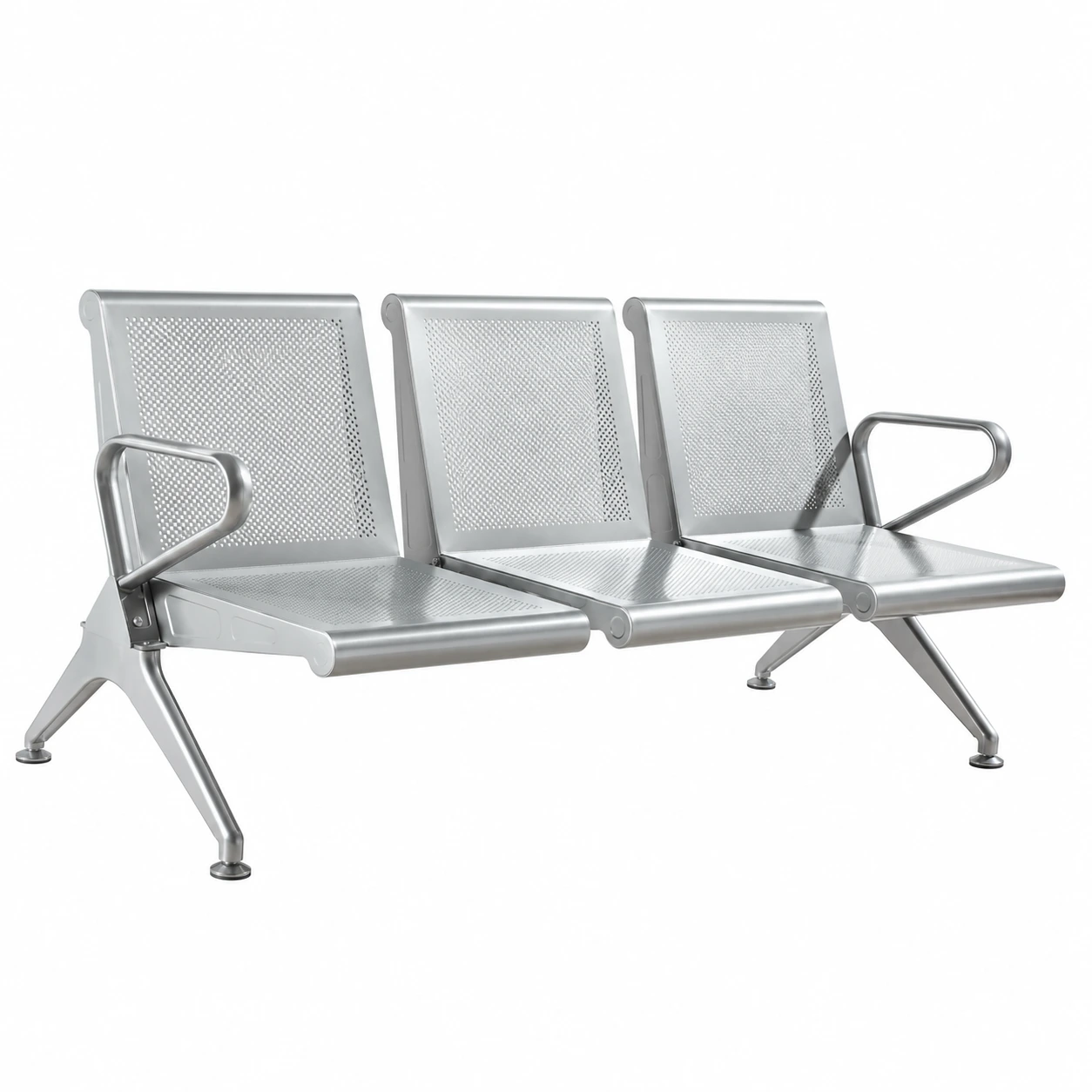
Waiting Chairs
Clinic waiting chairs and bench seating for public reception and patient waiting areas.
View product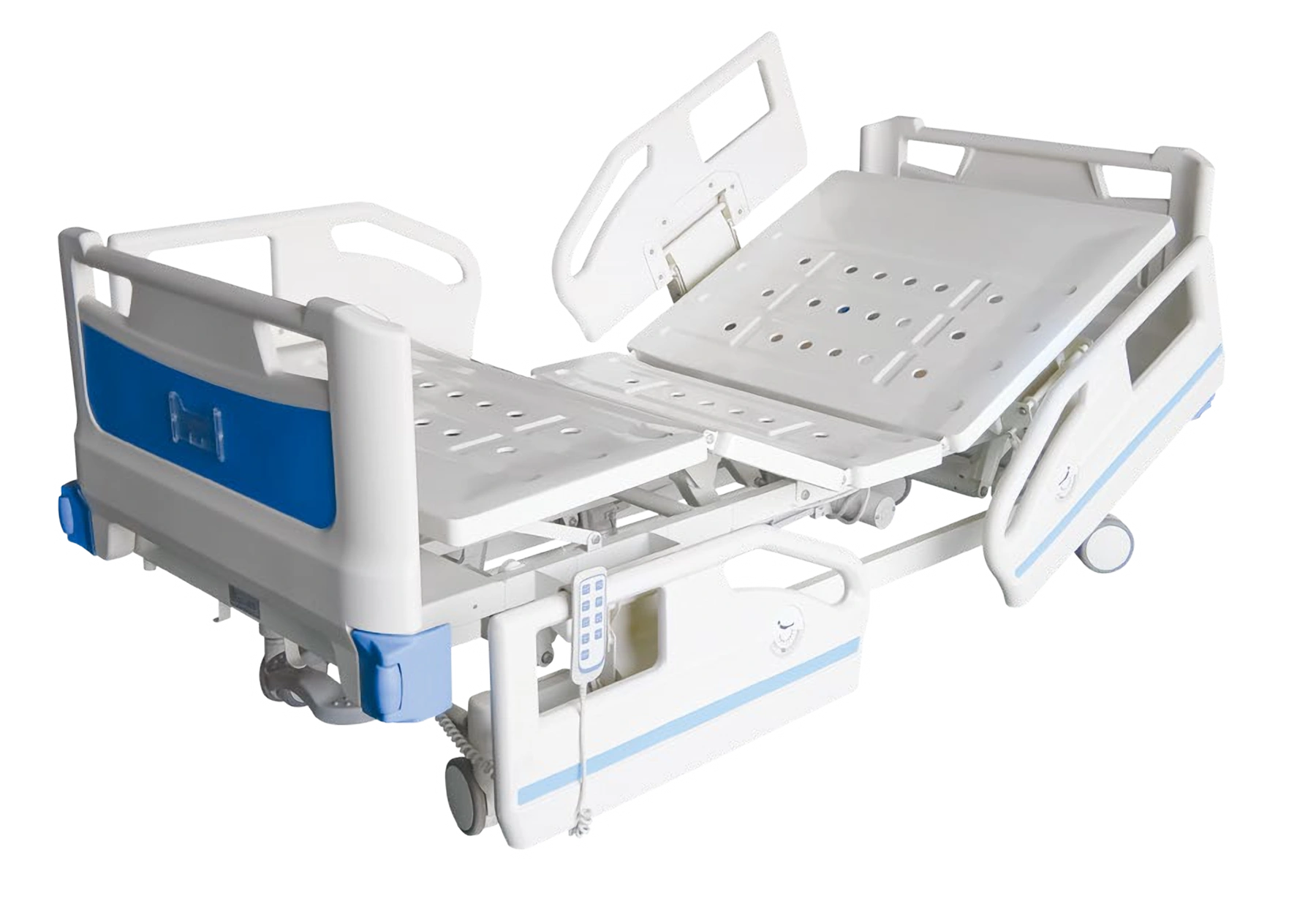
Hospital Beds
General-purpose patient beds for inpatient wards and standard hospital rooms.
View product