
Sourcing hospital furniture from an overseas supplier can feel like a major gamble. You're trying to balance quality, budget, and deadlines, but you're thousands of miles away, relying on emails and product photos. You worry about receiving products that don't match the specs, facing project delays, or discovering quality issues only after the container arrives. This is why a thorough hospital furniture supplier audit checklist is not just helpful—it's essential for managing your risk.
A hospital furniture supplier audit checklist is a structured framework used by procurement managers and importers to systematically verify a supplier's capabilities, quality processes, product compliance, and logistical readiness. It moves beyond marketing claims to gather objective evidence about the supplier's ability to meet the specific technical, commercial, and quality requirements of your healthcare project.

But a checklist is more than just a list of questions to tick off. It's a tool to build a complete profile of a potential partner. It helps you understand their strengths and weaknesses so you can make a calculated, low-risk sourcing decision. Let's dive into how to build and use one effectively.
How Do You Audit Supplier Documentation and Compliance?
A supplier sends you an impressive folder of ISO and CE certificates. That’s great, but does it mean you're in the clear? Not quite. Relying on these documents blindly is one of the most common and costly mistakes I see buyers make. You need to dig into the details to confirm real compliance.
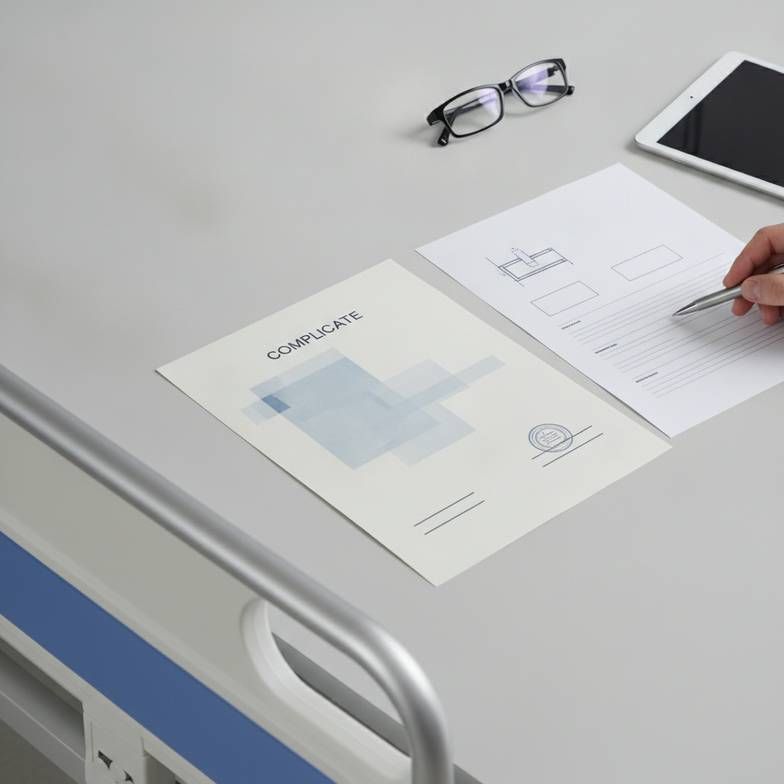
The goal is to go beyond just asking for certificates. You need to verify the issuing body, check the certificate’s scope to ensure it covers the specific products you are buying, and ask for model-specific test reports that back up critical claims like safe working load or electrical safety.
Dive Deeper: Connecting Documents to Your Order
Many buyers stop at the question, "Do you have CE?" This isn't enough. An effective audit treats a certificate as the starting point for a deeper investigation. Here’s how you can do that.
Understand What You're Looking At Not all documents are created equal. For example, in Europe, a CE mark can be based on a manufacturer's self-declaration or certified by a third-party Notified Body. An ISO 9001 certificate proves the supplier has a quality management system, but it says nothing about the quality of a specific hospital bed. An ISO 13485 certificate is more relevant as it applies to medical device quality management, but you still need to verify it applies to the factory actually making your product.
Key Questions to Add to Your Checklist: Use these questions to cross-examine the documents you receive:
- "Is the company name on the certificate the same as the one on my Proforma Invoice?" Sometimes, a trading company will use a partner factory's certificate. This isn't necessarily a red flag, but you need to know who is who and which entity is ultimately responsible for quality.
- "What is the specific scope of this certificate?" A certificate might say "Metal Furniture," which is too generic. For a hospital bed, you want to see "Medical Beds" or a similar specific term listed in the scope.
- "Can you provide the test report for the EN 60601 standard for this specific electric bed model?" This is a critical question. It forces the supplier to provide evidence that links the general compliance claim to the exact product you are buying.
- "Is the certified factory the one that will be producing my order?" If a company works with multiple production partners, you need to ensure the factory assigned to your order is the one holding the relevant certifications.
Here’s a simple table to illustrate the difference between a weak and a strong verification process.
| Weak Verification | Strong Verification |
|---|---|
| Asks for "CE/ISO". | Asks for the specific certificate and test report for the quoted model. |
| Accepts any certificate shown. | Verifies the certificate's scope and the name of the certified company. |
| Doesn't check test reports. | Cross-references claims (e.g., safe working load) with a specific test report. |
| Assumes the certificate applies. | Confirms the factory producing the order is the one that is certified. |
I've seen cases where a buyer for manual beds was shown a CE certificate for a high-end electric ICU bed. The document was valid, but it was completely irrelevant to their order and offered no real assurance. Your audit must connect the dots.
How Should Your Audit Checklist Assess Production and Sourcing Capabilities?
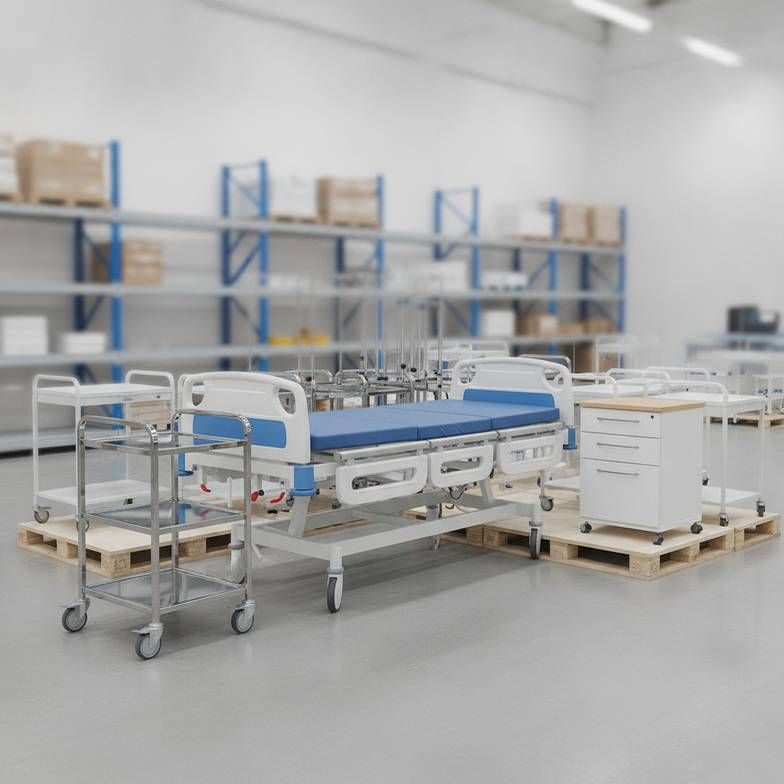
You need to furnish a new clinic with beds, bedside cabinets, examination couches, and medical trolleys. You find a supplier who claims they "manufacture everything." This sounds convenient, but is it realistic? Often, a factory that excels at making hospital beds may not have the specialized equipment or expertise to produce high-quality stainless-steel CSSD furniture.
Your hospital furniture supplier audit checklist must help you uncover the supplier's true business model. This allows you to see if their capabilities align with the complexity of your project.
You should aim to determine if the supplier is a single-specialty factory, a large manufacturer with different workshops, or a sourcing partner like us who coordinates with several vetted factories. For mixed-category projects, working with a sourcing partner who can match each product type to a specialist producer can actually be safer and lead to better overall quality.
Dive Deeper: Uncovering the Real Sourcing Model
A supplier's sourcing model directly impacts product consistency, quality, and communication efficiency. Your audit's job is to look behind the "we do everything" marketing slogan.
Manufacturer vs. Sourcing Partner: Which is Better for You? There's no single right answer—it depends on your order.
- A specialist manufacturer offers deep expertise and process control for one product category. If you only need 300 identical hospital beds, going direct to a specialized bed factory is a great choice.
- A sourcing partner (like CareFurnex) offers flexibility, coordination, and risk management for mixed orders. If you need beds, cabinets, trolleys, and chairs, a partner who vets and manages multiple specialist factories can ensure you get the best product in each category and coordinate them into a single, consistent shipment.
The risk comes from a supplier pretending to be one when they are the other. A client of mine once insisted on finding a single "manufacturer" for a complete nursing home fit-out. They found a supplier who claimed to make everything in-house. The beds were fine, but the trolleys and stainless-steel items were poorly made. Why? The supplier's core strength was in beds and ward furniture. Your hospital furniture supplier audit checklist needs to prevent this kind of surprise.
Key Questions to Assess Capability:
- "Which products are made in your main facility, and which are sourced from trusted partners?" An honest and transparent answer is a very good sign. It shows they are confident in their supply chain.
- "Could you provide a video tour of the production lines for both the hospital beds and the stainless-steel trolleys?" If they are quick to show the bed line but hesitant to show the trolley workshop, it may suggest that the latter is outsourced.
- "What is your experience with mixed-container orders? Can you show an example of a consolidated packing list?" This tests their project management and logistics skills, which are crucial for complex orders.
- "For a project order, how do you ensure color and finish consistency between beds from Factory A and bedside cabinets from Factory B?" This is a key question for buyers who need a coordinated look. A professional partner will have a clear process for managing color samples and standards across suppliers.
What's the Best Way to Use a Hospital Furniture Supplier Audit Checklist for Quality Control?
You've received and approved a beautiful pre-production sample. Fantastic. But how can you be sure the final production run of 200 beds will have the exact same quality? Relying only on a final inspection is a recipe for disaster. By then, the goods are already made. If you find a major issue, you’re stuck choosing between accepting flawed products, fighting for a rework that will cause huge delays, or abandoning the order.
The most effective hospital furniture supplier audit checklist evaluates the supplier's entire quality control process, from the moment the order is confirmed to the day it's loaded into the container.
Instead of just checking the final product, your audit should focus on the supplier's workflow. This includes how they confirm specifications, manage production changes, perform in-process checks, and what their standard pre-shipment inspection (PSI) procedure covers. This process-oriented approach is about preventing problems, not just finding them.

Dive Deeper: Auditing the Entire QC Workflow
A quality product doesn't happen by accident; it's the result of a robust process. Here’s how to audit that process step-by-step.
A 5-Step QC Process to Add to Your Audit:
- Specification Confirmation: Before a single piece of steel is cut, there should be a master document that both you and the supplier have signed off on.
- Ask: "What is your process for creating a final technical specification sheet for my approval before production?" This document should lock in every critical detail: steel thickness, motor brand, caster diameter, mattress density, color codes, and all accessories.
- Pre-Production Sample (PPS) or Reference: The approved sample is your quality benchmark.
- Ask: "How do you use the approved sample or reference photos during mass production?" A good factory will have the reference sample or detailed photos available on the production line for workers and QC staff to compare against.
- In-Process Quality Control (IPQC): Quality checks shouldn't wait until the end.
- Ask: "What key checkpoints do you have during production? For example, do you inspect welding quality before painting?" Catching a problem early is cheaper and faster to fix.
- Pre-Shipment Inspection (PSI): This is your final gatekeeper.
- Ask: "Can you please provide your standard PSI report template?" This shows you what they check by default. It should cover aesthetics, function tests, measurements, quantity, and packaging.
- Also Ask: "Do you accept third-party inspectors from a company like SGS, Bureau Veritas, or TUV?" A confident supplier will always say yes. If they resist, it's a major red flag.
- Packaging Verification: Hospital furniture is bulky and heavy. Poor packaging leads to shipping damage.
- Ask: "Can I get photos of the packed goods and the reinforced corners before loading?" This confirms they are using the export-grade packaging you agreed on.
I remember a project where a buyer only focused on the final inspection. The beds arrived, and they functioned correctly, but the caster braking mechanism was a different type than what was shown in the catalog. It was a small detail that was missed in the initial spec sheet. Auditing the process of specification confirmation would have caught this before production even started.
Frequently Asked Questions
Should I visit the factory in person?
A personal visit is the gold standard for a supplier audit, but it's not always practical or affordable. A detailed remote audit using a comprehensive checklist, combined with video calls, factory video tours, and a professional third-party inspection, can be highly effective—especially when working with a trusted sourcing partner on the ground.
What is the biggest red flag during a supplier audit?
A lack of transparency. If a supplier is evasive about their factory's location, is unwilling to show you their production process for a specific item, or can't provide model-specific documents, it's a major warning sign. An honest supplier who is clear about sourcing some items from partners is far more trustworthy than one who tries to hide it.
How does this checklist change for a tender project?
For a tender, your audit's focus must intensify on documentation and line-by-line compliance. You have to be absolutely certain that every certificate, test report, and technical data sheet matches the tender requirements exactly. Your audit should also confirm the supplier's experience with the specific documentation, labeling, and packaging rules common in public tenders.
Can I use the same supplier for hospital beds and office furniture?
It's highly unlikely to be a good idea. Hospital furniture requires medical-grade materials, specific functions, and compliance with healthcare standards for durability, cleaning, and patient safety. A manufacturer specializing in medical products operates very differently from a commercial office furniture factory. Use your audit to confirm their specialization.
Conclusion
An effective hospital furniture supplier audit checklist is much more than a simple scorecard—it's your most important risk management tool for overseas procurement. By using it to build a detailed supplier profile, you can move beyond marketing slogans and generic certificates. It empowers you to audit the entire quality process, from documentation to final packaging, and ensures you partner with a supplier whose true capabilities match your project's real-world needs. This proactive, evidence-based approach is the key to reducing uncertainty and achieving a successful sourcing outcome.
At CareFurnex, we apply these rigorous auditing principles every day to vet our production partners and manage complex healthcare furniture projects for our clients. If you need a partner to help you navigate the sourcing process, build a reliable supply chain, and coordinate everything from factory vetting to quality control, we are here to help. Contact us to discuss your project requirements.
Written by
CareFurnex Team
CareFurnex Team shares practical knowledge about hospital beds, patient room furniture, medical trolleys, clinic furniture, and healthcare facility procurement for international B2B buyers.
Related Products
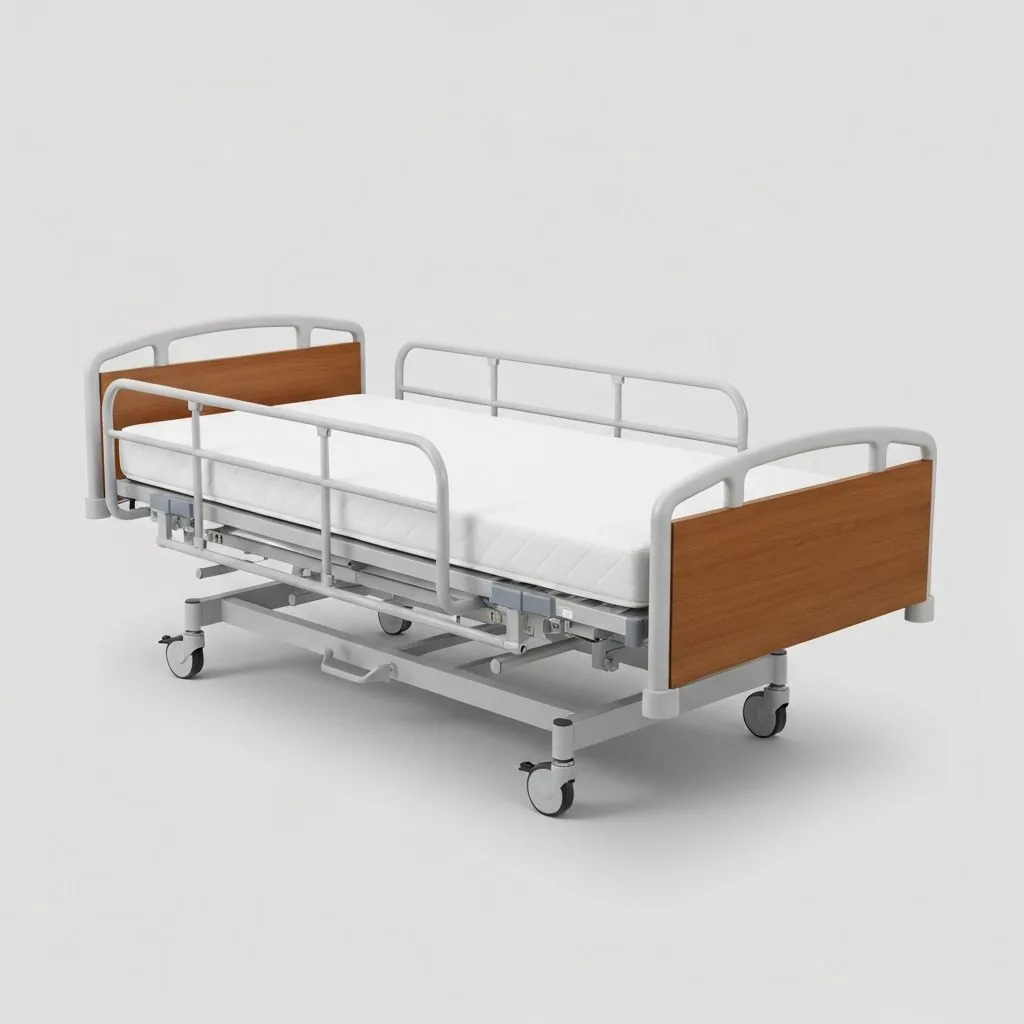
Hospital Beds
General-purpose patient beds for inpatient wards and standard hospital rooms.
View product
Ward Furniture
Complete ward furniture options for patient rooms and hospital care areas.
View product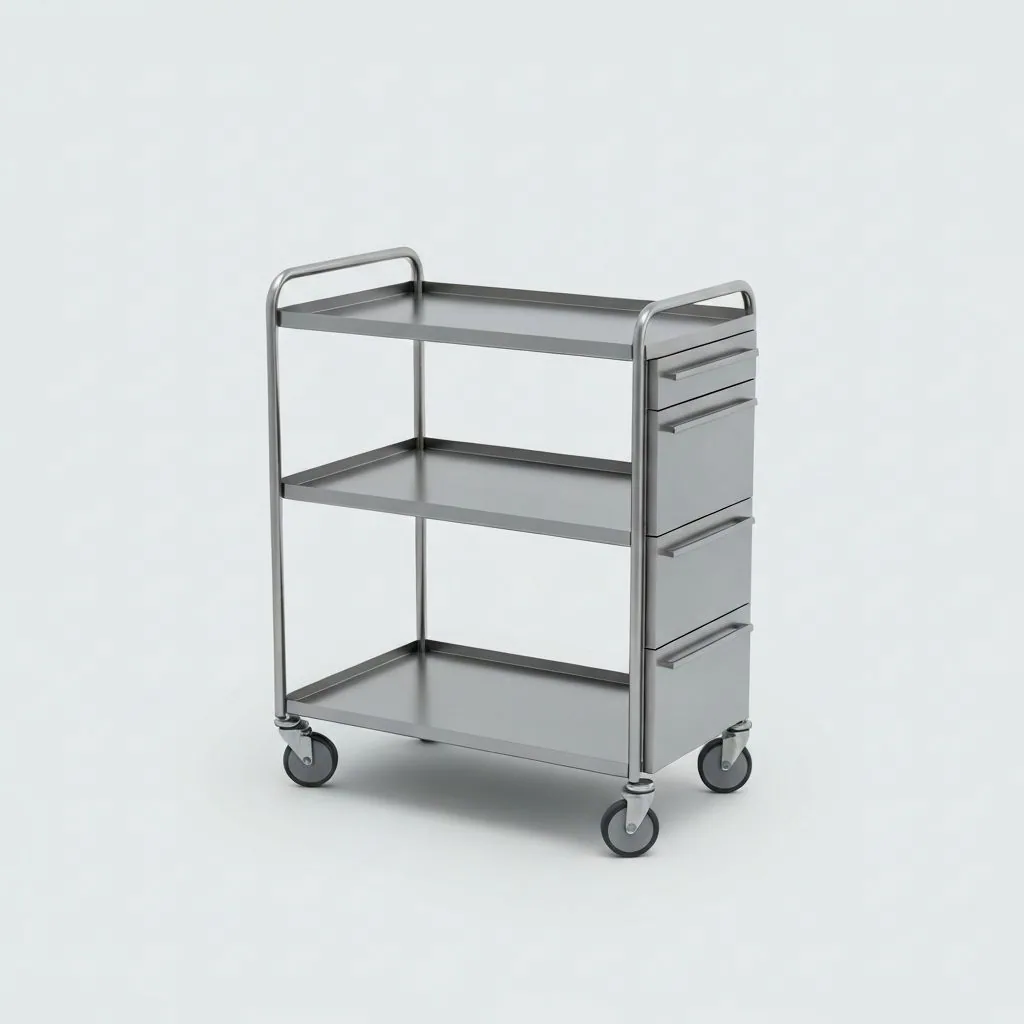
Medical Trolleys
Mobile carts for nursing rounds, treatment supplies, medicines, and clinical tools.
View product