
Struggling to choose a new exam table for your clinic? The sheer number of options, from simple couches to feature-packed power tables, can feel overwhelming. If you make the wrong choice, you could end up with a table that disrupts your workflow, causes ergonomic strain for your staff, or fails prematurely, completely wasting your budget. This medical exam table buying guide is designed to help you avoid those pitfalls by focusing on practical risk management instead of just a list of features.
The best medical exam table is the one that fits your specific clinical needs. The decision comes down to three core areas: patient access (fixed-height vs. power height adjustment), procedure type (general check-ups vs. specialized exams like gynecology), and infection control requirements (standard stitched vs. modern seamless upholstery). Focus on matching the table to your patient workflow and cleaning protocols.
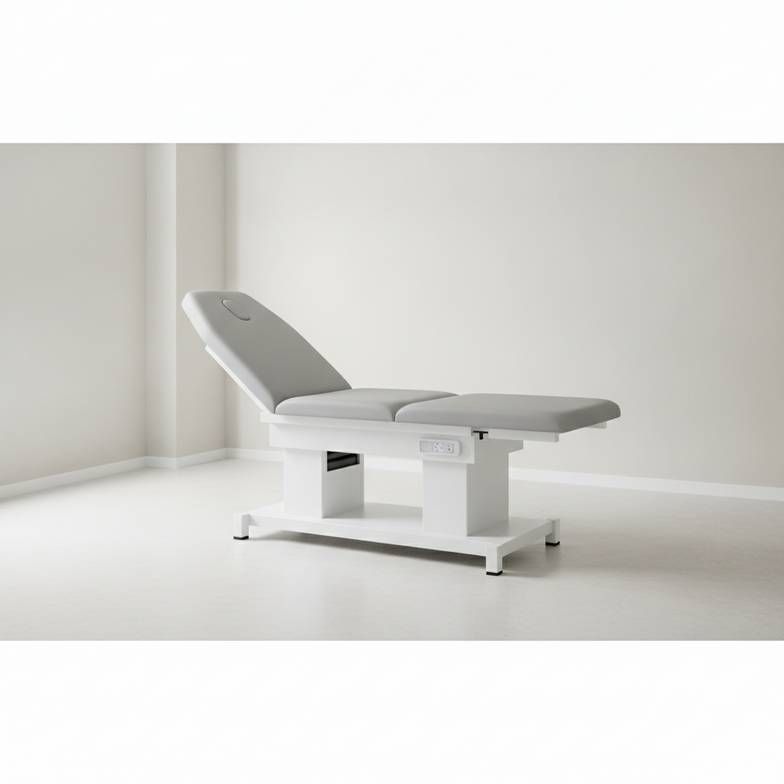
But knowing the framework is just the first step. How do you actually evaluate these factors when you're comparing suppliers? Let's dive into the critical questions you need to ask to get past the sales pitch and assess the real-world suitability of any table.
Electric vs. Manual: Which Medical Exam Table is Right for Your Workflow?
The choice between an electric power table and a manual or fixed-height one seems pretty straightforward. But making this decision based only on price can create daily frustrations for both your staff and your patients. Let's look at this as a key decision for safety and accessibility.
An electric table offers far better patient access and caregiver ergonomics, making it ideal for clinics serving a wide range of patients. In contrast, a manual or fixed-height table is simpler and cheaper, which can work well for clinics with a younger, more mobile patient base and less procedural variety.
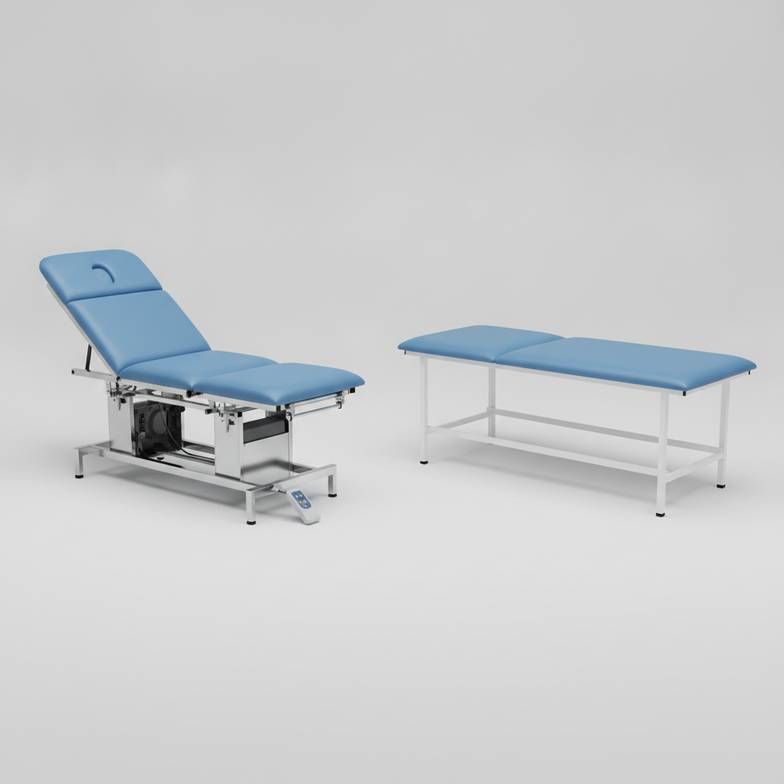
Dive Deeper: The Real-World Impact of Height Adjustment
Choosing the right height adjustment mechanism is one of the most important decisions you'll make. It directly impacts patient safety, staff well-being, and overall clinic efficiency.
The Case for Power Height Adjustment
An electric, or "power," exam table that can be lowered and raised with a foot pedal or hand control is quickly becoming the standard of care, and for good reason. The primary benefit is improved patient access. For elderly patients, pregnant women, bariatric individuals, or anyone with mobility challenges, a table that can lower to chair height (around 18-23 inches or 46-58 cm) is a game-changer. It allows them to sit down and get onto the table safely and with dignity, without needing a clumsy step stool.
From my experience working with clinic project buyers, staff ergonomics is the second huge advantage. A power table allows the clinician to adjust the height for every procedure, reducing the need to bend or hunch over. This prevents back strain and repetitive stress injuries over time. While the initial cost is higher, many clinic owners I've talked to see it as an investment in their team's long-term health and a way to reduce workplace injuries. The main trade-offs are the higher price and the need for a reliable power source and occasional maintenance on the motor.
When a Fixed-Height or Manual Table Makes Sense
So, is a simple, fixed-height examination couch ever a good idea? Absolutely, in the right context. For new clinics on a tight budget or those serving a specific demographic like a university sports medicine center, a fixed-height table is a very cost-effective solution. There are no motors or electronics to maintain, so they are incredibly reliable.
However, you have to acknowledge the compromise. You'll likely need a step stool, which can be a tripping hazard and is inconvenient for many patients. Staff will lose the ability to adjust the working height, which can lead to poor posture. If you go this route, make sure the fixed height is a comfortable average for your staff and that you have a sturdy, wide-based step stool available.
| Feature | Electric Height Adjustment | Fixed-Height/Manual |
|---|---|---|
| Patient Access | Excellent (lowers for easy access) | Limited (often requires a step stool) |
| Caregiver Ergonomics | Excellent (adjusts to ideal working height) | Poor (staff may have to bend or strain) |
| Initial Cost | Higher | Lower |
| Maintenance | Requires motor/actuator checks | Minimal to none |
| Best For | Geriatrics, pediatrics, diverse patient groups | Budget-conscious clinics, sports medicine |
How Do You Judge the Durability of a Medical Exam Table Beyond the SWL?
Every supplier brochure will boast about a high Safe Working Load (SWL). But that number can be misleading. A table might be rated for 200 kg, but if it wobbles, the frame flexes, or the welds are poor, it won't feel safe or last long. True durability is in the details that you have to ask about.
To truly judge the durability of a medical exam table, you need to look past the SWL and ask for specific evidence. Inquire about the steel gauge of the frame, request close-up photos of the welding joints, understand the base design's stability, and find out the brand of the motor or actuators used.
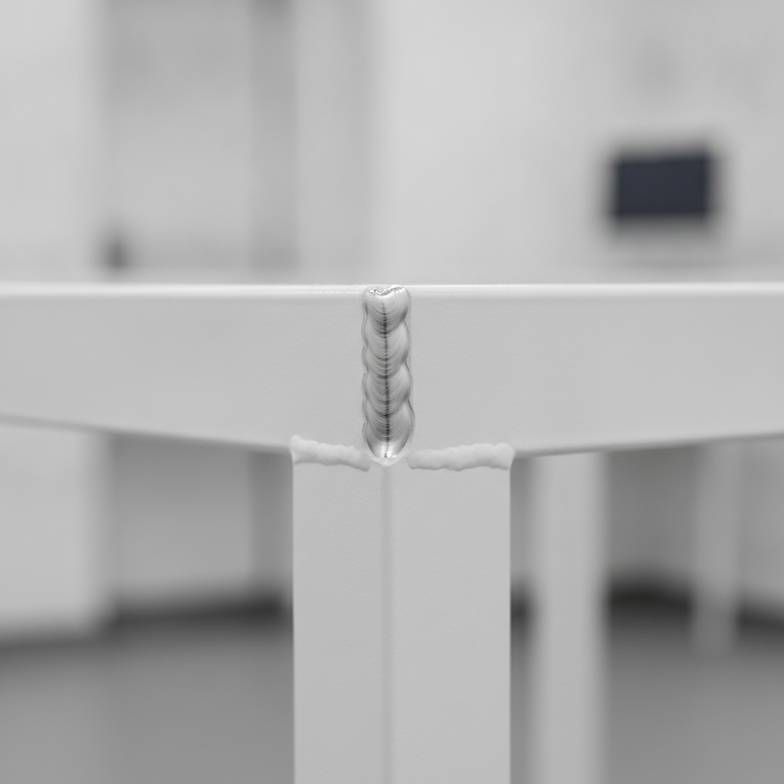
Dive Deeper: Verifying Structural Integrity
When we coordinate quality control for our clients, we focus on the underlying structure, not just the features. A wobbly table is not only a nuisance; it's a safety risk and a sign of a poorly made product. Here are the questions I always encourage buyers to ask.
Questions to Ask Your Supplier About the Frame
Don't accept vague terms like "strong steel frame." Get specifics:
- "What is the thickness of the steel used for the frame in millimeters?" A common thickness for a decent table is around 2.0 mm. A frame made from 1.5 mm steel will be noticeably less rigid, even if it has a similar design.
- "Are the joints robot-welded or manually welded? Can I see a close-up photo?" Robot welding produces clean, consistent, and strong seams. Manual welding can be just as strong if done by a skilled worker, but it can also be inconsistent. Look for smooth, even beads without gaps or splatters.
- "What type of base design does it use?" A scissor-lift mechanism is very common and provides good stability. A single-column lift often provides more foot room for the clinician but needs to be very well-engineered to prevent wobbling. A wide, heavy base is almost always a good sign.
The Motor is the Heart of a Power Table
A frequent complaint we hear about low-cost power tables is a noisy or failing motor. The actuator is the single most critical component in an electric medical exam table, and it's a place where some manufacturers cut corners.
- "Which brand of motor/actuator do you use?" Ask for the brand name. Reputable component manufacturers like Linak, Dewert, or TiMOTION are known for their reliability in the medical furniture industry. A supplier using a generic or unbranded motor should be questioned more closely.
- "What is the warranty on the motor and electrical parts?" This is often separate from the warranty on the frame. A one-year warranty is minimum; longer is better.
- "Are replacement hand controls and motors available if one fails after the warranty period?" A "yes" to this question is crucial for the long-term serviceability of your table. Without available spare parts, a simple motor failure could force you to replace the entire table.
What Upholstery Details Affect Your Clinic's Infection Control?
The upholstery on your exam table seems like a simple cosmetic choice, but it's one of the most important factors for infection control. Stitched seams can become breeding grounds for bacteria, and low-quality foam can cause the vinyl to crack, creating a hygiene nightmare. Let's look at the details that matter.
For effective infection control, the two most important upholstery details are seamless construction and high-density foam. Seamless (or vacuum-formed) upholstery eliminates stitch lines where microbes can hide. High-density foam (around 35-40 kg/m³) provides proper support and prevents the vinyl from over-stretching and cracking.
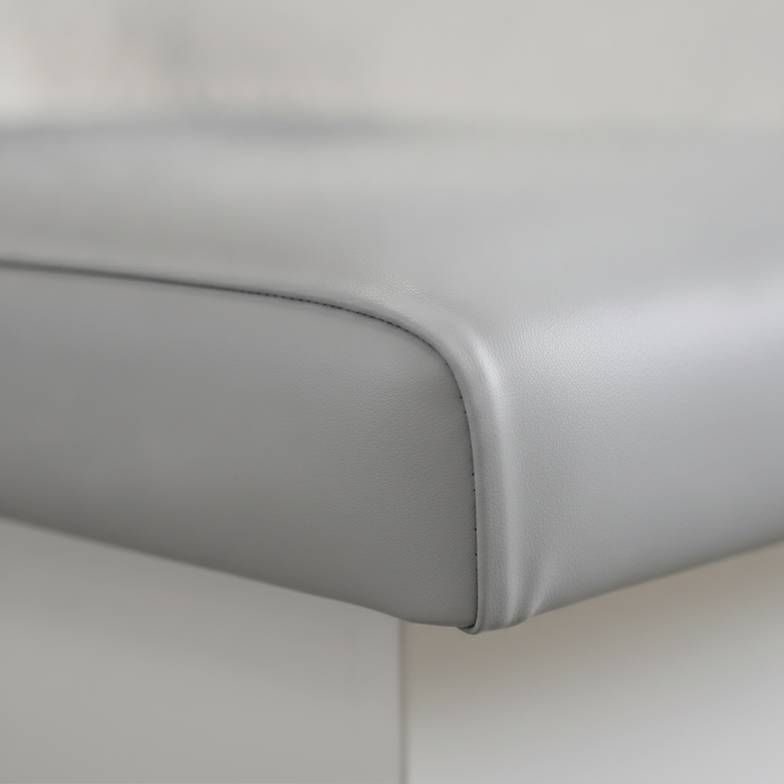
Dive Deeper: A Surface-Level Decision with Deep Consequences
The surface your patients lie on is your first line of defense in preventing cross-contamination. This is another area where a small upfront investment can save you major headaches down the road.
The Problem with Stitched Seams
Traditional upholstery involves stitching pieces of vinyl together. Even with the tightest stitches, these seams create tiny crevices and holes. During cleaning, it's almost impossible to ensure that your disinfectant reaches every part of that seam. Over time, these areas can trap dirt, body fluids, and bacteria, posing a significant infection control risk. I've seen many clinics have to replace tables simply because the seams started to split or couldn't be properly cleaned anymore.
Why Seamless Upholstery is the Modern Standard
A much better solution is seamless upholstery, sometimes called vacuum-formed upholstery. In this process, a single piece of medical-grade vinyl is heated and stretched over the foam cushion, then secured underneath the baseboard. This creates a smooth, unbroken surface from edge to edge.
The benefit is obvious: you can wipe the entire surface clean with a disinfectant cloth, with no stitches or crevices for germs to hide in. It makes the turnover between patients faster and, more importantly, safer. While it might add a small amount to the initial cost, the long-term benefits for hygiene and durability are massive.
Don't Forget the Foam Underneath
The quality of the vinyl is important, but the foam underneath is just as critical. A common question we train our team to ask is: "What is the density of the foam in kg/m³?"
Low-density foam will feel soft at first, but it will quickly compress and "bottom out," offering poor support for the patient. More importantly, as the foam flattens, it causes the vinyl cover to stretch excessively. This repeated stretching eventually leads to cracks and tears, especially at the corners. Once the vinyl is torn, the table is compromised and must be repaired or replaced. Look for a foam density of at least 35 kg/m³ for a good balance of comfort and durability.
Which Medical Exam Table Features Match Your Specific Procedures?
It's tempting to get a fully loaded table with every bell and whistle. But this just adds cost and complexity if you don't need the features. A table designed for a general practitioner is a terrible choice for a gynecologist, and vice versa. The key is to match the table's functions to your daily clinical tasks.
For general practice, a basic table with an adjustable backrest is often enough. For specialties like gynecology, dermatology, or podiatry, you'll need specific accessories and adjustments. These can include stirrups, debris trays, independently adjustable leg sections, or functions like the Trendelenburg position.
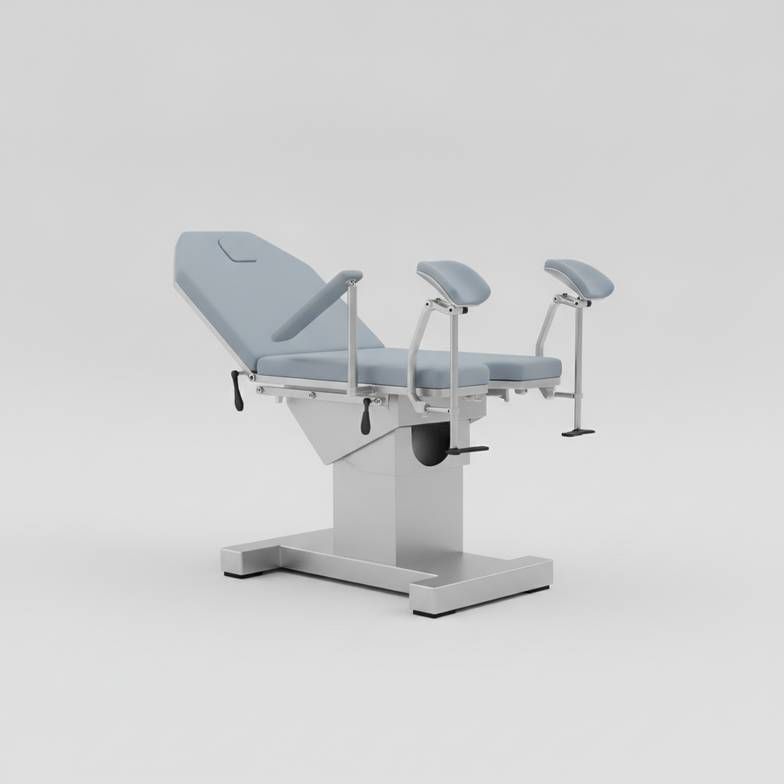
Dive Deeper: Matching Form to Function
Let's break down the common features needed for different types of clinics. Thinking this way ensures you invest in what will actually improve your patient care and workflow.
For General Practice & Outpatient Clinics
Your core needs are patient comfort, easy access, and a durable surface that's simple to clean.
- Key Features: A smoothly adjustable backrest (manual gas spring or electric motor), a built-in paper roll holder, and comfortable high-density foam. A power height adjustment is a major bonus for patient access.
For Gynecology (OB/GYN)
Here, the table must facilitate pelvic examinations efficiently and comfortably.
- Key Features: Integrated stirrups (or side rails to mount them), a pelvic tilt function to angle the seat section, a cut-out in the seat, and often a pull-out stainless steel debris tray. Seamless upholstery for easy cleaning is non-negotiable in this setting.
For Dermatology or Podiatry
These specialties require excellent access to specific parts of the body, often while the patient is seated.
- Key Features: The ability to convert into a chair-like position is essential. Look for independently adjustable and extendable leg or foot sections. Armrests that can be flipped up or removed are also extremely useful.
For Bariatric Patients
Supporting bariatric patients requires more than just a high SWL.
- Key Features: You need a verified SWL of at least 250 kg (550 lbs), but just as important is extra width. A standard 60-70 cm wide table can be uncomfortable and unsafe. Look for models that are 75-80 cm wide. The frame and motors must be heavy-duty to handle the load without strain or instability. A common sourcing mistake is to approve the SWL but forget to check the width.
Frequently Asked Questions
What's the difference between a medical exam table and an examination couch?
Generally, a "medical exam table" refers to a more feature-rich, often adjustable piece of equipment for procedures. An "examination couch" is typically a simpler, fixed-height couch for basic check-ups. The terms are often used interchangeably, so you should always confirm the specific functions and specifications with the supplier.
Is a CE mark enough to guarantee quality for an electric exam table?
Not by itself. A CE mark indicates the product meets EU health and safety standards, but it's not a guarantee of structural quality or component durability. You should still perform your due diligence by asking about the motor brand, steel thickness, and weld quality. Always ask the supplier to confirm the CE certificate applies to the exact model you are buying.
How important is a paper roll holder?
A paper roll holder is a simple but essential feature for hygiene and efficiency. It allows for a quick change of the protective paper barrier between patients, which is a core part of infection control protocols. Most quality tables include an integrated holder, but you should check its location (head or foot end) and the maximum paper roll width it accepts.
Should I buy a table with casters (wheels)?
This depends on your clinic's layout and workflow. Casters give you the mobility to easily clean under and around the table or reconfigure a room. However, if the casters don't have a good, user-friendly central locking system, the table can feel less stable. If your table will be in a fixed position, a base without casters is often more stable and cost-effective.
Conclusion
Choosing the right medical exam table is an exercise in risk management, not just a shopping trip. By moving beyond the brochure and asking targeted questions, you can make a much smarter investment. The best decision comes from carefully matching the table's height adjustment, structural integrity, and upholstery features to your clinic's patient demographic, daily procedures, and cleaning protocols. When you focus on verifying details like steel thickness, motor brand, foam density, and seam construction, you are investing in the long-term safety, efficiency, and durability of your clinic.
If you are planning a new clinic, upgrading your facility, or sourcing furniture for a healthcare project, our team at CareFurnex can help. We can work with you to review specifications, match products to your needs, and coordinate a complete procurement plan. Contact us to discuss your project requirements.
Written by
CareFurnex Team
CareFurnex Team shares practical knowledge about hospital beds, patient room furniture, medical trolleys, clinic furniture, and healthcare facility procurement for international B2B buyers.
Related Products
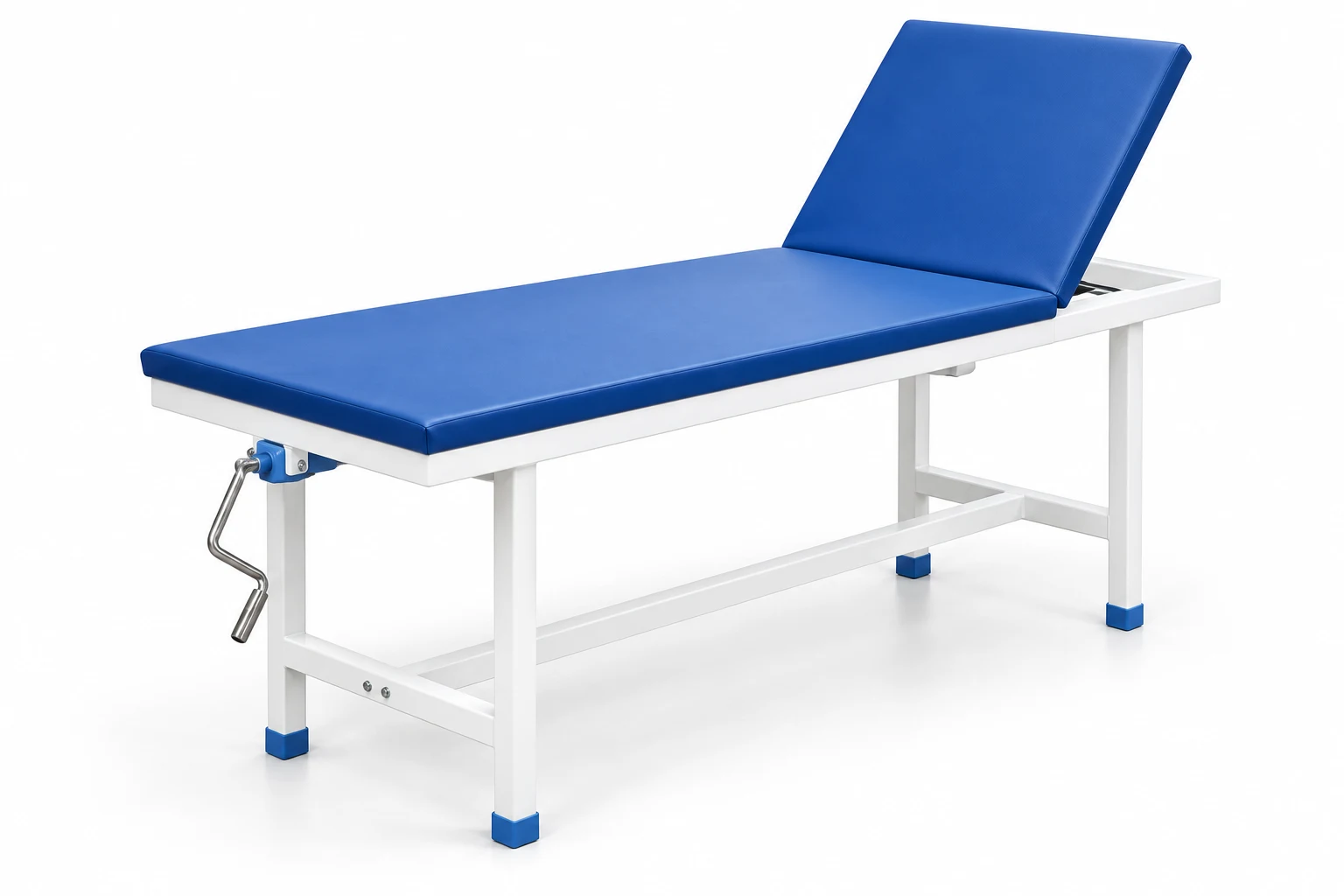
Examination Tables
Compare examination tables by model, stated dimensions and configuration.
View product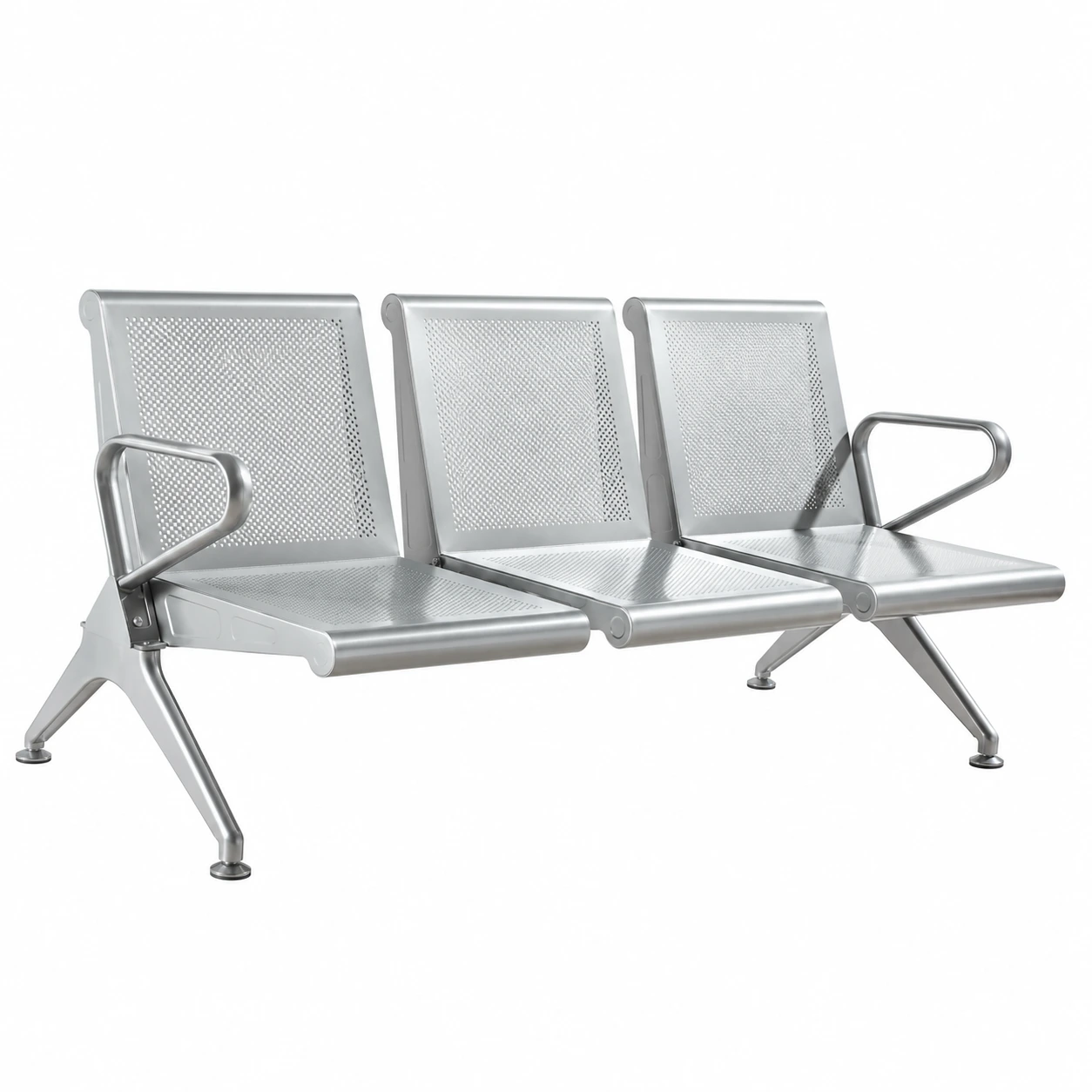
Waiting Chairs
Clinic waiting chairs and bench seating for public reception and patient waiting areas.
View product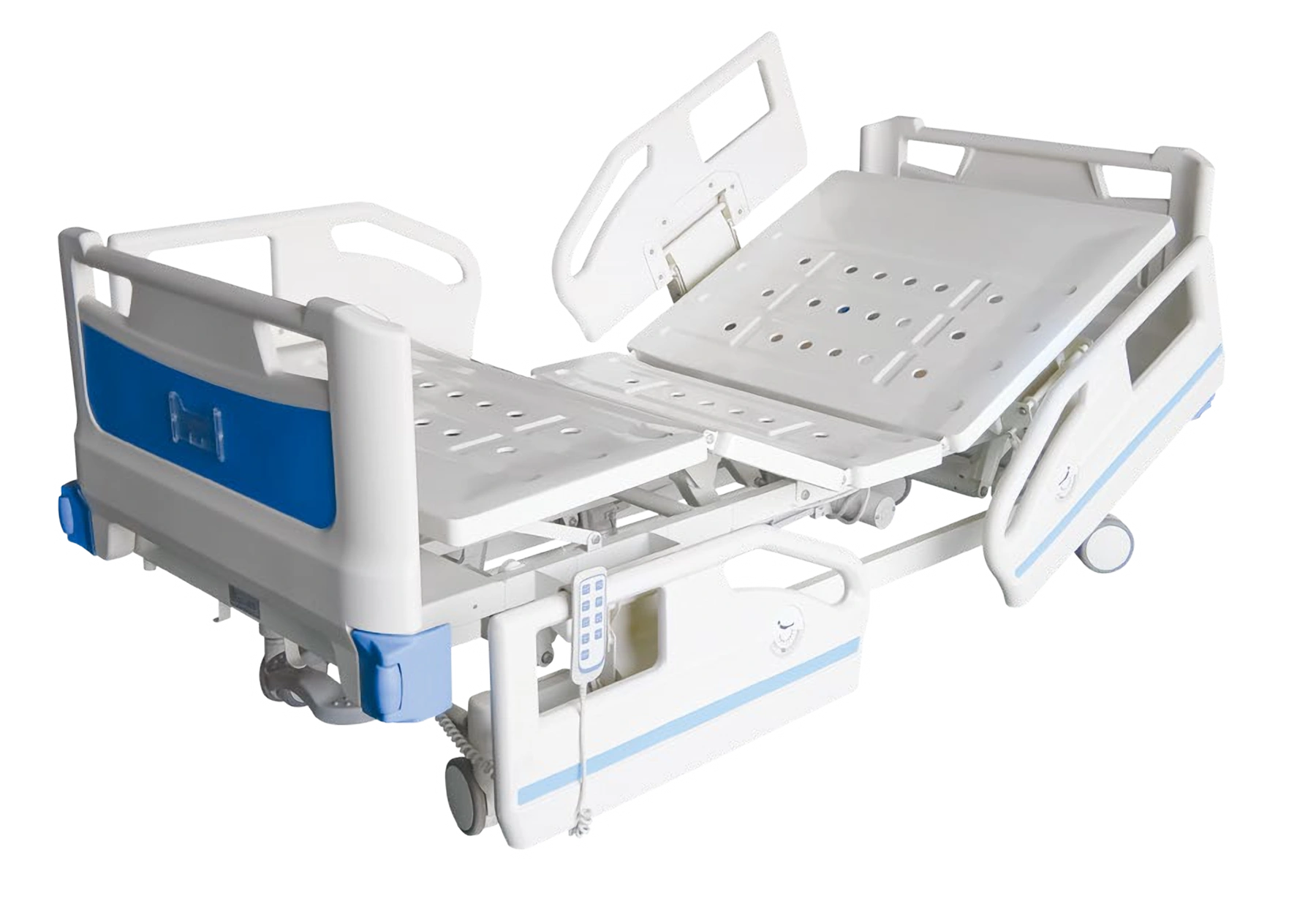
Hospital Beds
General-purpose patient beds for inpatient wards and standard hospital rooms.
View product