
I do not like to recommend a five-function bed before I know where the bed will be used. More functions do not automatically mean a better purchase. In hospital projects, the right bed is the one that matches the department, daily staff workflow, patient positioning requirement, packing plan, and budget.
The main difference between two-function, three-function, and five-function hospital beds is the number of adjustable movements they provide. A two-function bed adjusts the backrest and legrest. A three-function bed adds overall height adjustment. A five-function bed adds Trendelenburg and reverse Trendelenburg tilting, which is usually considered for departments with more specific positioning requirements.
This comparison is not only about counting functions. It is about understanding what each function changes in daily use, what the buyer should confirm before quotation, and where hidden costs can appear if the configuration is unclear.
What Do Hospital Bed “Functions” Actually Mean?
When suppliers talk about bed functions, they are talking about the controlled movements of the bed frame or platform. These movements can be manual, electric, or a combination depending on the model.
The common functions include:
- Backrest adjustment: raises or lowers the upper body section.
- Legrest adjustment: raises or lowers the leg or knee section.
- Hi-lo height adjustment: raises or lowers the whole bed platform.
- Trendelenburg tilt: tilts the bed platform with the head lower than the feet.
- Reverse Trendelenburg tilt: tilts the bed platform with the head higher than the feet.
A common buyer mistake is assuming that the function count alone tells the full story. It does not. Two beds may both be called “three-function,” but they may use different motors, side rails, casters, braking systems, controllers, bed boards, and packing methods.
Before comparing prices, I would first make sure both quotations are describing the same bed configuration. Otherwise, the cheaper quote may simply be missing items that another supplier has already included.

Quick Comparison: Two-Function, Three-Function, and Five-Function Beds
A comparison table helps buyers see the difference quickly before looking at detailed quotations.
| Bed Type | Main Functions | Common Project Use | Buyer Should Confirm |
|---|---|---|---|
| Two-function bed | Backrest + legrest | Basic ward, lower-acuity rooms, some long-term care settings | Manual or electric control, side rail type, caster quality, mattress compatibility |
| Three-function bed | Backrest + legrest + hi-lo height adjustment | General wards, recovery rooms, standard patient rooms | Height range, motor system, handset control, brake system, side rail design |
| Five-function bed | Backrest + legrest + hi-lo + Trendelenburg + reverse Trendelenburg | ICU, recovery, high-dependency, or departments requiring tilt positioning | Tilt requirement, controller design, backup power need, department use, staff operation preference |
This table is only a starting point. The final choice should still come from the department requirement, not from the function name alone.
Two-Function Hospital Beds: Basic Adjustment for Simple Use
A two-function hospital bed usually provides backrest and legrest adjustment. These are the most basic movements needed for patient positioning and comfort.
This type of bed can make sense when the project requires a simpler configuration and frequent height adjustment is not a major daily requirement. Buyers may consider it for basic ward use, lower-budget projects, or certain long-term care settings where the bed does not need to be adjusted up and down often.
The point I would not ignore is caregiver workflow. Without hi-lo height adjustment, staff may need to bend more during daily care, bed making, transfer support, or routine checks. For a small project, this may seem acceptable. For a large ward project, the daily workflow difference becomes more noticeable.
Before choosing a two-function bed, buyers should confirm:
- whether manual control or electric control is required
- whether the backrest and legrest movements are smooth enough for daily use
- whether the side rails match the facility’s preferred design
- whether the caster and brake system are strong enough for the intended room layout
- whether the mattress, IV pole, and other accessories are included or optional
A two-function bed is not automatically a poor choice. It is a basic choice. The problem starts when buyers use it in a department that actually needs height adjustment or more frequent staff operation.
Three-Function Hospital Beds: The Practical Standard for General Wards
A three-function hospital bed includes backrest adjustment, legrest adjustment, and hi-lo height adjustment.
For many general ward projects, this is the practical standard. The hi-lo function allows staff to raise the bed for working height and lower it when patient transfer or entry and exit need to be considered. It also gives the project more flexibility than a two-function model.
Many buyers focus only on the extra motor, but the real value is daily workflow. A three-function bed is often easier for staff to operate across different care tasks, room layouts, and patient needs.
When I compare three-function beds, I do not only check whether the bed can go up and down. I check how the height movement is controlled, whether the bed feels stable during adjustment, whether the handset is easy to understand, and whether the brake system is suitable for frequent movement.
Buyers should ask the supplier to confirm:
- the type of motor system
- handset or controller design
- minimum and maximum height information
- side rail design and locking method
- caster size and braking system
- mattress platform material
- accessory compatibility
- packing method and CBM per unit
A three-function bed is often the better balance for general hospital rooms, but only when the configuration is clearly specified in the quotation.

Five-Function Hospital Beds: When Tilt Positioning Is Required
A five-function hospital bed includes the three basic electric adjustments plus Trendelenburg and reverse Trendelenburg tilting.
This type of bed is usually considered for departments where tilt positioning is part of the project requirement. That may include ICU, recovery, high-dependency areas, or rooms where the buyer’s clinical or project team has clearly specified tilt functions.
A common mistake is buying five-function beds simply because they sound more advanced. If the beds are going into a standard ward and the tilt functions will not be used, the project may be paying for features that add cost and complexity without improving daily use.
I would rather ask the department question first: where will these beds be placed, and who will operate the tilt function? If the buyer cannot answer that clearly, the five-function option should be reviewed again before the quotation is confirmed.
For five-function beds, buyers should confirm:
- whether Trendelenburg and reverse Trendelenburg are truly required
- whether tilt operation should be controlled by staff only
- whether controller lock or nurse control functions are needed
- whether backup power is required for the use environment
- whether the bed frame, casters, and braking system match the higher configuration
- whether the supplier can clearly separate standard accessories from optional accessories
A five-function bed is useful when the department needs the functions. It is not automatically the best bed for every room.
Do Not Compare Function Count Alone
Function count is only one part of the quotation. A buyer can receive two quotes for “three-function electric hospital beds” and still be comparing very different products.
The hidden differences are often in the components:
- motor system
- handset or nurse control panel
- side rail material and locking structure
- caster size and brake type
- bed board or mattress platform design
- head and foot board material
- mattress inclusion
- IV pole and accessory options
- packing method
- carton or crate size
This is where low-cost quotations can become confusing. One supplier may include the mattress, IV pole, and central brake. Another supplier may quote only the basic bed frame with individual caster brakes and no mattress. On paper, the second price looks lower. In real procurement, the buyer may not be comparing the same scope.
A serious quotation should show the configuration clearly. If the quote only says “3-function hospital bed” with a unit price, I would treat it as incomplete.
Manual vs Electric Control: Do Not Choose Only by Price
Some projects still consider manual crank beds because the unit price is lower. That can be suitable for certain budgets or basic applications. But buyers should understand what manual operation means in daily use.
Manual beds require staff or caregivers to adjust the bed by hand. Electric beds use a handset or control panel, which makes adjustment faster and easier in many daily situations. For projects with many beds, frequent adjustment, or higher expectations for patient room workflow, electric operation is often easier to manage.
The supplier should not simply push the more expensive option. The better approach is to ask how the bed will be used:
- How often will the bed be adjusted?
- Who will operate it?
- Is the project for a general ward, nursing home, ICU, or recovery room?
- Is the buyer trying to standardize one model across many rooms?
- Does the facility prefer simple manual control or electric operation?
The answer may change the recommendation.
Casters, Brakes, and Side Rails Are Not Small Details
A hospital bed is not only a bed frame with motors. The parts that staff touch every day often decide whether the bed feels practical.
Casters affect movement. Brakes affect positioning and workflow. Side rails affect daily operation and patient room management. These are not details I like to leave vague in a quotation.
For casters, buyers should confirm the size, material, and whether they are suitable for the floor conditions in the project. For brakes, buyers should check whether the bed uses individual wheel brakes or a central braking system. A central brake can make daily movement and locking more efficient, especially when beds are moved more often.
For side rails, buyers should confirm the type, locking method, height, material, and whether the design matches the intended room use. A loose or unstable side rail should be checked carefully before approval because it affects daily confidence in the bed.

Accessories and Quotation Scope Can Change the Real Price
A low unit price is not always a complete price.
Before comparing two suppliers, buyers should check whether the quotation includes the same items. This is especially important for hospital bed projects because accessories are often included by one supplier and listed as optional by another.
Common items to confirm include:
- mattress
- IV pole
- head and foot boards
- side rails
- overbed table compatibility
- bedside cabinet compatibility
- battery backup, if required
- nurse control panel, if required
- spare parts
- assembly tools or instructions
- packing materials
I have seen buyers focus on the bed price and only later realize that the mattress, accessories, or packing details were not included in the original comparison. The right question is not only “How much is the bed?” The better question is “What exactly is included in this quotation?”
Packing Method and CBM Affect the Total Landed Cost
For international hospital furniture projects, packing is part of the buying decision.
A hospital bed can be packed fully assembled or in knockdown form. Fully assembled packing may reduce on-site assembly work, but it usually takes more shipping volume. Knockdown packing can reduce CBM per unit, but the buyer must consider assembly work after arrival.
The lower unit price is not always the lower total cost. If one bed has a slightly higher unit price but much better packing efficiency, the final landed cost may still be better once freight is included.
Before comparing final costs, buyers should ask for:
- packing method
- carton or crate size
- CBM per unit
- gross weight
- loading quantity estimate, if available
- whether assembly is required after arrival
- whether packing is suitable for the shipping route and handling conditions
I would not treat a quotation as complete without packing data. For overseas buyers, CBM is not a small detail. It directly affects freight comparison.

Checklist Before Requesting a Hospital Bed Quotation
Before asking for a final price, buyers should prepare the basic project requirements. This helps the supplier quote the right configuration instead of guessing from a product name.
Prepare these details:
- intended department or room type
- required function level: two-function, three-function, or five-function
- manual or electric operation
- quantity by department
- preferred side rail type
- caster and brake preference
- mattress requirement
- IV pole and accessory requirements
- battery backup requirement, if needed
- preferred packing method: assembled or knockdown
- delivery destination and shipping preference
- any local documentation or project requirement that must be confirmed
With these details, the supplier can compare the right configuration, quotation scope, and packing data from the beginning.
If you are preparing a hospital bed project, send the department list, required function level, quantity, mattress requirement, side rail preference, braking system, and packing preference before asking for a final quote. A serious supplier can then check whether the bed configuration, accessories, packing method, and CBM data are clear enough for a real project quotation.
Written by
CareFurnex Team
CareFurnex Team shares practical knowledge about hospital beds, patient room furniture, medical trolleys, clinic furniture, and healthcare facility procurement for international B2B buyers.
Related Products
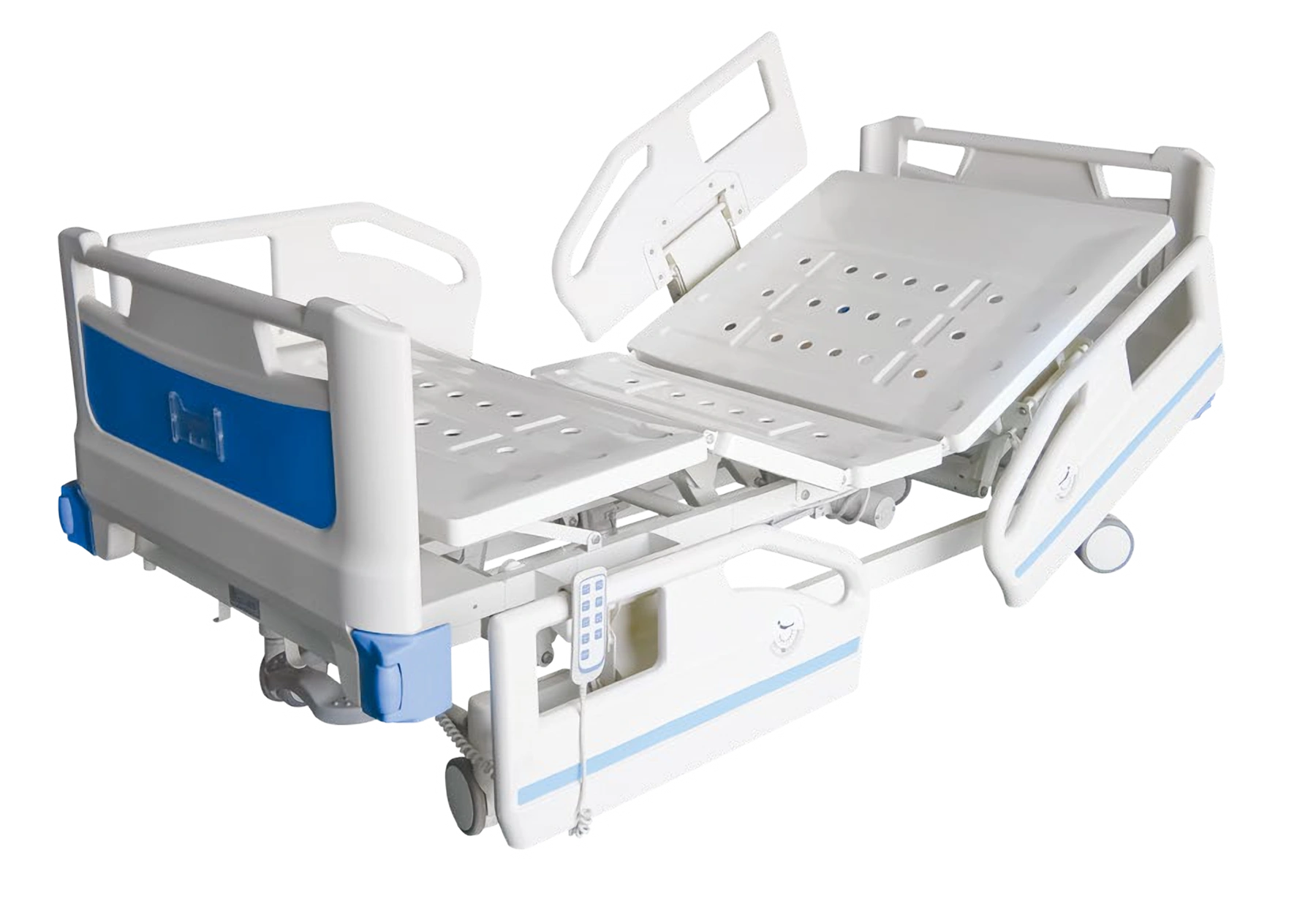
Hospital Beds
General-purpose patient beds for inpatient wards and standard hospital rooms.
View product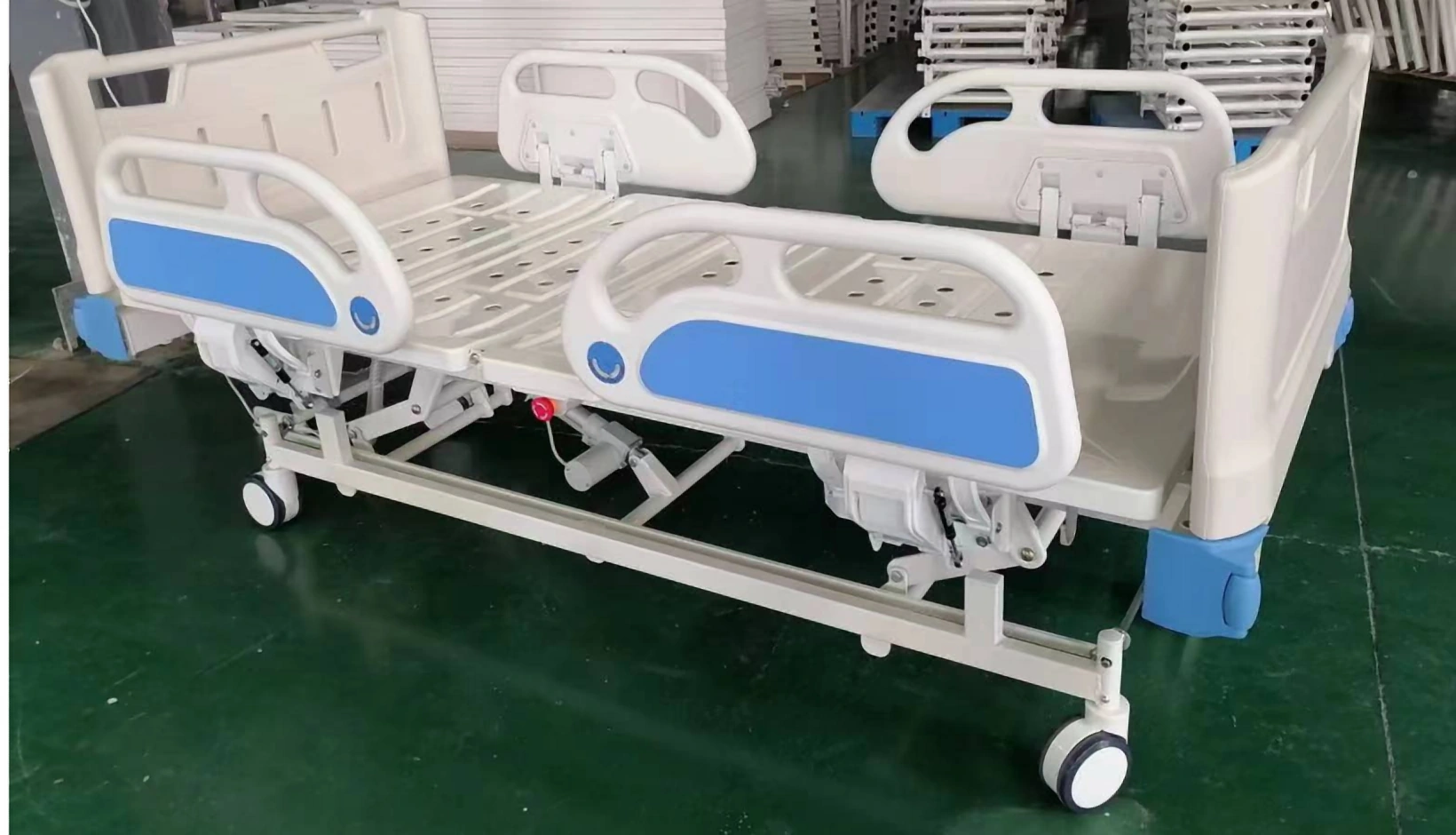
Electric Hospital Beds
Motorized multi-function beds with electric height, backrest, and leg adjustment options.
View product
IV Poles
Review a wheeled IV stand and a separate pole by pictured layout and configuration requirements.
View product