
Struggling to specify the right hospital bed hand control for your project? It seems simple, but choosing the wrong icons or language can lead to patient confusion and nursing errors. This creates ongoing operational headaches and safety risks that are difficult to fix after procurement. Understanding the details of icons, language, and durability is key to selecting a control that is safe, effective, and built to last.
The best hospital bed hand control specifications balance universal icons with clear local language, while also considering the distinct needs of patients, nurses, and maintenance teams. Key details include the durability of the printed labels, the IP rating for cleaning, and the quality of the cable and connector to ensure long-term user safety and reliability.
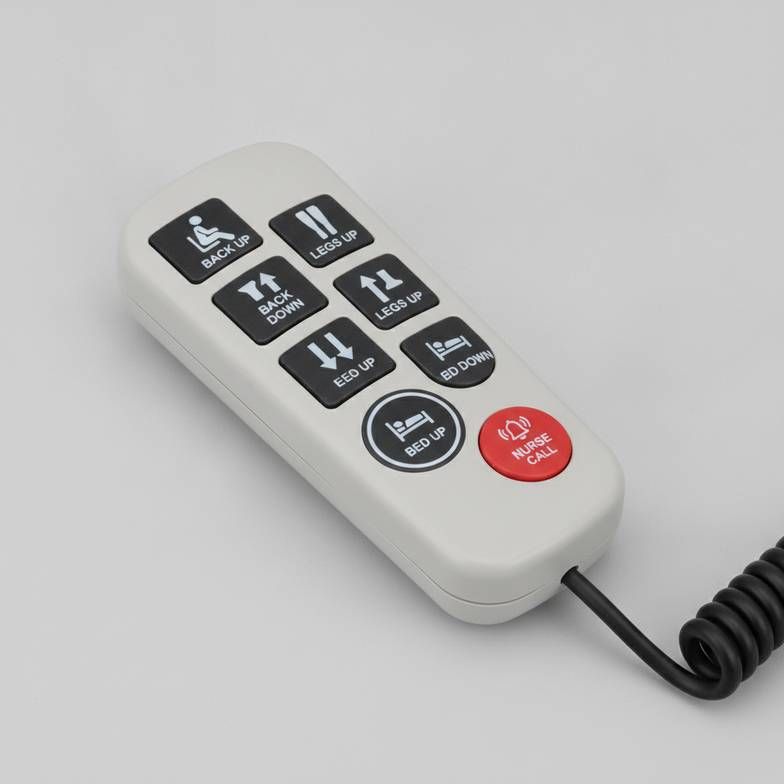
Now that you have the direct answer, you might wonder what specific details make a difference. The choice between icons, language, and the physical design of the handset goes far beyond simple preference. It's a critical risk management decision. Let’s dive deeper into the practical considerations that procurement managers and distributors must address.
Are Universal Icons Enough for a Hospital Bed Hand Control?
You might assume that standard, universal icons are enough for any hospital bed hand control. The problem is that many users, especially elderly patients or those with cognitive impairments, can find these symbols confusing. This can lead to frustration and incorrect bed adjustments. The solution is to see icons as a baseline for compliance, not the complete answer for usability.
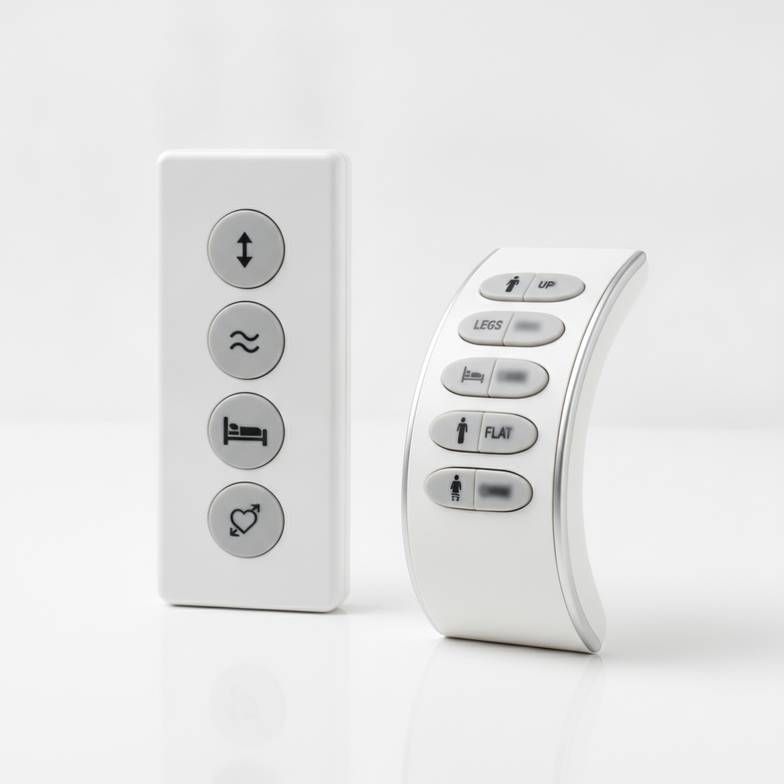
Universal icons, often based on the IEC 60601-2-52 standard, provide a necessary foundation for global markets. However, they are rarely sufficient on their own. For optimal patient safety and ease of use, we almost always recommend a hybrid approach that combines these icons with clear, descriptive text in the local language.
The Role of IEC 60601-2-52 Standards
As a B2B supplier, we often get questions from distributors about international standards. The IEC 60601-2-52 standard is a critical one, outlining the basic safety and essential performance requirements for medical beds. Part of this standard includes recommendations for symbols to ensure a degree of global uniformity. Following these standards helps ensure your products meet basic safety benchmarks required for tenders and import regulations in many countries.
However, it's crucial to understand that compliance is not the same as usability. The standard ensures a bed won't cause electrical harm and has basic mechanical stability; it doesn't guarantee a frail, anxious patient can figure out how to raise the headrest in the middle of the night. The icons provide a common language for manufacturers and regulators, but not always for the end-user.
When Icons Fail: Real-World Usability Gaps
In my experience helping contractors specify furniture for new hospital wings, I've seen where icon-only designs fall short. The reality in a busy hospital ward is complex. Consider these common scenarios:
- Elderly Patients: Vision impairment, cognitive decline, or a simple lack of familiarity with modern iconography can make a symbol-only handset feel like a puzzle.
- Language Barriers: In multicultural regions or hospitals with medical tourism, patients may not recognize universal symbols. A simple word in their native language can make all the difference.
- Low-Light Conditions: During the night, patients may struggle to distinguish between similar-looking icons, increasing the risk of pressing the wrong button.
- High-Stress Situations: An anxious or pained patient is not in the best state of mind to interpret abstract symbols. Clarity and simplicity are paramount.
These usability gaps can lead to increased calls for nurses, patient frustration, and a reduced sense of independence and dignity.
The Icon + Text Hybrid Solution
For these reasons, the most practical and user-centric solution is a hybrid hospital bed hand control that features both an icon and a simple text label (e.g., "Head Up," "Legs Down"). This approach offers the best of both worlds: it maintains compliance with international standards while providing the unmistakable clarity that text offers.
When sourcing, a key question for your supplier should be how these labels are applied.
- Cheap Stickers: Avoid handsets that use simple printed stickers. They will peel, fade, and wear away with repeated cleaning, creating confusion and a shabby appearance.
- Durable Printing: Ask if the text is printed under a protective transparent layer or if the buttons are made with double-injection molding. This ensures the labels last as long as the handset itself.
While adding custom language may involve a higher minimum order quantity (MOQ), it's a small investment to prevent years of usability problems.
How Do You Specify a Hospital Bed Hand Control for Different Users?
Trying to find a single handset design that pleases everyone is a common challenge. Patients, nurses, and maintenance staff all interact with the hospital bed hand control but have very different needs. The best approach is to specify a system that includes features catering specifically to each user group.
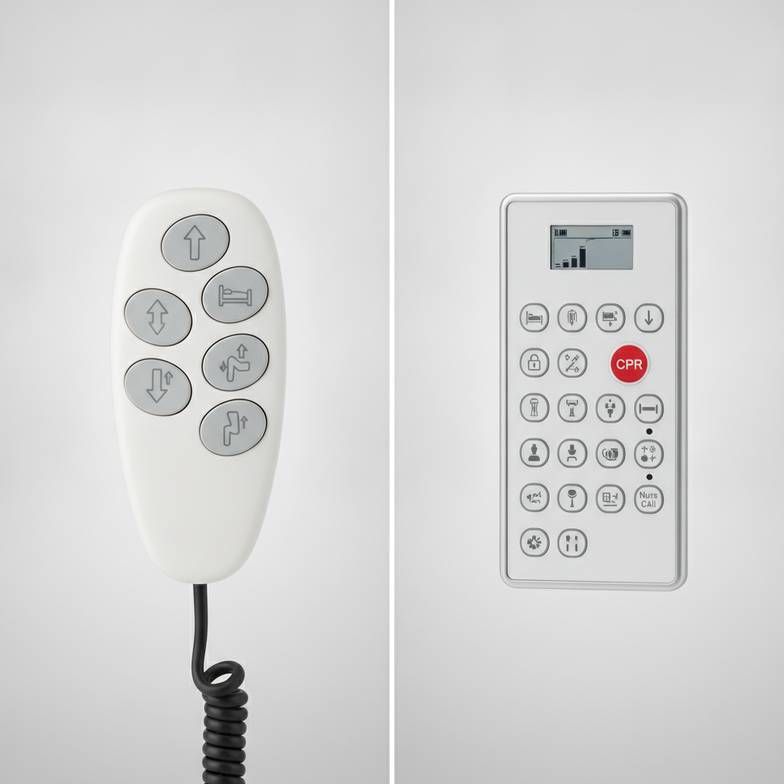
To properly specify a hospital bed hand control, you must design for three distinct users: the patient, the nurse, and the maintenance technician. For patients, prioritize simplicity. For nurses, provide access to advanced functions and safety lockouts. For maintenance, demand durability, a high IP rating, and easy serviceability.
For the Patient: Simplicity and Clarity
The patient handset should be foolproof. Its primary goal is to allow the patient to make basic comfort adjustments without confusion or error. When reviewing options with project contractors, I always highlight these features:
- Large, Tactile Buttons: Buttons should be easy to press, even for users with limited dexterity. A distinct "click" provides helpful feedback.
- High-Contrast Design: Bold icons and text on a contrasting background are easier to read, especially for those with poor vision. Backlighting is a valuable feature for nighttime use.
- Intuitive Layout: The button layout should be logical. The buttons for head adjustment should be at the top, and buttons for leg adjustment at the bottom.
- Simple Language: As discussed, combining icons with simple, local-language text is the gold standard for patient usability.
For the Nurse: Efficiency and Safety Control
Nurses require a greater degree of control to ensure patient safety and perform their duties efficiently. A patient should not be able to put the bed into a position that is clinically unsafe (like the Trendelenburg position). This is where nurse-specific controls come in. These are often integrated into a separate control panel on the footboard or as a secondary, more complex handset.
Key features to specify for nursing staff include:
- Function Lockout: This is the most critical feature. It allows a nurse to selectively disable certain adjustments (e.g., height adjustment) on the patient's handset to prevent accidental or unsafe movements.
- CPR Function: A one-touch CPR button that quickly and automatically flattens the bed is essential for emergency situations.
- Advanced Positions: Access to Trendelenburg and Reverse Trendelenburg positions, which are only to be used by trained medical staff.
- Under-Bed Light Control: A simple feature that can help nurses check on patients at night without turning on bright overhead lights.
Specifying a nurse lockout function directly reduces the risk of patient-induced errors, a major concern for hospital risk management departments.
For the Maintenance Team: Durability and Serviceability
The maintenance team is focused on longevity, cost of ownership, and ease of repair. A handset that fails frequently is a drain on resources.
Here are the technical specifications that matter most for durability:
| Feature | Low-Quality Specification | High-Quality Specification | Why It Matters for Procurement |
|---|---|---|---|
| Cable Material | PVC (Stiffens, cracks over time) | Polyurethane (PU) (Flexible, durable) | PU cables reduce failures from pulling/twisting, lowering replacement costs. |
| Strain Relief | Minimal or rigid plastic | Molded, flexible rubber | Prevents the cable from breaking at the entry point to the handset or connector. |
| IP Rating | IPX4 or unspecified | IP66 or higher | A higher rating ensures the handset can withstand hospital-grade cleaning and disinfection without fluid ingress. |
| Connector | Generic, loose-fitting pins | Branded, secure locking mechanism | A secure connection prevents intermittent faults and accidental disconnection. |
When you send an inquiry, don't just ask for a "hand control." Ask for the IP rating, the cable material, and photos of the strain relief. These details reveal the true quality and long-term value of the product.
What Are the Hidden Risks in a Low-Cost Hospital Bed Hand Control?
A low-cost hospital bed hand control seems like an easy way to reduce project expenses. The trouble is that the initial savings often disappear when you factor in the hidden costs of failures, safety issues, and frequent replacements. Knowing what to look for beneath the surface helps you avoid these expensive procurement traps.
The most common hidden risks in a low-cost hospital bed hand control are poor-quality labels that wear off, low IP ratings that lead to fluid damage during cleaning, and weak cables or connectors that break under normal use. These flaws compromise safety and lead to significantly higher long-term maintenance costs.
The Durability of Labels and Buttons
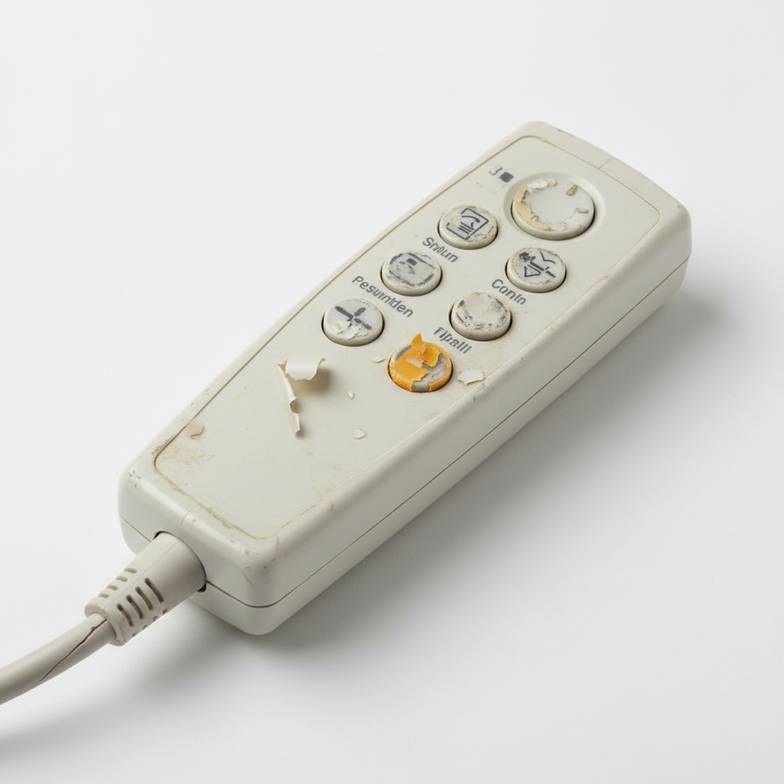
One of the first things to fail on a cheap handset is the labeling. As a buyer, you need to ask your supplier how the graphics are applied.
- Surface-Level Stickers or Ink: This is the cheapest method. A thin layer of ink or a simple sticker is applied to the button surface. With constant use and harsh cleaning chemicals, these labels will fade, peel, or rub off within months. This leaves staff and patients guessing which button does what, a clear safety hazard.
- Double-Injection Molding: In this high-quality process, the symbol or letter is molded from a different colored plastic that runs through the entire button cap. It is physically impossible for it to wear off.
- Sub-Surface Printing: Here, the graphics are printed on the underside of a transparent button cap. The outer surface is smooth and durable, protecting the label from wear and cleaning agents.
During procurement for a large hospital project, we once had a client compare two quotes. One was 15% cheaper, but a close look at the specs revealed the cheaper handset used surface ink. We calculated that the cost of replacing just 20% of those handsets within three years would erase any initial savings.
Why the IP Rating Matters for Cleaning Protocols
The Ingress Protection (IP) rating is a standard that defines how well a device is sealed against dust and liquids. This isn't just a technical detail; it's a crucial factor for infection control and product lifespan.
A common rating for a basic hospital bed hand control might be IP54. The '5' means it's protected against most dust, and the '4' means it's protected against splashing water. This might be adequate for some environments, but in a hospital where liquid spills and rigorous wipe-downs are daily events, it's not enough.
We recommend specifying a handset with a rating of IP66. The '6' means it is completely dust-tight, and the second '6' means it can withstand powerful water jets. This ensures the handset can be thoroughly cleaned and disinfected according to strict hospital protocols without risk of internal electronics being damaged by fluid. A handset with a low IP rating that fails due to liquid damage is not just a maintenance issue; it can become an electrical safety hazard.
The Cable and Connector: The Weakest Link
More often than not, the first point of physical failure on a hospital bed hand control is not the handset itself, but the cable or the connector plug. During daily use, cables are pulled, twisted, rolled over by the bed's casters, and caught in mechanisms.
Ask your supplier about these three things:
- Cable Jacket Material: Is it PVC or Polyurethane (PU)? A PU jacket remains flexible and is far more resistant to abrasion, chemicals, and tearing than standard PVC.
- Strain Relief: Look for thick, flexible rubber strain reliefs where the cable enters the handset and the connector. This prevents the internal wires from breaking due to sharp bends.
- Connector Quality: A flimsy connector with poorly seated pins will lead to intermittent function and eventually fail. A secure, locking connector is a sign of a well-engineered product.
These "hidden" details are what separate a professional medical-grade component from a consumer-grade one. They are essential questions for any serious buyer aiming to minimize risk and long-term costs.
Frequently Asked Questions
What is IEC 60601-2-52 for hospital beds?
IEC 60601-2-52 is an international standard that specifies the essential safety and performance requirements for medical beds used in hospitals and other healthcare facilities. It covers aspects like mechanical strength, electrical safety, and recommended symbols for controls, ensuring a baseline level of quality and safety for patients and caregivers.
Can I get hospital bed hand controls with my local language?
Yes, most manufacturers, including CareFurnex, can offer customization for local languages on the hospital bed hand control. This usually requires a minimum order quantity (MOQ) to cover the cost of custom printing tools. It's a highly recommended investment for improving patient safety and usability in non-English speaking regions.
What is a patient lockout function on a hospital bed?
A patient lockout function is a safety feature, typically controlled by a nurse, that deactivates some or all of the bed's motorized adjustments on the patient's handset. This prevents patients or visitors from accidentally moving the bed into a clinically unsafe position, reducing the risk of falls or injury.
How does the IP rating affect a hospital bed hand control?
The IP (Ingress Protection) rating indicates how well the hand control is sealed against dust and liquids. A higher rating, like IP66, means the device can withstand powerful cleaning and disinfection without moisture getting inside and damaging the electronics. This is critical for infection control and ensures the product has a long service life.
Conclusion
Ultimately, selecting the right hospital bed hand control is a crucial exercise in risk management. It goes far beyond simply looking at icons or comparing prices. A thoughtful specification considers the real-world needs of three different users: the patient who needs clarity, the nurse who needs control, and the maintenance team who needs reliability. By focusing on the durability of labels, demanding a high IP rating for cleaning, and scrutinizing the quality of the cable and connector, you can avoid common procurement pitfalls.
A well-specified hospital bed hand control is a small but vital component that contributes to overall patient safety, workflow efficiency, and lower long-term operating costs. Don't let it be an afterthought.
If you are sourcing hospital furniture for an upcoming project and need assistance defining your specifications, contact the CareFurnex team. We help distributors, importers, and project contractors ask the right questions to source practical, reliable, and procurement-ready solutions from China.
Written by
CareFurnex Team
CareFurnex Team shares practical knowledge about hospital beds, patient room furniture, medical trolleys, clinic furniture, and healthcare facility procurement for international B2B buyers.
Related Products
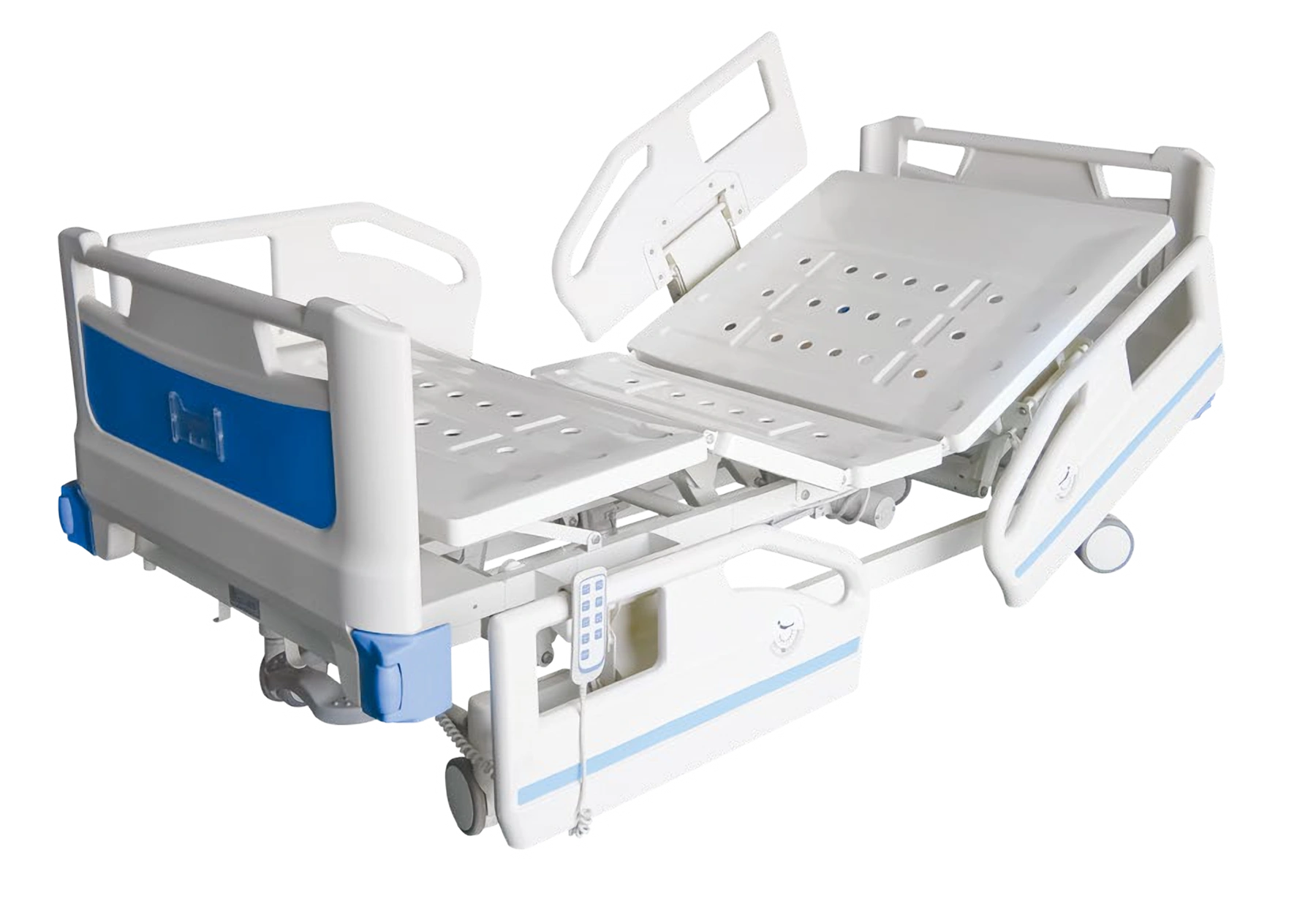
Hospital Beds
General-purpose patient beds for inpatient wards and standard hospital rooms.
View product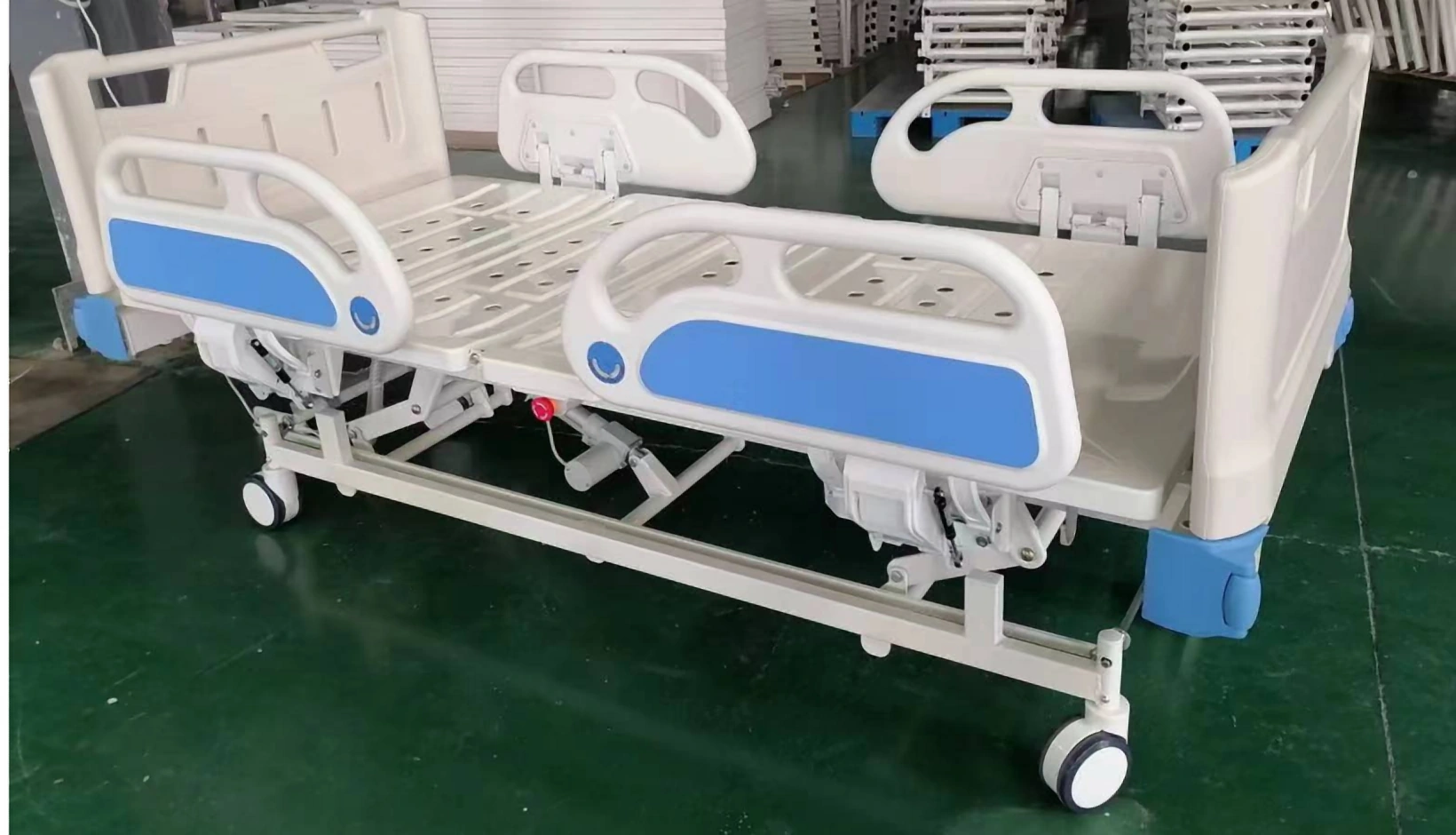
Electric Hospital Beds
Motorized multi-function beds with electric height, backrest, and leg adjustment options.
View product
Ward Furniture
Complete ward furniture options for patient rooms and hospital care areas.
View product