
When a facilities manager needs a quote for a 120cm stainless steel sink cabinet, an experienced supplier's first thoughts aren't about the price. They are about the clinic's doorways, the location of the wall's drain pipe, and the type of cleaning chemicals used in that room.
You might start your search with the basics: the required width, depth, and height. But when quotations arrive, they can look similar yet have different prices. None of them seem to mention if the cabinet will actually line up with your wall's water and drain pipes, or if the "stainless steel" will hold up to daily disinfection in six months.
This is where costly mistakes happen. Comparing sink cabinets based on a photo and a simple dimension is incomplete.
A reliable stainless steel sink cabinet for a medical room depends on confirming the material is Grade 304, verifying that the cabinet's internal layout aligns with your site's plumbing, and choosing a construction type (welded vs. knock-down) that fits your hygiene needs and building access.
These are practical planning principles for selecting furniture, not a substitute for guidance from your facility's infection control, compliance, or engineering departments. Buyers should confirm final material, design, and installation requirements with their own project team before ordering.
Why 'Stainless Steel' Isn't Specific Enough for a Medical Room
A common assumption is that any "stainless steel" is suitable for a medical environment. The problem is, this assumption is often tested six months after installation, when small rust spots begin to appear on a cabinet exposed to daily cleaning and moisture.
The issue isn't the cleaning; it's the material grade.
- Grade 304 Stainless Steel: This is a common choice for medical applications. It has a higher nickel content that provides strong resistance to corrosion from the chlorides and chemicals found in many disinfectants.
- Grade 201 Stainless Steel: This is a cheaper alternative with less nickel. While it looks similar, it is more likely to develop rust, pitting, or staining when regularly exposed to moisture and cleaning agents.
A lower price on a quote might be due to the use of Grade 201 steel. If the material grade isn't specified, you cannot be sure you are comparing products of equal durability.
Buyer Check: Ask suppliers to confirm in writing, on the specification sheet and quotation, that the cabinet is made from Grade 304 stainless steel.
What Size Checks Matter More Than Overall Width and Height?
The most common installation failure isn't getting the cabinet's width wrong; it's discovering the cabinet's internal structure blocks the on-site plumbing. Even if the outer box fits the space, the project can be stopped if the sink's drain doesn't align with the pipe in the wall.
This is preventable with a simple check before you order.
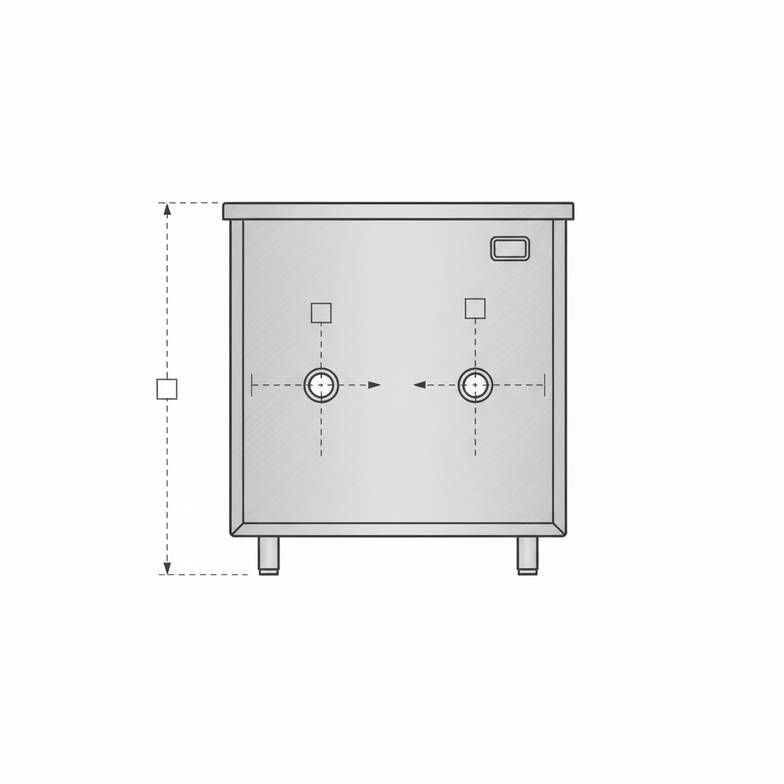
Instead of just confirming the external WxDxH, you need to verify the "negative space"-the cutouts and clearances for pipes.
- The Plumbing Alignment Check: Ask the supplier for a technical drawing of the proposed cabinet. This drawing should show the back panel and specify the height and position of any pre-cut holes for water supply and drainage. Compare these dimensions against your own on-site measurements.
- Sink Trap Clearance: Check that there is enough open space under the sink bowl inside the cabinet to accommodate the P-trap.
This single check confirms that the cabinet and your room's plumbing are compatible before the unit is shipped. It avoids the need for costly on-site cutting, which can damage the cabinet's finish and create new areas for rust to form.
How Does Cabinet Construction Affect Both Hygiene and Installation?
The way a cabinet is built impacts both how easy it is to clean and how easy it is to get into your facility. You must choose between two main construction types.
- Fully-Welded Units: These cabinets are delivered as a single, rigid piece. Their main advantage is hygiene. With seamless corners and no panel joints or bolt heads, there are fewer places for moisture and debris to collect. This makes cleaning faster and more effective. The trade-off is logistics. A large, welded unit may not fit through narrow doorways, corridors, or elevators.
- Knock-Down (Flat-Pack) Units: These are delivered in pieces and assembled on-site. Their advantage is logistics; they can be transported into almost any room. The trade-off is hygiene. The seams, joints, and fasteners create small crevices that can be harder to clean.
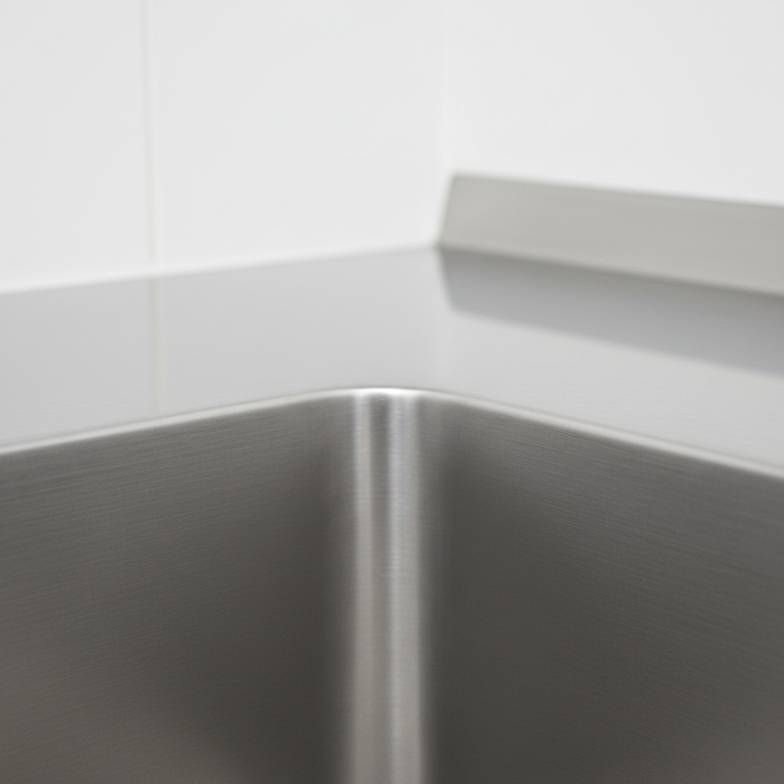
A related detail is the sink bowl itself. A seamless, integrated sink that is formed from the same piece of steel as the countertop is often preferred in settings where hygiene is a high priority. A cheaper drop-in sink creates a seam around its edge that can trap grime.
Buyer Check: Before choosing a fully-welded unit, measure the narrowest doorway, hallway, and elevator on the delivery path. Compare this to the "crated dimensions" of the cabinet provided by the supplier. If access is tight, a knock-down model may be the only practical choice.
Checklist: Key Confirmations Before Ordering Your Sink Cabinet
Use this table to review supplier quotations and ensure you are comparing products on an equal basis. It helps you move past simple assumptions and focus on the details that determine long-term performance.
| Common Buyer Assumption | Potential Problem | What to Confirm with Supplier Before Ordering |
|---|---|---|
| "I need a stainless steel sink cabinet." | Cheaper Grade 201 steel can rust when exposed to medical cleaning agents. | Request confirmation that the material is Grade 304 stainless steel in the quotation. |
| "The cabinet is 120cm wide, so it will fit." | The internal structure or back panel may block existing water/drain pipes. | Ask for a technical drawing and check plumbing cutout locations against your site measurements. |
| "A sink is included." | A cheaper "drop-in" sink creates a seam that is difficult to clean effectively. | Check drawings to confirm it is a seamless, integrated sink, not a drop-in model. |
| "The unit will be delivered to the room." | A large, fully-welded unit may not fit through facility doorways or corridors. | Check the crated dimensions of a welded unit against your building's narrowest access point. |
How to Prepare Your Inquiry for a Medical Sink Cabinet
Sending a vague inquiry like "price for SS sink cabinet" often leads to vague, incomparable quotes. Providing clear specifications up front signals to suppliers that you are a knowledgeable buyer and helps you get a fast, accurate response.
To get a meaningful quotation for a stainless steel sink cabinet, please prepare the following three details before contacting a supplier:
1. Your Required Material Grade: Specify "Grade 304 stainless steel" for durability in a medical environment. 2. Your Site's Plumbing Layout: Provide a simple sketch or photos of the installation wall, showing the exact height and position of the water supply and drain lines from the floor and any side walls. 3. Your Construction Preference & Access Limits: Decide if you need a fully-welded unit (for hygiene) or a knock-down unit (for tight access), and confirm the dimensions of your narrowest doorway.
Sending these details with your inquiry helps you receive meaningful and comparable quotations for a cabinet that is right for your facility.
Written by
CareFurnex Team
CareFurnex Team shares practical knowledge about hospital beds, patient room furniture, medical trolleys, clinic furniture, and healthcare facility procurement for international B2B buyers.
Related Products
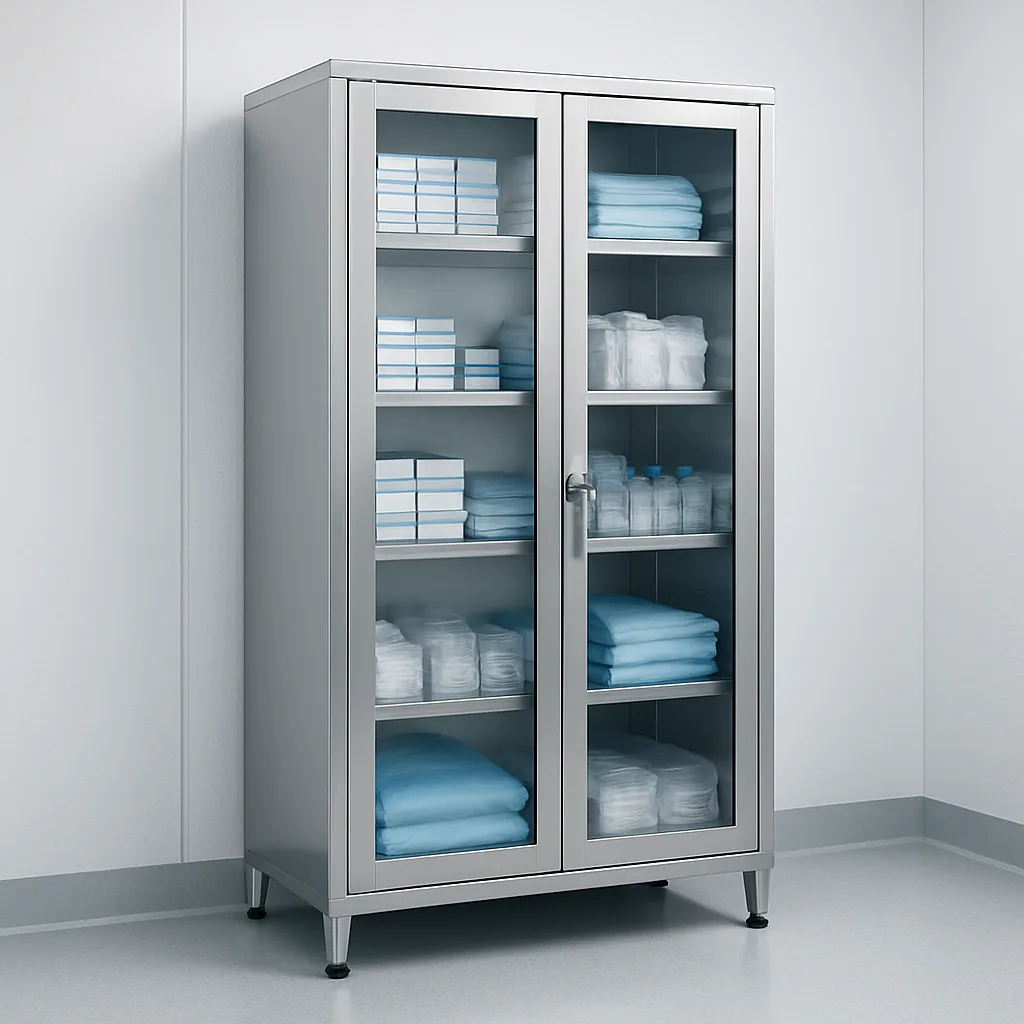
Medical Cabinets
Storage cabinets and medical furniture units for organized patient rooms and ward areas.
View product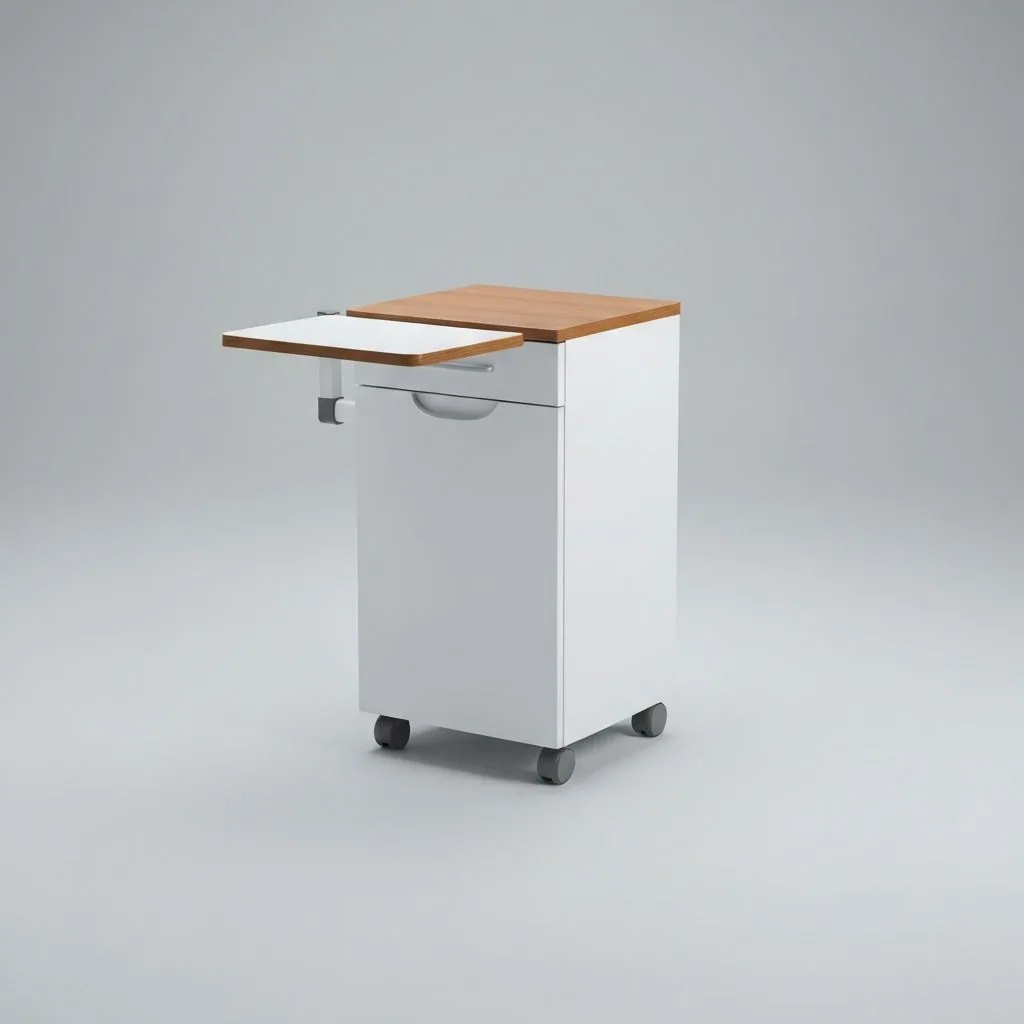
Hospital Bedside Cabinets
Bedside cabinets with drawers, storage, dining board options, and easy-clean materials.
View product
Stainless Steel Medical Furniture
Durable stainless-steel carts, tables, instrument stands, and storage units for clinical spaces.
View product