
Sourcing furniture for a new hospital wing or a facility upgrade? The pressure is on to find beds, cabinets, and tables that fit the budget. You're probably collecting quotes for individual items, trying to piece together a solution. But a nagging feeling tells you that just picking the cheapest options is a recipe for future headaches. The key is to stop thinking about individual products and start evaluating complete patient room furniture packages based on how they support the daily workflow of nurses, patients, and staff.
A successful patient room furniture package isn't a checklist of the cheapest individual items. It's a carefully selected system where the bed, bedside cabinet, overbed table, and patient chair work together to improve patient safety, support nursing efficiency, and simplify cleaning and maintenance. The best approach is to analyze your facility's daily workflow first, then choose furniture that solves your operational challenges.
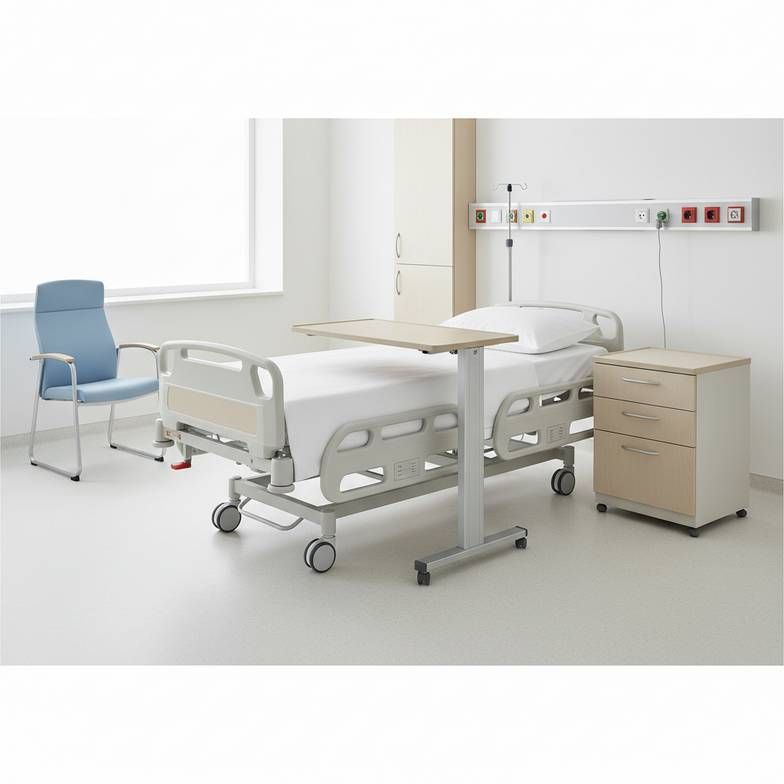
This shift in thinking—from a price-per-item focus to a workflow-first approach—is the single most important factor I've seen in successful hospital projects. It's what separates a functional, long-lasting patient environment from a room full of mismatched items that create daily frustrations. Let's dive into why this matters so much.
Why Does Chasing the Lowest Price on a Patient Room Furniture Package Often Backfire?
You have two quotes in front of you. One is significantly cheaper. It's tempting, right? But as a project consultant who has seen hundreds of these decisions play out, I can tell you that the initial price tag tells less than half the story. That "great deal" can quickly become a long-term liability.
The lowest price often means compromises on crucial but unseen components. These shortcuts lead to premature failures, constant maintenance requests, and even safety risks, driving up the Total Cost of Ownership (TCO) and negating any initial savings.
The Total Cost of Ownership Trap
When we talk about cost, we can't just look at the invoice. We have to consider the TCO, which includes the initial purchase price plus all the costs over the furniture's lifespan: maintenance, repairs, replacement parts, and even the cost of staff downtime when equipment fails. Chasing a low initial price almost always inflates your TCO.
I've seen it happen time and time again. A hospital saves 15% on a bulk order of beds, only to spend 30% more over the next five years replacing faulty motors and cracked plastic parts. Here’s where those hidden costs usually lie:
- Bed Motors and Actuators: The motor is the heart of an electric hospital bed. Budget suppliers often use motors that aren't rated for continuous, heavy-duty hospital use. They can fail under the weight of a bariatric patient or simply burn out from frequent adjustments. A failed motor isn't just a repair cost; it's a patient safety issue and a major disruption to nursing care.
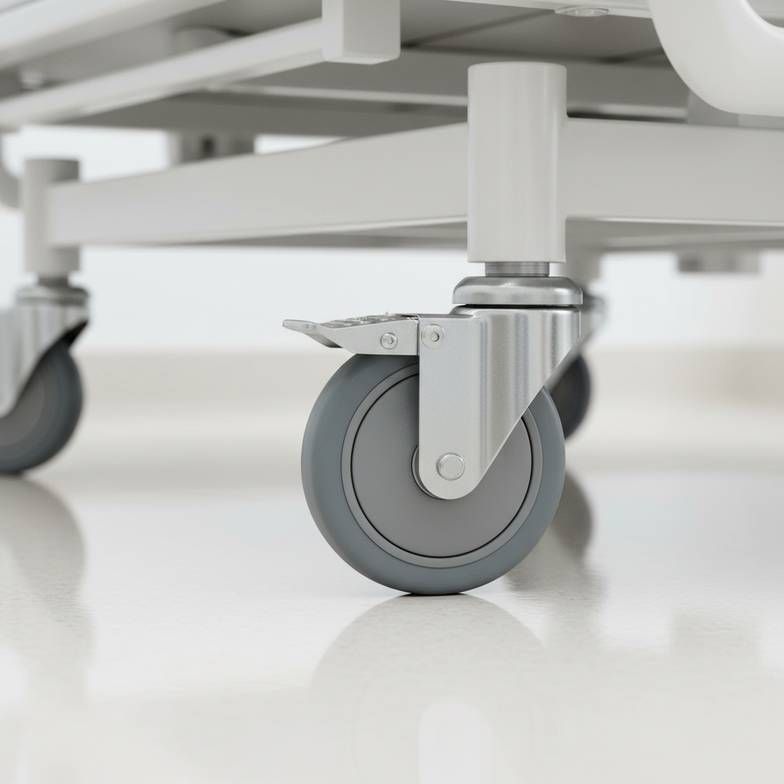
- Casters (Wheels): This is one of the most common failure points. A cheap caster is typically made of low-grade plastic with a weak braking system. They crack under the stress of being rolled over door sills, the bearings seize up, and the brakes stop holding securely. A bed that can't be moved easily or locked safely is a hazard for both staff and patients.
- Cabinet and Table Materials: A spec sheet might just say "wood" or "plastic." But is it high-pressure laminate (HPL) bonded to a solid core, or is it a thin layer of melamine over cheap particleboard? Particleboard swells and disintegrates when exposed to moisture from cleaning fluids. We advise clients to look for materials like ABS plastic, which is durable enough to withstand impacts from trolleys and equipment, reducing repair costs and looking better for longer.
- Welds and Powder Coating: Look closely at the metalwork. Are the welds smooth and continuous, or are they rough and porous? Rough welds create crevices where bacteria can grow, making proper disinfection nearly impossible. Likewise, a thin powder coat will chip easily, exposing the steel underneath to rust—a major infection control risk in a healthcare setting.
Choosing a slightly more expensive but better-engineered product from the start is an investment in reliability. It means fewer calls to the maintenance department, safer patient handling, and a longer functional lifespan for your assets.
How Do Seemingly Identical Patient Room Furniture Packages Affect Daily Workflow?
On paper, two bedside cabinets can have the same dimensions. Two electric beds might list the same functions. But in a busy ward, the small, unlisted differences in design can create constant, low-level friction for your nursing and cleaning staff. This friction adds up, reducing efficiency and morale.
The right patient room furniture packages are designed with an understanding of hospital routines. Subtle details like handle design, surface contours, and the way components fit together directly impact how easily staff can do their jobs, from cleaning a room to responding to an emergency.
A Workflow Analysis of the Bed, Cabinet, and Table Trio
Let's stop looking at these items individually and see how they interact in a real-world scenario. A patient needs their meal, a nurse needs to adjust the bed, and housekeeping needs to clean the room. The design of each piece affects the others.
The Hospital Bed: A workflow-optimized bed goes beyond basic functions. For example, does it have central-locking casters? This feature allows a single nurse to lock or unlock all four wheels with a single foot press, making it fast and safe to move the bed. A cheaper bed with individual wheel locks often requires two people or forces one person into an awkward, unsafe posture to lock each wheel. Another example is removable headboards and footboards. This isn't just for cleaning; it's critical for providing clear access to the patient's head during CPR or intubation.
The Bedside Cabinet: Think about the handles. Do they protrude? Protruding handles can snag on clothing, IV lines, or equipment. An integrated, molded handle is not only safer but also eliminates seams, making it easier to wipe down. The top surface is another critical point. A top with a raised lip might seem good for preventing spills, but it makes it impossible to wipe crumbs and debris straight into a trash can. A completely flat, seamless top is far more practical for quick and thorough cleaning.
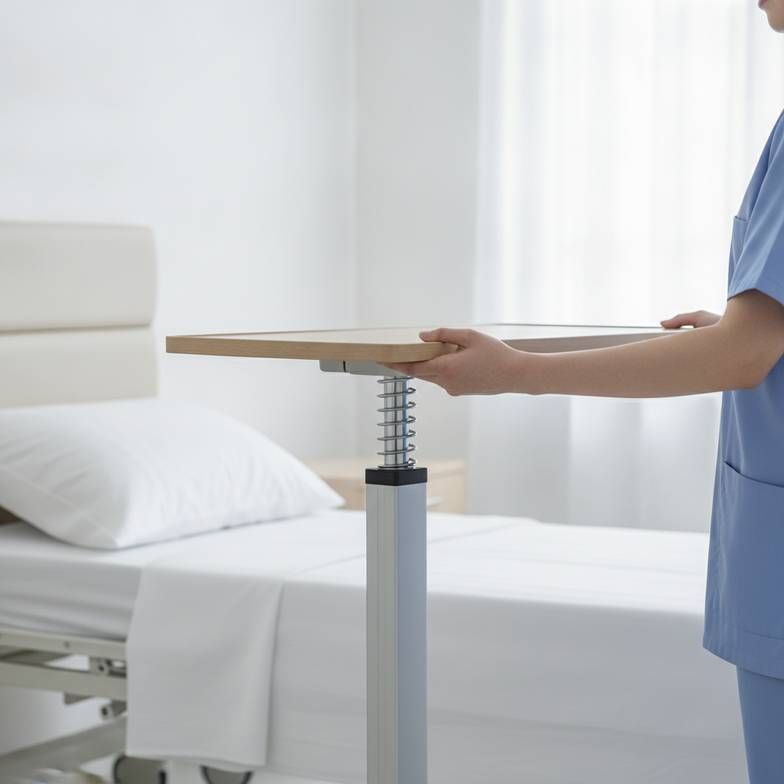
The Overbed Table: The most common problem I see is an overbed table that doesn't work with the bed. A contractor buys a cheap table, only to find its U-shaped base is too wide or too high to slide under the bed's chassis. A well-designed patient room furniture package ensures the C-shaped base of the table is low-profile and fits perfectly under the chosen bed model. Also, consider the height adjustment. A gas spring-assisted lift allows an elderly or weak patient to adjust it themselves. A manual crank or knob system may be too difficult for them to use without calling for a nurse.
Here’s a quick comparison of how these small details impact daily work:
| Feature | Low-Cost (Problematic) Design | Workflow-Optimized Design | Impact on Daily Operations |
|---|---|---|---|
| Bed Locking | Individual wheel locks | Central-locking system | Faster and safer for one nurse to move and secure the bed. |
| Cabinet Top | Lipped edge | Seamless, flat surface | Allows staff to wipe debris directly off the edge; faster cleaning. |
| Table Base | Wide, high H-base | Low-profile C-base | Fits easily under the bed without hitting the chassis or wheels. |
| Cabinet Handles | Protruding metal handles | Integrated, molded handles | Prevents snagging on IV lines and clothing; no seams to clean. |
When you start evaluating furniture this way, you realize that the "best" package is the one that removes friction from your staff's day.
Are You Asking the Right Questions About Your Patient Room Furniture Packages?
"What's the price of your 3-function electric bed?" and "Send me your standard bedside cabinet." As a buyer, you've probably asked these questions. They feel direct and efficient. But they lead you straight into the trap of comparing products on a superficial level, often resulting in a purchase that doesn't truly meet your needs.
To procure the right patient room furniture packages, you must shift from product-based questions to operational ones. The goal is to understand the daily realities of your hospital environment first, then find the furniture that best supports those activities.

From Product Checklist to Workflow Questionnaire
Instead of sending suppliers a simple list of items, start by analyzing your own needs. The answers to these questions will form a much more powerful and effective specification sheet. I always encourage my clients to think through these four perspectives:
1. For the Patient: Patient safety and comfort are paramount. The furniture should empower them where possible and keep them safe at all times.
- Instead of asking: "Do you have a low bed?"
- Ask yourself: "How can we reduce fall risk? Is the bed's lowest height setting suitable for an elderly patient to place their feet flat on the floor before standing?"
- Instead of asking: "What's the table size?"
- Ask yourself: "Can a patient in a weakened state easily pull the overbed table towards them and adjust its height without assistance?"
2. For the Nursing Staff: Nurses are the primary users of this equipment. Their efficiency and ergonomic safety are critical.
- Instead of asking: "Does the bed have electric back and leg adjustment?"
- Ask yourself: "During a code blue, how fast can we get the bed flat? Is there a CPR release lever? Are the side rail controls intuitive enough to use under pressure?"
- Instead of asking: "Is the cabinet on wheels?"
- Ask yourself: "Can one nurse move the cabinet easily and lock it securely? Are the drawers designed to stop before falling out when pulled open in a hurry?"
3. For the Cleaning Staff (EVS): Infection control is non-negotiable. Furniture design can either be an ally or an enemy in this fight.
- Instead of asking: "What is it made of?"
- Ask yourself: "How many seams, gaps, and right-angles are on this product where dirt and microbes can accumulate? Are all surfaces smooth, non-porous, and able to withstand our hospital's standard chemical disinfectants without degrading?"
4. For the Maintenance Team: Downtime is costly. Your maintenance team needs furniture that is durable and easy to service.
- Instead of asking: "What's the warranty?"
- Ask yourself: "How do we get spare parts? Are common wear items like casters, handsets, and bumpers easily replaceable with basic tools? Can the supplier provide a recommended spare parts list for a 2-year and 5-year horizon?"
By asking these workflow-based questions, you move the conversation from price to value. You create a specification that ensures you get a patient room furniture package that works in the real world, not just on a spreadsheet.
What Are the Risks of Sourcing a Patient Room Package from Multiple Suppliers?
You've done your research. You found a great price on beds from Supplier A, stylish cabinets from Supplier B, and cheap overbed tables from Supplier C. By splitting the order, it looks like you're optimizing your budget. But in my experience, this approach often creates a logistical nightmare that costs more in time, money, and stress than it saves.
Sourcing a patient room furniture package from multiple uncoordinated suppliers is one of the biggest risks a project contractor can take. It introduces problems with product compatibility, quality consistency, shipping and customs clearance, and after-sales support.

Real-World Failures from Uncoordinated Sourcing
These aren't theoretical problems. These are real situations I've helped clients navigate after their initial procurement plan went wrong.
Mini-Case 1: The Mismatched Dimensions A contractor I worked with for a 150-bed hospital project in West Africa was proud to have found beds for $50 less than our package price. They sourced the beds from one factory and overbed tables from another to save money. When the containers arrived on-site, they discovered the tables' U-shaped bases were two inches too high to slide under the bed frames. The entire shipment of 150 overbed tables was completely unusable with the beds they had purchased. The "savings" were instantly wiped out by the cost of air-freighting new, compatible tables to meet the project deadline.
Mini-Case 2: The Customs and Logistics Nightmare For a large hospital project in Southeast Asia, the client ordered furniture from three different suppliers to be consolidated at the port. Supplier A used standard plywood for crating. Supplier B used heat-treated solid wood. Supplier C used a mix. The shipping documents were a mess. When the container arrived, customs officials flagged it for having mixed, improperly declared wood packing materials. The container was held for inspection for over three weeks, delaying the entire hospital's opening and incurring significant demurrage fees.
Mini-Case 3: The Warranty Blame Game A distributor in Latin America sold a bed to a clinic, which they had sourced from a different factory than the mattress and side rails. Within six months, the bed's backrest actuator failed. The bed factory claimed the issue was caused by an improper mattress weight (from the other supplier). The mattress supplier said their product met industry standards. The clinic was stuck in the middle with a broken bed, and the distributor's reputation was damaged because they couldn't get a clear resolution.
Working with a single, experienced project partner like CareFurnex eliminates these risks. We ensure every piece in the patient room furniture package is compatible. We manage the production, quality control, and consolidation. We prepare one clean, consistent set of shipping documents. And most importantly, you have one point of contact for warranty and after-sales support. This coordination is a form of project insurance that is worth far more than any small savings gained by splitting orders.
Frequently Asked Questions
What is typically included in a patient room furniture package?
A standard package usually includes a hospital bed (manual or electric), a bedside cabinet, an overbed table, and a patient chair or visitor chair. Depending on the ward's needs, it can also include an IV stand, a ward screen, or a medical mattress. The key is to ensure all components are selected to work together.
How do I create a good specification for a tender?
Start with workflow, not just product names. Define the user (e.g., ICU, general ward, pediatrics), the required functions (e.g., CPR release, central locking), material durability (e.g., resistance to specific cleaning agents), and critical dimensions. We often help our clients build these tender documents to ensure they receive comparable and practical quotations.
Is it cheaper to buy patient room furniture items separately or as a package?
While buying individual items from different suppliers might seem cheaper initially, it often costs more in the long run. A package from a single project partner reduces risks of incompatibility, simplifies logistics, and provides a single point of warranty. The total cost of ownership is almost always lower with a coordinated package.
What certificates should I ask for when sourcing hospital furniture?
For patient room furniture, you should request to see documentation for quality management systems like ISO 9001. For specific products like electric beds, you may want to verify compliance with electrical safety standards relevant to your region, such as CE or FDA. Always treat these as documents to be verified.
Conclusion
Choosing the right furniture for your hospital is about more than just filling a room. It's about creating a safe, efficient, and durable environment for patients and staff. The most reliable way to achieve this is to move beyond a simple price-per-item checklist and adopt a workflow-first approach. By analyzing how the furniture will be used day-in and day-out, you can make informed decisions that prioritize long-term value over short-term savings.
Evaluating patient room furniture packages as a complete, integrated system helps you avoid the hidden costs of poor quality, the daily frustrations of mismatched components, and the logistical risks of uncoordinated sourcing. This strategic approach ensures your investment pays off for years to come in the form of lower maintenance costs, higher staff efficiency, and better patient outcomes.
If you are planning a hospital project and need to source practical patient room furniture packages from a reliable partner, contact us at CareFurnex. We can help you build a solution that works for your staff, your patients, and your budget.
Written by
CareFurnex Team
CareFurnex Team shares practical knowledge about hospital beds, patient room furniture, medical trolleys, clinic furniture, and healthcare facility procurement for international B2B buyers.
Related Products
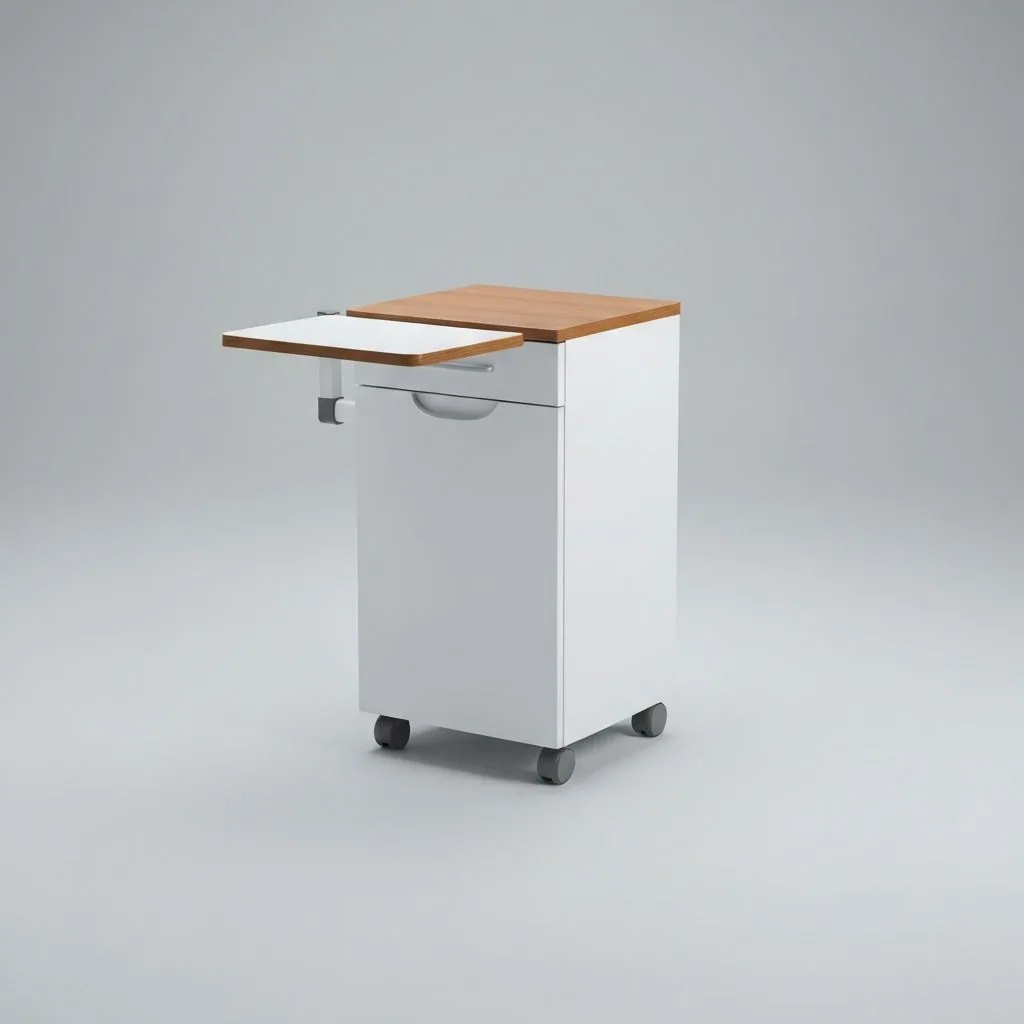
Hospital Bedside Cabinets
Bedside cabinets with drawers, storage, dining board options, and easy-clean materials.
View product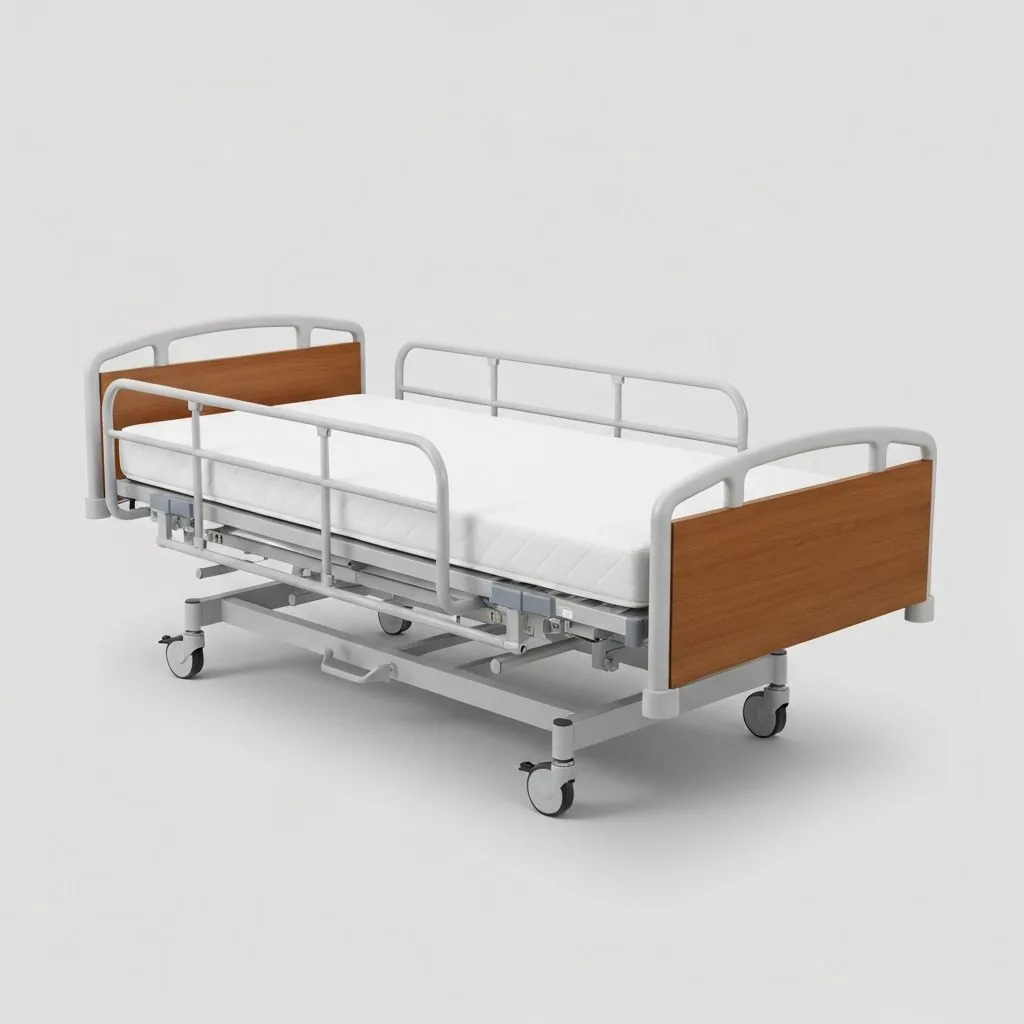
Hospital Beds
General-purpose patient beds for inpatient wards and standard hospital rooms.
View productElectric Hospital Beds
Motorized multi-function beds with electric height, backrest, and leg adjustment options.
View product