
Many buyers ask the wrong first question when they compare stainless steel hospital furniture.
They ask, “How much more expensive is stainless steel?”
But in real hospital furniture procurement, the better question is:
Where will this furniture be used, how often will it be cleaned, and what will happen if the material starts to rust after one or two years?
I often see two opposite mistakes in hospital projects. Some buyers choose stainless steel for almost every item because they believe it means “better quality.” Others avoid stainless steel because the unit price looks higher than powder-coated steel or ABS furniture. Both decisions can create problems.
Stainless steel hospital furniture is not automatically the best choice for every room. It is also not an unnecessary luxury. It should be selected by department use, cleaning method, moisture exposure, disinfectant contact, and expected service life.
Buyers should choose stainless steel hospital furniture for areas with high moisture, frequent chemical cleaning, strict hygiene control, or sterilization requirements, such as CSSD, operating rooms, laboratories, and wet utility areas. For general wards, waiting areas, nurse stations, and offices, stainless steel may be unnecessary unless the furniture has a specific hygiene or durability requirement.
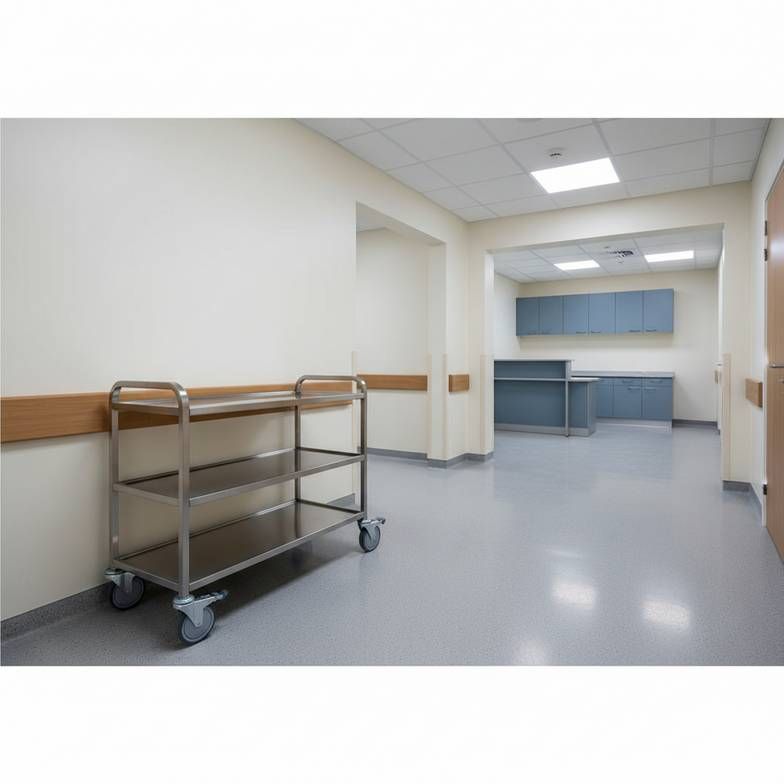
Why Do Buyers Often Choose the Wrong Material?
The main mistake is treating hospital furniture as one material decision. I would not decide stainless steel use by product name alone; I would first check the department, cleaning method, moisture exposure, and daily use condition.
The biggest mistake is treating “hospital furniture” as one product category.
In a real hospital project, a bedside cabinet, CSSD worktable, medicine trolley, treatment trolley, instrument cabinet, nurse station cabinet, and office storage cabinet do not face the same working conditions. But when buyers prepare a fast RFQ, they often write one simple material requirement for the whole list.
For example:
> “All furniture should be stainless steel.”
This sounds safe, but it can waste budget.
Or they write:
> “Use powder-coated steel to reduce cost.”
This sounds economical, but it can create rust, cleaning, and replacement problems in wet or sterile areas.
When we review hospital furniture lists, I usually do not start by checking the price. I first check the room name and use condition. Will the furniture be exposed to water? Will staff wipe it with disinfectant every day? Will it be used near sterilized instruments? Will it hold wet medical tools? Will it be moved often? These details decide whether stainless steel is necessary.
The correct logic is simple:
Do not choose stainless steel because it sounds premium. Choose it because the department environment requires it.
A Smarter Way to Review the Furniture List
Before asking suppliers for price, buyers should divide the project list into three groups:
| Procurement Group | Typical Areas | Material Decision |
|---|---|---|
| Must use stainless steel | CSSD, operating room, laboratory, wet utility room, sterilization area | Usually SS304 stainless steel |
| May need stainless steel | treatment room, procedure room, emergency area, high-cleaning departments | Depends on cleaning frequency, disinfectant exposure, and product use |
| Usually does not need stainless steel | general ward, waiting area, office, normal storage area | Powder-coated steel, ABS, wood-based furniture, or mixed materials may be more practical |
This simple grouping can prevent both over-specification and under-specification.
It also makes the quotation easier to compare because suppliers will know which items truly require stainless steel and which items can use a more cost-efficient material.
Which Departments Truly Need Stainless Steel Hospital Furniture?
Stainless steel is most useful in departments where moisture, cleaning chemicals, sterilization workflow, or hygiene risk can damage ordinary materials. It is not necessary for every hospital room.
A common buyer mistake is asking for one material standard across the whole hospital.
But a hospital is not one environment. It is a group of different working spaces. Some areas are dry and low-risk. Some areas are wet, chemical-heavy, and cleaned many times a day.
Stainless steel is most valuable when the furniture must resist moisture, disinfectants, corrosion, and frequent cleaning.
CSSD and Sterilization Areas
If there is one department where buyers should be careful, it is CSSD.
In CSSD areas, furniture may be exposed to moisture, steam, wet instruments, cleaning chemicals, and strict hygiene requirements. If the material rusts, the problem is not only appearance. Rust pits and rough surfaces become harder to clean.
This is why I usually recommend SS304 stainless steel for CSSD worktables, instrument racks, storage cabinets, washing tables, and related stainless steel carts.
A cheaper powder-coated option may look acceptable in a quotation, but the coating can become damaged over time. Once the surface is scratched or chipped, moisture can reach the metal underneath. After that, rust usually becomes a matter of time.
Operating Rooms and Procedure Rooms
In operating rooms, the main issue is not only durability. It is cleanability.
Furniture used in these areas must support frequent wipe-downs and strict hygiene control. Smooth stainless steel surfaces and properly polished welding joints are easier to clean than damaged painted surfaces or rough low-cost metal structures.
For operating rooms, buyers should pay attention to:
- instrument tables
- mayo stands
- stainless steel cabinets
- medical trolleys
- kick buckets
- waste bins
- surgical accessory carts
Here, the material choice should not be decided only by price. It should be decided by hygiene risk and cleaning frequency.
Laboratories
Laboratories may involve chemical exposure, spills, repeated cleaning, and contamination control.
For laboratory furniture, stainless steel can be necessary when the item is close to wet work, chemical handling, sample handling, or frequent cleaning. However, not every lab storage cabinet automatically needs to be stainless steel. Some areas may use other materials if the risk is low.
This is where buyers should ask the supplier to separate “critical use” items from normal storage items.
General Wards and Patient Rooms
This is where over-specification often happens.
Many buyers mark stainless steel for ward furniture because they believe it means higher quality. But for general patient rooms, stainless steel is not always the most comfortable or cost-effective option.
For example, bedside cabinets, overbed tables, wardrobes, and general storage furniture may use powder-coated steel, ABS, aluminum alloy, or wood-based medical furniture depending on the design, budget, and cleaning requirements.
The question is not:
> “Is stainless steel better?”
The better question is:
> “Does this product face enough moisture, disinfectant exposure, or hygiene risk to justify stainless steel?”
If the answer is no, stainless steel may increase the budget without improving daily use.
Department-Based Material Recommendation
| Hospital Department / Area | Main Working Condition | Better Material Choice | Buyer Risk If Wrong Material Is Used |
|---|---|---|---|
| CSSD / Sterilization | Moisture, steam, harsh cleaning, sterilized instruments | SS304 stainless steel | Rust, corrosion, hygiene risk, short service life |
| Operating Room | Frequent disinfectant cleaning, strict hygiene | SS304 stainless steel | Hard-to-clean surfaces, rust risk, hygiene concern |
| Laboratory | Chemical exposure, spills, repeated cleaning | SS304 stainless steel where needed | Corrosion, contamination risk, surface damage |
| Treatment Room | Moderate to high cleaning frequency | Stainless steel or powder-coated steel depending on use | Overpaying or choosing material that wears too fast |
| General Ward | Regular cleaning, patient use, moderate environment | ABS, powder-coated steel, mixed materials | Stainless steel may be over-spec |
| Waiting Area / Office | Low moisture, low clinical risk | Powder-coated steel, wood-based furniture, standard storage | High cost with little practical benefit |
A good hospital furniture supplier should help buyers make this separation before quoting, not simply quote every item with the most expensive material.
Why Are Two “Stainless Steel” Quotes Not Always Comparable?
Do not compare two stainless steel quotations by product name alone. The same name can hide different steel grades, thicknesses, welding quality, casters, accessories, and packing methods.
Another common mistake is comparing two quotations only by product name.
A buyer may receive two prices for a “stainless steel medical trolley.” One is 20% cheaper. On the surface, the lower price looks better.
But the product name does not tell you enough.
The real difference may be hidden in:
- stainless steel grade
- sheet thickness
- welding quality
- surface finish
- drawer slides
- caster quality
- handle structure
- edge treatment
- packaging protection
If these details are not written clearly, the cheaper quotation may not be cheaper at all. It may simply be a lower specification.
SS201, SS304, and SS316 Are Not the Same
In many hospital furniture projects, SS304 is the common choice for medical stainless steel furniture. It usually offers better corrosion resistance than SS201 and is more suitable for wet cleaning and disinfectant exposure.
SS201 is cheaper, but it is usually more vulnerable in humid or chemical-cleaning environments. If a supplier only writes “stainless steel” without confirming the grade, buyers should be careful.
SS316 may be used in more demanding corrosion environments, but it is not always necessary for normal hospital furniture. For most hospital furniture procurement, the key is not to choose the highest grade blindly. The key is to match the grade to the actual environment.
Welding Quality Matters More Than Many Buyers Expect
A stainless steel product can still fail if the welding is rough.
Poor welding creates small gaps, rough joints, and hard-to-clean corners. These areas can collect dirt, moisture, or cleaning residue. For hospital use, especially in sterile or wet departments, this is a serious issue.
When I check stainless steel furniture photos, I usually look at:
- whether the welding joints are smooth
- whether the corners are polished
- whether there are sharp edges
- whether the surface has scratches before delivery
- whether the frame looks stable
- whether the product is easy to clean
Good stainless steel furniture is not only about the metal sheet. It is about how the product is processed.

Small Components Can Become the Weak Point
A buyer may specify SS304 for the main body but forget the components.
This is a hidden problem.
For example, if a stainless steel trolley uses low-quality casters, ordinary screws, weak drawer slides, or poorly protected handles, the product may still fail in daily use. A trolley is not only a stainless steel frame. It is a working tool that staff push, pull, clean, load, and move every day.
Before confirming the order, buyers should ask about:
- caster material and size
- brake type
- drawer slide quality
- handle design
- load-bearing capacity
- screw and hardware material
- replacement parts availability
These details may look small in the quotation, but they decide whether the product works well after installation.
Why Can the Lowest Unit Price Become the Most Expensive Choice?
The lowest unit price is not always the lowest project cost. For stainless steel hospital furniture, packed size, CBM, welding structure, replacement risk, and export protection can change the real cost.
In paper straw export, many buyers focus too much on the freight quote and forget the final landed cost per straw. Hospital furniture procurement has a similar problem.
Many buyers focus on the unit price and forget the final landed cost per usable product.
For stainless steel hospital furniture, the hidden cost often comes from two places:
1. shipping volume 2. replacement risk
Shipping Volume Can Change the Real Cost
Many stainless steel furniture items are fully welded because the structure needs strength, hygiene, and stability. Fully welded products are usually stronger and easier to clean, but they also take more shipping space.
That means the CBM can be much higher than knock-down furniture.
A supplier may offer a lower unit price, but if the packing size is large, the final shipping cost may be higher. This is especially important for bulky items such as stainless steel cabinets, worktables, racks, and fully welded trolleys.
When buyers compare quotations, they should not only ask:
> “What is the unit price?”
They should also ask:
> “What is the packed size and total CBM?”
A quotation without packing dimensions is not complete.
Replacement Cost Is Often Ignored
The second hidden cost is replacement.
If a cheaper stainless steel grade rusts after two years, the buyer does not only pay for a new product. They may also face:
- removal cost
- replacement shipping cost
- project delay
- user complaints
- maintenance time
- hygiene concern
- reputation risk with the hospital client
This is why I do not recommend choosing stainless steel furniture only by the lowest price. The lowest unit price may hide lower material grade, thinner sheet, weaker welding, cheaper casters, or insufficient packaging.
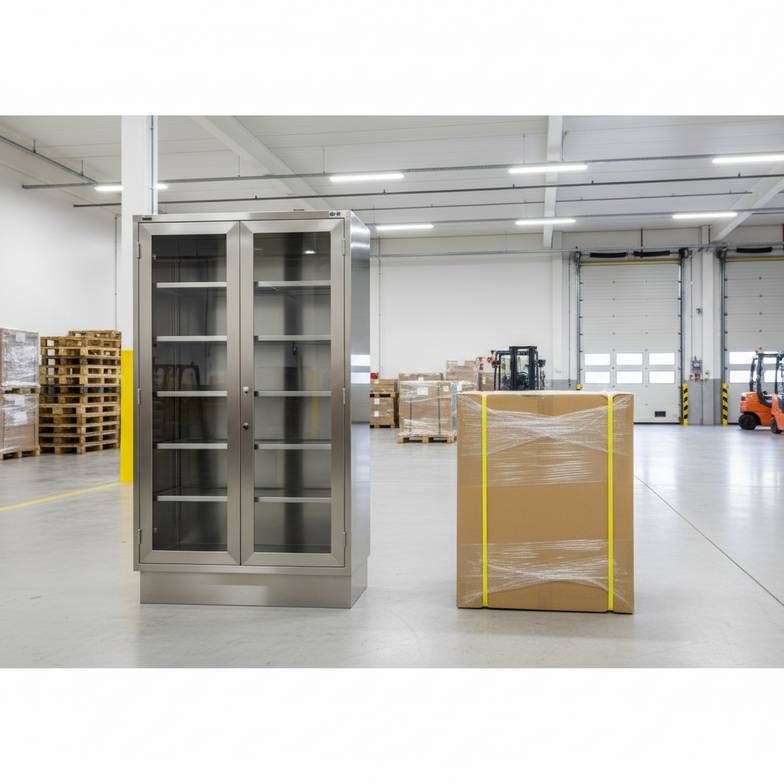
The Better Comparison Method
Instead of comparing only unit price, buyers should compare:
| Comparison Item | Why It Matters |
|---|---|
| Material grade | Decides corrosion resistance |
| Sheet thickness | Affects strength and service life |
| Welding quality | Affects cleanability and durability |
| Caster and hardware quality | Affects daily use and replacement risk |
| Packed size and CBM | Affects shipping cost |
| Packaging method | Affects scratches and dents during export shipping |
| Spare parts support | Affects long-term maintenance |
This gives buyers a more realistic view of the total cost.
What Should Buyers Write in the RFQ?
A vague RFQ creates vague quotations. I would not compare stainless steel hospital furniture prices until the RFQ defines material grade, structure, surface finish, hardware, packing data, and use scenario.
A vague RFQ creates vague quotations.
If the RFQ only says “stainless steel trolley,” suppliers may quote very different products. One supplier may quote SS304 with polished welding and medical casters. Another may quote SS201 with basic casters and thinner material.
The buyer may think they are comparing the same item, but they are not.
Weak RFQ Example
``text Stainless steel medical trolley, 2 layers, with wheels. ``
This is too general.
It does not define material grade, surface finish, welding quality, caster requirement, load-bearing requirement, or packing requirement.
Better RFQ Example
``text SS304 stainless steel medical trolley, 2 layers, brushed finish, smooth polished welding, rounded edges, medical-grade silent casters with brakes, suitable for frequent disinfectant wiping, packed with protective film, corner protection, and export carton. Please provide unit price, product size, packed size, gross weight, and total CBM. ``
This RFQ is much better because it forces the supplier to quote a clearer specification.
RFQ Details Buyers Should Confirm
Before asking for final price, buyers should confirm:
- product size
- stainless steel grade
- sheet thickness
- surface finish
- welding style
- edge treatment
- caster specification
- load-bearing requirement
- drawer slide or hinge quality
- packed size
- gross weight
- CBM
- export packaging method
- spare parts availability
This does not make the buying process more complicated. It makes the quotation safer.
A professional supplier should be able to answer these questions clearly.
What Packaging Details Matter for Stainless Steel Hospital Furniture?
Packaging should be confirmed before the order, not after production. Stainless steel furniture can be made with the right material but still arrive with scratches, dents, or damaged corners if export packing is weak.
Many buyers spend time checking material grade, but they forget packaging.
For stainless steel furniture, this is risky.
Stainless steel surfaces can be scratched during production, handling, loading, or international shipping. A product may be made from the correct material, but if it arrives with scratches, dents, or damaged corners, the buyer still has a problem.
This is especially important for export orders.
When preparing stainless steel furniture for international shipment, the packaging should protect both the surface and the structure. Buyers should not assume this is included unless the supplier confirms it.
Packaging Points to Check
| Packaging Detail | Why Buyers Should Check It |
|---|---|
| Protective film | Helps reduce surface scratch risk |
| Foam or corner guards | Protects corners and edges |
| Reinforced carton or wooden case | Reduces damage during long-distance shipping |
| Pallet loading plan | Helps prevent crushing and unstable stacking |
| Clear shipping marks | Helps warehouse handling and project sorting |
| Packed size and gross weight | Needed for freight calculation |
If the product is fully welded, packaging becomes even more important because the item is bulkier and harder to protect than flat-packed furniture.
For project orders, buyers should ask for packaging photos or a packing method description before confirming mass production.
What Questions Should Buyers Ask Before Confirming the Order?
Before placing the purchase order, move from price comparison to risk checking. A stainless steel quotation is not complete until the supplier confirms material, structure, hardware, packing, and shipping data in writing.
Before placing the purchase order, buyers should move from “price comparison” to “risk checking.”
A reliable supplier will not be afraid of detailed questions. In fact, detailed questions usually make the project clearer for both sides.
Stainless Steel Hospital Furniture Supplier Checklist
Use this checklist before confirming the order:
- [ ] Has the supplier confirmed the stainless steel grade in writing?
- [ ] Is SS304 used for wet, sterile, or high-cleaning departments?
- [ ] Has the supplier explained whether SS201, SS304, or SS316 is being quoted?
- [ ] Is the sheet thickness clearly stated?
- [ ] Are welding joints smooth and polished?
- [ ] Are corners rounded or safely finished?
- [ ] Are the casters suitable for hospital use?
- [ ] Are screws, handles, hinges, and drawer slides corrosion-resistant?
- [ ] Is the surface finish clearly described?
- [ ] Does the quotation include product size, packed size, gross weight, and CBM?
- [ ] Has the supplier described the export packaging method?
- [ ] Are replacement parts available if casters, slides, or accessories need to be changed later?
If a supplier cannot answer these questions, the quotation is not complete.
It may still be a price, but it is not a safe procurement decision.
When Should Buyers Avoid Stainless Steel?
Buyers should avoid stainless steel when the area is dry, low-risk, and does not require frequent chemical cleaning or corrosion resistance. The goal is not to use the most expensive material; the goal is to use the correct material in the correct department.
This part is just as important as knowing when to choose it.
Stainless steel is not always the best choice. In some areas, it may increase the budget without adding real value.
Buyers may avoid stainless steel when:
- the area is dry and low-risk
- the furniture is not exposed to moisture
- the product is mainly for storage or office use
- patient comfort and appearance matter more
- the furniture does not need frequent chemical cleaning
- ABS or powder-coated steel can meet the daily use requirement
- the project budget should be used for more critical departments
For example, using stainless steel for every bedside cabinet in a general ward may not be necessary. A well-designed ABS or powder-coated bedside cabinet may be more suitable for patient rooms because it can offer better appearance, lighter weight, easier color matching, and lower cost.
The real goal is not to use the most expensive material.
The real goal is to use the correct material in the correct department.
How CareFurnex Helps Buyers Make the Right Material Decision
At CareFurnex, when a buyer sends a hospital furniture list, we do not only look at product names. We review department use, cleaning environment, product function, mobility needs, material requirements, and export packing before treating the quotation as final.
When a buyer sends us a hospital furniture list, we do not only look at product names.
We check the department use, cleaning environment, product function, mobility needs, and export requirements. Then we help the buyer separate the items that truly need stainless steel from the items where powder-coated steel, ABS, aluminum alloy, or other materials may be more practical.
This helps buyers avoid two common problems:
1. overpaying for stainless steel where it is not needed 2. choosing a cheaper material where stainless steel is actually necessary
For stainless steel hospital furniture, CareFurnex can help buyers review:
- material grade
- department suitability
- product structure
- welding and surface finish
- caster and hardware details
- packaging method
- CBM and shipping impact
- RFQ specification clarity
If you are preparing a hospital furniture procurement list, you do not need to mark every item as stainless steel. Send the room list, department use, product quantity, and cleaning requirements. A clearer project list makes it easier to recommend the right material, control cost, and reduce problems after delivery.
Final Thought
Stainless steel hospital furniture should not be selected by habit, fear, or unit price alone.
It should be selected by real use conditions.
Use it where moisture, disinfectants, sterilization, and hygiene risk make it necessary. Avoid it where another material can perform well at a lower cost. And before comparing prices, make sure every supplier is quoting the same material grade, structure, packaging method, and shipping data.
That is how buyers move from a simple price comparison to a safer hospital furniture procurement decision.
Written by
CareFurnex Team
CareFurnex Team shares practical knowledge about hospital beds, patient room furniture, medical trolleys, clinic furniture, and healthcare facility procurement for international B2B buyers.
Related Products
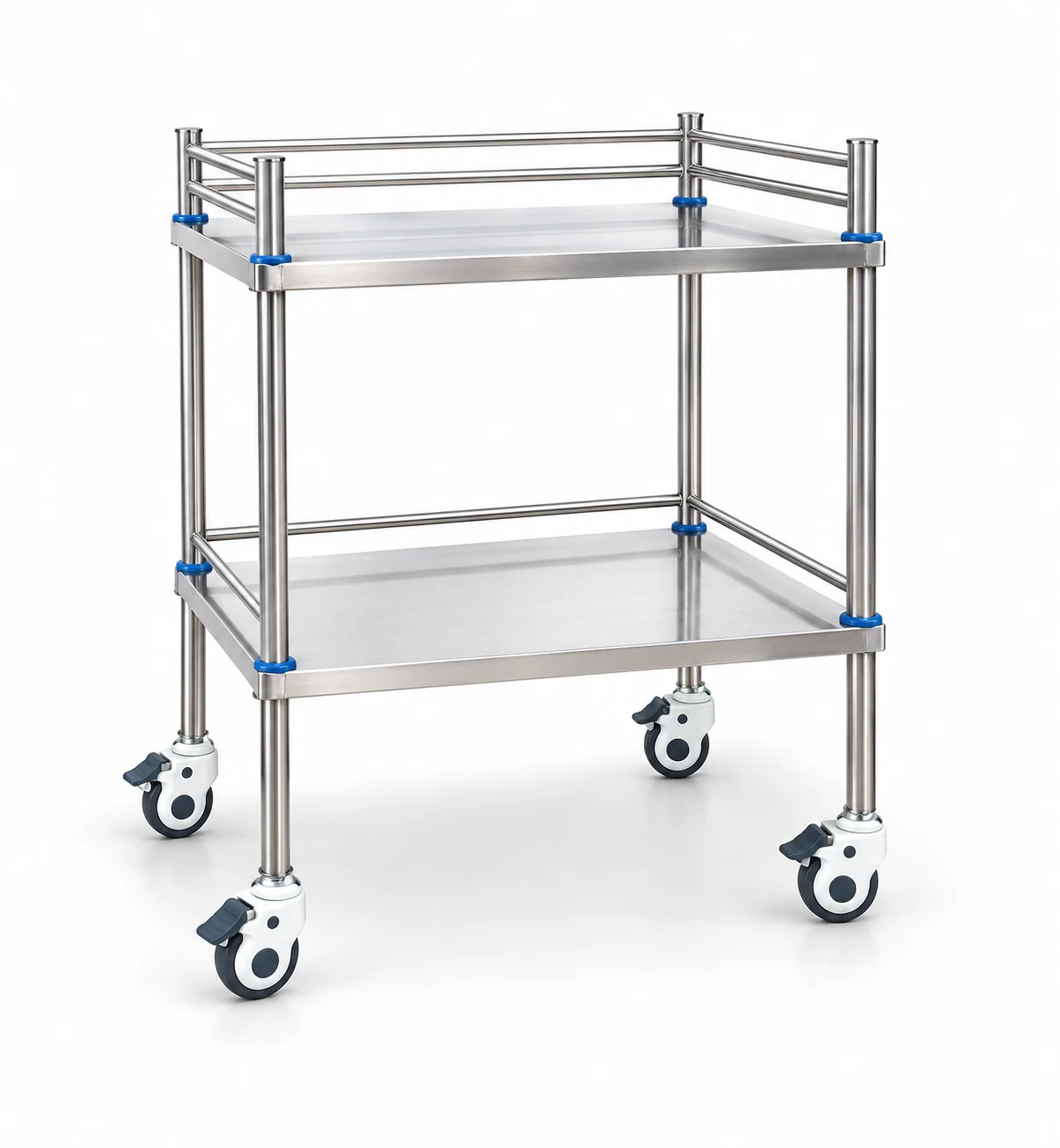
Stainless Steel Medical Furniture
Durable stainless-steel carts, tables, instrument stands, and storage units for clinical spaces.
View product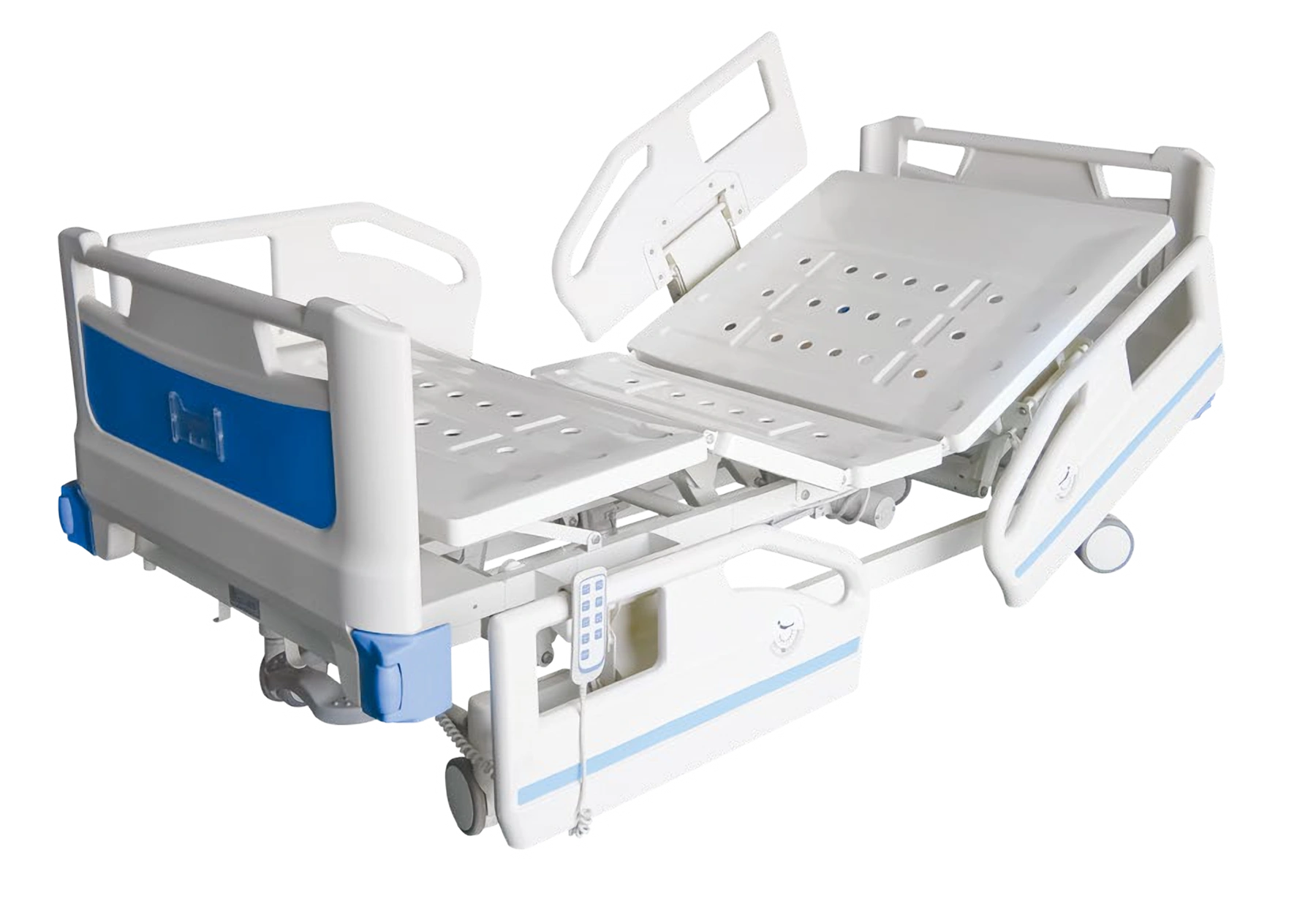
Hospital Beds
General-purpose patient beds for inpatient wards and standard hospital rooms.
View product
Ward Furniture
Complete ward furniture options for patient rooms and hospital care areas.
View product