
Sourcing a reliable portable folding stretcher can feel like a guessing game. You're faced with dozens of options, all claiming high capacity and durability, yet the prices vary wildly. The problem is that spec sheets often look identical, making it tempting to choose the cheapest option. This can lead to equipment that fails prematurely, puts operators at risk, and ultimately costs more in replacements and liability. The solution is to look beyond the headline numbers and understand the critical components that define a stretcher’s true performance and value.
A quality portable folding stretcher is defined by a complete system, not a single feature. The right choice combines a well-engineered frame (with strong joints and appropriate bracing), a durable and easy-to-clean fabric (like coated Oxford cloth), and ergonomic handles that ensure operator safety. Its stated loading capacity must be a realistic outcome of this integrated design, not just a number on a spec sheet.
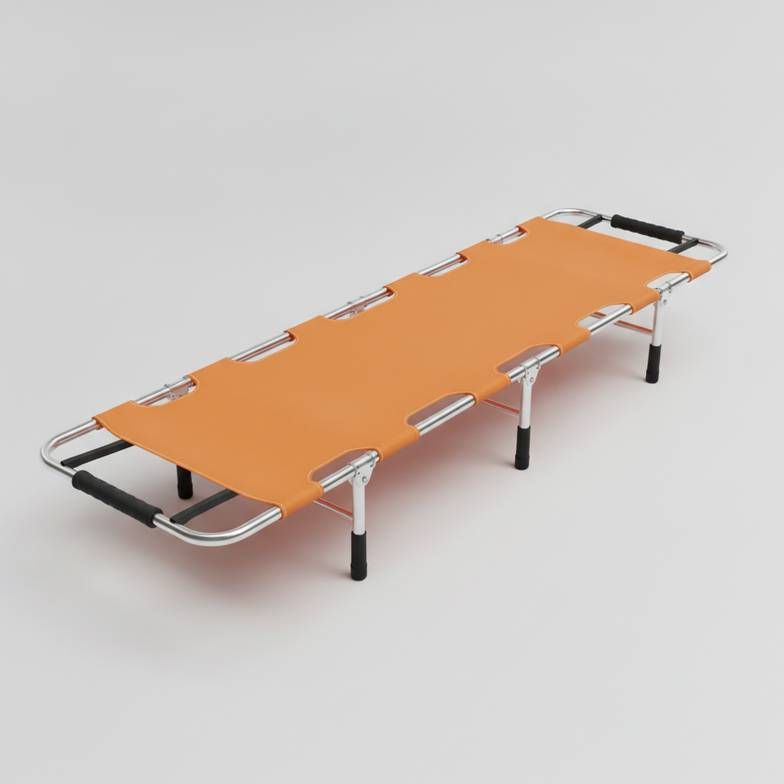
Now that we have the high-level answer, let's dive deeper. Many buyers get fixated on the frame material—aluminum versus steel—as the primary indicator of quality. But from our experience handling project inquiries, the most common and costly failures happen elsewhere. Let’s break down what truly matters.
Is a Heavier Frame the Only Way to Get a Higher Loading Capacity?
You're reviewing quotes and see a portable folding stretcher with a 200kg capacity claim, which seems impressive. The natural assumption is that it must be incredibly robust. But what happens if that stretcher's frame starts to bow or, worse, a critical joint fails at a much lower weight during actual use? This is a frequent and expensive procurement risk.
No, a higher loading capacity is achieved through intelligent structural design, not simply by using heavier or thicker materials. The quality of the welds, the strength of the folding joints, and the strategic placement of cross-bracing are far more critical than the raw material choice alone when evaluating a portable folding stretcher.
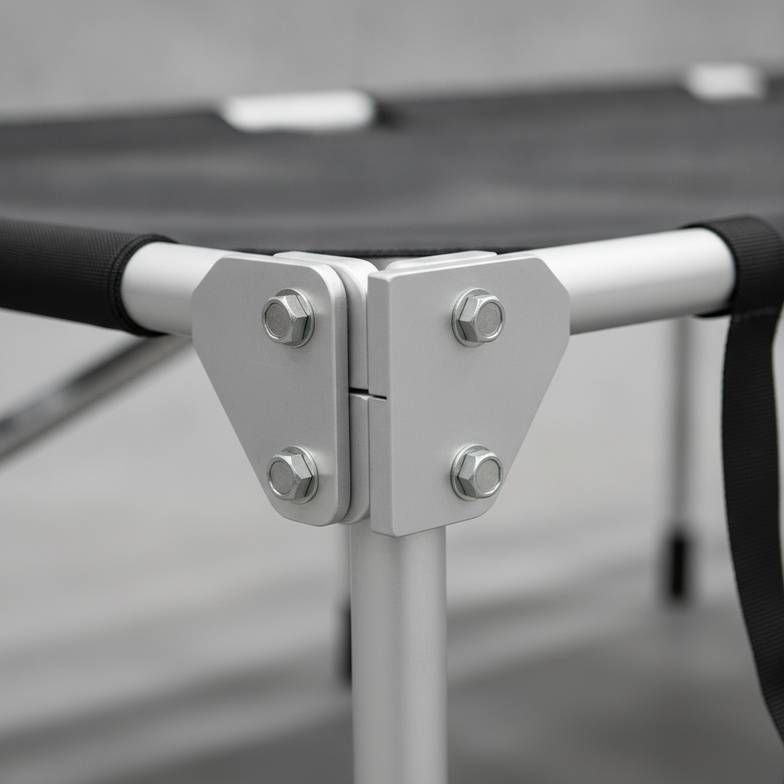
From a sourcing perspective, the "loading capacity" number is the result of the design, not the cause of its strength. I've handled feedback from projects where stretchers failed not because the main aluminum tube bent, but because a poorly made pivot joint gave way. This is why a critical eye on the construction details is essential.
Aluminum vs. Steel: The Real Trade-Off
A frequent question from procurement managers is whether to choose aluminum alloy or steel. There is no single "best" answer; it's a trade-off based on your priorities.
- Aluminum Alloy: Its primary benefit is its high strength-to-weight ratio. This makes the stretcher lighter and easier for staff to carry. It's also naturally corrosion-resistant. However, "aluminum alloy" is a broad term. Higher-grade alloys (like those used in aerospace) are stronger but more expensive. For a buyer, the important questions for a supplier are, "What is the specific alloy grade?" and, more practically, "What is the wall thickness of the frame tubing in millimeters?"
- Steel: Steel is typically stronger and less expensive than aluminum, allowing for very high load capacities at a lower cost. The main drawbacks are weight and susceptibility to rust. A powder-coated or chrome-plated finish is essential to prevent corrosion, but scratches can compromise this protection. Steel-framed stretchers are often a good choice for settings where a slightly higher weight is acceptable in exchange for maximum durability and a lower budget.
Why "Loading Capacity" Can Be Misleading
The loading capacity listed in a brochure is almost always a static load, measured under ideal laboratory conditions. This means the weight was placed carefully on a stationary, horizontal stretcher. It does not account for the dynamic stresses of carrying a moving patient, bumping into a doorframe, or navigating stairs.
A reputable manufacturer tests to established standards like EN 1865, which includes various load tests to ensure a margin of safety. As a buyer, you should ask your supplier if their products conform to any international standards. A supplier confident in their product should be able to provide testing data, certificates, or at least a video demonstrating the stretcher under load.
Structural Elements to Scrutinize
To assess the true strength of a portable folding stretcher, look at these details. I often ask our engineering team to provide close-up photos of these areas for discerning clients.
| Feature | Low-Cost Stretcher | High-Durability Stretcher | Procurement Question to Ask |
|---|---|---|---|
| Joints | Simple riveted hinge | Reinforced, welded, or bolted joint | "Can you show me a close-up of the main folding joints?" |
| Bracing | Minimal or no cross-bracing | X-frame or multiple cross-braces | "How many cross-braces support the frame under load?" |
| Material | Thinner gauge steel/aluminum | Thicker gauge, higher-grade alloy | "What is the wall thickness of the frame tubing in millimeters?" |
| Feet/Wheels | Hard plastic plugs | Non-slip rubber feet or durable casters | "What material are the feet made of, and are they replaceable?" |
What's More Important for a Portable Folding Stretcher: Fabric Strength or Cleanability?
Imagine you've selected a portable folding stretcher based on its super-strong, high-denier fabric. It seems like a durable choice. But a few months into service, your cleaning staff reports that it's permanently stained, difficult to disinfect, and the waterproof coating is starting to flake off, creating a hygiene risk.
Both strength and cleanability are vital, but the decision must be guided by your facility's specific cleaning protocols and expected use. The fabric's base material, like high-denier Oxford cloth, provides tear resistance, but its cleanability and fluid-proofing depend entirely on the quality of its coating (e.g., PVC or PU). This coating is the true factor to evaluate for long-term performance.
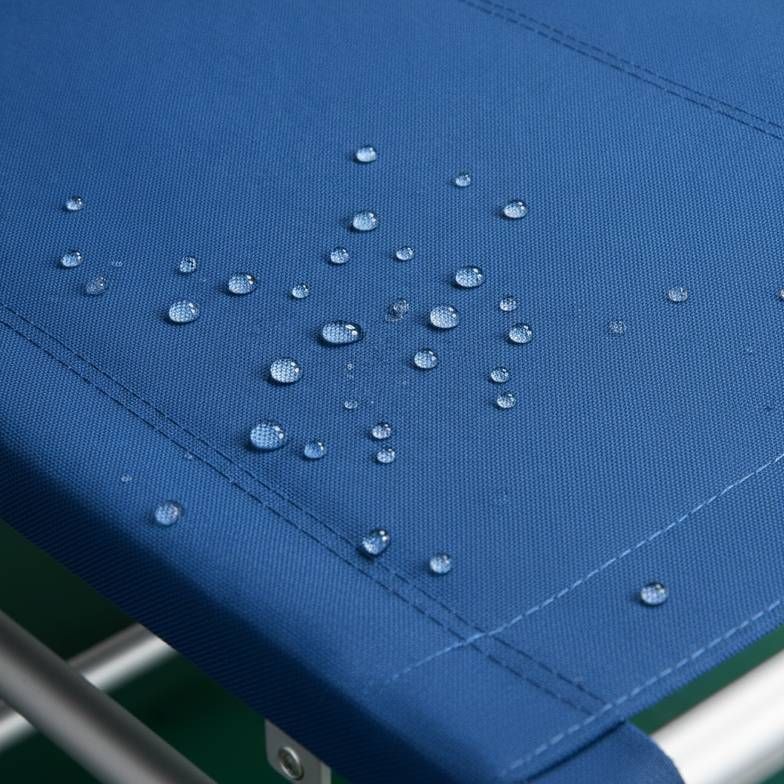
In our B2B communications, we often find that buyers focus on the "D" rating of the fabric but neglect to ask about the coating. This is a critical oversight, as the coating is often the first point of failure and directly impacts infection control.
Deconstructing "Oxford Cloth"
Most folding stretcher fabrics are a type of Oxford cloth, a durable woven fabric. Its strength is often indicated by a denier (D) rating, like 400D or 600D.
- Denier (D): This is a unit of measurement for the linear mass density of fibers. In simple terms, a higher denier number means thicker, sturdier threads. While a 600D fabric is generally more robust than a 400D fabric, it doesn't tell the whole story. A poorly woven, high-denier fabric can be less durable than a well-constructed, lower-denier one.
The Role of Coatings (PVC vs. PU)
The raw fabric itself is not waterproof or stain-proof. That functionality comes from a coating applied to one side. The two most common coatings are PVC and PU.
- PVC (Polyvinyl Chloride): This coating creates a thick, rubbery, and highly durable layer. It is excellent for waterproofing and is very easy to wipe clean. The downside is that it can be stiffer, heavier, and may become brittle and crack over time, especially in cold temperatures or with repeated, sharp folding.
- PU (Polyurethane): This coating is lighter, more flexible, and softer than PVC. It maintains its flexibility better in the cold. However, it may be slightly less resistant to abrasion and harsh cleaning chemicals compared to a thick PVC coating.
The choice depends on your needs. For high-turnover emergency services where stretchers are frequently exposed to body fluids and aggressive cleaning, a robust PVC-coated fabric is often preferred. For general transport or first-aid stations, a more flexible PU-coated fabric might be sufficient.
Maintenance, Lifespan, and Your Supplier
It is crucial to view the fabric top as a consumable component with a finite lifespan, much like the tires on a vehicle. From project feedback, we know that fabric is far more likely to require replacement than a well-made frame. A smart procurement strategy involves planning for this.
Before purchasing a portable folding stretcher, ask the supplier these key questions:
- What is the fabric's denier rating and what is the base material?
- What type of coating is used (PVC or PU)?
- Is the fabric certified as fire-retardant or biocompatible?
- Can I purchase replacement fabric tops separately in the future?
A "yes" to the last question can significantly lower the total cost of ownership by allowing you to replace a worn-out fabric top while continuing to use the durable frame.
Why Do Handles Matter So Much on a Portable Folding Stretcher?
You've sourced a batch of stretchers that tick all the boxes on paper—correct material, right capacity, good price. But soon after deployment, you get feedback from clinical staff. They complain the handles are uncomfortable, slippery when wearing gloves, and don't feel secure, increasing both user fatigue and the perceived risk of an accident.
Handles are the primary point of contact between the operator and the patient-loaded stretcher. They directly impact user safety, ergonomics, and control. A well-designed handle with a non-slip grip, adequate length, and a secure locking mechanism is not a luxury; it is essential for preventing operator strain and reducing the risk of dropping a patient.
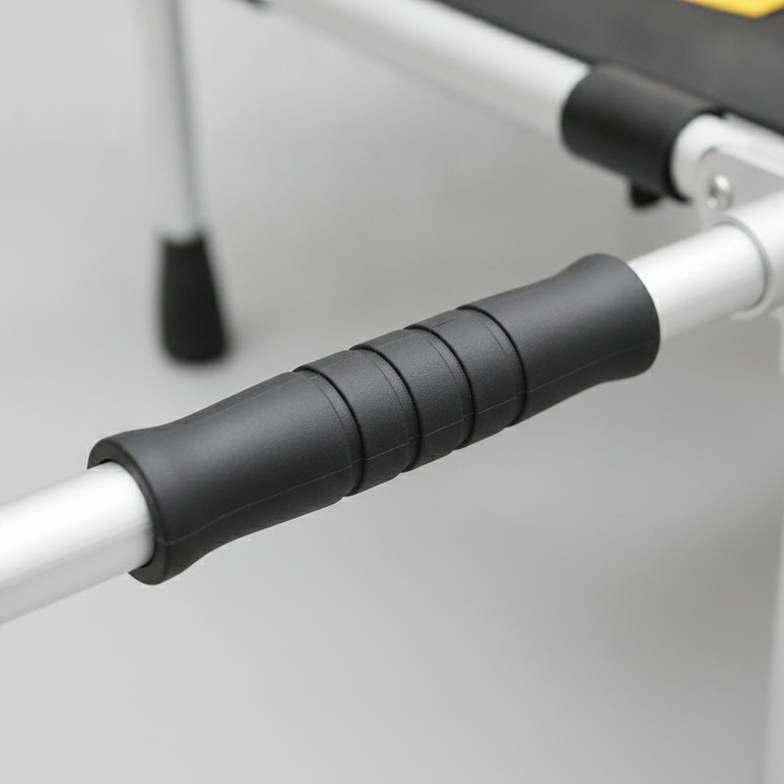
This is one of the most common pieces of post-delivery feedback we receive. End-users interact with the handles on every single call, and a poor design is a constant source of frustration and risk. For procurement managers, specifying a better handle is one of the easiest ways to improve user satisfaction and safety.
Grip Material and Ergonomics
The difference between a hard, molded plastic grip and a textured rubber grip is night and day for an operator.
- Plastic Grips: These are inexpensive to manufacture but can become very slippery when wet or when operators are wearing latex or nitrile gloves. Their hard surface can cause discomfort and hand fatigue over time.
- Rubber or Foam Grips: A textured, non-slip rubber provides a much more secure hold. It offers better friction and a more comfortable feel, reducing the grip force required to control the stretcher. This is a critical safety feature, not just a comfort upgrade.
Handle Length and Leverage
The design of the handles on a portable folding stretcher can be either fixed or telescopic (extendable). Telescopic handles offer a significant ergonomic advantage. Extending the handles moves the operators further away from the stretcher bed, which:
- Prevents Bumping: It stops operators from kicking the stretcher frame as they walk.
- Improves Leverage: Longer handles provide better leverage and control, making it easier to lift and maneuver the stretcher, especially on stairs or around tight corners.
- Accommodates Different Operator Heights: It allows operators of different heights to find a comfortable and safe carrying position.
The Importance of a Secure Lock
For telescopic handles, the locking mechanism is a critical safety component. I've seen low-cost models with simple spring-loaded pins that feel flimsy and can be difficult to engage, especially under pressure. A robust, positive-locking mechanism that clicks securely into place is non-negotiable. From a sourcing perspective, don't just trust a photo. Ask your supplier for a short video demonstrating how the handles extend, lock, and retract. A confident supplier will be happy to provide this. This simple check can prevent a major safety issue down the line.
Frequently Asked Questions
How is the loading capacity of a portable folding stretcher tested?
Reputable manufacturers test loading capacity according to industry standards, such as EN 1865. This often involves static tests (placing a heavy, distributed weight on the stretcher) and dynamic tests to simulate real-world stress. The advertised capacity should have a built-in safety factor, but always ask your supplier for their testing methodology.
Can the fabric on a folding stretcher be replaced?
On many high-quality models, yes. The fabric top is often attached to the frame with screws or a sleeve system, allowing it to be removed and replaced. This is a critical question to ask before buying, as it dramatically extends the stretcher's service life and lowers the total cost of ownership.
What is the main difference between an ambulance stretcher and a simple folding stretcher?
An ambulance stretcher (or wheeled cot) is a complex piece of equipment with wheels, legs, and multiple adjustment mechanisms for height and patient positioning. A portable folding stretcher is a much simpler, lighter device designed for short-distance patient transport, extraction from tight spaces, first aid, or as a backup/mass casualty solution.
Are aluminum or steel stretchers better?
Neither is inherently "better"; they serve different needs. Aluminum is lighter, more portable, and corrosion-resistant, making it ideal for mobile teams. Steel is often stronger for a given cost and very durable, but heavier. It's a trade-off between portability, budget, and maximum strength requirements.
Conclusion
Ultimately, selecting the right portable folding stretcher is not about finding a single "best" material but about matching the complete system to your operational reality. A smart procurement decision looks beyond the headline claims on a spec sheet. It involves scrutinizing the frame's structural engineering, verifying the fabric coating's suitability for your cleaning protocols, and appreciating the critical role of ergonomic handles in operator safety. By understanding the interplay between these components, you can minimize procurement risks and source equipment that provides real long-term value, safety, and reliability.
For help specifying the right portable folding stretcher for your hospital project, tender, or distribution business, contact the CareFurnex team. We are here to provide the detailed specifications and project support you need to source from China with confidence.
Written by
CareFurnex Team
CareFurnex Team shares practical knowledge about hospital beds, patient room furniture, medical trolleys, clinic furniture, and healthcare facility procurement for international B2B buyers.
Related Products
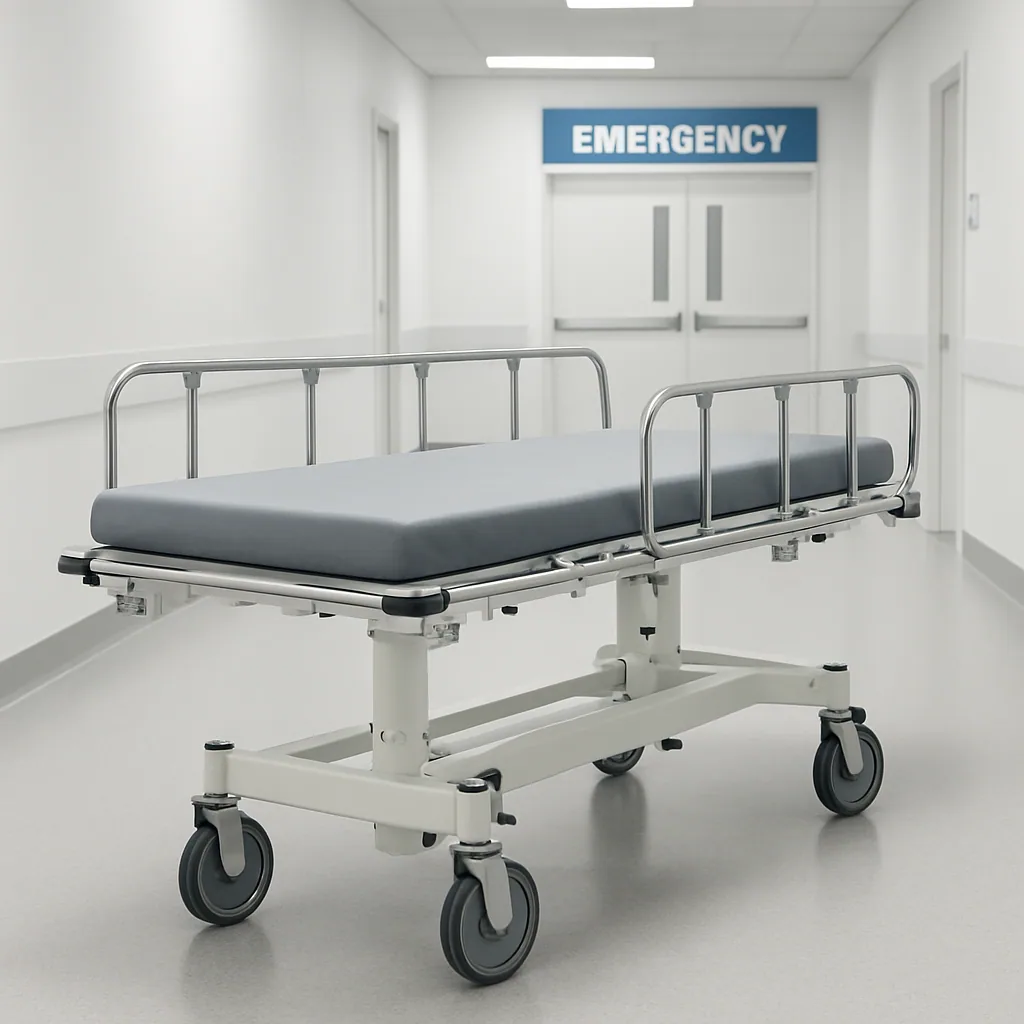
Hospital Stretchers
Patient transfer stretchers for emergency rooms, wards, clinics, and healthcare projects.
View product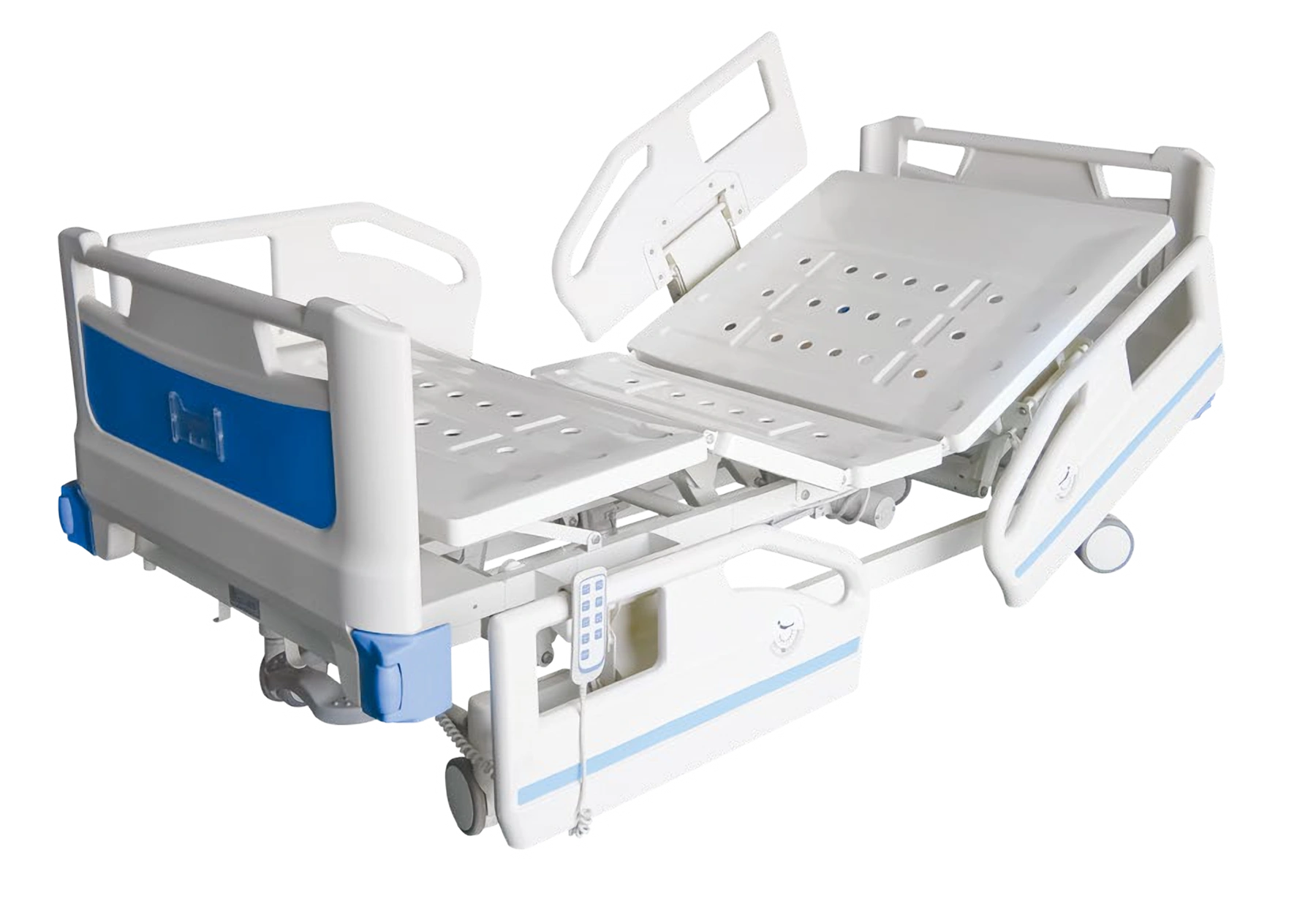
Hospital Beds
General-purpose patient beds for inpatient wards and standard hospital rooms.
View product
Ward Furniture
Complete ward furniture options for patient rooms and hospital care areas.
View product