
Feeling nervous about after-sales support for imported hospital furniture? You’re a project contractor, and you see a supplier offering a 5-year warranty. It seems like a safe bet. But then you imagine a critical part failing on an ICU bed weeks after handover, with your supplier thousands of miles away. Suddenly, that long warranty feels hollow, and your project's reputation is on the line. The solution is to dig deeper and evaluate the practicality of a supplier's support system before you ever sign a purchase order.
The real risk in sourcing hospital furniture from overseas isn't a short warranty; it's an unenforceable one. Your evaluation should shift from asking "how long is the warranty?" to "how does your warranty process actually work?". The best way to manage risk is to proactively test your supplier's after-sales capability by requesting a priced spare parts list and a clearly defined claim process before committing to an order.

This might sound like extra work, but it's one of the most important due diligence steps you can take. A supplier's response to these requests tells you everything you need to know about their professionalism and long-term reliability. Let's break down how you can move from hoping for the best to building a solid, predictable support plan.
Is a Longer Warranty Always Better for Imported Hospital Furniture?
It's easy to get drawn in by a long warranty period. A supplier promising five or even ten years of coverage seems confident and reliable, right? But I've seen this go wrong too many times. When a simple locking mechanism on a medicine trolley fails, vague promises of "support" won't get a replacement part through customs or get that trolley back in service. The real value is in the process, not the number.
A longer warranty is not always better. An enforceable 2-year warranty with a clear, step-by-step claims process is far more valuable to a project contractor than a vague 5-year promise with no practical way to get a spare part from the factory to your hospital site.
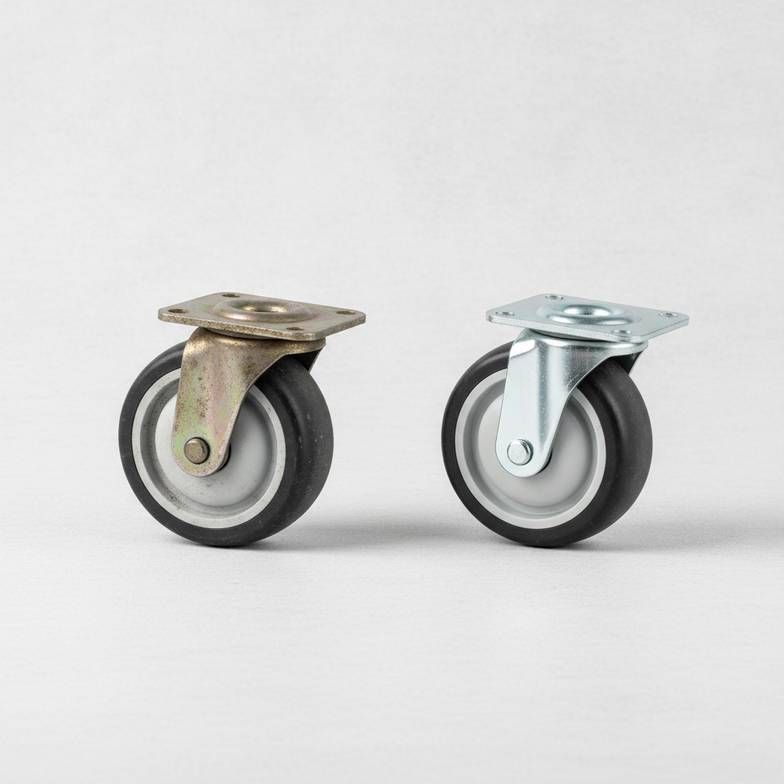
From Warranty Duration to Warranty Enforceability
When I talk to project contractors, their first question is often about the warranty period. I always steer them toward a more important question: "If something breaks, what happens next?" This is where the idea of an enforceable warranty comes in.
An unenforceable warranty is a promise on paper that is logistically impossible to claim. Think about it:
- Diagnosis: How will the supplier diagnose the problem from another continent?
- Shipping: Who pays for the new part? More importantly, who pays for the international air freight, which can often cost more than the part itself?
- Customs: Who handles customs clearance and any associated duties for the replacement part?
- Installation: Who will physically install the new part once it arrives?
A professional supplier has answers to these questions. A high-risk supplier will just say, "Don't worry, we will support you." That's a red flag.
The "What If" Test for Suppliers
The best way to see if a warranty is enforceable is to test the supplier with a hypothetical scenario. Before you place an order, run this by their sales team:
> "Let's imagine that 14 months after delivery, the gas spring on one of our overbed tables fails. The table won't stay elevated. What are the exact steps we need to take to get this fixed under warranty? Please describe the process from start to finish."
A professional supplier's response should look something like this:
- Report: "You would send our support team an email with the original PO number and a short video showing the failure."
- Diagnosis: "Our engineer will review the video within 24 hours to confirm it's a component defect."
- Action: "Once confirmed, we will ship a new gas spring via DHL within 48 hours, free of charge. We will cover the shipping cost since it's a clear warranty issue."
- Support: "We will provide you with a tracking number and a PDF instruction guide showing how to replace the part."
A vague answer is a major risk. If they can't give you a clear process, they don't have one.
How Can You Proactively Manage After-Sales Support for Imported Hospital Furniture?
Waiting for a part to fail on critical equipment is a recipe for disaster. It creates project delays, generates stress, and damages your relationship with the end-user—the hospital. Imagine telling a ward manager that their brand-new emergency cart is out of commission for a month because you're waiting for a single caster wheel to arrive from China. The best approach is to prepare for the most common failures from day one.
You can proactively manage after-sales support for imported hospital furniture by requesting a priced spare parts list before you finalize the order. Even better, purchase a small "initial spare parts package" to ship with your main order. This simple step converts a future operational crisis into a manageable, upfront cost.
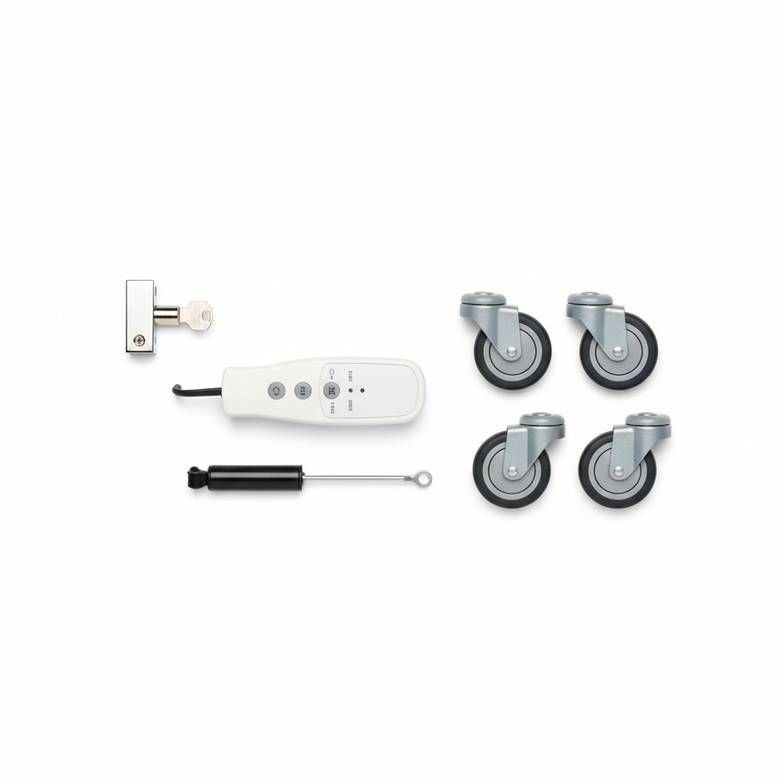
The Power of a Priced Spare Parts List
Asking for a priced list of common spare parts is my favorite test for any new supplier.
- It reveals their professionalism. A serious, experienced manufacturer has this document ready. It shows they understand their products' lifecycle and have planned for long-term maintenance. A supplier who has to "check" or takes weeks to produce this list probably hasn't thought about it, which is a bad sign.
- It separates warranty from maintenance. The list should clearly differentiate between what's a warranty item (like a faulty motor) and what's a wear-and-tear part (like a plastic bumper or a caster). This helps you clarify with the hospital that not every replacement is "free."
- It allows for future budgeting. With a priced list, you can plan and budget for long-term maintenance needs, which adds value to your project proposal.
Building Your Initial Spare Parts Package
Instead of seeing it as an extra cost, think of an initial spare parts package as project insurance. The cost of having one ICU bed out of service for three weeks is far greater than the cost of having a spare handset controller on hand.
When I work with contractors, we build a small package based on the most common failure points. A good supplier can help you with this.
Here’s an example for an order of 50 electric beds and 20 medical trolleys:
| Product | Common Failure or Wear Point | Recommended Spare Part | Suggested Quantity |
|---|---|---|---|
| Electric Hospital Bed | Handset Controller | Handset Controller | 2 pcs |
| Electric Hospital Bed | Actuator Motor | Bed Motor (Head/Foot) | 1 pc |
| Medical Trolley | Casters | Complete Caster Set | 1 set (4 pcs) |
| Overbed Table | Gas Spring | Gas Spring | 2 pcs |
| Bedside Cabinet | Drawer Lock | Lock & Key Set | 3 sets |
Having these parts on-site means a repair that could take a month can now be done in an hour. This demonstrates incredible foresight and reliability to your client.
What Is Your Role in a Successful After-Sales Support Partnership?
It’s easy to think that the supplier is 100% responsible for fixing any problem that arises. However, a supplier in China can't magically send a technician to your hospital in another country. Believing this fantasy sets you up for disappointment and project delays. A successful after-sales support for imported hospital furniture is a two-way street that relies on clear expectations and your own local capabilities.
Your role in this partnership is absolutely critical. You must have a local, hands-on team member—whether it's your own staff or a contracted technician—who is capable of performing basic diagnosis and replacing parts. A good supplier will provide excellent instructions, but the physical work has to be done by you.
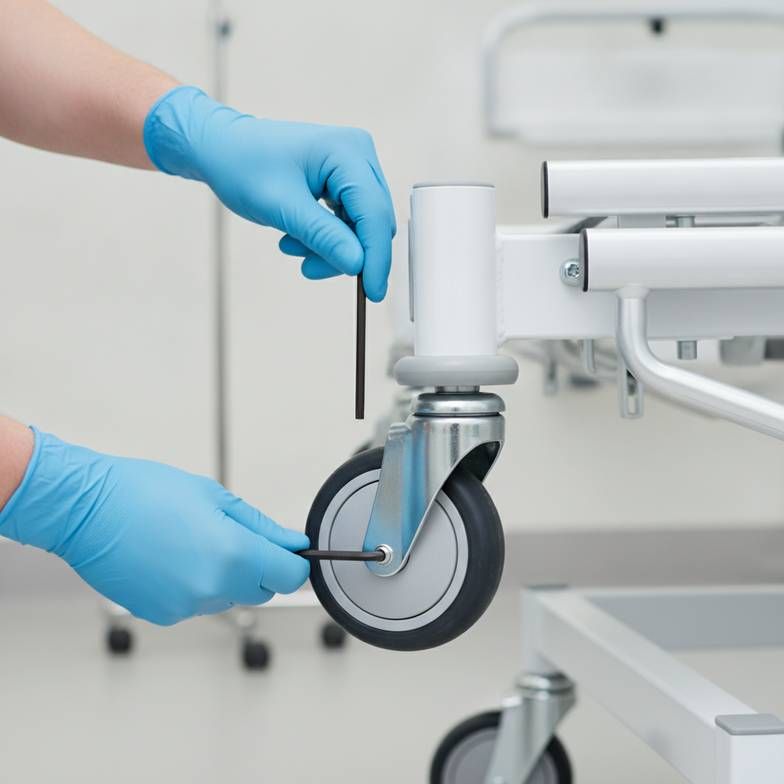
Debunking the "Remote Fix" Myth
Video calls and technical support chats are fantastic for diagnosis. A supplier's engineer can look at a video, listen to a strange noise, and tell you exactly which part has failed. But they can't perform the repair through the screen.
A professional supplier is honest about this. They will ask you, "Who on your team will be installing the new part?" If your answer is, "I don't know," then you have a gap in your project plan that needs to be filled. The partnership works like this:
- Supplier's Responsibility: Correctly diagnose the issue, provide the correct replacement part in a timely manner, and supply clear, easy-to-follow instructions (videos are best).
- Your Responsibility: Have a person on-site who can follow those instructions to remove the broken part and install the new one.
Setting this realistic expectation from the start prevents future arguments and ensures problems are solved quickly.
Documenting for Success
To make the process smooth, your team needs to provide good information to the supplier. When a problem occurs, don't just send an email saying "the bed is broken." This helps no one. Coach your on-site team to create a proper claim report.
A good claim report includes:
- Order Information: The original purchase order number or contract number.
- Product Identification: The model number and, if available, a serial number from the specific item that failed.
- Clear Evidence: High-quality photos of the product and close-ups of the failed part. A short video (less than 60 seconds) is even better, especially for demonstrating functional issues.
- A Clear Description: A simple, clear sentence describing what's wrong. For example, "The handset controller is not responding when we press the 'head up' button."
This allows the supplier's engineer to diagnose the problem quickly and accurately, which means you get your solution faster.
Frequently Asked Questions
What's a reasonable warranty period for hospital furniture from China?
For most items like beds, trolleys, and cabinets, a 1 to 2-year warranty is a common and reasonable standard. Don't be fixated on the number. A well-supported 1-year warranty with a clear process for getting spare parts is infinitely better than a vague 5-year promise you can't enforce.
Should the warranty be included in the purchase contract?
Absolutely. The purchase contract or proforma invoice should explicitly state the warranty period, what it covers (e.g., defects in material and workmanship), and what it excludes (e.g., normal wear and tear). Most importantly, it should reference the process for making a claim.
How much should I budget for an initial spare parts package?
A good rule of thumb is to budget between 1% and 3% of your total furniture contract value for an initial spare parts package. For highly critical and complex equipment, like ICU beds, you might lean toward the higher end of that range. Ask your supplier for their recommendation based on their product history.
Are wear-and-tear items like casters covered by warranty?
Typically, no. A warranty is designed to cover manufacturing defects. Consumable parts that are expected to wear out over time with heavy use—like casters, plastic bumpers, mattress covers, or batteries—are considered maintenance items. You should plan to purchase these as needed, which is why having that priced spare parts list is so important.
Conclusion
When sourcing from overseas, the true measure of after-sales support for imported hospital furniture is not the warranty's length but its practicality. Shifting your focus from promises to processes is the single most effective way to reduce procurement risk. Remember to test potential suppliers with "what if" scenarios, insist on seeing a priced spare parts list before you order, and make a smart investment in an initial spares package. Finally, acknowledge your own crucial role in the partnership by ensuring you have local, hands-on capability for simple repairs. This proactive approach transforms after-sales support from a source of anxiety into a manageable and predictable part of your project plan, ensuring the long-term success of your installation.
If you're planning a hospital project and need a partner who understands the importance of clear, practical, and enforceable support from day one, we're here to help. Reach out to us at CareFurnex, and let's build a comprehensive procurement plan that protects your project, your budget, and your reputation.
Written by
CareFurnex Team
CareFurnex Team shares practical knowledge about hospital beds, patient room furniture, medical trolleys, clinic furniture, and healthcare facility procurement for international B2B buyers.
Related Products
Hospital Beds
General-purpose patient beds for inpatient wards and standard hospital rooms.
View product
Ward Furniture
Complete ward furniture options for patient rooms and hospital care areas.
View product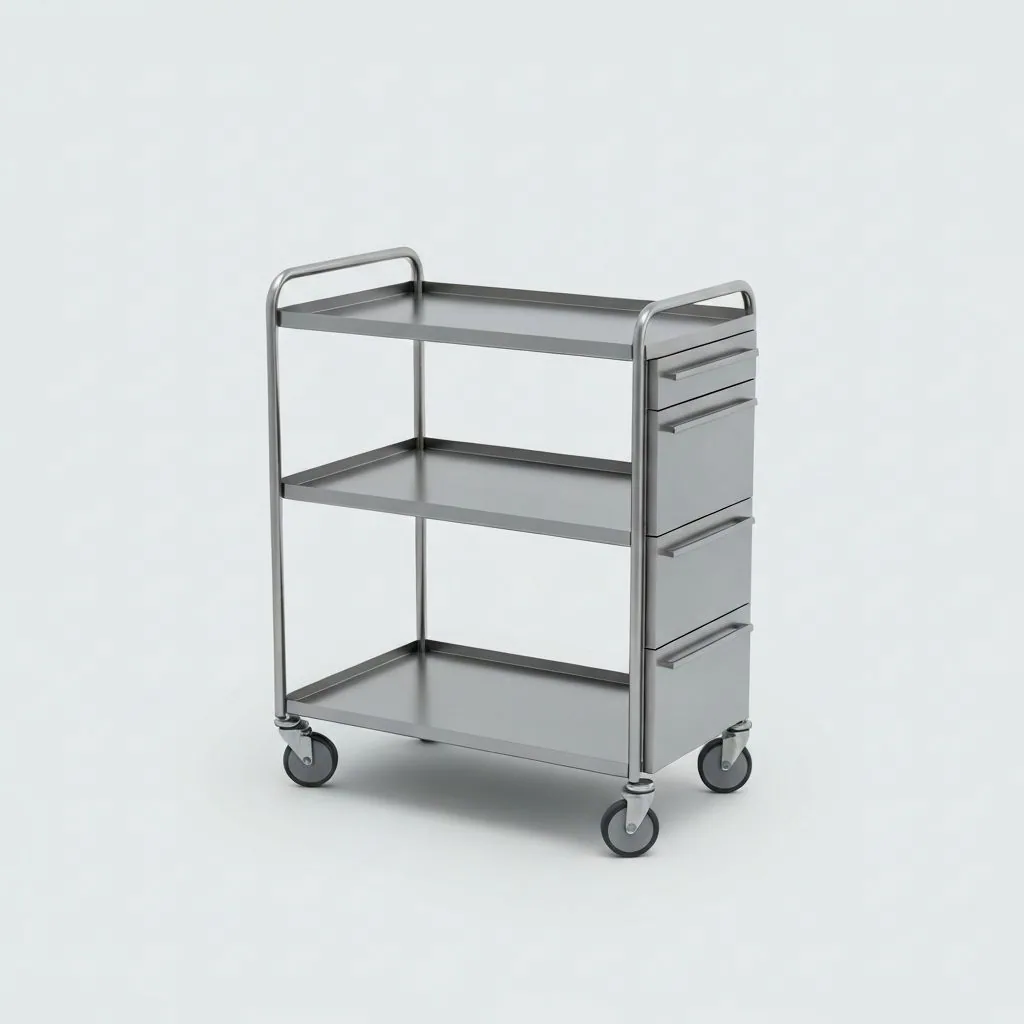
Medical Trolleys
Mobile carts for nursing rounds, treatment supplies, medicines, and clinical tools.
View product