
You are evaluating quotes for hospital beds, but the choice between semi-electric and full-electric models feels tricky. Making the wrong call can lock your facility into budget overruns and maintenance headaches.
The best configuration depends on your market's reality. Full-electric beds benefit patient independence, ideal for high-end facilities. Semi-electric beds prioritize caregiver efficiency and lower long-term maintenance risk, making them a pragmatic choice for large-scale projects, public tenders, and markets with limited technical support.
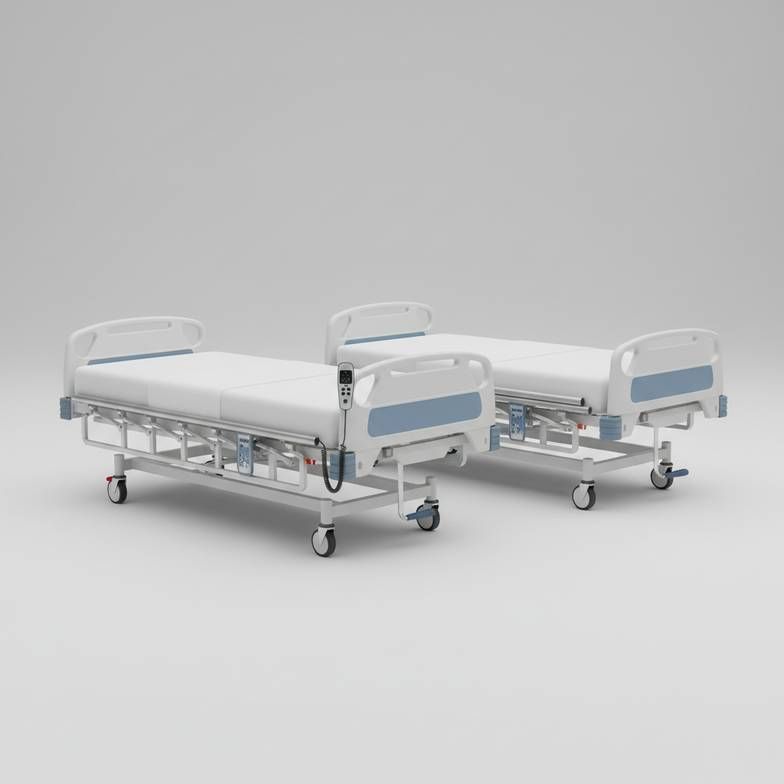
I see buyers get stuck on this decision all the time. They compare motor counts and price tags, but that's only half the story. As a supplier, I've learned that the most successful projects are the ones where the bed configuration matches the facility's real-world operational capacity. To make the right call for your project, you need to look past the spec sheet and ask who truly benefits from each configuration. Let’s break down the real-world implications so you can choose with confidence.
Who Are You Really Buying For: The Patient or The Caregiver?
You want to provide the best care, but budgets are tight. You're torn between a bed that offers patient independence and one that streamlines staff workflow and saves money.
A full-electric bed empowers the patient with full control over all adjustments, enhancing their autonomy. A semi-electric bed focuses on the most critical, labor-intensive function—height adjustment—to reduce caregiver strain, while keeping costs and maintenance risks lower. The choice depends on your primary optimization goal.
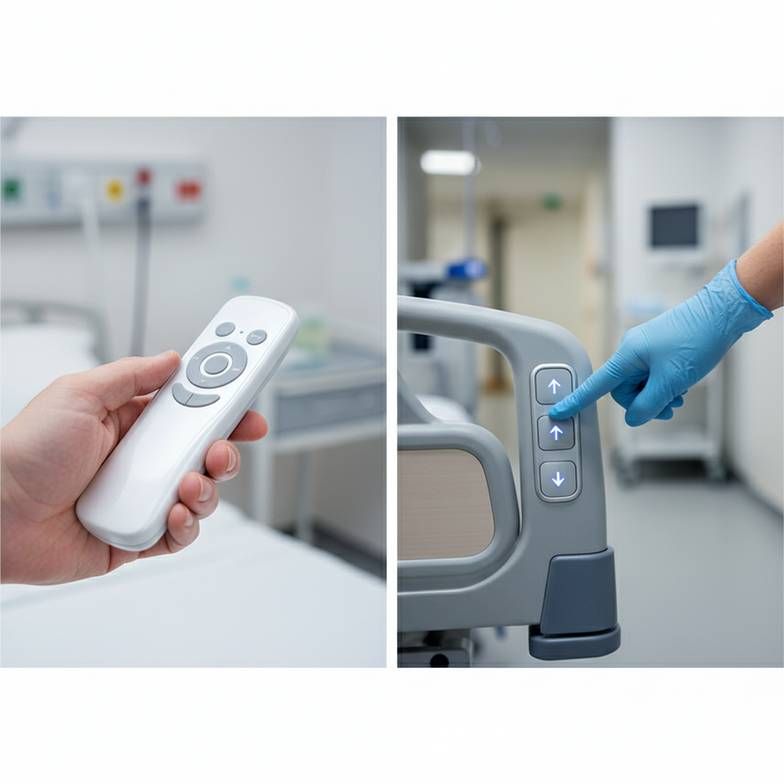
Based on my conversations with hospital managers and distributors, the decision often comes down to balancing patient experience with operational reality. A full-electric bed, with its three motors, allows the patient to adjust the head, foot, and overall bed height independently. This is a huge benefit for patient dignity and can reduce the need to call a nurse for minor comfort adjustments.
However, a semi-electric bed is a more focused tool. It uses one or two motors for the head and foot sections, but the crucial height adjustment is done with a manual crank. From a caregiver's perspective, adjusting the bed's height is the most physically demanding task, critical for safe patient transfers and reducing back strain. The semi-electric model addresses this primary pain point directly. By making the less frequent head/foot adjustments manual, it simplifies the bed's mechanics and lowers its cost.
| Feature Focus | Full-Electric Bed | Semi-Electric Bed |
|---|---|---|
| Primary Beneficiary | Patient | Caregiver & Facility Budget |
| Key Advantage | Patient independence & comfort | Reduced caregiver strain & lower cost |
| Adjustment Control | Patient-controlled (all functions) | Patient (head/foot), Caregiver (height) |
| Ideal Environment | Private rooms, long-term care | General wards, high-turnover units |
Ultimately, you must decide which goal is the priority for the specific ward or facility you are outfitting.
Is the Upfront Price Hiding the True Long-Term Cost?
You've received a quote for a full-electric bed that seems affordable. But what happens two years later when a motor fails, and you can't find a technician or spare parts locally?
The sticker price is just the beginning. The total cost of ownership includes maintenance, repairs, and potential downtime. Full-electric beds have more motors and complex electronics, increasing the risk of failure and long-term expenses, especially in markets with limited access to skilled technicians and parts.
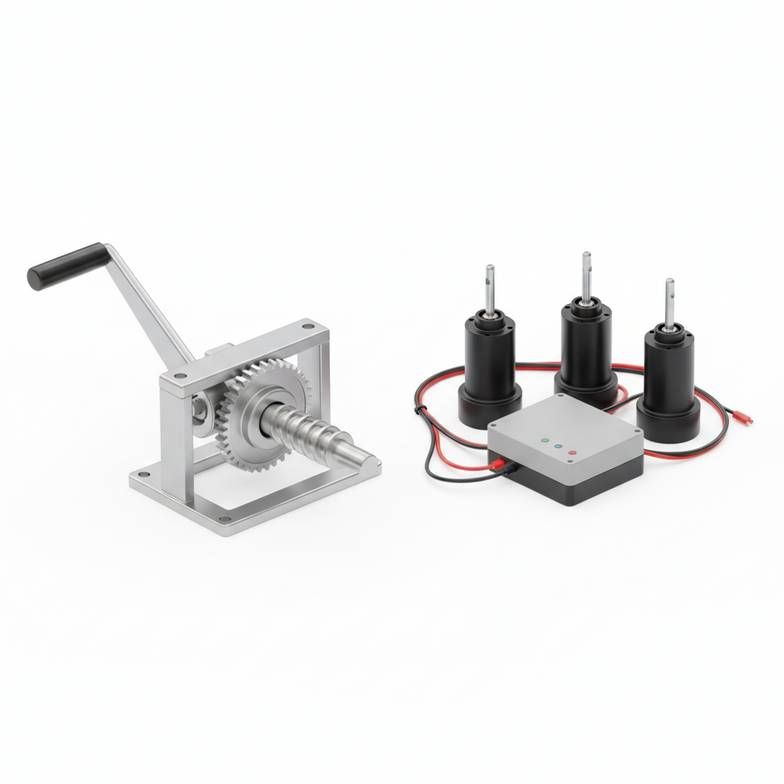
When I help buyers prepare for large tenders, we always discuss the total cost of ownership (TCO). The initial purchase price is just one component. A full-electric bed has three motors, a complex handset, and a control box. That’s five key electronic components that can potentially fail. A semi-electric bed might have two motors, a simpler handset, and a control box, but it replaces one motor with a durable, mechanical crank system. This drastically reduces the potential points of electronic failure.
For an importer or distributor, this is a critical risk calculation. When you sell a full-electric bed, you are also signing up to support it. Can you easily source a replacement motor or control box in your country? If not, you'll be ordering it from China, paying for air freight, and dealing with import delays while your customer has a bed out of service. In markets where skilled electronic technicians are scarce or expensive, a simple mechanical failure is far easier to manage than a complex electronic one. A semi-electric bed, while less convenient for the patient, is often the more reliable and financially sound investment over a 5-10 year lifespan.
| Cost Factor | Full-Electric Bed | Semi-Electric Bed |
|---|---|---|
| Initial Purchase | Higher | Lower |
| Potential Failure Points | High (3 motors, handset, control box) | Lower (2 motors, handset, control box) |
| Maintenance Skill | Requires electronics technician | Basic mechanical skills often suffice |
| Spare Part Risk | Higher (more parts to stock/source) | Lower (fewer electronic parts) |
| Long-Term TCO | Potentially much higher | More predictable and lower |
The "cheaper" bed isn't always the one with the lowest price tag; it's the one that costs the least to operate reliably over its entire service life.
How Does Your Local Market Dictate the Smartest Bed Choice?
You want to import the "best" hospital beds for your clients. But what is considered best in one country could be an operational failure in another due to different economic and technical realities.
The "right" bed is market-specific, not universal. High-end private hospitals in developed markets can justify full-electric beds for patient comfort. For public tenders, large projects, or developing markets, the durability and cost-effectiveness of semi-electric beds often present a more sustainable choice.

In my experience supporting projects across different regions, I've learned that context is everything. There is no single "best" bed. The smartest choice is the one that fits the local economic and healthcare landscape. Let's consider a few common scenarios I encounter.
For a client building a new private hospital in a major European city, the full-electric bed is a clear choice. Here, patient experience is a key competitive advantage, and labor costs are high. The convenience of a full-electric bed enhances the facility's premium image and helps free up nursing time. They also have reliable access to technical support and spare parts, mitigating the maintenance risk.
Now, consider a government tender for 500 beds for public hospitals in a developing nation. The primary driver here is budget. The procurement committee needs to maximize the number of functional beds they can acquire. They are also acutely aware that on-site maintenance teams are small and may lack specialized electronics training. In this context, the semi-electric bed is the far more pragmatic and defensible choice. It meets the core need of reducing caregiver strain while offering a lower purchase price and significantly lower long-term maintenance risk. Choosing full-electric beds in this scenario would be a gamble.
| Market Scenario | Primary Driver | Maintenance Reality | Smartest Choice & Rationale |
|---|---|---|---|
| High-End Private Clinic | Patient Experience & Brand Image | High access to technicians/parts | Full-Electric: Justifies premium pricing and enhances patient comfort. |
| Large-Scale Public Tender | Budget & Volume | Limited on-site technical skills | Semi-Electric: Lower TCO, easier maintenance, and lower procurement risk. |
| Distributor Stocking | Broad Appeal & Reliability | Must provide own after-sales support | Semi-Electric: The safer, higher-volume option that is easier to support. |
As an importer or project contractor, your credibility depends on recommending a solution that will succeed in your customer's environment, not just one that looks good on a feature list.
What Does Your Supplier's Recommendation Reveal About Them?
A supplier is pushing their most expensive, full-electric model as the only "good" option. This can feel like they're just trying to maximize their profit, not solve your actual problem.
A trustworthy supplier acts as a partner, not just a seller. Instead of pushing the priciest option, they ask about your end-user environment, budget, and maintenance capacity. Their ability to explain the pros and cons of each configuration for your context is a key sign of credibility.

The first conversation I have with a potential buyer isn't about our products; it's about their project. A supplier who immediately recommends their most expensive full-electric bed without understanding your needs is sending a clear signal. They are focused on their sale, not your success. A true partner's goal is to ensure you don't face problems down the line. They know that a successful project leads to a long-term relationship, which is far more valuable than a single, high-margin transaction.
A credible supplier will ask questions like:
- "Is this purchase for a public or private facility?"
- "What is the skill level of the maintenance team that will be servicing these beds?"
- "Are you sourcing for a tender with a strict budget, or for a facility upgrade focused on patient comfort?"
- "How important is patient independence versus operational simplicity for this specific ward?"
This consultative approach demonstrates that they understand the risks involved. They are helping you weigh the upfront cost against the potential long-term maintenance burden. This process builds trust and helps you make a choice that is not only financially sound but also operationally sustainable for the end-user. When a supplier is willing to recommend a lower-cost semi-electric model because it better fits your market, you know you're working with someone who values your long-term success over their short-term gain.
| Supplier Behavior | What It Means |
|---|---|
| Green Flag: Asks about your market & end-user | They are a consultative partner focused on your success. |
| Red Flag: Pushes the most expensive option immediately | They are a transactional seller focused on their profit. |
| Green Flag: Explains long-term maintenance risks | They are experienced and transparent about total cost. |
| Red Flag: Only talks about features and benefits | They are ignoring the operational realities of your project. |
Conclusion
Choosing between semi and full-electric beds isn't about features; it's a strategic decision based on your market's unique budget, patient needs, and long-term maintenance reality.
Written by
CareFurnex Team
CareFurnex Team shares practical knowledge about hospital beds, patient room furniture, medical trolleys, clinic furniture, and healthcare facility procurement for international B2B buyers.
Related Products
Hospital Beds
General-purpose patient beds for inpatient wards and standard hospital rooms.
View productElectric Hospital Beds
Motorized multi-function beds with electric height, backrest, and leg adjustment options.
View product
Ward Furniture
Complete ward furniture options for patient rooms and hospital care areas.
View product