
Tasked with outfitting a new pediatric department? You’re likely wrestling with the vague goal of making it "child-friendly." The problem is, this concept doesn't easily translate into a purchase order. You worry that if you just focus on bright colors and cartoon characters, you'll miss the critical details of safety, workflow, and durability, leading to a space that looks good but functions poorly. A systematic approach to planning pediatric outpatient room furniture is the solution, turning that fuzzy idea into a concrete, specification-driven project plan that works in the real world.
Effective pediatric outpatient room furniture planning involves three steps. First, define the distinct functional zones: waiting, consultation, and staff utility areas. Second, identify the three key users for each zone—the child, the parent, and the clinician—and their unique needs. Finally, select specific furniture products with specifications that prioritize safety (like rounded corners), infection control (seamless, non-porous surfaces), and long-term durability for a demanding healthcare environment.
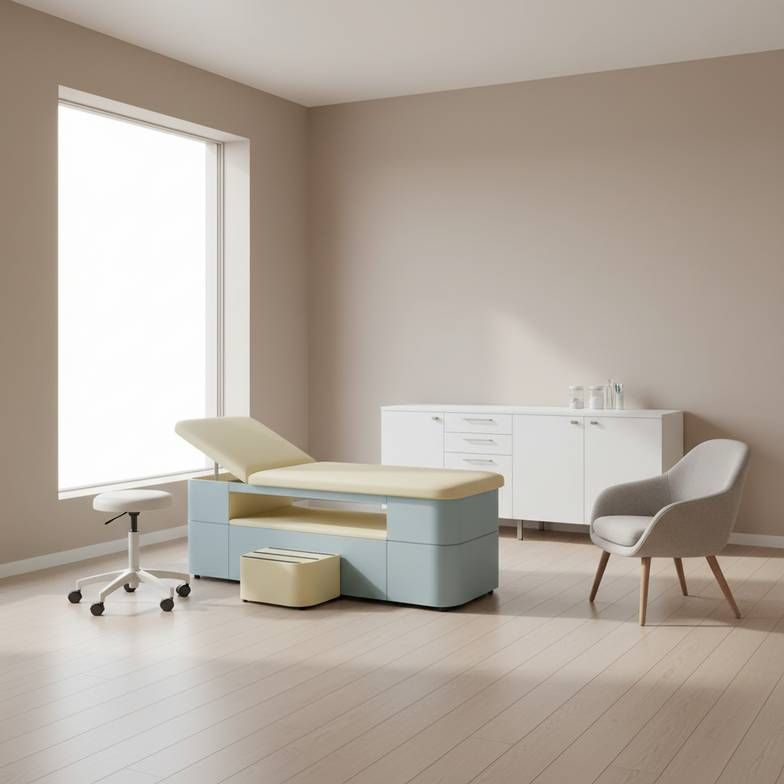
This might sound straightforward, but the difference between a successful clinic and a frustrating one is hidden in the details. As a project consultant, I've seen many well-intentioned plans go wrong. So, let's walk through the process I use to guide clients from a general concept to a procurement-ready specification sheet.
Why Does "Child-Friendly" Go Beyond Just Colors and Cartoons?
You've probably seen pediatric wings that look like a theme park and wondered if they actually work for the busy doctors and nurses. You suspect there has to be more to a good design than just slapping on some colorful paint and decals. You're absolutely right.
A truly child-friendly environment uses furniture to actively reduce patient anxiety and support clinical work. It’s about function first. The real value lies in safety features, durable materials that can withstand harsh cleaning, and ergonomic designs that serve children, parents, and staff effectively long after the novelty of the decorations has worn off.
The Three-User Rule: Child, Parent, and Clinician
When I start a project, the first thing I do is get my client to stop thinking only about the child. A pediatric outpatient space has at least three distinct users, and a successful furniture plan must serve them all.
- The Child: The patient is often anxious, scared, and unpredictable. The furniture's job is to keep them safe and, if possible, distracted and calm. This means no sharp corners, stable construction that won't tip over, and engaging elements that aren't just decorative.
- The Parent/Guardian: The parent is the child’s support system. They are worried and need a place to be comfortable while holding a sick child, storing a diaper bag, or keeping a sibling occupied. Their seating needs to be sturdy, spacious, and strategically placed.
- The Clinician: The doctor or nurse needs to perform their job efficiently and safely. Furniture must support their workflow, not hinder it. This translates to ergonomic stools, mobile medical carts, easy access to the patient, and surfaces that are incredibly fast to clean and disinfect between appointments.
Overlooking any of these users creates friction. A common mistake is buying flimsy waiting room chairs that a parent can't comfortably sit in with their child, or choosing an exam table that looks fun but is a nightmare for a nurse to clean 30 times a day.
From Abstract Feeling to Concrete Feature
The core of my job is translating abstract goals into tangible furniture specifications. It’s a simple but powerful exercise. Let’s break it down:
- The goal of a "welcoming" space isn't achieved with a mural. It's achieved with a stable, wide-armed chair where a nervous parent can securely hold their child.
- A "safe" environment isn't just about soft toys. It’s about specifying furniture with rounded corners, anti-tipping bases, and non-toxic, medical-grade materials.
- An "efficient" clinic flow comes from mobile treatment trolleys with organized drawers and examination tables with integrated storage, which reduce the need for staff to leave the room.
Thinking this way moves the conversation away from decoration and toward function. The aesthetics can be layered on top later, but the foundation must be solid, safe, and practical.
How Do You Create a Furniture Layout for a Pediatric Outpatient Clinic?
You've got the floor plan, but you know that just scattering some chairs and tables around won't create an effective clinical environment. You need a layout that guides patient flow, supports your staff, and prevents waiting room chaos from spilling into treatment areas.
To create a functional layout, start by dividing your total space into three core functional zones: the Waiting/Reception Zone, the Consultation/Examination Zone, and the Staff/Utility Zone. Then, you can assign specific furniture types to each zone based on its unique workflow and user needs.
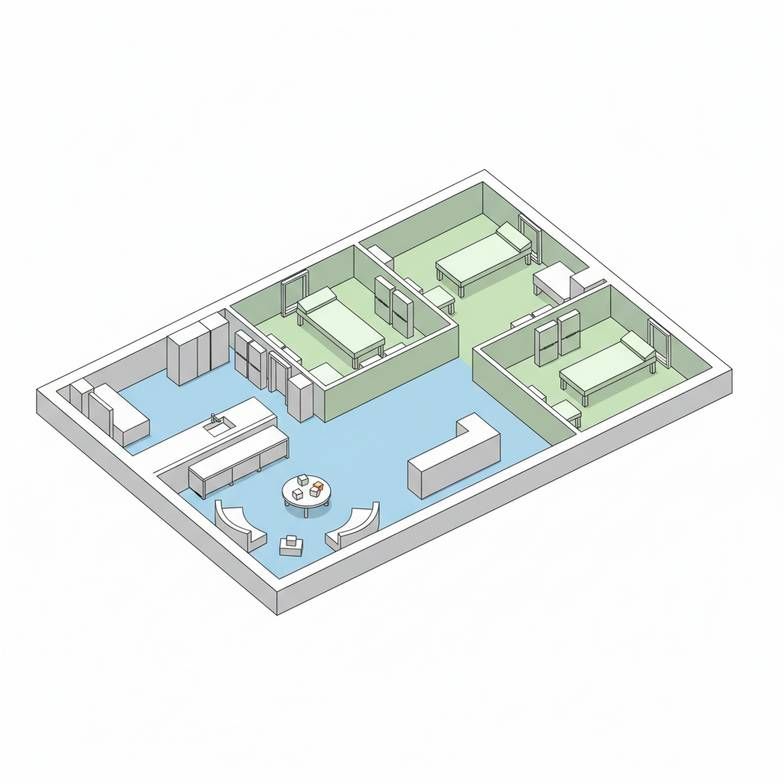
Zone 1: The Waiting & Reception Area
This is your first impression and your primary battleground for managing patient and parent anxiety. The goal here is comfort, distraction, and crowd control.
- Furniture Needs: You'll need a mix of seating options. I often recommend modular seating that can be reconfigured, along with a few bariatric-sized chairs to comfortably accommodate a parent with a child on their lap. A durable play table with integrated, easy-to-clean toys is a must. The reception desk needs a high-pressure laminate (HPL) surface to resist scratches and a transaction counter that provides a degree of separation.
- Key Specifications: All upholstery should be medical-grade, anti-microbial vinyl that can be wiped down with disinfectants. Look for chairs with solid construction and wide, stable bases. If space allows, creating separate "sick child" and "well child" waiting areas is the gold standard for infection control.
Zone 2: The Consultation & Exam Room
This is where the clinical work happens. The goal is a calm, safe, and highly efficient environment for examination and treatment.
- Furniture Needs: The star of the room is the pediatric examination table. It should be complemented by an ergonomic clinician stool on casters, a sturdy parent chair, and a small workstation or medical cart for documentation and supplies.
- Key Specifications: The exam table must be the right size for children, but more importantly, it should have built-in safety rails, a seamless upholstered top for easy cleaning, and ideally be height-adjustable to save the clinician’s back. The parent chair must be robust but have a small enough footprint to not obstruct movement.
Zone 3: Staff & Utility Areas
This is the backstage that makes the whole show run smoothly. These areas are all about workflow efficiency, secure storage, and maintaining sterility.
- Furniture Needs: This includes medical trolleys (like treatment carts, medication carts, or emergency carts), secure storage cabinets for supplies, and stainless steel worktables or sinks for cleaning and prep.
- Key Specifications: Mobility and organization are everything. Carts need high-quality, lockable casters that glide smoothly. Look for drawers with adjustable dividers. For surfaces where instruments are handled, 304-grade stainless steel is non-negotiable due to its durability and non-porous nature.
Here’s a quick summary table we use in our project planning:
| Zone | Primary Goal | Key Furniture | Critical Specification Points |
|---|---|---|---|
| Waiting/Reception | Anxiety reduction, comfort | Modular seating, play tables, reception desk | Durable, easy-to-clean, stable, non-toxic materials |
| Exam Room | Efficient, safe examination | Pediatric exam table, parent chair, clinician stool | Height-adjustable, safety rails, seamless surfaces, ergonomic |
| Staff/Utility | Workflow support, storage | Medical trolleys, storage cabinets, work surfaces | Mobile, organized, durable (e.g., stainless steel) |
What Are the Key Specifications for Pediatric Outpatient Room Furniture?
You get it now—you need more than just tables and chairs. But what exactly makes a piece of furniture truly pediatric-grade? You need a clear checklist to evaluate supplier quotes and avoid buying products that will quickly break down, prove unsafe, or become an infection control nightmare.
The most important specifications for pediatric outpatient room furniture fall into three critical areas: Safety, Infection Control, and Durability. Getting these right is the difference between a one-time purchase and a recurring maintenance headache.
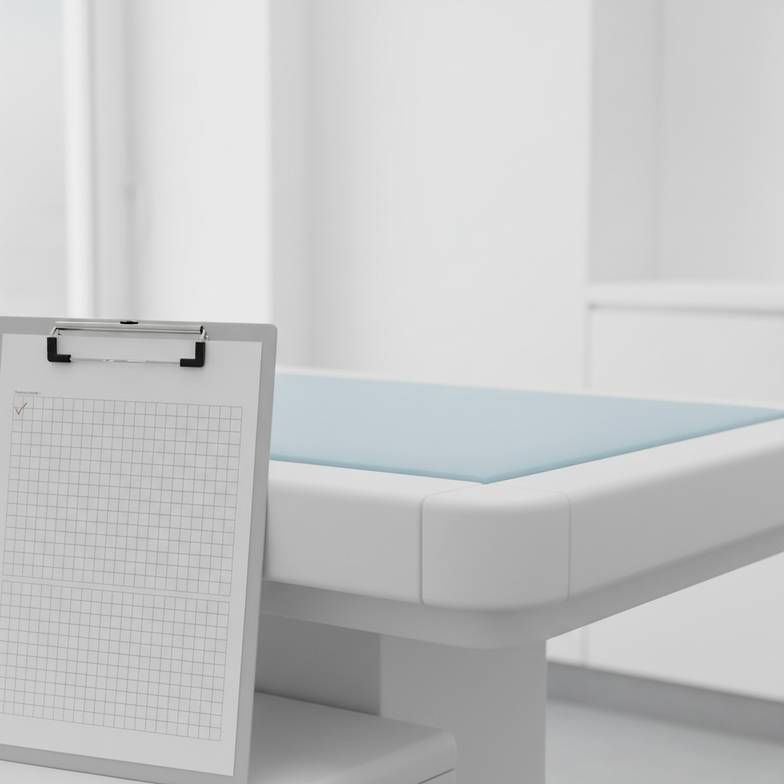
Debunking the "Mini-Me" Furniture Myth
First, let's get one thing straight: pediatric furniture is not just adult furniture scaled down. This is a dangerous and costly assumption. A small adult chair lacks the specific safety and durability features required for a clinical pediatric setting.
Think about it: children don't just sit. They climb, wiggle, spill, and explore with their hands and mouths. A scaled-down office chair might have accessible pinch points, unstable bases, or materials that can't withstand the aggressive cleaning protocols required in a clinic. True pediatric furniture is engineered from the ground up for this specific use case.
Your Specification Checklist
When you're comparing products or preparing a tender, here is the checklist you should use.
- Materials:
- Surfaces: Look for high-pressure laminate (HPL) or solid surfaces that are non-porous and scratch-resistant.
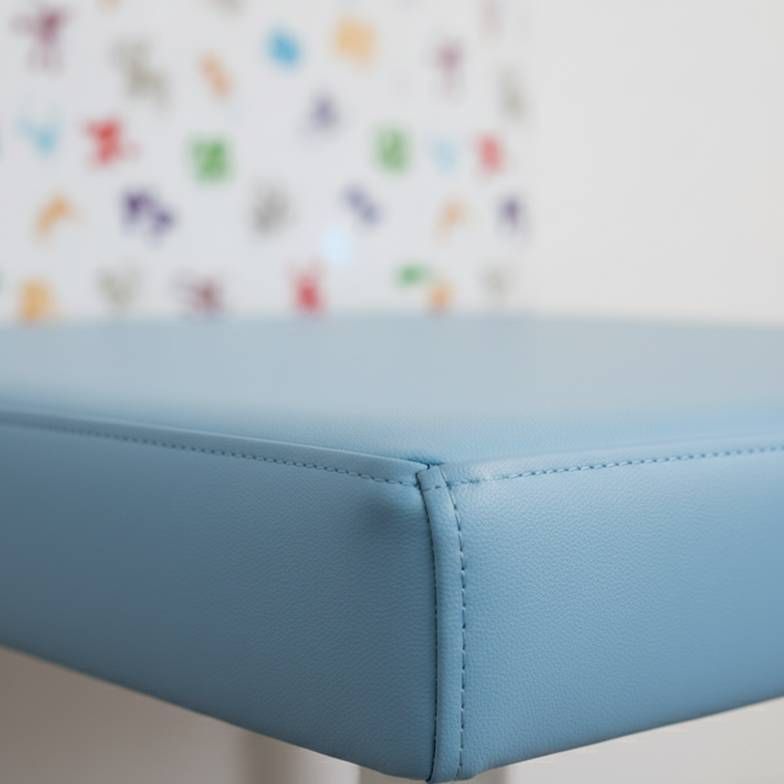
- Upholstery: Demand medical-grade vinyl or polyurethane that is seamless, puncture-resistant, and rated for cleaning with bleach-based disinfectants.
- Frames: Powder-coated steel or 304-grade stainless steel offers the best durability and cleanability. Avoid untreated wood or porous plastics.
- Safety:
- Edges: All corners and edges must be fully rounded.
- Stability: Check weight capacities and look for wide, anti-tipping bases, especially on seating and tables.
- Construction: Ensure there are no small, detachable parts a child could choke on. All hardware should be concealed or tamper-proof.
- Infection Control:
- Seamless Design: The fewer seams, gaps, and crevices, the fewer places for germs and dirt to hide. This is critical for upholstery on exam tables and waiting chairs.
- Chemical Resistance: Confirm with the manufacturer that all surfaces are certified to withstand common hospital-grade cleaners without degrading or discoloring.
- Durability:
- Joints: Fully welded frames are vastly superior to bolted frames, which can loosen over time.
- Hardware: The quality of casters on a medical cart or the gas lift on a stool determines its lifespan. Don't let suppliers skimp here.
Budgeting Wisely: Where to Invest vs. Where to Save
Not every piece of furniture carries the same weight. When you're working with a tight budget, it's crucial to allocate funds strategically.
- Where to Invest: Spend your money on the high-use, high-impact items. This means your pediatric exam tables, waiting room chairs, and medical carts. These items are central to safety, infection control, and workflow. A cheap exam table that breaks down can shut down a room, and flimsy waiting chairs create a safety liability.
- Where to Save: You can be more frugal with decorative elements. A fun wall decal is much cheaper than a custom-themed exam table. You can also opt for more basic (but still durable) side tables or shelving in less critical areas. I once worked with a client who chose our most durable, functional exam tables and saved money by having a local artist paint a mural, rather than ordering custom-printed upholstery. It was the perfect trade-off.
Frequently Asked Questions
How do I choose colors for a pediatric clinic?
Choose colors with function in mind. Calming blues and greens can reduce anxiety in examination rooms. Brighter, engaging colors can work well in waiting areas, but avoid overstimulating reds or chaotic patterns. Most importantly, ensure the material's cleanability and durability are prioritized over the specific shade.
Is wood furniture suitable for a pediatric outpatient setting?
Generally, no. Natural, porous wood is difficult to disinfect and can harbor germs. The only exception is wood that has been fully encapsulated in a medical-grade, non-porous laminate or sealant. For clinical contact surfaces, it's always safer to stick with materials like medical-grade vinyl, HPL, or stainless steel.
What's more important: a fun theme or functional furniture?
Function is always more important. A theme is decoration; functional furniture is the foundation of patient safety, clinical workflow, and long-term operational value. You can always apply a theme with paint, decals, and artwork after you have selected the right core furniture. Don't compromise on safety for the sake of aesthetics.
How much space should I leave for a parent in the exam room?
Always plan for at least one dedicated chair for the parent or guardian. It should be a sturdy, comfortable chair (not a stool) that is positioned to allow the parent to see and comfort their child. Crucially, it must be placed where it won't obstruct the clinician’s movement around the exam table.
Conclusion
Planning pediatric outpatient room furniture is far from a simple shopping trip. It’s a systematic process of translating the abstract goal of a "child-friendly" atmosphere into a set of highly detailed, functional specifications. By focusing on the three user groups—child, parent, and clinician—and meticulously planning for each functional zone, you can build a safe and efficient environment. Remember to prioritize specifications for safety, infection control, and durability over superficial aesthetics. This methodical approach ensures you're investing in a solution that provides real value for years to come, supporting your patients and staff long after the new paint smell has faded.
If you're planning a pediatric facility and need help converting your requirements into a detailed, procurement-ready furniture list, contact us at CareFurnex. We specialize in helping project contractors, distributors, and hospitals source the right healthcare furniture with clearer specifications and lower procurement risk.
Written by
CareFurnex Team
CareFurnex Team shares practical knowledge about hospital beds, patient room furniture, medical trolleys, clinic furniture, and healthcare facility procurement for international B2B buyers.
Related Products
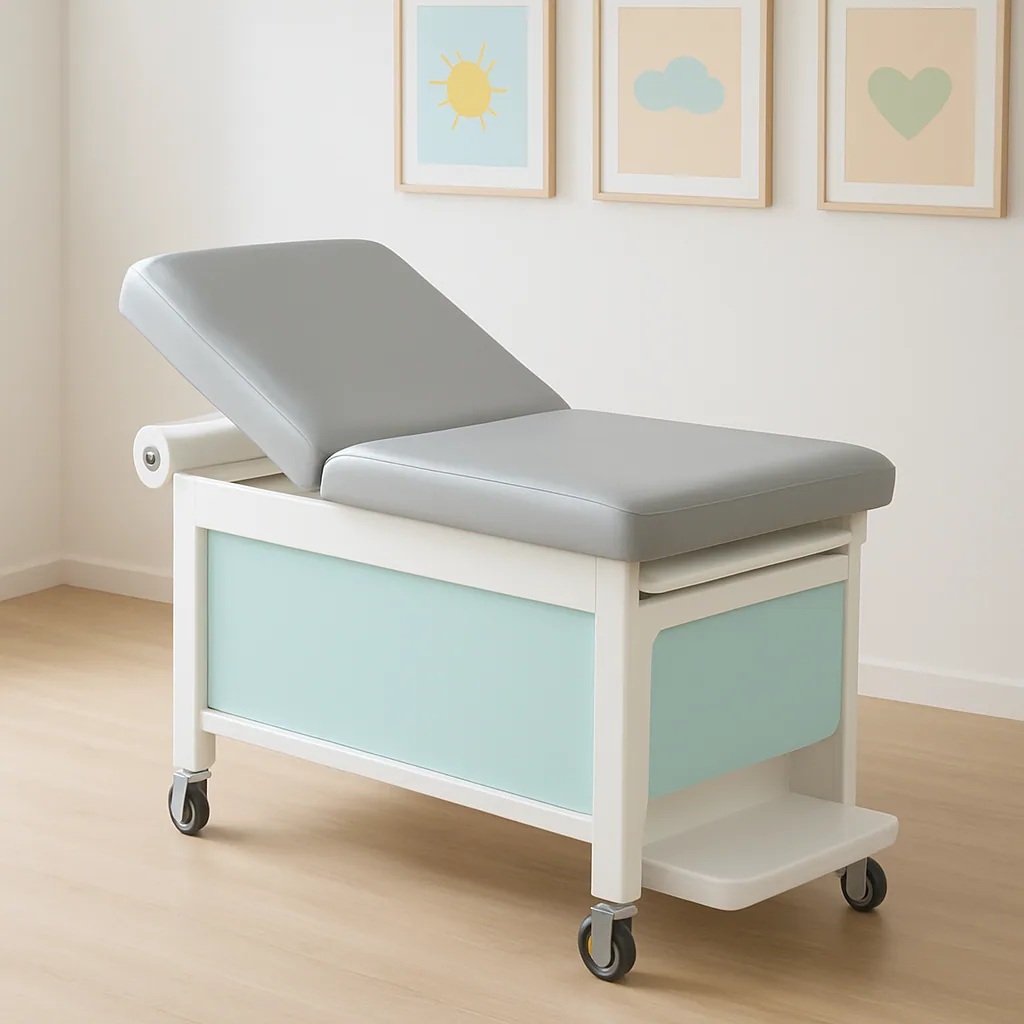
Pediatric Exam Tables
Children's examination tables for pediatric clinics and child-focused healthcare rooms.
View product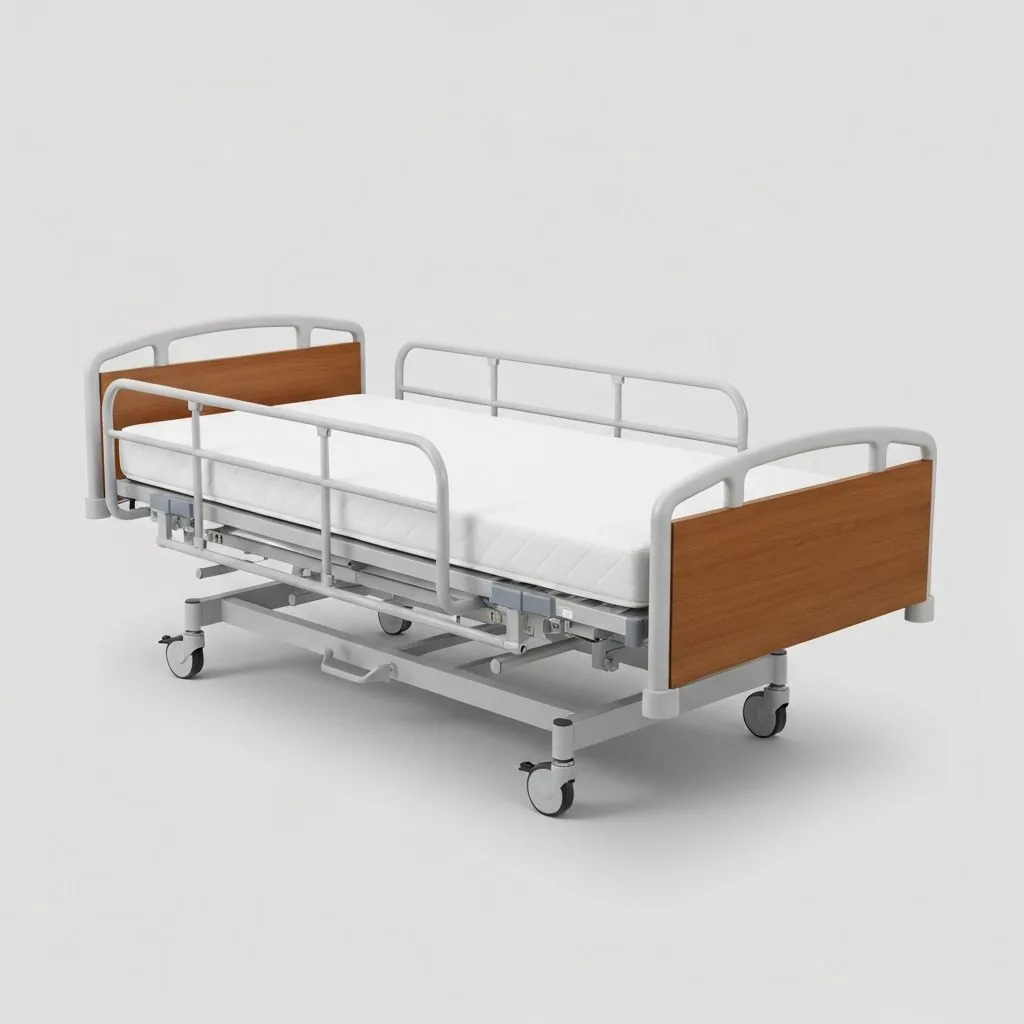
Hospital Beds
General-purpose patient beds for inpatient wards and standard hospital rooms.
View product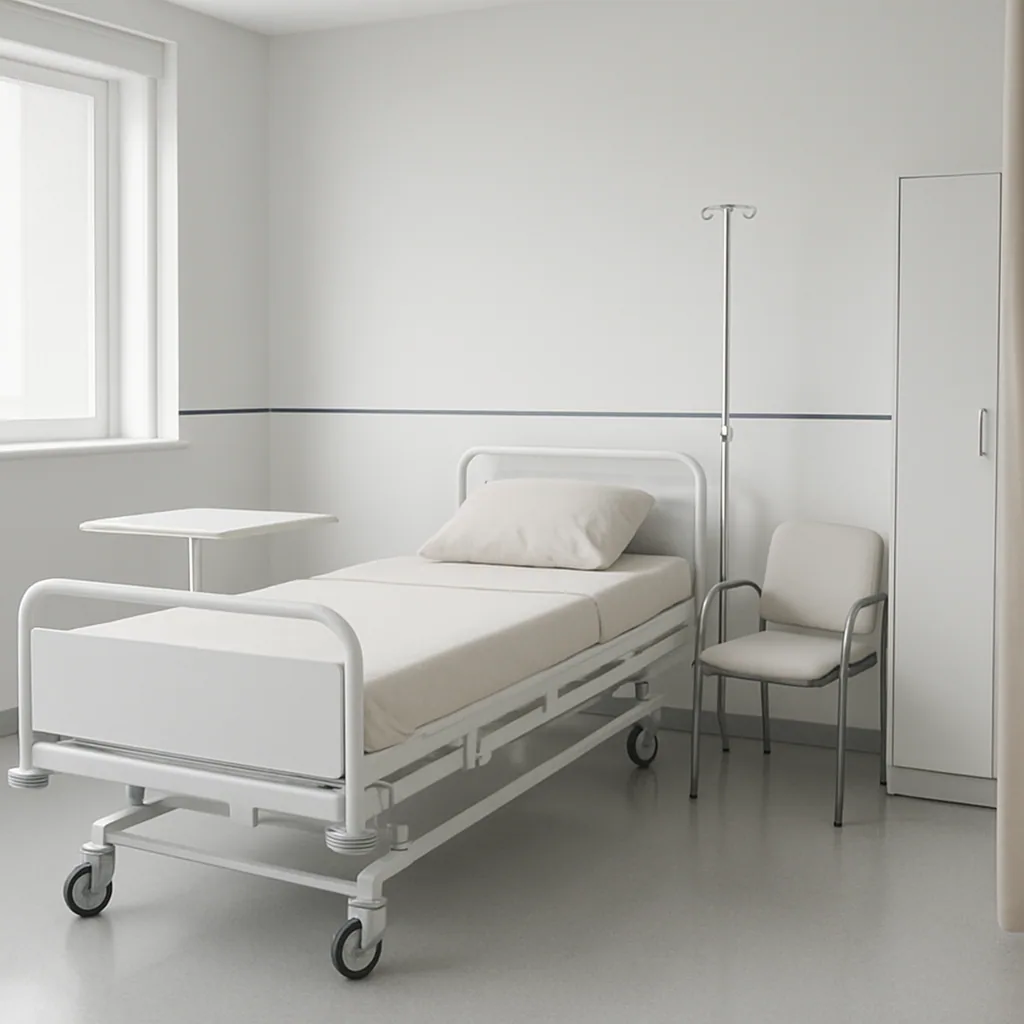
Ward Furniture
Complete ward furniture options for patient rooms and hospital care areas.
View product