
Confused by terms like "procedure" and "treatment" carts? You worry that a simple naming mistake could lead to buying the wrong equipment, causing problems for your hospital staff.
Honestly, there is no official industry difference between a "procedure cart" and a "treatment cart." Suppliers use these terms based on marketing. Your goal should be to match a cart's specific features—like materials, drawers, and wheels—to your hospital's actual clinical needs to ensure it works.
When I talk to hospital project contractors and procurement managers, this question comes up a lot. They see two carts that look almost identical, but one is labeled a "procedure cart" and the other a "treatment cart." This creates unnecessary confusion and risk. The truth is, focusing on the name is a distraction from what really matters. Instead of asking what a cart is called, you need to ask what it can do. Let’s break down the right questions to ask to make sure you get the right equipment for your team.
So, How Should You Define a Cart’s Purpose Without a Name?
If product names are unreliable, how can you specify what you need? You risk getting quotes for unsuitable carts, making your procurement process complex and prone to errors.
Define the cart by the job it needs to do and the department it will be in. Instead of asking for a "treatment cart," ask if it can handle daily medication rounds for 30 patients. This task-oriented approach ensures you get the features you actually need.
Shifting your focus from a product's name to its function is the single most important step in reducing procurement risk. A generic name on a quote means nothing if the cart fails to meet the practical needs of your clinical staff. When a nurse or doctor finds a cart is too heavy, has the wrong drawer layout, or is hard to clean, it disrupts their work. That's the problem we want to help you avoid.
Moving from Vague Labels to Specific Tasks
The best way to communicate your needs to a supplier is by describing the job the cart must perform. This removes any ambiguity caused by marketing terms. Think about the daily reality of your hospital's environment. Here’s how you can reframe your questions:
| Vague Request (Based on Name) | Specific, Workflow-Based Question | Why It's a Better Question |
|---|---|---|
| "I need a quote for a treatment cart." | "I need a cart for daily medication distribution in our general ward. It must hold 30 patient bins and have a smooth work surface." | Specifies capacity, task, and a key feature. |
| "Do you have procedure carts?" | "We need a mobile cart for minor procedures in the ER, with holders for a sharps container, waste bin, and a rail for accessories." | Defines the department (ER has different needs) and lists required accessories. |
| "Is this an anesthesia cart?" | "Can this cart be configured with 6 drawers, including lockable ones for controlled substances, for use in an operating room?" | Focuses on security and configuration specific to anesthesia workflow. |
By asking these targeted questions, you force the supplier to confirm that their product matches your operational needs. This makes it much easier to compare quotes and hold the supplier accountable for the equipment's performance after delivery. You are no longer buying a name; you are procuring a solution for a specific problem.
What Key Specifications Should You Check to Avoid Procurement Risks?
You're comparing two carts that look identical online, but one is much cheaper. Choosing the wrong one based on price alone could result in equipment that fails quickly or doesn't meet standards.
Always check three things: the material, the configuration, and the wheels. Is it ABS plastic or stainless steel? How are the drawers organized? Are the casters silent and lockable? These details determine if the cart is durable, safe, and easy for your staff to use.
As a supplier, I’ve seen firsthand how small details can make or break a product's success in a hospital setting. A low price on a quotation often hides compromises in materials or components that are not immediately obvious. To protect your investment and ensure your clinical team gets a tool they can rely on, you need to look past the product photo and dig into the specifications.
A Practical Checklist for Any Medical Cart
Use these points to evaluate any medical cart, no matter what it's called. This helps you compare "apples to apples" between different suppliers.
- Material and Construction: The material directly impacts durability, ease of cleaning, and suitability for different departments.
- ABS Plastic: Lightweight, resistant to rust and many cleaning chemicals. Good for general use but can become brittle or crack under heavy impact.
- Powder-Coated Steel: Strong and cost-effective. However, a scratch in the coating can expose the steel underneath to rust, which is a hygiene risk.
- 304 Stainless Steel: The premium choice for sterile environments like operating rooms or CSSD. It is highly durable, corrosion-resistant, and can withstand aggressive cleaning protocols. It is also the most expensive.
- Configuration and Accessories: The layout must match the workflow.
- Drawers: Are they deep or shallow? Do they have dividers? Are the slides smooth and rated for heavy loads? Cheap slides will fail over time.
- Work Surface: Is it flat, or does it have raised edges to contain spills? Is the material non-porous and easy to disinfect?
- Accessory Rails: Does the cart have standard rails to attach holders for gloves, sharps containers, waste bins, or IV poles? Lack of these makes a cart much less useful.
- Mobility and Stability: A cart that is hard to move is a hazard.
- Casters (Wheels): Are they "medical-grade silent casters"? This reduces noise in wards. Do at least two have reliable brakes? Poor quality casters are a common point of failure and a frequent complaint from nurses.
- Stability: Is the cart well-balanced? A top-heavy cart can tip over, especially when moved quickly in an emergency.
This checklist transforms you from a price-checker into a solutions evaluator.
How Do These Specifications Translate into Real-World Hospital Challenges?
A spec sheet with terms like "304 stainless steel" can feel abstract. But ignoring these details can lead to real problems, like carts being rejected by your nursing staff.
A poor choice in material can lead to rust and failed hygiene inspections. Bad wheels make the cart noisy and difficult to move, frustrating staff. The wrong drawer setup slows down critical procedures. Each specification directly impacts safety, efficiency, and compliance in your facility.
In my experience, a procurement decision is only successful if the product is accepted and used effectively by the end-users. A "good deal" on paper becomes a very expensive problem if the equipment sits in storage because it’s not fit for purpose. The specifications we just discussed are not just technical jargon; they are direct predictors of a cart's real-world performance and your project's success.
Connecting the Dots: From Spec Sheet to Ward Floor
Let's be very clear about how a seemingly small specification choice can create significant challenges for your hospital. Thinking through these risks beforehand is a core part of a smart procurement strategy.
| If You Choose a Cart with... | The Potential Procurement Risk Is... | The Impact on Your Hospital Is... |
|---|---|---|
| Cheap, non-medical casters | User Rejection & Inefficiency: Nurses find the cart noisy, hard to push, and the brakes unreliable. | Workflow is slowed down, staff become frustrated, and the cart may be abandoned. You might have to replace the casters or the entire cart. |
| Powder-coated steel for a wet or sterile area | Hygiene Compliance Failure: The coating gets scratched, steel rusts, and the cart can no longer be properly sanitized. | The cart fails infection control audits. It becomes a safety hazard and must be removed from service, representing a total loss. |
| Fixed, non-configurable accessories | Limited Functionality: The cart cannot adapt to the specific needs of different procedures or departments. | Staff have to create workarounds, reducing efficiency. The cart is less versatile, limiting its value and potential use across the hospital. |
| Poor quality drawer slides | Mechanical Failure & Frustration: Drawers jam when loaded or the slides break, making access to supplies difficult, especially in an emergency. | Critical time is wasted during patient care. The cart becomes unreliable and may need frequent, costly repairs. |
My role is to help you see these connections before you place an order. By discussing the intended use case openly, we can ensure the product specifications align perfectly with your hospital's operational and safety standards, preventing these costly problems down the line.
Conclusion
In the end, forget the "procedure" vs. "treatment" cart debate. The right cart is the one whose materials, configuration, and mobility match your specific workflow and mitigate procurement risks.
References
Written by
CareFurnex Team
CareFurnex Team shares practical knowledge about hospital beds, patient room furniture, medical trolleys, clinic furniture, and healthcare facility procurement for international B2B buyers.
Related Products
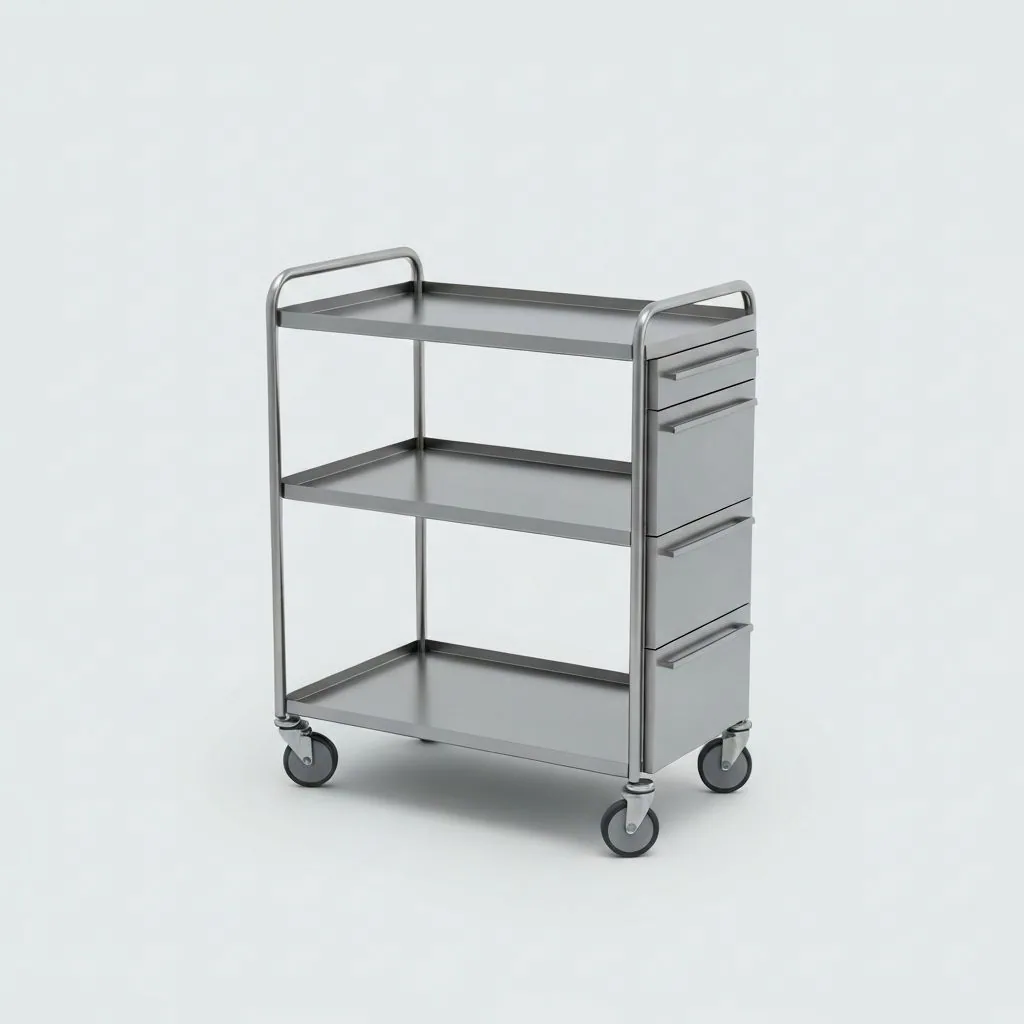
Medical Trolleys
Mobile carts for nursing rounds, treatment supplies, medicines, and clinical tools.
View product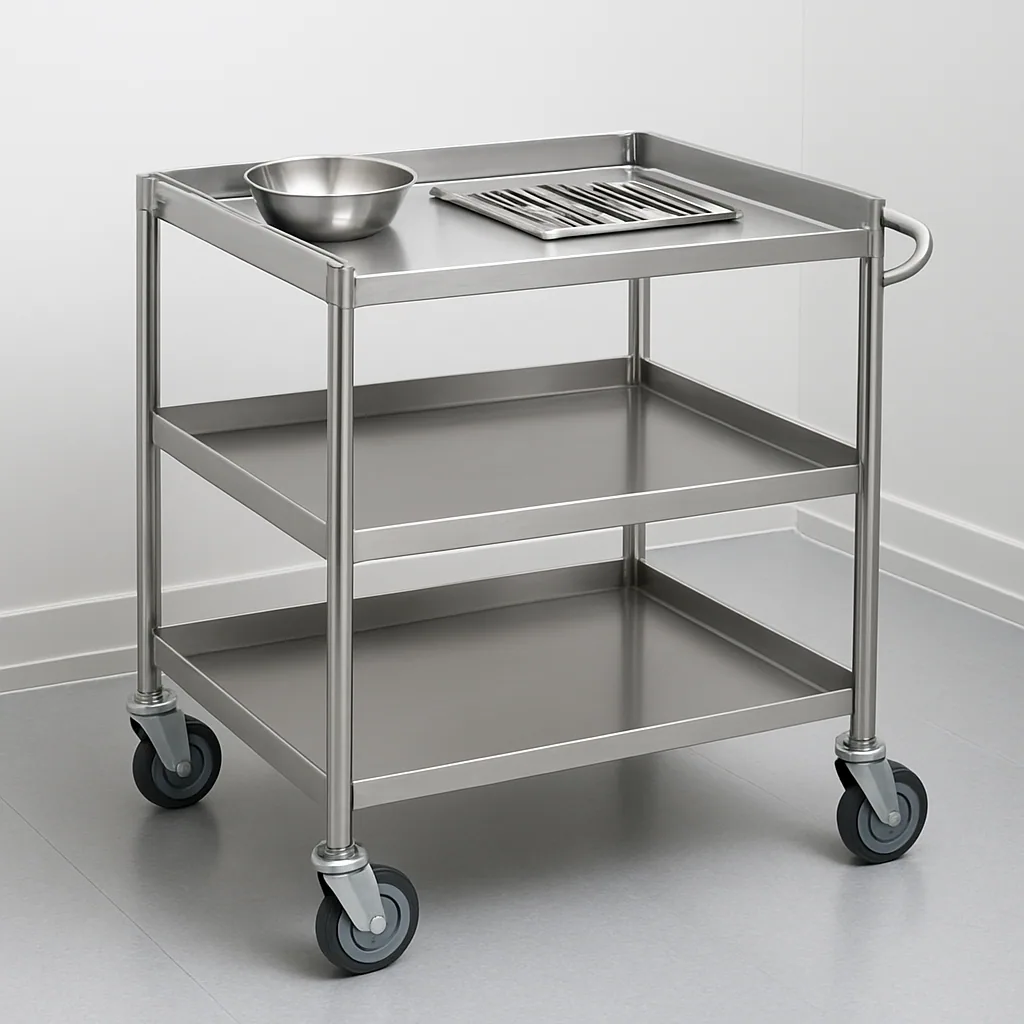
Treatment Carts
Practical treatment carts with drawers, storage space, and smooth mobility for clinical use.
View product
Hospital Beds
General-purpose patient beds for inpatient wards and standard hospital rooms.
View product