
Struggling with your doctor consultation room furniture list? It’s a common problem. Many procurement managers and clinic founders treat it like furnishing a standard office, only to find the furniture failing within a year. This approach leads to rapid wear, creates infection control risks, and results in inefficient layouts that frustrate both doctors and patients. The solution is to think of it not as buying pieces, but as designing an integrated, purpose-built system.
Effective doctor consultation room furniture planning involves selecting specific medical-grade products—including a doctor's desk, patient chairs, and an examination couch—and arranging them in a layout that supports clinical workflow. The key is to prioritize specifications for durability, infection control, and patient safety over standard office aesthetics, ensuring the environment is both functional and long-lasting.
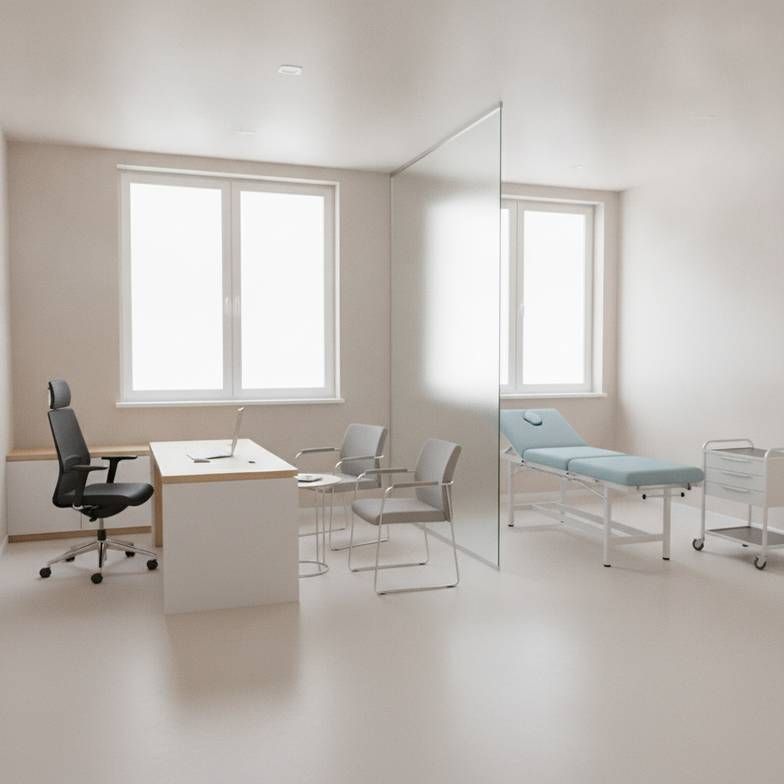
Moving beyond a simple shopping list is the first step toward a successful clinic setup. Understanding the why behind each material choice and layout decision is what separates a functional medical space from a failing one. Let’s break down the critical elements you need to consider.
What Defines True Medical-Grade Doctor Consultation room Furniture?
A project manager once sent me a furniture list for a new clinic that included items from a standard office supply catalog. The prices were low, but I had to explain the hidden risks. Using office furniture in a medical setting seems like a cost-saving measure, but it almost always leads to higher long-term costs due to replacement, maintenance, and potential safety liabilities.
True medical-grade furniture is defined by its material composition, structural design, and ergonomic function, all tailored for a healthcare environment. It prioritizes non-porous, chemical-resistant surfaces for infection control; robust, fully-welded frames for intense use; and designs that support both patient safety and clinical workflow.
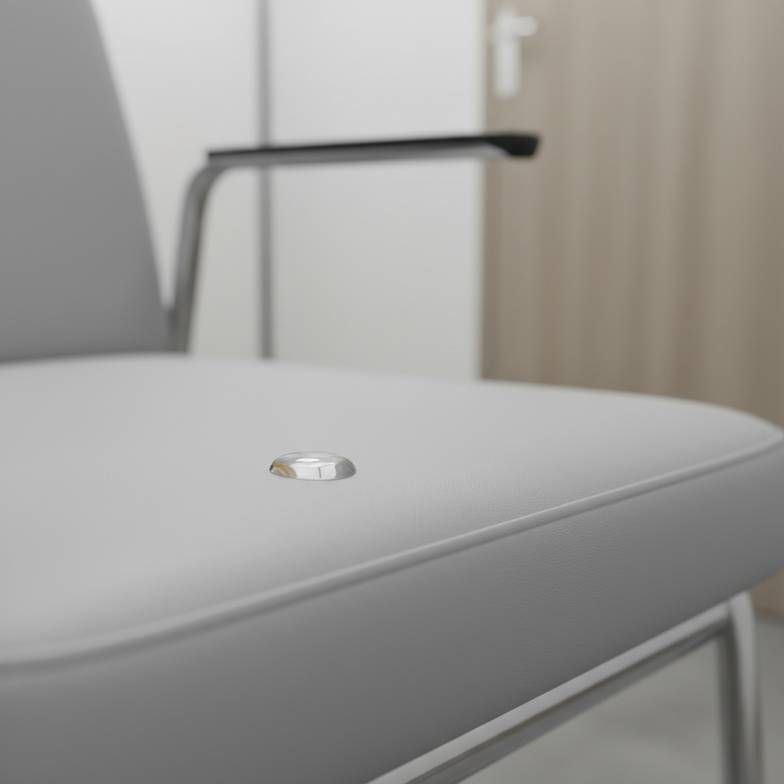
Material Science: Why Surfaces Matter for Infection Control
The single biggest difference between office and medical furniture is the surface. Standard office furniture often uses porous materials like fabric upholstery, particleboard (MDF), and basic laminates. These materials are not designed to withstand the harsh chemical disinfectants used in hospitals to kill viruses and bacteria.
- Upholstery: Medical-grade vinyl or polyurethane (PU) is non-negotiable for patient seating. These materials are non-porous, meaning liquids can't seep in, and they are engineered to resist cracking and discoloration when cleaned repeatedly with agents like bleach or alcohol-based solutions. In contrast, fabric chairs absorb spills and bodily fluids, becoming a breeding ground for pathogens.
- Surfaces: Look for high-pressure laminate (HPL) or solid-surface materials for desks and cabinets. Unlike the thin, papery laminate on cheap office furniture, HPL is thermally fused to the substrate, creating a seamless, durable, and non-porous shield that prevents moisture from getting to the wood core.
- Seamless Design: A common mistake I see is furniture with decorative seams or crevices. While aesthetically pleasing in an office, these are traps for dirt and microbes. Good medical furniture features seamless upholstery and minimal gaps to make cleaning faster and more effective.
Structural Integrity: The Hidden Costs of Flimsy Frames
A consultation room chair isn't just sat on; it's leaned on, pushed, and used by patients of all sizes and mobility levels. The frame is its backbone.
- Welding vs. Bolts: Most office furniture is shipped flat-packed and assembled with bolts. These joints loosen over time, leading to wobbles and eventual failure. Medical-grade furniture should have fully welded steel or aluminum frames. The joints are stronger, more rigid, and require zero maintenance. I always advise clients to ask for close-up photos of the welding—clean, consistent welds are a sign of quality manufacturing.
- Caster Quality: For mobile items like doctor's stools or medical trolleys, the casters are a frequent point of failure. Medical-grade casters are tested for durability, rolling resistance, and weight capacity. They often feature hair guards and are made from materials that won't mark the floor. A cheap caster will seize up or break, rendering the furniture useless.
Total Cost of Ownership (TCO) vs. Upfront Price
Thinking in terms of TCO is crucial. An office chair might be cheaper initially, but if you have to replace it every 18 months, is it really a saving?
| Feature | Standard Office Chair | Medical Patient Chair |
|---|---|---|
| Upfront Cost | $150 | $400 |
| Lifespan | 1–2 years | 7–10+ years |
| Cleaning | Surface wipe only; fabric stains | Withstands hospital-grade disinfectants |
| Safety Risk | Frame/caster failure; porous surface | Designed for patient support & stability |
| 5-Year Cost | $375–$750 (2-4 replacements) | $400 (1 unit) |
This simple comparison shows that investing in purpose-built doctor consultation room furniture reduces replacement costs, lowers infection risk, and ensures operational continuity.
How Should You Plan the Layout for Optimal Workflow and Patient Privacy?
A cramped, illogical consultation room layout creates invisible friction. The doctor has to awkwardly reach for tools, the patient feels exposed, and simple procedures take longer than they should. A good layout isn't about fitting furniture in a space; it's about designing for movement.
To achieve this, plan the layout by creating distinct zones for the doctor, the patient, and the examination itself. Then, map the natural flow of movement between these zones to ensure efficiency, clear communication, and absolute confidentiality for the patient.
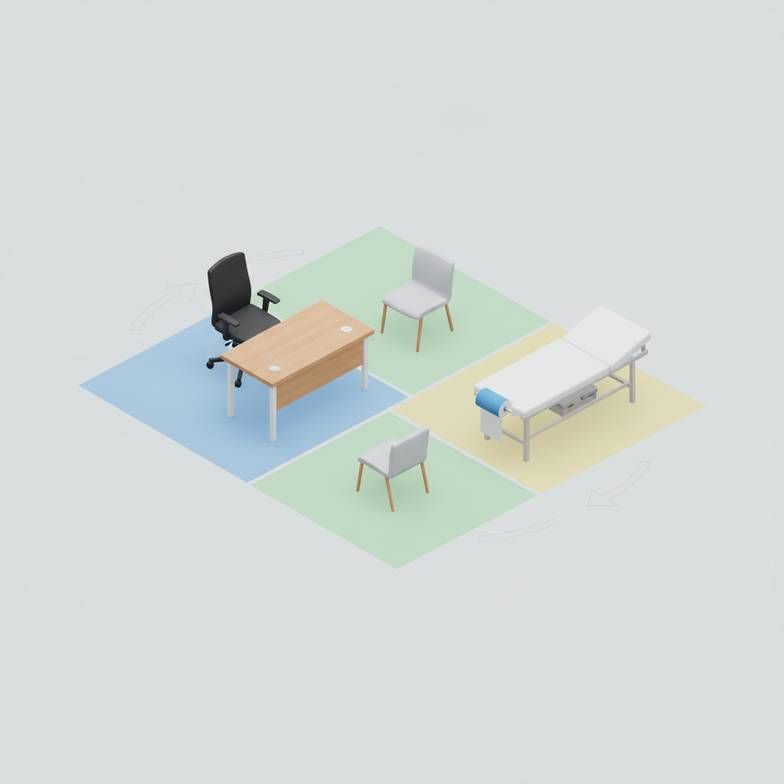
The Doctor's Zone (The Control Center)
This area is the doctor’s base of operations. It typically includes the desk, an ergonomic doctor’s chair or stool, and access to a computer for patient records.
- Positioning: The desk should be positioned so the doctor can easily greet the patient upon entry but also have a clear, unobstructed view of the room. It should facilitate face-to-face conversation without feeling like a barrier.
- Function: The desk needs adequate surface area and integrated cable management to keep wires tidy and off the floor, preventing trip hazards. The doctor's chair must be ergonomic, adjustable, and often features casters for easy movement between the desk and the examination area.
The Patient & Family Zone (The Welcome Area)
This is where the initial conversation happens. It should feel safe, comfortable, and welcoming.
- Furniture: This zone requires one or two static patient chairs. A common mistake I see when clients send their initial list is specifying chairs without armrests. Armrests are critical for elderly or infirm patients, who use them for support when sitting down and standing up.
- Positioning: Place these chairs where the patient can see the doctor clearly without having to turn their head unnaturally. They should be out of the direct line of the doorway to give the patient a sense of privacy from the corridor. Ensure enough space for a family member or companion.
The Examination Zone (The Clinical Space)
This area is dedicated to clinical tasks. Privacy is the top priority here.
- Core Components: This zone includes the examination couch, a mobile medical trolley for instruments, a hand wash sink (if applicable), and a clinical waste bin.
- Layout: The examination couch should be positioned to be inaccessible from the doorway's line of sight. Using a privacy screen is a simple and effective way to ensure this. From my experience helping project contractors, a frequent oversight is failing to leave enough clearance—at least 75cm (30 inches)—on all working sides of the couch for the doctor to move freely. The medical trolley should be close at hand, and the waste bin should be accessible but not in a high-traffic path.
What Are the Core Pieces of Doctor Consultation Room Furniture You Need?
You have a room plan, but now you need to select the right products. What are the non-negotiable items, and what specifications should you demand from your supplier? A basic list is a good start, but the details are what count.
The core pieces of doctor consultation room furniture include a doctor's desk and chair, patient chairs, an examination couch, and storage like cabinets or a medical trolley. Each item demands specific medical-grade features, such as chemical-resistant surfaces, fully-welded frames, supportive ergonomics, and durable casters designed for a clinical environment.
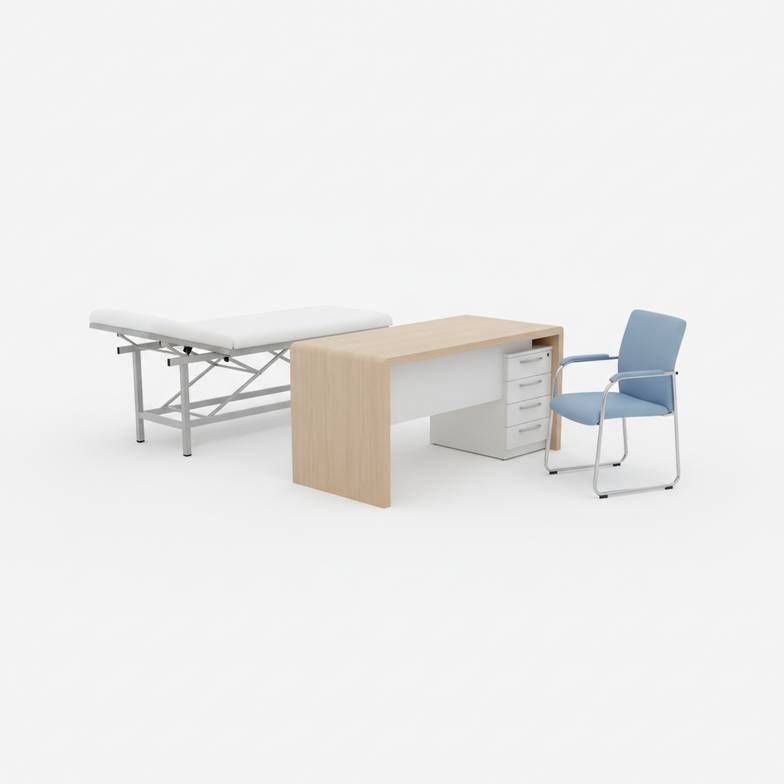
Here is a breakdown of the essential items and the key specifications to look for. When I work with clients on their tender documents, these are the points we focus on to weed out unsuitable, low-quality options.
| Furniture Item | Critical Spec 1: Surface/Material | Critical Spec 2: Frame/Base | Critical Spec 3: Key Feature | Why It Matters |
|---|---|---|---|---|
| Doctor's Desk | High-Pressure Laminate (HPL) | Powder-coated steel legs | Integrated cable management | Durability, ease of cleaning, safety. |
| Patient Chair | Medical-grade seamless vinyl | Fully-welded steel frame | Fixed armrests for support | Infection control, stability, patient safety. |
| Examination Couch | High-density foam, PU upholstery | Heavy-gauge steel construction | Adjustable backrest, paper roll holder | Patient comfort, clinician access, hygiene. |
| Medical Trolley | Stainless steel or ABS top | Fully welded frame, quiet casters | Guard rails, multiple drawers | Mobility, instrument organization, safety. |
For patient chairs, I always advise clients to check the load capacity and the design of the armrests. Are they easy for an elderly patient to grip? For an examination couch, ask about the density of the foam—low-density foam will compress and become uncomfortable very quickly. For medical trolleys, the quality of the casters is paramount. A trolley with stiff or noisy wheels is a constant annoyance and workflow impediment. Discussing these practical, real-world details with your supplier is key to avoiding future problems.
How Do Furniture Needs Change for Different Medical Specialties?
Is the furniture for a pediatrician's office the same as for a bariatric clinic? Absolutely not. A "one-size-fits-all" approach to sourcing doctor consultation room furniture is a recipe for failure, as it ignores the unique needs of different patient populations and clinical procedures.
Furniture requirements vary significantly by medical specialty. For example, a pediatrics clinic demands furniture with rounded corners and scratch-proof surfaces for safety and durability. In contrast, a dermatology practice needs specialized examination chairs that offer maximum patient accessibility, while a bariatric clinic must prioritize furniture with higher weight capacities and enhanced stability.
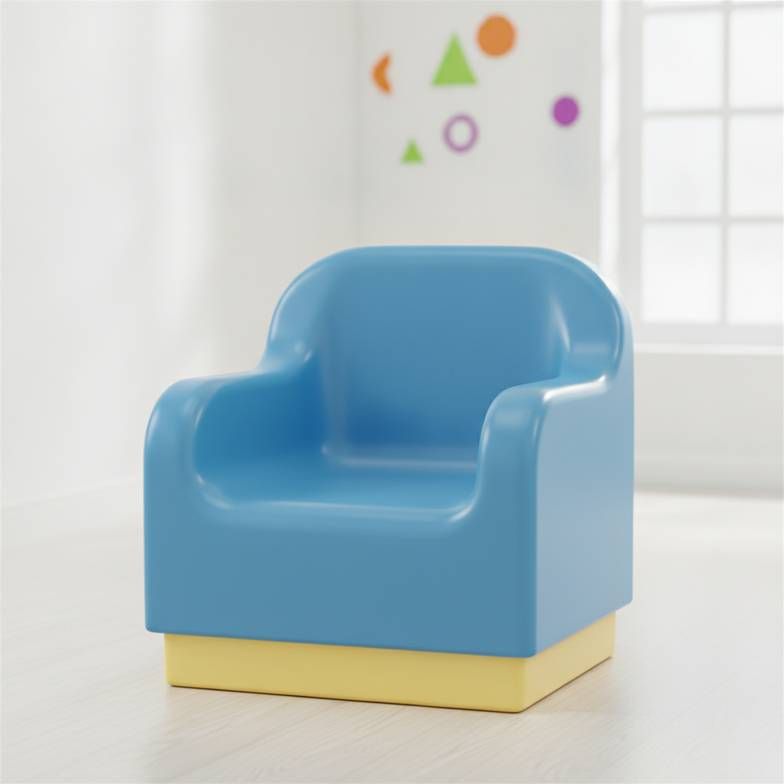
Pediatrics
Safety and creating a non-intimidating environment are the top priorities.
- Safety: All furniture must have rounded corners to prevent injuries. Surfaces should be extremely durable and scratch-resistant. For a recent pediatrics clinic project, I had to explain why their initial choice of standard laminate desks was a risk; the sharp corners were a hazard, and the surfaces would be destroyed by scratches and harsh cleaning within months.
- Atmosphere: Using bright, welcoming colors for chairs and decor can help reduce anxiety in young patients. Some examination tables are even designed to look like animals.
- Scale: Consider including some child-sized chairs and tables in the waiting area or even in the consultation room.
Dermatology and Podiatry
These specialties require unobstructed access to specific parts of the patient's body.
- Examination Furniture: The focus is on a highly adjustable examination chair or couch. It should allow the clinician to easily access the patient's skin, legs, or feet. Motorized chairs that can rotate, tilt, and adjust in height are common.
- Material Resilience: Seating materials must be able to withstand frequent contact with oils, lotions, and other treatment-specific substances without degrading.
Geriatrics and Bariatrics
For these patient groups, stability, support, and accessibility are paramount.
- Seating: Patient chairs must have high, sturdy armrests to assist with standing up. The seat height should be slightly higher than standard, and the foam should be firm to provide adequate support. Avoid deep, soft cushions that can be difficult to get out of.
- Weight Capacity: All furniture, especially patient chairs and examination couches, must have a significantly higher safe working load. This is a critical safety specification that you must verify with your supplier. Exam tables should be wider and may require powered height adjustment to facilitate patient transfers.
When sourcing for a specialty clinic, provide your supplier with as much context as possible about your patients and procedures. A good partner won't just sell you a product; they will help you specify the right solution.
Frequently Asked Questions
How do I ensure doctor consultation room furniture is easy to clean for infection control?
Prioritize furniture with non-porous surfaces like medical-grade vinyl, high-pressure laminate (HPL), or stainless steel. Look for seamless designs without crevices where germs can hide. Verify with the supplier that the materials can withstand common hospital-grade disinfectants like alcohol or bleach solutions without degrading.
What is the main difference between a patient chair and a regular visitor chair?
A patient chair is a piece of medical equipment designed for clinical use. It features durable, easy-to-clean materials, a sturdy frame (often welded), and supportive armrests to help patients with limited mobility sit and stand safely. A regular visitor chair is built for comfort and aesthetics, not for clinical durability or patient assistance.
How much space should I allocate for a standard doctor's consultation room?
A typical consultation room is around 10–12 square meters (110–130 square feet). This allows enough space for a doctor's desk, two patient chairs, an examination couch, and clear pathways for movement. However, this can vary based on specialty; rooms requiring larger equipment may need more space.
What are the most common points of failure to check in clinic furniture?
For chairs, check the welds on the frame, the mounting points for casters, and the upholstery seams. For desks and cabinets, inspect the edges of the laminate for signs of peeling or chipping, which indicates low quality. For mobile trolleys, the casters are the most common failure point—ensure they are robust and roll smoothly.
Conclusion
Effective doctor consultation room furniture planning goes far beyond aesthetics. It's a strategic process of creating an integrated system that serves the needs of doctors, ensures the safety and comfort of patients, and stands up to the rigorous demands of a clinical environment. By focusing on a workflow-driven layout, demanding medical-grade materials and construction, and tailoring your choices to your specific medical specialty, you transform your furniture from a simple expense into a long-term asset. This approach not only improves daily efficiency but also lowers the total cost of ownership and reinforces a commitment to patient safety.
If you are planning a clinic, hospital, or healthcare project and need support in specifying the right furniture for your needs, contact the CareFurnex team. We help procurement managers, distributors, and contractors source practical hospital furniture from China with clearer specifications and lower procurement risk.
Written by
CareFurnex Team
CareFurnex Team shares practical knowledge about hospital beds, patient room furniture, medical trolleys, clinic furniture, and healthcare facility procurement for international B2B buyers.
Related Products
Hospital Beds
General-purpose patient beds for inpatient wards and standard hospital rooms.
View product
Ward Furniture
Complete ward furniture options for patient rooms and hospital care areas.
View product
Medical Trolleys
Mobile carts for nursing rounds, treatment supplies, medicines, and clinical tools.
View product