
Sourcing pediatric beds feels risky. You worry about patient safety and long-term costs. A wrong choice can lead to operational headaches and harm your reputation.
Before ordering, check specific safety features beyond certification, like side rail gaps and locking durability. Evaluate how the bed fits nursing workflows, not just its feature list. Finally, scrutinize quotes for hidden variables in materials and construction to ensure long-term value and patient safety.
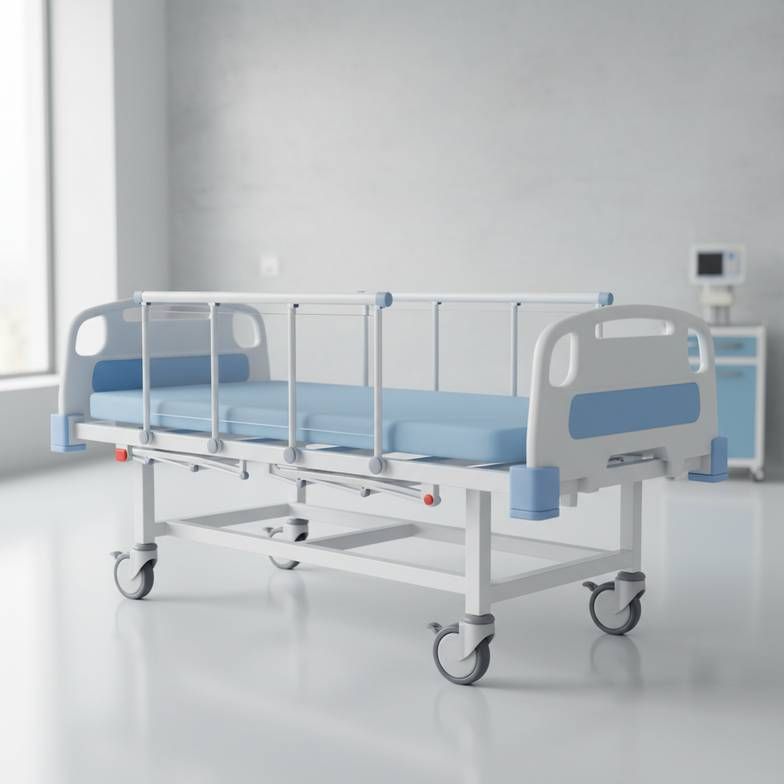
I've supported hundreds of buyers, from hospital project contractors to medical equipment distributors. A common pattern I see is a focus on price and basic certificates, which often misses the critical details that determine a bed's true safety and usability. In my experience, the most successful procurement managers don't just buy a product; they invest in a solution that anticipates the challenges of a busy pediatric ward. Let's break down the key areas you need to investigate to make a confident and responsible purchasing decision.
Is a CE Certificate Enough to Guarantee Patient Safety?
You see a CE mark and assume the bed is safe. But patient injuries still happen. Are you sure you're looking at the right safety details?
No. A certificate is a starting point, not the destination. Practical safety involves checking entrapment risks from side rail gaps, the durability of locking mechanisms, and the bed's overall stability during use. These details aren't always clear from a certificate alone.
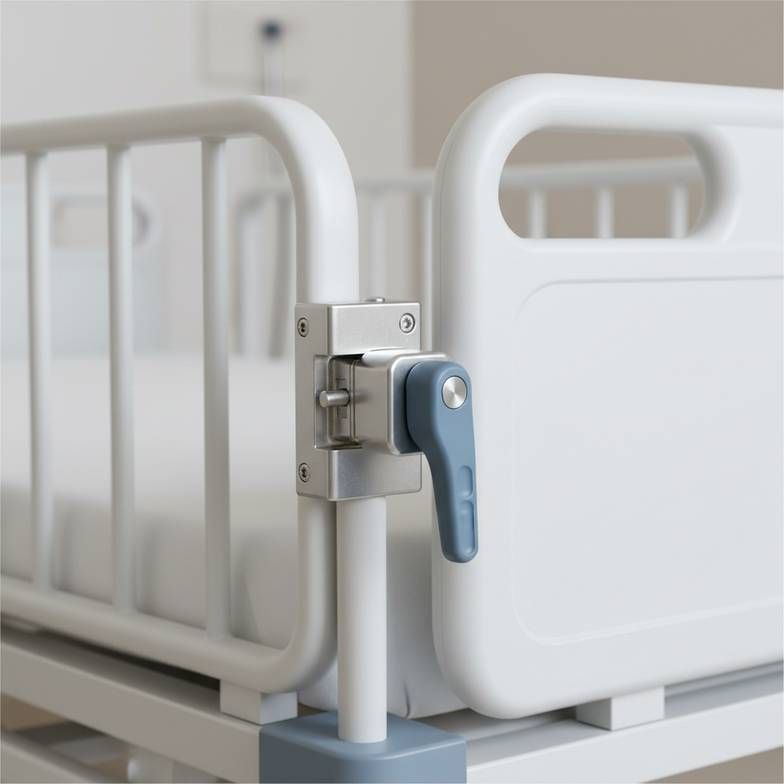
A question I often get from project managers is, "It's CE marked, so it complies with IEC 60601-2-52, right?" While that's the goal, the standard itself is about minimizing risk in a practical way. Your job is to verify how a manufacturer achieves this. For example, the standard specifies maximum gaps to prevent a child's head, neck, or body from getting trapped. But a small infant has different risks than a 7-year-old child. You must check that the side rails, when fully raised, offer protection for the smallest intended patient. We often advise clients to look for full-length side rails with minimal gaps between bars. The locking mechanism is another critical point. It must be strong enough to withstand a child's pushing or shaking, yet easy for a nurse to operate with one hand. We've seen after-sales reports from other brands where cheap plastic locks break after a few months of intense use. A robust, double-lock system is a much safer investment.
| Safety Aspect | What to Check | Why It Matters |
|---|---|---|
| Entrapment Zones | Measure gaps between side rails and at the head/foot boards. | Prevents head, neck, or limb entrapment, a primary risk for young patients. |
| Side Rail Locks | Test the locking mechanism. Is it a double-action lock? | Prevents accidental or child-initiated opening, ensuring containment. |
| Bed Stability | Check for wobbling when at maximum height or during transfers. | A stable base is crucial for patient safety during care and movement. |
How Do You Evaluate a Bed for Real-World Nursing Workflow?
A bed full of advanced features looks great in a catalog. But in a busy pediatric ward, complex features can slow down nurses and create new problems.
Focus on operational efficiency. Can one nurse operate all functions, including emergency CPR release, easily? Are the casters and brakes durable for constant movement? How easily can the surfaces be cleaned with harsh hospital disinfectants without degrading over time?
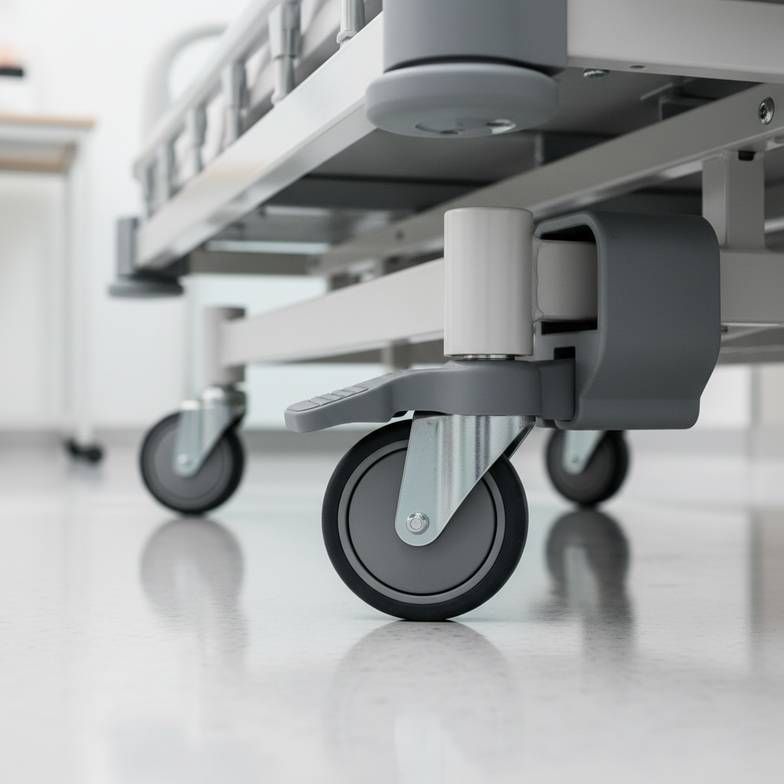
In my experience with hospital procurement teams, the conversation often shifts from features to workflow. A bed with a weighing scale is great, but if it takes two nurses to move the bed to the NICU, it's an operational failure. This is why we always discuss the "one nurse" principle. A single staff member should be able to brake, steer, and move the bed smoothly, as well as adjust its height and backrest without assistance. This brings us to the casters. Many quotes don't specify the caster quality, but this is a major point of failure. We insist on high-quality, centrally-locking casters that can be controlled with a single foot pedal. This is much faster and safer than locking each wheel individually. Another workflow aspect is cleaning. The bed's surfaces—from the steel frame to the ABS plastic headboard—will be wiped down with aggressive disinfectants daily. A poor-quality powder coating will chip and rust, creating a hygiene risk. You must confirm that all materials are designed to withstand hospital-grade cleaning protocols for years.
Key Workflow Questions for a Supplier:
- Can one nurse perform all essential adjustments and movements alone?
- What brand are the casters and what is the braking system (central vs. individual)?
- What is the cleaning protocol for this bed, and what chemicals has the powder coating been tested against?
What Hidden Costs Are Lurking in Your Pediatric Bed Quotation?
You have two quotes for similar-looking beds, but one is much cheaper. This seems like an easy decision, but the cheaper option often carries hidden risks and future costs.
Look beyond the final price. Compare the steel frame thickness, the quality of the powder coating, mattress foam density, and the motor brand if it's electric. Also, ask about the availability and cost of spare parts like casters or remote controls.
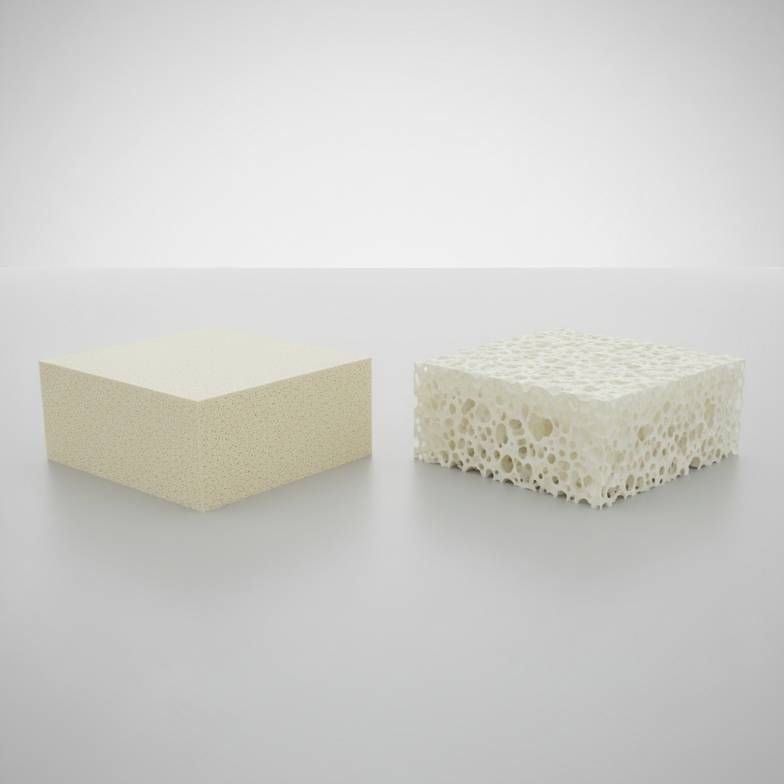
Comparing quotes based on price alone is one of the biggest mistakes I see buyers make. A lower price almost always means compromises were made somewhere. Your task is to find out where. We always encourage clients to request a detailed specification sheet and compare the line items. For example, is the steel frame made from 1.2mm thick tube or 1.5mm thick tube? That small difference impacts the bed's weight capacity and structural integrity over its lifespan. The same goes for the mattress. A cheap, low-density foam mattress will flatten in months, offering poor support and becoming an infection control risk. A high-density foam mattress with a waterproof, anti-bacterial cover costs more upfront but lasts for years. I once worked with a distributor who bought cheap electric beds from another supplier. Within a year, the hand controls started failing, and the original supplier couldn't provide replacements. The hospital had to write off the beds as a loss. This is why asking about the supplier's spare parts policy is non-negotiable.
| Specification | Low-Cost Quote (High Risk) | Durable Quote (Lower Risk) |
|---|---|---|
| Steel Frame | 1.2mm thickness, standard paint | 1.5mm+ thickness, electrostatic powder coating |
| Mattress | 6cm low-density foam, basic PVC cover | 8cm+ high-density foam, waterproof/breathable cover |
| Casters | 4-inch plastic wheels, individual brakes | 5-inch medical-grade wheels, central locking |
| Spare Parts | Policy unclear, 6-month availability | 5+ year availability guarantee for key parts |
When Should You Choose a Custom Pediatric Bed Over a Standard Model?
You need beds for a new ward and wonder if you should request custom features. Customization sounds appealing, but it can introduce delays, costs, and unexpected engineering problems.
Stick with standard, proven models for reliability and faster delivery whenever possible. Only consider customization for specific, unavoidable needs, such as non-standard room dimensions or unique functional requirements that standard models cannot meet. Vet the supplier's engineering capabilities thoroughly before committing.
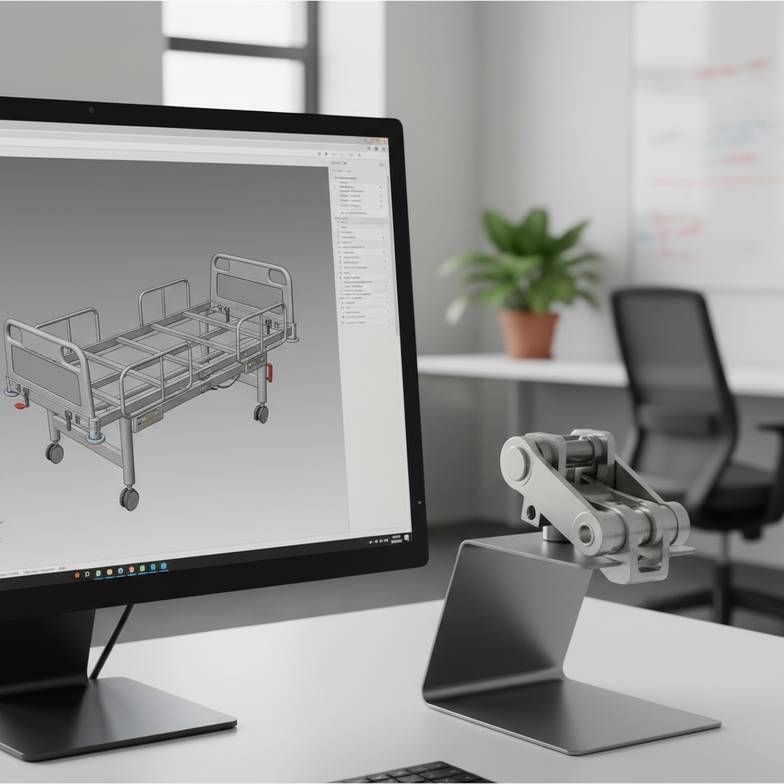
A question I get from project contractors is whether they should customize beds for a new facility. My first response is always to ask, "Why?" Standard models are standard for a reason: their designs are proven in thousands of real-world hospital environments. They have been refined over years based on feedback from nurses and maintenance staff. This means they are reliable, and production is streamlined, leading to faster delivery and lower costs. Customization should be a last resort, reserved for when a standard model truly cannot meet a critical need. For example, I worked with a hospital in an older building that had narrow doorways; we had to engineer a slightly narrower bed frame for them. Another clinic needed an extra-low height setting for a specific patient group. These were valid reasons. However, requesting customization for purely aesthetic reasons or for a feature that only offers a minor convenience is often not worth the risk. If you do need to customize, you must be confident in your supplier's R&D capabilities. Ask for case studies of past custom projects. Ask about their prototyping and testing process. A good partner will be transparent about the challenges and work with you to find a practical solution.
Conclusion
Choosing the right pediatric bed is about detailed risk management. By checking safety, workflow, hidden costs, and customization needs, you secure a reliable, long-term asset for your hospital.
Written by
CareFurnex Team
CareFurnex Team shares practical knowledge about hospital beds, patient room furniture, medical trolleys, clinic furniture, and healthcare facility procurement for international B2B buyers.
Related Products
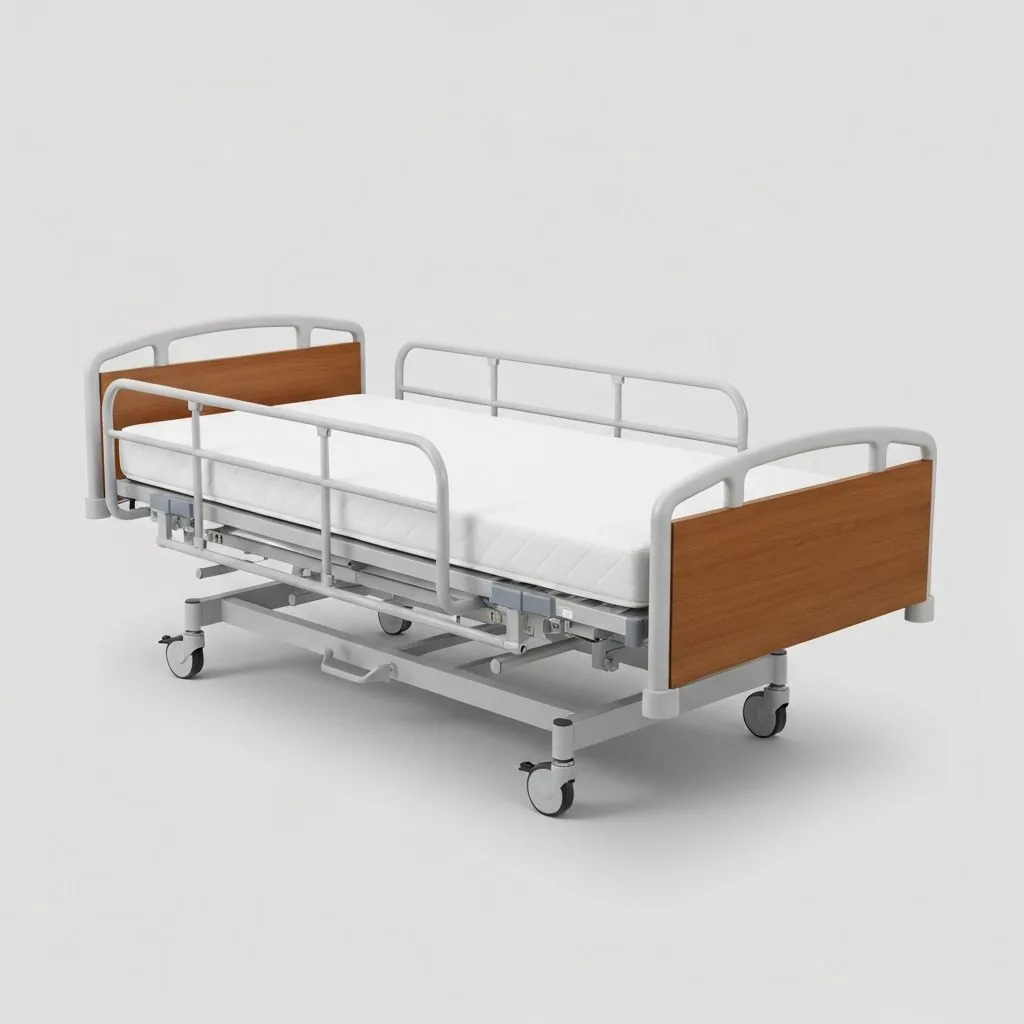
Hospital Beds
General-purpose patient beds for inpatient wards and standard hospital rooms.
View product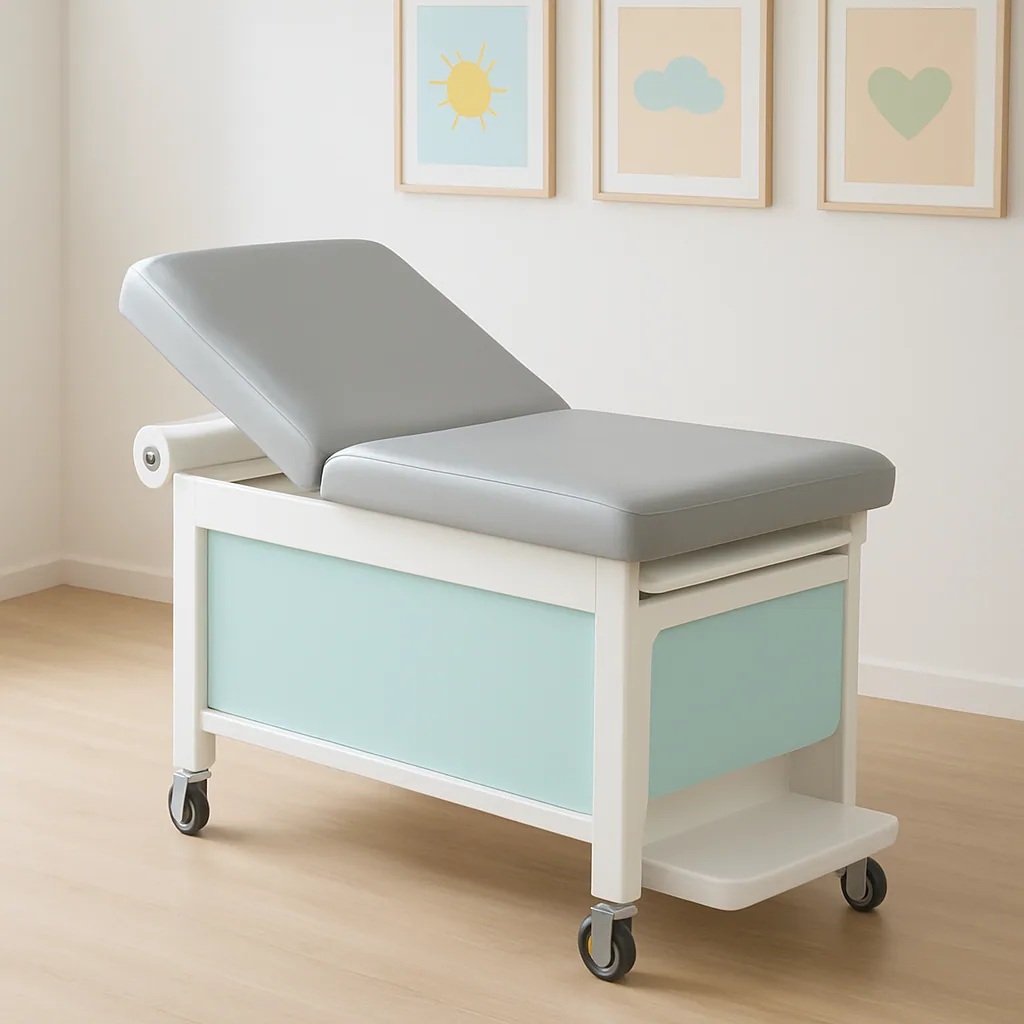
Pediatric Exam Tables
Children's examination tables for pediatric clinics and child-focused healthcare rooms.
View productElectric Hospital Beds
Motorized multi-function beds with electric height, backrest, and leg adjustment options.
View product