
Planning furniture for a neonatal unit feels overwhelming. One wrong choice can impact workflow and safety. Let's break down how to get it right from the start.
The most effective way to plan neonatal ward furniture is to start by defining the specific level of care, staff workflow, and infection control protocols. This approach is far better than using a generic product checklist, as it aligns furniture choices with your unit's unique operational needs.

Thinking about neonatal furniture as just a list of items is a common starting point, but it's a trap. A successful project requires a deeper look. It's about creating a safe, efficient, and low-stress environment for the most vulnerable patients and the dedicated staff who care for them. We need to move beyond product names and think about function, flow, and risk. Let's explore how to build a furniture plan that truly supports your neonatal ward's mission.
Why Is a Standard Neonatal Furniture Checklist a Mistake?
You need to furnish a new neonatal ward and a standard checklist seems like the fastest way. But this shortcut often leads to mismatched products and future problems.
Using a standard checklist is a mistake because a neonatal intensive care unit (NICU), a step-down ward, and a mother-baby room have completely different functional needs. Planning must start with the specific level of care, patient flow, and staff workflow, not a generic product list.
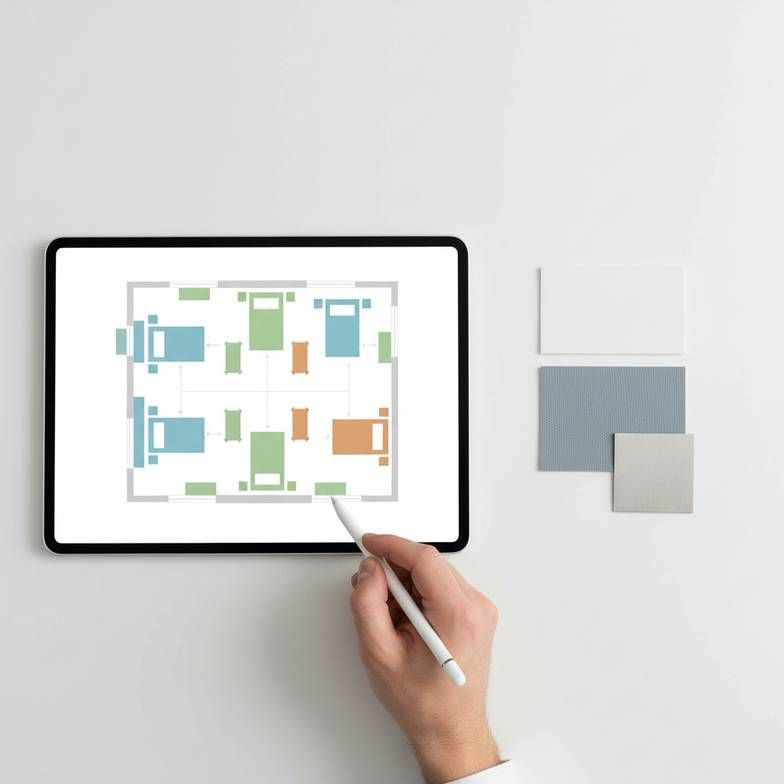
A common question I get is, "Can you send me your standard furniture list for a neonatal ward?" While I understand the need for a starting point, this approach is flawed. The term "neonatal ward" covers a wide range of care levels, and the furniture must reflect that. A Level III NICU, designed for critically ill infants, has vastly different demands than a step-down unit or a couplet care room where mother and baby stay together. In a NICU, space around the incubator is critical for multiple staff members and bulky equipment during emergencies. In contrast, a mother-baby room prioritizes family comfort and bonding, requiring furniture like a comfortable chair for the mother and secure storage for personal items. Starting with a generic list ignores these critical differences and can lead to buying furniture that hinders care instead of supporting it.
Before you even think about a single product, you must define the function of the space.
- Who will use the space? (NICU nurses, respiratory therapists, parents, housekeepers)
- What tasks will they perform? (Emergency intervention, routine checks, feeding, cleaning, charting)
- What equipment needs to be moved in and out? (Mobile X-ray, ultrasound machines, crash carts)
Here is a basic way to think about the different needs:
Ward Type | Primary Focus | Key Furniture Considerations
- Ward Type: NICU (Level III/IV) | Primary Focus: Intensive medical intervention | Key Furniture Considerations: Maximum access to infant, space for equipment, minimal surfaces for easy disinfection.
- Ward Type: Step-Down Unit | Primary Focus: Growth and recovery | Key Furniture Considerations: Balance of monitoring access and developmental care, space for parent participation.
- Ward Type: Mother-Baby Room | Primary Focus: Couplet care, bonding | Key Furniture Considerations: Patient comfort, infant safety (bassinets), family-friendly features, storage.
Only after you have answered these workflow questions can you begin to build a furniture list that makes sense for your specific project.
How Do Furniture Specifications Control Risk in a Neonatal Ward?
You are comparing two medical carts that look similar. One is cheaper. But what risks are hidden in that lower price, and how can specifications protect you?
Specifications control risk by defining features that directly support safety and infection control. Details like chemical-resistant materials, seamless construction, and high-quality locking casters are not just features; they are functional requirements that reduce long-term hazards and operational costs.
A risk we often see buyers overlook is the true meaning of "easy to clean." In a neonatal environment, this isn't a marketing term; it's a critical infection control requirement. Harsh disinfectants are used constantly, and furniture must withstand them without degrading. A standard plastic surface might crack or yellow, creating tiny crevices where bacteria can hide. A medical-grade, chemical-resistant polymer or a 304 stainless steel top will not. Similarly, a cart frame that is fully welded is superior to one that is bolted together. Welds eliminate seams where pathogens can accumulate, and a welded frame is structurally stronger, reducing the risk of failure over time. I always advise clients to ask for more than just a material name. Ask for evidence of chemical resistance testing. Ask if the frame is welded or bolted. These details are your first line of defense against long-term risks.
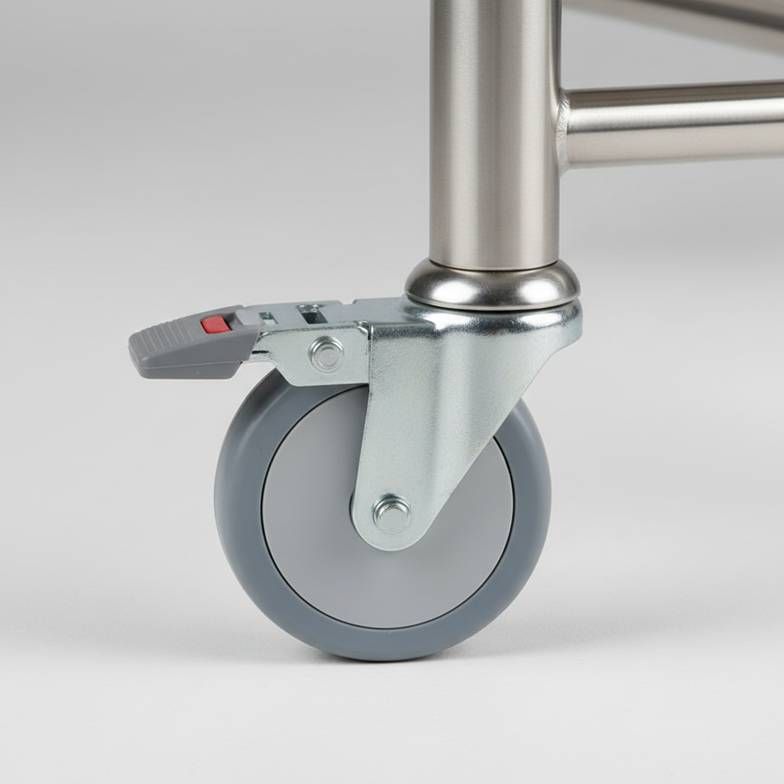
Let's break down another common specification: the casters. They are one of the most important components of any mobile furniture in a hospital.
Caster Feature | Why It Matters in a Neonatal Ward | What to Look For
- Caster Feature: Quiet Operation | Why It Matters in a Neonatal Ward: Loud noises can startle fragile infants and increase their stress levels. | What to Look For: Look for soft polyurethane or thermoplastic rubber (TPR) wheels.
- Caster Feature: Total-Lock Brakes | Why It Matters in a Neonatal Ward: Prevents both the wheel from rolling and the caster from swiveling, ensuring stability. | What to Look For: Confirm the brake locks both axes of movement. A diagonal locking pattern (two locking casters) is standard.
- Caster Feature: Non-Marking Material | Why It Matters in a Neonatal Ward: Keeps expensive hospital flooring clean and reduces maintenance costs. | What to Look For: Ensure the material is specified as non-marking.
- Caster Feature: Sealed Bearings | Why It Matters in a Neonatal Ward: Prevents debris and fluids from entering the bearing, ensuring smooth rolling and longevity. | What to Look For: Ask the supplier if the caster bearings are sealed. This is a key durability point.
Every specification, from the drawer slides being soft-closing (to prevent loud slams) to the height adjustability of a changing table (for staff ergonomics), is a decision point that impacts safety, workflow, and the total cost of ownership.
What Layout and Procurement Details Maximize Safety and Value?
You've selected the right types of furniture. Now you have to fit them into the room and get them delivered safely. How do you plan the layout and purchase to avoid critical errors?
A safe layout prioritizes the 'arc of care' around each infant for emergency access. Smart procurement looks beyond price to the total cost, verifying component quality and packaging to prevent shipping damage.

From a project delivery standpoint, layout planning must prioritize staff workflow over simply maximizing the number of beds. We talk about the 'arc of care'—the critical space around an incubator or infant warmer. Is there enough room for three or four people to work simultaneously in an emergency without tripping over furniture or each other? Is there a clear path for mobile equipment like an X-ray machine? Placing a storage cabinet in the wrong spot can block access and create a dangerous delay. I always ask for floor plans early in the discussion. We can then digitally place furniture to simulate workflows and identify potential bottlenecks before a single item is ordered. We also must consider the family. Creating a designated zone for parents, even if it's just a comfortable chair slightly out of the main traffic path, is crucial for family-centered care.
When it comes to procurement, my focus shifts to supply chain risk. The price on the quotation means nothing if the goods arrive damaged or fail prematurely. A key area I push clients to investigate is packaging. For international shipments, furniture needs more than a simple cardboard box. We insist on reinforced crating, corner protectors, and internal bracing to ensure products can withstand the rigors of sea freight and handling at the port. Ask potential suppliers for photos of their export packaging. It’s a simple request that reveals a lot about their experience and attention to detail. This proactive step, along with verifying critical components like casters and locking mechanisms, moves the conversation from price to total value and long-term reliability.
Conclusion
Ultimately, successful neonatal ward planning moves beyond a simple checklist. It's about aligning workflow, risk-based specifications, and smart procurement to create a truly safe and efficient environment.
Written by
CareFurnex Team
CareFurnex Team shares practical knowledge about hospital beds, patient room furniture, medical trolleys, clinic furniture, and healthcare facility procurement for international B2B buyers.
Related Products

Ward Furniture
Complete ward furniture options for patient rooms and hospital care areas.
View product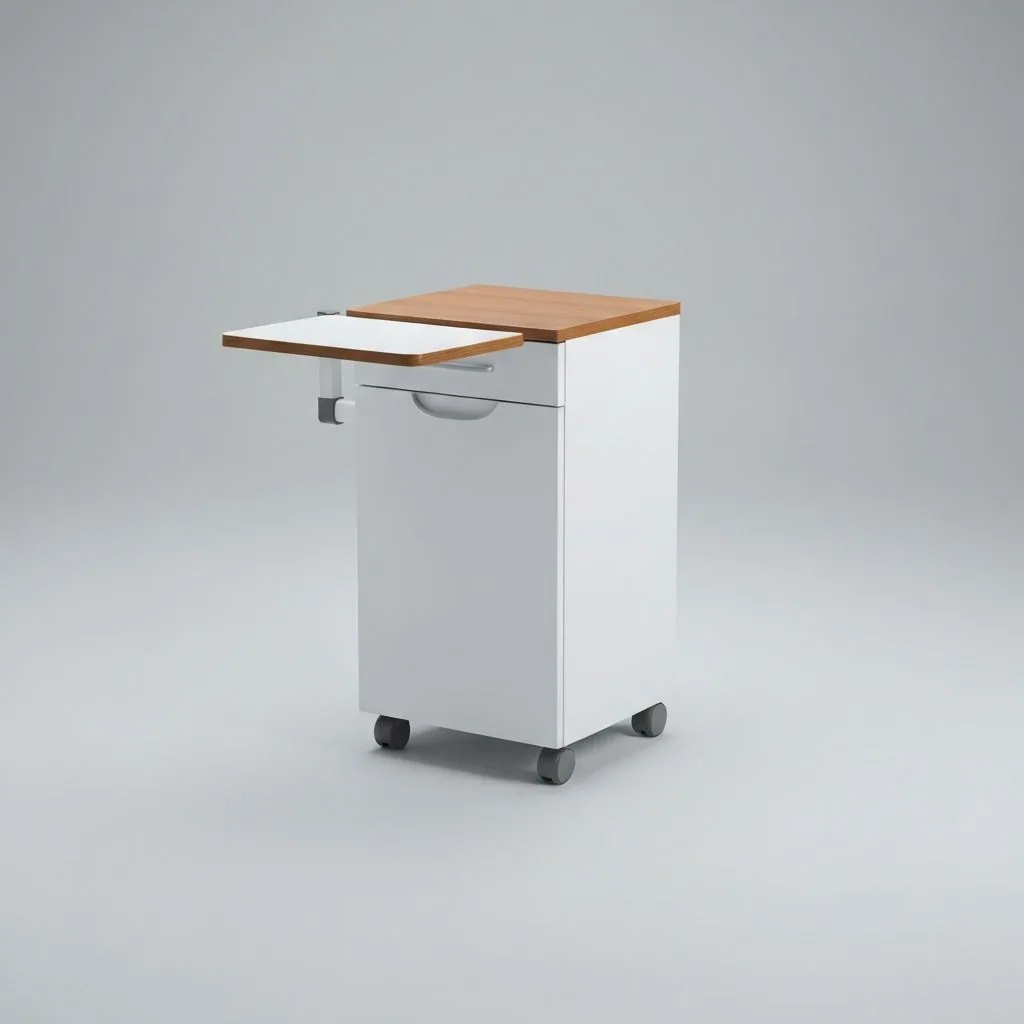
Hospital Bedside Cabinets
Bedside cabinets with drawers, storage, dining board options, and easy-clean materials.
View product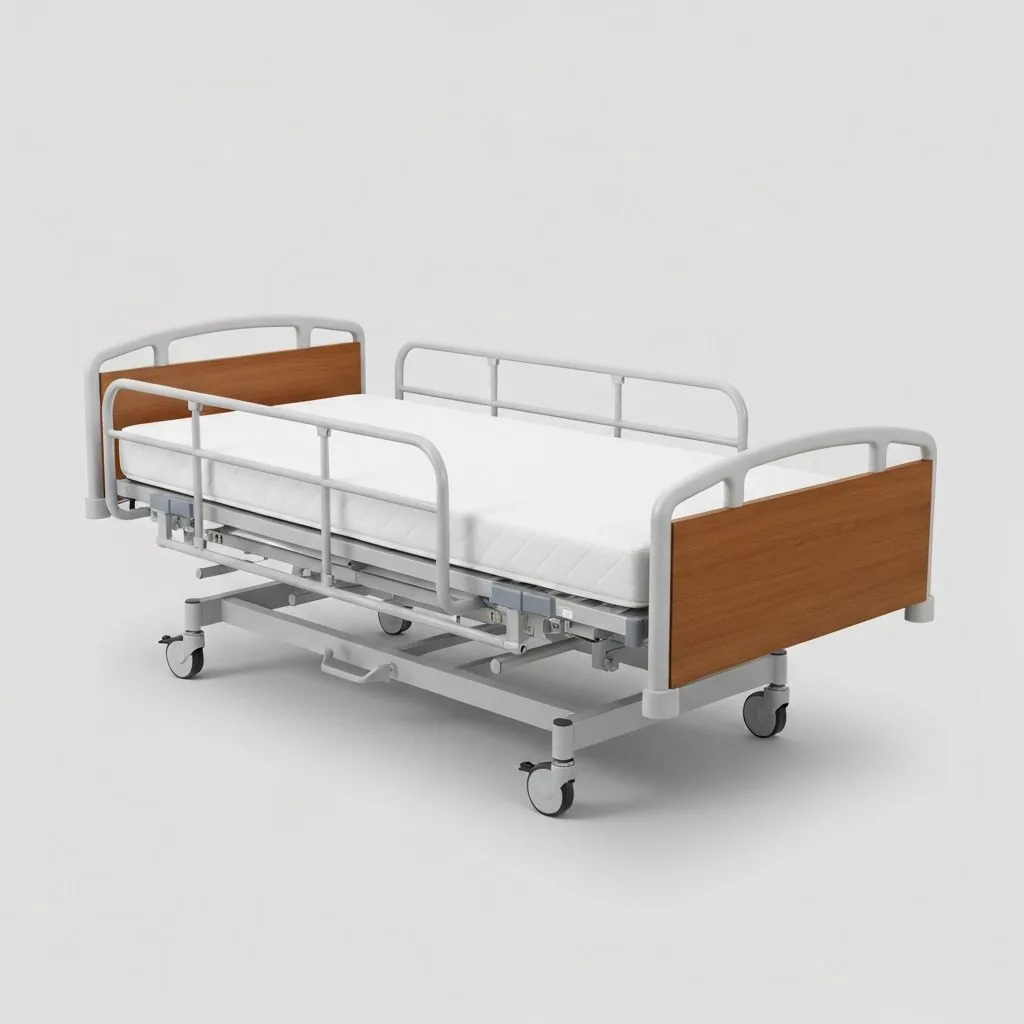
Hospital Beds
General-purpose patient beds for inpatient wards and standard hospital rooms.
View product