
A request for "three medical trolleys and five bedside cabinets" tells a supplier the exact items and quantities a project needs. What it doesn't reveal is whether the buyer has budgeted for the real costs of a small production run, the necessary reinforced packing for a small shipment, or the high freight-to-product value ratio.
Without this context, a supplier's quotation can be confusing. A high unit price may seem uncompetitive, and a rejected order can feel like the supplier is inflexible. The reality is that the Minimum Order Quantity (MOQ) is not a sales rule; it is a direct reflection of production and logistics economics. A quotation for a small quantity simply makes these normally-hidden costs visible.
Before ordering, buyers should know that a supplier's MOQ for hospital furniture is mainly driven by production realities like raw material purchasing minimums, machine setup costs, and the need for robust packing for smaller shipments. To make a practical decision, you should clarify if the minimum is per-item or a total order value, ask for the price difference between your quantity and the MOQ quantity, and confirm the total shipping volume (CBM) to estimate landed costs accurately.
Why Is the Unit Price Higher for a Small Hospital Furniture Order?
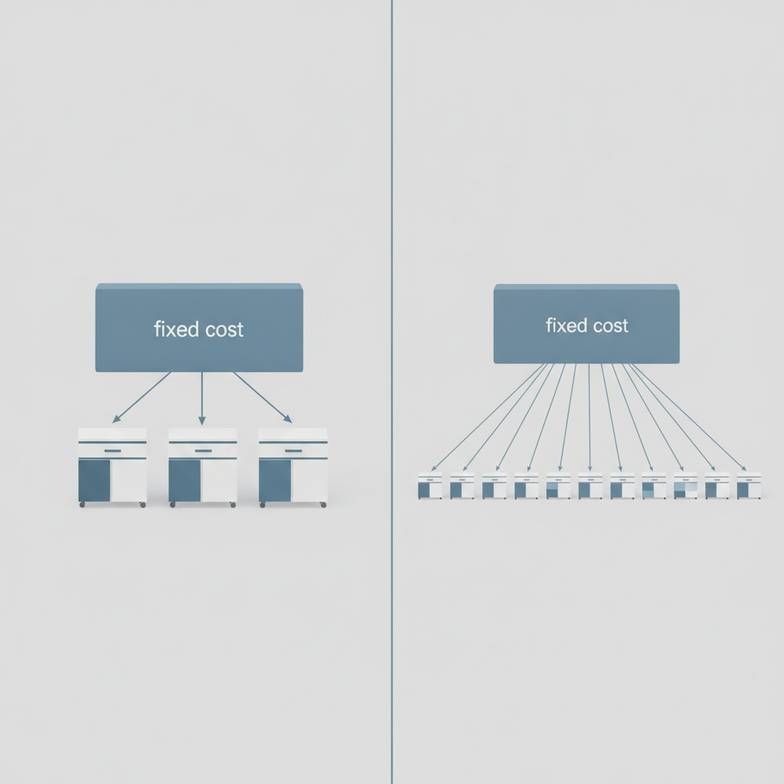
A buyer seeing a high unit price for a small order often assumes the supplier is expensive. From a supplier's perspective, the price reflects the reality of fixed costs. A production line has setup costs—for tooling, machine calibration, and labor—that are the same whether you produce 5 units or 50.
When producing 50 units, that fixed cost is spread thin, having a small impact on each item's price. When producing only 5 units, that same fixed cost is spread over a much smaller base, which can significantly raise the price of each unit.
A quotation for a small quantity is not an attempt to overcharge; it is a transparent reflection of production inefficiency. A supplier who quotes a higher price for a small run is often being more honest than one who accepts the order without explaining the compromises that might be made on packing or materials.
What Production Costs Actually Determine a Supplier's MOQ?
MOQ is not an arbitrary number. It is calculated based on the minimum efficient batch size for several key production stages.
- Raw Material Purchasing: Suppliers buy materials like stainless steel in large sheets or coils, and plastics in large-volume bags. Ordering a small quantity of steel for just two CSSD tables means significant material waste, the cost of which must be absorbed by those two units.
- Batch Processes: Many finishing processes, like powder coating, are done in batches. Running a full powder-coating cycle for a custom color on just three cabinets is highly inefficient. This is why the MOQ for a standard white model is often much more flexible than for a custom-colored item.
- Production Line Setup: Each time a new product is run, the production line must be set up. For furniture, this can involve changing molds, adjusting welding jigs, or programming CNC machines. These setup costs are the same for a short run as for a long one.
A request for a small quantity of a custom-configured product tells a supplier that several of these inefficient steps will be required, which is why the MOQ or unit price may be higher.
How Can Mixing Different Product Types Help Meet Minimums?
Thinking about your order as a single project rather than a list of separate items is one of the most effective ways to approach MOQ. Many suppliers operate with two types of minimums:
1. Per-Item MOQ: A minimum quantity for a single product model (e.g., "10 units of Model A bed"). 2. Total Order Value MOQ: A minimum total value for a mixed order (e.g., "$5,000 of any products").
A project list with 2 beds, 5 cabinets, and 3 trolleys tells a supplier the items needed, but not whether they should be quoted as three separate small orders or one combined project package. If your quantity for one item is firmly below the per-item MOQ, ask the supplier if you can meet a total order value by mixing other items your project needs. This turns a series of "no" answers into a single "yes."
Checklist: What to Check for a Low-Quantity LCL Shipment
For small orders, the furniture will likely ship via Less-than-Container Load (LCL), where your goods share container space with others. This makes packing and shipping volume key factors that can dramatically affect your total landed cost. Before finalizing a small order, use this checklist.
| Check Item | Question to Ask the Supplier | Why It Matters for a Small Order |
|---|---|---|
| MOQ Type | Is the minimum based on quantity per item, or can we meet a total order value? | A total value MOQ allows you to mix different items to make your project feasible. |
| Price Comparison | What is the unit price for my requested quantity vs. the price at the MOQ quantity? | This shows the real cost premium for a small batch and helps you make a clear budget decision. |
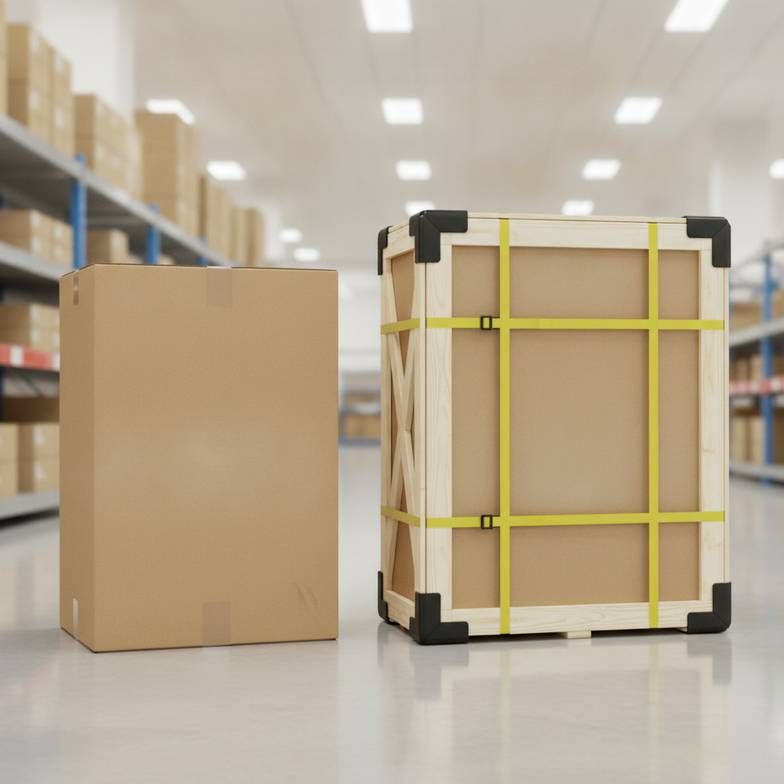
| Packing Scope | Does this quote include reinforced, export-grade packing suitable for LCL shipment? | Weak packing for LCL shipments leads to a high risk of damage. A low price may hide this risk. |
| Shipping Volume | What are the estimated carton dimensions and total Cubic Meters (CBM) for my order? | LCL freight is priced by volume. For bulky furniture, freight can cost more than the product itself. |
| Model Flexibility | Is there a standard model or color available that has a lower or more flexible MOQ? | Standard, in-stock items often avoid the inefficient batch processes that drive up MOQs for custom items. |
| Lead Time Options | Can we get a better price or smaller quantity if we accept a longer lead time? | A longer lead time may allow the supplier to combine your order with another production run, improving efficiency. |
How to Prepare Your Inquiry for a Small Project
Instead of asking, "What is your MOQ?", a more productive approach is to provide the information a supplier needs to find a solution for you. A supplier who immediately says "yes" to a small order without asking questions may be overlooking important details like packing. A supplier who asks for more detail is trying to build a realistic and safe quotation.
Before you request a quotation for a small or mixed-quantity project, help the supplier give you a helpful solution. Prepare a single list that includes:
- All the product types you need (e.g., beds, cabinets, trolleys, chairs).
- The quantity required for each item.
- Any specific configurations needed (e.g., electric functions, drawer layouts, side rails).
- A note on whether you are open to standard models/colors or can accept a longer lead time.
Sending a complete project overview, even if the quantities for each item are low, allows a supplier to assess the order based on total value and offer more practical options. This shifts the conversation from a simple "yes/no" on quantity to a collaborative effort to get your project sourced correctly.
Written by
CareFurnex Team
CareFurnex Team shares practical knowledge about hospital beds, patient room furniture, medical trolleys, clinic furniture, and healthcare facility procurement for international B2B buyers.
Related Products

Hospital Beds
General-purpose patient beds for inpatient wards and standard hospital rooms.
View product
Ward Furniture
Complete ward furniture options for patient rooms and hospital care areas.
View product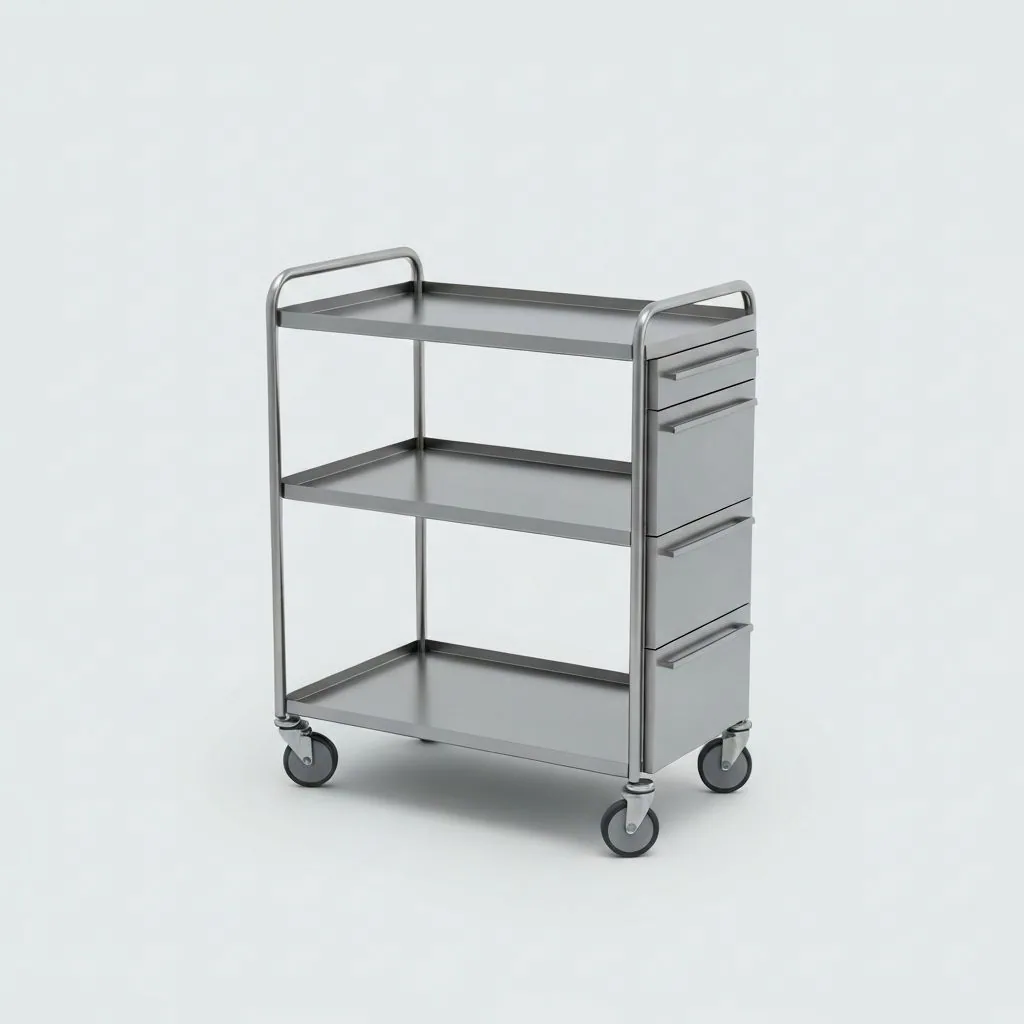
Medical Trolleys
Mobile carts for nursing rounds, treatment supplies, medicines, and clinical tools.
View product