
Choosing the wrong medication cart accessories can lead to workflow disruptions and security risks. The solution is to match dividers, locks, and labels directly to your hospital's operational needs.
To choose the right medication cart accessories, first identify your primary goal: improving dispensing speed, securing narcotics, or simplifying inventory. Match dividers for organization, narcotic boxes for security, and locks based on your facility's access policy. This approach prevents common procurement errors and operational friction.
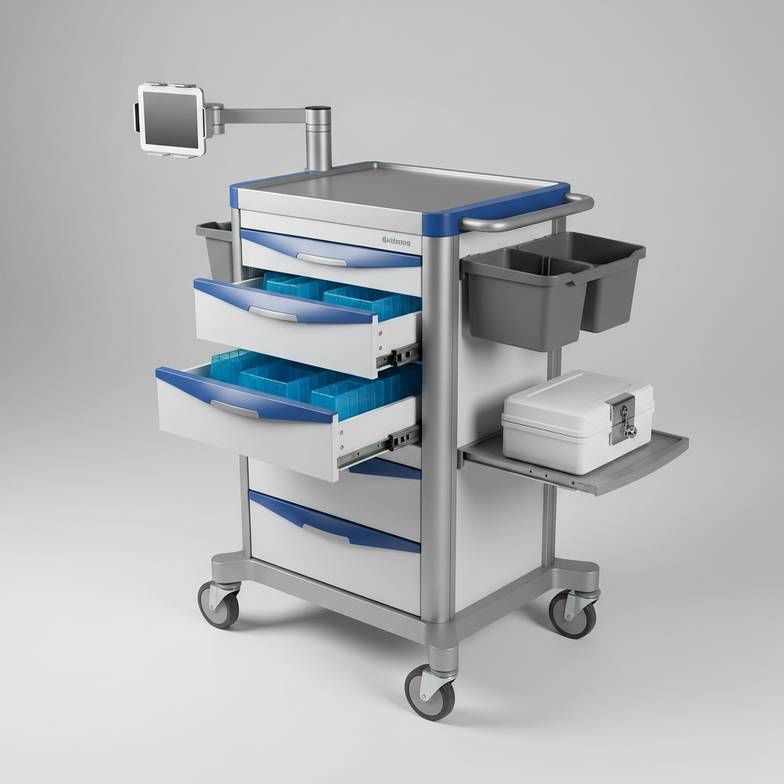
Many procurement managers I speak with believe that a cart with more features is always better. This thinking often leads to over-specifying and paying for accessories that nursing staff may not use. The real value comes from understanding how each component solves a specific, real-world problem within your facility. Instead of starting with a product catalog, it's better to start with the problems you need to solve on the ward. Let's break down the most common accessory choices to help you make a more informed and practical decision for your next project.
Are Drawer Dividers and Narcotic Boxes Just for Organization?
Your medication cart drawers are filled with mixed medications, causing delays and potential errors during rounds. This disorganization slows down nurses and increases the risk of a patient receiving the wrong dosage.
No, they solve very different problems. Drawer dividers are made for organizing general medications to improve dispensing efficiency and reduce errors. Narcotic boxes are specifically for securing controlled substances, helping you meet regulatory requirements and control access. They are not interchangeable tools for organization.
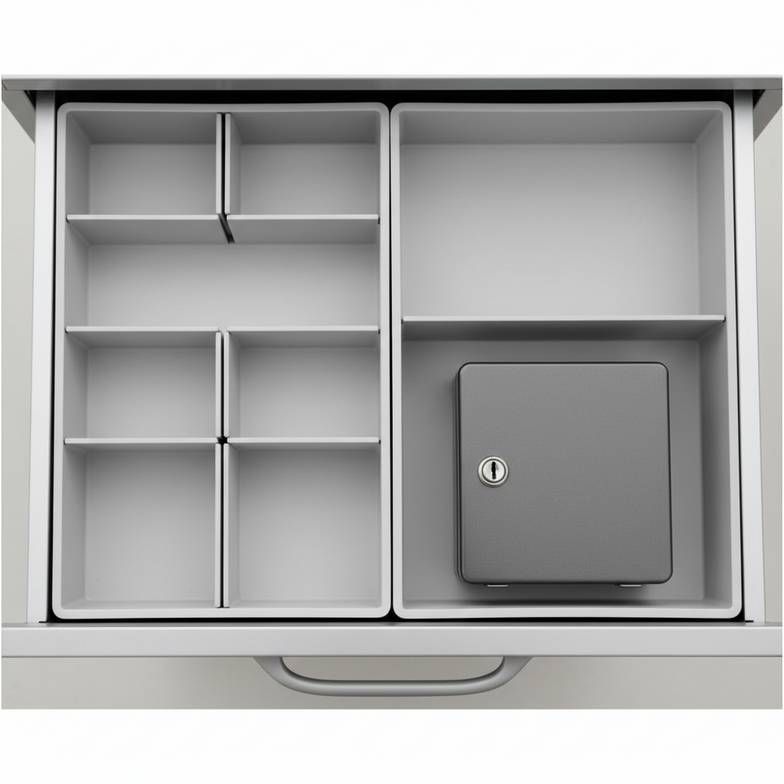
A common question we get from hospital procurement teams is whether a cart with good dividers also needs a separate narcotic box. The answer depends on the function. Dividers are about workflow efficiency, while narcotic boxes are about security and compliance. One organizes, the other secures.
Based on feedback from project deliveries, the most effective setups use both. Dividers create a clear, predictable system inside each drawer. This helps nurses find the right medication for the right patient quickly, which reduces cognitive load during busy medication rounds. It's a simple feature that has a huge impact on daily work.
Narcotic boxes, on the other hand, are a security feature. Their purpose is to restrict access to controlled substances and create a clear chain of custody. This is often a legal or regulatory requirement. They typically have their own separate lock.
Here is a simple way to think about it:
| Feature | Drawer Dividers | Narcotic Boxes |
|---|---|---|
| Primary Goal | Efficiency & Organization | Security & Compliance |
| Main Use | Separating patient meds, dosages | Storing controlled substances |
| Key Benefit | Faster med rounds, fewer errors | Access control, audit trail support |
| Consideration | Flexible configuration needed | Lock type, capacity, regulations |
How Do You Balance Security and Emergency Access with Cart Locks?
Choosing a lock seems simple until you consider lost keys or power outages during an emergency. Making the wrong choice could lock nurses out when they need urgent access or create a security breach.
The right locking system balances your security needs with practical daily access. Key locks are simple but create key management risks. Electronic keypad locks offer better access control and audit trails but depend on power and are more complex. You must evaluate your facility's policies to decide.
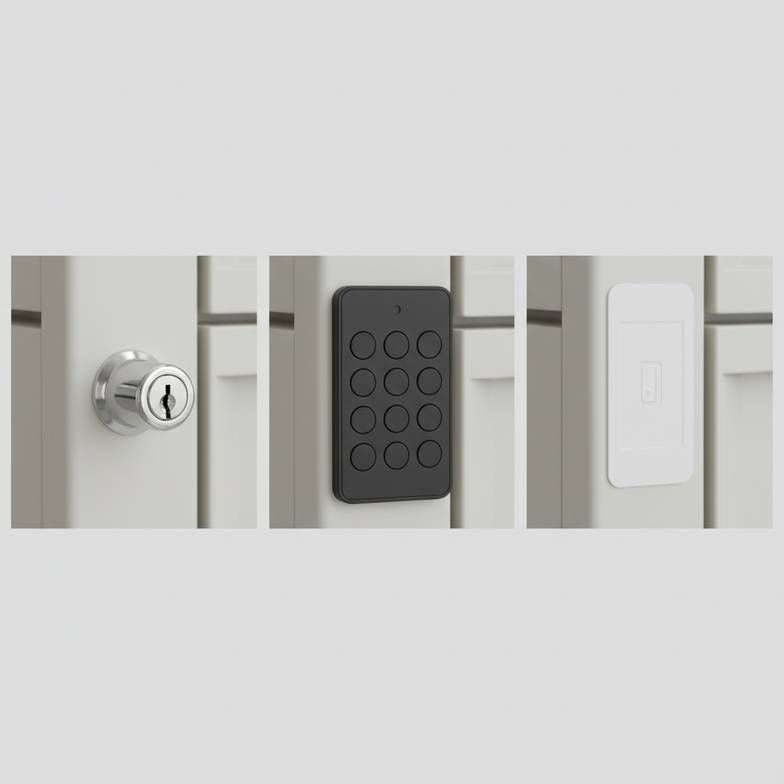
Procurement managers often ask us for the "most secure" lock available. However, the more practical question is, "What lock system best fits our hospital's workflow and security policy?" The most secure lock might not be the most practical one for your nurses during a fast-paced shift. It’s a trade-off between absolute security and immediate access.
From our experience supporting hospital projects, the choice usually comes down to three types.
1. Central Key Lock
This is the most traditional option. One key turns to lock or unlock all drawers simultaneously. It is simple and does not rely on electronics. The main challenge is key management. Who has the keys? What is the protocol if a key is lost? For smaller clinics with a small staff, this can be a straightforward solution.
2. Electronic Keypad Lock
This system uses a numeric code to unlock the cart. It removes the problem of physical keys. These locks can often support multiple user codes, and some models provide an audit trail, logging which code was used and when. The main considerations are managing user codes and ensuring batteries are replaced regularly.
3. Proximity Card Lock
This is the most integrated solution, where nurses use their existing staff ID badges to unlock the cart. It offers excellent security and a detailed audit trail. However, it is the most complex and costly option, requiring integration with your hospital's existing access control system.
| Lock Type | Best For | Key Consideration |
|---|---|---|
| Key Lock | Simplicity and lower budgets | A strong key management protocol |
| Keypad Lock | Good access control and audit trails | User code management and battery life |
| Proximity Lock | Full integration and high security | System compatibility and budget |
Is a Good Labeling System Just About Putting Names on Drawers?
You have labels on your cart drawers, but nurses still struggle to find the right patient's drawer. This confusion wastes valuable time and can lead to dangerous medication errors when staff are under pressure.
No, a good labeling system is a critical patient safety tool that must integrate with your nursing workflow. It should be clear, consistent, and designed to reduce cognitive load, often by aligning with your hospital's Medication Administration Record (MAR) system. It is much more than a sticker.
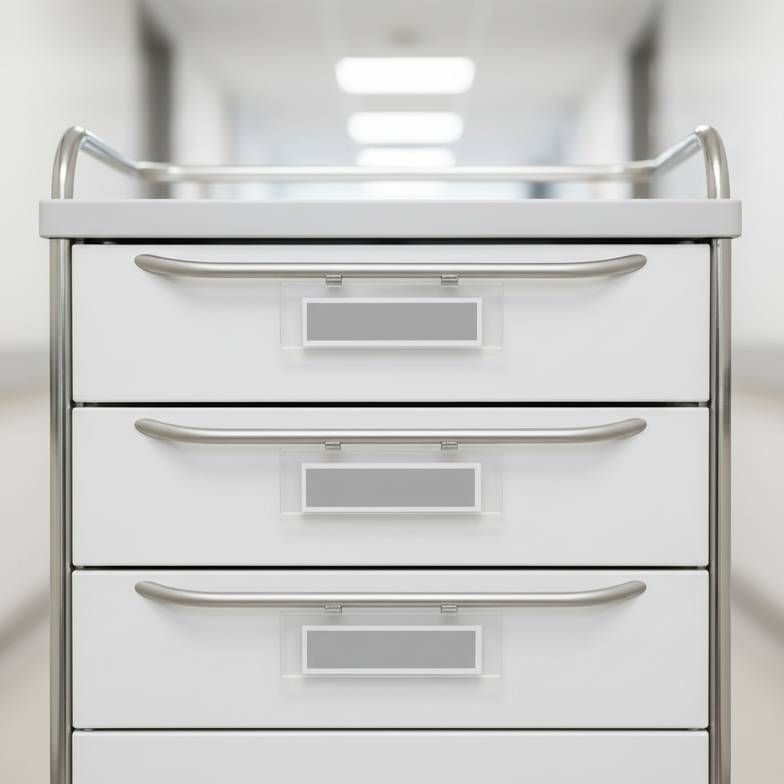
Buyers sometimes treat labeling as a minor detail to be sorted out later. But based on direct feedback from clinical staff after delivery, the labeling system is one of the most critical factors for a medication cart's daily usability and safety. An illogical or unclear system creates unnecessary work for nurses.
An effective system is about clarity and integration. The labels should be easy to read, with a large enough font and a consistent format. Many facilities use slide-in card holders instead of adhesive stickers, which makes it easy to update patient information without leaving sticky residue.
The most overlooked factor is how the labeling system integrates with the hospital's existing workflow, particularly the Medication Administration Record (MAR).
Matching Labels to Workflow
If the nurse's digital MAR is organized by patient room number, but the cart drawers are labeled with patient names, the nurse has to mentally connect the room number to the name for every single medication. This small step, repeated dozens of times a day, adds up. It increases cognitive load and introduces a risk for error. The goal is to make the cart a physical extension of the digital record, not a separate puzzle to solve.
Before finalizing an order, I always recommend showing the labeling options to a nursing manager. Their input is invaluable and helps prevent simple-to-fix issues that can cause major frustration after the carts are delivered.
Conclusion
Choosing the right medication cart accessories is not about finding the single best product. It is about matching dividers, boxes, locks, and labels to your hospital's specific workflow and safety needs.
Written by
CareFurnex Team
CareFurnex Team shares practical knowledge about hospital beds, patient room furniture, medical trolleys, clinic furniture, and healthcare facility procurement for international B2B buyers.
Related Products
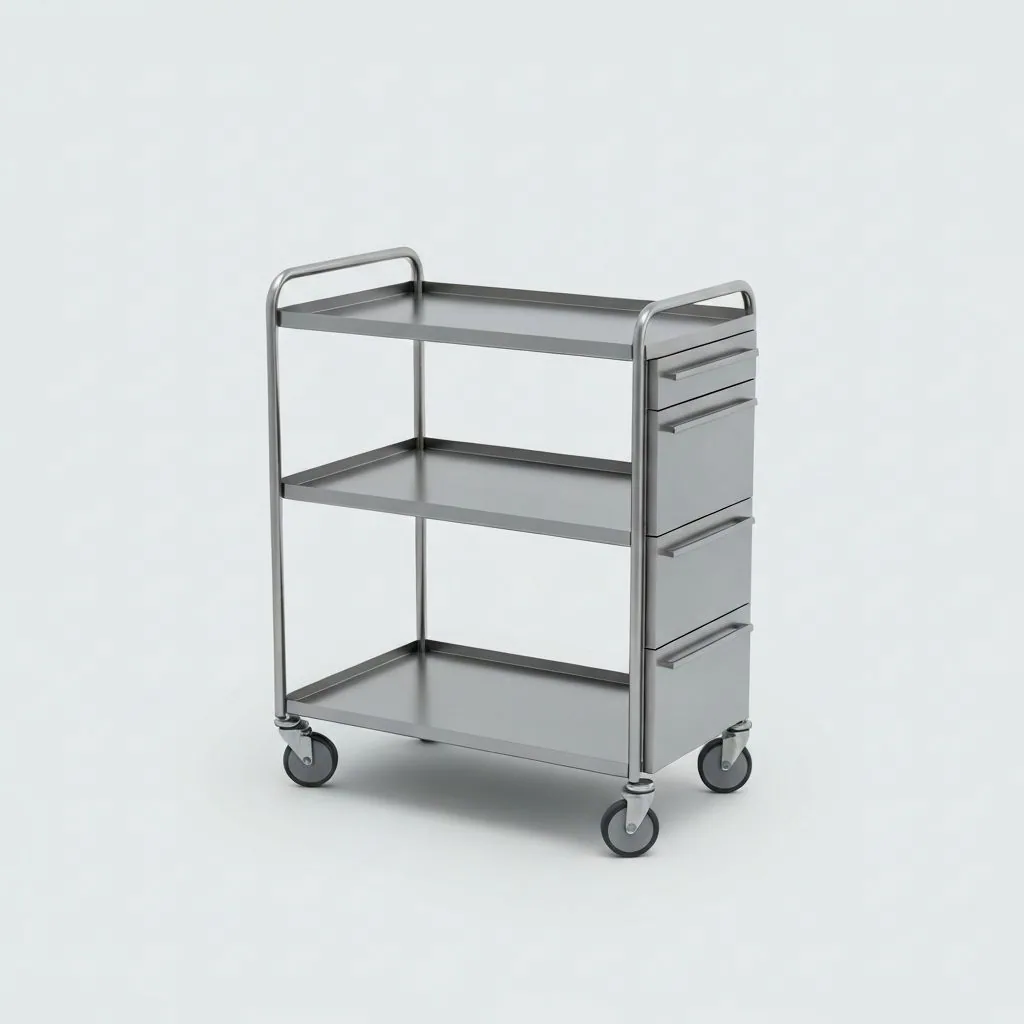
Medical Trolleys
Mobile carts for nursing rounds, treatment supplies, medicines, and clinical tools.
View product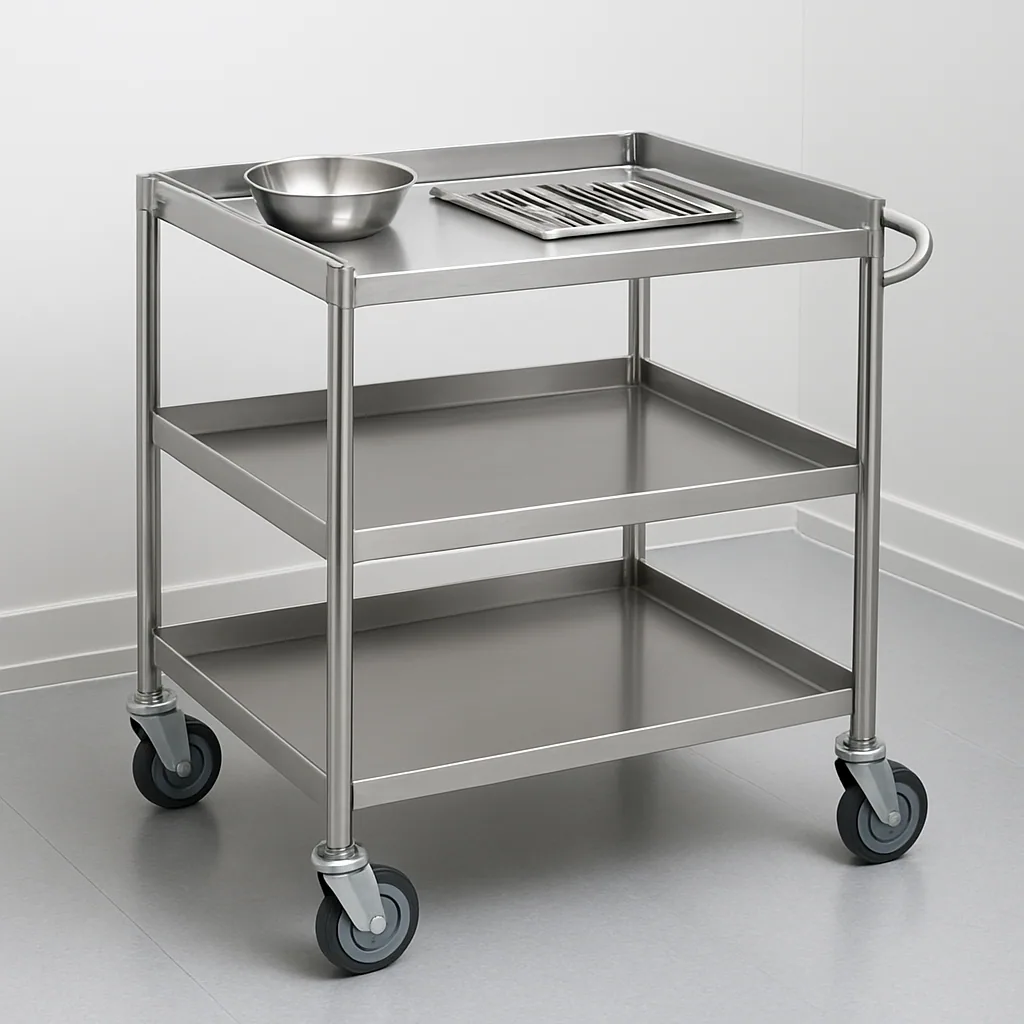
Treatment Carts
Practical treatment carts with drawers, storage space, and smooth mobility for clinical use.
View product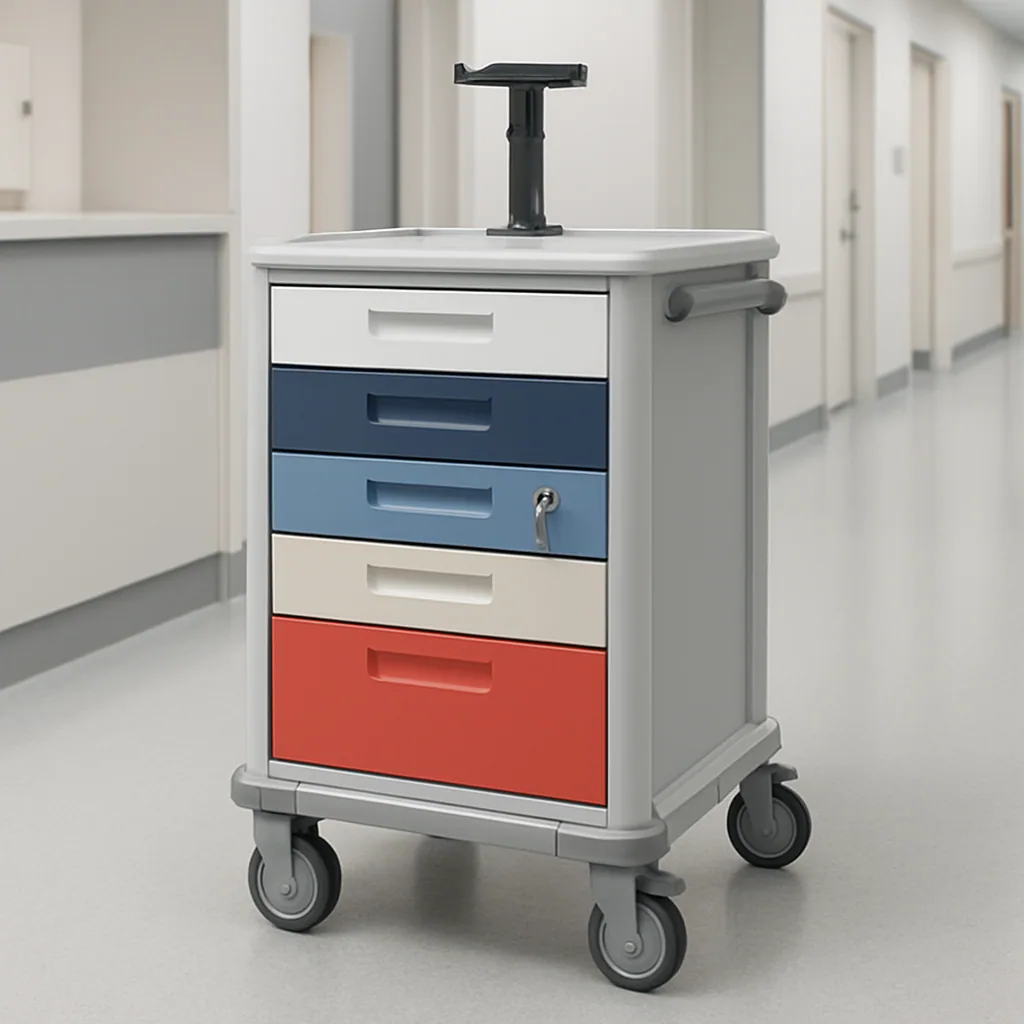
Medicine Carts
Lockable medicine carts for organized medication storage and distribution.
View product