
Your medical trolleys look worn, but is it time to replace them? A sudden caster failure or wobbly frame can disrupt care. The real warning signs appear during procurement.
You should replace trolleys with severe rust, frame instability, or failing parts. However, the best strategy is proactive. Assess caster quality, material thickness, and the supplier’s spare parts plan before buying to avoid these failures and lower long-term costs.
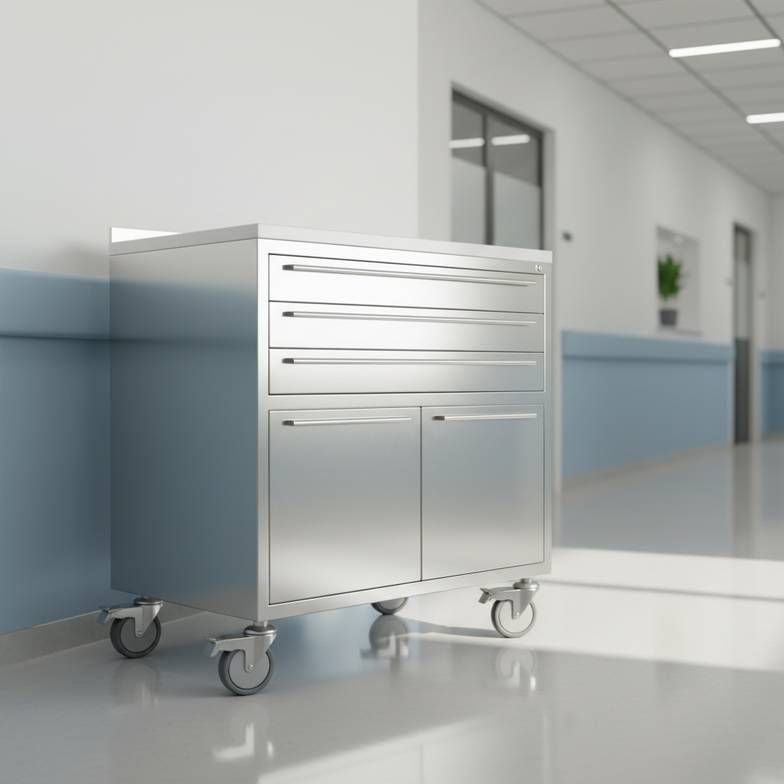
Of course, some signs are impossible to ignore. A trolley that can't roll straight or has drawers that stick is a clear problem. But waiting for these obvious failures is a reactive, high-risk strategy. In my experience talking with hospital procurement managers, the real cost isn't just the new trolley; it's the disruption caused by the old one failing unexpectedly. Instead of just looking for what's broken now, let's explore how to prevent these issues from the very beginning. This starts by asking better questions long before you place an order.
Are Obvious Wear and Tear the Only Signs to Watch For?
You see a bit of rust or a wobbly wheel. Is it a big deal? These small issues often signal bigger problems that lead to sudden, disruptive failures. Look deeper.
No. Severe rust, frame instability, and broken drawers are late-stage failure signs. The real indicators of future performance are found in the initial specifications, such as caster type, steel gauge, and welding quality. Scrutinizing these details during procurement prevents unexpected breakdowns later.
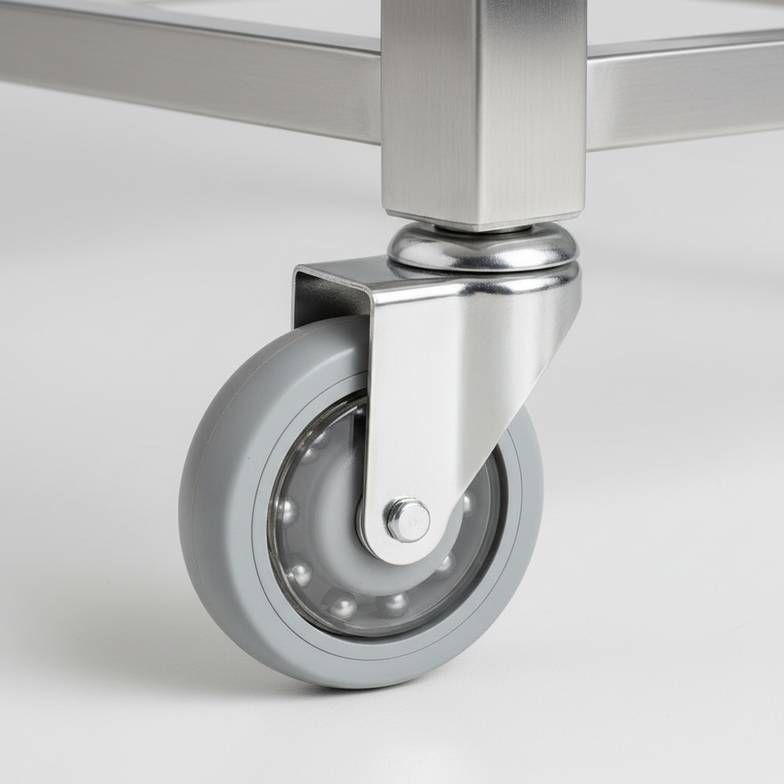
When we help clients prepare tender documents, we shift the focus from reactive replacement to proactive assessment. Obvious signs like a bent frame or a drawer that has fallen off its runners are symptoms, not the root cause. The real problem often began with a poor choice of materials or weak construction that couldn't handle the daily demands of a hospital environment. To avoid this, you need to learn to spot the predictive indicators during the purchasing phase. These are the details that determine whether a trolley will last for years or become a maintenance headache in months.
Late-Stage Failure vs. Predictive Indicators
Let's break down what to look for. Instead of just seeing a problem, you can start to understand why it's happening.
| Indicator Type | What to Look For | Why It Matters for Long-Term Use |
|---|---|---|
| Late-Stage Failure | Severe rust, bent frame, broken drawers, wobbly structure. | These are signs of imminent breakdown. The trolley is likely already a safety risk and is disrupting nursing workflows. Replacement is urgent. |
| Predictive Indicator | Caster material (PU vs. PVC), steel thickness, welding quality. | These specs determine durability. High-quality casters roll smoothly for longer. Thicker steel resists dents. Full welds are stronger than spot welds. |
| Predictive Indicator | Finish quality (e.g., 304 stainless steel, good powder coating). | This affects hygiene and rust resistance. Hospital cleaning agents are harsh, and a poor finish will degrade quickly, creating areas where bacteria can hide. |
By focusing on the predictive indicators in a supplier's quotation, you move from fixing problems to preventing them.
Is a Low Price the Best Indicator of a Good Deal?
That low-priced trolley seems like a great deal. But what about the hidden costs of frequent repairs, staff complaints, and early replacement? Let's calculate the true cost.
Rarely. A low initial price often hides compromises in materials and components, leading to higher long-term costs. The true cost includes the purchase price plus future expenses for spare parts, maintenance, and downtime. A slightly more expensive but well-built trolley is usually cheaper overall.

A common trap I see buyers fall into is comparing two trolleys based only on the initial price. A quotation that is significantly cheaper than others should be a red flag, not a victory. That price difference almost always comes from somewhere—thinner steel, cheaper casters that will seize up, or a powder coating that will chip and rust after a few cleanings. The true cost, or Total Cost of Ownership (TCO), is a much more important metric. It accounts for not just the price you pay today, but all the costs you will incur over the product's entire life. A trolley that constantly needs repairs isn't just a budget problem; it's an operational one that frustrates staff and can compromise patient care.
Calculating the True Cost of a Medical Trolley
Thinking in terms of TCO helps you justify a quality-focused purchase to your finance department.
| Cost Factor | Low-Price Trolley | Quality-Focused Trolley |
|---|---|---|
| Initial Purchase Price | Low | Moderate |
| Maintenance & Spares | High (e.g., frequent caster and drawer slide replacements). | Low (infrequent, planned maintenance). |
| Operational Downtime | High (trolley is often out of service, causing delays). | Minimal (reliable and always ready for use). |
| Staff Frustration | High (complaints about noise, difficult movement, broken parts). | Low (smooth, quiet, and dependable operation). |
| Replacement Cycle | Short (e.g., needs replacing in 2-3 years). | Long (e.g., can last 7+ years with proper care). |
| Total Cost of Ownership | High | Low |
When you look at the full picture, the trolley with the slightly higher initial price often provides much better value and a lower total cost.
How Can You Better Predict a Trolley's Future Performance?
You need to know a trolley's real lifespan. But asking directly often gets a vague answer. There are better questions that reveal a supplier's true long-term value.
Instead of asking for a generic lifespan, ask your supplier specific, targeted questions. Inquire about the most common failure points, the availability and cost of spare parts like casters and drawers, and the details of their warranty policy. Their answers reveal their commitment to long-term support.
A supplier's willingness to discuss potential weaknesses and their plan to support them is one of the strongest indicators of their trustworthiness. A supplier who only talks about strengths might be hiding something. From our discussions with project contractors, the most successful ones don't ask "How long will it last?". They ask questions that force a detailed, technical conversation about long-term reliability and maintenance. This changes your role from a passive buyer into an informed partner. It also helps you understand if the supplier is just a trader or a genuine specialist who understands their product and your needs. A good supplier will welcome these questions because it allows them to demonstrate their product's quality and their commitment to service.
Key Questions to Ask Your Supplier Before Purchasing
Here are some of the questions we encourage our clients to ask. Their answers will tell you almost everything you need to know.
- "What are the most common points of failure on this model, and what have you done in its design to prevent them?" This question tests their honesty and product knowledge. A good supplier will know the weak spots and can explain the engineering choices made to strengthen them.
- "Can you provide a priced list of spare parts for components like casters, drawer slides, and locks? What is the typical lead time for these parts?" This confirms they have a real after-sales support system in place, not just a promise.
- "What material are the casters made from, what is their diameter, and are they a specific brand? What is the warranty on the casters alone?" Casters are the most common failure point, so digging into this detail is critical.
- "What is the thickness of the steel or grade of the stainless steel used? Are the joints fully welded or spot-welded?" This helps you verify the structural integrity and durability against the daily physical stress in a hospital.
- "What exactly does your warranty cover? Can you walk me through the claim process?" This helps you understand the practical steps you would need to take if something goes wrong.
Conclusion
Replacing medical trolleys isn't about waiting for them to break. It's about making smart procurement choices upfront to ensure long-term reliability, safety, and a lower total cost of ownership.
Written by
CareFurnex Team
CareFurnex Team shares practical knowledge about hospital beds, patient room furniture, medical trolleys, clinic furniture, and healthcare facility procurement for international B2B buyers.
Related Products
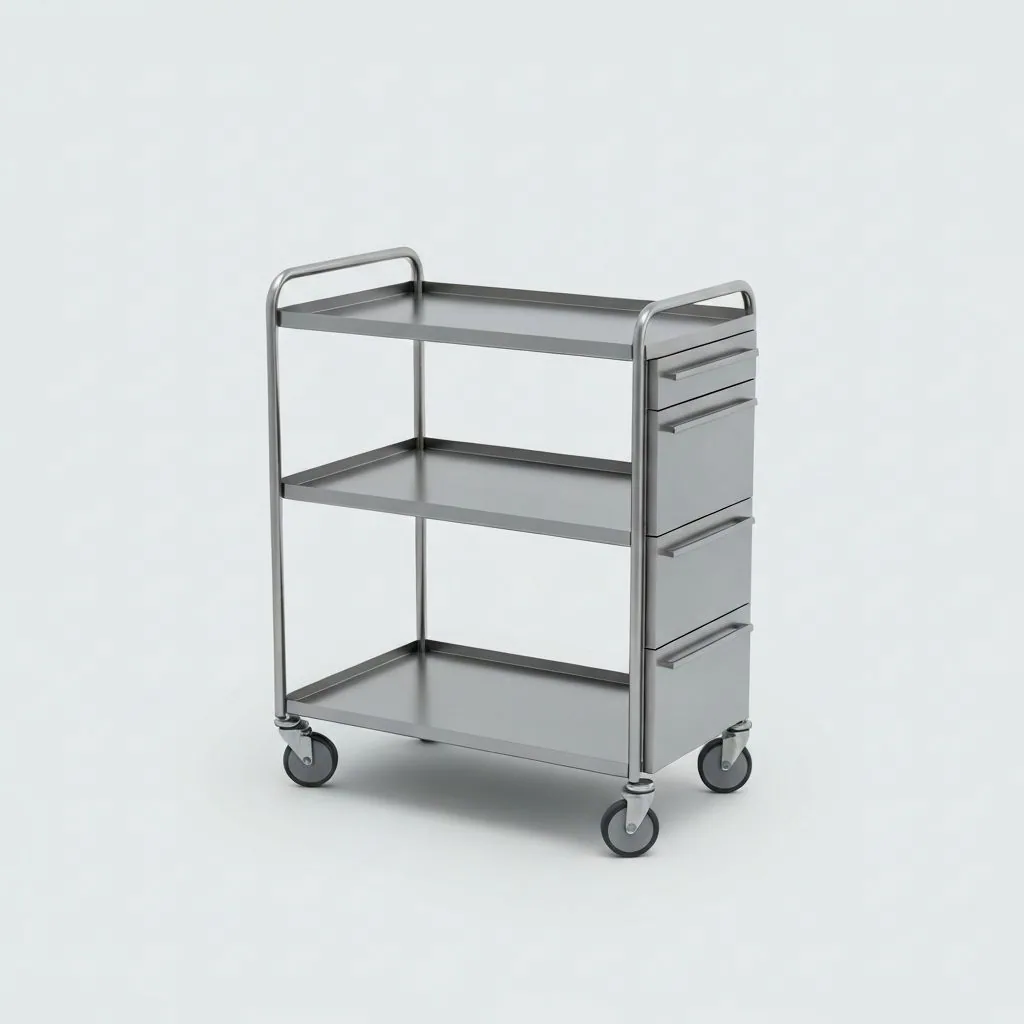
Medical Trolleys
Mobile carts for nursing rounds, treatment supplies, medicines, and clinical tools.
View productInstrument Trolleys
Mobile instrument trolleys for clinics, treatment rooms, wards, and healthcare departments.
View product
Hospital Beds
General-purpose patient beds for inpatient wards and standard hospital rooms.
View product