
I do not quote a five-drawer medical trolley just because a buyer asks for one. Before I can give a serious recommendation, I need to know if it's for an anesthesia team that needs to organize dozens of small vials, or for a general ward that needs space for bulky supplies. The product name and drawer count alone don't tell me enough.
The real problem starts when a buyer compares two trolleys based only on the number of drawers or the product photo. A trolley that looks right can be functionally wrong. The most common mistake is buying a layout with many shallow drawers, only to discover later that essential supplies like IV bags or solution bottles don't fit. This forces staff to store items on top, defeating the purpose of an organized mobile cart.
The real difference between a 2, 3, 4, or 5-drawer medical trolley is not the number of drawers, but the trade-off between storing bulky supplies and organizing small items. Buyers should match the drawer layout to the specific department's workflow and supply list—fewer, deeper drawers for general wards and dressing changes, and more, shallower drawers for specialized, organization-intensive areas like anesthesia or emergency rooms.
Comparing Drawer Layouts at a Glance
Before I recommend a specific layout, I want to understand the daily workflow. The number of drawers alone is not enough for a serious quotation. This table shows how different layouts match common hospital needs.
| Drawer Layout | Typical Use Case | Typical Supplies Stored |
|---|---|---|
| 2 Drawers | Bulk Transport, Dressing Changes | Large solution bottles, IV bags, large dressing packs, basins. |
| 3 Drawers | General Medication Rounds, Phlebotomy | A mix of medium-sized containers and some smaller organized supplies. |
| 4 Drawers | General Purpose, Minor Procedures | A flexible mix of supplies; often a "standard" for versatile rooms. |
| 5 Drawers | Anesthesia, Emergency/Crash Carts, ICU | Numerous small, critical items: vials, syringes, intubation tools. |

When to Choose a 2-Drawer Layout
A two-drawer trolley is built for capacity over complexity. It typically features two deep drawers designed to hold bulky items that simply won't fit in a multi-drawer configuration.
This layout is practical for workflows like general ward rounds or dressing changes where staff need to transport large solution bottles, IV fluid bags, and large dressing packs. If the primary need is moving large, non-specialized supplies from a central storage room to the patient's bedside, a two-drawer model is often the most efficient choice. The focus here is on volume, not intricate organization.
When to Choose a 3-Drawer Layout
The three-drawer layout offers a balance. It's a step up in organization from the two-drawer model without sacrificing too much space for larger items. Typically, it might have one or two deeper drawers for bottles and packs, and one or two shallower drawers for organizing common supplies.
This configuration is often considered for medication rounds or phlebotomy (blood drawing) stations. Staff can keep larger cleaning solution containers or biohazard bins in the bottom drawer, while organizing needles, syringes, and gauze in the upper drawers. It's a good middle-ground for departments that have mixed storage needs.

The 4-Drawer Trolley: A Flexible All-Rounder
The four-drawer trolley is often seen as a flexible standard for general-purpose use. It can be configured in several ways—for example, with four medium-depth drawers or a combination of two shallow and two deep drawers. This versatility makes it suitable for many environments, from clinic treatment rooms to minor procedure areas.
However, this is where buyers need to be most careful. A request for a "4-drawer trolley" can mean two completely different products. Before I recommend a four-drawer model, I need to know what will be stored inside. If the buyer needs to store both small instrument packs and medium-sized containers, the combination of drawer heights is the most important detail to confirm.
When a 5-Drawer Layout is the Practical Choice
A five-drawer layout is designed for one primary purpose: high-density organization of many small, critical items. This configuration is often chosen for specialized, high-stakes environments like anesthesia, emergency rooms (as crash carts), and intensive care units (ICU).
In these settings, quick and error-free access to dozens of different medications, vials, syringes, and small tools is essential. The shallow drawers, when used with dividers, allow every single item to have its own dedicated compartment. This is not about storing bulky supplies; it's about procedural efficiency and control. I would not recommend this layout for a general ward, as the lack of deep storage would become a daily frustration for the nursing staff.

What to Confirm Before You Order
The number of drawers is just the starting point. This is where the mistake usually happens: the buyer focuses on the drawer count, but the problem they discover after delivery is related to details they didn't confirm.
- Internal Drawer Height: This is the most critical detail. A photo does not show you this. Ask the supplier for a specification sheet that lists the internal usable height of each drawer. I would rather clarify this now than have a buyer discover their supplies don't fit later.
- Drawer Dividers: Are dividers and bins included, or are they optional accessories? A five-drawer trolley without dividers is just five empty boxes. For organization-heavy tasks, confirming the divider scope is essential. If you are comparing two quotations, check if both include the same divider set.
- Overall Trolley Height: The top of the trolley is a work surface. Its height should be ergonomic for your staff. Confirm the total height to ensure it's comfortable for preparing medications or performing procedures.
If an inquiry for a trolley is missing the intended workflow or department, I treat the request as incomplete. A trolley that looks good in a catalog can be useless if the drawers don't match the real-world supplies.
Preparing Your Inquiry for a Medical Trolley
Before you ask for a price, preparing the right information will ensure you get a trolley that actually works for your team. A serious supplier will need these details to provide an accurate recommendation and quotation.
When you contact us, please provide your list of requirements, including the intended department (e.g., General Ward, ER, Anesthesia), the primary workflow (e.g., dressing changes, medication rounds), and a list of the bulkiest items that must fit in a drawer. Also, let us know what small items require organization. With this information, we can help you review the correct drawer configuration, confirm specifications, and ensure the final product supports your staff's daily work.
Written by
CareFurnex Team
CareFurnex Team shares practical knowledge about hospital beds, patient room furniture, medical trolleys, clinic furniture, and healthcare facility procurement for international B2B buyers.
Related Products
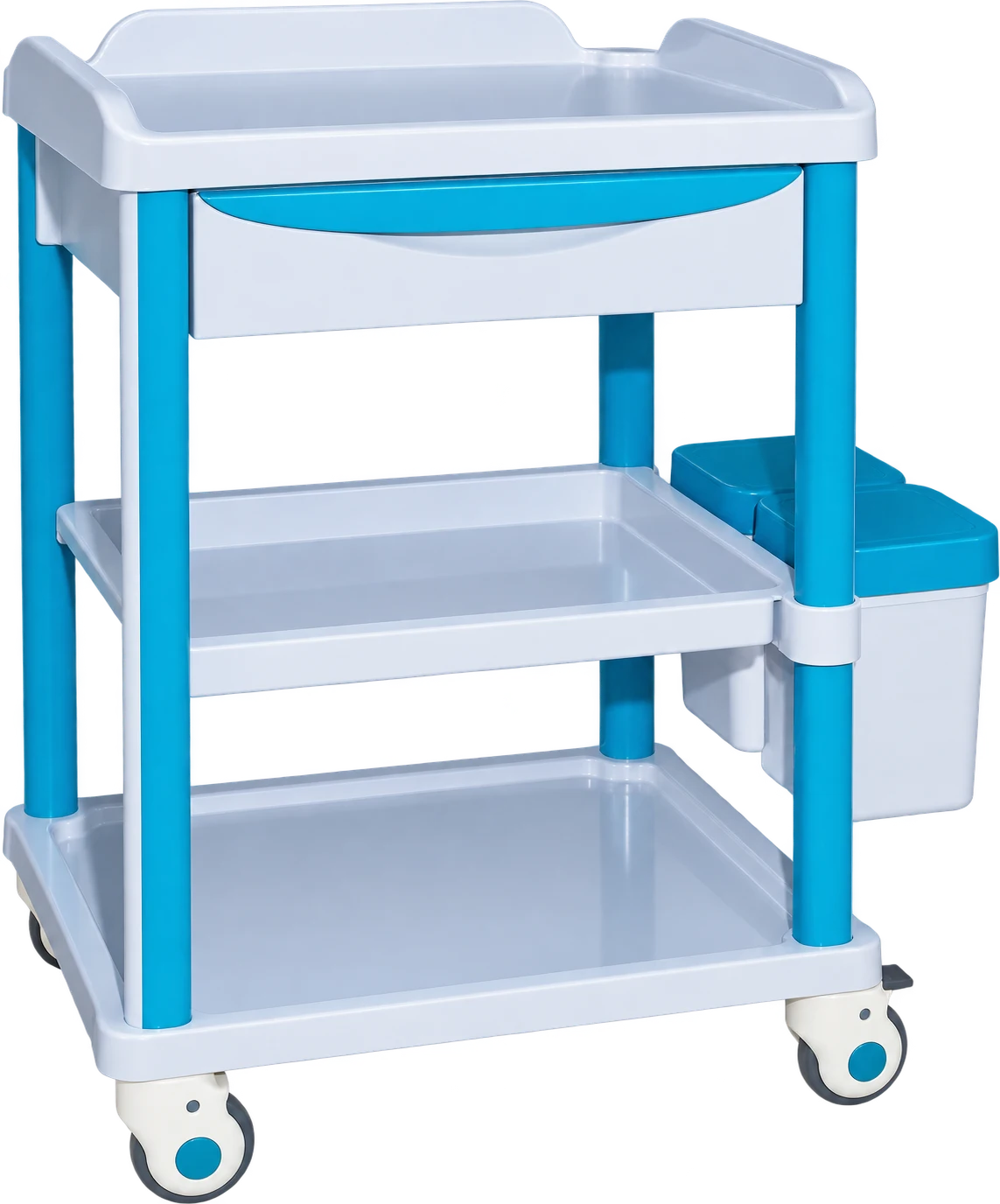
Medical Trolleys
Mobile carts for nursing rounds, treatment supplies, medicines, and clinical tools.
View product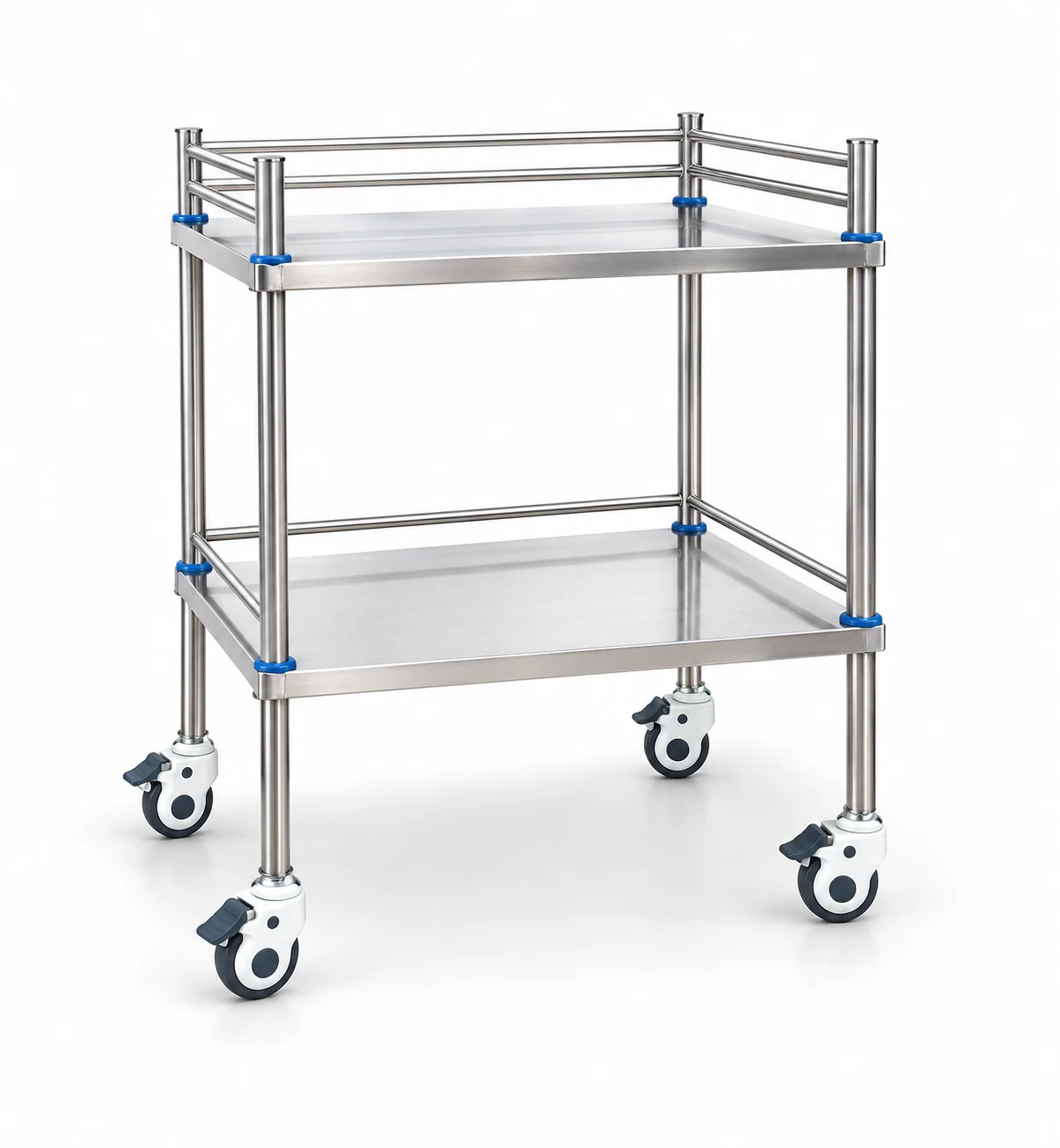
Stainless Steel Trolleys
Compare stainless steel trolleys by model, stated dimensions and configuration.
View product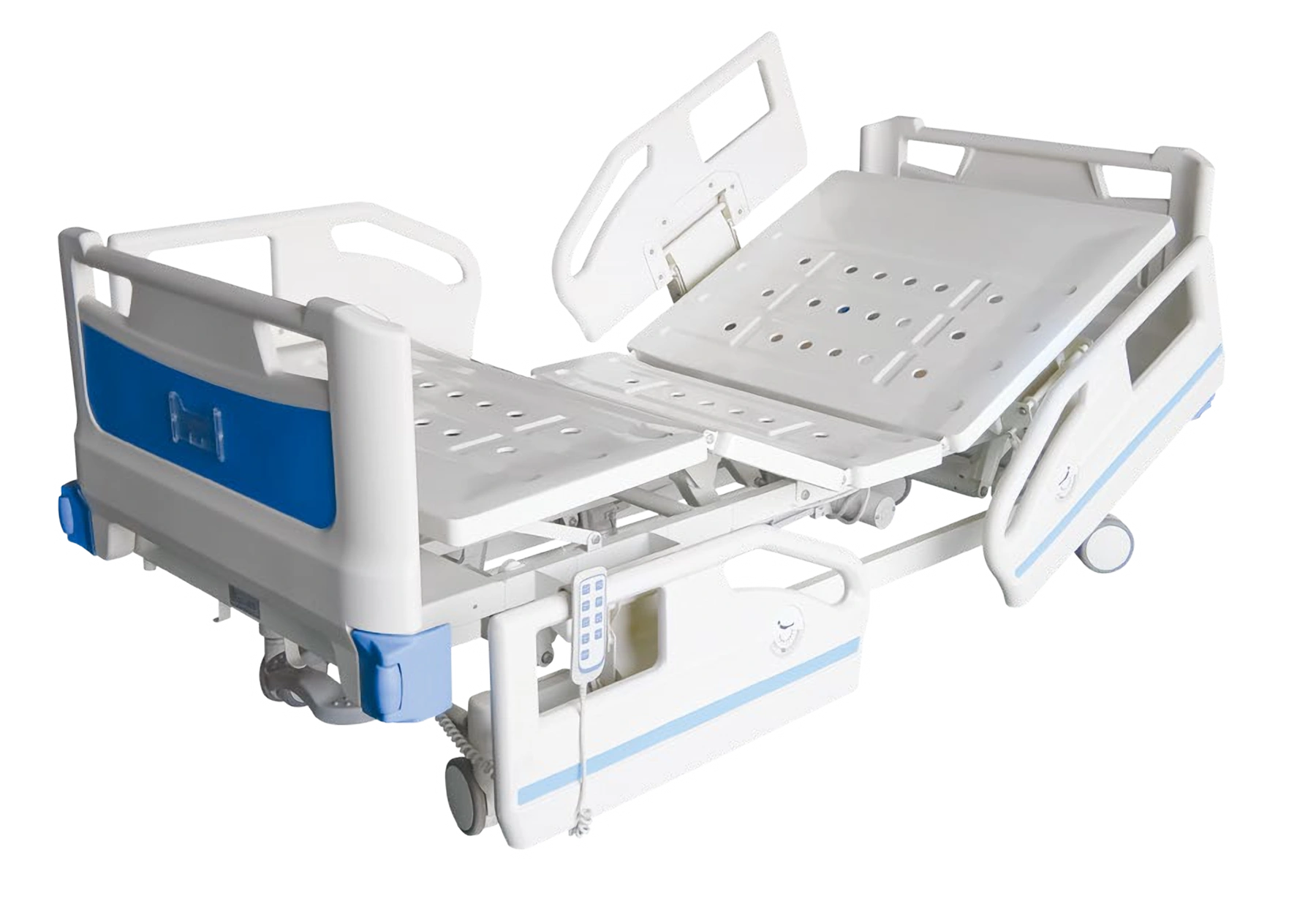
Hospital Beds
General-purpose patient beds for inpatient wards and standard hospital rooms.
View product