
Comparing two medical storage cabinet quotations that look almost the same? Do not rush to choose the lower price. A cabinet that appears correct in a catalog photo can still be unsuitable for the department, incomplete in its configuration, or surprisingly expensive to ship.
The safest way to procure hospital storage cabinets is to start with the department's use case, then confirm the material, layout, access needs, packing method, and full quotation basis before comparing supplier prices.

Which Hospital Department or Room Will Use the Storage Cabinet?
Do not start with a product name. The first detail to confirm is which hospital department or room will use the cabinet. This decision impacts every other specification, from the internal layout and material to the lock requirements.
The term “medical storage cabinet” is too broad for an accurate B2B order. A cabinet intended for a patient ward has different requirements than one for a treatment room, a clinic, a nursing station, or a CSSD-related area. The items being stored and the frequency of access will determine the most effective design. For hospital projects, I would not treat a cabinet list as complete until it is organized by department. This prevents ordering a single, standard cabinet that fails to meet the diverse needs of a healthcare facility.
Before requesting a price, it is better to prepare a room-by-room requirement list. This simple step helps both the buyer and supplier align on the product's purpose, reducing the risk of receiving cabinets that look right but don't function correctly in the real work environment.
Department-Based Medical Storage Cabinet Planning Table
Use this table to define your needs for each area before contacting suppliers. A clearer request helps you receive more accurate and comparable quotations.
| Department / Room | Stored Items | Layout to Confirm | Lock Requirement | Material Consideration | Quantity Needed | Notes for Supplier |
|---|---|---|---|---|---|---|
| Ward storage area | General supplies, linens | Shelves / closed doors | Confirm if needed | Match ward cleaning needs | Buyer to fill | Check room space for door opening |
| Treatment room | Frequently used items, small supplies | Drawers or mixed layout | Confirm by item type | Easy-clean surface | Buyer to fill | Confirm workflow & access frequency |
| CSSD-related area | Clean or sterile items | Shelves, stainless steel option | Project dependent | Confirm stainless steel requirement | Buyer to fill | Confirm use environment & cleaning protocol |
| Medication Room | Controlled substances, medicines | Drawers, lockable sections | Required, confirm lock type | Durable and easy to label | Buyer to fill | High-security lock may be needed |
This table helps transform a vague product search into a practical procurement plan.
Which Cabinet Material Fits the Cleaning Needs and Use Environment?
Do not choose a cabinet material based on price or appearance alone. The material should be selected based on the department's cleaning frequency, durability needs, and the specific hospital environment where it will be used.
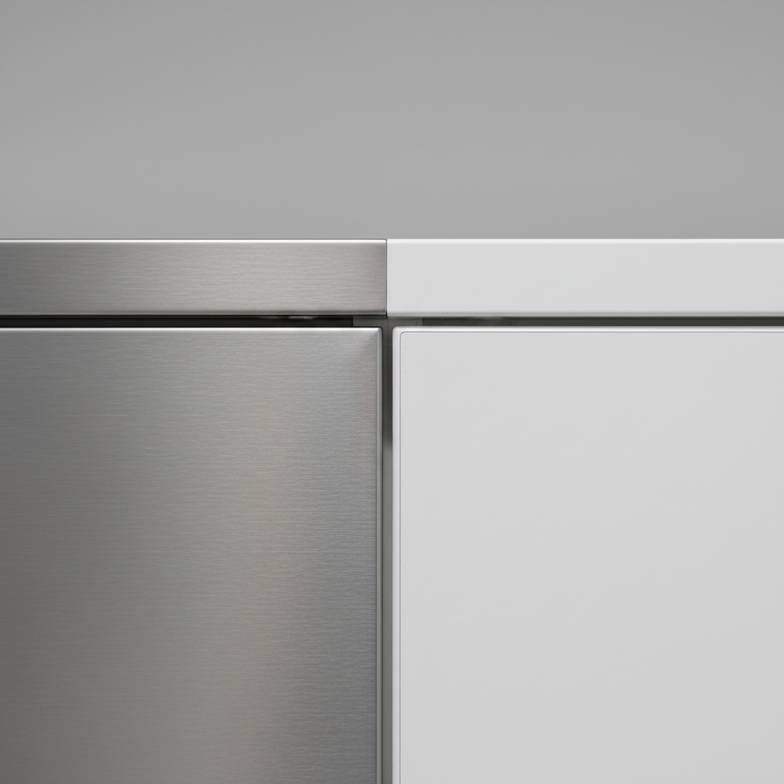
A cabinet that looks good in a photo might be made from a material unsuitable for frequent, harsh cleaning. General storage rooms, patient wards, and sterile processing departments all have different standards. For example, some projects may require stainless steel furniture for specific areas like CSSD or operating theaters due to its durability and cleaning properties.
I would not compare two cabinet prices until the material for the body, doors, shelves, and other key components is confirmed in writing. A lower price may simply reflect a less durable or harder-to-clean material that could create problems for the hospital staff after delivery.
To make a safer choice, consider these points:
- Cleaning Protocol: How often will the cabinet be cleaned, and with what types of chemicals?
- Durability: Does the cabinet need to withstand heavy use, impacts, or moisture?
- Department Fit: Does the room have specific requirements, such as the need for stainless steel?
- Appearance Maintenance: Will the surface resist scratches and stains over time?
Confirming these details with your supplier ensures the cabinet you order is practical for its intended long-term use.
What Cabinet Layout Details Should Buyers Confirm Before Asking for a Price?
Before requesting a quotation, confirm the internal layout, because a cabinet's external size does not guarantee its usability. The arrangement of shelves, drawers, doors, and locks is what determines if a cabinet can support the hospital's daily workflow.
A cabinet is not just a box; it's a tool for organization and access. A layout that is perfect for storing bulk supplies on shelves will be inefficient for organizing small, separated items that are better suited for drawers. The mistake is assuming a standard layout will work everywhere. This detail is where a cabinet that was ordered correctly can still fail to meet user expectations.
Before finalizing, I would ask the following questions to define the layout:
- What specific items will be stored?
- How often will staff need to access these items?
- Are separated sections needed for different types of supplies?
- Are any sections required to be lockable?
- Is a mix of shelves and drawers more practical than one or the other?
- Will the cabinet doors or drawers obstruct movement in the room when opened?
A clear layout specification ensures the supplier quotes the right product and prevents you from receiving a cabinet that is inconvenient for daily hospital operations.
Why Can Similar Cabinet Photos and Low Unit Prices Hide Different Configurations?
Do not compare two cabinet quotations by photo and unit price alone. A lower price on a similar-looking product often indicates a different, and likely simpler, configuration with fewer included features.
A product photo is not a technical specification. Two cabinets can look identical online but differ in material, hardware quality, shelf quantity, lock mechanisms, and packing method. A supplier offering a significantly lower price may be quoting a basic model that excludes the very features you need, such as locks, extra shelves, or durable hardware.
A quotation is not truly comparable until every key detail is aligned. This is the stage where a vague order creates the most risk. To protect your purchase, use a matrix to compare offers side-by-side and expose any missing information.
Supplier Quotation Comparison Matrix
Use this matrix to ensure you are comparing offers on a like-for-like basis.
| Detail to Compare | Supplier A | Supplier B | Notes / Risks |
|---|---|---|---|
| Cabinet Model / Ref. | |||
| Size (H x W x D) | Are they the same? | ||
| Material (Body/Doors) | Confirmed in writing? | ||
| Internal Layout | Shelves, drawers, mixed? | ||
| Locks Included? | Standard or optional? | ||
| Accessories Included | Extra shelves, bins? | ||
| Packing Method | Export carton, pallet? | ||
| Carton Size / Total CBM | CBM not provided? | ||
| Trade Term (e.g., FOB, CIF) | Are terms the same? | ||
| Lead Time |
If a supplier's column has empty cells or vague terms like "standard," I would not treat the quotation as complete.
How Do Packing, CBM, and Trade Terms Affect the Real Cost of Hospital Storage Cabinets?
Packing and shipping details should be confirmed during the quotation stage, not after the order is placed. The cabinet's unit price is only one part of the total landed cost, and for bulky items like storage cabinets, freight can be a significant and unexpected expense.
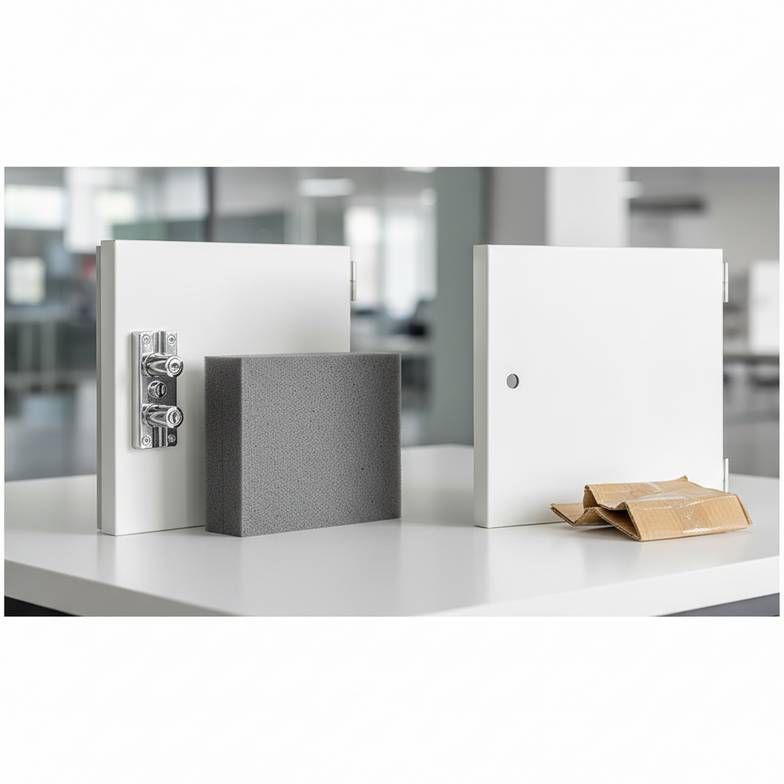
Storage cabinets, especially large or assembled units, occupy a large volume (CBM) in a shipping container. A low unit price can become unattractive if the product is packed inefficiently, driving up freight costs. Furthermore, weak packing can lead to damage during transit, with corners, doors, panels, and hardware being the most vulnerable parts.
I would never treat a quotation for export furniture as final until the packing method, carton dimensions, gross weight, and total CBM are clear. These details are essential for calculating the true cost and protecting your investment.
Packing, CBM, and Shipping Risk Checklist
Use this checklist to avoid freight surprises and shipping damage.
| Item to Check | Why It Matters | Buyer Action |
|---|---|---|
| Packing method | Affects product protection and damage risk. | Ask for a description of the packing materials. |
| Carton dimensions | Determines the CBM and freight cost. | Request carton size before calculating freight. |
| Gross weight / Net weight | Needed for logistics and handling. | Confirm weight per carton and for the total order. |
| Total CBM | Directly impacts the total landed cost. | Compare freight based on confirmed CBM. |
| Corner & panel protection | Prevents the most common type of transit damage. | Ask how vulnerable parts are protected. |
| Hardware protection | Prevents damage to handles, locks, and doors. | Confirm if hardware is protected or packed separately. |
| Trade term | Defines who is responsible for shipping costs. | Compare quotes using the same trade term (e.g., FOB, CIF). |
What Should Buyers Prepare Before Confirming a Bulk or Project Order?
Before issuing a purchase order, consolidate all confirmed details into a final specification. For a bulk or project order, this step is critical for avoiding miscommunication, production errors, and delivery delays.
A successful order relies on clear, shared understanding between the buyer and supplier. This means moving beyond photos and prices to a detailed agreement covering every aspect of the product and its delivery. For hospital projects, this is even more important, as cabinets often need to be coordinated with other furniture categories like beds, trolleys, and ward furniture. A supplier who doesn't ask for these details before quoting may not be prepared to handle the complexities of a project order.
A department-based list with clear specifications for material, layout, locks, packing, and logistics reduces the risk of receiving the wrong product and protects against hidden costs and after-sales disputes.
Final Pre-Order Confirmation Checklist
Review this list before you confirm your order to ensure all key points are covered.
- [ ] Department and room function confirmed
- [ ] Stored items and workflow considered
- [ ] Quantity confirmed by room or department
- [ ] Material confirmed in writing
- [ ] Cabinet size and internal layout confirmed
- [ ] Lock requirements and locations confirmed
- [ ] Included vs. optional items are clearly separated
- [ ] Packing method and protection details confirmed
- [ ] Carton dimensions, gross weight, and total CBM confirmed
- [ ] Trade term and lead time steps confirmed
- [ ] Inspection requirements agreed upon
Completing this checklist turns a potentially risky purchase into a well-managed procurement process.
A clear project list helps the supplier quote the correct configuration instead of guessing from a product name. If you are preparing a project order, sending your department list, quantity needs, configuration preferences, and packing requirements first will result in a much more practical and reliable quotation.
At CareFurnex, when a buyer sends a project list, we review the use scenario, configuration, packing basis, and delivery schedule before treating the quotation as final. This ensures the cabinets you order are the ones your facility actually needs.
Written by
CareFurnex Team
CareFurnex Team shares practical knowledge about hospital beds, patient room furniture, medical trolleys, clinic furniture, and healthcare facility procurement for international B2B buyers.
Related Products
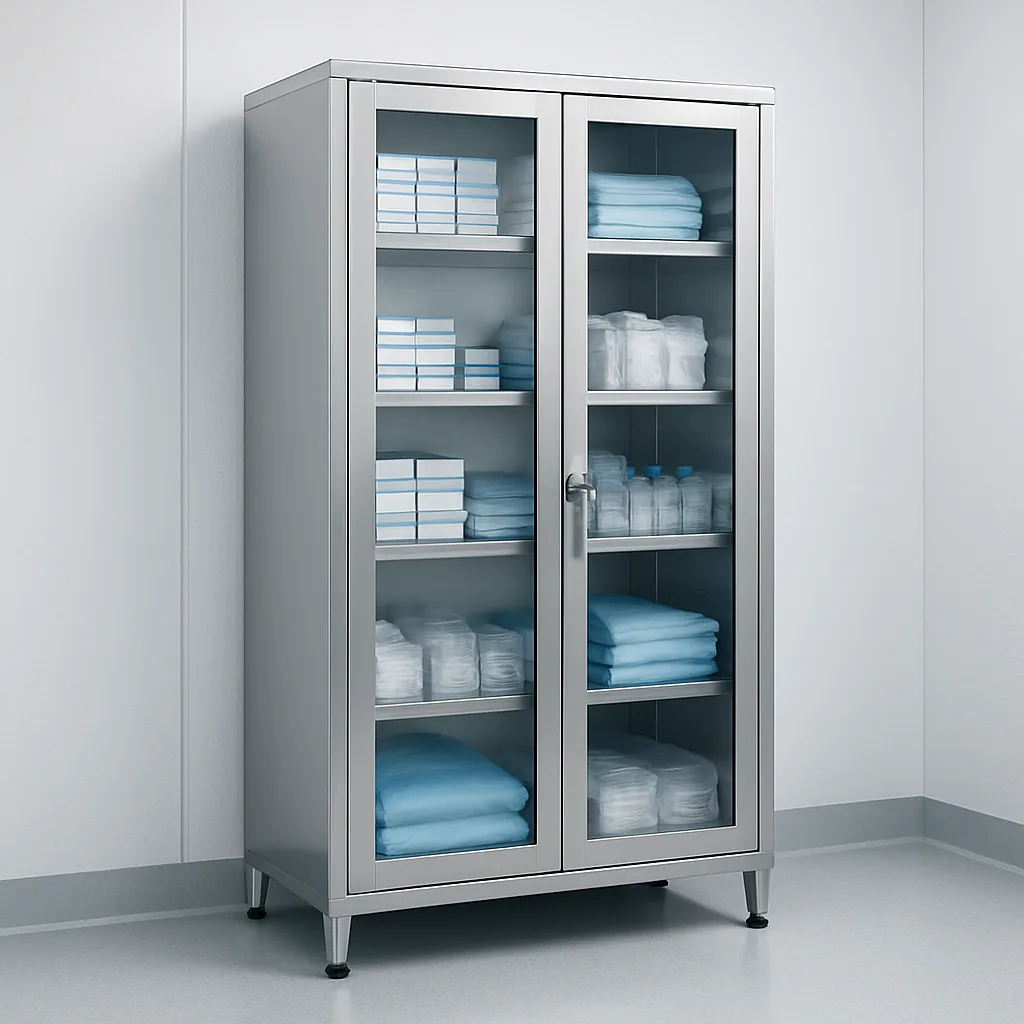
Medical Cabinets
Storage cabinets and medical furniture units for organized patient rooms and ward areas.
View product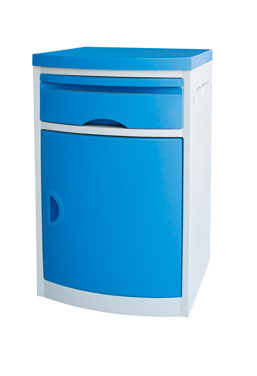
Hospital Bedside Cabinets
This ABS hospital bedside cabinet has a blue top, an upper drawer and a lower door within a light-colored body. Its stated size is 480 × 480 × 760 mm, giving buyers a defined overall footprint for ward furniture planning.
View product
Hospital Lockers
Lockable storage lockers for staff areas, wards, clinics, and healthcare facilities.
View product