
When a buyer asks for a quote on a medical cabinet versus a medical cart, our first question isn't about price or size. It's about workflow: do your staff walk to the supplies, or do the supplies need to walk with your staff?
Choosing between fixed cabinets and mobile carts seems like a straightforward comparison, but starting with the products themselves is often where procurement mistakes begin. Many buyers focus on the unit price or the total storage volume, which makes sense on a spreadsheet. In a busy clinical environment, however, this can lead to a solution that looks good on a floor plan but creates daily friction for the people who use it.
The real goal isn't just to store items; it's to improve your department's efficiency and response time. The decision is less about the container and more about the work it needs to support.
The right storage option depends less on the product and more on your department's workflow. The choice between a fixed cabinet and a mobile cart is determined by analyzing your need for centralized bulk storage versus mobile point-of-care access, your staff's traffic patterns, and your specific security protocols.
This article will walk you through that analysis so you can define your problem correctly and choose a solution that truly fits your department's needs.
Why Comparing Cabinets and Carts by Price is a Common Mistake
The initial unit price of a large, fixed cabinet often looks more attractive than that of a specialized medical cart. This comparison is misleading because it ignores two important cost factors: total implementation cost and ongoing workflow cost.
A cabinet's quotation is typically for the unit itself. It often doesn't include the costs of wall preparation, professional installation, or potential reinforcement, which can add up. A medical cart's price, on the other hand, is usually all-inclusive, covering its entire mobility system-the frame, drawers, casters, and handles. To compare fairly, it's useful to consider the cabinet's price plus its installation costs.
More importantly, a "cheaper" cabinet can create expensive workflow problems. If staff spend hours each week walking back and forth to a central cabinet, the cost of that wasted time is real. A well-chosen cart, while potentially more expensive upfront, can save hundreds of staff hours by eliminating unnecessary trips, improving efficiency and justifying its cost through better operational performance.
The Real Question: Is Your Problem Static Inventory or Mobile Logistics?
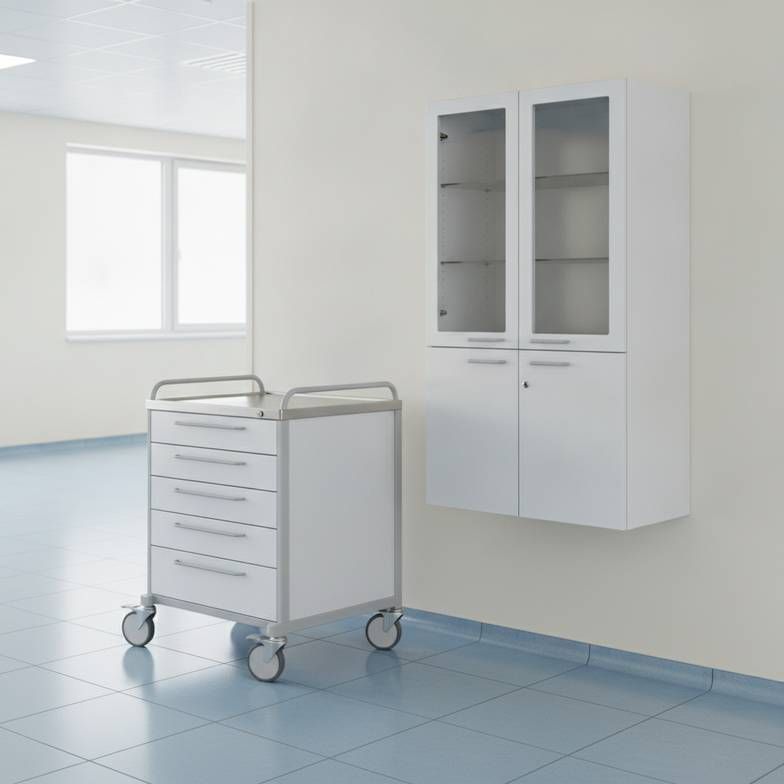
Viewing cabinets and carts as interchangeable boxes is a common pitfall. They are not. They solve two completely different problems.
- Medical Cabinets solve a static inventory problem. They are inventory hubs, ideal for holding bulk supplies, less-frequently accessed items, or reserve stock in a centralized location like a supply closet or clean utility room. The workflow assumes staff will go to the supplies.
- Medical Storage Carts solve a mobile logistics problem. They are workflow tools, designed to deliver organized, task-specific supplies directly to the point of care. The workflow assumes the supplies must go with the staff to the patient's bedside, procedure room, or emergency site.
The choice becomes much clearer when you shift the question from "which product is cheaper?" to "what problem does my department need to solve?"
A Practical Checklist to Diagnose Your Department's Needs
Before you can choose the right solution, you need to diagnose your specific needs. If possible, perform a simple "Workflow Walk." Ask a nurse or technician to walk you through their top three most common tasks. Observe where they get supplies, how many trips it takes, and where they run into delays. This simple observation often makes the right choice obvious.
These are practical planning principles to help guide your decision. They are not a substitute for your facility's specific clinical, regulatory, or infection control requirements. Always confirm final material, security, and layout choices with your project consultant, department heads, and compliance team before ordering.
Use this checklist to formalize your findings.
Checklist: Diagnosing Your Department's Storage Workflow
| Evaluation Area | Key Question to Answer | What This Reveals |
|---|---|---|
| Workflow Analysis | Do staff walk to supplies, or do supplies need to move with staff? | This is the core question. If supplies need to be at the point of care, a cart is likely necessary. |
| What is the access frequency? High (hourly/daily) or Low (weekly/monthly)? | High-frequency items are inefficient to store in a central cabinet; they belong in an accessible cart. | |
| Space & Environment | Is the location a central room or a busy corridor/bedside? | Cabinets fit well in dedicated rooms. Carts are designed for active, shared spaces. |
| Is floor space or wall space the primary constraint? | Wall-mounted cabinets save floor space. Carts offer flexibility but occupy a floor footprint. | |
| Are there narrow halls, tight corners, or different floor types? | If mobility is needed, the cart's dimensions and caster quality become key decision factors. | |
| Contents & Security | What is the item type? Bulk boxes/bottles or small, organized items/kits? | Cabinets with shelves are good for bulk. Carts with divided drawers are for organized kits. |
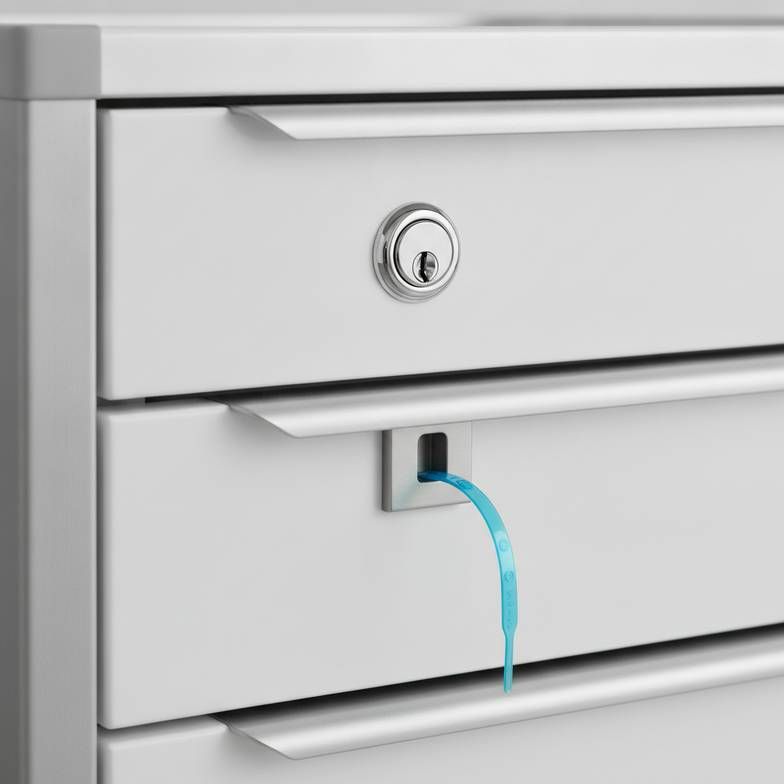
| What is the security need? None, general key, breakaway seal, or high-security? | This determines the required locking mechanism, which is a key configuration detail for both carts and cabinets. |
Matching the Solution: When to Choose a Cabinet, a Cart, or Both
Once you've completed your workflow diagnosis, the right solution often becomes clear. It's rarely an "either/or" decision; many departments benefit from a hybrid system.
- Choose Medical Cabinets When: Your primary need is for high-density, centralized storage of bulk inventory or less-frequently accessed items. They are well-suited for supply closets, CSSD areas (using stainless steel), and dedicated storage rooms where staff come to restock smaller containers or carts.
- Choose Medical Storage Carts When: Your primary need is to bring organized, task-specific supplies to the point of care. They are a practical choice for medication rounds, emergency response (crash carts), anesthesia, and any procedure where having tools and supplies at the bedside saves valuable time.
- Choose a Hybrid System When: You have a typical departmental workflow. This is often the most practical and efficient solution. Use large, fixed cabinets as the central inventory hub for bulk stock. Then, use smaller, specialized carts for daily tasks, restocking them from the central cabinets as needed. This approach gives you high-capacity storage and efficient, mobile logistics.
What to Prepare Before You Request a Quotation
Sending a vague inquiry like "quote for 5 carts" or "price for a cabinet" will likely result in a quotation that doesn't fit your needs. To get a fast, useful, and comparable recommendation from any supplier, prepare a short summary of your workflow analysis first.
This isn't extra work; it's how you take control of the procurement process and helps you compare proposals on a functional, like-for-like basis.
To get a fast and useful recommendation, please prepare the following details before you inquire:
1. Your Department and Primary Tasks: (e.g., Emergency Room, patient intake; General Ward, medication rounds). 2. Your Core Need: Is it for centralized bulk storage or mobile point-of-care tasks? 3. Key Items to be Stored: (e.g., bulk dressings, IV kits, specific procedure supplies). 4. Security Requirements: (e.g., no lock needed, general key, breakaway seal for emergencies).
Sending this information with your inquiry will help us recommend a solution that truly fits your workflow, not just your floor space.
Written by
CareFurnex Team
CareFurnex Team shares practical knowledge about hospital beds, patient room furniture, medical trolleys, clinic furniture, and healthcare facility procurement for international B2B buyers.
Related Products
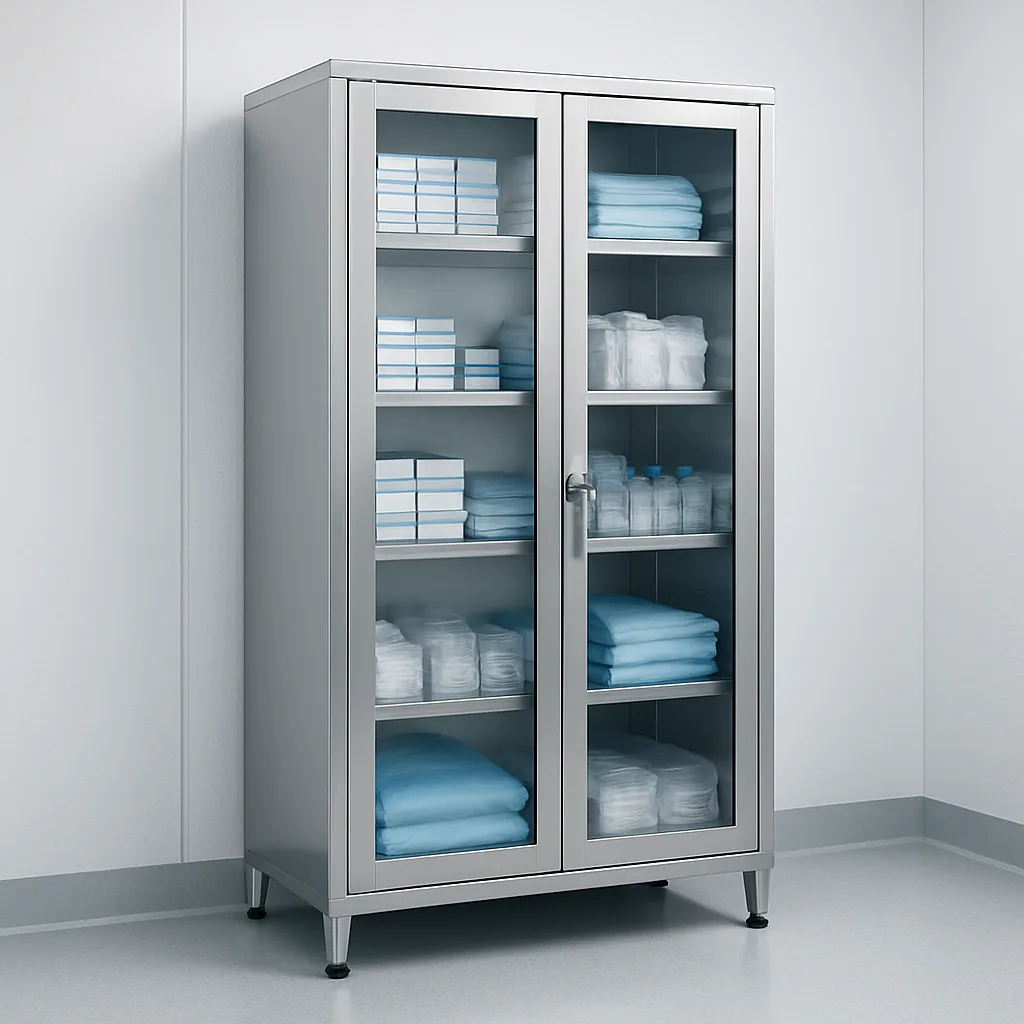
Medical Cabinets
Storage cabinets and medical furniture units for organized patient rooms and ward areas.
View product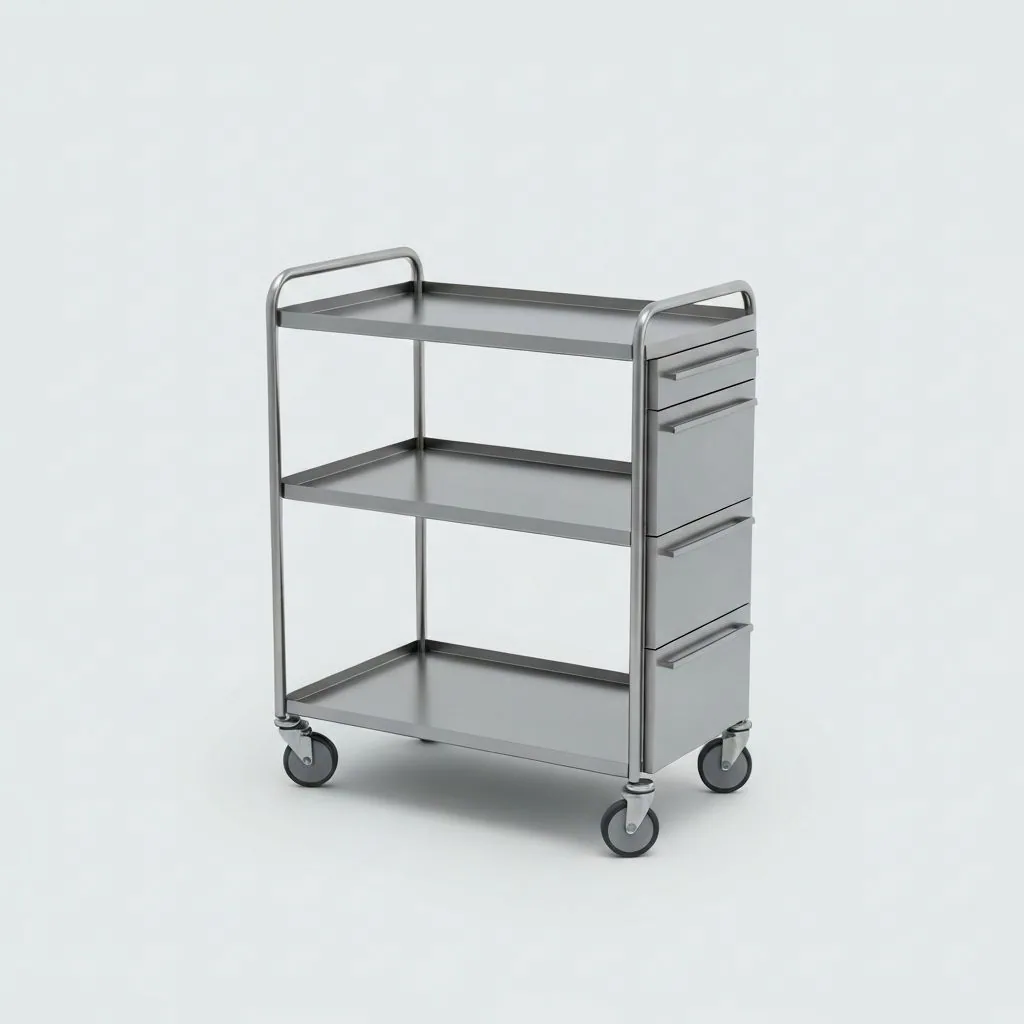
Medical Trolleys
Mobile carts for nursing rounds, treatment supplies, medicines, and clinical tools.
View product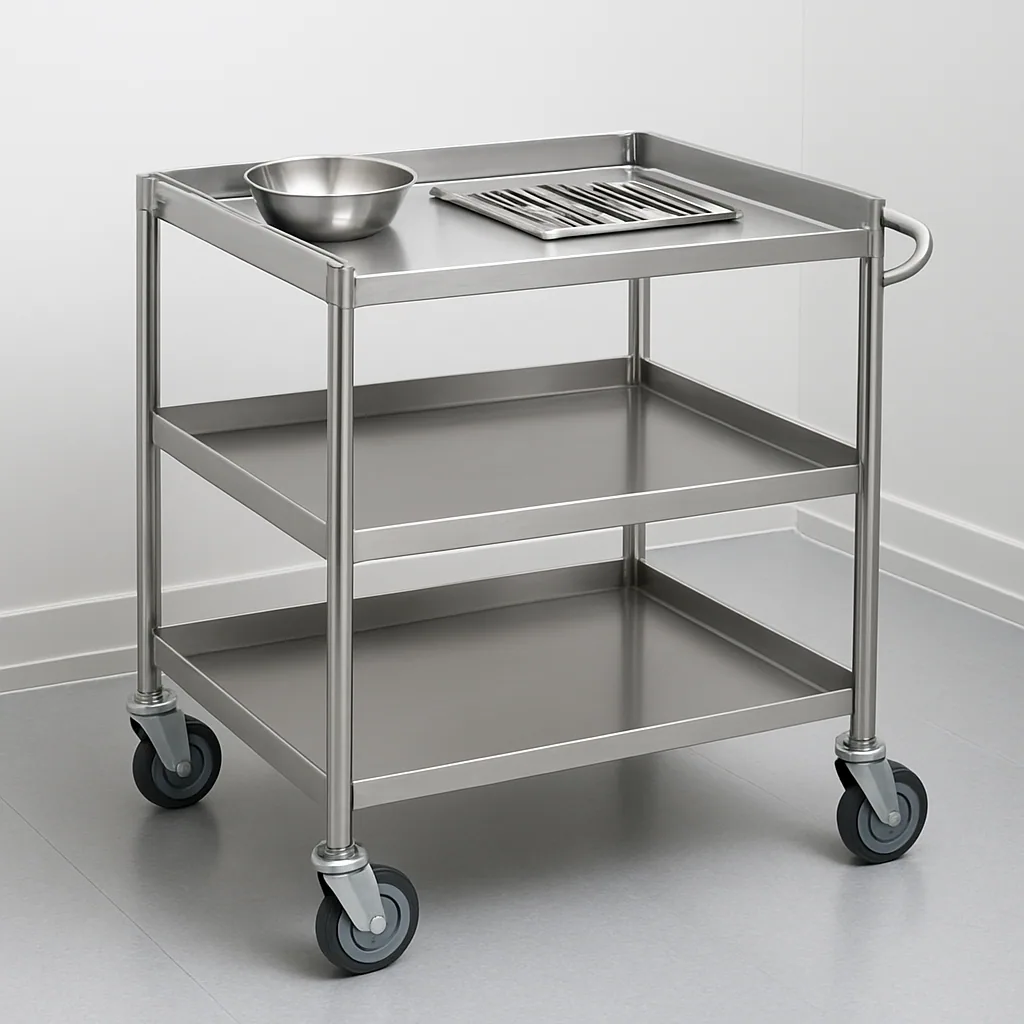
Treatment Carts
Practical treatment carts with drawers, storage space, and smooth mobility for clinical use.
View product