
Many B2B buyers—importers, distributors, and hospital project managers—consider manual hospital beds because they need to control project budgets. The lower unit price seems like an easy win. But choosing a manual bed solely on price can backfire, leading to caregiver complaints, unexpected accessory costs, and freight surprises that erode your savings and reputation.
The common mistake is treating manual beds as simply the cheaper, older version of electric beds. In my experience, the right question isn't "Which bed is cheaper?" but "Which bed truly fits this room, this caregiver workflow, and the full project requirements?"
Manual hospital beds are still a good choice when used in the right care scenario: basic wards, clinics, budget-sensitive projects, and rooms with moderate adjustment needs. They are not the best choice when frequent repositioning, fast adjustment, or higher caregiver convenience is required.
This guide explains how to decide when a manual bed is a smart procurement choice and when it’s a hidden risk.

When Are Manual Hospital Beds Still a Practical Choice for Healthcare Projects?
Manual hospital beds are a practical choice for lower-acuity care settings where bed adjustments are infrequent and budgets are a primary concern.
The decision to use a manual bed should start with room function, not just a price list. When we discuss hospital bed orders with project buyers, I usually ask about the department first. A single project may require different bed types for different areas.
Manual beds are often suitable for:
- General wards with stable patients
- Clinics and outpatient departments
- Temporary or overflow care areas
- Budget-sensitive healthcare projects
- Some nursing home rooms where patient mobility is limited and adjustments are not constant
They become less practical in environments that demand frequent patient repositioning or where caregiver workload is already high.
Buyer Action: Before requesting quotations, create a room-by-room or department-based product list. Separate general wards from higher-care areas. This allows you to plan for a potential mix of manual and electric beds, matching the product to the real workflow.
How Should Buyers Compare Manual Beds with Electric Beds Beyond Unit Price?
Buyers should compare beds based on total operational suitability, which includes initial cost, caregiver workload, adjustment frequency, and maintenance needs.
A lower unit price for a manual bed is attractive, but it doesn't represent the full picture. The real comparison is between the initial savings and the potential for increased daily labor for nursing staff.
One practical question I always ask buyers is: who will operate the crank, and how many times per day will they use it? If the answer is "frequently," the "cheaper" manual bed might create operational friction that an electric bed would solve.
Use this table to frame your decision:
| Decision Factor | Manual Hospital Bed May Fit When... | Electric Hospital Bed May Be Better When... | Buyer Question to Ask |
|---|---|---|---|
| Adjustment Frequency | Adjustments are occasional (e.g., a few times per day). | The patient requires frequent repositioning for comfort or care. | How many times per shift will this bed need adjustment? |
| Caregiver Workload | Staffing levels are adequate and the workflow allows for manual operation. | The goal is to reduce physical strain on nurses and caregivers. | Will manual operation add significant time or effort to daily tasks? |
| Patient Condition | Patients are generally stable and have lower acuity levels. | Patients have critical care needs or limited mobility. | Does the typical patient in this room require rapid bed adjustments? |
| Department/Room | General wards, clinics, or temporary care areas. | ICUs, long-term care rooms, or post-operative recovery. | Does this department's standard of care expect electric functions? |
| Budget Level | The initial purchase budget is the primary constraint. | The budget allows for investment in operational efficiency and convenience. | What is the total cost of ownership, including labor impact? |
| Maintenance | The facility prefers simpler mechanical systems with no electrical parts. | The facility has a maintenance plan for electrical equipment. | What is our plan for maintaining crank systems versus motors? |
The key trade-off is initial capital expense versus ongoing operational expense, which includes caregiver time and effort. A decision that saves money upfront could increase labor costs or reduce staff satisfaction over the bed's lifetime.
What Configuration Details Must Be Confirmed Before Ordering Manual Hospital Beds?
You must confirm the crank functions, side rail type, casters, brake system, and all included-versus-optional accessories before comparing any quotations.
"Manual hospital bed" is a category, not a specification. One of the biggest mistakes I see buyers make is comparing two beds based on similar product photos. Photos can hide significant differences in configuration that directly affect price and usability.
Before you can compare two quotes fairly, use the following checklist to define your requirements and ensure both suppliers are quoting for the exact same configuration.
| Item to Confirm | Why It Matters | Included or Optional? | Confirmed with Supplier? |
|---|---|---|---|
| Manual Crank Functions | Determines back, leg, or height adjustments. | Standard | [ ] Yes / [ ] No |
| Side Rail Type | Affects patient safety, access, and durability. | Confirm if standard | [ ] Yes / [ ] No |
| Caster Type & Brakes | Impacts mobility and stability. Central or individual brakes? | Confirm if standard | [ ] Yes / [ ] No |
| Mattress Compatibility | Ensures the mattress fits the bed platform correctly. | N/A | [ ] Yes / [ ] No |
| Mattress Included? | A major cost component that is often optional. | Optional | [ ] Yes / [ ] No |
| IV Pole Included? | A common accessory that may not be in the base price. | Optional | [ ] Yes / [ ] No |
| Spare Crank Handle | Crucial for long-term maintenance. | Optional | [ ] Yes / [ ] No |
| Packing Method | Affects protection during shipping and freight cost. | Standard | [ ] Yes / [ ] No |
| Carton Dimensions/CBM | Needed to calculate shipping costs accurately. | N/A | [ ] Yes / [ ] No |
If you approve an order based on a photo, you lose control over the final product. The delivered bed might have a different rail system or fewer functions than you showed your end-customer, creating a dispute that could have been avoided with a simple checklist.
Why Can a Low Manual Bed Quotation Become More Expensive After Packing and Shipping?
A low unit price can be misleading if it doesn't account for oversized packing, high CBM (cubic meter) volume, or weak protection that leads to freight damage.
Hospital beds are large, heavy items. For bulk export orders, logistics costs are a major part of the total landed cost. Many buyers focus on the unit price, but I often remind them to check the packing data. A 10% cheaper bed can become 15% more expensive if its packing is inefficient or weak.
Here’s what to look for:
- Carton Dimensions & CBM: Two beds might have the same function, but if one is packed less efficiently, it will take up more container space, increasing your per-unit freight cost.
- Packing Strength: A supplier might offer a lower price by using minimal packing. This is a huge risk. Beds have frames, moving parts, and accessories that can be easily scratched, bent, or lost if not protected. The cost of a single damaged bed can wipe out the savings from a cheap quote.
- Trade Terms: Is the price EXW (Ex Works) or FOB (Free on Board)? An EXW price looks lower, but it means you are responsible for all costs to get the goods from the factory to the port. An FOB price includes these costs. Comparing an EXW quote to an FOB quote is not a fair comparison.
Buyer Action: Before finalizing a supplier, request the following packing and shipping data: carton dimensions, gross weight, net weight, total CBM for your order quantity, and photos of the standard export packing.

What Supplier Questions Should Buyers Ask Before Confirming a Bulk Manual Bed Order?
A reliable supplier should ask you questions about your project before they give you a price, and you should evaluate them on the clarity of their answers.
In project procurement, the quality of communication is as important as the price. A supplier who sends a quick, low price without asking any questions might be providing an incomplete quote that will cause problems later.
Use this table to screen suppliers. A good partner will be able to answer these questions clearly. A supplier who can't or won't is a red flag.
| Hidden Detail | What Buyers Often Assume | Possible Consequence | What to Ask the Supplier |
|---|---|---|---|
| Accessories | Items in the photo are included. | Extra costs for "missing" mattresses, IV poles, or rails. | "Please provide a list of all standard included items and all optional accessories with separate pricing." |
| Spare Parts | They can be sourced easily later. | Beds are out of service while waiting for a simple crank handle. | "Which parts are most likely to need replacement? Can we order a spare parts kit with the main order?" |
| Packing Strength | The standard packing is good enough. | Goods arrive scratched, bent, or with missing hardware. | "Can you send photos of your export packing? How are small parts and hardware secured?" |
| Carton Size/CBM | It's a minor detail. | Freight cost is much higher than budgeted. | "What are the exact carton dimensions, and what is the total CBM for my order quantity?" |
| Lead Time Basis | It starts from the order date. | Production is delayed waiting for your final spec confirmation. | "Is the lead time quoted from the date of deposit or the date of final specification approval?" |
In my experience, a reliable supplier wants to avoid problems just as much as the buyer does. We ask questions about department use, quantity, and project schedule because clear information is the best way to prevent production errors and shipping delays.
When Should Buyers Avoid Manual Hospital Beds and Choose Another Bed Type?
You should avoid manual hospital beds when the care environment demands frequent, rapid adjustments or when caregiver convenience is a key project goal.
Knowing when not to choose a manual bed is just as important as knowing when to choose one. Pushing a manual bed into the wrong environment because it's cheaper is a recipe for dissatisfaction.
Avoid manual beds if the situation involves:
- High-Frequency Adjustments: In ICUs or recovery rooms, beds are adjusted often. In these high-acuity settings, manual cranking is often considered too slow for the fast-paced workflow.
- Reducing Caregiver Strain: If a key goal of the hospital or clinic is to reduce physical workload on nurses, electric beds offer a distinct advantage.
- Patient Independence: Some patients can control their own bed position with an electric handset, which promotes autonomy. This is impossible with a manual bed.
- Project Prestige or End-User Expectation: For a new, modern healthcare facility, manual beds might be perceived as outdated, affecting the project's image.
Buyer Action: Before finalizing your order, have one last check-in on the "why." If the primary reason for choosing manual beds is price, but the care scenario points towards frequent adjustments, raise this as a risk. Proposing a mixed plan (e.g., electric beds for 20% of rooms, manual for 80%) can be a smart compromise.
Conclusion: A Smart Choice When Properly Vetted
Manual hospital beds are far from obsolete. They remain a practical and cost-effective solution for many healthcare settings. However, their value depends entirely on matching the product to the right environment and confirming every detail before purchase.
A successful manual bed order is not about finding the lowest price. It’s about ensuring the configuration is complete, the packing is robust, the logistics are calculated, and the supplier is a clear communicator. The "cheapest" quote is never the one with the lowest number; it's the one that delivers the right product with the fewest surprises.
If you are planning a healthcare project, our team at CareFurnex can help you review your requirements. By understanding your department needs, quantities, and project schedule, we can help you configure the right furniture, clarify quotation details, and ensure your procurement process is built on clarity, not assumptions.
Written by
CareFurnex Team
CareFurnex Team shares practical knowledge about hospital beds, patient room furniture, medical trolleys, clinic furniture, and healthcare facility procurement for international B2B buyers.
Related Products
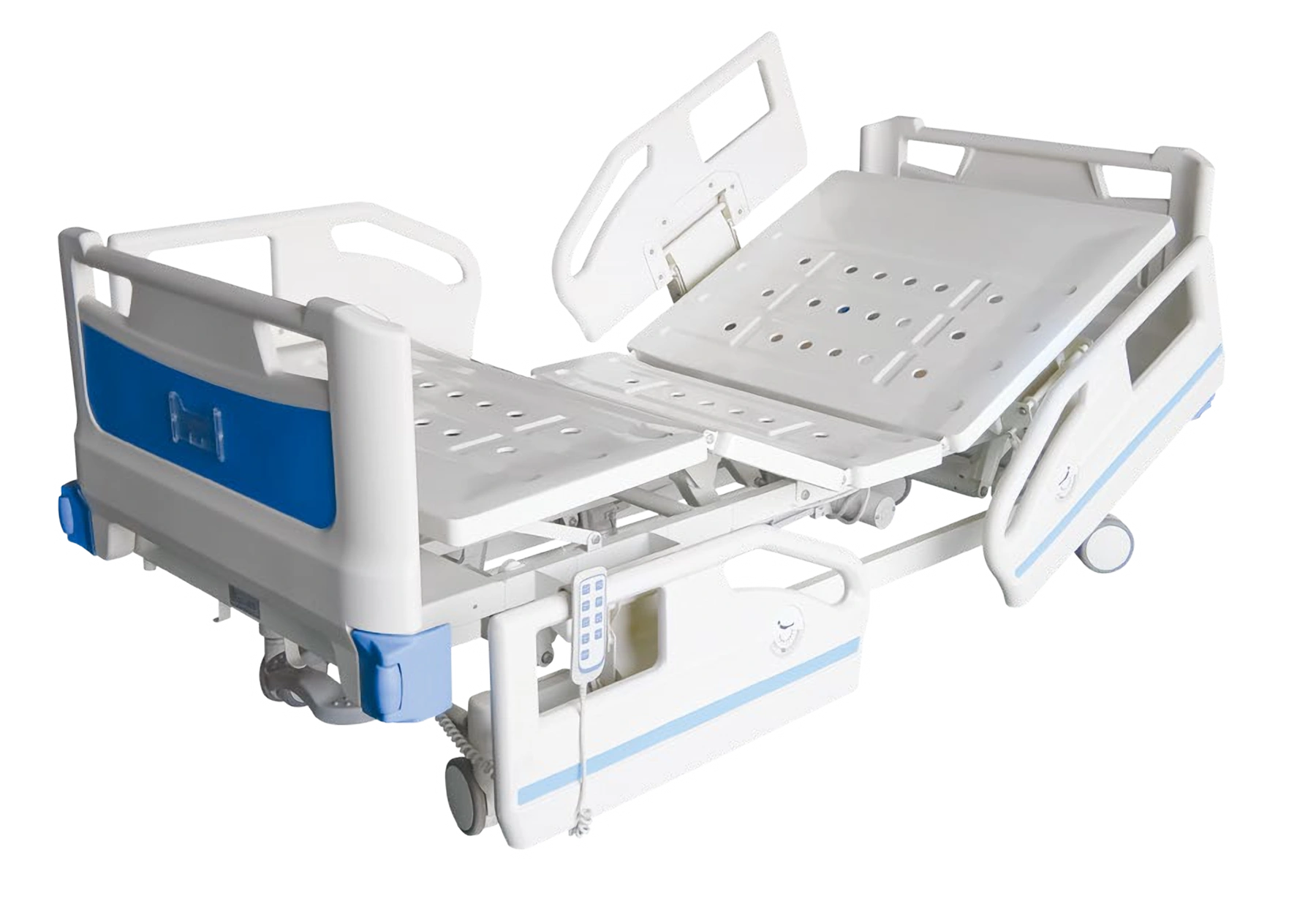
Hospital Beds
General-purpose patient beds for inpatient wards and standard hospital rooms.
View product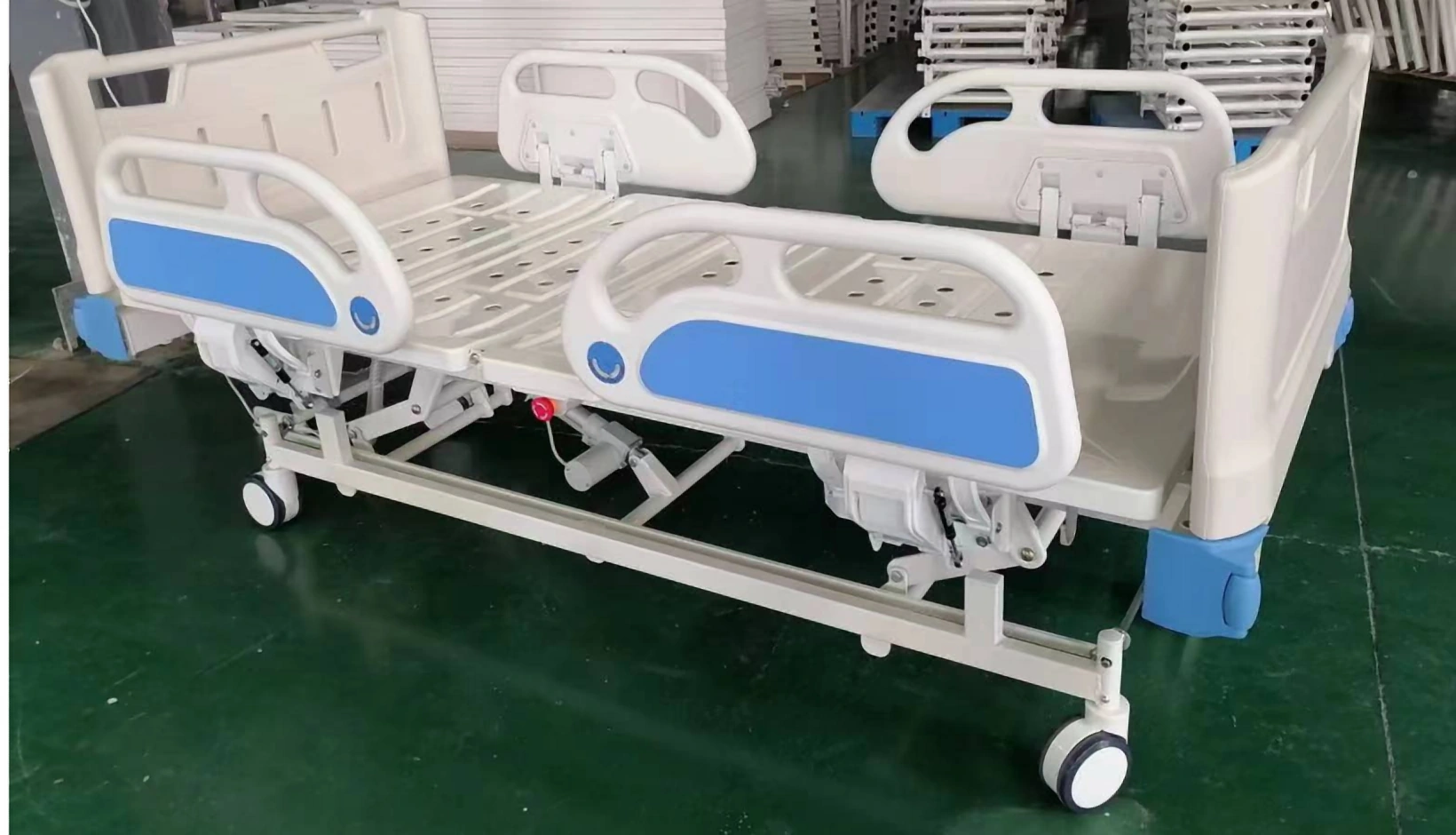
Electric Hospital Beds
Motorized multi-function beds with electric height, backrest, and leg adjustment options.
View product
Ward Furniture
Complete ward furniture options for patient rooms and hospital care areas.
View product