
Are you concerned about hospital bed downtime, unexpected repair bills, and the ongoing costs that hit your budget long after the initial purchase? This constant worry can lead to frustrated clinical staff, compromised patient safety, and a maintenance team that's always playing catch-up. True hospital bed preventive maintenance isn't just a technician's checklist; it's a strategic process that begins the moment you start evaluating suppliers.
Effective hospital bed preventive maintenance is not about a post-purchase checklist; it's about decisions made during procurement. Buyers should scrutinize the bed's design for ease of cleaning and repair, demand a detailed spare parts list from the supplier, evaluate the total cost of ownership beyond the initial price, and verify the serviceability of critical components like motors and electronics before signing a contract.
Now that you know the secret—that maintenance is a procurement issue—let's explore how to put it into practice. In my role at CareFurnex, I've guided hundreds of buyers through this process. I'll share the specific questions and criteria that experienced procurement managers use to assess a bed's long-term reliability and avoid hidden maintenance burdens before they ever become a problem.
How Does a Bed's Design Impact Hospital Bed Preventive Maintenance?
You're looking at two hospital beds. On paper, they have similar functions and a similar look. You might not realize that one design will be a constant headache for your maintenance and cleaning crews, with hidden crevices that trap contaminants and components that are nearly impossible to access without special tools. The key is to look beyond the surface and evaluate how the bed's physical design enables or hinders future care.
A bed's design directly impacts maintenance through its cleanability, component accessibility, and material durability. Designs with removable panels, sealed electronics, and smooth, crevice-free surfaces simplify cleaning and repairs, while complex linkages and exposed wiring increase maintenance time and risk.
Dive Deeper: Maintenance is Designed In, Not Added On
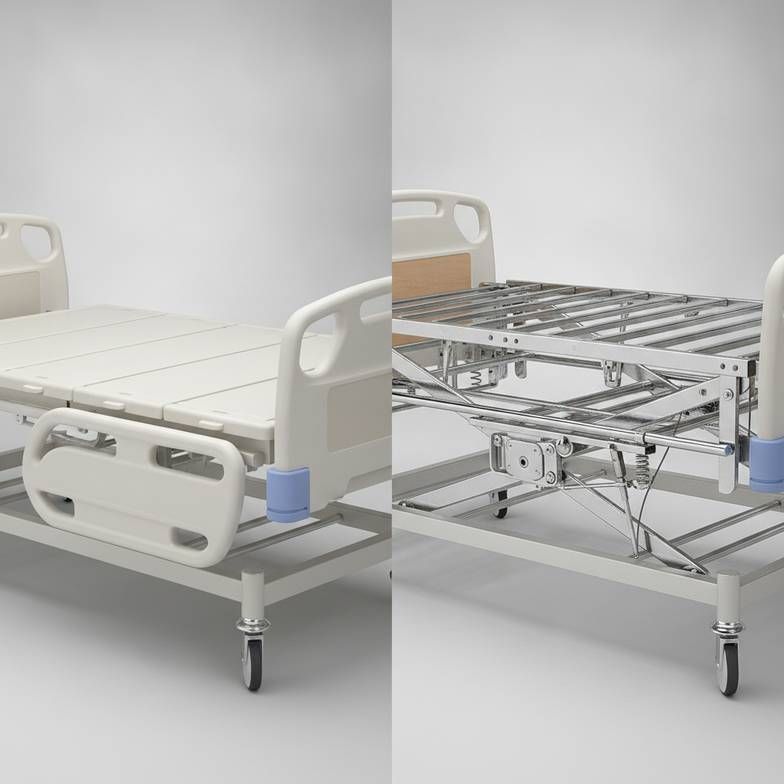
A common mistake buyers make is treating maintenance as an afterthought. However, a bed’s future maintenance workload is largely predetermined by the design choices made in the factory. When we review bed options with project contractors, we teach them to look for features that signal low-maintenance design.
Key Design Features for Easy Maintenance:
- Removable Deck Panels: Bed platforms made from removable ABS or HPL sections are superior to fixed metal decks. They allow staff to easily lift them out for deep cleaning of the bed frame, preventing the buildup of fluids and contaminants. This is critical for infection control.
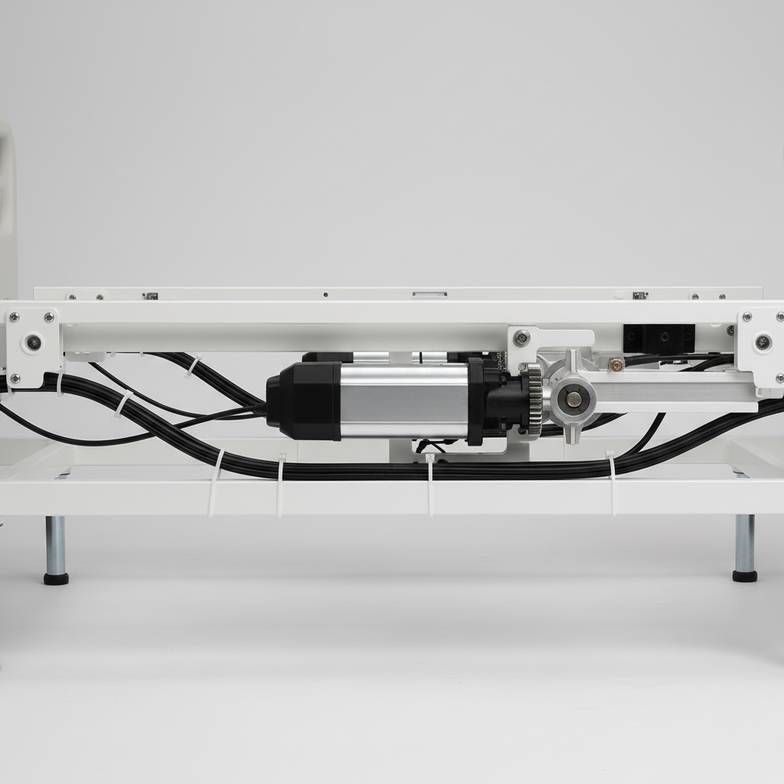
- Enclosed Mechanics and Electronics: Look for beds where motors, actuators, and control boxes are sealed or housed in protective casings. Exposed wiring and moving parts are not only dust traps but are also vulnerable to damage from cleaning fluids, spills, and impact.
- Smooth, Continuous Surfaces: The fewer seams, joints, and crevices on a bed's frame and side rails, the better. Smooth, rounded surfaces are easier and faster to wipe down, reducing cleaning time and minimizing hiding spots for bacteria.
- Integrated Cable Management: A messy tangle of power cords and handset cables is a common trip hazard and a frequent point of failure. Beds with integrated cable management systems keep cords tidy, protected, and off the floor.
Conversely, certain design choices are major red flags for future maintenance burdens.
| Feature | Good for Maintenance | Bad for Maintenance (Higher TCO) |
|---|---|---|
| Deck Surface | Removable, smooth ABS/HPL panels | Fixed, textured metal deck with crevices |
| Electronics | Sealed, enclosed housing with protected wiring | Exposed wiring, open controller box |
| Frame | Smooth, powder-coated steel with minimal joints | Complex scissor-lift with many exposed joints |
| Casters | Central locking system, fully covered housing | Individual brakes, open and exposed bearings |
When you evaluate a bed, imagine you are the person who has to clean or repair it. Can you easily access the frame? Are the electronics protected from a spilled cup of water? Answering these questions at the procurement stage prevents years of frustration.
Why is a Spare Parts List More Important Than a Brochure?
Every supplier will provide a glossy brochure filled with beautiful photos and bold claims about quality and innovation. But what happens two or three years later when a side rail latch breaks or a handset control stops working? That brochure won't help you. You'll be left scrambling for a replacement part, facing bed downtime and frustrated staff.
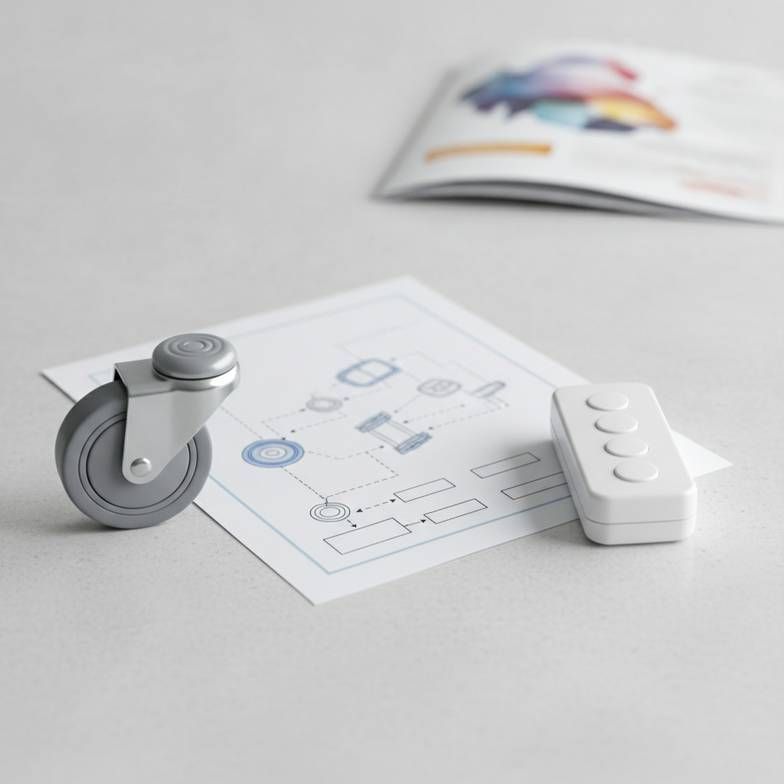
A spare parts list is a concrete commitment from the supplier. It proves they have considered the bed's lifecycle and have a system in place to support it. A brochure sells a promise; a detailed parts list with clear part numbers, diagrams, and availability provides the practical foundation for managing your asset's total cost of ownership.
Dive Deeper: What to Demand from Your Supplier Before Ordering
A supplier's response when you ask for maintenance documentation is a powerful indicator of their professionalism and long-term viability. A confident, reliable partner will have this information ready. An unreliable one will be evasive. I've seen projects delayed for weeks because a simple plastic component broke and the original supplier couldn't identify, let alone ship, the correct replacement part.
Before finalizing any large order, demand the following documents:
The Essential Documentation Checklist:
- Detailed Spare Parts List: This is non-negotiable. It should include clear diagrams, part numbers, and descriptions for high-wear components. Insist on seeing the listings for:
- Motors/Actuators (for back, leg, and height adjustment)
- Main Control Box and Power Supply
- Patient Handset and Nurse Control Panel
- Caster Wheels (complete assembly)
- Side Rail Latching Mechanisms
- Head and Foot Board Locking Pins/Latches
- Warranty Policy Breakdown: Don't accept a vague "1-year warranty." A professional supplier provides a tiered warranty that reflects the durability of different components. For example:
- Bed Frame: 5-10 years
- Motors and Electronics: 2-3 years
- Casters and Plastic Parts: 1 year
This breakdown shows what the manufacturer is truly confident in.
- Service & Troubleshooting Manuals: Ask for a sample of the technical manual. Does it include basic troubleshooting guides (e.g., "If bed does not raise, check...")? Does it show how to replace common parts like a handset or an actuator? The existence of these documents proves the manufacturer has a support plan.
If a supplier hesitates, claims it's "proprietary," or says "we will provide it after the order," treat it as a major red flag. They are demonstrating that they are not prepared to support their product through its full lifecycle.
How Does Price Hide Future Hospital Bed Preventive Maintenance Costs?
You have two quotations for 100 beds. One is 20% cheaper than the other, a tempting saving that could free up significant funds in your project budget. However, that lower price is often achieved by making compromises the buyer can't easily see—thinner steel, cheaper casters, less durable coatings, and unbranded electronics. These compromises directly translate into higher hospital bed preventive maintenance costs that will quickly erase any initial savings.
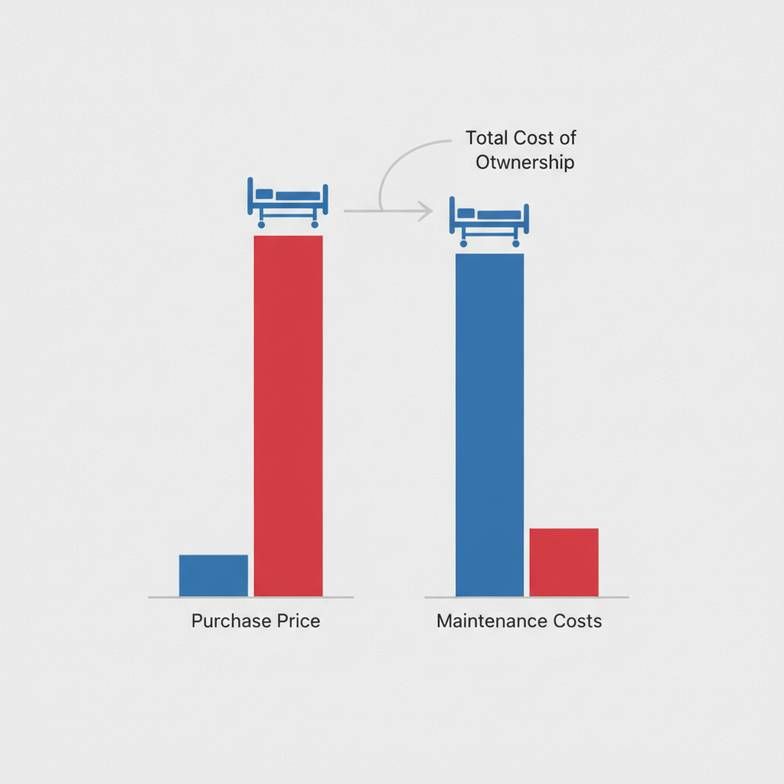
A low initial price often indicates compromises on material quality and component durability, which directly translates to higher future maintenance costs. Inferior casters, thinner steel frames, and low-quality powder coating lead to premature failure, increased downtime, and a significantly higher Total Cost of Ownership (TCO).
Dive Deeper: Deconstructing the "Low Price" Bed
At CareFurnex, we help buyers look past the price tag and analyze the specification sheet to understand a bed's true value. Shifting your focus from initial price to Total Cost of Ownership (TCO) is the most critical financial decision you can make.
Here are the specific components where cost-cutting leads to future maintenance nightmares:
- Casters: This is arguably the most common failure point on a hospital bed.
- Low-Quality: Cheap PVC wheels with open, unsealed bearings and flimsy individual brakes. They will become noisy, hard to roll, and the brakes will fail.
- High-Quality: Durable TPU wheels from a reputable brand (e.g., Tente) with sealed bearings and a robust central-locking system. They provide smooth, quiet transport for years. Saving $40 on casters per bed seems smart, but when you have to replace them for $25 each plus a technician's labor within 18 months, that saving is gone.
- Steel Frame & Welding: Many spec sheets just say "powder-coated steel frame." This is not enough information.
- Low-Quality: Thinner gauge steel (e.g., 1.2mm) with inconsistent manual welds. The frame can flex under load, and the welds can crack over time.
- High-Quality: Thicker gauge steel (e.g., 1.5mm or more) with clean, consistent robotic welding. This provides the structural rigidity needed to last for a decade or more.
- Powder Coating: The finish is not just for aesthetics; it's a critical line of defense.
- Low-Quality: A thin, single layer of paint that easily chips and scratches, exposing the raw steel to harsh hospital disinfectants and leading to rust.
- High-Quality: A multi-stage pre-treatment followed by a thick, electrostatic powder coating that is chemically bonded to the steel. It resists chipping, scratching, and chemical corrosion.
- Motors/Actuators: The heart of an electric bed.
- Low-Quality: Unbranded motors with no certifications and questionable reliability. When one fails, finding an exact replacement can be impossible.
- High-Quality: Actuators from globally recognized brands like Linak, TiMOTION, or Dewert. They are certified (CE, UL), have proven life cycles, and replacements are readily available worldwide.
By asking for specifications on these details—caster brand, steel thickness, motor brand—you force suppliers to compete on quality, not just price.
Do All Electric Beds Need the Same Maintenance Plan?
Your hospital project requires beds for the general wards, the pediatric unit, and the intensive care unit (ICU). It's tempting to think of them all as "electric beds," but applying a one-size-fits-all maintenance approach can be a costly mistake. This can lead to over-servicing simple beds while, more critically, under-servicing the complex ones that need it most.
No, different electric beds require different maintenance considerations. A complex ICU bed with integrated scales, patient exit alarms, and multiple electronic controls demands more rigorous inspection of its systems and software than a simpler semi-electric or full-electric ward bed with basic functions.
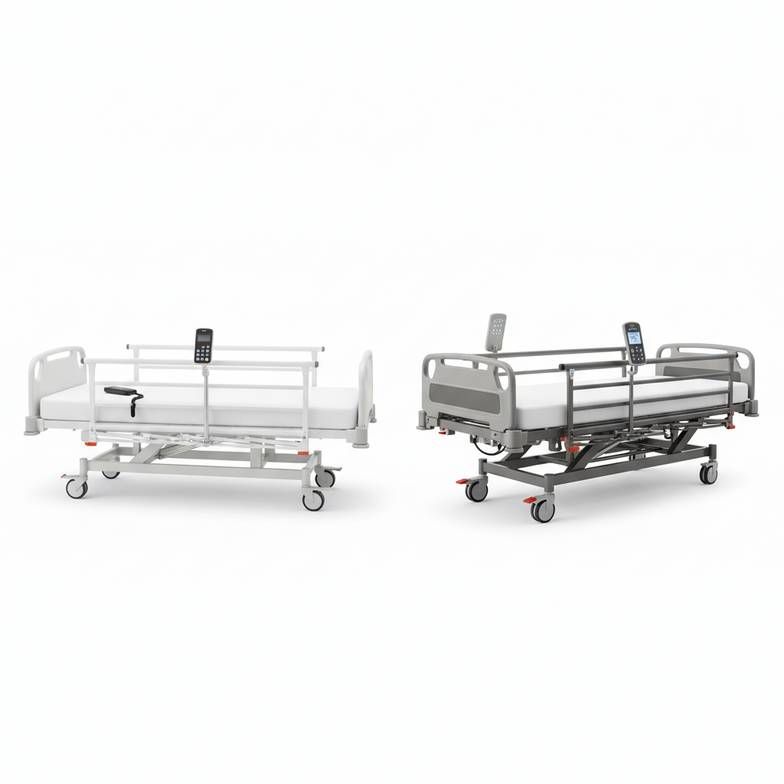
Dive Deeper: Matching Maintenance to Bed Complexity
Understanding the differences in bed complexity during the procurement phase allows you to plan a realistic and effective service strategy. You can also ask suppliers more targeted questions about the components that matter most for each bed type.
Here’s a breakdown of maintenance considerations by bed type:
- Semi-Electric Beds:
- Function: Typically feature electric head and foot adjustments, but manual height adjustment via a crank.
- Procurement Focus: Motor reliability is still important, but with fewer electronics, there are fewer potential points of failure. Pay close attention to the quality of the manual crank mechanism. Is it robust and easy to operate, or flimsy and difficult to turn?
- Full-Electric Ward Beds:
- Function: The hospital workhorse with electric control for head, foot, and overall height adjustment.
- Procurement Focus: This is where scrutinizing the core components pays off. The reliability of the three main motors (back, leg, height), the control box, and the patient handset is paramount. Verifying the brand and specifications of these parts is crucial for ensuring uptime in a high-traffic ward.
- ICU Beds:
- Function: Highly complex devices with all the functions of a full-electric bed plus Trendelenburg/Reverse Trendelenburg, a CPR quick-release function, integrated patient scales, patient exit alarms, nurse-side controls, and often a battery backup system.
- Procurement Focus: You are now evaluating a piece of medical technology, not just furniture.
- Electronics & Software: Inquire about the control system's reliability. Are there built-in diagnostics for easier troubleshooting?
- Integrated Scales (Load Cells): How are they calibrated? What is the procedure if they become inaccurate? This is a clinical function that requires precise support.
- Battery Backup: What is the specified battery life under load? What is the replacement procedure, and what is the cost of a new battery?
- Supplier Support: For ICU beds, a supplier's ability to provide swift technical support for the electronic systems is just as important as the mechanical durability of the frame.
For a multi-department project, your procurement strategy should match this complexity. You can prioritize top-tier electronics for ICU beds while opting for robust, simpler systems for general wards, optimizing both performance and cost.
Frequently Asked Questions
What is the most common failure point on a hospital bed?
Casters and hand controls are the most frequent failure points. Casters wear out from constant movement and impact, while hand control cables get strained and damaged. During procurement, it's vital to check the quality specifications and warranty for these specific components.
How often should hospital bed preventive maintenance be performed?
While a facility's biomedical team will set the final schedule, a general guideline is an annual comprehensive inspection. However, daily checks by nursing staff are also crucial. Your procurement goal is to select a bed whose design simplifies both daily cleaning and annual technical servicing.
Can I use third-party spare parts for my hospital beds?
It can be risky. Using non-OEM parts may void the manufacturer's warranty and can introduce compatibility or safety issues. A key part of your supplier evaluation is confirming their ability to provide original, manufacturer-approved spare parts reliably and for the long term.
What's the difference between a hospital bed warranty for the frame vs. electronics?
Suppliers typically offer longer warranties on static components like the steel frame (e.g., 3-5 years) and shorter warranties on moving or electronic parts like motors and control boxes (e.g., 1-2 years). Always ask for a detailed breakdown of the warranty by component to understand what's truly covered.
Conclusion
The key takeaway is to shift your mindset. Stop viewing maintenance as a post-purchase problem and start treating it as a procurement-stage risk to be managed. By focusing on design for serviceability, demanding comprehensive supplier documentation, and analyzing the Total Cost of Ownership instead of just the initial price, you can proactively ensure the long-term reliability of your assets. Effective hospital bed preventive maintenance is the direct result of strategic sourcing and asking the right questions before you buy.
If you are planning a hospital project or looking to upgrade your ward furniture, these are the critical details we can help you navigate. Contact CareFurnex to discuss your specifications and let us help you source beds built for long-term value and reliability.
Written by
CareFurnex Team
CareFurnex Team shares practical knowledge about hospital beds, patient room furniture, medical trolleys, clinic furniture, and healthcare facility procurement for international B2B buyers.
Related Products
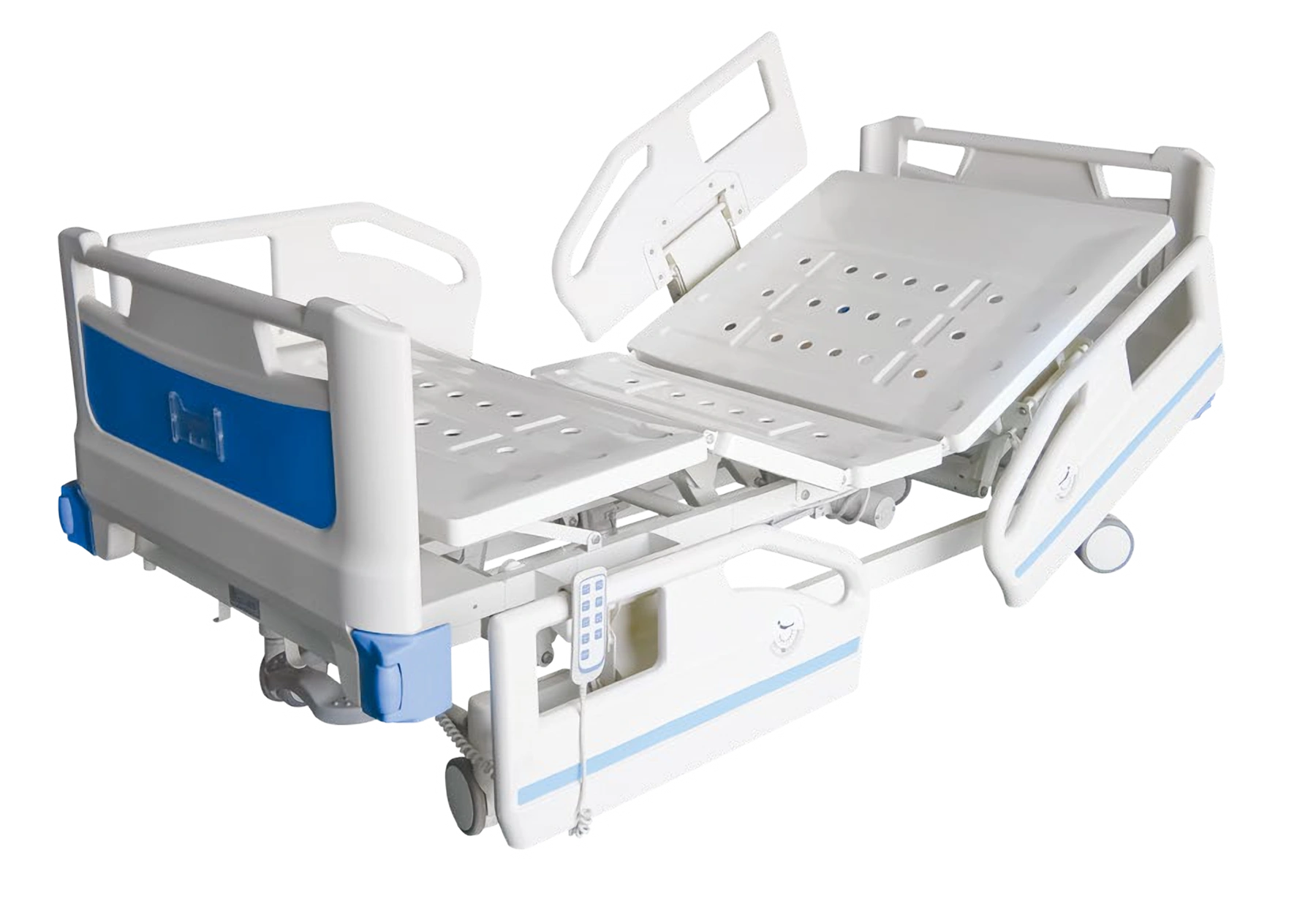
Hospital Beds
General-purpose patient beds for inpatient wards and standard hospital rooms.
View product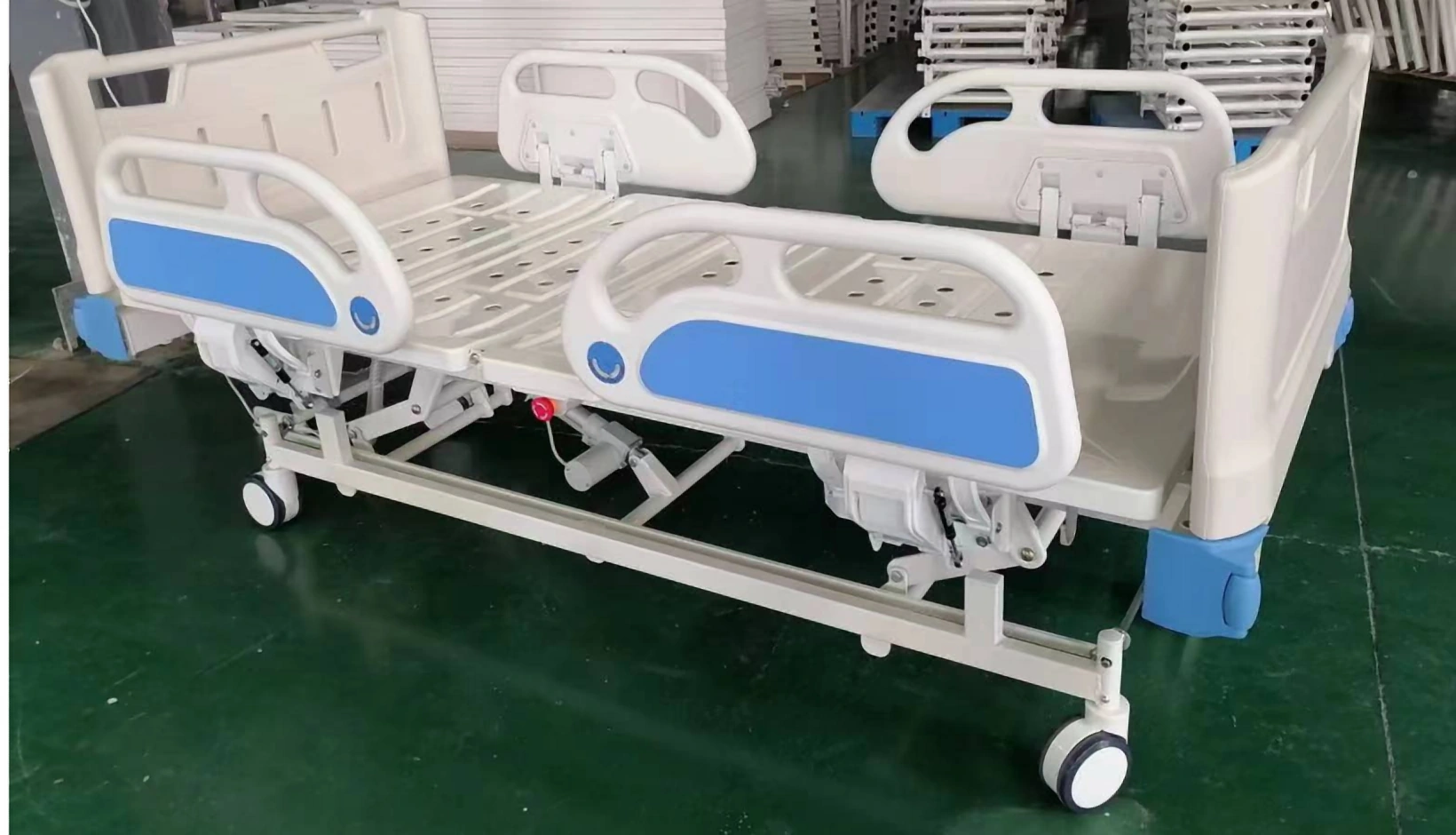
Electric Hospital Beds
Motorized multi-function beds with electric height, backrest, and leg adjustment options.
View product
IV Poles
Review a wheeled IV stand and a separate pole by pictured layout and configuration requirements.
View product