
Comparing quotations for linen and waste trolleys that look almost the same? Do not rush to choose the lower price. The product photo may look correct, but a cheaper offer can hide an unsuitable configuration, weak packing, or high shipping costs that create problems after delivery.
The correct way to choose is by hospital workflow, configuration, mobility, cleaning needs, packing, and total landed cost—not by product name or photo alone. A trolley that looks right in the catalog can still cause daily complaints from nursing, cleaning, or logistics staff if it doesn't match the real-world task.
This mistake often starts before production, when a procurement team compares only the product photo and unit price. A lower price might seem attractive, but it doesn't help if one supplier is quoting a basic model while another includes the necessary accessories, stronger casters, and export-ready packing.

Are You Choosing the Trolley by Product Name or by Hospital Workflow?
Do not start by asking for a "linen trolley" or "waste trolley" price. First, define the logistics task. A supplier needs to know what the trolley carries, where it moves, and whether it belongs to a clean or dirty workflow before they can recommend a suitable model.
The product name is only a starting point. Hospital logistics depends on separating clean and dirty workflows to maintain hygiene and efficiency, a core principle in healthcare environmental services. For any healthcare project, trolley requirements should be part of a department-based product list, not a vague inquiry. As noted in public health resources like the CDC's environmental cleaning guidance, managing clean and soiled items is fundamental to preventing cross-contamination.
Before you request a quotation, classify your needs. This simple step prevents you from buying a trolley that looks right but fails in daily use.
Workflow-Based Trolley Selection Table
This table helps you separate your requirements by logistics task. Use it to prepare a clearer request for quotation (RFQ) and ensure suppliers are quoting for the correct use case.
| Workflow Type | Typical Use | Key Configuration to Confirm | Buyer Risk If Ignored | Supplier Questions to Ask |
|---|---|---|---|---|
| Clean Linen Distribution | Moving clean linen from laundry/storage to wards | Cover, cleanable surface, size, handle, caster quality | Clean items are not protected; trolley doesn't fit the route. | Is a cover included? What are the overall dimensions? |
| Soiled Linen Collection | Moving used linen from wards to laundry/collection points | Removable bags/bins, easy-to-clean frame, lid, mobility | Collection is inefficient; trolley is hard to clean. | Are the bags/bins removable? Is a lid included? |
| General Waste Movement | Collecting and moving non-clinical waste | Lid, bag holder, capacity, durable frame, good brakes | Waste is not contained; trolley is unstable or hard to move. | Is a lid standard? What is the bag size/capacity? |
| Department Cleaning Support | Carrying cleaning supplies, tools, and a waste bag | Compartments, tool holders, waste bag attachment, size | Cleaning workflow is inefficient; trolley is hard to organize. | What compartments or holders are included? |
| Storage or Transfer Use | Moving bulk items between storage, laundry, and service areas | Load capacity, sturdy frame, large casters, simple design | Trolley cannot handle the weight or is hard to maneuver. | What is the frame material and load capacity? |
A quotation should not be treated as final until the supplier confirms they understand which of these workflows the trolley is for.
What Configuration Details Should You Confirm Before Comparing Prices?
Do not compare two trolley prices until both suppliers confirm they are quoting the same configuration. A cheaper price often means a more basic version is being offered, while a higher price may include necessary accessories, stronger components, or better materials.
Similar product photos can hide significant differences in size, structure, handle design, caster quality, and included items. One product name can refer to many different versions. A quotation is not complete if it relies only on a reference image. Ask for a written specification sheet that clearly separates what is included from what is optional.
Before treating two offers as comparable, get written answers to these questions:
- What are the overall dimensions (Length x Width x Height)?
- What material is the frame and body made of?
- Are covers, lids, bags, bins, or baskets included?
- What type of casters are used, and how many have brakes?
- Does the photo show the exact quoted model or just a reference?
If the photo shows accessories, do not assume they are included. Ask the supplier to list all standard and optional items in the quotation.
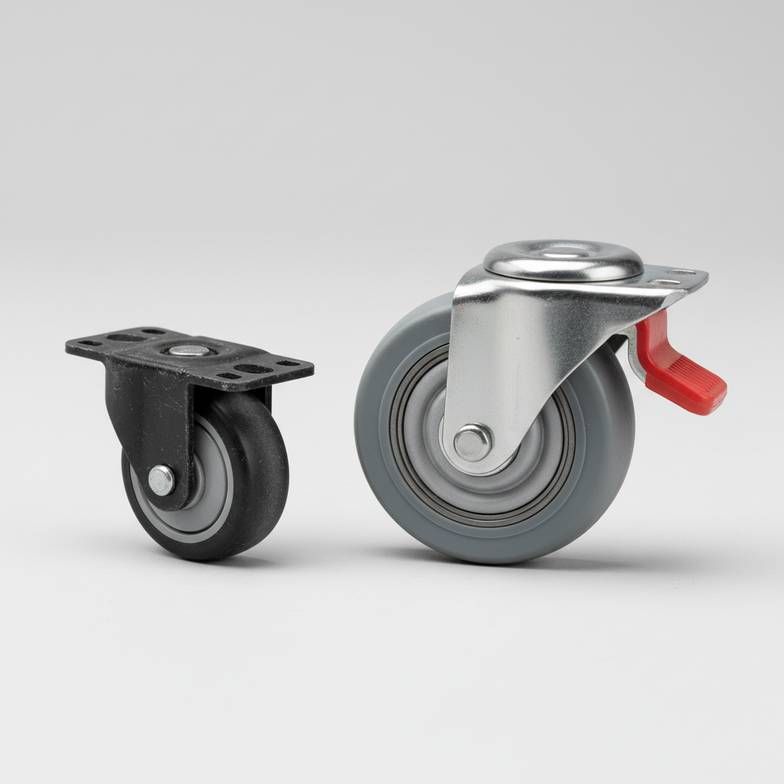
How Do Size, Capacity, Casters, and Brakes Affect Daily Hospital Use?
A trolley's daily performance depends more on its mobility and fit with the environment than its carrying capacity alone. An oversized trolley can block corridors, while one with weak casters can become a daily frustration for staff.
Choosing a trolley size should be a balance between capacity and maneuverability. Before deciding, consider the entire route the trolley will travel:
- Corridor widths
- Service elevator dimensions
- Doorway clearances
- Storage room space
- Layout of laundry, ward, and service areas
Casters and brakes are not minor details; they are core usability specifications. Poor-quality casters make a loaded trolley difficult to push, turn, and control, especially in busy areas. They can also be noisy or wear out quickly. Brakes are an important feature for preventing movement when loading, unloading, or parking the trolley. A simple "with wheels" description is not enough for a serious medical trolley quotation.
Which Material and Cleaning Details Matter for Linen and Waste Trolleys?
Material selection should not be based on price or appearance alone. The choice should be guided by the trolley's use, cleaning frequency, and durability requirements, as this directly impacts how easy the trolley is to maintain in a healthcare setting.
Linen and waste trolleys face different cleaning routines and handling. The material, surface finish, and overall structure—including corners, welds, and removable parts like bags or bins—determine how effectively it can be cleaned.
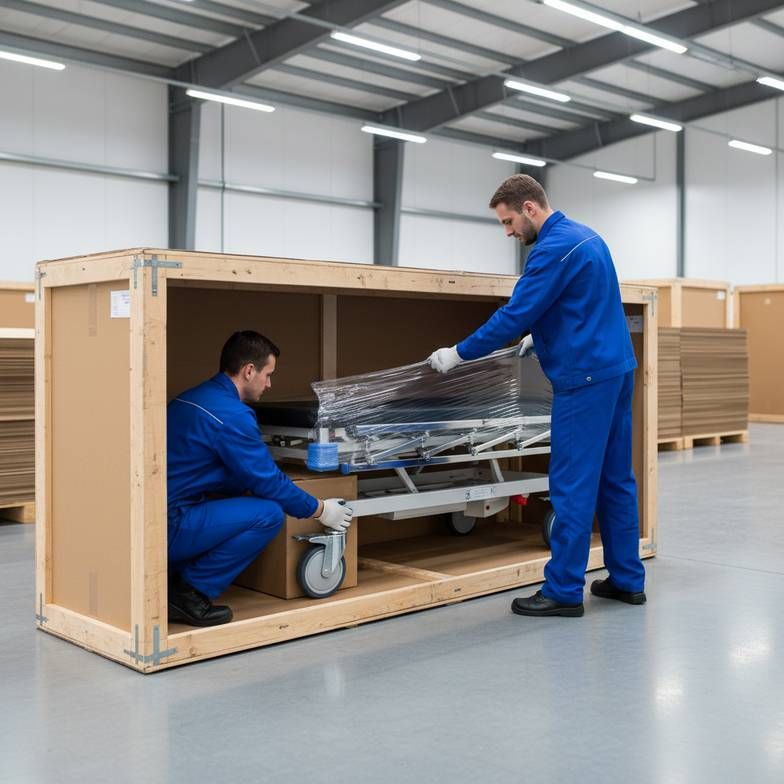
For trolleys with metal or stainless steel frames, it's also important to consider how the surfaces will be protected during shipping. A trolley that looks good in the factory can arrive with scratches and dents if the packing is not robust enough for export. Before approving an order, ask the supplier how they protect surfaces and components during packing and transit.
Why Can a Low Unit Price Become Expensive After Packing and Shipping?
A low unit price is misleading if the packing is weak or the shipping volume is high. For importers and project buyers, the total landed cost is what matters, and that includes product protection, freight, and potential damage claims.
Trolleys, especially when assembled or partially assembled, can be bulky. An inefficiently packed trolley takes up more container space, driving up freight costs. A low ex-factory price can quickly become uncompetitive once you add the cost of shipping a large CBM (cubic meter) volume.
Furthermore, weak packing is a common cause of disputes. Scratches, bent frames, damaged casters, or missing hardware upon arrival can delay your project and lead to costly claims or reorders. Packing is not a detail to check after production; it should be part of the quotation comparison.
Quotation Comparison Matrix for Linen and Waste Trolleys
Before you finalize an order, use a matrix like this to compare offers on an equal basis. This helps you see beyond the unit price and identify where a "cheaper" offer might be incomplete.
| Comparison Item | Supplier A | Supplier B | What Buyer Should Check |
|---|---|---|---|
| Product Type & Workflow | Soiled Linen Trolley | Soiled Linen Trolley | Do both suppliers understand the intended use? |
| Overall Size (L x W x H) | [Enter Data] | [Enter Data] | Are the dimensions the same and suitable for your routes? |
| Material | [Enter Data] | [Enter Data] | Does the material match your cleaning and durability needs? |
| Included Accessories | 2 bags, 1 lid | 2 bags | Is the lid an extra cost from Supplier B? |
| Caster Type | Medical silent casters | Standard casters | Will the casters hold up to daily use? |
| Brake Quantity | 2 casters with brakes | 1 caster with brake | Is this sufficient for safe handling? |
| Packing Method | Partially assembled, carton | Assembled, bubble wrap | Which method offers better protection and CBM? |
| Carton Dimensions | [Enter Data] | [Enter Data] | How do these dimensions affect the total CBM? |
| Total CBM | [Enter Data] | [Enter Data] | How does the CBM impact your total freight cost? |
| Trade Term | FOB [Port] | FOB [Port] | Are you comparing prices on the same shipping basis? |
| Lead Time | 35 days | 45 days | Does the lead time fit your project schedule? |
These two quotations are not comparable until all these points are clarified in writing.
What Should You Ask the Supplier Before Confirming a Bulk or Project Order?
A clear pre-order confirmation process is the best way to prevent delays, cost overruns, and after-sales disputes. For any bulk or project order, do not assume the supplier will handle all details after payment. A reliable supplier should welcome clear communication.
Good suppliers will ask you about your workflow, department use, and project schedule before finalizing a recommendation. They should provide quotations with clear specifications, packing data, and lead times. Be cautious of suppliers who only send a price based on a generic photo without asking any practical questions.
To ensure your order is produced and delivered correctly, use a final checklist to confirm all critical details with your supplier before issuing a purchase order or arranging payment.
Pre-Order Buyer Checklist for Bulk or Project Procurement
| Check Item | Confirmed? (Y/N) | Notes for Supplier |
|---|---|---|
| Department or room function confirmed | ||
| Clean/soiled/waste workflow separated | ||
| Quantity confirmed by department | ||
| Overall size confirmed | ||
| Material and finish confirmed | ||
| Cover/lid/bag/bin requirements confirmed | ||
| Caster and brake details confirmed | ||
| Included and optional items are separated | ||
| Packing method confirmed | ||
| Packing photos requested | ||
| Carton dimensions requested/confirmed | ||
| Gross/net weight requested/confirmed | ||
| Total CBM for the order requested/confirmed | ||
| Trade term (e.g., FOB, CIF) confirmed | ||
| Production lead time confirmed | ||
| Inspection points before shipment agreed |
A clearer project list helps the supplier quote the correct configuration instead of guessing from a product name. A successful procurement process for linen and waste trolleys starts with planning, not pricing. By defining your workflow, confirming specifications, and checking packing and shipping data, you can avoid common pitfalls and ensure the products you receive are fit for purpose.
At CareFurnex, when a buyer sends a project list, we review the department use, configuration needs, packing basis, and delivery schedule before treating the quotation as final. If you are preparing an order for a hospital or healthcare project, sending a clear list of your requirements is the most effective way to get a practical and reliable quotation.
References
- Best Practices for Environmental Cleaning in Healthcare Facilities: In Resource-Limited Settings - Centers for Disease Control and Prevention
Written by
CareFurnex Team
CareFurnex Team shares practical knowledge about hospital beds, patient room furniture, medical trolleys, clinic furniture, and healthcare facility procurement for international B2B buyers.
Related Products
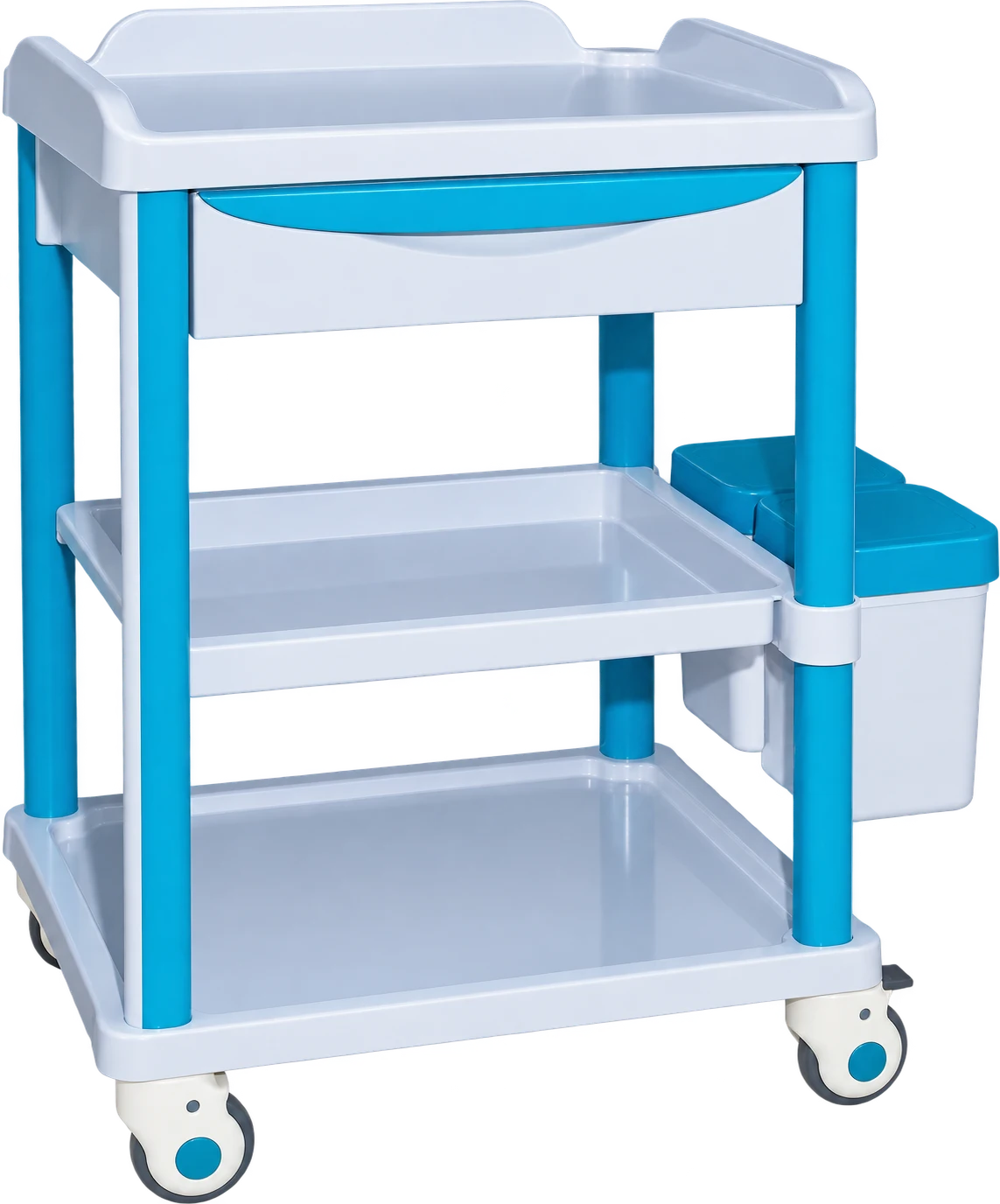
Medical Trolleys
Mobile carts for nursing rounds, treatment supplies, medicines, and clinical tools.
View product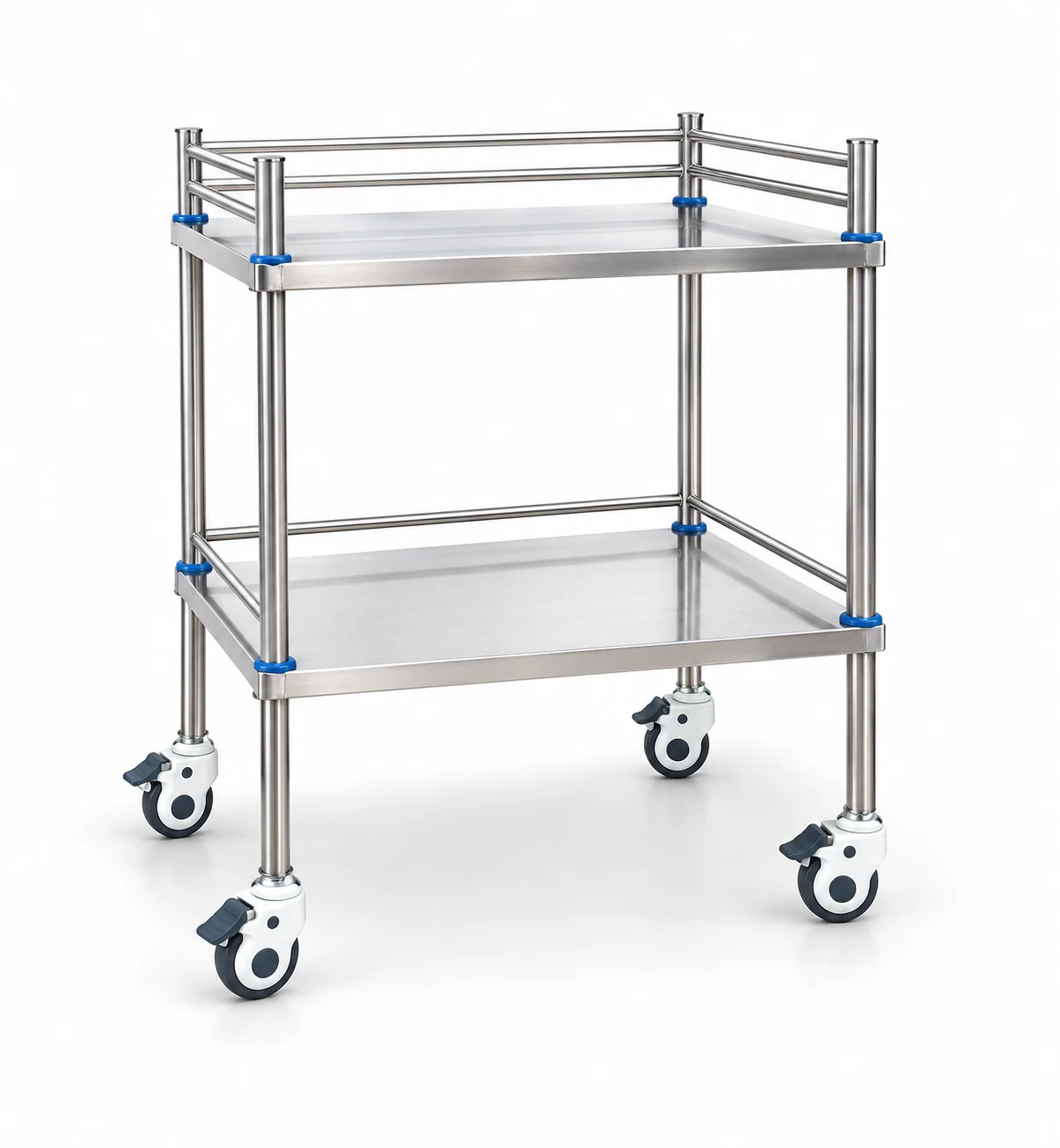
Stainless Steel Trolleys
Compare stainless steel trolleys by model, stated dimensions and configuration.
View product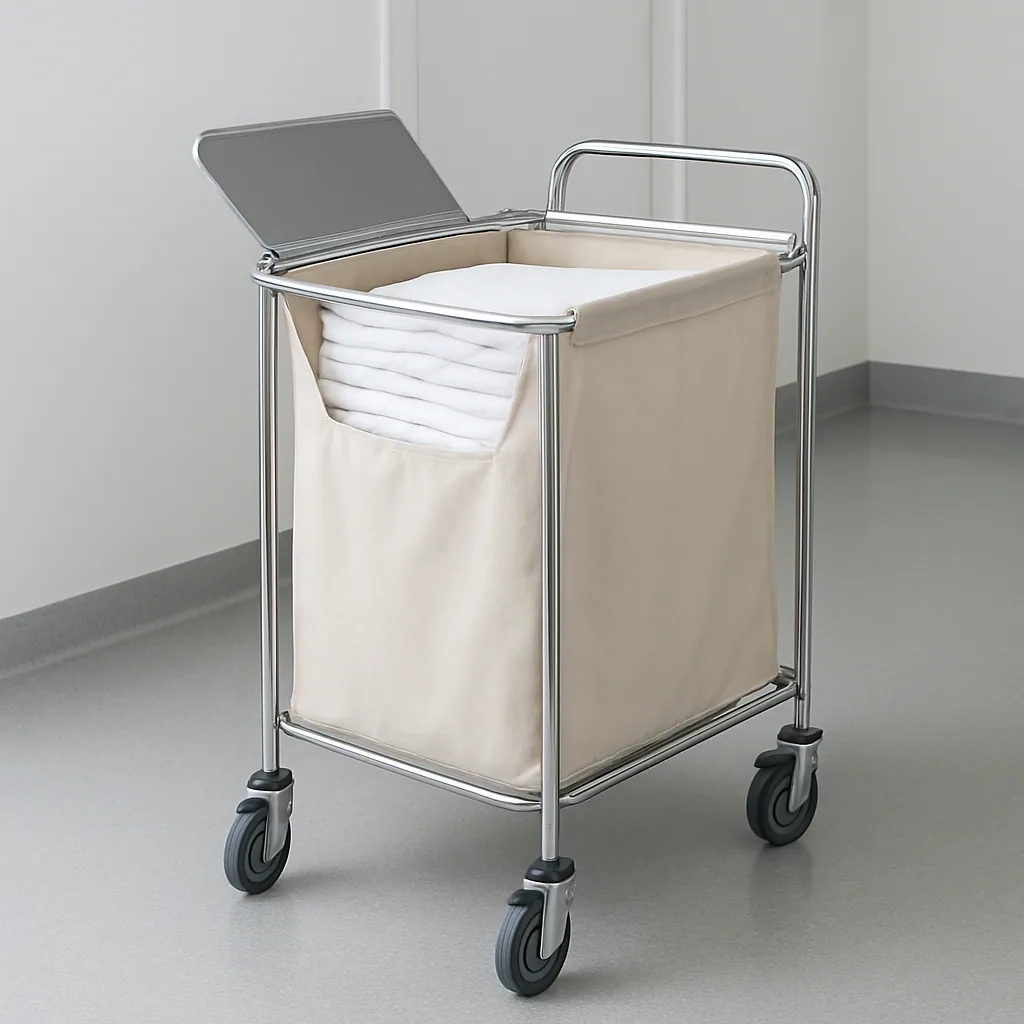
Laundry Linen Carts
Linen transport carts for hospitals, nursing homes, laundry rooms, and care facilities.
View product