
Choosing an isolation cart seems easy, but the wrong one creates workflow issues and infection risks. A cart that works for your team makes infection control safer and more efficient.
Choosing the right isolation cart means matching its design—drawers, PPE storage, materials, and labels—to your hospital's specific infection control protocols, nursing workflow, and cleaning regimen. It is a risk management decision, not just a product purchase.
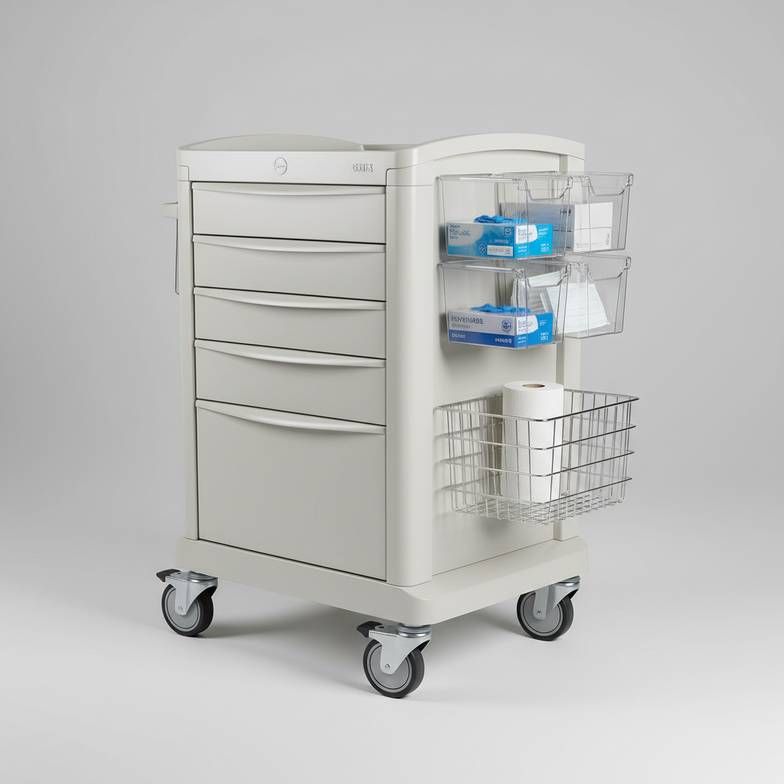
When I review product lists with hospital buyers, many focus on the number of drawers or the price tag. But these details don't tell the whole story. The real test of an isolation cart is how it performs under pressure, supporting your staff during critical moments. To find the right cart, you need to look beyond the basic features and ask how each element will integrate into your facility's unique processes. Let's break down the key areas you need to evaluate to make a choice that truly supports your infection control goals.
Are More Drawers Always Better for an Isolation Cart?
You see a cart with many drawers and assume it offers better organization. But without a clear system, they can become a jumbled mess, increasing the risk of cross-contamination.
The number of drawers is less important than how their configuration supports your workflow. An effective setup separates clean, used, and contaminated items, aligning with your process to prevent errors during high-pressure situations.
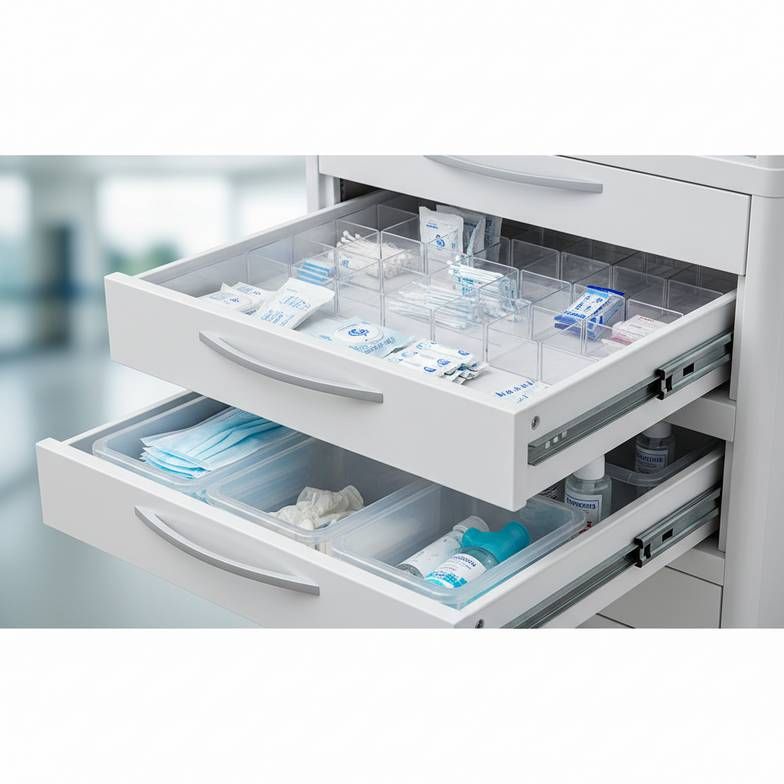
A common question we get from project contractors is about the ideal number of drawers. My answer is always the same: it depends on your process. Drawers are not just for storage; they are tools for managing your infection control workflow. The goal is to create a system that makes it easy for staff to do the right thing and hard to make a mistake. Think about how your team segregates supplies. You need a logical place for clean items, a designated spot for items that have been handled, and a clear separation for anything potentially contaminated. Dividers inside the drawers are essential for this. They allow you to create specific compartments for different supplies, preventing them from mixing. This turns a simple drawer into a powerful organizational tool, directly supporting staff compliance and reducing the risk of a critical error.
| Drawer Strategy | Impact on Workflow | Procurement Question |
|---|---|---|
| Segregated Drawers | A top drawer for clean PPE, a middle for procedure supplies, and a bottom for waste/used items. | Does the cart offer different drawer sizes to match our segregation needs? |
| Internal Dividers | Keeps small items like swabs and needles organized, preventing mix-ups. | Are drawer dividers included or available? Are they adjustable? |
| Locking Mechanism | Secures sensitive supplies or prevents access to contaminated drawers. | Do we need central or individual drawer locks for our protocol? |
Does Your Cart's PPE Storage Actually Match Your Workflow?
Your team needs to put on PPE quickly and safely. But a generic cart layout can cause fumbling and backtracking, raising the risk of exposure before they even enter a room.
Effective PPE storage must mirror your staff’s specific donning and doffing sequence. The placement, size, and accessibility of holders for gloves, masks, and gowns should match your actual PPE supplies to ensure a logical workflow.
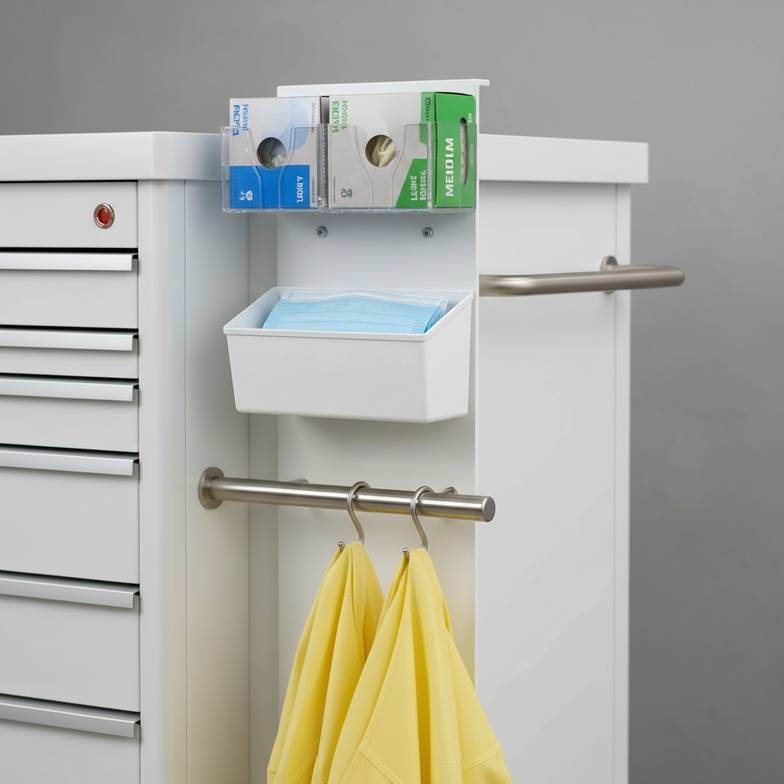
When reviewing tender specifications, we often see a simple line item for "PPE holders." This is a major risk. A generic holder is not a solution. The cart’s layout must physically guide your staff through the correct sequence for putting on personal protective equipment. If your protocol is gown, then mask, then gloves, the cart's holders should be arranged in that order. This simple logic minimizes thinking and reduces the chance of error when a nurse is rushing to an emergency. You also need to consider the physical products you use. Will the glove box holders fit the brand of gloves your hospital buys? Are the holders adjustable? Can the mask box be accessed easily without touching other parts of the cart? These practical questions are critical. Accessories like sharps containers and waste bins are also part of this workflow and must be positioned where they make sense for the doffing process, not as inconvenient add-ons.
| Feature | Workflow Consideration | What to Verify Before Buying |
|---|---|---|
| Glove Box Holders | Should hold multiple sizes and be placed for easy access last in the donning sequence. | Are the holders adjustable? Do they fit our supplier's boxes? |
| Mask/Shield Storage | Needs to be accessible and keep items clean before use. | Is there a designated bin or holder? Is it easy to open with one hand? |
| Gown Holder | Must be easy to load and dispense from without gowns falling on the floor. | Does it use a bar, hook, or bin? Which works best for our gowns? |
| Accessory Placement | Sharps containers and waste bins need to be located for safe disposal during doffing. | Can accessories be mounted on either side to fit different room layouts? |
Can Your Isolation Cart Withstand Your Hospital's Cleaning Regimen?
You need a cart that is easy to clean. But many carts can degrade, rust, or crack when exposed to the harsh chemical disinfectants your hospital uses daily, creating new safety hazards.
The critical question is whether the cart's materials can endure your specific disinfectants and cleaning frequency without degrading. Focus on material durability, seamless design, and corrosion resistance for long-term infection control.
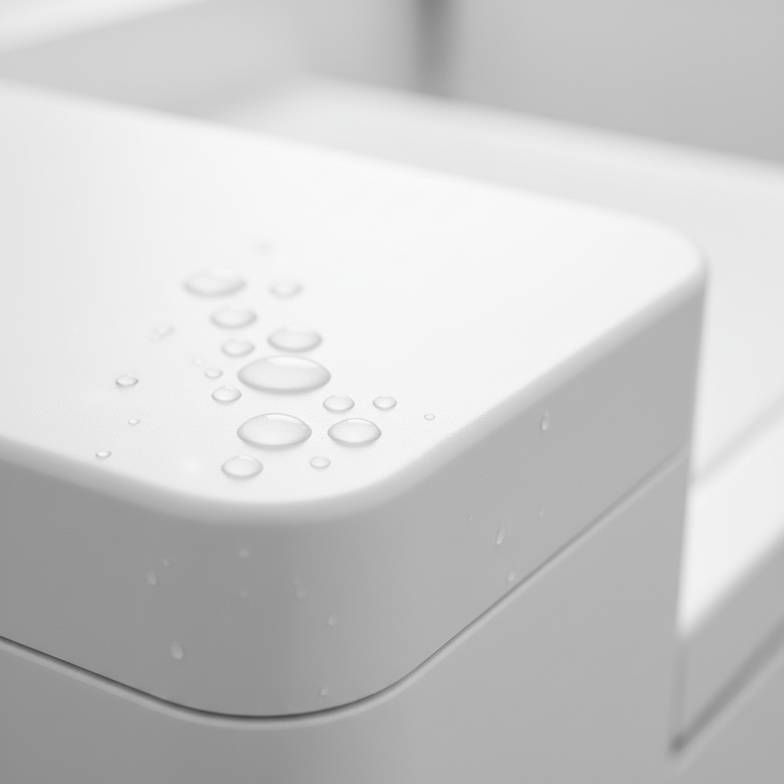
From a supply perspective, the biggest hidden risk in a cart is material compatibility. The term "easy to clean" is meaningless without context. The real question is, "Can this cart survive being wiped down with our hospital-grade disinfectant multiple times a day for five years?" Powder-coated steel is a common material, but a single chip or scratch can expose the steel underneath, leading to rust. ABS polymer is an excellent alternative as the color is solid all the way through, so scratches don't show as easily and there is no risk of rust. The design itself also matters. Look for surfaces that are smooth and seamless, with rounded corners. Every joint, seam, or screw hole is a place where microbes can hide and cleaning wipes can't reach. Based on feedback from past projects, carts with a one-piece polymer top are far superior to those with multiple pieces or raised edges, as they leave no place for liquids or germs to collect.
| Material | Cleaning & Durability Pros | Cleaning & Durability Cons |
|---|---|---|
| ABS Polymer | Highly resistant to chemicals, lightweight, scratches are less visible. | Can be less rigid than metal under very heavy loads. |
| Powder-Coated Steel | Strong and durable frame construction. | A chip in the coating can lead to rust, compromising sanitation. |
| Stainless Steel | Excellent chemical resistance and durability. | Heavier, more expensive, and can show fingerprints and smudges. |
Conclusion
Choosing the right isolation cart is about matching features to your protocols. By focusing on workflow, PPE sequence, and material durability, you invest in safety, compliance, and efficiency.
Written by
CareFurnex Team
CareFurnex Team shares practical knowledge about hospital beds, patient room furniture, medical trolleys, clinic furniture, and healthcare facility procurement for international B2B buyers.
Related Products
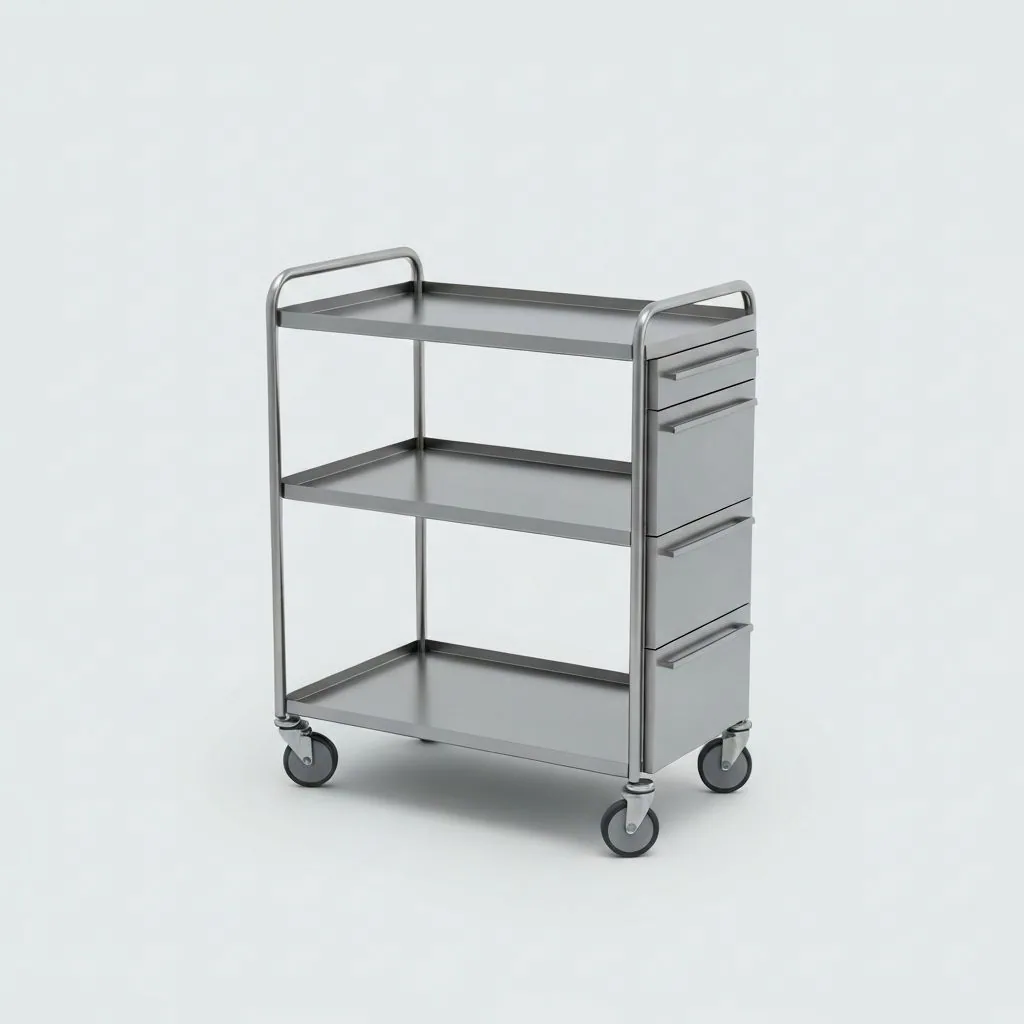
Medical Trolleys
Mobile carts for nursing rounds, treatment supplies, medicines, and clinical tools.
View product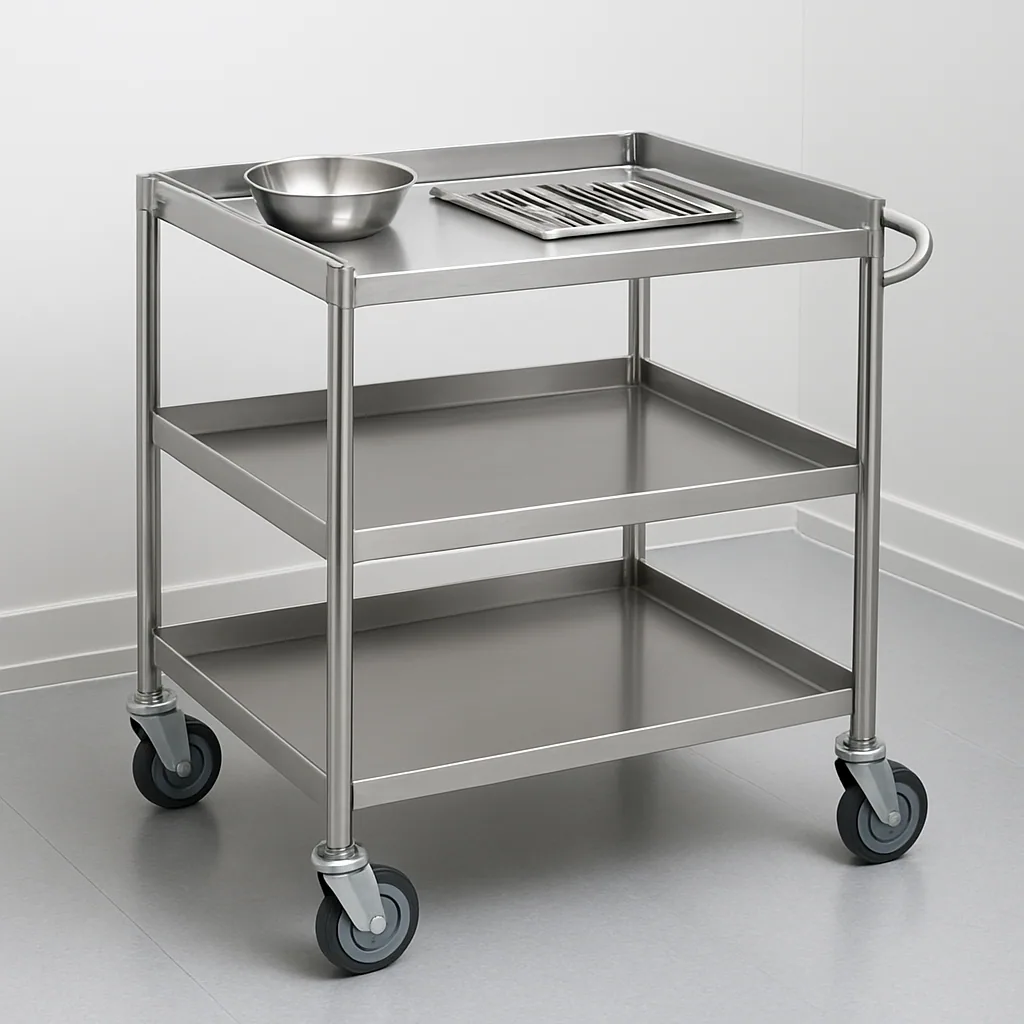
Treatment Carts
Practical treatment carts with drawers, storage space, and smooth mobility for clinical use.
View product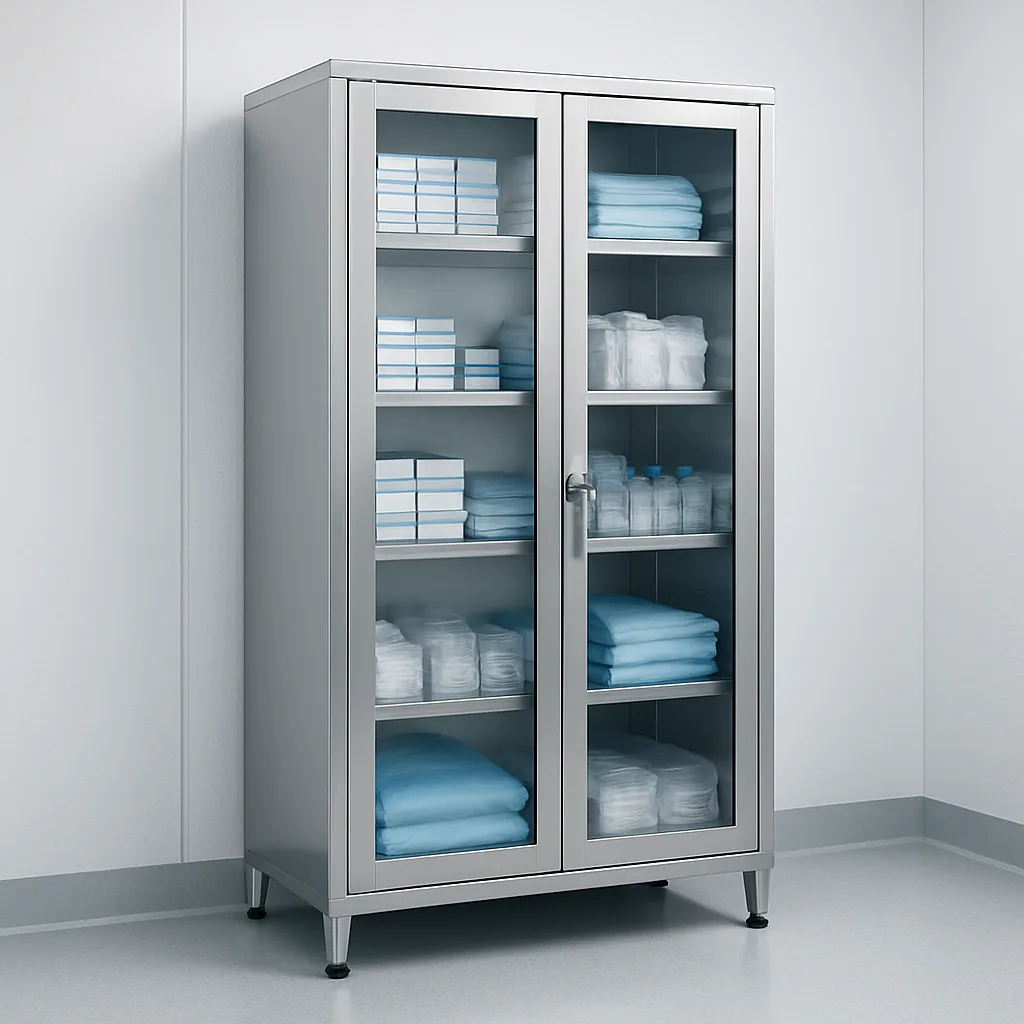
Medical Cabinets
Storage cabinets and medical furniture units for organized patient rooms and ward areas.
View product