
When sourcing infusion chairs, many inquiries start with a simple question: "What is the price of your electric model?" It feels like a logical starting point. But this question often leads to a series of confusing quotations that are impossible to compare fairly.
One chair might be 15% cheaper, but that price could hide a less reliable motor, upholstery that will crack under your clinic's cleaning agents, or fully-assembled packing that doubles your freight cost. The problem isn't the price; it's that the initial question is incomplete.
The better starting point is to define your facility's specific needs. The "best" chair for a high-volume oncology ward is often the wrong choice for a small wellness clinic. Matching the chair's technical details to your workflow is the only way to make a confident, cost-effective decision.
A practical infusion chair buying guide for hospitals and clinics focuses on matching the chair's technical specifications to your facility's specific use case. Key factors to define are the motor configuration based on staff workflow, the upholstery's compatibility with your cleaning agents, and the chair's dimensions when fully reclined to fit your room layout.
These are practical procurement principles, but final material, clearance, and hygiene specifications should always be confirmed with your facility's project consultant or infection control team before finalizing an order.
Why Your Treatment Workflow Should Define Your Chair's Specification
A chair used for 6-hour chemotherapy sessions in a busy hospital has different requirements than one used for 1-hour IV therapy in a quiet clinic. Before looking at models or prices, consider your operational reality:
- Average Treatment Duration: For longer treatments (4+ hours), patient comfort becomes a primary factor. This points toward chairs with higher-density foam for better support and multi-position adjustments that patients can control. For shorter sessions, a simpler, more durable design may be sufficient.
- Patient Turnover: In a high-turnover environment, staff need to clean and reposition chairs quickly. Features like a central braking system, durable casters, and easy-to-clean surfaces directly affect turnaround time between patients. In a lower-turnover setting, these features might be less essential.
- Staff Workflow: How do your nurses interact with patients? If they frequently need to assist patients with transfers or adjust chair height for better access, a chair with electric height adjustment is a key ergonomic and safety feature. If not, this feature may be an unnecessary cost.
Defining these three factors first helps you build a specification that reflects how the chairs will actually be used day-to-day.
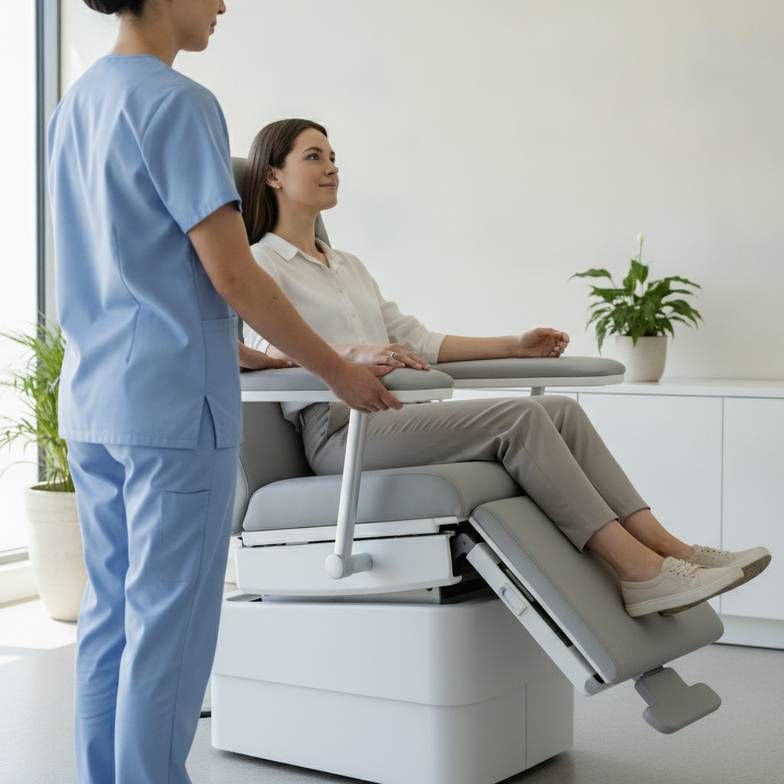
How to Match Motor Configuration to Your Staff and Patient Needs
The term "electric chair" is too broad. The number of motors directly impacts function, cost, and workflow suitability.
- 1-Motor System: Typically controls only the backrest. This is a basic electric option that offers a slight upgrade from manual recliners but lacks full positioning for patient comfort.
- 2-Motor System: Controls the backrest and leg rest independently. This is a common and cost-effective choice, offering good patient comfort by allowing them to find their ideal position. It's often sufficient for clinics where staff height adjustment is not a daily requirement.
- 3-Motor System: Controls the backrest, leg rest, and the overall height of the chair. The height adjustment feature is primarily for staff ergonomics and safety, making it easier and safer to transfer patients or perform tasks without bending. This is a useful feature in busy wards or facilities focused on minimizing staff strain.
The misjudgment is thinking more motors are always better. A 3-motor chair adds cost and a potential failure point. The better question is: "Does our workflow justify the cost of height adjustment?" Before you decide, ask suppliers for the motor brand and its specific warranty period. This tells you more about long-term reliability than a photo can.
What to Check for Upholstery, Cleanability, and Infection Control
Upholstery failure can be a common and costly problem with medical seating. A "medical-grade vinyl" label is not enough.
A key factor to check is chemical compatibility. Your cleaning protocol uses specific disinfectants, and their chemical agents can cause incompatible vinyl to become brittle, crack, or discolor over time. Any break in the upholstery surface can compromise cleanability and create areas where contaminants may be difficult to remove, which is a concern for infection control.
Here's a practical check: 1. Provide a List: Give potential suppliers a list of the specific cleaning agents (brand and active ingredients) you use. 2. Request Confirmation: Ask them to confirm in writing that their upholstery is resistant to these chemicals. A good supplier should be able to provide a chemical resistance chart. 3. Check the Design: Look for designs with minimal seams on patient contact surfaces. Fewer seams mean fewer places for contaminants to accumulate and make wipe-downs faster and more effective.
If a supplier cannot provide a resistance chart, ask for a physical sample of the upholstery. You can then perform your own wipe-down tests in a non-critical area before committing to a bulk order.

Practical Specification Checklist for Infusion Chairs
Use this checklist to build a clear specification for your facility. This document will become your most powerful tool for getting clear, comparable quotations from suppliers.
| Specification Item | Key Question for Supplier | Why It Matters for Your Facility |
|---|---|---|
| Motor System | Number of motors (1, 2, or 3)? Actuator brand and warranty period? | Matches adjustment needs for patient comfort (back/leg) and staff ergonomics (height). A clear warranty reduces long-term risk. |
| Upholstery | Is the material compatible with our facility's specific list of cleaning agents? Are seams minimized on patient contact surfaces? | Helps prevent cracking from chemical incompatibility. Simplifies cleaning and reduces potential collection points for contaminants. |
| Dimensions & Layout | What is the chair's total length and width when fully reclined? What is the safe working load (SWL)? | Confirms the chair will fit in the treatment bay without obstructing access. Supports the weight of your patient population. |
| Caster & Brake System | Does it use individual wheel locks or a central braking system? What is the caster diameter? | Determines how easily staff can move and secure the chair, affecting workflow efficiency in busy wards. |
| Included Accessories | Does the price include the IV pole, side table/tray, and headrest pillow? Are other items (e.g., USB ports) optional? | Clarifies the total cost and avoids unexpected expenses after the order is placed. |
| Packing & Shipping | What are the packed carton dimensions and gross weight? Can it be shipped semi-knocked-down (SKD)? | Allows you to calculate the total landed cost accurately, as shipping volume (CBM) is a major cost driver. |
How to Prepare Your Inquiry to Get Clear, Comparable Quotations
Sending a vague inquiry like "quote for 20 chairs" will only lead to confusing replies and wasted time. A detailed inquiry signals to suppliers that you are a serious buyer and helps them provide a relevant, accurate quotation from the start.
To get clear, comparable quotations for infusion chairs, prepare the following information before contacting suppliers:
1. Your Required Configuration: Motor system (2 or 3 motors), caster type (central or individual lock). 2. Upholstery Requirements: Include your list of facility cleaning agents for compatibility checks. 3. Key Dimensions: Your room/bay size to check against the chair's reclined footprint. 4. Required Accessories: A list of must-have items (e.g., IV pole, side tray). 5. Quantity and Project Timeline: The number of chairs needed and your target delivery schedule. 6. Shipping Information: Your destination port or address to allow for landed cost calculation.
Preparing these details turns procurement from a guessing game into a structured evaluation. It helps you compare quotations against a consistent specification and select the infusion chairs that fit your workflow, support your staff, and avoid the long-term costs of a poor match.
Written by
CareFurnex Team
CareFurnex Team shares practical knowledge about hospital beds, patient room furniture, medical trolleys, clinic furniture, and healthcare facility procurement for international B2B buyers.
Related Products
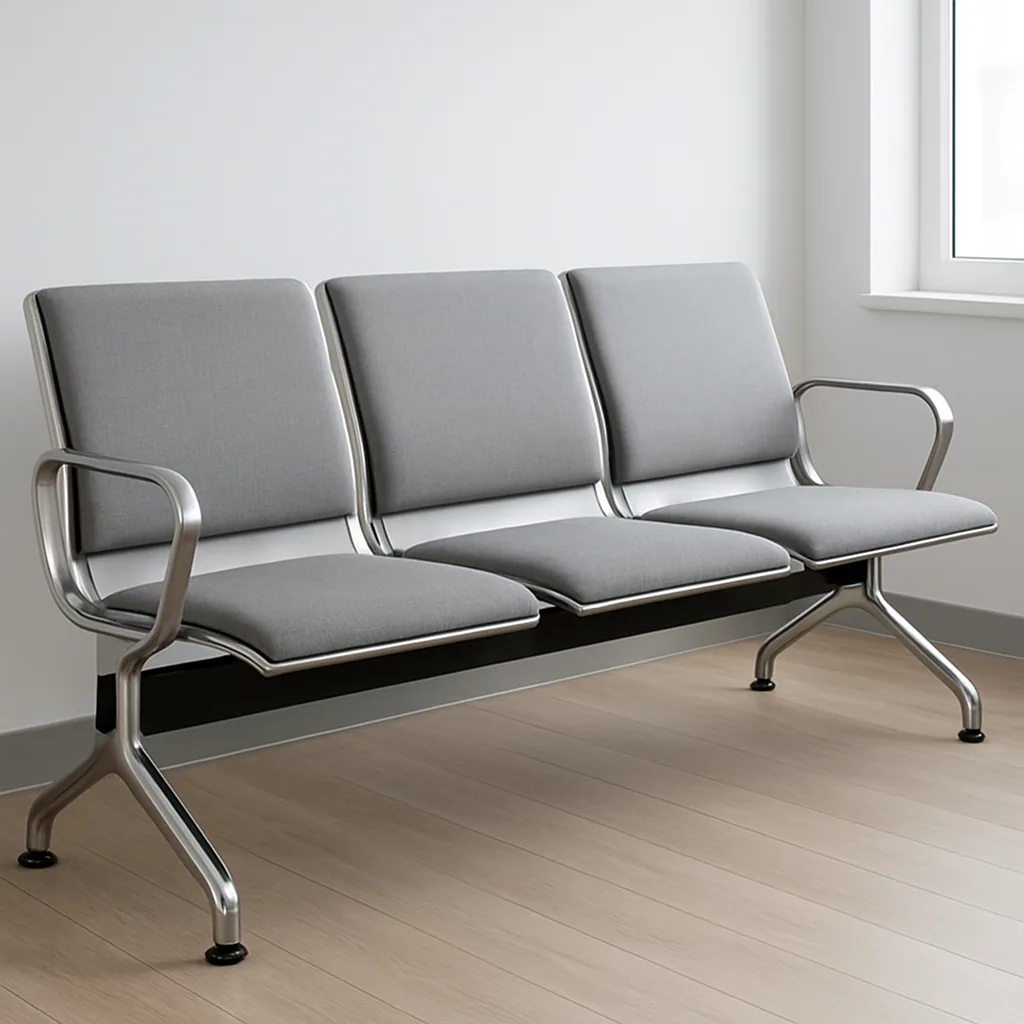
Waiting Chairs
Clinic waiting chairs and bench seating for public reception and patient waiting areas.
View product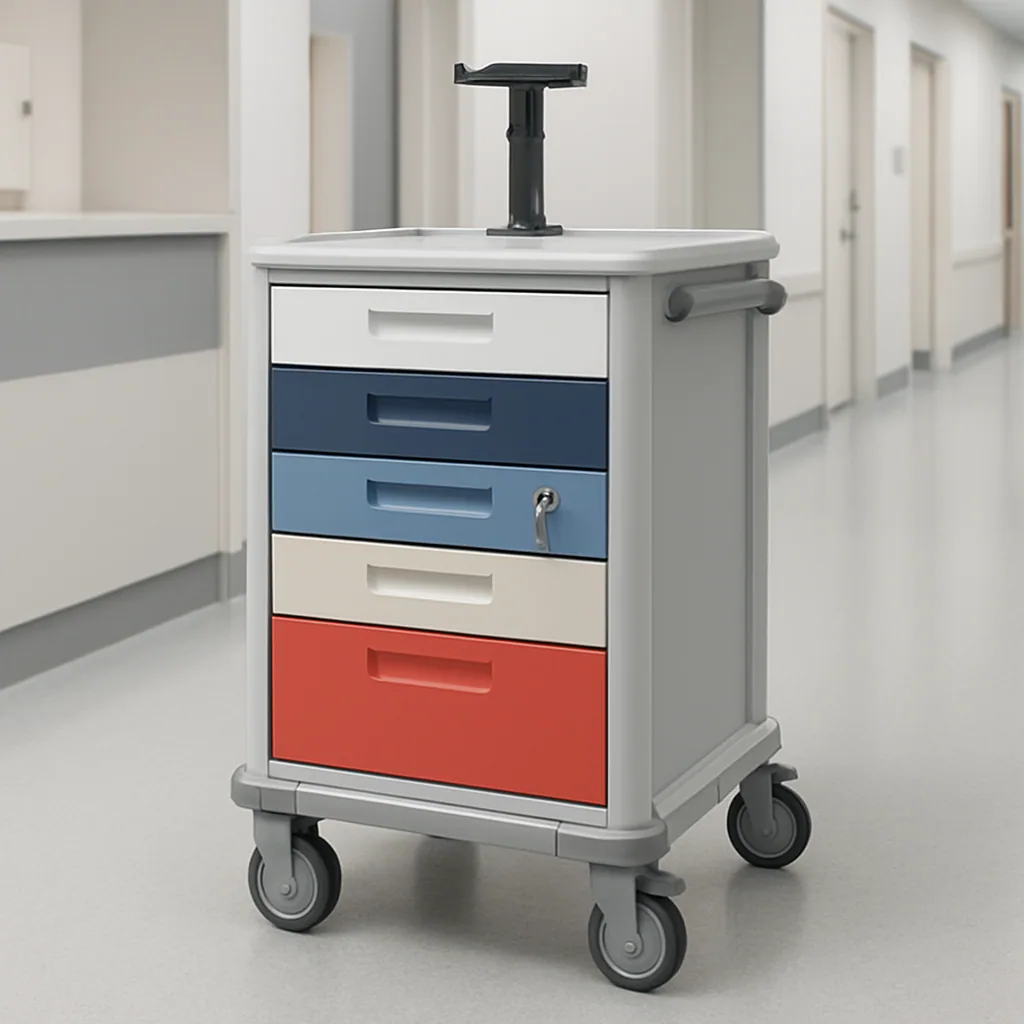
Infusion Carts
Carts for organizing infusion supplies in treatment rooms, clinics, and wards.
View product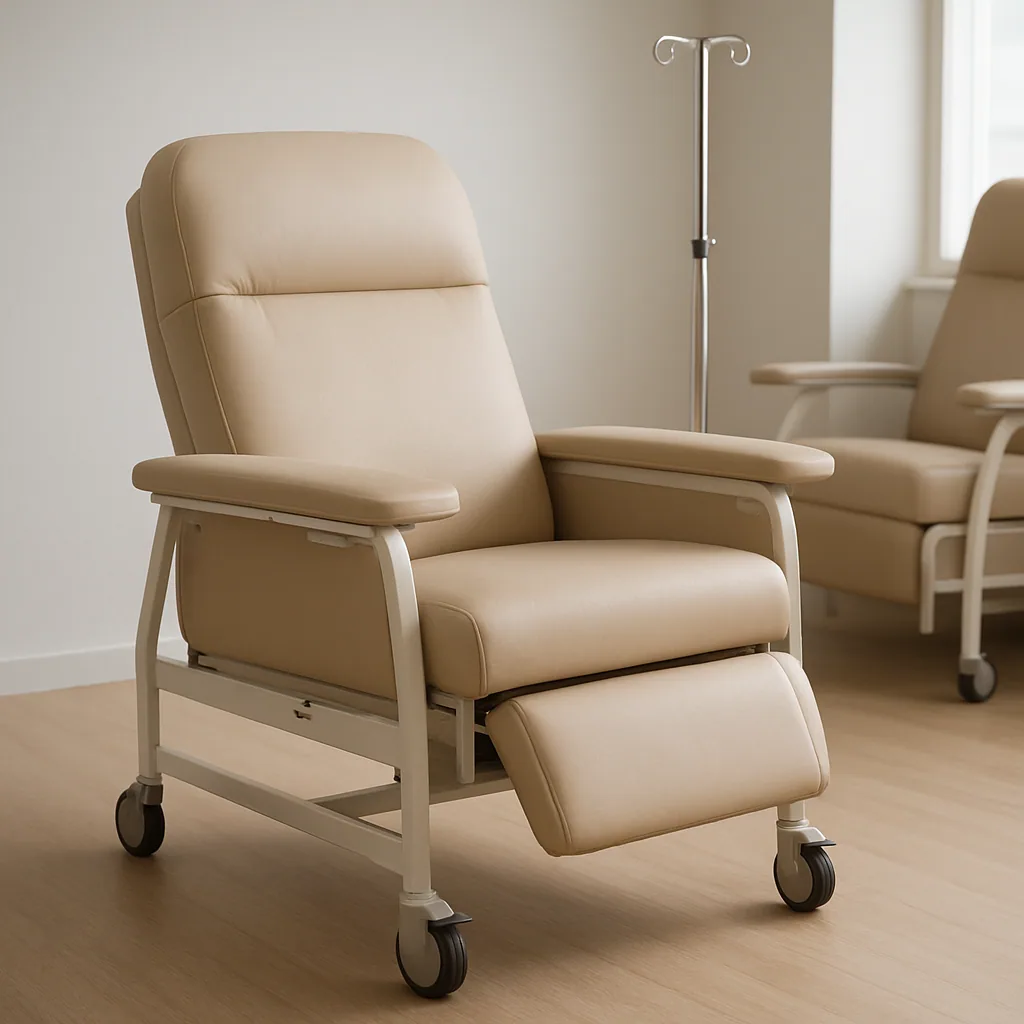
Infusion Chairs
Comfortable patient chairs for infusion rooms, treatment areas, clinics, and wards.
View product