
Sourcing furniture for an ICU isolation room is a high-stakes task. The wrong choice increases contamination risks and long-term costs[^1]. Let's focus on a framework for making safer decisions.
Effective planning starts with your hospital's specific isolation and cleaning protocols. Prioritize non-porous, chemical-resistant materials and a layout that supports nursing workflow. This approach minimizes contamination risks, ensures durability, and creates a foundation for both patient safety and long-term value for your facility.
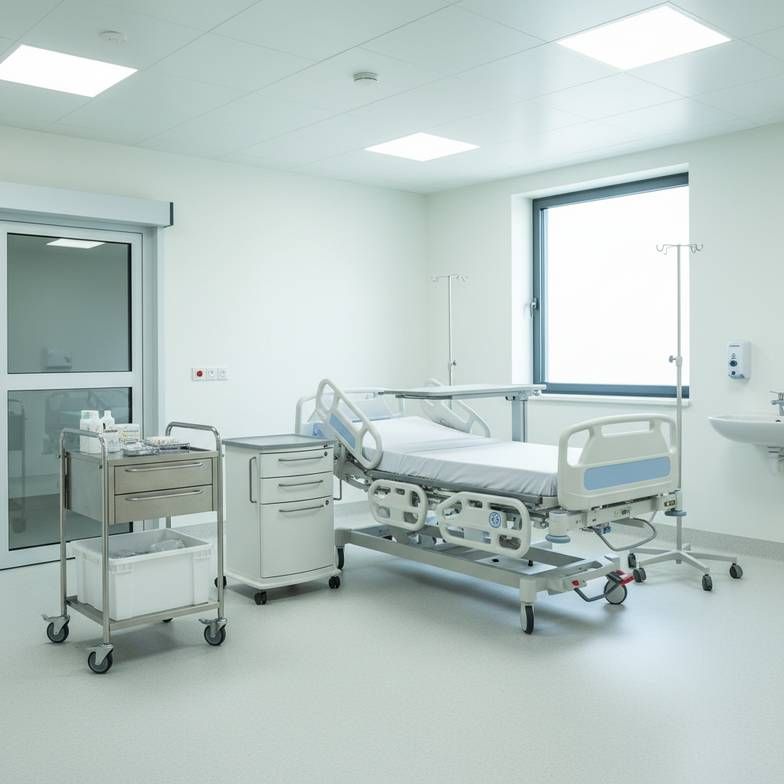
Many procurement managers start by asking me for a standard product checklist for isolation rooms. From my experience supporting hospital projects, I can tell you this is a common but risky approach. The real challenge isn’t just finding products; it's defining the right specifications to mitigate risk before you even issue a purchase order. Let's break down how to approach this from a practical, procurement-focused perspective.
Why Should Your Hospital's Protocol Dictate Furniture Choice?
You have a list of furniture to buy for a new project. But what if the materials can't withstand your hospital's aggressive disinfection agents? Start with your cleaning protocol first.
*Your hospital's cleaning protocol, especially the chemical disinfectants used, directly determines the required material specifications. Selecting furniture before considering these protocols often leads to [premature surface damage, material degradation](https://pmc.ncbi.nlm.nih.gov/articles/PMC11457403/)[^2], and ultimately, a compromised environment for infection control. Material resilience is the foundation of a safe selection.*
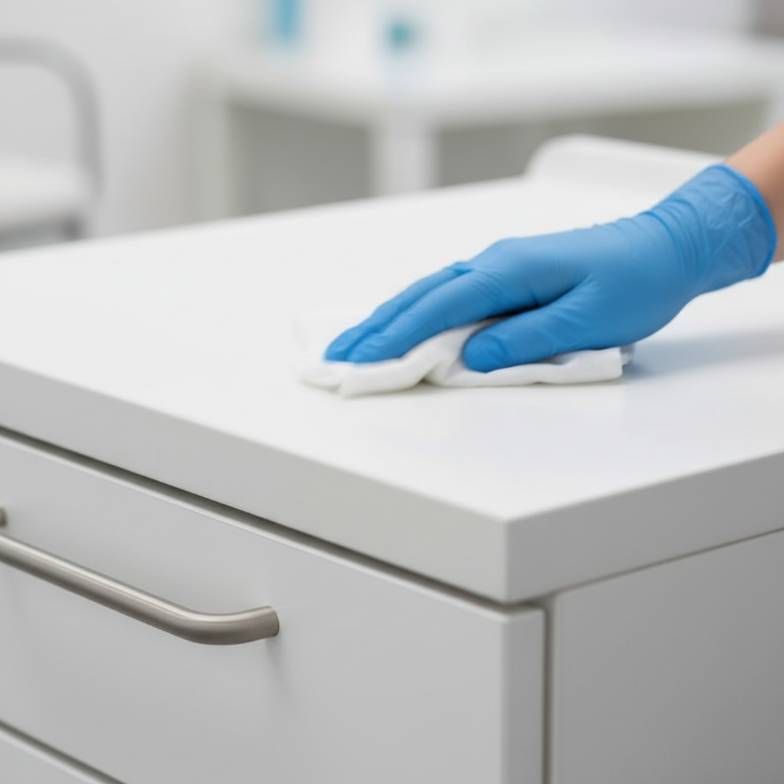
Procurement teams often ask us for a "standard" set of isolation room furniture. The problem is, there's no such thing as a one-size-fits-all solution. A major point of failure we've seen in past projects is when furniture surfaces cannot handle the hospital's specific cleaning chemicals. A bedside cabinet might look great on day one, but after three months of daily wipedowns with an accelerated hydrogen peroxide solution, its finish begins to peel or crack. These tiny failures create crevices where dangerous pathogens can hide[^3]. To avoid this, your decision-making process must start with a simple question: "What chemicals will we use to clean this room?" The answer dictates everything.
Matching Materials to Cleaning Agents
Thinking about this upfront prevents costly replacements and protects patients. It turns the conversation from "How much does it cost?" to "How long will it last and how safe will it be?"
| Disinfectant Type | Recommended Material Specification | Material to Avoid |
|---|---|---|
| Quaternary Ammonium | Medical-grade polymers (ABS), powder-coated steel | Low-quality laminates, porous wood |
| Accelerated Hydrogen Peroxide | High-grade stainless steel (304), specific polymers | Certain metals, low-quality plastic coatings |
| Bleach (Sodium Hypochlorite) | PVC, Polypropylene, certain solid surfaces | Low-grade stainless steel ([can cause pitting](https://orf.od.nih.gov/TechnicalResources/Documents/DTR%20White%20Papers/FinalTrapCorrosionWhitePaperdocsanitized_508.pdf)[^4]) |
What Makes Furniture "Isolation-Ready" Beyond Just Its Name?
You are comparing two medical cabinets that look almost identical. But one has hidden seams and porous surfaces where microbes can thrive, creating a major contamination risk. Always look deeper.
"Isolation-ready" furniture is [defined by its physical construction](https://www.cdc.gov/healthcare-associated-infections/hcp/infection-control/index.html)[^5]. Key features include non-porous surfaces like high-grade stainless steel, seamless designs to eliminate crevices where pathogens hide, and chemical-resistant finishes. These elements ensure the furniture can be thoroughly and repeatedly decontaminated without failing over time.
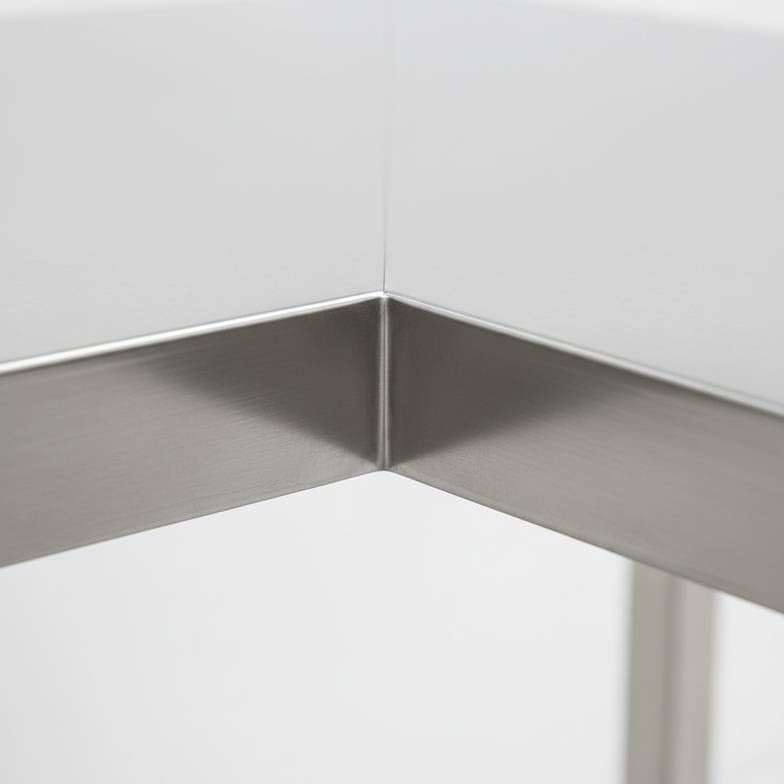
Using standard ward furniture in an isolation ICU is a false economy[^6]. I've seen hospitals try to save money upfront, only to face higher risks and replacement costs down the line. General-purpose furniture often has design flaws that make it unsuitable for high-infection-risk environments. The difference between a standard cabinet and an isolation-ready one is in the details you can't easily see in a catalog photo. It’s about prioritizing features that support rapid and effective decontamination, because in an ICU, cleaning is not an afterthought—it's a core clinical function.
Key Design Features for Decontamination
When reviewing product specifications, pay close attention to these three areas:
- Non-Porous Surfaces: Materials like wood laminate or low-grade plastics have microscopic pores where bacteria can colonize, making complete disinfection impossible[^7]. Insist on truly non-porous materials like 304-grade stainless steel, solid surface polymers, or medical-grade ABS plastic.
- Seamless Construction: Look for fully welded joints instead of screws and bolts[^8]. Check that all edges on tables and cabinets are sealed. Every tiny gap or crevice is a potential reservoir for pathogens.
- Minimalist Design: Furniture with fewer handles, grooves, and decorative parts is faster and easier to clean thoroughly[^9]. Smooth, rounded corners are always better than sharp angles where dirt and microbes can accumulate.
How Does Furniture Layout Impact Workflow and Safety?
You've sourced all the right furniture for the isolation room. But if staff are constantly crossing paths and moving items between clean and dirty areas, you've created a new risk.
A strategic furniture layout minimizes staff movement, which [directly reduces the risk of cross-contamination](https://pmc.ncbi.nlm.nih.gov/articles/PMC7107941/)[^10]. It [creates clear "clean" and "dirty" zones](https://www.cdc.gov/healthcare-associated-infections/hcp/cleaning-global/procedures.html)[^11], ensuring supplies are placed logically. This supports an efficient and safe nursing workflow, reinforcing infection control protocols by design, not just by procedure.
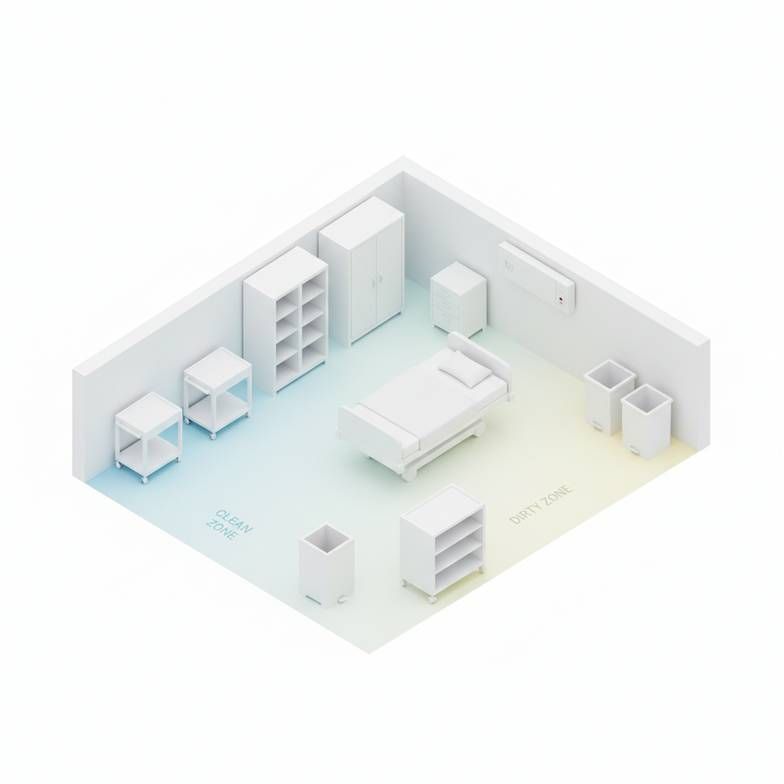
The layout isn't just about fitting everything into the room. It's an active component of your infection control strategy. A common challenge for buyers is that they focus on individual products without thinking about how they will work together in the space. A well-planned layout guides staff to perform their tasks in the safest, most efficient way possible. For example, a nurse shouldn't have to walk across the room from the patient's bedside to dispose of a used glove. The placement of the waste bin is as important as the bin's specification itself. This workflow mapping reduces physical strain on staff and makes it easier for them to follow safety protocols, especially during high-stress situations.
Designing a Safe and Efficient Workflow
Think of the room in terms of zones and movement paths.
| Zone | Key Furniture & Placement | Rationale for Safety & Efficiency |
|---|---|---|
| Anteroom/Entrance | PPE storage cabinet, hand scrub sink | [Allows staff to properly prepare before entering the patient care area](https://www.cdc.gov/infection-control/hcp/isolation-precautions/appendix-a-table-5.html)[^12], containing potential contaminants. |
| Clean Zone | Supply cart, IV pole, monitoring equipment | Keeps clean supplies and critical equipment separate from the primary patient contact and waste areas. |
| Dirty Zone | Waste bins, linen hamper, sharps container | Minimizes travel distance for disposal, reducing the chance of spreading contaminants across the room. |
Conclusion
Effective ICU isolation room planning hinges on aligning your material choices, furniture design, and room layout with your specific infection control protocols. This ensures safety, durability, and true long-term value.
Written by
CareFurnex Team
CareFurnex Team shares practical knowledge about hospital beds, patient room furniture, medical trolleys, clinic furniture, and healthcare facility procurement for international B2B buyers.
Related Products
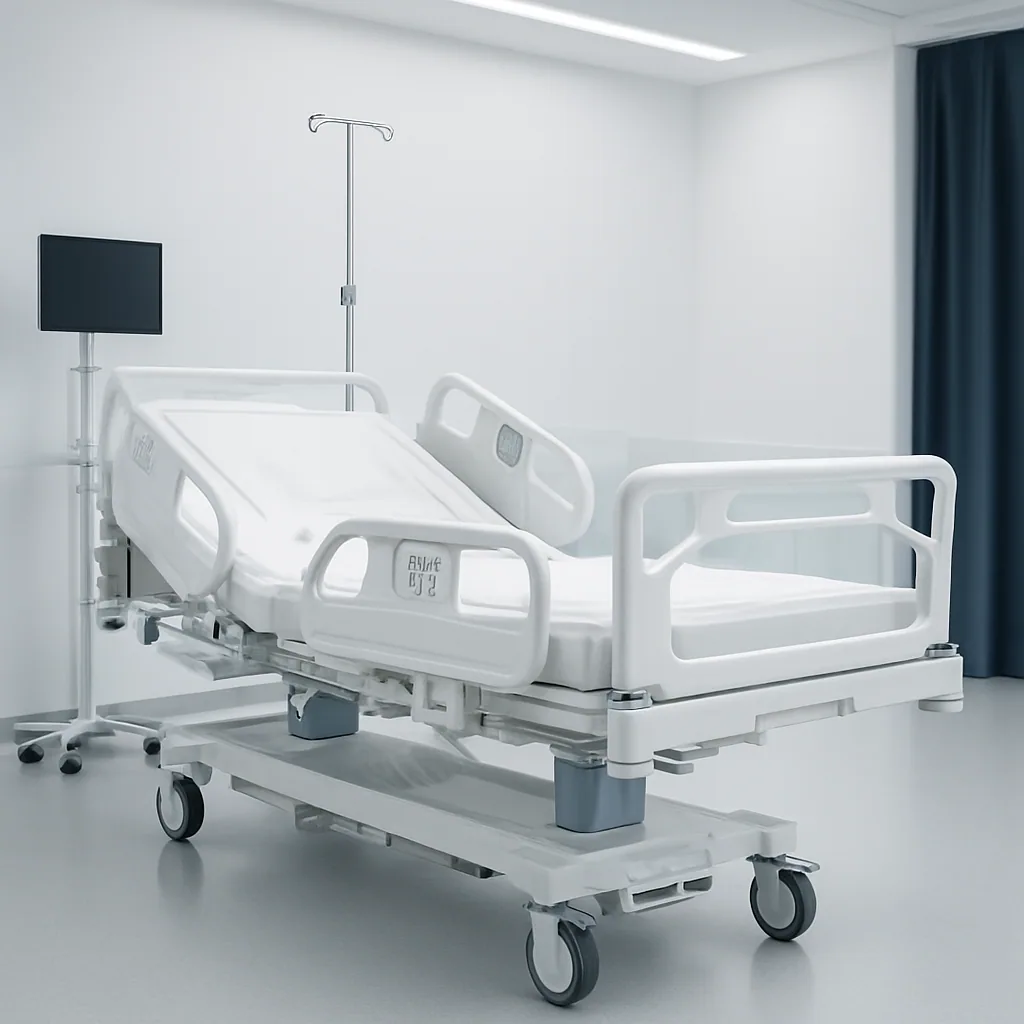
ICU Beds
Advanced care beds with adjustment options for ICU rooms and high-dependency areas.
View product
Hospital Beds
General-purpose patient beds for inpatient wards and standard hospital rooms.
View product
Ward Furniture
Complete ward furniture options for patient rooms and hospital care areas.
View product