
You’re preparing to equip a critical care unit and have requested quotations for ICU beds from several suppliers. The product photos look similar, but the unit prices are different. It’s tempting to choose the lowest offer, but this can be a serious procurement mistake. The real risk is that the quotations are not for the same product, even if they share the same name.
One supplier’s lower price might be for a basic configuration, while another’s higher price includes essential accessories, stronger packing, and a different trade term. Comparing them by unit price alone is like comparing apples and oranges.
The safest way to buy ICU beds is to compare the complete quotation basis, not only the unit price. Before confirming an order, buyers should check the bed configuration, manual or electric function, included accessories, mattress requirement, packing method, CBM, trade term, lead time, and inspection points.
This guide, written from a B2B medical furniture supplier's perspective, will walk you through the critical details to confirm before you commit to a bulk ICU bed order.

What ICU Bed Configuration Do You Really Need for Your Department?
You must start by defining the bed's intended use and required functions, not by asking for a generic "ICU bed" price. "ICU bed" is a broad product name, and two suppliers may quote very different configurations under the same label.
In my experience, many buyers begin by sending a simple inquiry for "ICU bed price" without specifying the department's needs. From the supplier side, this is not enough information to prepare a safe or accurate quotation. A bed suitable for a step-down unit might lack functions required for a full-scale intensive care environment.
A responsible supplier will ask about your department's use case before recommending a model. Is the bed for a high-dependency ICU, a post-operative recovery room, a private clinic, or a nursing home that needs high-function beds? The answer changes the required configuration.
Practical Buyer Action: Prepare a room-by-room or department-based requirement list. Before requesting final pricing, create a checklist of the functions you need.
- Bed Type: Full ICU, step-down care, or other?
- Function: Manual or electric?
- Adjustments: Back-rest, leg-rest, height adjustment, Trendelenburg/Reverse Trendelenburg?
- Side Rails: Type, material, and locking mechanism.
- Casters & Brakes: Mobility requirements and central braking system.
- Mattress Compatibility: Size and type of mattress to be used.
- Included Accessories: IV pole, handles, etc.
Risk & Decision Point: If you purchase based on a product name or photo, you risk receiving beds that are technically usable but operationally unsuitable for your department's workflow. This can lead to complaints from clinical staff and disrupt patient care.
Should You Choose Manual or Electric ICU Beds?
The choice between manual and electric ICU beds is an operational and maintenance decision, not just a budget decision. While manual beds have a lower upfront cost, electric beds can significantly improve caregiver efficiency and patient comfort.
I often remind buyers that this choice should be discussed with the clinical department because it directly affects daily use after the beds arrive.
Practical Buyer Action: Evaluate the choice based on your facility's real-world needs and maintenance capabilities.
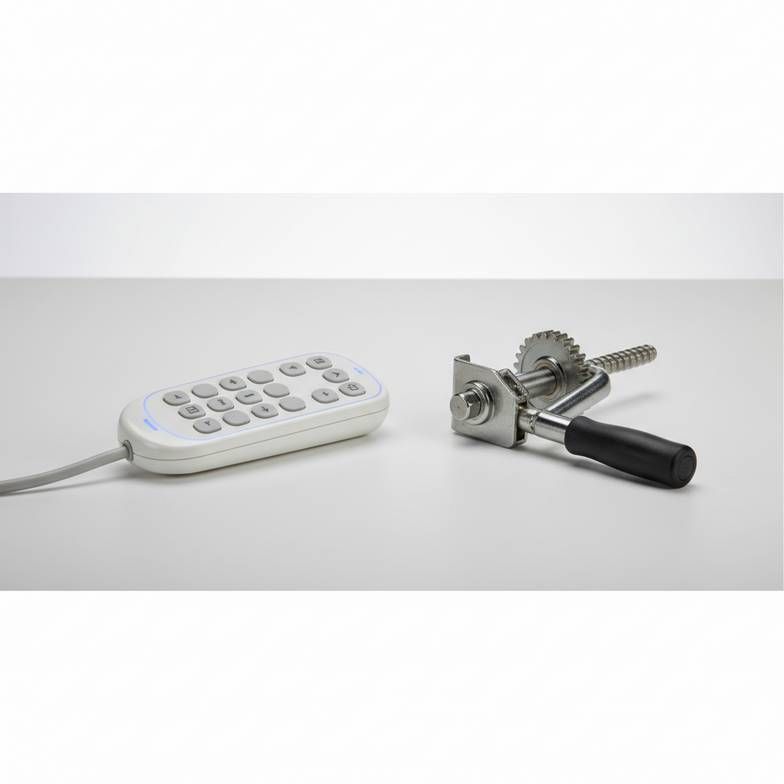
- Manual ICU Beds: Consider these if your budget is the primary constraint, or if you prefer simpler mechanics with fewer failure points. However, be aware that frequent adjustments via hand cranks can be time-consuming for nursing staff in a busy ICU.
- Electric ICU Beds: These allow for quick, smooth, push-button adjustments, which is a major advantage in critical care. The trade-off is a higher upfront cost and the need for a clear maintenance plan for motors, control systems, and power supply.
Risk & Decision Point: Choosing a manual bed solely to save money might increase staff workload and reduce care efficiency. Conversely, choosing an electric bed without a clear maintenance and spare parts plan can lead to downtime and operational challenges if a component fails.
What Items Are Included in the ICU Bed Quotation, and What Is Optional?
You must get a written list of all included and optional items, as different suppliers define "standard configuration" differently. One of the most common disputes in medical furniture procurement happens because the buyer and supplier had different assumptions about what the price covered.
One mistake I have seen many importers make is assuming a mattress is included because the product photo shows one. However, "mattress compatible" and "mattress included" are two very different things. The same goes for accessories like IV poles, overbed tables, or specific types of side rails. A photo is a visual reference, not a binding parts list.
A clear quotation should leave no room for ambiguity. It protects both you and the supplier from future misunderstandings.
Practical Buyer Action: Before approving a proforma invoice, review it against this checklist. Ask your supplier to confirm each point in writing.
- Included Items: Is there a clear list of all standard parts?
- Optional Items: Are optional accessories (e.g., specific IV pole, patient lifting pole, storage basket) listed with separate prices?
- Mattress Status: Is the mattress included, optional, or compatible only?
- Spare Parts: Are any essential spare parts included or recommended for purchase?
- Documentation: Does the PI, specification sheet, and future packing list all align on what's included?
Risk & Decision Point: Assuming accessories are included can lead to project delays and budget overruns. When beds arrive with missing parts, you face the cost and time of placing urgent new orders, which can stall the opening of a critical care unit.
Why Can a Lower ICU Bed Unit Price Become More Expensive After Shipping?
A lower unit price is often misleading because it may exclude essential configuration details, packing costs, or freight volume considerations. The real procurement cost is the total landed cost—the price per unit after it arrives at your facility, ready for use.
From the supplier side, I have seen low quotations look attractive at first, but after accessories, packing, and CBM are reviewed, the comparison changes. A buyer might choose a quote with a 5% lower unit price, only to find that its CBM is 15% larger, making the final freight bill much higher.
Furthermore, a low quote may be based on a different trade term (e.g., EXW vs. FOB), leaving you responsible for more logistics costs and risks. The only way to make a fair comparison is to evaluate each offer on the same complete basis.
Practical Buyer Action: Use a comparison matrix to analyze supplier quotations. Don't just look at the price column. Fill in every detail to expose hidden costs and missing information.
ICU Bed Quotation Comparison Matrix
| Comparison Item | Supplier A | Supplier B | Supplier C | Buyer Notes / Questions |
|---|---|---|---|---|
| Bed Model / Description | Electric, 5-function | Electric, 5-function | Electric, 3-function | Are we comparing the same function level? |
| Side Rail Type | ABS, 4-section | ABS, 4-section | Aluminum alloy | Is the configuration confirmed? |
| Caster & Brake Setup | Central brake | Individual brakes | Not specified | Does this match our mobility needs? |
| Mattress Status | Optional | Compatible only | Included | This changes the value of each offer. |
| Accessories Included | IV Pole | Not specified | IV Pole | Is the IV pole included in B's price? |
| Packing Method | Carton, SKD | Carton, SKD | Carton, SKD | Is packing protection clear for all? |
| Total CBM (per bed) | 0.95 CBM | 1.10 CBM | 0.98 CBM | Supplier B has 15% more volume. |
| Gross Weight (per bed) | 120 kg | 125 kg | To be confirmed | Weight affects handling and freight. |
| Trade Term | FOB Shanghai | EXW Factory | FOB Shanghai | EXW is not comparable to FOB. |
| Lead Time Basis | 35 days after spec approval | 30 days after PO | 40 days after spec approval | When does the clock actually start? |
| Pending Details | All clear | CBM is high, no accessory list, unclear brake system | Missing Gross Weight | Need to clarify with Suppliers B and C. |
Risk & Decision Point: Choosing the cheapest unit price without verifying the CBM, trade term, and included accessories can lead to a final landed cost that is significantly higher than your budget.
What Packing, CBM, and Shipping Details Should Buyers Confirm Before Ordering?
You must confirm packing method, carton dimensions, gross weight, and total CBM before finalizing an order, as these details directly affect freight costs and damage risk. For large items like ICU beds, packing is not a minor detail to be handled later; it's a core part of the quotation.
Weak packing can lead to scratches, bent frames, damaged casters, or missing hardware upon arrival. The cost of repairing or replacing damaged parts often far exceeds any initial savings on packing. When we prepare bulk orders for export, we know that every component—from the main frame to the smallest screw—needs to be secured and labeled to ensure a smooth installation.
A professional supplier should be able to provide this data upfront. A supplier who is vague about packing details may not have experience with export or may be cutting corners.
Practical Buyer Action: Request a complete packing data sheet from your supplier before you approve the order. Your checklist should include:
- Packing Method: Carton, wooden case, or other? Semi-knocked-down (SKD) or completely-knocked-down (CKD)?
- Carton Dimensions: Length x Width x Height for each package.
- Weight: Gross Weight (product + packing) and Net Weight (product only).
- Total Volume: The total CBM for your entire order.
- Hardware Packing: How are screws, bolts, and tools packed and labeled to prevent loss?
- Packing Photos: Requesting photos of how the product is packed can provide extra assurance.
Risk & Decision Point: Ignoring packing details exposes you to two major risks: unpredictable shipping costs that ruin your budget, and product damage that delays project completion and creates after-sales disputes.

How Should You Compare ICU Bed Suppliers Before Confirming a Bulk Order?
*A reliable supplier is one who asks detailed questions before quoting, not just one who replies quickly with a low price.* The quality of a supplier's communication during the inquiry stage is a strong indicator of how they will handle your order.
A fast but vague quotation can be a red flag. It may mean the supplier hasn't considered your department's specific needs, the required configuration, or the packing and shipping realities. A serious supplier will want to confirm your use case, quantity, functional requirements, and destination to provide a quotation that is both competitive and complete.
For healthcare projects, it's also wise to consider suppliers who can offer category-based planning. If you are sourcing other furniture like medical trolleys or bedside cabinets, a supplier who can coordinate the entire package can save you significant time and logistical effort.
Practical Buyer Action: Use this final checklist to evaluate potential suppliers and confirm all details before issuing a purchase order.
Pre-Order ICU Bed Buyer Checklist
Use & Configuration
- [ ] Department use case confirmed (ICU, step-down, etc.)
- [ ] Bed quantity per room/department finalized
- [ ] Manual or electric function confirmed
- [ ] Bed adjustment functions list approved
- [ ] Side rail, caster, and brake configuration approved
- [ ] Mattress inclusion/exclusion confirmed in writing
- [ ] All included and optional accessories listed on the PI
Quotation & Commercials
- [ ] Final price is based on the confirmed configuration
- [ ] Trade term (e.g., FOB, CIF) is clearly stated
- [ ] Lead time basis (e.g., "after spec approval") is understood
- [ ] Payment terms are agreed upon
Packing & Shipping
- [ ] Packing method is confirmed
- [ ] Final carton dimensions, gross weight, and total CBM are received
- [ ] Hardware and accessory packing method is clear
- [ ] Shipping marks and labeling requirements are provided
Risk & Decision Point: The final decision should not be based on a single factor like price. It should be a balanced evaluation of the product configuration, total landed cost, packing quality, lead time reliability, and the supplier's communication and project support capability. Choosing a supplier who helps you avoid mistakes is more valuable than choosing one who simply offers the lowest initial price.
Conclusion: A Safe Purchase Starts with Clear Confirmation
An ICU bed is not a simple commodity. It's a critical piece of medical equipment that impacts patient care, staff workflow, and project success. Buying by product name or photo is a recipe for budget overruns, project delays, and operational mismatches.
The key to a successful procurement is shifting your focus from unit price to the complete quotation basis. Before you confirm any order, ensure you have clarity on:
- Configuration: Does it match your department's needs?
- Inclusions: What accessories and parts are you actually getting?
- Packing & CBM: What is the real shipping volume and damage risk?
- Trade Terms: Who is responsible for each step of the logistics process?
A good supplier doesn't just sell you a product; they help you buy the right product.
If you are preparing a bulk or project-based order for ICU beds or other hospital furniture, gathering your requirements first is the best way to ensure a smooth process. At CareFurnex, we help buyers review product categories, ICU bed configuration details, packing basis, and quotation comparison for healthcare procurement projects. Preparing your department list, quantity needs, configuration preferences, and project schedule allows a supplier to provide more than just a price—they can provide a practical solution.
Written by
CareFurnex Team
CareFurnex Team shares practical knowledge about hospital beds, patient room furniture, medical trolleys, clinic furniture, and healthcare facility procurement for international B2B buyers.
Related Products
Electric Hospital Beds
Motorized hospital beds with electric backrest, leg, and height adjustment options for wards, nursing homes, and healthcare projects.
View product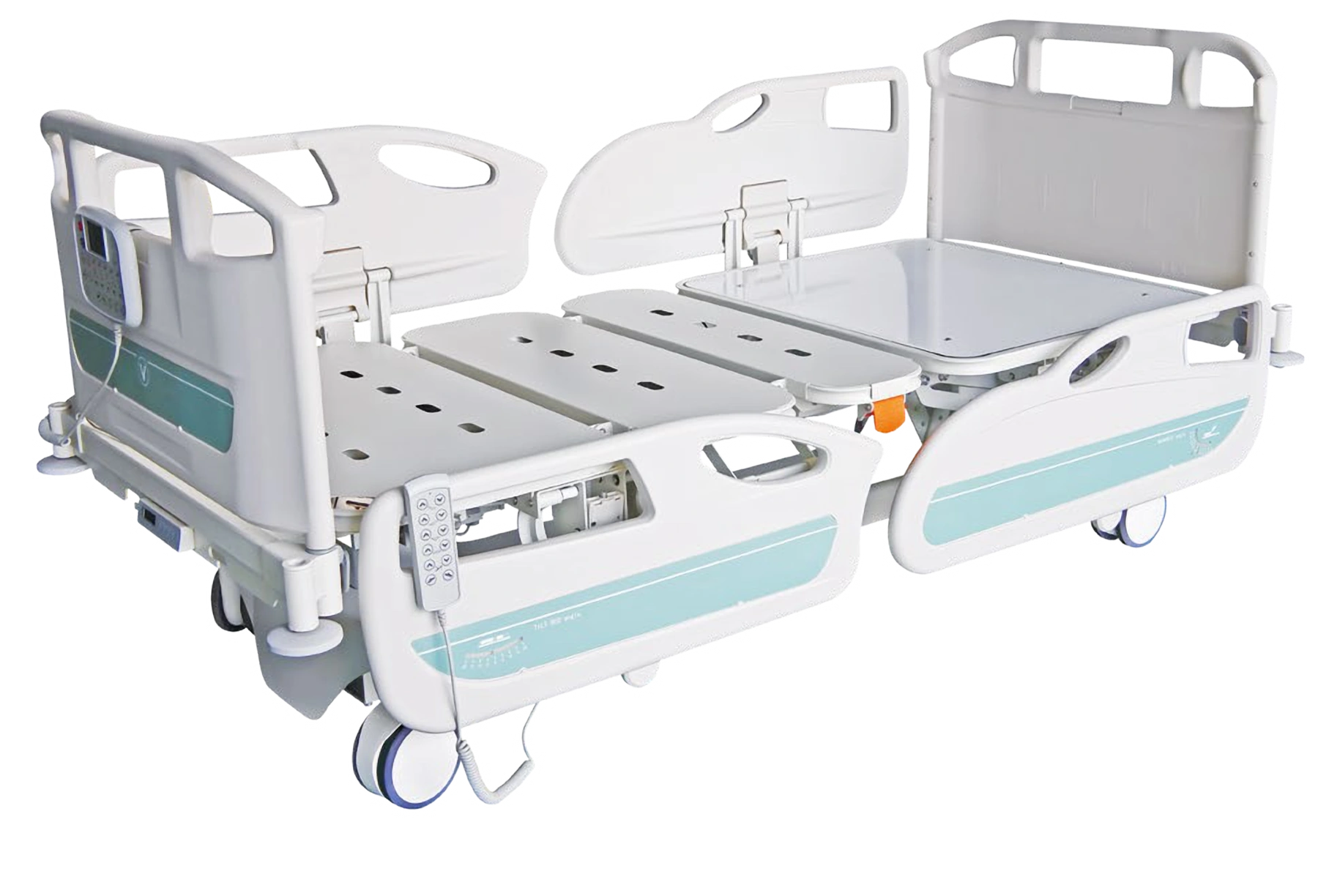
ICU Beds
Advanced care beds with adjustment options for ICU rooms and high-dependency areas.
View product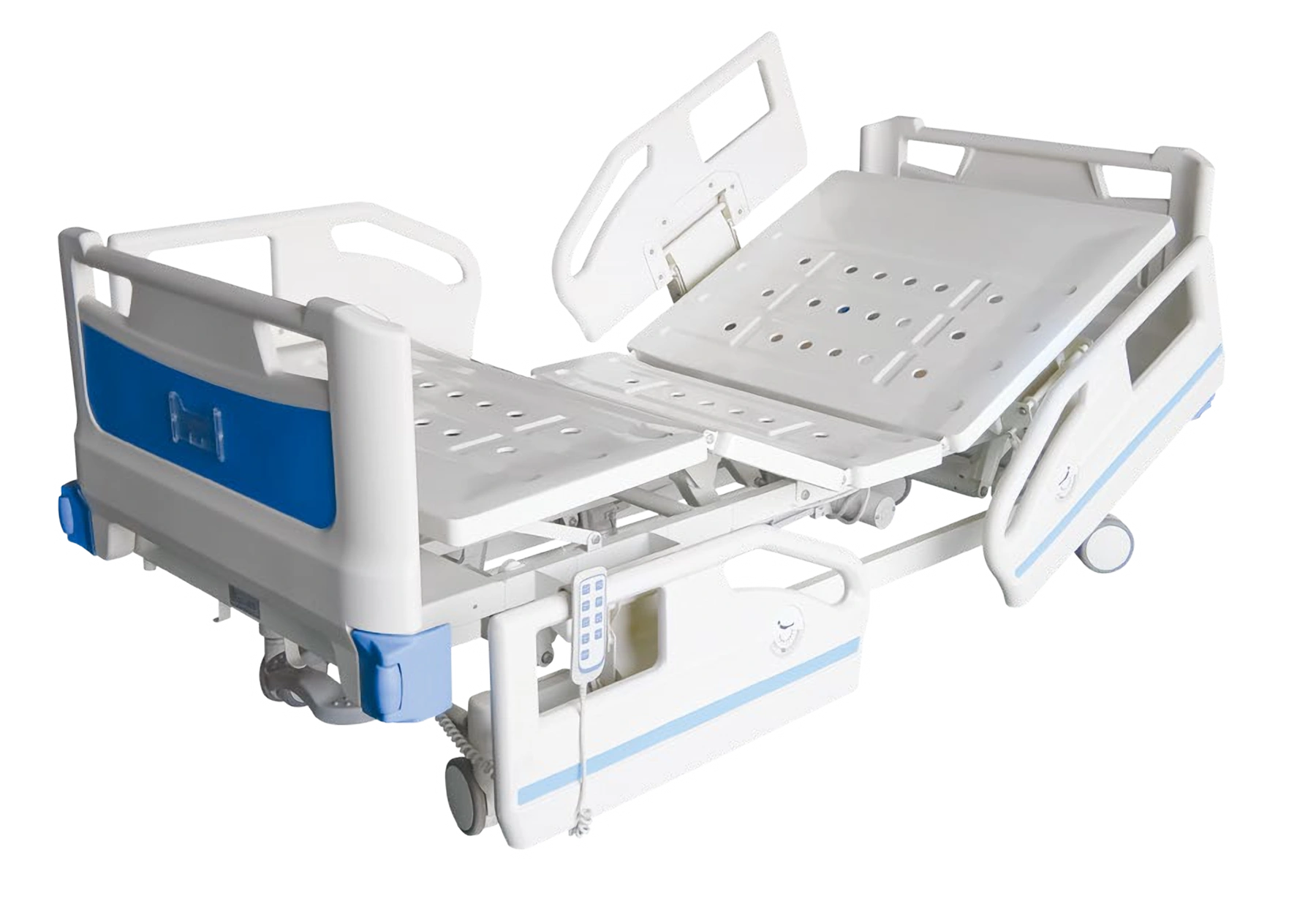
Hospital Beds
General-purpose patient beds for inpatient wards and standard hospital rooms.
View product