
Feeling overwhelmed by a major healthcare project? You have a long list of equipment to buy, and the pressure is on to source hospital furniture from China on budget and on time. The sheer number of suppliers is dizzying, and you're worried about coordinating everything, from beds and cabinets to trolleys and chairs, without something going wrong. You’re looking for a simple solution, but the idea of a single, perfect "one-stop-shop" factory feels more like a myth than a reality. The truth is, a different approach is needed.
To successfully source hospital furniture from China for a project, you must shift your mindset from simply finding a supplier to actively managing a procurement project. This involves breaking down your order by category, matching each category to a specialized factory, confirming specifications line-by-line, defining clear quality control criteria, and coordinating logistics and documentation across all suppliers.

This strategy might sound more complex, but it's the only way to truly control quality and reduce risk. It turns a chaotic sourcing puzzle into a manageable process. Let’s dive into the practical steps that separate a stressful procurement experience from a successful one.
Why is Finding a "One-Stop-Shop" Manufacturer So Difficult?
You’ve probably started your search hoping to find one giant factory that produces everything: electric ICU beds, stainless steel instrument trolleys, ABS bedside cabinets, and examination couches. It seems logical—one point of contact, one shipment, one negotiation. But this search often leads to frustration or, worse, significant compromises on quality.
The reality is that specialization is king in manufacturing. The expertise and machinery needed to produce high-quality hospital beds are completely different from what's required for precision-welded stainless steel CSSD furniture. A factory that excels at one is almost never a leader in the other.

The Specialization Reality
Think about it like this. A top-tier hospital bed manufacturer has invested millions in:
- Automated welding robots for frame consistency.
- Advanced testing equipment for load capacity and motor lifecycle.
- Expertise in integrating electronics like motors, control boxes, and nurse call systems.
Now, consider a stainless steel trolley manufacturer. Their expertise lies in:
- Cutting, bending, and polishing high-grade stainless steel (like 304-grade) to prevent corrosion.
- TIG welding techniques for clean, hygienic seams that are easy to sterilize.
- Understanding the workflow in a CSSD or operating room.
These are fundamentally different skill sets and production lines. When a bed factory offers to sell you a CSSD packing table, they are almost certainly not making it themselves. They are buying it from another factory and adding their margin. This creates a hidden layer where you have no visibility or control over the actual producer. From my experience helping clients on projects, this is where quality inconsistencies begin. A project we coordinated for a clinic in the Middle East needed both pediatric beds and medication trolleys. The client initially got a quote from a single "manufacturer" for both. We quickly identified that the trolleys were outsourced and didn't meet the clinic's specific drawer configuration needs—a detail the original supplier missed entirely.
The Risk of the "All-in-One" Quote
Accepting an all-in-one quote from a single factory for products outside their core specialty introduces several risks:
- Inconsistent Quality: The beds might be excellent, but the cabinets could be flimsy and the trolleys may use inferior materials.
- Lack of Technical Support: If a problem arises with an outsourced product, your supplier is just a middleman and may struggle to provide a meaningful technical solution.
- Higher Prices: You're paying a margin to your supplier and the margin of the factory they outsourced from.
- No Transparency: You don’t know who really made your product or if they meet any quality standards.
The table below clarifies the difference. A true project approach means acknowledging these distinctions and building your supply chain accordingly.
| Feature | Specialized Factory (e.g., Hospital Beds) | Generalist Factory (Claims to make everything) |
|---|---|---|
| Expertise | Deep knowledge of one product category | Surface-level knowledge across many |
| Quality | Consistent and optimized for their specialty | Varies greatly, especially on outsourced items |
| Innovation | Often leads in design and features for their niche | Tends to follow market trends, not lead |
| Project Risk | Low risk for their core product | High risk for non-core, outsourced products |
How Should You Evaluate Different Types of Chinese Suppliers?
Once you accept that you'll be dealing with multiple production sources, your next challenge is figuring out who to work with. You'll get quotes from direct manufacturers, general trading companies, and specialized sourcing partners. On the surface, their websites and emails might look the same. How do you choose the right partner to source hospital furniture from China for your critical project?
The key is to understand their business model and how it aligns with your needs. Are you buying 500 units of a single bed model, or are you outfitting an entire 100-bed hospital with dozens of different items? The answer will point you toward the right type of supplier.

The Direct Manufacturer
A direct factory is the source. They have their own production lines, engineers, and quality control systems for a specific product range.
- Pros: Deep product expertise, potentially lower prices on their specialty items, direct control over production.
- Cons: Very narrow product range. They have little interest or ability to supply items they don't make. They often require large MOQs (Minimum Order Quantities) and may give less attention to smaller or mixed-category buyers.
- Best for: Large, single-category orders (e.g., 200 identical manual hospital beds for a government tender).
The General Trading Company
These are generalist resellers. They often have a massive online catalog showing everything from hospital beds to tongue depressors. They are easy to find on large B2B platforms.
- Pros: Can source almost anything. Sometimes offer very low prices.
- Cons: They typically have zero technical expertise and offer little to no real quality control. Their business model is based on volume and margin, not product quality or project success. The risk of receiving the wrong product, poor quality, or having no after-sales support is extremely high.
- Best for: Non-critical, low-value commodity items where quality is not the primary concern. Not recommended for core hospital furniture.
The Specialized Sourcing Partner
This is the role we at CareFurnex play. A sourcing partner acts as your project management team on the ground in China. We don't claim to manufacture everything; instead, we build and manage a supply chain tailored to your project.
- Pros: We help you source hospital furniture from China by matching each product category to a vetted, specialized factory. We coordinate specifications, production schedules, quality inspections, and consolidated shipping. This model gives you access to specialist quality without the headache of managing ten different suppliers yourself.
- Cons: Our service is built into the total project cost. While we negotiate hard with factories, we will not be the absolute cheapest quote on a single item because we are providing a comprehensive management service.
- Best for: Multi-category hospital, clinic, or nursing home projects where quality, consistency, and reliable delivery are critical.
To figure out who you're talking to, ask these direct questions:
- "Could you please provide a video tour of your production line for hospital beds and for stainless steel cabinets?"
- "What is your quality inspection process for products you don't manufacture in-house?"
- "For a project with beds from Factory A and trolleys from Factory B, how do you manage the consolidated packing list and container loading plan?"
Their answers will quickly reveal their true business model.
What's More Important Than the Initial Spec Sheet When You Source Hospital Furniture from China?
You've prepared a detailed tender document with all the specifications and sent it to potential suppliers. The quotes are coming back, but the prices are all over the map for products that look identical in the catalog photos. This is a classic problem, and it’s because the spec sheet is only the beginning of the conversation, not the end.
The most critical step to successfully source hospital furniture from China is to move beyond the paper specs and define the real-world use case. The subtle details—the brand of motor, the diameter of the casters, the thickness of the steel—are what separate a durable product from one that fails in six months.

Deconstructing a Hospital Bed to See What Matters
Let's take a standard electric hospital bed as an example. A typical spec sheet might say "three-function electric bed, ABS head/footboards, aluminum side rails." This is not enough information. Here’s what we push for with our clients:
- Motors: Is it a premium motor from a brand like Linak or TiMOTION, or a generic, unbranded motor? This is the number one factor for reliability and patient comfort. A good motor is quiet, smooth, and lasts for years. A cheap one is noisy and prone to failure.
- Frame Construction: What is the steel thickness of the bed frame and mattress platform? A frame made from 1.5mm thick steel is significantly more robust than one made from 1.2mm steel. Ask for the Safe Working Load (SWL) and how it was tested.
- Casters (Wheels): What is the diameter (e.g., 5-inch/125mm)? Are they individual locking casters or do they have a central braking system? Central locking is far more efficient and safer for nurses to operate. The caster brand (e.g., TENTE) also makes a huge difference in durability.
- Plastics and Finishes: Are the side rails made from cheaper, more brittle PP plastic or durable, impact-resistant ABS? Is the frame powder-coated with a single layer or a double layer with an anti-bacterial treatment? These details affect both longevity and hygiene.
A procurement manager I worked with on a nursing home project in Europe was comparing two seemingly identical beds. One was 15% cheaper. We discovered the cheaper bed used a generic motor, thinner steel (reducing the SWL by 40kg), and individual locking casters that were difficult to use. The slightly more expensive bed was the far better value and met the facility's long-term needs.
Your Real Job is Project Management
This level of detail shows that your role isn't just "sourcing"—it's active project management. Here's a simple checklist to follow:
- Line-by-Line Confirmation: Create a spreadsheet with every single specification for every product. Go through it with your supplier and get them to confirm each point in writing. Never assume.
- Define Inspection Criteria: Don't wait until the products are finished. Tell the supplier upfront how you will inspect them. For example: "All welding seams must be ground smooth with no sharp edges," or "The final color must match Pantone shade XYZ." Send reference photos of good and bad quality.
- Specify Export Packaging: Damage during shipping is one of the most common and frustrating problems. The product isn't truly finished until it's packed correctly. Specify your requirements:
- 5-ply or 7-ply export cartons?
- Internal foam padding or corner protectors?
- Palletization for easy unloading?
- Clear shipping marks on every carton?
This proactive management is what ensures the products that arrive at your port are the same ones you painstakingly specified months earlier.
Frequently Asked Questions
Is it cheaper to work directly with a factory?
For a large, single-product order (like 300 of the same bed), it can be. For a mixed-category project, the hidden costs of managing 5-10 different factories—including your time, travel, multiple inspection costs, and complex logistics—can quickly erase any initial savings. A sourcing partner bundles this management into a more predictable project cost.
How do I verify a supplier's certifications like CE or ISO?
Always ask for the full certificate document, not just a logo on their website. Check that the company name, registered address, and—most importantly—the scope of certified products match your order. A CE certificate for a manual bed does not apply to an electric bed. An ISO certificate for Factory A is irrelevant if your goods are made at Factory B.
What is a realistic lead time for a hospital furniture project order from China?
For a multi-category project, plan for 45-60 days for production. This allows time for different factories to complete their work. Then, add another 20-50 days for sea freight, depending on your location. Highly customized items or orders placed just before major Chinese holidays can extend this timeline.
What's the biggest mistake buyers make when sourcing hospital furniture?
The biggest mistake is focusing only on the FOB (Free On Board) unit price. A cheap product can become incredibly expensive when you factor in the costs of shipping damage, missing parts, premature failure, project delays, and the damage to your professional reputation. Always evaluate the total landed cost and the long-term value.
Conclusion
Successfully sourcing hospital furniture from China for a project order requires a fundamental shift in perspective. You are not simply buying products; you are managing a complex supply chain project fraught with risks. The "one-stop-shop" is a dangerous myth. The path to success lies in acknowledging factory specialization, vetting suppliers based on their business model, and diving deep into specifications beyond the catalog photo. By treating procurement as a project management discipline—with clear communication, line-by-line confirmation, and robust quality control—you can mitigate risks and ensure your facility is outfitted with durable, appropriate, and safe furniture. This structured approach is the key to transforming a potentially chaotic process into a predictable and successful outcome.
If you are planning a healthcare project and need a reliable partner to help you navigate the complexities of procurement in China, we are here to help. Contact CareFurnex to discuss your product list, and let's build a sourcing plan that delivers quality and peace of mind.
Written by
CareFurnex Team
CareFurnex Team shares practical knowledge about hospital beds, patient room furniture, medical trolleys, clinic furniture, and healthcare facility procurement for international B2B buyers.
Related Products
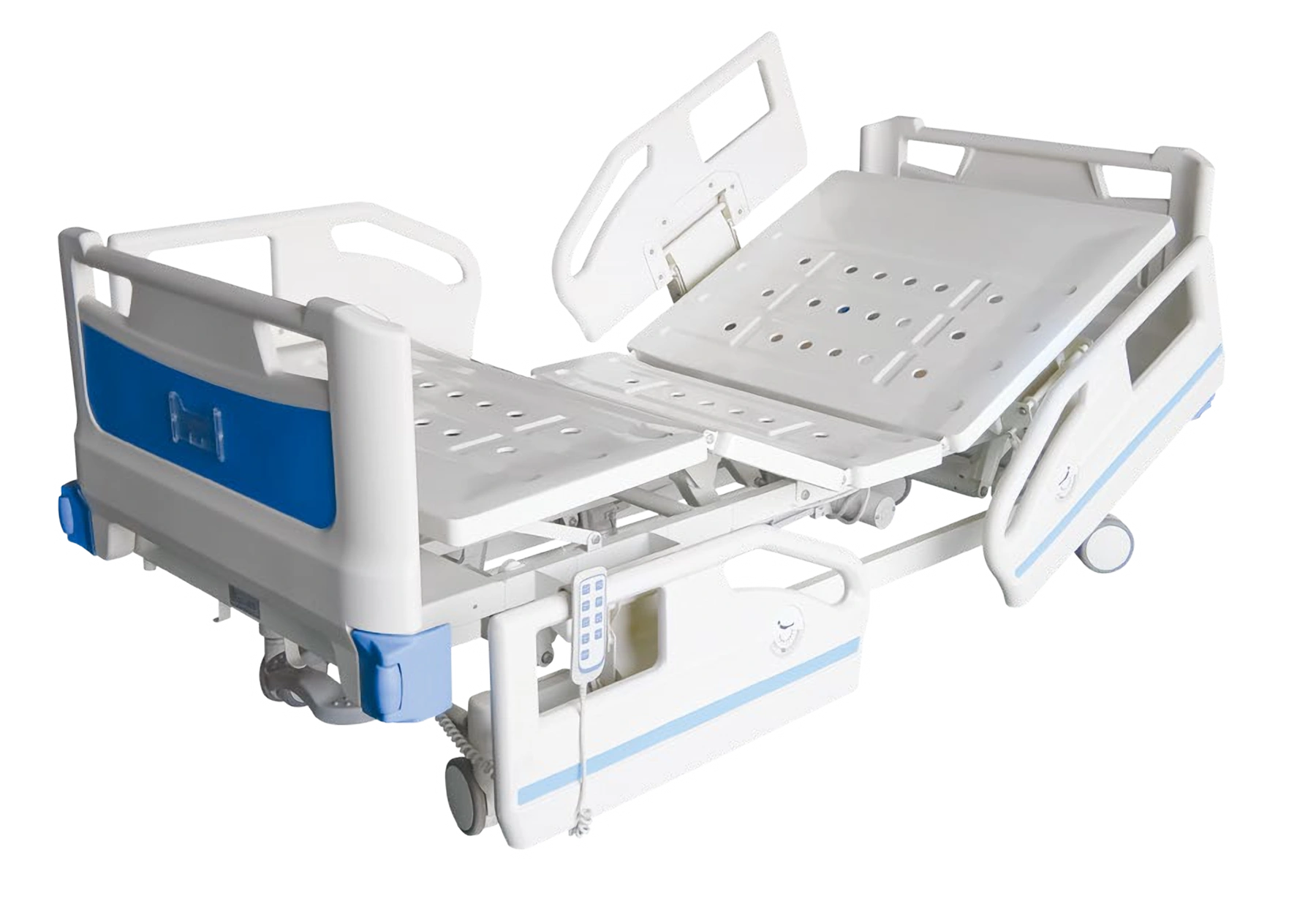
Hospital Beds
General-purpose patient beds for inpatient wards and standard hospital rooms.
View product
Ward Furniture
Complete ward furniture options for patient rooms and hospital care areas.
View product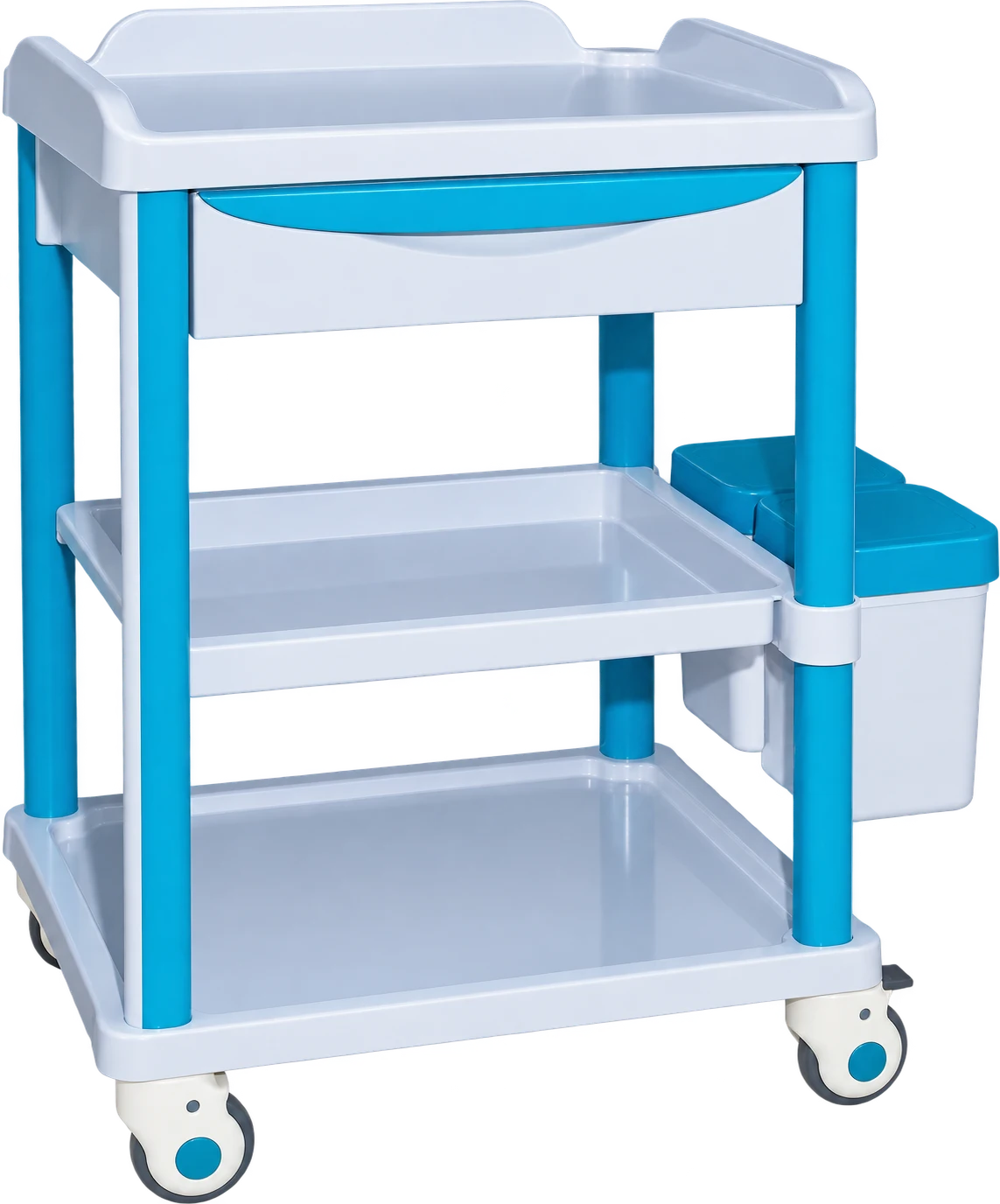
Medical Trolleys
Mobile carts for nursing rounds, treatment supplies, medicines, and clinical tools.
View product