
You’ve sent your hospital furniture inquiry to three different Chinese suppliers. The product list was clear: 50 hospital beds, 100 bedside cabinets, and 30 medical trolleys. Now the quotations are in, and the confusion begins.
Supplier A is the cheapest, but their quote is vague. Supplier B’s price is in the middle, but they’re asking a lot of questions about room function and accessories. Supplier C is the most expensive, but their quotation includes detailed specification sheets and CBM data. The product photos all look similar. Which quote is the best deal?
This is a common and risky scenario for B2B buyers. The problem isn't just the price difference; it's that you are likely comparing three completely different offers.
The safest way to source hospital furniture from China is to compare suppliers only after you have confirmed department use, room function, product configuration, included accessories, packing method, CBM, trade terms, lead time, and inspection scope.
An incomplete quotation is a major procurement risk. This guide will walk you through the practical steps and supplier-side details you need to confirm before you place your order, helping you avoid hidden costs, shipping surprises, and product disappointments.

What Information Should You Prepare Before Asking Chinese Suppliers for a Quotation?
Prepare a detailed project list organized by department, room, and category—not just a list of product names. The quality of the quotations you receive depends directly on the quality of the information you provide.
Many buyers begin by sending a simple list like "hospital bed" or "medical trolley" with quantities. In my experience as a supplier, this is a common cause of inaccurate quotes and wasted time. When a request is vague, each supplier has to make their own assumptions about configuration, material, and accessories. The result is three different quotes for three different products.
A professional supplier needs more context to provide a serious offer. We need to understand the application to recommend the right product.
Practical Buyer Action: Before you send a Request for Quotation (RFQ), create a project list, preferably in a spreadsheet. Include columns for:
- Department (e.g., General Ward, ICU, Emergency)
- Room Type (e.g., Patient Room, Examination Room, CSSD)
- Product Category (e.g., Hospital Bed, Medical Trolley, Storage Cabinet)
- Quantity
- Key Configuration Needs (e.g., "Electric, 3-function," "Trolley with 5 drawers and lock")
- Required Accessories (e.g., "Includes mattress and IV pole")
Supplier-Side Operational Detail: When we receive a detailed, room-by-room list, we can plan the order more effectively. We can see if certain trolleys are for the emergency department (requiring durable casters) or if cabinets are for a CSSD area (requiring materials suitable for sterile environments, like high-grade, non-corrosive stainless steel). This allows us to quote the correct product, not just the cheapest one.
Risk & Decision Point: The risk of sending a vague list is receiving incomparable quotations, which forces you into endless email loops for clarification. The decision is to spend more time preparing your initial inquiry to save significant time and reduce risk during the procurement process.
Why Should You Compare Hospital Furniture by Configuration Instead of Product Name or Photo?
Compare products based on detailed specification sheets, not just names or images. Similar photos can hide critical differences in material, function, and durability that determine the product's real value and suitability.
A "medical trolley" is not a standard, single product. The same name can refer to a basic cart or a specialized crash cart with a central lock, specific drawer dividers, and high-quality silent casters. A photo cannot show you the thickness of the steel, the quality of the welding, or the smoothness of the drawer slides.
I have seen many buyers approve an order based on a catalog image, only to discover upon delivery that the product wasn't suitable for their hospital's high-traffic environment. The casters were noisy, the drawers didn't lock as needed, or the surface wasn't easy to clean.
Practical Buyer Action: Request a detailed specification sheet for each product. Ask the supplier to clearly list what is standard, what is optional, and what accessories are included in the price. For a hospital bed, this means confirming:
- Function: Manual or electric (2, 3, 5-function)?
- Side Rails: Type and material.
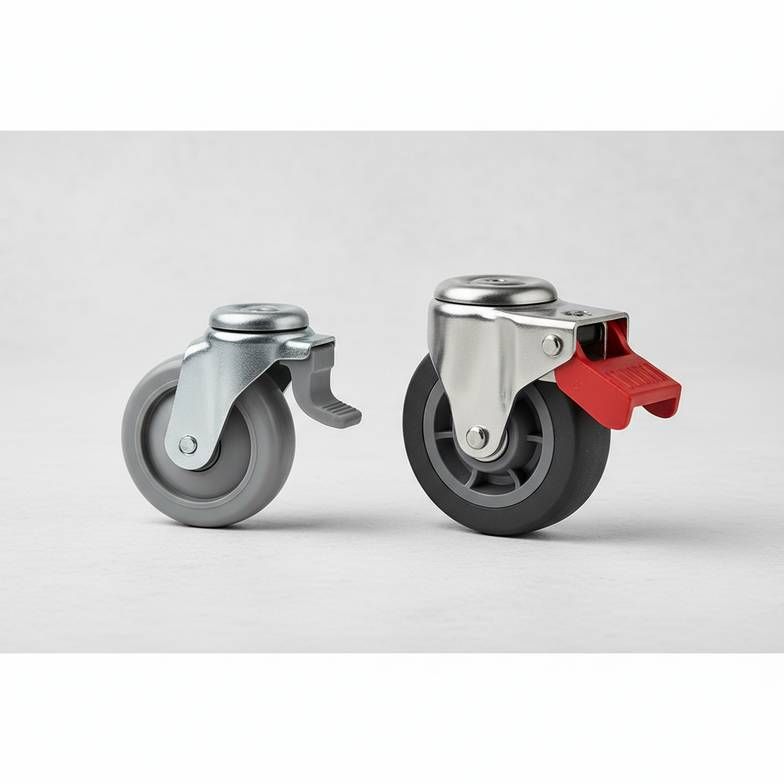
- Casters: Diameter, brakes, central locking?
- Accessories: Is the mattress, IV pole, or overbed table included or extra?
Supplier-Side Operational Detail: When a buyer asks for a specification sheet, it's a positive sign. It tells us they are a professional buyer focused on a good match, not just a low price. In our quotations, we separate the main product from optional accessories so the buyer knows exactly what they are paying for.
Risk & Decision Point: The risk of relying on photos is choosing a product that looks right but performs poorly, leading to end-user complaints and potential replacement costs. The decision is to shift your comparison from "Does it look the same?" to "Is the configuration the same?"
What Hidden Costs Should You Check Before Choosing the Lowest Unit Price?
The lowest unit price often hides costs related to excluded accessories, weaker packing, higher shipping volume (CBM), and less favorable trade terms. The cheapest quote is not always the lowest total cost.
A low price can be a red flag. It might mean the supplier has quoted a basic model without the accessories you need, or they've used lower-grade materials. It could also mean they haven't factored in robust export packaging, a detail that can lead to damaged goods.
One of the most common mistakes is comparing an EXW (Ex Works) price from one supplier with an FOB (Free On Board) price from another. The EXW price looks lower because it excludes the cost of transporting goods to the port and handling export customs, costs which you will have to pay separately.
Practical Buyer Action: Use a comparison matrix to put all quotations on an equal footing. Before you decide based on price, ensure you are comparing apples to apples.
Supplier-Side Operational Detail: When we build a quotation, every component has a cost: the main product, the accessories, the export carton, and the labor to pack it securely. A professional quotation will make these components clear. If a quote seems too good to be true, ask the supplier: "What have you excluded to reach this price?"
Risk & Decision Point: The risk is that the "cheapest" supplier ends up being the most expensive after you pay for missing parts, replace damaged items, or get hit with unexpected shipping and port charges. Your decision is not to find the lowest price, but the best value based on a complete and transparent quotation.
Supplier Quotation Comparison Matrix
| Comparison Item | Supplier A | Supplier B | Supplier C | Buyer Notes |
|---|---|---|---|---|
| Product Configuration | Basic | Standard + Lock | Fully Configured | Is the function correct for the department? |
| Included Accessories | None | IV Pole | IV Pole, Mattress | Are all needed parts included? |
| Packing Method | Basic Carton | Reinforced Carton | Plywood Case | Is it strong enough for sea freight? |
| Total CBM | Not Provided | 35 CBM | 32 CBM | How does this affect freight cost? |
| Trade Term | EXW | FOB | FOB | Are we comparing the same cost basis? |
| Lead Time | 30 Days | 45 Days | 40 Days | Does this include confirmation time? |
| Unit Price | $450 | $520 | $550 | Looks cheapest, but is it? |
| Communication Clarity | Vague | Clear | Very Detailed | Who is asking the right questions? |
This simplified table shows that Supplier A's low price is misleading. It's an EXW price for a basic product with no accessories and unknown packing/CBM. Supplier C, while having the highest unit price, offers a more complete package with potentially lower CBM, which could save on freight.
How Should You Check Packing, CBM, and Shipping Details Before Confirming an Order?
*Request specific packing data—carton dimensions, gross/net weight, and total CBM—for every line item before you approve the order. This is essential for accurately forecasting freight costs and managing damage risk.*
Hospital furniture is bulky. A few extra centimeters on a carton, multiplied by 100 cartons, can add up to several cubic meters (CBM) of volume, significantly increasing your shipping costs. Furthermore, weak packing is a direct cause of transit damage like scratches, dents, and broken components.
Buyers often make the mistake of approving a Proforma Invoice (PI) based on product price and only asking for packing details when it's time to book shipment. By then, it's too late to negotiate or change suppliers if the CBM is unexpectedly high.
Practical Buyer Action: Make "Packing Method" and "Total CBM" mandatory checklist items. Before confirming an order, ask your supplier for:
- Packing method (e.g., 5-layer export carton, wooden crate).
- Carton dimensions (L x W x H).
- Gross Weight and Net Weight per carton.
- Total CBM for the entire order.
- Packing photos of similar products, if available.
Supplier-Side Operational Detail: When we prepare an export order for medical furniture, we know that packing is not just a box; it's insurance. We calculate the total volume based on the final, packed dimensions of each item. This data is what your freight forwarder needs to give you an accurate shipping quote. A quotation without this data is incomplete.
Risk & Decision Point: The trade-off is between packing cost/volume and product safety. Cheaper, thinner packing might reduce CBM slightly but dramatically increases the risk of damage. The decision is to treat packing as a critical product feature, not an afterthought.

How Can You Judge Whether a Chinese Supplier Is Suitable for a Healthcare Project Order?
Judge a supplier by the quality of the questions they ask, not just the speed or price of their first reply. A good project supplier acts like a consultant, not just a salesperson.
For a large healthcare project, you need more than a product peddler. You need a supplier who understands that a hospital is a complex system of departments. A supplier who just sends a price list without asking about your project's specifics is a major red flag. They are likely a trader who cannot control production or manage the complexities of a multi-category order.
Practical Buyer Action: Pay attention to the communication. A professional supplier will ask questions like:
- "Which department are these trolleys for? The needs of the ER are different from the linen room."
- "You've requested 200 bedside cabinets. Are these for a new wing or replacing old ones? We need to confirm the room layout."
- "We see you have beds, cabinets, and trolleys on your list. Would you like us to organize the quotation by room type to make your internal review easier?"
Supplier-Side Operational Detail: When a buyer sends us a list for a 100-bed hospital project, my first step isn't to calculate price. It's to organize the list by department and product category. This helps us identify potential gaps (e.g., "They have beds and cabinets, but no overbed tables?") and recommend more suitable configurations. This level of project-based planning is a core part of our service.
Risk & Decision Point: The risk of choosing a non-inquisitive supplier is that you take on the full burden of project coordination. The decision is to partner with a supplier who helps you prevent mistakes, rather than one who just fulfills a vague order.
| Good Supplier Signs | Supplier Red Flags |
|---|---|
| Asks about department and room use | Quotes only by product name |
| Separates included and optional items | Accessories and specs are unclear |
| Provides packing and CBM details early | "We will confirm CBM later" |
| Explains configuration differences | Only sends photos and prices |
| Organizes quotation by project category | Sends a scattered, confusing list |
What Should You Confirm Before Production, Inspection, and Shipment?
Create and sign off on a final, comprehensive order confirmation sheet that locks in all specifications, accessories, quantities, packing details, and inspection points before you send payment.
Verbal agreements and assumptions are a common cause of after-sales disputes. The time between order placement and shipment is your last chance to ensure that what you ordered is what will be produced and shipped.
Practical Buyer Action: Use a pre-order checklist to perform a final review with your supplier. Do not release payment for bulk production until all points are confirmed in writing.
Supplier-Side Operational Detail: From our perspective, the signed Purchase Order (PO) and the confirmed specification sheet are our 'production bible.' Any ambiguity here is what causes mistakes down the line. We would rather spend an extra day confirming every detail with a buyer than weeks trying to solve a problem with a container of goods on the other side of the world.
Risk & Decision Point: The risk of proceeding with an ambiguous PO is that you have no written basis for a claim if the goods arrive incorrect, incomplete, or damaged. The decision is to be disciplined and formalize every detail in the final order documents.
Hospital Furniture Pre-Order Confirmation Checklist
| Confirmation Area | What Buyer Should Check | Status | Notes |
|---|---|---|---|
| Product List | Department, room, category, and quantity are correct. | ☐ Confirmed | |
| Product Configuration | Size, material, function, drawers, locks, casters, etc., are documented. | ☐ Confirmed | |
| Included Items | All required accessories (mattresses, IV poles, etc.) are listed as included. | ☐ Confirmed | |
| Optional Items | Items shown in photos but not included in the price are identified. | ☐ Confirmed | |
| Packing Method | Carton type, reinforcement, and hardware protection are confirmed. | ☐ Confirmed | |
| Shipping Data | Final carton dimensions, gross weight, and total CBM are received. | ☐ Confirmed | |
| Trade Term | The trade term (e.g., FOB Shanghai) and cost responsibilities are clear. | ☐ Confirmed | |
| Lead Time | The start date and duration of the production lead time are agreed upon. | ☐ Confirmed | |
| Inspection Points | Key checks (finish, function, packing, quantity) are defined. | ☐ Confirmed | |
| Final Documents | The final PI or PO matches all confirmed details. | ☐ Confirmed |
Your Sourcing Success Depends on Pre-Order Clarity
Sourcing hospital furniture from China is not about finding the cheapest product. It’s about finding a supplier who helps you procure the right product with maximum clarity and minimum risk.
The real work is done before the order is placed. Success comes from preparing a detailed inquiry, comparing configurations instead of photos, scrutinizing what’s included in the price, and confirming all packing and shipping data upfront. A supplier who guides you through this process is a partner. One who rushes to give a low price without asking questions is a risk.
By focusing on these operational details, you move from simply buying a product to making a safe, reliable, and successful procurement decision for your healthcare project.
If you are preparing a hospital furniture order, the best first step is to create a detailed project list. Send your requirements, including department, room function, quantities, and configuration needs. A professional supplier can help you review the list, identify gaps, and provide a transparent quotation that serves as a solid foundation for your project.
Written by
CareFurnex Team
CareFurnex Team shares practical knowledge about hospital beds, patient room furniture, medical trolleys, clinic furniture, and healthcare facility procurement for international B2B buyers.
Related Products
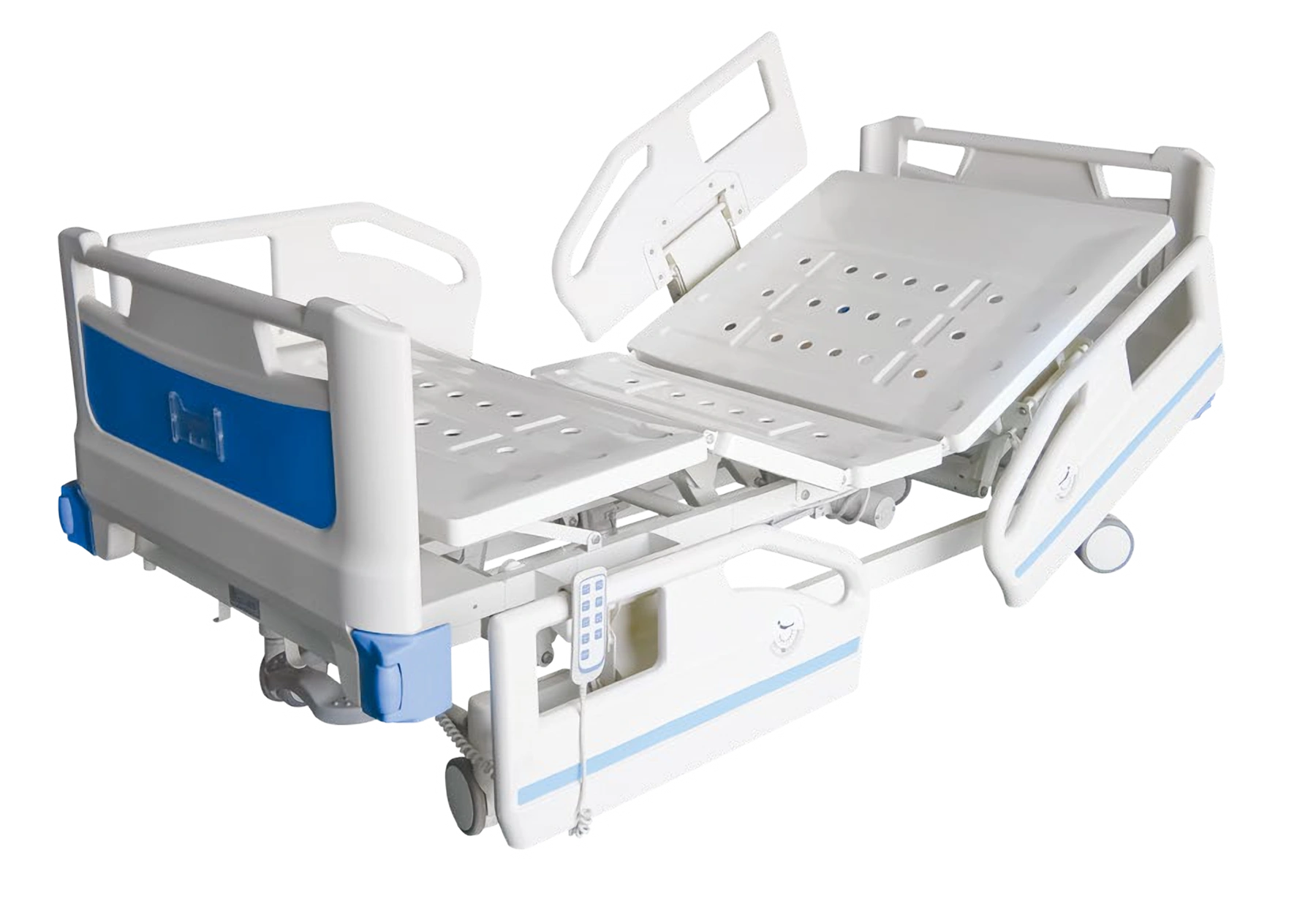
Hospital Beds
General-purpose patient beds for inpatient wards and standard hospital rooms.
View product
Ward Furniture
Complete ward furniture options for patient rooms and hospital care areas.
View product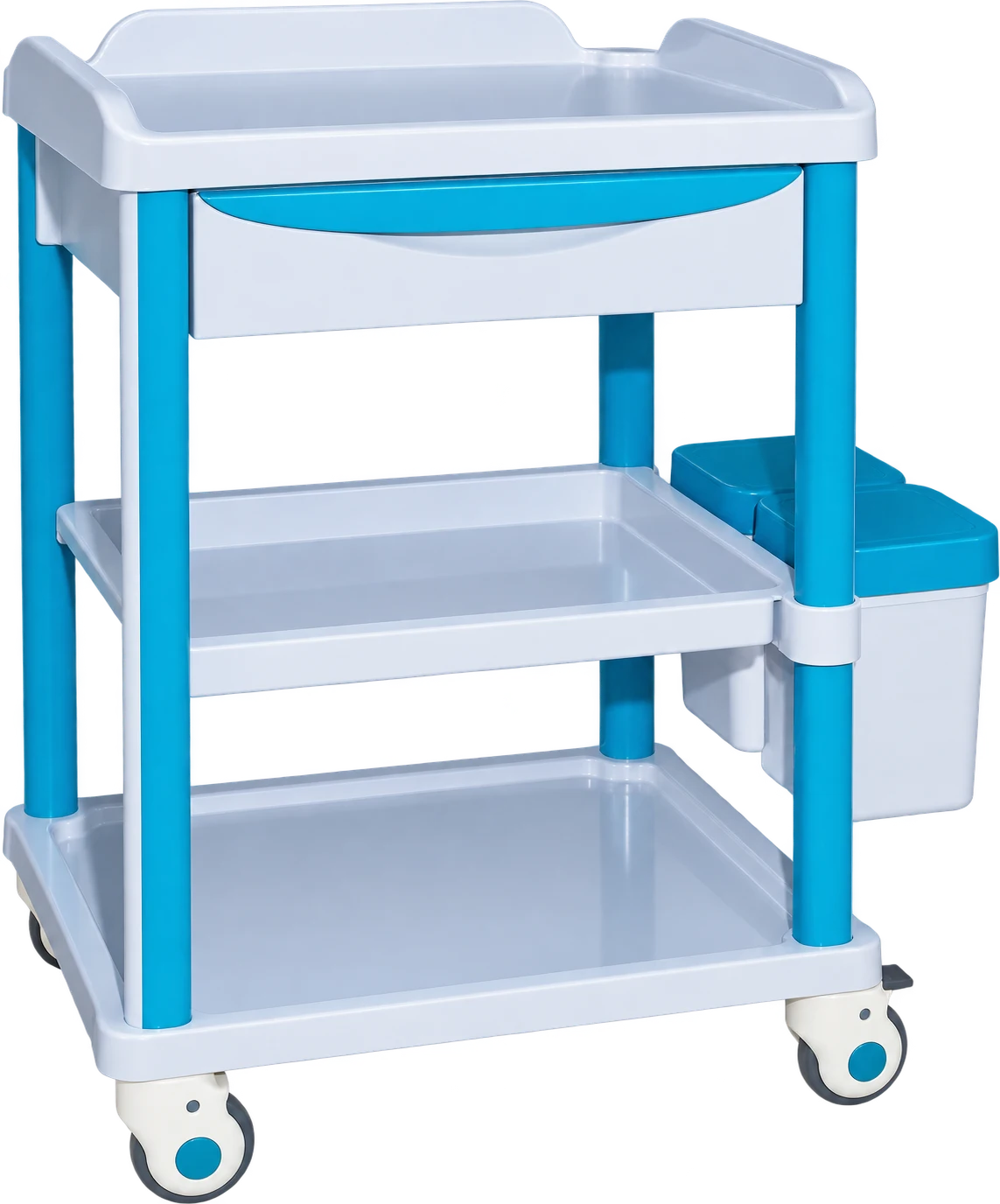
Medical Trolleys
Mobile carts for nursing rounds, treatment supplies, medicines, and clinical tools.
View product