
Struggling to decode the different hospital bed materials on a supplier's quotation? You're not alone. Procurement managers often face a confusing list of terms like "cold-rolled steel," "ABS plastic," and "powder-coated finish," making it hard to compare apples to apples. This confusion can lead to choosing a bed that looks good on day one but quickly rusts, chips, or becomes an infection control liability, costing you more in the long run. The solution is to understand how these materials work as a system, not just as a list of features.
The best hospital bed materials combine a powder-coated steel frame for structural strength with high-quality, seamless ABS plastic for head/foot boards and side rails. The key is not choosing one over the other, but ensuring the steel's surface finish resists corrosion and the ABS design is smooth and easy to clean for effective infection control. The final choice should always match the specific clinical environment and its cleaning protocols.
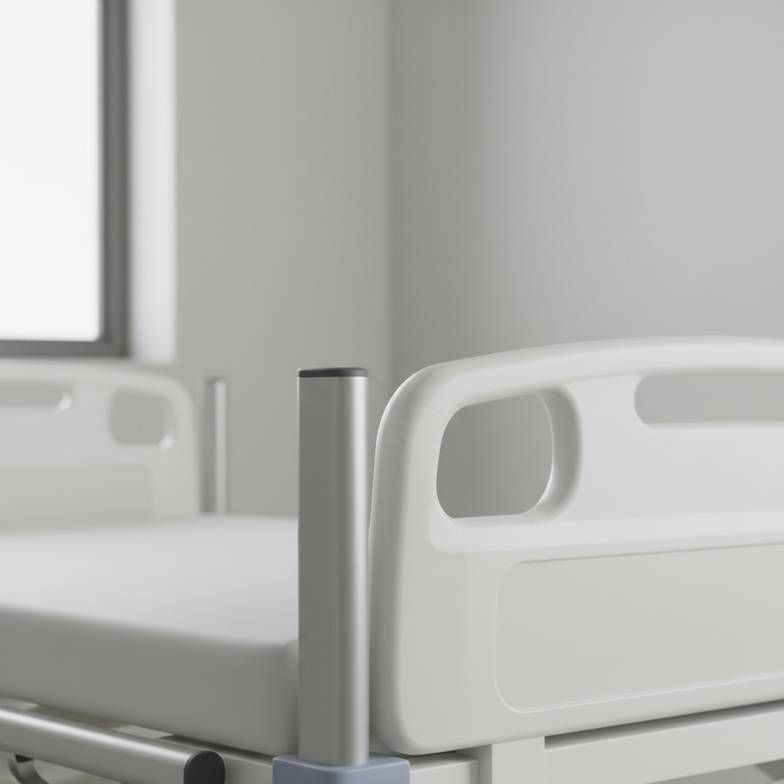
Now that you have the direct answer, let's dive deeper. The real story isn't about "steel vs. plastic." It's about how the quality of each material and its finish contributes to the bed's safety, longevity, and total cost of ownership. Let's break down what you actually need to look for.
Why is the Steel Frame's Finish More Important Than the Steel Itself?
You see "steel frame" on every spec sheet, so you assume it's a standard, reliable component. The problem is, not all steel frames are created equal. A frame with a weak surface finish can chip or scratch easily, exposing the raw steel underneath. Once that happens, rust isn't far behind, creating a rough, contaminated surface that's impossible to properly sanitize.
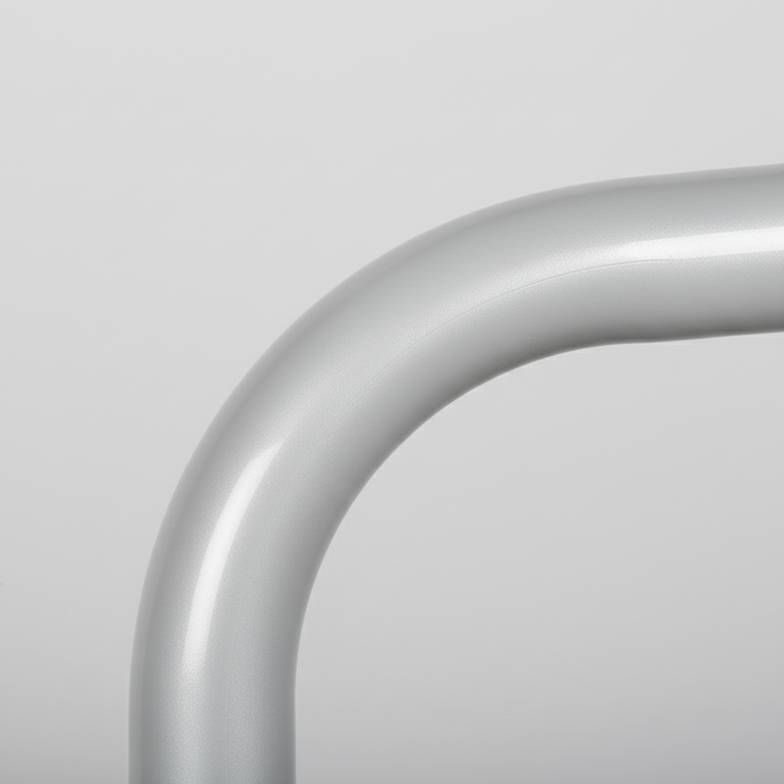
The most critical factor for your bed's structural integrity and hygiene is its surface finish. A high-quality finish, properly applied, acts as a durable shield that protects the steel from moisture, cleaning chemicals, and physical impacts for years.
Dive Deeper: Understanding Powder Coating
Most modern hospital beds use a steel frame made from cold-rolled steel tubes, which are then welded together. The magic happens in the next step: the surface treatment. The industry standard for a good reason is electrostatic powder coating.
Here’s how it works and why it matters:
- Preparation: The raw steel frame is meticulously cleaned and pre-treated to remove any oils, dust, or mill scale. This is a critical step that some low-cost producers rush. A poorly prepared surface will cause the coating to flake off later.
- Application: A fine powder (a mix of polymer resin, pigments, and other additives) is sprayed onto the steel frame. The spray gun gives the powder an electrostatic charge, while the steel frame is grounded. This causes the powder particles to be magnetically attracted to the frame, wrapping around it evenly, even in corners and hard-to-reach areas.
- Curing: The powder-covered frame is then baked in an oven. The heat melts the powder, causing it to flow together and form a smooth, hard, and continuous shell as it cools.
This process creates a finish that is far superior to simple liquid paint. From my experience reviewing products from different factories, a well-executed powder coat is a clear indicator of a manufacturer's commitment to quality.
What should you look for?
When you get inspection photos or see a sample, pay close attention to the finish.
- Good Quality: The surface should be smooth and uniform, with no "orange peel" texture, drips, or thin spots. The coating should be consistent around joints and welds.
- Poor Quality: Look for bubbles, bumps, or flaking, especially around welded areas. These are signs of poor surface preparation or an uneven application, and they are future points of failure.
A thick, well-cured powder coat directly impacts a bed's lifespan. It resists chipping from bumps by medical carts, withstands repeated cleaning with hospital-grade disinfectants, and, most importantly, prevents the rust that can compromise both the bed's structure and the sterile environment.
What Makes ABS a Good Choice for Hospital Bed Components?
Now let's talk about the plastic parts. You'll see "ABS" listed for headboards, footboards, and side rails. Worried that plastic sounds cheap or weak? When it comes to hospital bed materials, high-grade Acrylonitrile Butadiene Styrene (ABS) is actually a sophisticated engineering polymer chosen for very specific reasons. The real risk isn't the material itself, but how it's designed and molded.
A common mistake I see is accepting any ABS component without looking at its construction. Low-quality boards are often made from multiple pieces joined together, creating seams, gaps, and crevices. These tiny spaces are perfect hiding spots for bacteria and are nearly impossible to clean effectively, undermining your infection control efforts.
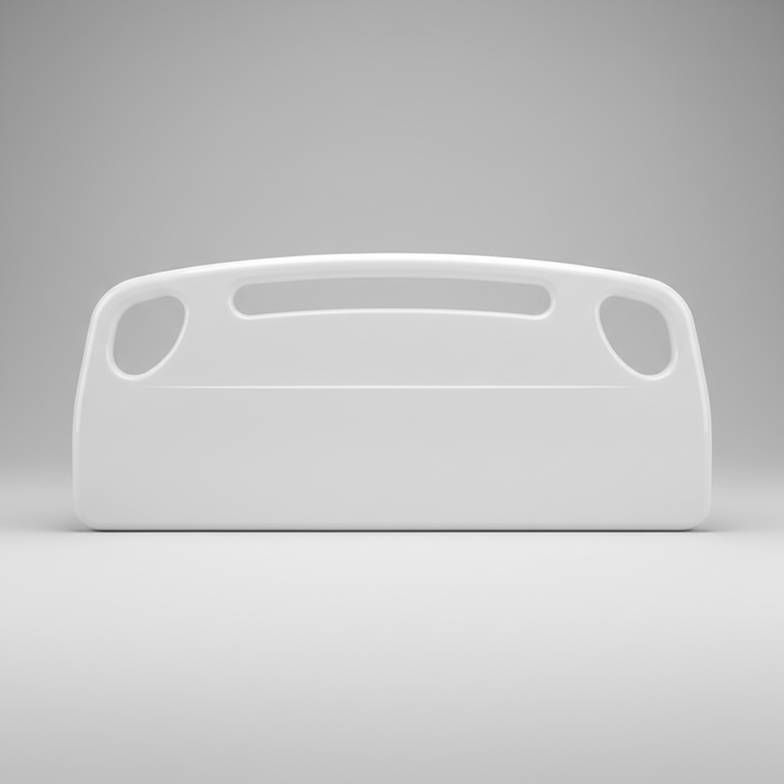
The solution is to specify and verify that all major ABS components, like the head and foot boards, are made using single-piece injection molding. This process creates a perfectly smooth, seamless part that is durable and easy to wipe down.
Dive Deeper: Evaluating ABS Quality for Patient Safety
ABS is not just any plastic. It's a thermoplastic polymer prized for its balance of strength, impact resistance, and chemical stability. Think of it like LEGO bricks—strong, tough, and holds its shape well. In a hospital setting, this is exactly what you need.
Here’s a breakdown of what makes ABS suitable and what differentiates high quality from low quality:
| Feature | High-Quality ABS Component | Low-Quality ABS Component |
|---|---|---|
| Manufacturing Process | Single-piece injection molding | Assembled from multiple parts; vacuum-formed |
| Surface | Perfectly smooth, no seams or joints | Gaps, crevices, and visible seams |
| Cleanability | Very easy to wipe down and disinfect | Difficult to clean; harbors microbes in joints |
| Durability | High impact resistance; resists cracking | Brittle; prone to cracking and chipping |
| Chemical Resistance | Formulated to resist common hospital disinfectants | May stain, yellow, or degrade with chemical exposure |
| Structural Integrity | Strong, with integrated handles and locking mechanisms | Flimsy; attachments may feel loose or break easily |
When sourcing beds, don't just accept "ABS headboard" on the quote. Ask the supplier these questions:
- Are the head and foot boards made from single-piece injection molding?
- Can you provide close-up photos of the side rails and board edges to show they are seamless?
- What is the wall thickness of the ABS components?
- Has the material been tested for resistance against common hospital disinfectants? (Request documentation if available).
I once worked with a clinic that bought beds based on a low price. Within a year, the side rails—which were a cheaper, assembled design—had cracks near the joints. Not only did this look bad, but their infection control officer flagged them as a risk during an audit. They ended up having to replace them, negating any initial savings. This is a perfect example of why focusing on the manufacturing quality of hospital bed materials from the start is so important.
How Do Cleaning Protocols Affect Your Choice of Hospital Bed Materials?
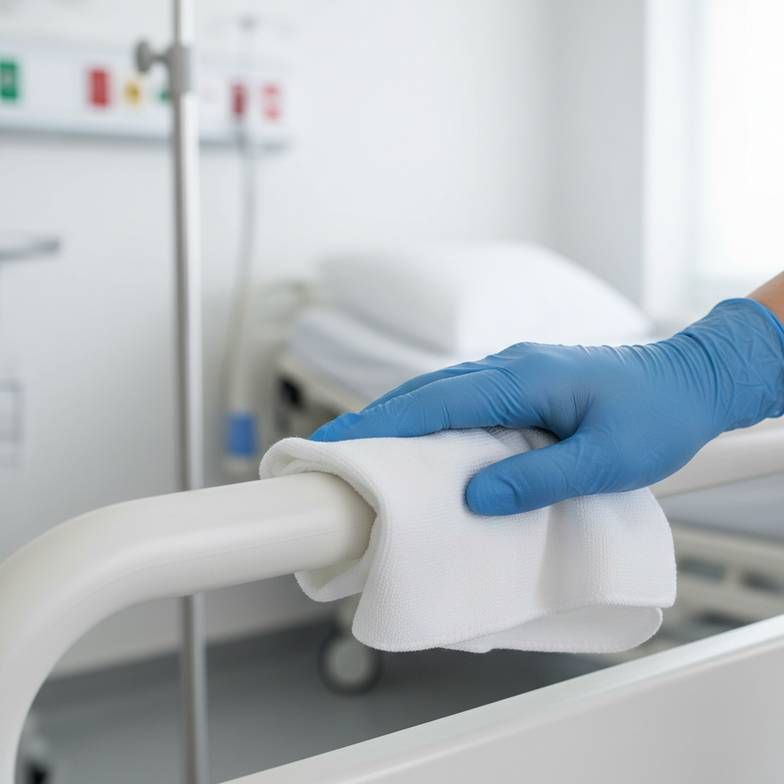
You've chosen a bed with a great powder-coated frame and seamless ABS parts. But will it survive your hospital's cleaning routine? The daily barrage of chemical disinfectants needed to maintain a sterile environment is one of the harshest tests for any hospital bed materials.
Choosing a material that can't withstand your specific cleaning agents is a recipe for disaster. Aggressive chemicals can cause a powder coat to dull or discolor, and they can make certain plastics become brittle and crack over time. This degradation creates surface imperfections that can harbor pathogens, making the bed harder to clean and increasing infection risks.
Therefore, the final and most crucial step is to match the bed’s material specifications to your facility’s approved list of disinfectants. Don't assume "hospital grade" means it's resistant to everything. You must verify it.
Dive Deeper: Matching Materials to Your Environment
Different hospital departments have different levels of risk and, consequently, different cleaning demands. The material configuration for an ICU bed should be more robust than that for a bed in a long-term care wing.
Here’s a practical way to think about it:
- Intensive Care Units (ICUs): These high-acuity environments often use powerful, fast-acting disinfectants to combat multi-drug resistant organisms. Beds here need the highest level of chemical resistance. The powder coating must be exceptionally durable, and the ABS should be a premium grade known for chemical stability. This is where asking a supplier for test reports showing resistance to specific chemical compounds (like quaternary ammonium or accelerated hydrogen peroxide) is a wise move.
- General Wards: In medical-surgical wards, the beds still undergo frequent cleaning but perhaps with less aggressive chemicals. Here, the focus might be a balance between chemical resistance, impact resistance (from frequent patient transfers and equipment bumps), and cost-effectiveness. A standard, high-quality electrostatic powder coat and seamless ABS are generally sufficient.
- Nursing Homes & Elderly Care: In these settings, while cleanliness is paramount, the cleaning agents might be less harsh. Durability and patient comfort are key. The materials must still be non-porous and easy to clean, but they also need to withstand the daily wear and tear of a residential-style environment.
Your Procurement Action Plan:
- Get Your List: Before you even send a request for quotation, get a list of the primary disinfectants used in your facility from your infection control department.
- Ask the Supplier: Share this list (or the active ingredients) with potential suppliers. Ask them: "Can you confirm that the hospital bed materials and finishes on model XYZ are resistant to these specific cleaning agents?"
- Request Proof: For large or critical orders (like for a new ICU), ask for documentation. Reputable suppliers who work with international hospitals may have test data or certificates validating their materials against common disinfectants. While you should always verify the applicability of any certificate, the ability to provide such documentation is a good sign.
By aligning your material choice with your cleaning reality, you move from buying a product to investing in a long-term, safe, and maintainable asset.
Frequently Asked Questions
Is a stainless steel frame better than a powder-coated steel frame?
For a hospital bed frame, a high-quality powder-coated carbon steel frame is generally the better and more common choice. While stainless steel offers excellent corrosion resistance, it is significantly more expensive and heavier. A properly applied electrostatic powder coat provides more than enough protection against rust and chemicals for nearly all clinical applications at a much better value.
What is the difference between ABS and PP (polypropylene) plastic for hospital furniture?
ABS is generally harder, more rigid, and has better impact strength at room temperature compared to PP. This makes it ideal for structural components like headboards and side rails that need to be durable. PP is more flexible and has excellent chemical resistance, often used for items like wash basins or trays. For core bed components, ABS is typically the superior choice.
Can harsh disinfectants like bleach be used on ABS and powder-coated surfaces?
You should always verify with the manufacturer. While high-quality hospital bed materials are designed to be chemically resistant, prolonged exposure to concentrated bleach can still cause damage or discoloration over time. It's crucial to follow the dilution instructions for the disinfectant and the bed manufacturer's cleaning guidelines to ensure longevity.
How can I check the quality of hospital bed materials without visiting the factory?
Request detailed, high-resolution photos and videos from the supplier. Ask for close-ups of weld joints, the surface finish under bright light, the edges of ABS boards, and the operation of moving parts. For large orders, consider arranging a third-party inspection where an inspector can physically verify these details on your behalf before shipment.
Conclusion
Choosing the right hospital bed materials is a critical procurement decision that goes far beyond a simple price comparison. Instead of getting stuck on "steel versus ABS," the focus should be on how the materials work together as a complete system. The key takeaways are to prioritize a flawlessly applied electrostatic powder coat on the steel frame to prevent rust and to insist on seamless, injection-molded ABS components to eliminate hiding spots for bacteria. Most importantly, you must verify that these materials can withstand your facility's specific cleaning protocols. By asking the right questions and demanding clear specifications, you can de-risk your investment and procure hospital beds that are safe, durable, and easy to maintain for years to come.
If you are sourcing hospital furniture and need a partner to help you review specifications and match the right products to your project's needs, feel free to reach out. At CareFurnex, we help buyers like you navigate these complexities to ensure you get the quality and performance your healthcare environment demands.
Written by
CareFurnex Team
CareFurnex Team shares practical knowledge about hospital beds, patient room furniture, medical trolleys, clinic furniture, and healthcare facility procurement for international B2B buyers.
Related Products
Medical Cabinets
Storage cabinets and medical furniture units for organized patient rooms and ward areas.
View product
Hospital Lockers
Lockable storage lockers for staff areas, wards, clinics, and healthcare facilities.
View product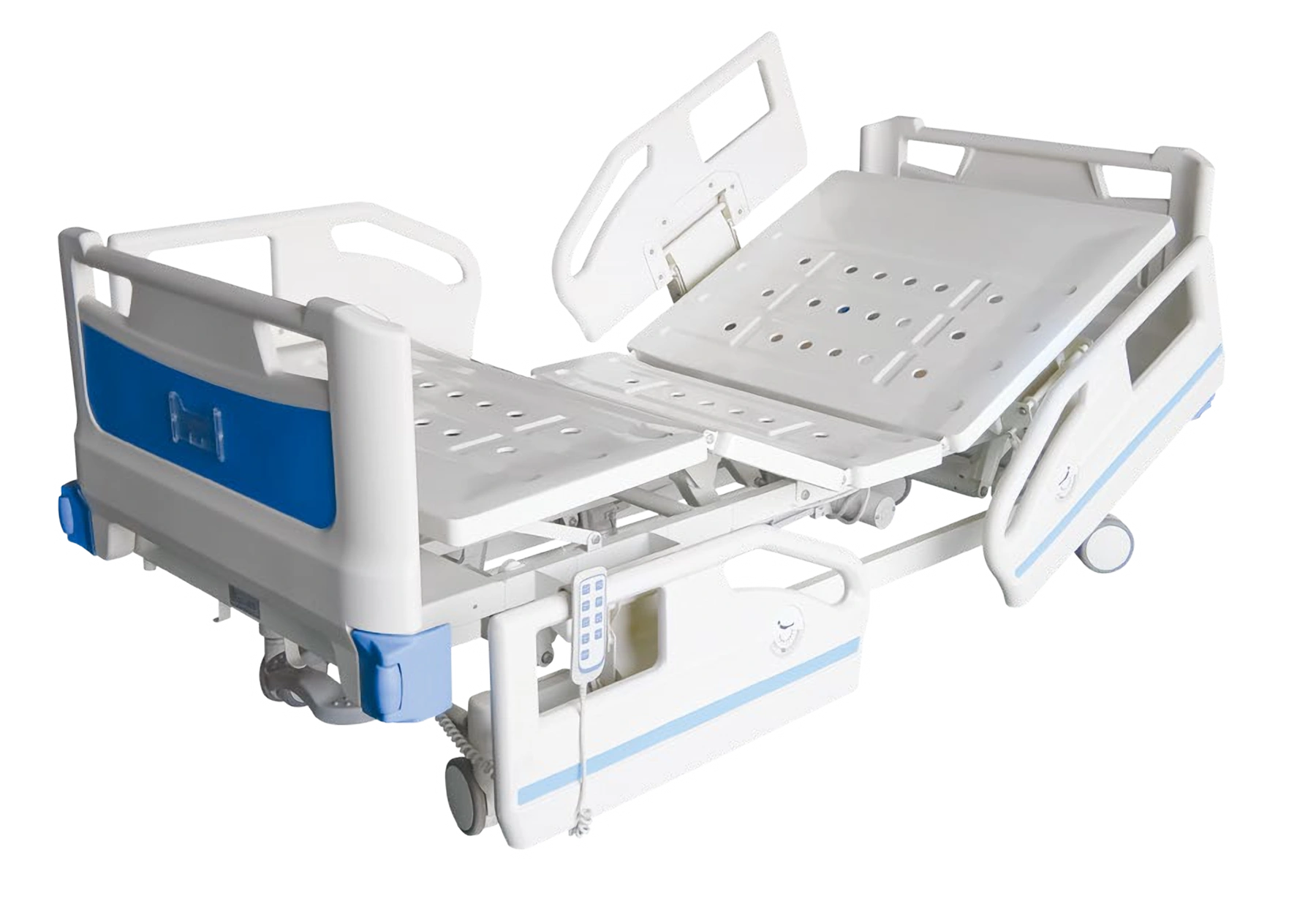
Hospital Beds
General-purpose patient beds for inpatient wards and standard hospital rooms.
View product