
You are holding several quotations for hospital furniture. The product photos look similar, the descriptions seem close enough, but the prices are all over the map. Choosing the lowest unit price feels like the most logical, budget-friendly decision.
This is a trap. For bulky international orders like hospital furniture, focusing only on the unit price is one of the most common and costly mistakes a buyer can make. The initial "savings" often disappear, replaced by budget overruns, project delays, and products that fail in a real clinical environment.
To compare hospital furniture suppliers effectively, you must evaluate them on Total Landed Cost, detailed specifications, packaging robustness, and their expertise as a project partner—not just the price on the quote. This shift in perspective protects your budget, your project timeline, and your professional reputation.

Why Can a Lower Unit Price Become More Expensive After Shipping?
Because for bulky items, ocean freight is calculated by volume (CBM), not just weight. A supplier offering a low unit price might be shipping the product in a large, fully assembled box, doubling your freight costs and erasing any initial savings.
Imagine you have two quotes for 50 medical trolleys. Supplier A has a lower unit price. The problem is, they ship the trolley fully assembled. Supplier B has a slightly higher unit price but ships the trolley semi-knocked-down (SKD), which means it takes up significantly less space.
The freight cost is the hidden variable that can completely change the economics of the deal. Before you can truly compare two prices, you must know the shipping volume. A quotation for furniture is not complete until it includes the carton dimensions and the total CBM (Cubic Meters).
Here is a simplified example. The numbers are only for comparison logic, not fixed market pricing.
Landed Cost Comparison: 50 Medical Trolleys
| Comparison Point | Supplier A (Low Unit Price) | Supplier B (Higher Unit Price) |
|---|---|---|
| Unit Price (FOB) | $150 | $170 |
| Packing Method | Fully Assembled | Semi-Knocked-Down (SKD) |
| CBM per Unit | 0.36 m³ | 0.10 m³ |
| Quantity | 50 units | 50 units |
| Total CBM | 18.0 m³ | 5.0 m³ |
| Est. Freight/CBM (Example) | $200 | $200 |
| Total Estimated Freight | $3,600 | $1,000 |
| Total Product Cost | $7,500 | $8,500 |
| Total Estimated Landed Cost | $11,100 | $9,500 |
| Real Cost Per Trolley | $222 | $190 |
In this scenario, choosing the "cheaper" supplier would have cost an extra $1,600. I would not treat two quotes as comparable until both suppliers provide the packing method and total CBM. This is the first step to calculating your true Total Landed Cost.
What Product Details Should I Confirm Beyond the Photo and Name?
Do not assume products that look the same are the same. A product photo hides critical differences in material grade, component quality, and whether essential accessories are included. You must demand a detailed specification sheet and a clear list of what is included versus what is optional.
A common sourcing mistake is to send a product photo and name, like "stainless steel medical trolley," and ask for the lowest price. The trouble is, the photo doesn't show the real product basis.
- Materials: Is it corrosion-resistant SS304 stainless steel suitable for a CSSD environment, or a lower-grade SS201 that might show rust spots after repeated cleaning?
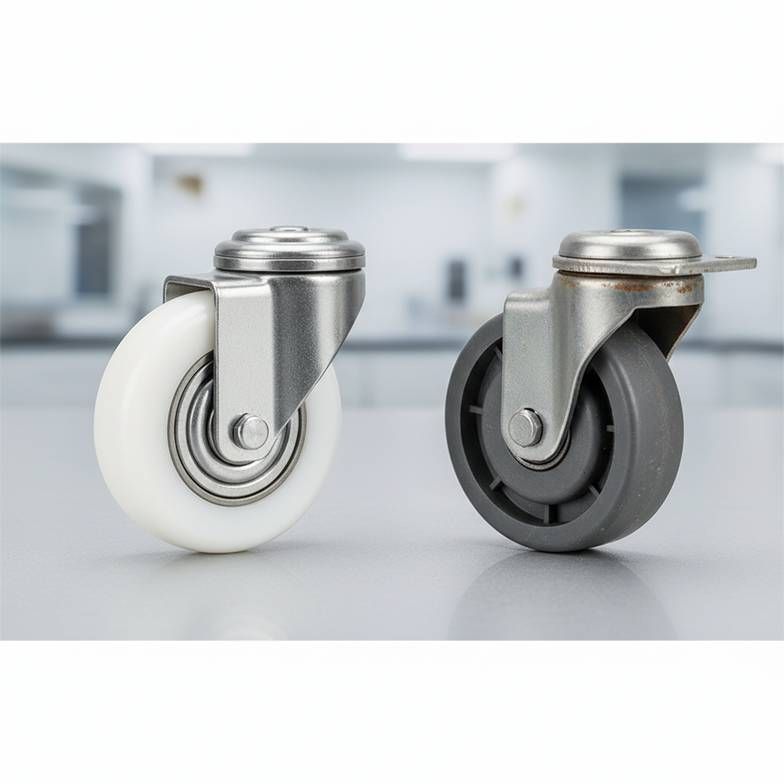
- Components: Does the trolley have silent, medical-grade casters that glide smoothly and lock securely, or cheap, noisy industrial casters that will seize up and mark your floors? For an electric bed, is the motor from a reputable brand or a cheap generic one prone to failure?
- Excluded Accessories: The product photo on a website or in a catalog almost always shows the item fully equipped. But that price on your quote might only be for the base model. The mattress, IV pole, side rails, and patient file holder could all be expensive add-ons that you discover you need after the order is placed, destroying your budget.
Before approving a purchase order, I would ask the supplier to provide two clear lists: one detailing every item included in the quoted price, and a second, separate price list for all optional accessories. This prevents surprises and ensures you are comparing the same functional product.
How Can Weak Packaging Turn a "Good Deal" into a Damaged-Goods Nightmare?
An unusually low price is often subsidized by using flimsy, single-wall cartons with no internal protection. This weak packaging leads to a high rate of transit damage, turning your initial savings into a loss of inventory, project delays, and administrative headaches.
When you see "standard export packaging" on a quote, you should ask one more question: "What does that actually mean?" A professional supplier should be able to answer immediately.
Weak packaging might be a thin, single-wall carton. Robust export packaging for hospital furniture often involves:
- Double-wall or reinforced cartons.
- Hard corner protectors to prevent crushing.
- Foam or protective wrap to prevent scratches on finished surfaces.
- Internal bracing to stop parts from moving.
Imagine your container of bedside cabinets arrives. You open it to find that 15% of the units have crushed corners or deep scratches because the supplier saved a few dollars per box on packaging. The "good deal" you got on the unit price is now gone, replaced by unsellable inventory and a potential delay in outfitting an entire hospital ward.
Packaging is not a cost to be minimized; it is insurance for your investment. Before placing an order, I would ask for photos of how the supplier packs the specific items you are buying. If a supplier hesitates or cannot provide these details, it is a major red flag.

What Questions Should a Good Supplier Be Asking Me?
A reliable supplier acts as a project consultant, not just a product seller. The best suppliers are the ones who ask you questions about your project's context, such as room layouts and departmental workflows. A supplier who only provides a price without asking questions is a risk.
If you send a long "shopping list" of items for a new hospital wing to five suppliers, four might just send back a price list. The fifth, and likely the best partner, will come back with questions:
- "For the trolleys in the emergency department, what are the most common procedures? This will help us recommend the right drawer layout and accessories."
- "You've listed overbed tables for all 100 rooms. Can you confirm the clearance space between the bed and the wall? We have a narrower model that might work better."
- "What are your hospital's cleaning and disinfection protocols? We should ensure all surface materials are compatible."
These questions are not a sign of confusion; they are a sign of experience. This supplier is trying to prevent you from making a costly operational mistake. A simple trader sells you what's on your list. A true project partner helps ensure you are buying the right thing for the job.
Use this checklist to evaluate how your potential suppliers operate.
Supplier Evaluation Checklist
| Evaluation Criteria | Supplier A | Supplier B | Notes |
|---|---|---|---|
| Quotation Clarity | |||
| Provides CBM & packing data? | No | Yes | B provided CBM without being asked. |
| Clearly separates included vs. optional items? | No | Yes | A's quote was vague on accessories. |
| Provides detailed specification sheet? | No | Yes | |
| Communication & Expertise | |||
| Asks questions about project needs? | No | Yes | B asked about our ward layout. |
| Proactively explains packing methods? | No | Yes | B sent photos of their cartons. |
| Provides a clear lead time breakdown? | Vague | Yes | B explained when the clock starts. |
A supplier who scores well on this checklist is demonstrating their reliability. They are helping you manage risk, which is far more valuable than a few dollars saved on a unit price.
From Unit Price to Project Partner
Stop hunting for the lowest unit price. That path is filled with hidden costs, quality risks, and project delays. The most successful procurement decisions are made by shifting your focus from a simple price tag to a complete evaluation of value and risk.
Before you make your final decision, go back to your potential suppliers. Use the principles from this guide to demand the information you need: total CBM, detailed specification sheets, and clear proof of robust packaging.
A clear project list with your requirements for department use, configuration, and packing helps a good supplier provide a practical quotation instead of guessing from a product name. At CareFurnex, we review these project details with buyers to ensure the configuration and quotation basis are correct before the order is confirmed. This collaborative process helps prevent costly surprises and ensures the final products are a perfect fit for your healthcare environment.
Written by
CareFurnex Team
CareFurnex Team shares practical knowledge about hospital beds, patient room furniture, medical trolleys, clinic furniture, and healthcare facility procurement for international B2B buyers.
Related Products
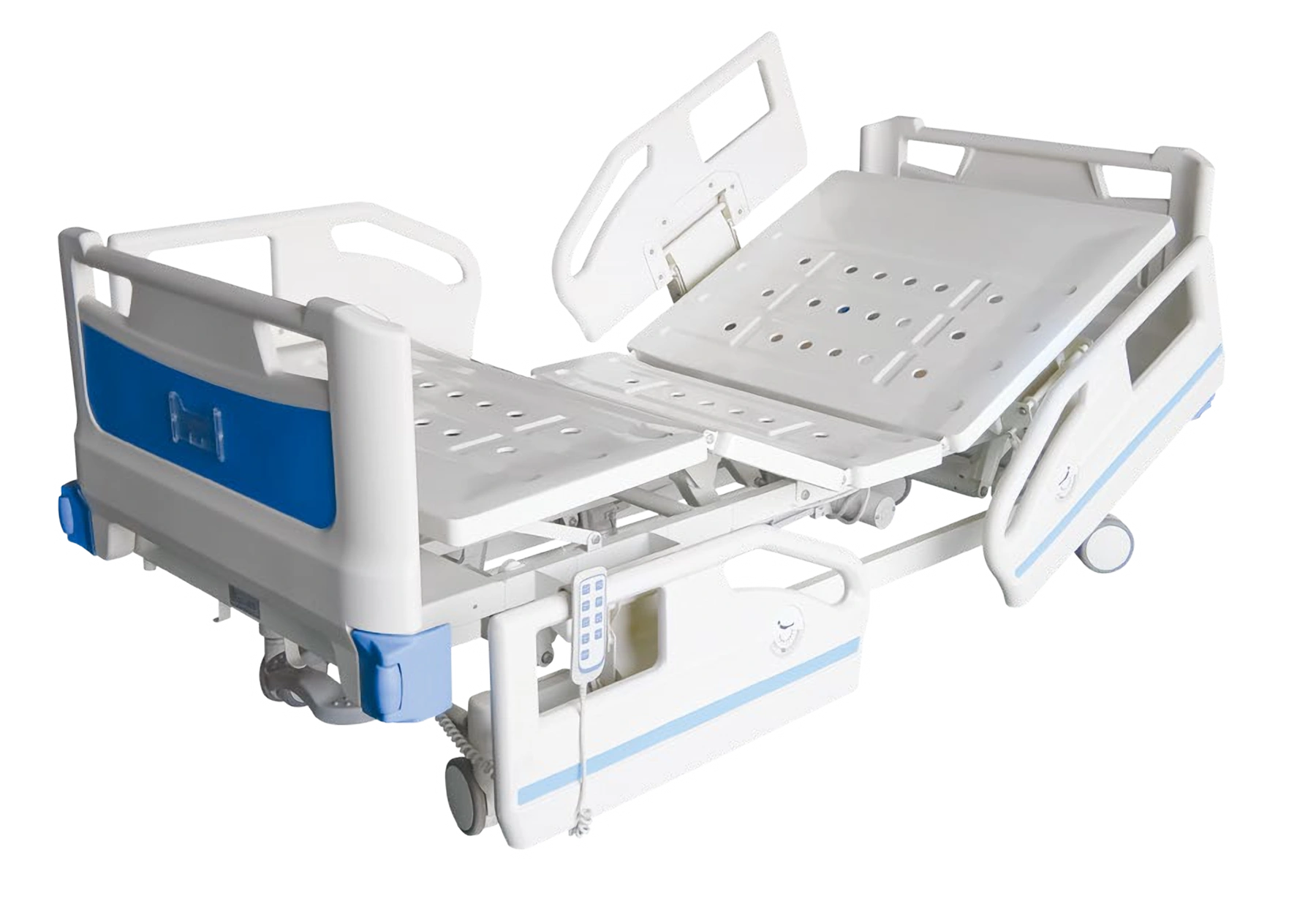
Hospital Beds
General-purpose patient beds for inpatient wards and standard hospital rooms.
View product
Ward Furniture
Complete ward furniture options for patient rooms and hospital care areas.
View product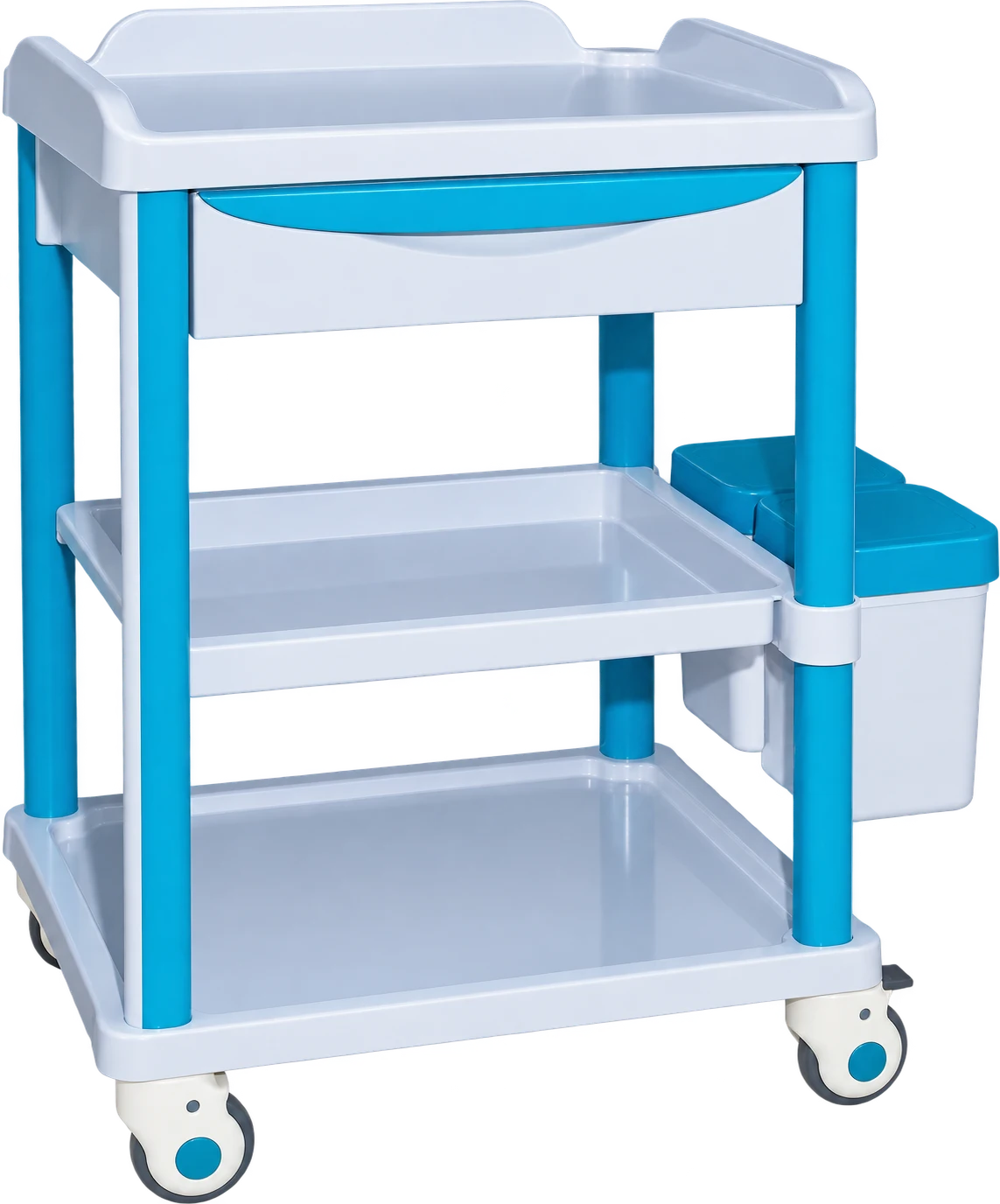
Medical Trolleys
Mobile carts for nursing rounds, treatment supplies, medicines, and clinical tools.
View product