
When sourcing hospital beds for a project, clinic, or distribution channel, the mattress often seems like a simple accessory. Buyers see it in product photos and assume it’s a standard, included item. This assumption can create significant procurement problems, leading to budget overruns, compatibility issues, and shipping delays. A mattress that looks acceptable in a photo can cause complaints about cleaning, comfort, or size after delivery.
For B2B hospital bed procurement, buyers should not choose a hospital mattress by photo or unit price alone. They should confirm inclusion status, foam and thickness, waterproof cover, bed compatibility, packing, CBM, lead time, and written specifications before approving the order.
From the supplier side, most mattress-related problems come from unclear confirmation before the order, not from the mattress being a complicated product. A few clear questions at the quotation stage can prevent major issues after the goods arrive.
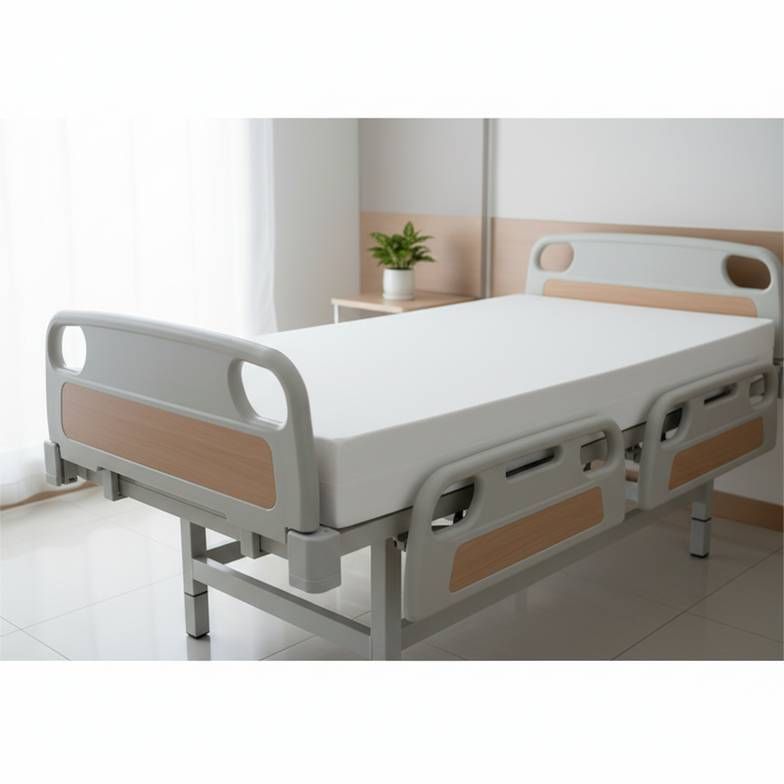
Is the Hospital Mattress Included With the Patient Bed, or Is It Quoted Separately?
You must ask your supplier if the mattress is included, optional, or excluded. Never assume a product photo is an included-items list.
A common mistake in B2B medical furniture procurement is comparing two hospital bed prices without first checking whether both quotes include the mattress. In my experience, this can make a cheaper-looking quote seem much better than it is, only for the buyer to discover the hidden cost of adding mattresses later.
A supplier's quotation for a hospital bed may be structured in several ways:
- Bed Frame Only: The price is for the bed frame, side rails, and casters, with the mattress quoted separately.
- Bed with Basic Mattress: The price includes a standard, entry-level mattress. Upgraded options cost more.
- Bed with Optional Mattresses: The bed is quoted, and the supplier provides a list of different mattress options at different prices.
To compare suppliers fairly, you must be sure you are comparing the same complete package.
- Practical Buyer Action: Before comparing final prices, ask each supplier for an itemized list that clearly separates the hospital bed, the mattress, side rails, IV pole, and any other accessories.
- Supplier-Side Operational Detail: When we prepare a Proforma Invoice (PI), we list each major component and its specification. A clear PI prevents misunderstandings about what is included in the final shipment.
- Risk If Ignored: If you approve a quotation based on a photo, you risk receiving beds without mattresses, facing unexpected budget increases, or delaying your project while you source the missing items.
What Foam and Thickness Details Should Buyers Confirm Before Comparing Prices?
Confirm the mattress thickness and intended use scenario. The term "foam mattress" is too general for a reliable B2B quotation.
A lower mattress price often means a thinner mattress, a more basic foam specification, or a different cover type. While a simple foam mattress might be suitable for a short-term clinic observation bed, it may not meet the comfort and durability expectations for a long-stay hospital ward or nursing home.
When buyers only ask for a "foam mattress," it is difficult for a supplier to know whether they need a basic, cost-effective option or a more suitable configuration for longer patient use. The final cost, comfort, and even packing volume are all affected by thickness.
Here are the key details that influence mattress price and suitability:
- Size (Length x Width): Must match the bed platform.
- Thickness: Directly impacts comfort, cost, and the functional height of side rails.
- Foam Specification: If you have specific density or composition requirements, they must be stated.
- Cover Type: A basic cover is cheaper than a specialized, easy-to-clean waterproof one.
- Quantity and Packing: Bulk orders may have different packing methods that affect cost and shipping volume.
- Practical Buyer Action: When requesting a quote, specify the intended use (e.g., general ward, nursing home, clinic) and any required thickness. This helps the supplier recommend a suitable option.
- Supplier-Side Operational Detail: When we receive an inquiry for a project, we often ask about the department or room function. This helps us recommend a mattress configuration that balances cost with real-world performance expectations.
- Risk If Ignored: Choosing the lowest price for a "foam mattress" without confirming the specification can lead to receiving a product that is technically correct but functionally inadequate for your end-users, resulting in complaints.

Why Does the Waterproof Cover Matter for Cleaning and Daily Healthcare Use?
The waterproof cover is a critical feature for hygiene and maintenance, not just an aesthetic detail. Confirm the cover type is suitable for your facility's cleaning protocols.
In any healthcare setting, mattresses are subject to frequent cleaning, spills, and patient turnover. A cover that is not truly waterproof or is difficult to clean can become a major operational headache for hospital staff. Healthcare guidelines emphasize the importance of using non-porous, easy-to-clean surfaces to minimize the risk of contamination [^1]. I have seen buyers approve a low mattress price only to receive complaints later because the cover was not practical for the daily cleaning routine.
The term "waterproof cover" can mean different things. Some are basic fluid-resistant fabrics, while others are designed with specific materials and zipper protections for intensive use.
- Practical Buyer Action: Ask your supplier what type of waterproof cover is included in the quote. If possible, request a small sample or detailed photos to show your cleaning or nursing team.
- Supplier-Side Operational Detail: For project orders for nursing homes or long-stay wards, we pay special attention to the cover specification, as we know it will face more intensive use and cleaning than a mattress in a short-stay clinic.
- Risk If Ignored: Selecting a mattress with an unsuitable cover can lead to hygiene issues, a shorter mattress lifespan, and complaints from the staff who manage the daily cleaning workload.
How Do You Choose the Correct Mattress Size for Manual or Electric Hospital Beds?
Confirm mattress size by matching it to the specific bed model and platform dimensions, not by using a general size name.
A common mistake, especially for replacement orders, is to order a mattress based on an approximate size. A mattress that is too small can create dangerous gaps between the mattress and the side rails, increasing the risk of patient entrapment [^2]. A mattress that is too large may bunch up or interfere with side rail function. This is even more critical for electric beds, where the mattress must bend correctly with the backrest and leg-rest sections.
For replacement orders, I usually suggest buyers measure the actual bed platform (the surface the mattress rests on), not just the old mattress. An old mattress might be compressed or may have been the wrong size to begin with.
- Practical Buyer Action: Before ordering, provide your supplier with the hospital bed model and confirm the required mattress dimensions (length, width, and thickness). For project orders with multiple bed types, create a list matching mattress quantity to each bed model.
- Supplier-Side Operational Detail: When a buyer orders mattresses separately from beds, we always ask for the bed platform dimensions to confirm compatibility. This simple check prevents project-wide size mismatches.
- Risk If Ignored: An incorrect mattress size can render the bed unusable or unsafe. If you order in bulk, this one small error can become a massive and costly problem to fix.

How Can Packing, CBM, MOQ, and Lead Time Change the Real Cost of a Bulk Mattress Order?
A mattress's unit price is only part of its total cost. You must also consider packing, shipping volume (CBM), minimum order quantity (MOQ), and lead time.
In export orders, buyers often think that because mattresses are light, freight will be cheap. However, in sea freight, volume (CBM) often matters more than weight. Mattresses are bulky, and a large order can significantly impact container space and shipping costs.
Furthermore, if mattress specifications are confirmed late, they can delay the entire hospital bed shipment. The beds might be ready to ship, but if the mattresses are not finalized, the whole project can be held up.
- Practical Buyer Action: Before confirming an order, ask your supplier for packing details, including carton dimensions, gross weight, and the total CBM of the mattress portion of your order. This is essential for an accurate freight quote.
- Supplier-Side Operational Detail: When planning a container load for a project, we account for the volume of beds, bedside cabinets, and mattresses together. Adding mattresses after the initial loading plan is prepared can require re-planning the entire container, potentially affecting cost and timing.
- Risk If Ignored: Ignoring CBM, MOQ, and lead time can turn a low unit price into a high landed cost. You might face unexpected freight charges, shipment delays, or issues with small replacement orders in the future.
Hospital Mattress Quotation Comparison Matrix
Use this matrix to compare offers from different suppliers. It helps ensure you are comparing them on the same basis, not just on a single price point.
| Comparison Item | Supplier A | Supplier B | Buyer Notes |
|---|---|---|---|
| Mattress Included with Bed? | Yes / No / Optional | Yes / No / Optional | Confirm before comparing bed price. |
| Mattress Size (L x W) | Stated / Unclear | Stated / Unclear | Must match bed platform. |
| Thickness | Stated / Unclear | Stated / Unclear | Affects comfort, cost, and packing. |
| Foam Specification | Listed / Not Listed | Listed / Not Listed | Ask for details if required. |
| Waterproof Cover Type | Basic / Upgraded / Unclear | Basic / Upgraded / Unclear | Confirm cleaning suitability. |
| Packing Method | Individual / Carton / With Bed | Individual / Carton / With Bed | Affects protection and CBM. |
| Total CBM | Provided / Not Provided | Provided / Not Provided | Needed for freight comparison. |
| Lead Time | Stated / Unclear | Stated / Unclear | Must align with bed shipment. |
| Trade Term | EXW / FOB / CIF / Other | EXW / FOB / CIF / Other | Compare on the same basis. |
This table forces a detailed comparison, revealing if a lower price is due to a thinner mattress, weaker packing, or an EXW trade term that shifts shipping responsibility to you.
What Should Buyers Confirm in Writing Before Approving a Hospital Mattress Order?
All final mattress specifications must be listed in a written document like the Proforma Invoice or Purchase Order. Verbal agreements and photos are not enough for bulk procurement.
From the supplier side, the vast majority of after-sales disputes are caused by unclear pre-order communication, not manufacturing defects. When a buyer expects one thing and the order document only says "foam mattress," it creates a gap where problems can arise. A written confirmation protects both you and the supplier by ensuring everyone is working from the same set of details.
Before you send a deposit or approve production, review your order documents to ensure they are specific and complete.
- Practical Buyer Action: Use the checklist below to review your final order documents. Ensure every key detail is clearly stated and not left to interpretation.
- Supplier-Side Operational Detail: A professional supplier should welcome this level of detail. Clear, written specifications make our production planning smoother and reduce the risk of errors, ensuring you receive exactly what you ordered.
- Risk If Ignored: Approving an order based on vague descriptions leaves you exposed. If the wrong size, cover, or thickness is delivered, you will have a weak position in any after-sales dispute because the written contract was not specific.
Hospital Mattress Specification Confirmation Checklist
Use this checklist before approving your final order.
| Confirmation Point | Buyer Should Check | Confirmed? |
|---|---|---|
| Inclusion | Is mattress included or optional in the bed price? | Yes / No |
| Size | Does the size match the bed platform dimensions? | Yes / No |
| Compatibility | Is it suitable for the specific manual/electric bed model? | Yes / No |
| Thickness | Is the thickness clearly stated in mm or inches? | Yes / No |
| Foam Type | Is the foam description clear enough for your project? | Yes / No |
| Waterproof Cover | Is the cover type and its suitability confirmed? | Yes / No |
| Quantity | Does mattress quantity match bed quantity by model? | Yes / No |
| Packing Method | Is the packing method (e.g., individual, carton) stated? | Yes / No |
| CBM Data | Are carton size and total CBM provided for freight? | Yes / No |
| Lead Time | Is the lead time aligned with the bed shipment? | Yes / No |
| Written Confirmation | Are all these details in the PI or order document? | Yes / No |
Your Next Steps for a Successful Mattress Procurement
A hospital mattress is not a simple accessory; it is a key component of the patient bed system. A successful procurement decision comes from treating it with the same attention to detail as the bed itself.
The goal is to move beyond comparing unit prices and instead compare complete, specified solutions. By confirming inclusion status, foam and cover details, size compatibility, and packing data, you can avoid hidden costs and ensure the final product meets the needs of your facility and its users.
At CareFurnex, we specialize in B2B hospital furniture for healthcare projects. If you are preparing a project list or comparing supplier quotations, providing clear specifications for your beds and mattresses is the first step. Send your supplier the bed model, room function, mattress requirements, quantity, and packing needs. This allows a professional supplier to provide a practical and accurate quotation, reducing your procurement risk from the very beginning.
References
[^1]: Centers for Disease Control and Prevention. (2019). Best Practices for Environmental Cleaning in Healthcare Facilities: in Resource-Limited Settings. U.S. Department of Health & Human Services. [^2]: U.S. Food and Drug Administration. (2023). A Guide to Bed Safety: Bed Rails in Hospitals, Nursing Homes and Home Health Care: The Facts. FDA.gov.
Written by
CareFurnex Team
CareFurnex Team shares practical knowledge about hospital beds, patient room furniture, medical trolleys, clinic furniture, and healthcare facility procurement for international B2B buyers.
Related Products
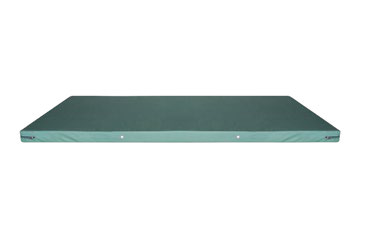
Hospital Mattresses
Flat, single-fold and double-fold hospital bed mattresses with a stated 1950 × 880 mm size.
View product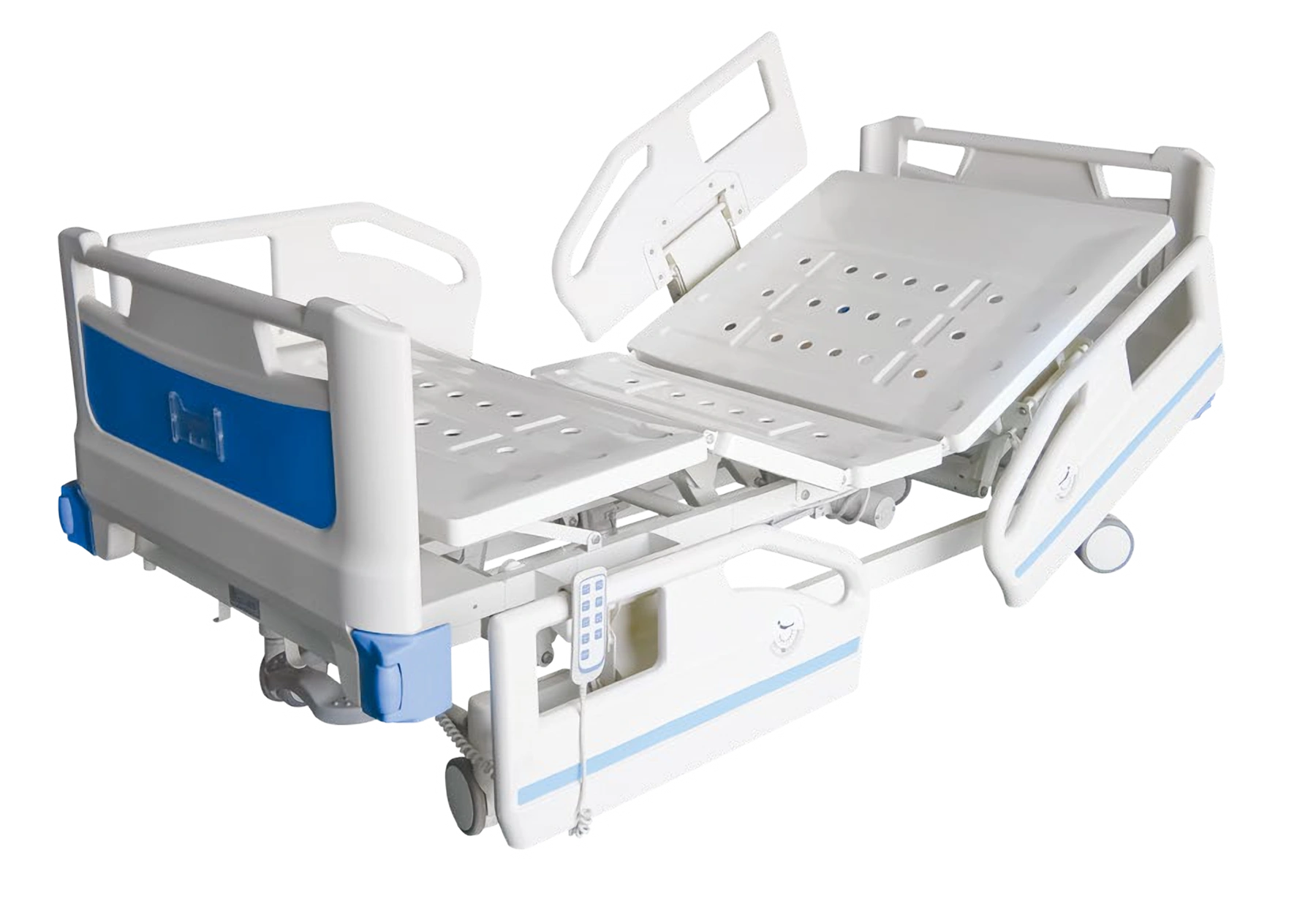
Hospital Beds
General-purpose patient beds for inpatient wards and standard hospital rooms.
View product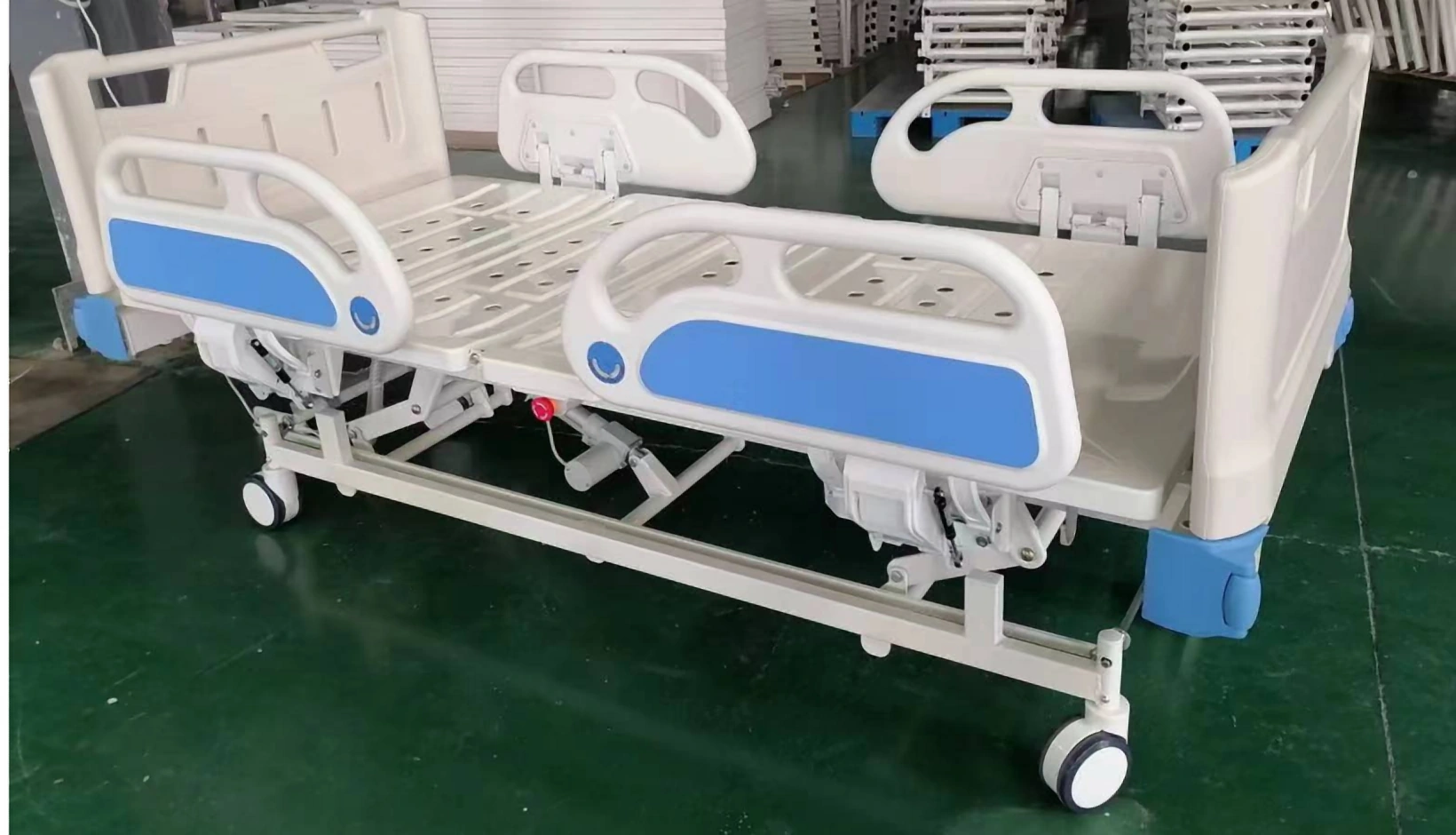
Electric Hospital Beds
Motorized multi-function beds with electric height, backrest, and leg adjustment options.
View product