
You have a massive project: outfitting a new hospital wing, a clinic, or an entire healthcare facility. The first logical step seems to be creating a comprehensive product list-150 beds, 200 bedside cabinets, 75 medical trolleys-and sending it to suppliers for quotations.
This approach feels organized, but from a supplier's perspective, it's a common source of project risk. A simple product list forces suppliers to guess on key details. The resulting quotes will not be comparable, and you may end up with furniture that doesn't fit your department's workflow or a final invoice that balloons with unexpected shipping costs.
A practical hospital furniture procurement checklist for project buyers goes beyond product names. It should be structured by department and room function, and for each item, confirm the specific configuration, which accessories are included, and the packing method to calculate total shipping volume.
Before we can provide a serious project quotation, we need to understand the context behind your list. A product name like "medical trolley" is a category, not a specification. Knowing if it's for an emergency room versus a medication dispensing round changes the entire design, from drawer layout to accessory mounts. A detailed plan helps us quote accurately and helps you compare suppliers on a true "apples-to-apples" basis.
Why Does a Simple Product List Create Project Risks?
A simple list of product names and quantities is an understandable starting point, but it hides serious risks for a large-scale project. It treats all "hospital beds" or "medical cabinets" as interchangeable commodities, which they are not.
For example, a request for "50 hospital beds" is incomplete. A bed for an Intensive Care Unit (ICU) requires different functions, electronic controls, and side rail systems than a bed for a general recovery ward. A supplier who quotes on "hospital bed" without asking about the department will likely quote their most basic model, which may be unsuitable for your care areas.
This forces you to compare quotes based on price for fundamentally different products. The real cost appears later, when you discover the quoted items don't meet the functional needs of your clinical staff, leading to change orders or project delays.

How Should You Structure a Project Furniture List?
Instead of organizing your procurement plan by product category (beds, cabinets, trolleys), structure it by department and then by room. This simple change in perspective forces you to think about function first.
A room-by-room list provides the context that suppliers need. It moves the conversation from "How much for a bed?" to "What is the best bed configuration for this specific room's purpose?"
A good room-based list looks like this:
- General Ward - Room 101 (2-Patient)
- 2x Manual Hospital Bed, 2-Function
- 2x Bedside Cabinet, with drawer and cupboard
- 2x Overbed Table, U-shaped base
- 2x Patient Chair, no wheels
- Emergency Department - Trauma Bay 1
- 1x Emergency Trolley, 5-drawer, central lock, with IV pole and defibrillator shelf
- 1x Stainless Steel Instrument Table
- 1x Doctor's Stool, with casters
This structure helps you check that no items are missed and allows a supplier to recommend products that are truly fit for purpose.
What Configuration and Accessory Details Should You Confirm?
Product photos can be very misleading. Two medical trolleys might look identical, but one may have low-quality casters that fail under heavy use, while the other has a durable, central locking system. The function-and the cost-is in the configuration details.
For each key item on your room list, identify two or three key configuration needs.
- For Hospital Beds: Specify the drive (manual or electric) and the number of functions (e.g., backrest, leg rest, height adjustment).
- For Medical Trolleys: Define the number of drawers, the locking mechanism (central or individual), and any essential accessories like an IV pole, waste bin, or sharps container holder.
- For Cabinets & Storage: Note the material (e.g., steel, ABS, or stainless steel, often used for sterile processing areas) and any internal layout needs.
You should also ask suppliers to clearly separate what is included in the unit price versus what is an optional add-on. Is the mattress included with the bed? Is the IV pole standard on the trolley? Unclear quotes often hide costs in these "optional" accessories that you assume are standard.

What Should You Check in a Quote Besides Unit Price?
Focusing only on the unit price is one of the fastest ways to overspend on a project. The real cost is the total landed cost, which is heavily influenced by logistics. Key data for calculating this is often missing from a basic quote: the packing method and total shipping volume (CBM).
For example, a supplier might offer a bedside cabinet for $10 less than a competitor. But if their cabinet is shipped fully assembled while the competitor's is flat-packed (KD - knock-down), the shipping volume for the assembled cabinet could be double. That $10 savings per unit is quickly erased by thousands of dollars in extra freight charges.
Use this checklist to evaluate project quotations beyond the surface-level price.
Project Quotation Evaluation Checklist
| Common Buyer Assumption | Potential Risk or Mismatch | Supplier-Side Check to Add to Your Plan |
|---|---|---|
| A product name and quantity is enough for a quote (e.g., "50 medical trolleys"). | Quotes are not comparable; trolleys arrive that don't fit the department's workflow. | Specify the department (e.g., Emergency, Ward) and primary function for each line item. |
| The lowest unit price equals the lowest total cost. | A low price hides massive shipping volume (from assembled items) or missing accessories, inflating the final cost. | Require all quotes to include packing type (assembled/flat-pack), CBM, and a clear list of included vs. optional parts. |
| A photo is good enough for comparison. | The delivered product has a different material, caster quality, or structural stability than expected. | Request and compare detailed specification sheets, not just photos or model numbers. |
| The main furniture items are all that's needed. | The project is delayed by a last-minute scramble to source smaller items like patient chairs or waste bins. | Use a room-by-room plan to make sure all ancillary furniture is included in the initial procurement list. |
If a supplier's quotation is missing the packing method or total CBM, I would consider it incomplete and not ready for a decision.
How to Prepare Your Project Inquiry for a Clear Quote
A well-prepared inquiry saves you time, reduces risk, and helps you receive clear, comparable proposals. It gives you more control as the buyer by setting a high standard for the information you expect from potential suppliers.
Before you send your next Request for Quotation (RFQ), take the time to compile a single, comprehensive project document. A supplier who understands project complexity will appreciate this level of detail and be able to provide a much more thoughtful and accurate response.
To prepare for a productive discussion with our project team, we recommend gathering the following:
- A Room-by-Room Furniture List: Your complete list, organized by department and room, with quantities for each item.
- Primary Function Notes: For key items, a brief note on their intended use (e.g., "Anesthesia Cart," "Pediatric Ward Bedside Cabinet").
- Key Configuration Needs: A short list of must-have features for your most important furniture types.
- A Request for Logistics Data: A clear instruction in your RFQ that all suppliers must provide the packing method (assembled/flat-pack), carton dimensions, and total CBM.
Sending this detailed plan to a supplier signals that you are a serious project buyer. It allows us to move past guesswork and begin a practical conversation about providing the right furniture for your facility.
Written by
CareFurnex Team
CareFurnex Team shares practical knowledge about hospital beds, patient room furniture, medical trolleys, clinic furniture, and healthcare facility procurement for international B2B buyers.
Related Products
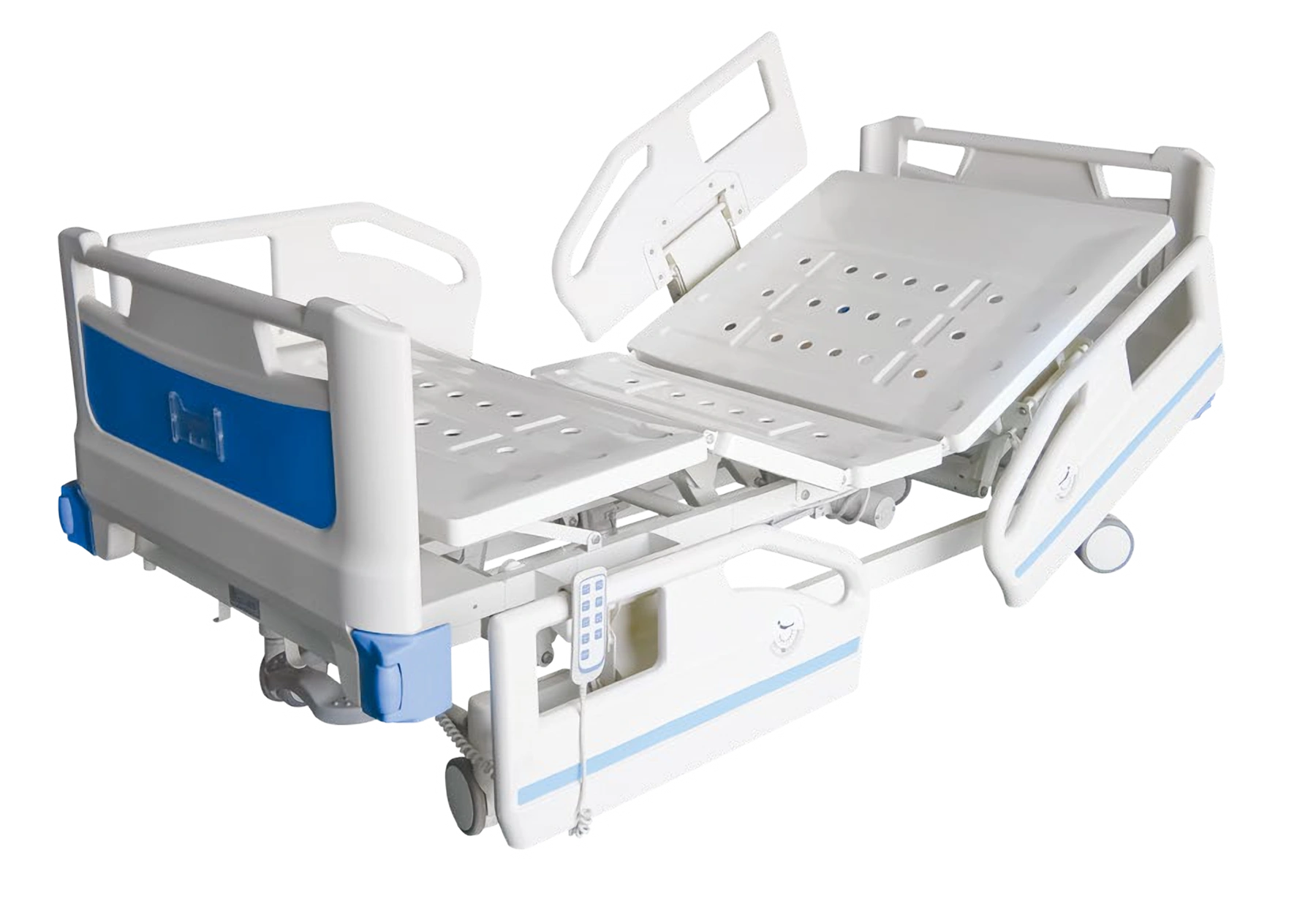
Hospital Beds
General-purpose patient beds for inpatient wards and standard hospital rooms.
View product
Ward Furniture
Complete ward furniture options for patient rooms and hospital care areas.
View product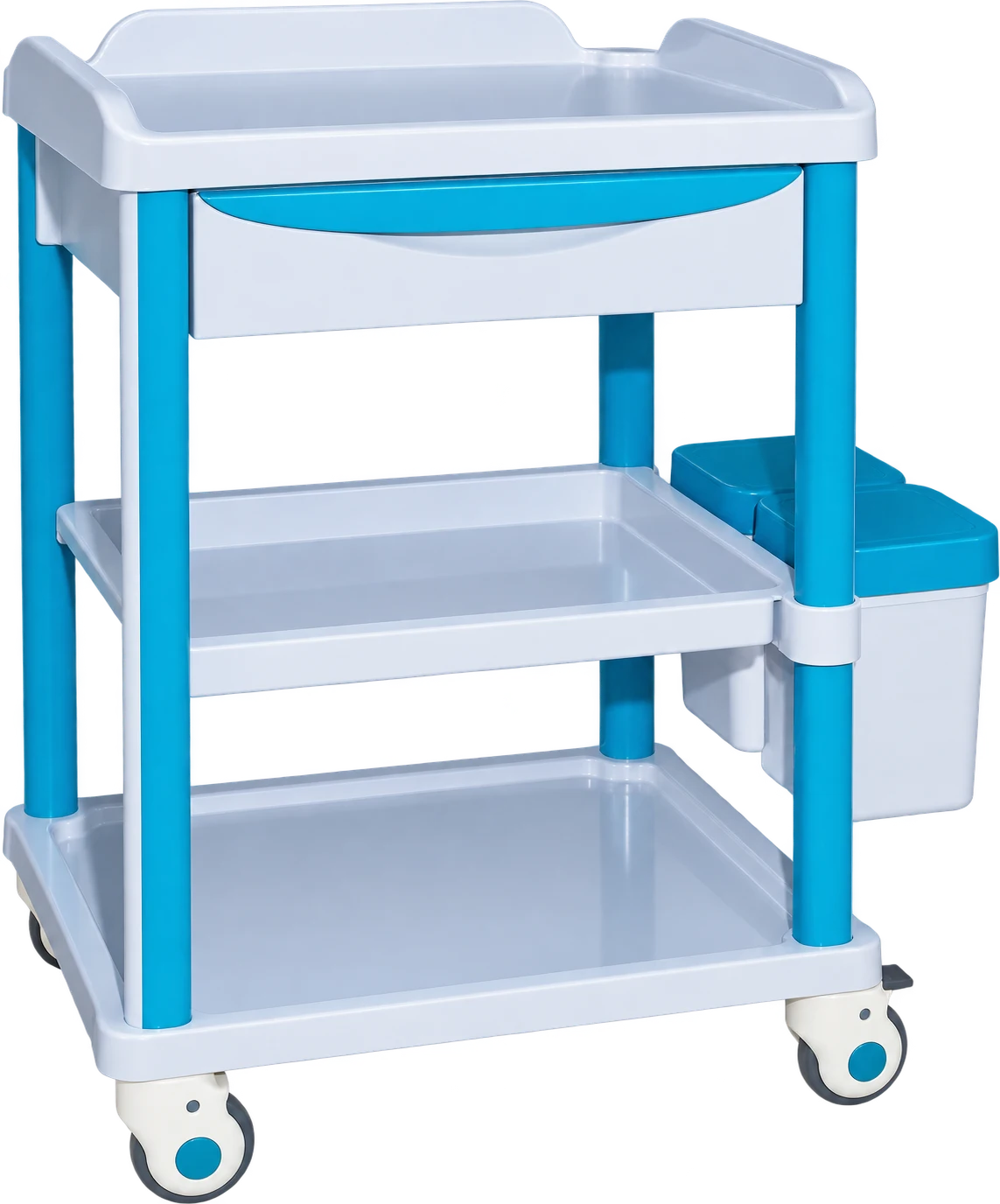
Medical Trolleys
Mobile carts for nursing rounds, treatment supplies, medicines, and clinical tools.
View product