
Sourcing hospital beds and ward furniture from an overseas supplier can feel overwhelming, especially when you see quotes with confusing terms like FOB, CIF, and DDP. You're trying to manage a budget, but the prices for the same product change dramatically depending on these three little letters. Choosing the wrong shipping term for your hospital furniture Incoterms can lead to surprise costs, project-killing delays, and logistical nightmares that leave your valuable cargo stranded at the port.
The best hospital furniture Incoterm depends on your experience and who you want to control the shipping process. FOB (Free On Board) gives you, the buyer, full control over the freight and insurance, which is ideal for experienced importers. CIF (Cost, Insurance, and Freight) makes the supplier arrange shipping, which is convenient but risky. DDP (Delivered Duty Paid) is an "all-inclusive" option that is often a trap for B2B furniture buyers, as it puts the supplier in charge of complex destination customs they are not equipped to handle.
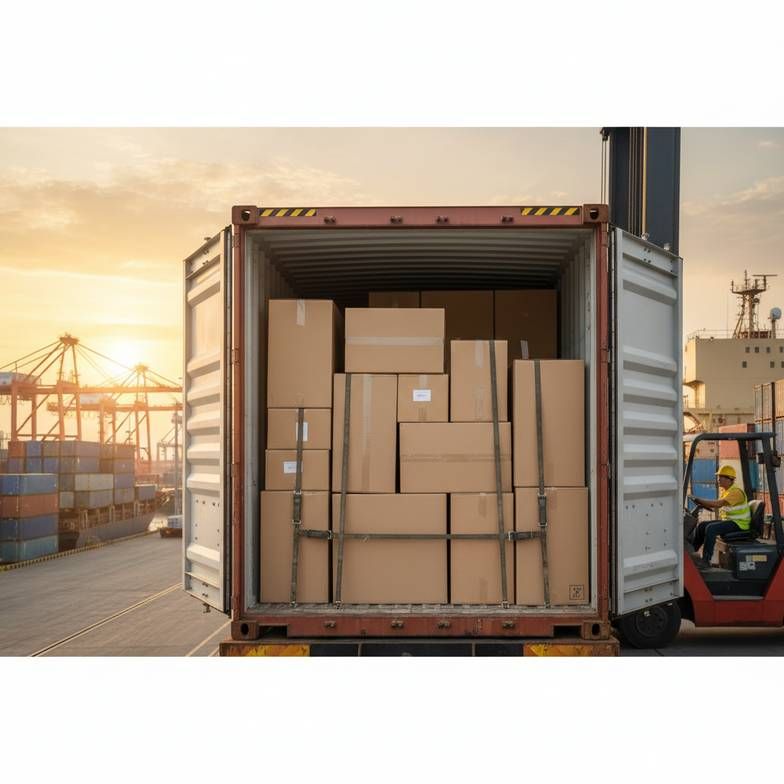
Now, let's move beyond the simple definitions. The real key is knowing the right questions to ask your supplier for each of these Incoterms. Asking these questions before you sign a purchase order is the difference between a smooth delivery and a costly mistake.
Is FOB the Best Incoterm for Controlling Hospital Furniture Shipping Costs?
You receive a quote and the FOB price looks incredibly attractive, much lower than the other options. It’s tempting to jump on what seems like the best deal. But that low price doesn't include ocean freight, insurance, or the fees at your destination port. If you're not prepared, these "hidden" costs can quickly add up and destroy your budget.
For experienced importers, FOB (Free On Board) often provides the most control over the entire shipping process. With FOB, the supplier's responsibility ends once your hospital furniture is loaded onto the shipping vessel at the designated port in their country. From that point on, you are in the driver's seat.
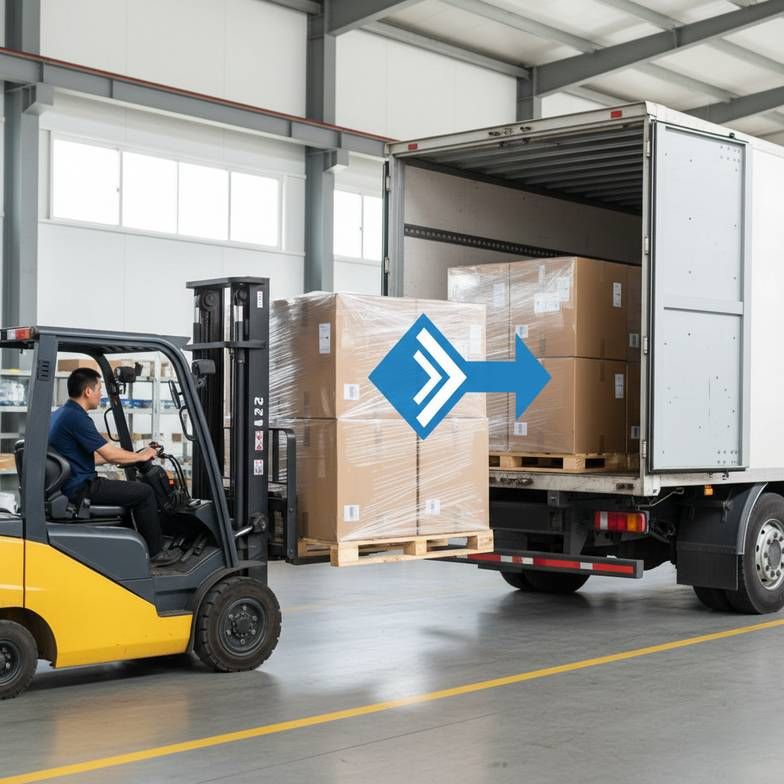
Dive Deeper: Taking Control with FOB
The main advantage of FOB is control. Because you are arranging the shipping, you get to choose your own freight forwarder. This is a huge benefit. A forwarder you trust will work in your best interest, finding a balance between cost, shipping time, and the reliability of the shipping line. This is especially critical for hospital furniture.
Hospital beds, medical trolleys, and examination tables are bulky and can be susceptible to damage if handled poorly. A cheap, unreliable shipping line might have multiple transshipment points, increasing the risk of containers being dropped or mishandled. With FOB, you can instruct your forwarder to use a direct route or a carrier known for better service.
As a sourcing partner, I always recommend FOB to buyers who have an established relationship with a logistics provider. However, to make FOB work, you need to be proactive.
Here are the essential questions you must ask your supplier and forwarder for an FOB shipment:
- For your supplier:
- What are the exact carton dimensions (Length x Width x Height) and gross weight for each item?
- What is the total packed volume of my order in cubic meters (CBM)? (Your forwarder needs this to quote the freight.)
- Can you provide photos of the final export packaging? (This helps your forwarder assess handling needs.)
- What is the exact port of loading (e.g., Shanghai, Ningbo, Qingdao)?
- Are there any local Chinese port charges, like Terminal Handling Charges (THC), that I will be billed for?
- For your freight forwarder:
- Based on the supplier's packing list, what is your all-in quote for ocean freight to my nearest port?
- What are the estimated destination port fees, including THC, documentation fees, and customs clearance charges?
- Can you offer "all-risk" cargo insurance? What is the cost?
- What is the estimated transit time?
By gathering this information, you can calculate your total landed cost accurately. The FOB unit price is just one piece of the puzzle. Adding freight, insurance, and destination fees gives you the true cost of getting that hospital furniture to your country.
Does CIF Simplify Procurement Under Hospital Furniture Incoterms?
A CIF (Cost, Insurance, and Freight) quote seems like a much simpler option. The price you see includes the cost of the furniture, the insurance, and the shipping all the way to a port in your country. It feels convenient, like a one-stop shop. The problem is, this convenience comes at the cost of control, and your supplier's priorities are not the same as yours.
CIF can be a viable option, but you have to understand its hidden risks. When a supplier provides a CIF price, their goal is to find the cheapest freight and insurance combination to make their quote as competitive as possible. This often means they will choose the slowest shipping routes and the most basic insurance coverage available, which may not align with your project's needs.

Dive Deeper: The Hidden Risks of CIF Convenience
The first risk is transit time. To get the lowest freight cost, a supplier might select a shipping line that takes 60 days to reach you instead of a more direct route that takes 35 days. I've seen this happen firsthand with a hospital project where the CIF shipment was delayed by over a month because the supplier chose a "scenic route" with multiple stops. This delay pushed back the entire hospital wing's opening, creating huge problems for our client.
The second risk is insurance. The "I" in CIF only obligates the supplier to obtain minimum insurance coverage. Often, this is a very basic policy (like Institute Cargo Clauses "C") that only covers major catastrophes, like the entire ship sinking or catching fire. It typically will not cover damage to your hospital beds if the container is dropped during loading or if items shift and break during a rough sea voyage. For bulky, high-value furniture, this minimal coverage is simply not enough.
Before you agree to a CIF term, you need to become an investigator. Here are the questions to ask your supplier:
- Which shipping line will you be using? (You can then research this line's reputation and typical transit times.)
- What is the estimated transit time from the port of loading to my port of destination? Get this in writing.
- Can you please send me a copy of the insurance policy certificate before shipment? You need to read the fine print to see what is actually covered. Ask for "All-Risk" coverage.
- Who is the shipping line's destination agent in my country? You will need their contact information to manage the arrival and clearance of the goods.
- What destination port charges are not included in the CIF price? CIF only covers costs to the port. You are still responsible for unloading fees, terminal handling charges, customs fees, and import duties at your end. Many buyers are surprised by a large bill from the destination agent.
If the supplier can't give you clear, confident answers to these questions, it's a major red flag. CIF can work, but only if you clarify these details upfront to avoid nasty surprises when your hospital furniture arrives.
Why is DDP a Risky Choice for B2B Hospital Furniture Incoterms?
On paper, DDP (Delivered Duty Paid) sounds like the dream scenario. One price covers the product, shipping, insurance, customs clearance, and all duties and taxes, delivered right to your warehouse door. It seems completely hands-off. However, for B2B shipments of hospital furniture, DDP is often a trap that can lead to severe legal, financial, and logistical problems.
The core problem is that DDP requires the seller—your supplier in China—to act as the official Importer of Record in your country. This is a role they are legally and logistically unqualified to perform. They don't have a registered business, a tax ID, or the necessary customs knowledge in your country, which is a recipe for disaster.
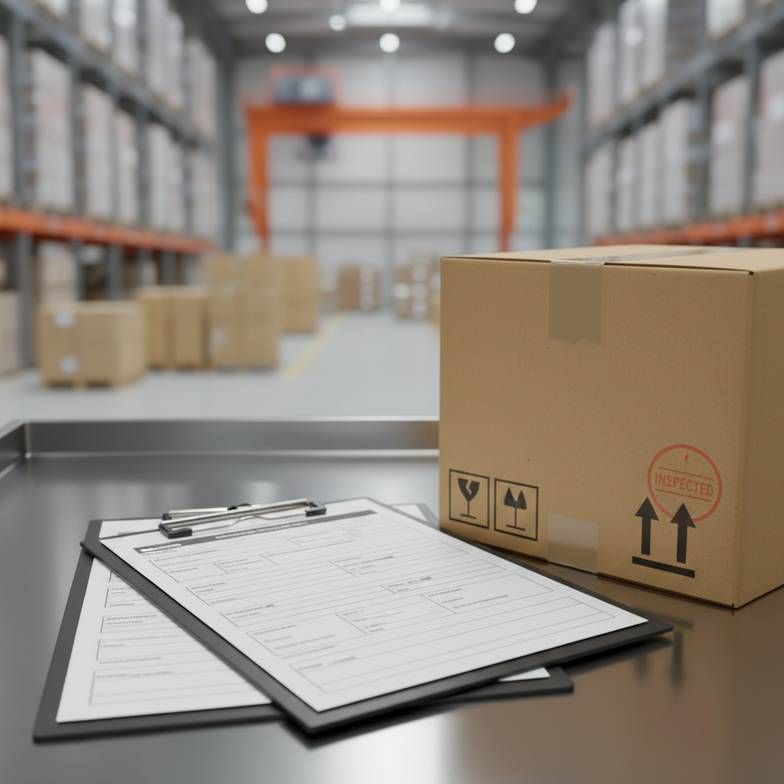
Dive Deeper: The DDP Importer of Record Trap
The Importer of Record is the entity legally responsible to customs for ensuring the goods are declared correctly, are compliant with local laws, and that all duties and taxes are paid. When your Chinese supplier promises you a DDP price, they are essentially promising to take on this role.
Here's what almost always happens when DDP goes wrong:
- The goods arrive at your country's border.
- The customs authorities ask the carrier for the Importer of Record's business registration and tax ID number to clear the shipment.
- The supplier's shipping agent, who is based in China, has no such information. They have no legal presence in your country.
- The agent then panics and calls you, the buyer, asking for your tax ID number to clear the goods.
- Suddenly, you are forced to become the Importer of Record anyway. The shipment is stuck at the port racking up expensive storage fees while you and the supplier argue about who should pay the unexpected customs duties, which the supplier likely underestimated.
I once worked with a clinic that insisted on DDP for a large order of examination couches. The supplier agreed. The shipment got stuck at customs for three weeks because the supplier's agent had no idea how to classify medical furniture in the buyer's country. The clinic owner ended up hiring his own customs broker and paying all the duties and storage fees himself, completely defeating the purpose of DDP.
| Feature | Who is Responsible? (DDP Theory) | The Reality for B2B Furniture |
|---|---|---|
| Import Clearance | Seller (Supplier) | Supplier has no legal entity or expertise in your country. |
| Paying Duties & Taxes | Seller (Supplier) | Supplier guesses the costs; you pay when they are wrong. |
| Customs Compliance | Seller (Supplier) | You are ultimately responsible if goods are non-compliant. |
| Overall Risk | Seller (until delivery) | In practice, all risk falls on you the moment customs holds the shipment. |
A much safer alternative for door-to-door service is to use the Incoterm DAP (Delivered at Place) and hire your own customs broker. With DAP, the seller is responsible for delivering the goods to your address, but you are responsible for customs clearance and paying the duties. This keeps the roles clear and legal, giving you control over the most critical part of the import process.
Frequently Asked Questions
Which Incoterm is cheapest for hospital furniture?
FOB will almost always have the lowest unit price from the supplier because it includes the fewest services. However, it may not be the cheapest total landed cost once you add your own freight and insurance. The cheapest overall option depends on your ability to secure competitive freight rates.
Can I use my own freight forwarder with a CIF quote?
No. The definition of CIF is that the seller arranges and pays for the freight. If you want to use your own forwarder, you need to ask the supplier for an FOB quote. This is a much better way to maintain control over your shipping logistics and costs.
Is there a better alternative to DDP for door-to-door service?
Yes, absolutely. A much better and safer option is DAP (Delivered at Place). With DAP, the seller arranges transport to your final address, but you act as the Importer of Record, handling your own customs clearance and paying duties. This avoids the legal and financial risks of DDP while still providing door-to-door convenience.
How does packaging CBM affect hospital furniture Incoterms?
Cubic Meter (CBM) is the total volume of your shipment, and it's critical for all Incoterms. Under FOB, you need the total CBM to get an accurate freight quote from your forwarder. Under CIF or DDP, a supplier who packages furniture inefficiently (high CBM) will have to charge you more to cover their higher shipping costs.
What documents do I need from my supplier for customs clearance?
Regardless of the Incoterm, you will need three key documents from your supplier for customs: the Commercial Invoice, the Packing List, and the Bill of Lading (B/L). Always ensure the details on these documents (like product descriptions and values) are accurate and match your purchase order to avoid delays.
Conclusion
Choosing between FOB, CIF, and DDP is one of the most important strategic decisions you'll make when sourcing medical products. The right choice for your hospital furniture Incoterms isn't about finding the lowest price on a quote sheet; it's about understanding and managing your total landed cost, controlling your project timeline, and mitigating risk. FOB offers you control, CIF provides convenience at the cost of that control, and DDP presents significant risks for B2B buyers. The best path forward depends on your company's import experience and your willingness to manage the logistics process.
If you are planning a healthcare project and need a partner to help you navigate these procurement complexities, contact CareFurnex. We work with buyers to coordinate product specifications, select reliable production partners, and clarify shipping logistics to ensure your hospital furniture arrives safely and predictably.
Written by
CareFurnex Team
CareFurnex Team shares practical knowledge about hospital beds, patient room furniture, medical trolleys, clinic furniture, and healthcare facility procurement for international B2B buyers.
Related Products
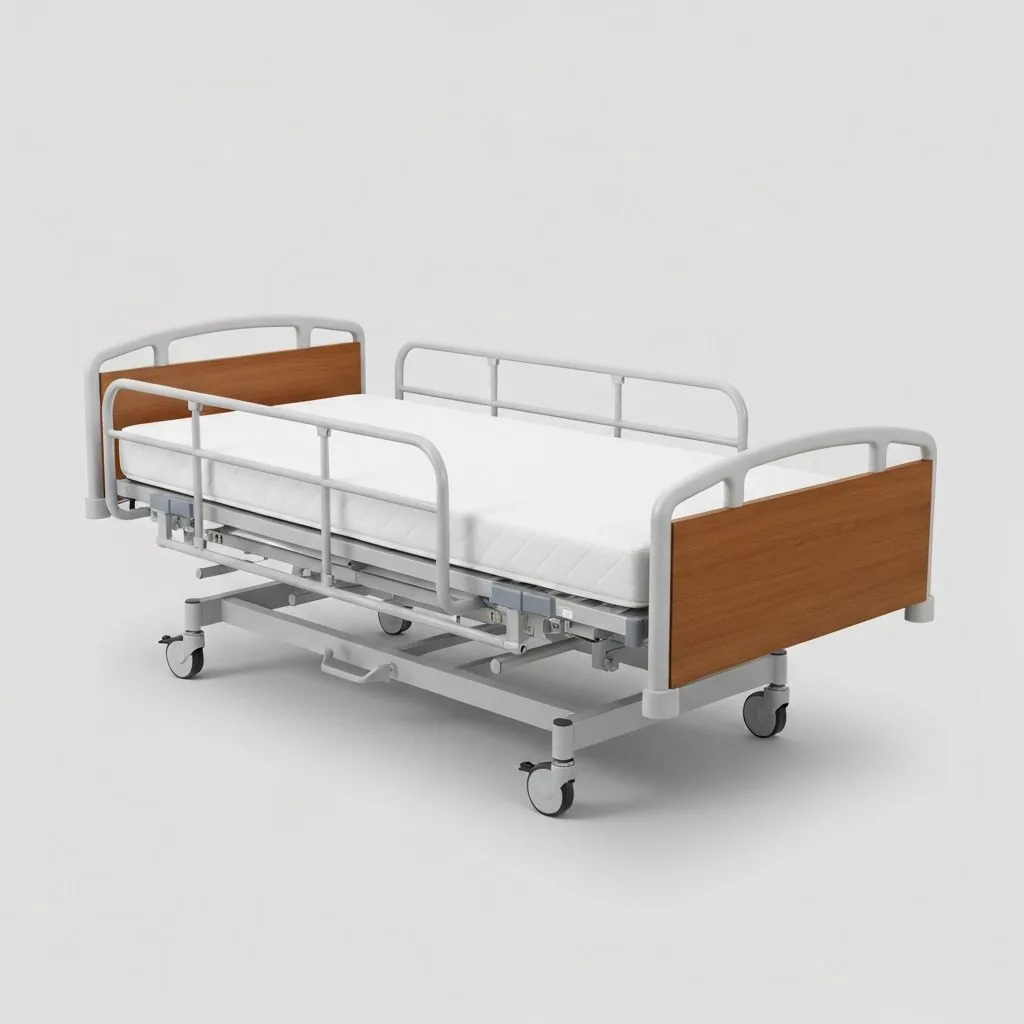
Hospital Beds
General-purpose patient beds for inpatient wards and standard hospital rooms.
View product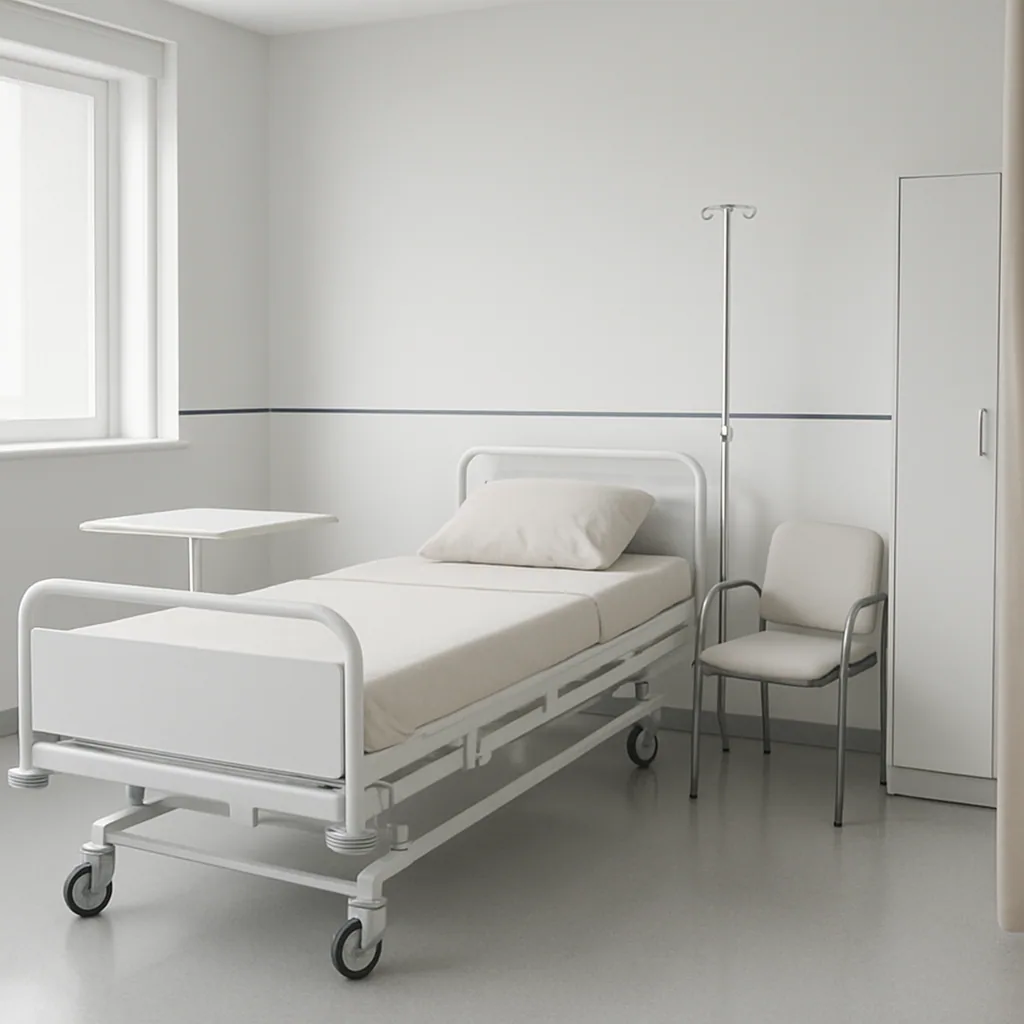
Ward Furniture
Complete ward furniture options for patient rooms and hospital care areas.
View product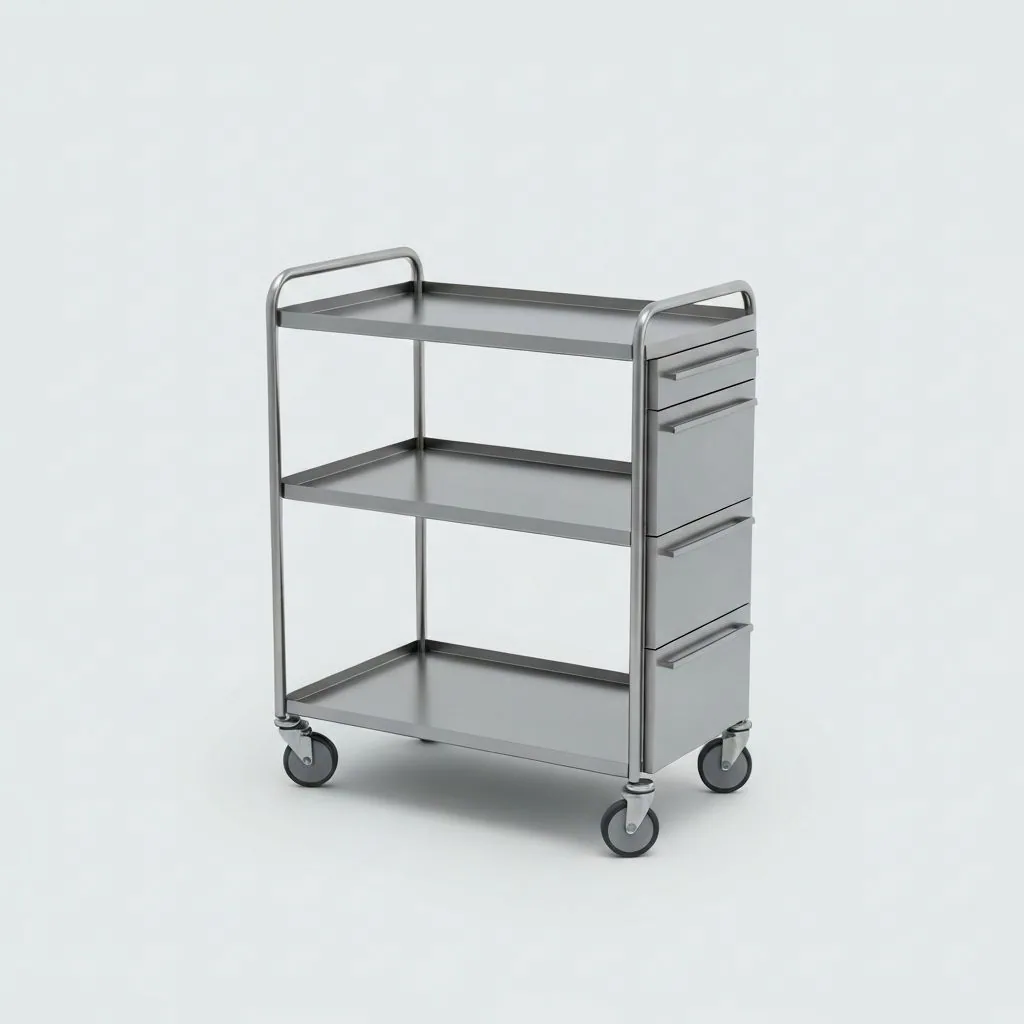
Medical Trolleys
Mobile carts for nursing rounds, treatment supplies, medicines, and clinical tools.
View product