
In my experience as a supplier, many nursing home furniture inquiries start with a short list: beds, bedside cabinets, and maybe a few trolleys. But the real project needs are usually much wider. Sourcing by product name or photo alone often leads to incomparable quotations, overlooked accessories, underestimated shipping volume, and furniture that is unsuitable for the daily realities of elderly care.
For nursing homes, buyers should source furniture by room function and product category. The safest approach is to prepare a room-by-room sourcing list before comparing supplier prices. This list should include resident room furniture, beds, bedside cabinets, overbed tables, wardrobes, chairs, medical trolleys, clinic furniture, nursing station furniture, storage furniture, and stainless steel or utility furniture where required.
A vague inquiry creates risk. A detailed, category-based plan helps you compare suppliers fairly, control your total project cost, and ensure the furniture you receive is complete, correct, and fit for purpose. This article explains how to build that plan.
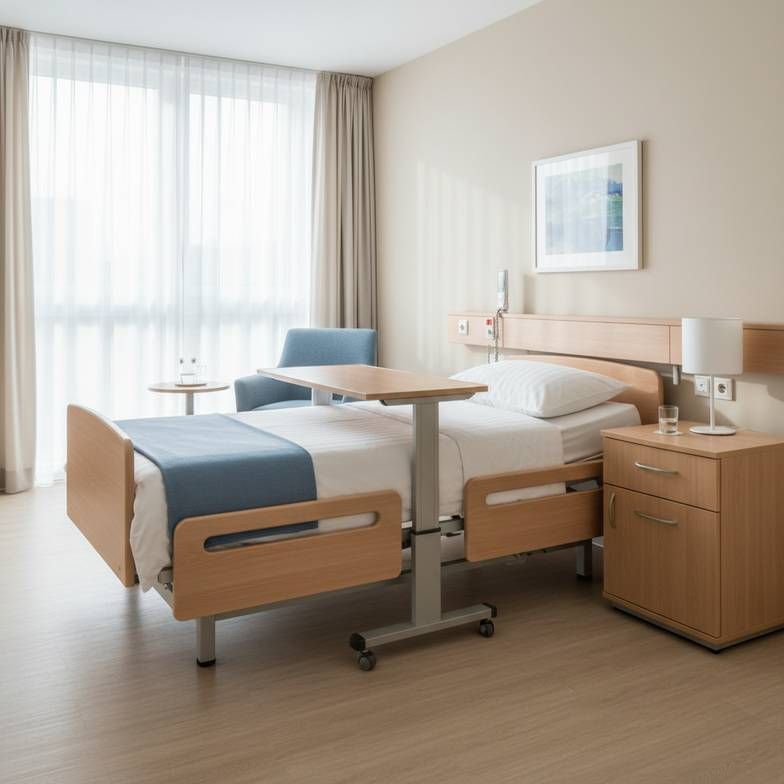
What Furniture Categories Should Buyers Include in a Nursing Home Project?
Start by creating a comprehensive list of all potential furniture categories. A nursing home is a multi-functional facility, and your sourcing plan should cover not just resident rooms but also furniture for nursing, treatment, storage, and staff areas.
Many buyers remember the most obvious items first but forget the supporting furniture that makes a facility operate smoothly. An incomplete sourcing list is a common reason for project delays and budget overruns when forgotten items have to be purchased urgently later.
Begin your plan by reviewing these main categories. While not every project needs every item, a thorough review prevents costly omissions.
- Elderly Care & Hospital Beds: The core of resident rooms.
- Ward Furniture: Bedside cabinets, overbed tables, wardrobes, and chairs.
- Medical Trolleys: For medication, treatment, nursing stations, and general utility.
- Clinic & Examination Furniture: For any on-site treatment or consultation rooms.
- Storage Furniture: Cabinets and shelving for medical supplies, linens, and general storage.
- Nursing Station Furniture: Desks, chairs, and specialized storage for staff.
- Stainless Steel Furniture: Used in cleaning, utility, or CSSD-related areas where hygiene and durability are critical.
- Waiting & Common Area Furniture: Seating and tables for visitors and residents.
Your first action should be to organize your inquiry by these categories instead of just sending a short list of product names. This signals to suppliers that you are planning a project, not just a spot buy. From our side, when a buyer sends a comprehensive category list, we can anticipate potential coordination needs—like different packing requirements for beds and stainless steel items—and clarify them in the quotation. The risk of an incomplete list is needing to place urgent, small-quantity orders later, which often come with higher unit costs and disproportionate freight charges.
How Should Buyers Match Furniture to Resident Rooms, Nursing Stations, and Treatment Areas?
Plan your furniture needs by room function, not by a generic facility-wide list. The right furniture depends on who uses it and where. A trolley for a treatment room has different requirements than one used for linen, and a storage cabinet for medication needs different features than one for cleaning supplies.
Sourcing by room function ensures the furniture you buy is practical for the people who will use it every day: residents, caregivers, nurses, and cleaning staff. When we prepare project discussions, I usually suggest buyers create a simple plan that separates the facility into its functional zones.
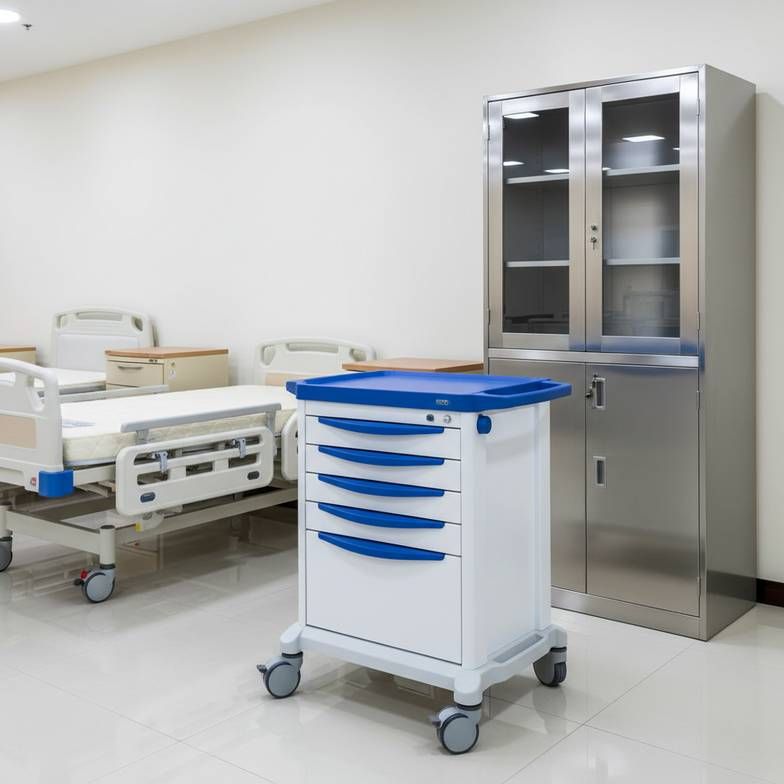
A simple checklist can transform a vague product list into a clear procurement plan. Use the table below as a practical starting point for organizing your sourcing list.
Room-by-Room Nursing Home Furniture Sourcing Checklist
| Room / Area | Main Furniture Needed | Quantity Basis | Key Specification to Confirm | Notes for Supplier |
|---|---|---|---|---|
| Resident Room | Bed, bedside cabinet, overbed table, wardrobe, chair | Per room or per bed | Bed function (manual/electric), side rails, casters, mattress compatibility, cleaning needs | Confirm included accessories and room layout. |
| Nursing Station | Medical trolleys, storage furniture, work furniture | Per station or per floor | Drawer layout, lock options, caster/brake quality, storage volume | Quote by department and confirm workflow. |
| Treatment / Exam Room | Clinic furniture, exam-related items, trolley, storage | Per room or per department | Material, surface cleaning, drawer layout, accessories | Confirm use scenario before quotation. |
| Storage Room | Cabinets, shelving, hospital storage furniture | By storage volume or department | Lock needs, labeling, material, cleaning needs | Confirm type of items to be stored. |
| Common / Waiting Area | Chairs, tables, visitor furniture | By area or seating plan | Stability, cleaning, layout, visitor flow | Confirm quantity and available space. |
| Utility / Cleaning Area | Stainless steel or easy-clean furniture where required | By project need | Material, structure, surface finish, packing protection | Confirm if stainless steel is required. |
Choosing furniture without considering room function creates a risk of operational mismatch. The product may be delivered, but if it hinders daily work or is difficult for residents to use, it has failed its purpose, regardless of its price.
Which Specifications and Accessories Must Buyers Confirm Before Requesting a Quotation?
Confirm all key specifications and accessories before requesting a quotation. A product name alone is not enough to get a comparable price. One of the biggest mistakes I see buyers make is assuming that items shown in a product photo are automatically included.
Similar photos can hide critical differences in function, material, and components. To get comparable quotes, you must provide and request specific details for key product categories:
- Hospital Beds: Manual or electric function? Type of side rails? Caster size and brake type? Is a mattress included or just shown for display?
- Medical Trolleys: What is the required drawer layout? Are locks needed, and if so, what kind? Which accessories are essential (e.g., IV pole, waste bin, sharps container holder)?
- Ward Furniture (Bedside Cabinets, Overbed Tables): What material and surface finish are required for easy cleaning? Are casters needed on the tables?
- Storage & Stainless Steel Furniture: What are the dimensions? Are locks required? What is the expected load? How must it be packed to prevent scratches during transit?
Before approving a quote, create a checklist of required specifications and ask your supplier to confirm in writing what is standard and what is optional. From a supplier's perspective, a hospital bed quotation can vary significantly based on configuration. An electric bed with split side rails is a different product and price point than a basic manual bed. Without your specific requirements, a supplier might quote the cheapest option to win the business, which may not be the option you actually need.
Why Can Similar Product Photos and Low Unit Prices Lead to Wrong Supplier Comparisons?
Compare quotations on the same basis, not just by the final price. A low unit price can be a red flag that a configuration is simpler, accessories are missing, or the packing is weaker.
When you receive multiple quotations, the natural tendency is to compare the unit prices. In medical furniture procurement, this can be a costly mistake. I have seen many importers choose a supplier based on a low price, only to discover later that they were not comparing the same products.
A cheaper quote may simply mean:
- Accessories like mattresses, IV poles, or trolley baskets are not included.
- The bed has a manual function instead of an electric one.
- The casters are smaller or have a less reliable braking system.
- The material is a lower grade or has a simpler finish.
- The export packing is minimal, increasing the risk of damage.
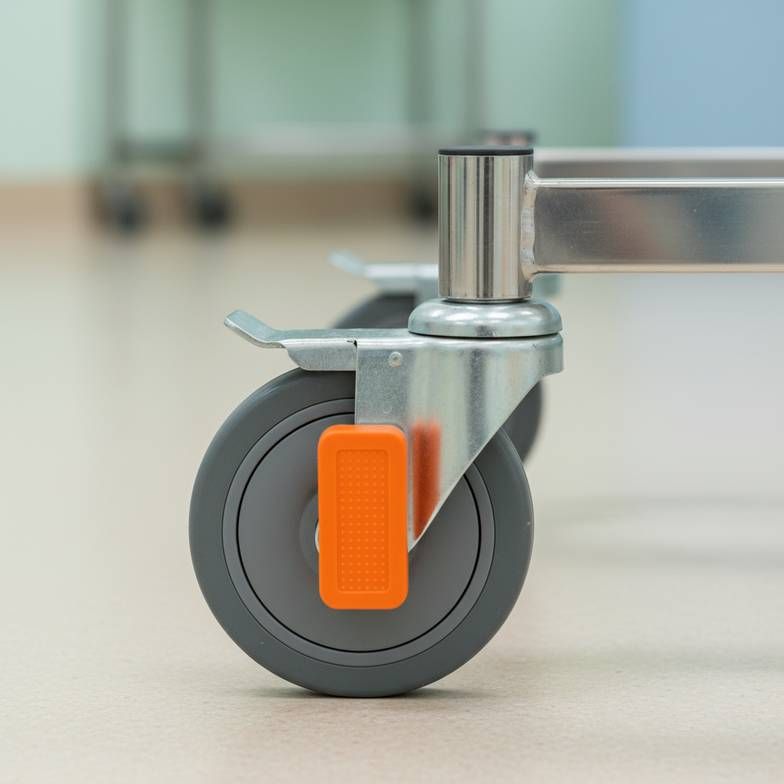
When comparing two quotations, don't just ask "Which is cheaper?" Ask "Are these two quotes for the exact same thing?" Check the configuration, included items, material, and packing details for both. A good supplier should be able to explain what their price includes and help you make a fair comparison. The risk of focusing only on unit price is that your total landed cost—including freight, customs, and the cost of any missing parts—ends up being higher than the more "expensive" but complete initial quote.
What Packing, CBM, and Shipping Details Should Buyers Check Before Confirming an Order?
Request detailed packing data and the total CBM (cubic meters) before you finalize your order. For bulky items like furniture, shipping volume is a major cost driver, and weak packing is a major cause of damaged goods, project delays, and financial loss.
Buyers often make the mistake of confirming an order first and asking for CBM later. By then, it's too late, and the freight cost may be a complete surprise.
Before comparing final quotations, ask every potential supplier for the following packing data for your total order quantity:
- Packing method (e.g., carton, wooden case, palletized)
- Carton dimensions (Length x Width x Height)
- Gross Weight (GW) and Net Weight (NW)
- Total CBM for the entire order
- How loose hardware and accessories are packed to prevent loss
When we prepare an export order, we plan the packing carefully. Beds can be shipped semi-knocked-down (SKD) to save space, while some stainless steel items may need reinforced crates to protect their finish. A supplier who cannot provide this data before shipment is a red flag. The risk of ignoring packing details is twofold: you could end up with a freight bill that destroys your profit margin, or you could receive damaged, unusable products that jeopardize your project timeline.

Which Supplier Details Matter Most for a Multi-Category Nursing Home Furniture Order?
Evaluate suppliers on their ability to manage a project, not just sell a product. For a multi-category order, supplier coordination is as important as the furniture itself. You are sourcing beds, cabinets, and trolleys—all with different confirmation needs and packing requirements. You need a partner who can manage this complexity.
A good project supplier asks questions before quoting; a simple reseller just sends a price list.
Here are the signs of a good project partner:
- They Ask Questions First: They want to know about room functions, user needs, and your project schedule.
- They Provide Clear Specifications: Their quotations separate included and optional items and detail the configuration.
- They Explain Packing & Shipping: They can provide CBM estimates and explain how products will be protected.
- They Organize the Quotation: The quote is structured logically, often by room or product category, making it easy to review.
Use a simple table to evaluate quotations on more than just price. Assess the completeness of the information and the quality of the communication.
Supplier Quotation Comparison Table
| Comparison Item | Supplier A | Supplier B | Buyer Notes |
|---|---|---|---|
| Product configuration clearly stated? | Yes | Vague | Supplier A detailed the bed functions. |
| Accessories listed as included/optional? | Yes | No | Need to ask Supplier B about the mattress. |
| Packing method stated? | Yes (SKD in cartons) | Not stated | |
| Total CBM provided? | Yes (45 CBM) | No | Cannot compare freight cost without this. |
| Trade term stated? | Yes (FOB) | Yes (EXW) | Prices are not directly comparable. |
| Quotation organized by room/category? | Yes | No | Supplier A's quote is easier to check. |
| Communication clear and responsive? | Yes | Slow |
Choosing a supplier for a project is not like buying a single commodity. The risk of choosing a supplier who provides vague details is that you, the buyer, will be forced to manage all the missing coordination, clarification, and problem-solving yourself.
Your Next Step: Plan Before You Purchase
Sourcing furniture for a nursing home is a project planning task, not just a shopping trip. The success of your purchase depends less on finding the lowest unit price and more on building a clear, comprehensive plan before you even contact suppliers.
Start with a room-by-room, category-based list. Confirm specifications, clarify accessories, and demand packing data. By comparing suppliers on the same complete basis, you move from simply buying products to making a strategic procurement decision.
If you are preparing a furniture plan for a nursing home or elderly care project, we at CareFurnex can help. Send us your room list, estimated quantities, and any known requirements. We can assist in reviewing your product categories, clarifying configuration details, and preparing a practical, project-based quotation that helps you avoid surprises.
Written by
CareFurnex Team
CareFurnex Team shares practical knowledge about hospital beds, patient room furniture, medical trolleys, clinic furniture, and healthcare facility procurement for international B2B buyers.
Related Products
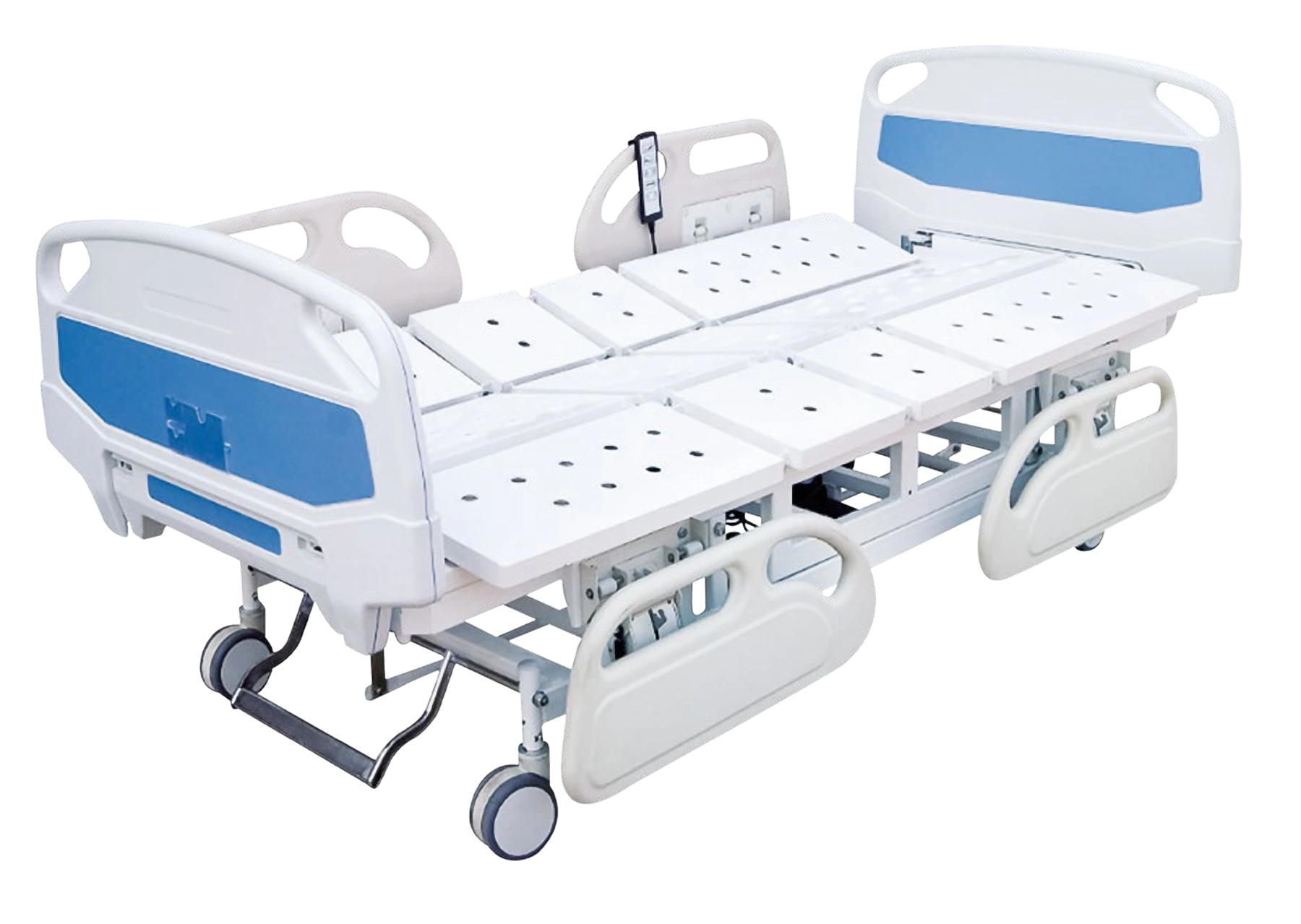
Nursing Beds
Long-term care beds designed for elderly residents and daily nursing operation.
View product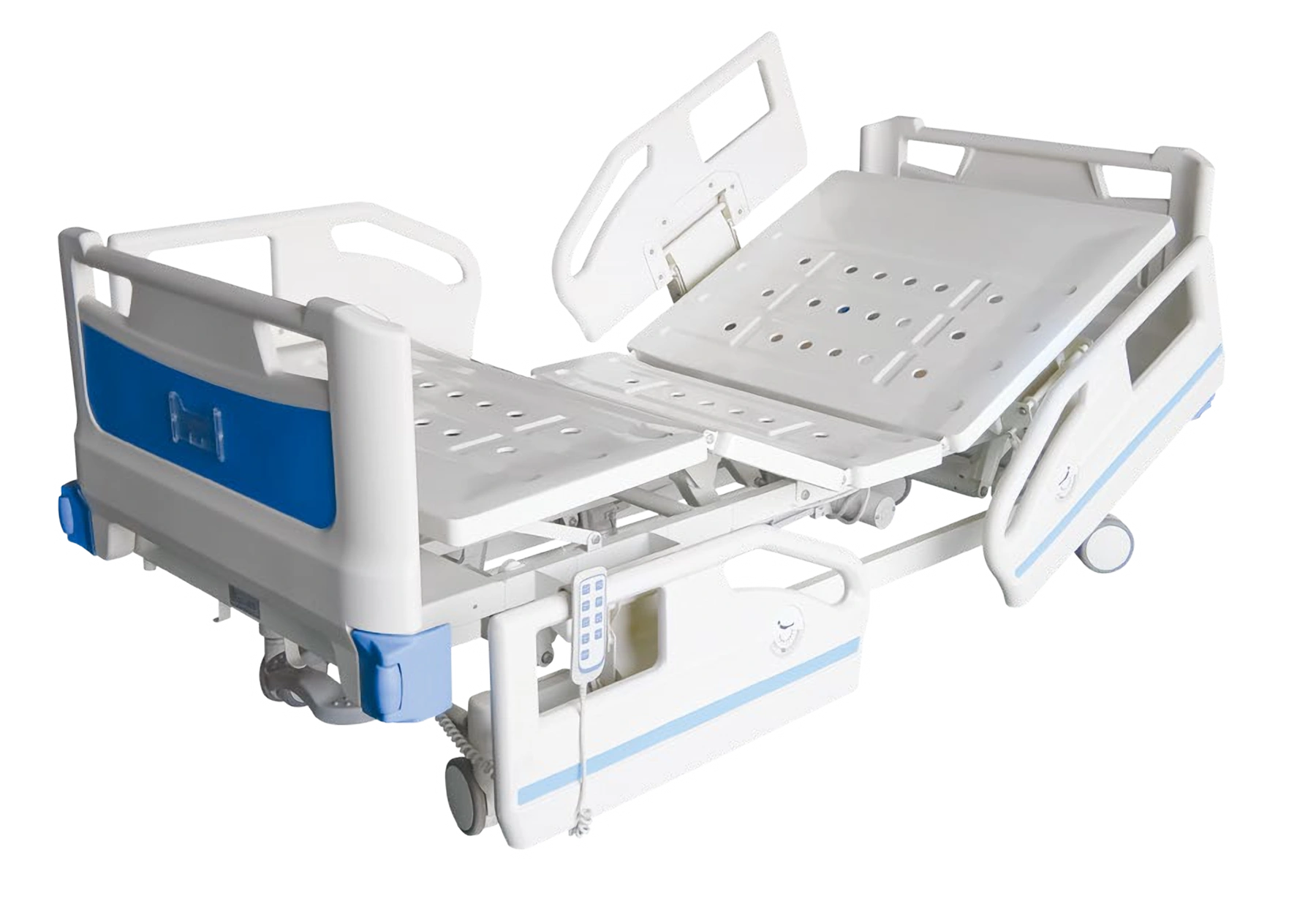
Hospital Beds
General-purpose patient beds for inpatient wards and standard hospital rooms.
View product
Ward Furniture
Complete ward furniture options for patient rooms and hospital care areas.
View product