
Hospital bedside cabinets seem like simple ward furniture. A buyer receives several quotations, the product photos look similar, and the temptation is to choose the lowest unit price. This is a common and costly mistake. In bulk B2B procurement, a low price on a quotation can hide risks in configuration, material, packing, and shipping that create project delays, budget overruns, and customer complaints.
The real cost of a bedside cabinet isn't just the unit price; it's the total landed cost of a product that is correct for the room, arrives undamaged, and meets the end-user's needs.
Before ordering hospital bedside cabinets, buyers should confirm the cabinet configuration, ward room use, material and surface finish, included and optional items, packing method, carton size, total CBM, lead time, and pre-shipment inspection points. Do not compare prices until all suppliers quote on the same basis.
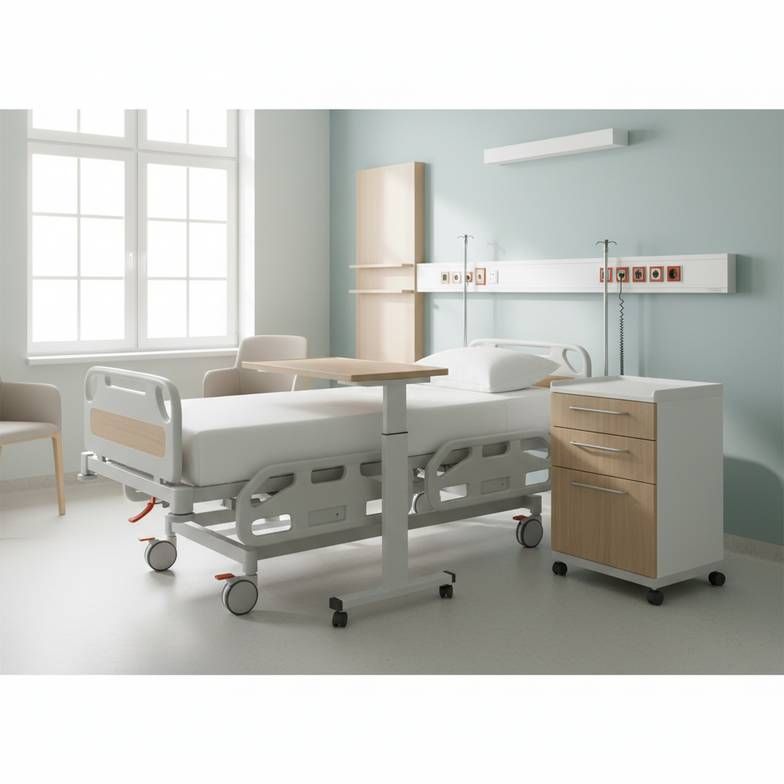
Are You Comparing the Same Bedside Cabinet Configuration?
Likely not. A product name and a photo are not enough to confirm you are comparing the same cabinet. Two suppliers may offer products that look identical from the outside but differ significantly in their construction, materials, and features. A lower price often reflects a simpler, less durable, or less functional configuration.
In my experience, many buyers first send a bedside cabinet photo and ask only for the best price. Before our team can prepare a responsible quotation, we must ask for more details. Production cost and final quality depend on the confirmed specification, not just the product's appearance. Ignoring these details is the most common source of misunderstandings.
- Supplier-Side Operational Detail: When a supplier receives an inquiry without specifics, they must choose a configuration to quote. One supplier might quote their most basic model to appear competitive. Another might quote a mid-range model. You are now comparing two different products.
- Practical Buyer Action: Before comparing prices, ask every potential supplier for a detailed specification sheet. This document should be the basis for your comparison, not the photo or product name.
- Decision Point: If a supplier offers a much lower price but cannot provide a detailed specification sheet, it's a red flag. The risk is that the cabinet you receive won't match the one in the photo or meet your project's requirements.
Does the Cabinet Fit the Ward Room, Patient Use, and Other Furniture?
A bedside cabinet must function as part of a system, not just as a standalone product. Its size, storage layout, and height must work with the hospital bed, overbed table, and the overall room layout. A cabinet that is technically acceptable can still be wrong for the ward if it hinders patient access, caregiver workflow, or cleaning routines.
For project orders, bedside cabinets are rarely purchased alone. They are usually part of a larger ward furniture package. When we review a project list, a room-by-room or department-based plan helps us recommend matching products and avoid missing quantities or mismatched styles.
- Supplier-Side Operational Detail: A professional supplier should ask about the use case. "Which department are these for?" "How many beds are in a typical room?" "Do these need to match existing beds or overbed tables?" These questions aren't meant to complicate the order; they are meant to prevent problems after delivery.
- Practical Buyer Action: Prepare a simple room list before requesting quotations. Note the room type (e.g., standard ward, VIP room), the number of beds, and any other furniture the cabinets need to coordinate with.
- Risk: Selecting a cabinet in isolation can lead to functional problems. It might be too tall for the bed, too wide for the space, or offer the wrong type of storage. In a 100-bed hospital project, this single mistake is multiplied 100 times.
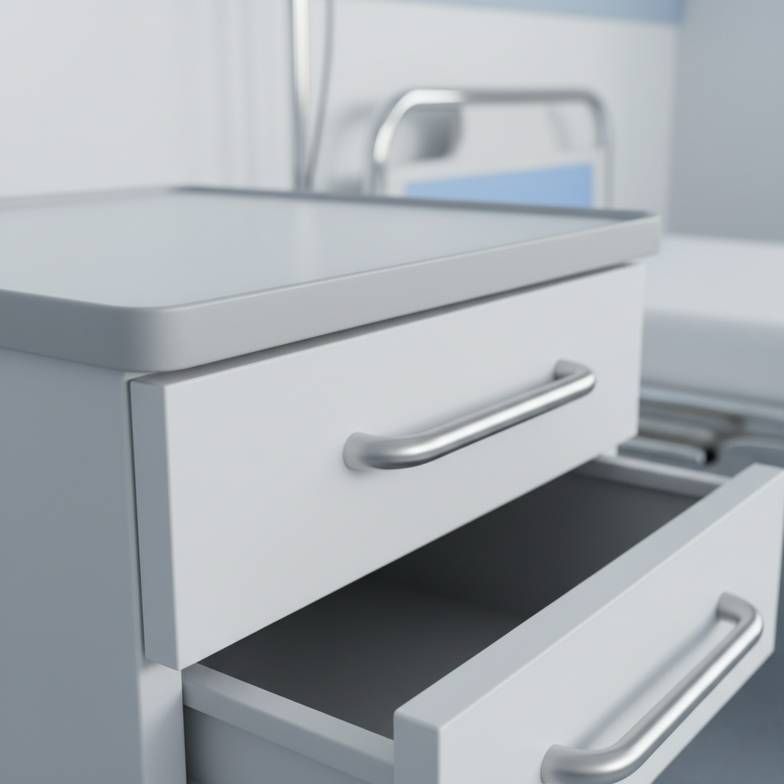
What Material, Surface Finish, and Cleaning Details Should You Confirm?
The cabinet's material and finish must be suitable for a healthcare environment, which requires frequent and rigorous cleaning. Buyers sometimes treat bedside cabinets like ordinary household furniture, but the demands in hospitals, clinics, and nursing homes are much higher.
The material, surface finish, and even small design details like handles, corners, and drawer gaps affect how easily the cabinet can be cleaned and maintained. A finish that looks good in a photo might not withstand the chemical cleaners used in hospitals.
- Supplier-Side Operational Detail: When producing medical furniture, we know that material choices affect both cost and performance. A cabinet with a high-pressure laminate (HPL) surface will cost more than one with a simple melamine finish, but it will also offer better resistance to scratches and cleaning agents.
- Practical Buyer Action: Ask the supplier what materials and surface finishes are used. Ask if the design is practical for regular cleaning and if there are any hard-to-clean gaps or corners.
- Trade-Off: A cabinet with a lower-grade finish will be cheaper upfront. However, it may show wear, stains, or damage more quickly, leading to a shorter service life and higher long-term replacement costs.
Which Items Are Included in the Quotation, and Which Are Optional?
Never assume features shown in a photo are included in the unit price. Supplier photos are designed to show the product's full potential, which often includes optional upgrades. The base price you are quoted may be for a much simpler version.
One of the most common misunderstandings I've seen is a buyer assuming that locks, specific handles, or an upgraded drawer configuration are standard. To avoid disputes, these details must be clarified in writing.
- Supplier-Side Operational Detail: On our quotation sheets, we make it a practice to clearly separate included items from optional ones. For example, a lock might be listed as an optional add-on with a separate price. This transparency prevents surprises after the order is confirmed.
- Practical Buyer Action: Ask every supplier for a written list of what is included in the quoted price and what is considered an optional extra. Specifically ask about locks, handles, casters (if applicable), and internal drawer dividers.
- Risk: If you don't clarify this, you may face a difficult choice later: either pay extra to get the features you thought were included or accept a product that doesn't meet your full requirements.
How Will Packing, Carton Size, and CBM Affect the Real Cost?
Packing details and shipping volume can have a bigger impact on your total landed cost than a small difference in unit price. For export orders, packing is not just about putting the cabinet in a box. It's a critical step that affects both product protection and freight charges.
A cabinet with a low unit price might not be the cheaper option if its packing is inefficient and inflates the shipping volume (CBM). I often remind buyers to ask for packing data before they finalize a supplier comparison. Without it, you are not comparing the true cost.
Here is a simplified example:
- Cabinet A: $95 per unit, packed in a 0.20 CBM carton.
- Cabinet B: $100 per unit, packed in a 0.15 CBM carton.
For a 100-unit order, Cabinet A requires 20 CBM of shipping space, while Cabinet B only requires 15 CBM. That extra 5 CBM could add hundreds of dollars to your freight bill, making the "cheaper" Cabinet A the more expensive option once landed.
- Supplier-Side Operational Detail: When we prepare an export order, we calculate the carton dimensions, gross weight, and total CBM. We also plan the packing method to protect vulnerable parts like corners, surfaces, and handles. This data is essential for the buyer's freight forwarder to provide an accurate shipping quote.
- Practical Buyer Action: Before you compare final costs, use a matrix to gather all critical data from each supplier. A quotation is incomplete without packing details.
- Decision Point: A lower-priced cabinet in a larger carton can easily become more expensive than a competitor after freight is calculated. Weak packing also increases the risk of damage, leading to replacement costs and project delays.
Bedside Cabinet Quotation Comparison Matrix
Use this table to ensure you are comparing suppliers on the same basis. A supplier who cannot provide this data may be hiding risks.
| Comparison Item | Supplier A | Supplier B | Supplier C | Buyer Notes |
|---|---|---|---|---|
| Product Size Confirmed | Do dimensions match our room? | |||
| Material & Finish Confirmed | Is it suitable for healthcare cleaning? | |||
| Drawer/Door/Shelf Layout | Does it match patient storage needs? | |||
| Lock Included or Optional | Is the lock in the unit price? | |||
| Handle/Hardware Details | Is it durable for daily use? | |||
| Included Accessories | What comes standard? | |||
| Optional Items & Cost | What are the extra charges? | |||
| Packing Method | Export-grade? Corner protection? | |||
| Carton Dimensions (L×W×H) | Crucial for CBM calculation | |||
| Gross Weight / Net Weight | Affects handling and freight. | |||
| Total CBM for Order | Determines freight cost! | |||
| Trade Term (e.g., FOB, EXW) | Who pays for what part of shipping? | |||
| Lead Time | From order to shipment ready? |

What Should You Check Before Final Inspection and Shipment?
Even for "simple" furniture, a pre-shipment check is a critical risk-control step, especially for bulk orders. Small inconsistencies or defects become major problems when they are repeated across dozens or hundreds of rooms. Waiting until the goods arrive at your destination to find a problem is the most expensive way to do quality control.
In project orders, we know that consistency is key. A slight difference in color, a misaligned handle, or a sticky drawer might be a minor issue on one unit, but it becomes a serious quality failure when a hospital's entire wing is affected.
- Supplier-Side Operational Detail: Before loading a container, our team typically checks the final quantity against the packing list, inspects the condition of the cartons, and takes photos of the products and the loading process. This provides a clear record of the shipment's condition before it leaves our facility.
- Practical Buyer Action: Define your key inspection points before confirming the order. At a minimum, you should be able to verify quantity, configuration, finish, function (e.g., drawers open smoothly), and packing condition before final payment and shipment.
- Risk: Skipping a final check means you are trusting that 100% of the units are perfect. If there are issues, the cost and complexity of resolving them after international shipping and customs clearance are significantly higher.
Pre-Order Buyer Checklist
Use this checklist before sending your final purchase order.
- [ ] Department or room use confirmed
- [ ] Quantity confirmed by room or project list
- [ ] Product dimensions confirmed
- [ ] Material and surface finish confirmed
- [ ] Drawer, door, and shelf layout confirmed
- [ ] Lock requirement confirmed (included or optional)
- [ ] Handle and hardware details confirmed
- [ ] Included items are clearly listed in the quotation
- [ ] Optional items and their costs are listed separately
- [ ] Packing method (e.g., carton thickness, corner protection) confirmed
- [ ] Carton dimensions received
- [ ] Gross weight and net weight received
- [ ] Total CBM calculated for the full order quantity
- [ ] Trade term (e.g., FOB, CIF, EXW) confirmed
- [ ] Lead time for production, packing, and shipment readiness confirmed
- [ ] Pre-shipment inspection points agreed upon

Your Order's Success Depends on the Details You Confirm
A hospital bedside cabinet is more than just a box with a drawer. It's a functional part of the healthcare environment, a key element in project logistics, and a product that directly impacts patient and staff satisfaction.
The safest procurement strategy is not to hunt for the absolute lowest unit price. It is to ensure your comparison is based on a complete and equal foundation. By confirming the configuration, use case, material, packing, and shipping volume before you order, you move from guessing about cost to controlling it. A good supplier isn't just one with a low price; it's one who helps you clarify these details before they become problems.
If you are preparing a ward furniture project, we recommend sending your room list, quantity needs, and required configurations to your potential suppliers. This allows them to provide a more practical and reliable quotation, helping you make a better sourcing decision. At CareFurnex, we specialize in supporting healthcare projects and can help you review these details for your entire furniture package.
Written by
CareFurnex Team
CareFurnex Team shares practical knowledge about hospital beds, patient room furniture, medical trolleys, clinic furniture, and healthcare facility procurement for international B2B buyers.
Related Products
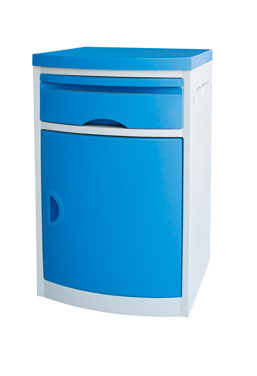
Hospital Bedside Cabinets
This ABS hospital bedside cabinet has a blue top, an upper drawer and a lower door within a light-colored body. Its stated size is 480 × 480 × 760 mm, giving buyers a defined overall footprint for ward furniture planning.
View product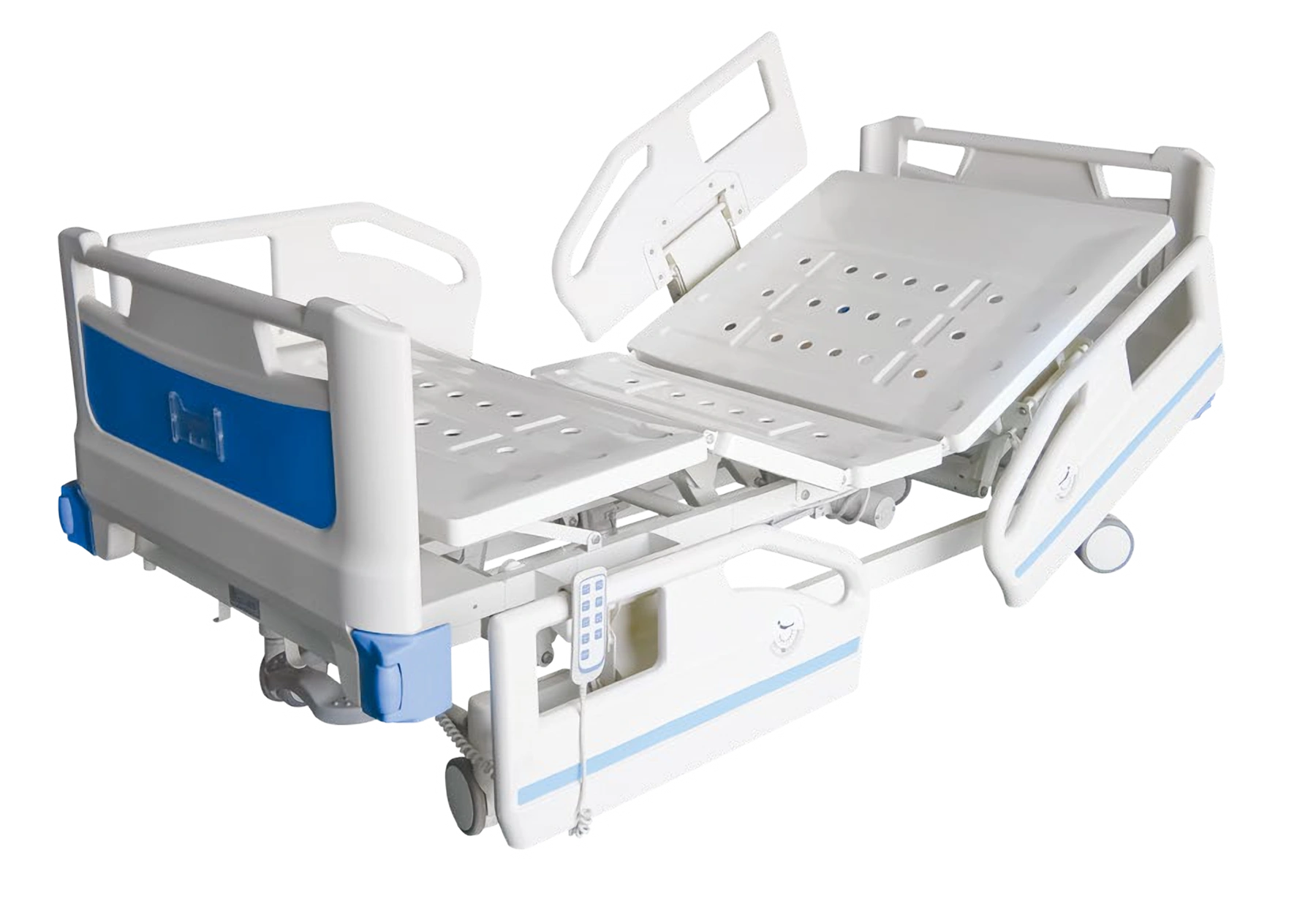
Hospital Beds
General-purpose patient beds for inpatient wards and standard hospital rooms.
View product
Electric Hospital Beds
Motorized multi-function beds with electric height, backrest, and leg adjustment options.
View product