
When sourcing hospital beds, many buyers focus on the number of electric functions and the overall price. The side rails are often treated as a standard, included feature. This comparison is incomplete. A quotation that simply says "side rails included" hides a decision that can affect daily patient care, staff workflow, and safety reviews.
The choice between a full-length rail and a 4-part split rail, for example, can have a greater impact on a patient's mobility and a nurse's efficiency than an extra motor function. Assuming all rails are the same is a common oversight that can lead to operational friction or safety concerns after the beds are already in use.
To choose the right hospital bed side rails, you should match the rail's design, material, and locking mechanism to your specific needs. Key decision factors include the intended clinical department (e.g., ICU vs. general ward), the patient population's mobility level, and the exact dimensions of the mattress you plan to use.
From a supplier's perspective, the conversation about side rails shouldn't start with price. It should start with questions about the clinical environment. The "safest" rail does not exist in isolation. A safe setup is a complete system where the rail, the bed frame, and your specific mattress are correctly matched to each other and the intended use.
What are the main differences between full-length and split side rails for patient care?
The main difference is not just appearance; it is about function and philosophy of care. The choice between a full-length and a split rail design directly impacts patient mobility, feelings of restraint, and caregiver access.
- Full-Length Rails: These extend along the full length of the bed. They offer maximum coverage and are sometimes preferred for patients who are heavily sedated or require total restraint from rolling out. However, they can make patients feel confined and create a significant barrier for getting out of bed, potentially hindering independence.
- Split Rails (2-Part or 4-Part): These are divided into separate sections, typically for the head and foot areas. A 4-part split rail system offers the most flexibility. It allows the head section to be raised without the rail interfering, gives caregivers better access to the patient, and can even provide a stable support point for patients to use when getting into or out of bed.
For a rehabilitation ward where patient independence is encouraged, a 4-part split rail is often a better fit. For a high-dependency unit, full-length rails might seem appropriate, but even there, a 4-part system can offer better access for care without having to lower the entire rail. Before deciding, consider your department's primary care model.

How can I check if a side rail and mattress combination reduces patient entrapment risk?
This is a question many buyers do not ask until after a safety incident or a failed facility audit. Believing that a certified bed is automatically safe with any mattress is a misunderstanding. Safety depends on the entire system: the bed frame, the side rails, and the specific mattress you use.
The primary risk is patient entrapment in gaps created between these components. International safety standards provide guidance on acceptable gap dimensions to reduce this risk. An important action you can take is to provide your supplier with the exact dimensions of your mattress: Length, Width, and especially Height (thickness).
A thicker-than-recommended mattress can have two negative effects: 1. It can reduce the effective height of the side rail above the mattress surface, increasing the risk of a patient falling over the top. 2. It can compress against the side rail, creating dangerous gaps when the patient's weight is applied.
I would always ask a supplier to confirm that their proposed bed and rail combination is suitable for my specific mattress dimensions. Do not assume your existing mattresses will be a safe fit with new beds. Treat this as a key specification to be confirmed in writing.

What affects the durability and ease of cleaning for side rail materials?
The material of the side rail affects its longevity, strength, and compatibility with your hospital's infection control protocols. Simply seeing "plastic" or "metal" on a spec sheet is not enough information.
- ABS or PP Plastic: Acrylonitrile Butadiene Styrene (ABS) and Polypropylene (PP) are common choices. They are durable, can be molded into ergonomic shapes, and have good impact resistance. The main concern is chemical compatibility. It's worth noting that some aggressive hospital disinfectants may cause certain plastics to become brittle or discolored over time.
- Powder-Coated Steel or Aluminum: These materials offer excellent strength. The quality of the coating is important. A deep scratch can break the surface, creating a potential site for rust and making it difficult to clean effectively.
Before placing a large order, you should ask the supplier for the recommended cleaning agents for their side rails. Compare this with your facility's standard disinfection protocols. A mismatch could lead to premature degradation of the rails, which is an unnecessary long-term cost.
How do different locking mechanisms impact daily use for nursing staff?
The design of the locking mechanism is a detail that has a big impact on daily workflow and staff satisfaction. A lock that is secure but difficult to operate can be a constant source of frustration and may even slow down response in an emergency.
When evaluating a side rail, consider how the lock functions:
- One-Hand Operation: This is highly desirable in most clinical settings. It allows a nurse or caregiver to hold supplies or support the patient with one hand while lowering or raising the rail with the other.
- Two-Hand Operation: These systems may feel more robust but are less efficient. They can be particularly cumbersome in urgent situations or when a caregiver is working alone.
- Visual Lock Indicators: A simple but effective feature is a visual cue (e.g., a colored tab) that confirms the rail is securely latched. This gives staff confidence and reduces the chance of a rail being left in an unsafe, unlocked position.
I would not approve a sample based only on its appearance. Ask for a video of the lock in operation or, if possible, test a physical sample. Consider the daily experience of the nursing staff who will be using these locks dozens of time a day.
Checklist: What to Confirm Before Requesting a Quotation
Sending a vague inquiry for "hospital beds" will result in vague and incomparable quotations. To get a clear response that addresses your actual needs, use this checklist to prepare your specifications.
| Specification Item | What to Confirm with the Supplier | Why It Matters for Safety and Use |
|---|---|---|
| 1. Clinical Department | Inform the supplier if the beds are for ICU, General Ward, Rehab, or Long-Term Care. | This is a key factor for recommending the correct rail type. |
| 2. Rail Type | Do you need full-length, 2-part split, or 4-part split rails? | Affects patient mobility, caregiver access, and feelings of restraint. |
| 3. Mattress Dimensions | Provide the exact Length, Width, and Height (Thickness) of the mattresses you will use. | A thick mattress can reduce the rail's protective height and create entrapment gaps. |
| 4. Entrapment Gaps | Ask how the supplier addresses entrapment risks in line with established safety guidelines. | Helps reduce the risk of a patient's head, neck, or body getting trapped in gaps. |
| 5. Locking Mechanism | Do you require one-handed operation for the lock? | Determines ease of use for staff, especially in urgent situations. |
| 6. Material & Cleaning | What are your hospital's standard cleaning agents? Confirm material compatibility. | Impacts durability, longevity, and compatibility with hospital disinfection protocols. |
Preparing Your Inquiry
To get a clear and comparable quotation for hospital beds that truly fit your needs, prepare the following details before contacting a supplier:
- The intended clinical department (e.g., ICU, General Ward, Rehabilitation).
- The required rail type (e.g., 4-part split, full-length).
- The exact dimensions (Length x Width x Height) of the mattresses you will be using.
- Any specific requirements for the locking mechanism, such as one-handed operation.
Sending this information upfront allows a supplier to provide a quotation for a complete system that is functional for your staff, appropriate for your patients, and easier to compare on a like-for-like basis.
Written by
CareFurnex Team
CareFurnex Team shares practical knowledge about hospital beds, patient room furniture, medical trolleys, clinic furniture, and healthcare facility procurement for international B2B buyers.
Related Products
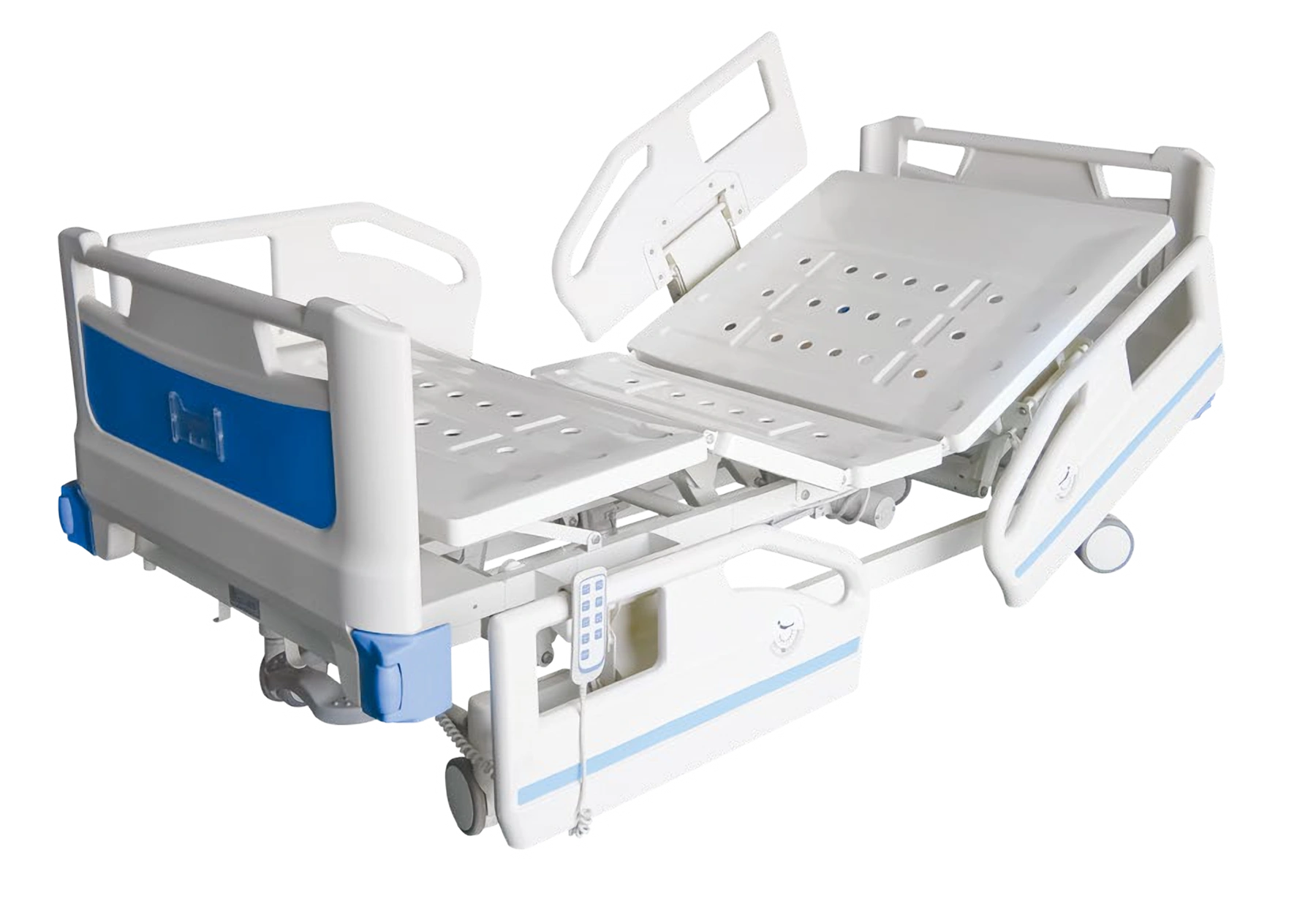
Hospital Beds
General-purpose patient beds for inpatient wards and standard hospital rooms.
View product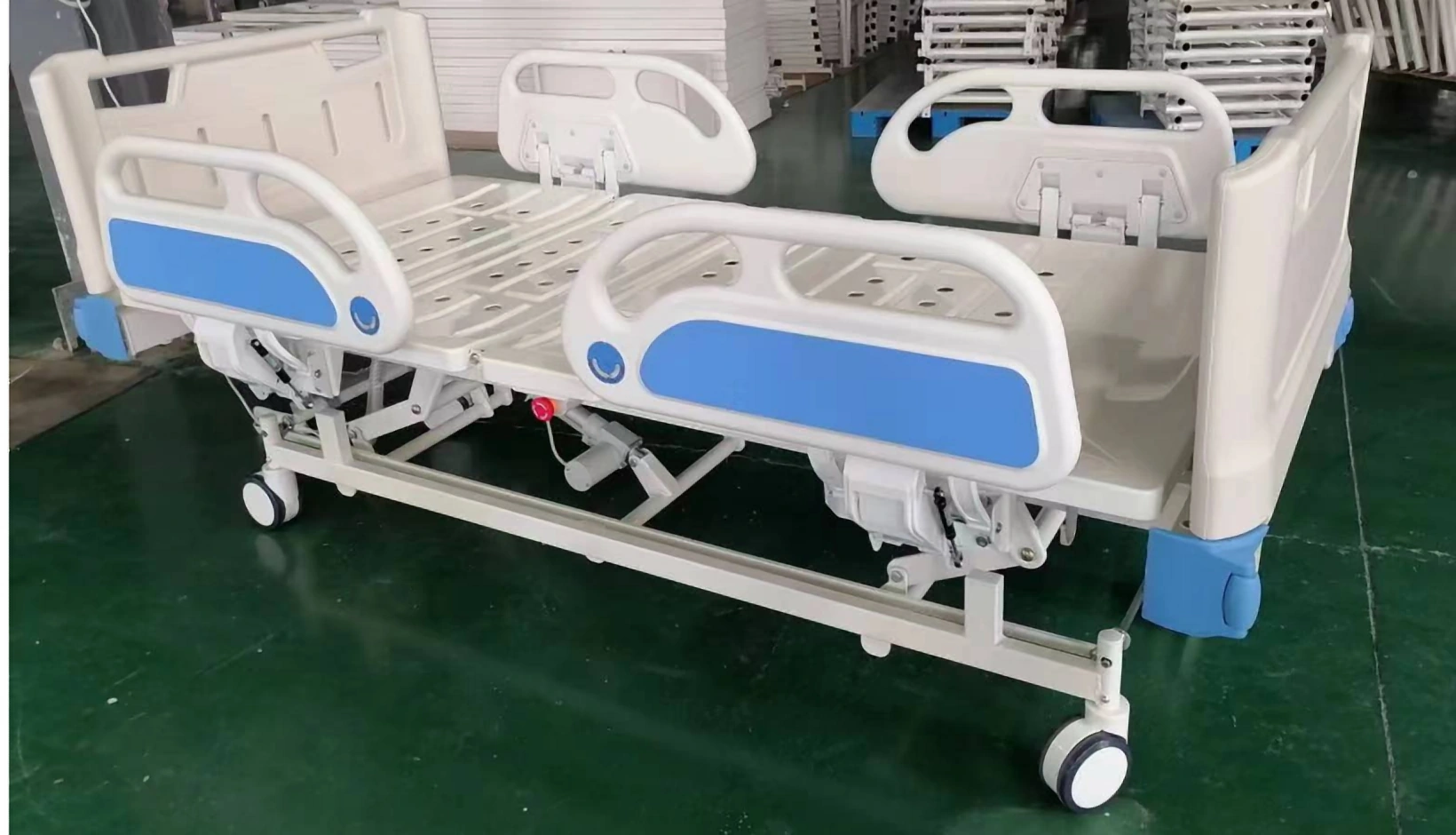
Electric Hospital Beds
Motorized multi-function beds with electric height, backrest, and leg adjustment options.
View product
Ward Furniture
Complete ward furniture options for patient rooms and hospital care areas.
View product