
Ordering "standard" hospital mattresses for 100 beds sounds straightforward. But what happens when they arrive and are two inches too narrow, creating a dangerous gap along the rails? Or when they are too thick, making the bed's safety rails ineffective?
These are not hypothetical problems. They are costly procurement mistakes that stem from a simple assumption: that "standard hospital mattress" is a complete specification. It is not. The issue is rarely the mattress itself, but the gap between a vague request and the specific requirements of the bed frame it will be used on.
To select a compatible hospital bed mattress, buyers should confirm three key specifications together: 1) the mattress dimensions must match the bed's internal sleep deck measurements, not just a generic size; 2) the mattress thickness must work with the bed's side rail height to help maintain patient safety; and 3) the waterproof cover's stretch and design should suit the bed's articulation functions and your facility's cleaning protocols.
From a supplier's perspective, these details are not minor preferences; they are the foundation of a functional bed system. A mismatch can affect patient safety, lead to premature product failure, and create operational headaches for your clinical staff. Clarifying these points before you order is one of the most practical ways to reduce project risk.
How Should You Measure a Hospital Bed for a Mattress?
The most common mistake is providing the bed's overall dimensions or a generic size like "36 x 80 inches." This is incomplete. The only measurement that matters for a proper mattress fit is the internal dimension of the mattress platform, often called the "sleep deck."
To find this, measure the length and width of the flat surface where the mattress will actually sit. Do not include the headboard, footboard, or side frame in your measurement.
- A mattress that is too small creates gaps between the mattress edge and the side rails or frame. These gaps are a known concern as they can create a potential entrapment risk.
- A mattress that is too large will not lie flat. It can buckle, creating an unstable surface and putting stress on the mattress core and cover.

Before requesting a quotation, physically measure the sleep deck of one of your bed frames. If you are ordering beds and mattresses together, ask the supplier to confirm in the quotation that the mattress dimensions are matched to the bed's specific sleep deck size.
What Affects the Safe Thickness for a Hospital Bed Mattress?
Buyers often request a thicker mattress, assuming it provides more comfort. While comfort is a factor, mattress thickness is a key specification tied directly to your bed's side rails.
The purpose of a side rail is to help prevent a patient from falling out of bed. Its effective height is the distance from the top of the compressed mattress to the top of the rail. If a mattress is too thick, it can reduce this effective height, potentially compromising the side rail's intended function.
Most bed manufacturers provide a maximum recommended mattress thickness for each bed model. Exceeding this can compromise the bed's features. I would always check the bed's technical documentation or ask the bed supplier for this specification before deciding on mattress thickness. A 6-inch (15 cm) mattress might be suitable for one bed model but not on another with lower-profile rails.
Why Does the Mattress Cover's Stretch Matter for Electric Beds?
For any articulating bed, the mattress cover's material properties are important for function. A buyer might focus only on the "waterproof" claim, but the cover's ability to stretch is just as important.
When an electric bed profiles—raising the head or leg sections—the mattress surface must bend and conform.
- A stiff, non-stretch cover (like some basic vinyls) can bunch up, creating tension. This not only puts strain on the bed's motors but can also create tension and friction against the patient's skin, which are factors to consider in pressure care.
- A multi-stretch cover (often made of polyurethane, or PU) is designed to move with the mattress foam and the bed's platform. A "2-way stretch" cover stretches lengthwise, while a "4-way stretch" cover stretches both lengthwise and widthwise, offering better conformity.
For any electric or profiling bed, specifying a multi-stretch cover is a practical step. It helps the bed system function as intended and supports patient comfort.
What Should You Check on a Waterproof Cover Besides the Material?
The term "waterproof" is a starting point, not a final check. The weak point of many mattress covers is the zipper. If fluids can seep through the zipper, the foam core can become contaminated. This can complicate a facility's infection control protocols and may lead to premature mattress replacement.
A well-designed cover includes features to protect this area. One of the most common and effective designs is a "waterfall flap"—a flap of cover material that hangs over the zipper, directing fluids away from it.

When you compare two quotations for "waterproof mattresses," this is a key detail to check. One quote may be for a cover with an exposed zipper, while the other includes a protective flap. For any healthcare environment, I would ask the supplier to confirm if the cover includes a waterfall flap or a similar protective design. Also, confirm that the cover material is compatible with your facility's primary cleaning and disinfecting agents.
How to Create a Clearer Mattress Specification
Vague inquiries like "need pricing for 50 hospital mattresses" often result in quotations that are difficult to compare and may not meet your needs. By providing a clear specification, you help suppliers provide accurate, relevant proposals.
Use the following checklist to gather the necessary details. This information will make your inquiry more direct and reduce the risk of sourcing an incompatible product.
Mattress Compatibility Inquiry Checklist
| Category | Item to Confirm | Your Specification |
|---|---|---|
| Bed Frame Info | Bed Frame Model & Manufacturer | |
| Bed Articulation Type (e.g., Manual, Electric) | ||
| Dimensional Fit | Internal Sleep Deck Length (measure the platform) | \_\_\_ cm / in |
| Internal Sleep Deck Width (measure the platform) | \_\_\_ cm / in | |
| Safety-Related Fit | Side Rail Height (from sleep deck to top of rail) | \_\_\_ cm / in |
| Max. Mattress Thickness Recommended by Bed Maker | \_\_\_ cm / in | |
| Functional Fit | Cover Stretch Requirement (e.g., 4-way stretch) | |
| Zipper Protection (e.g., Waterfall Flap) | Yes / No | |
| Other Needs | Primary Cleaning Agents Used | |
| Required Fire Retardancy Code (if known) |
Preparing Your Inquiry
Before you request a quotation for hospital bed mattresses, take a few minutes to prepare these key details. Having the bed's internal sleep deck dimensions, side rail height, and your functional needs for the cover (like stretch and zipper protection) ready will make the sourcing process much smoother.
Sending these specifications with your inquiry allows a supplier to provide a clear, accurate, and truly compatible proposal for your project. It shows you have done your homework and helps the products you receive to function correctly and as intended within your facility.
Written by
CareFurnex Team
CareFurnex Team shares practical knowledge about hospital beds, patient room furniture, medical trolleys, clinic furniture, and healthcare facility procurement for international B2B buyers.
Related Products
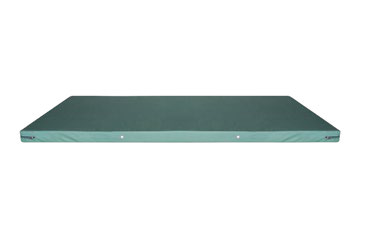
Hospital Mattresses
Flat, single-fold and double-fold hospital bed mattresses with a stated 1950 × 880 mm size.
View product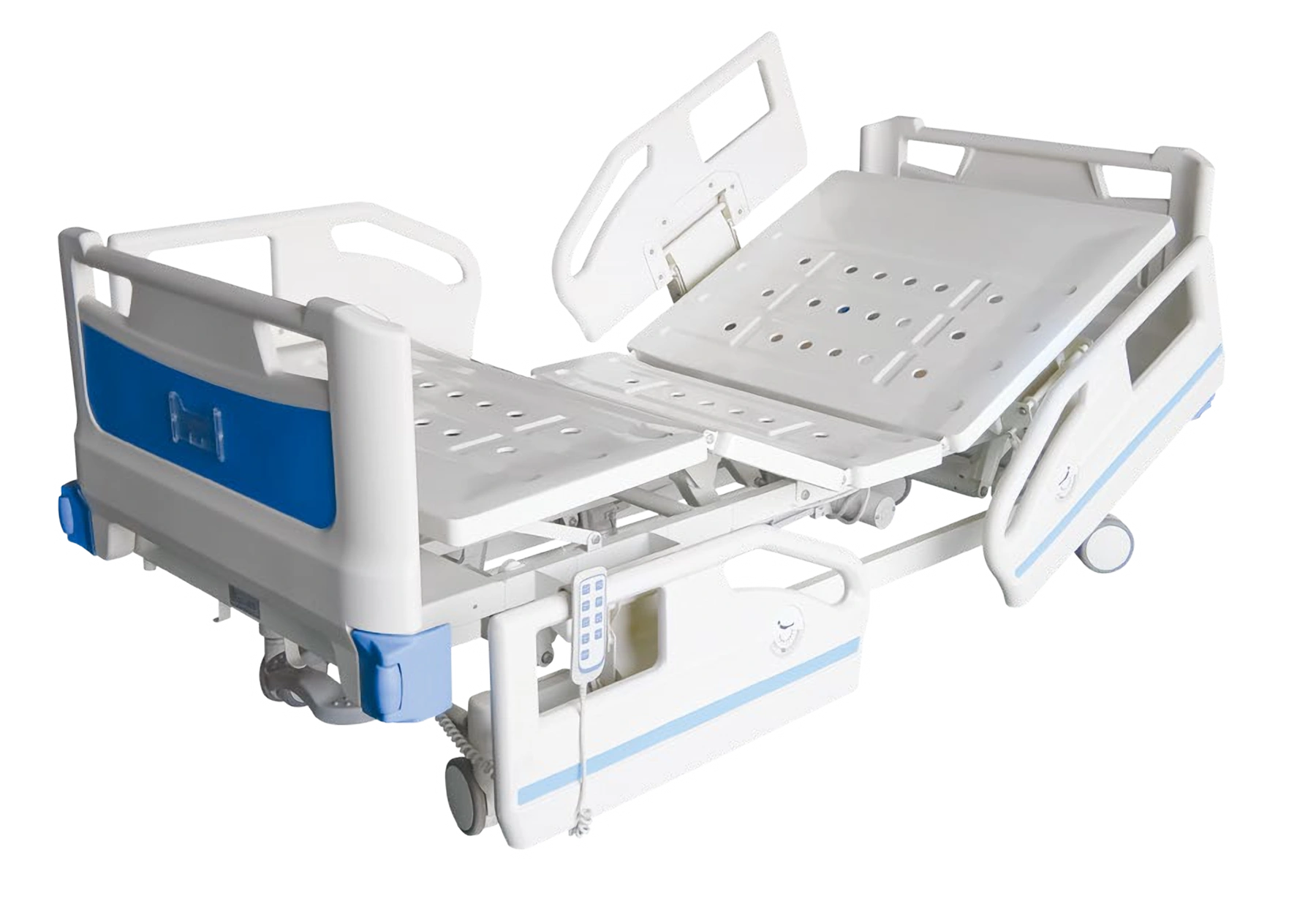
Hospital Beds
General-purpose patient beds for inpatient wards and standard hospital rooms.
View product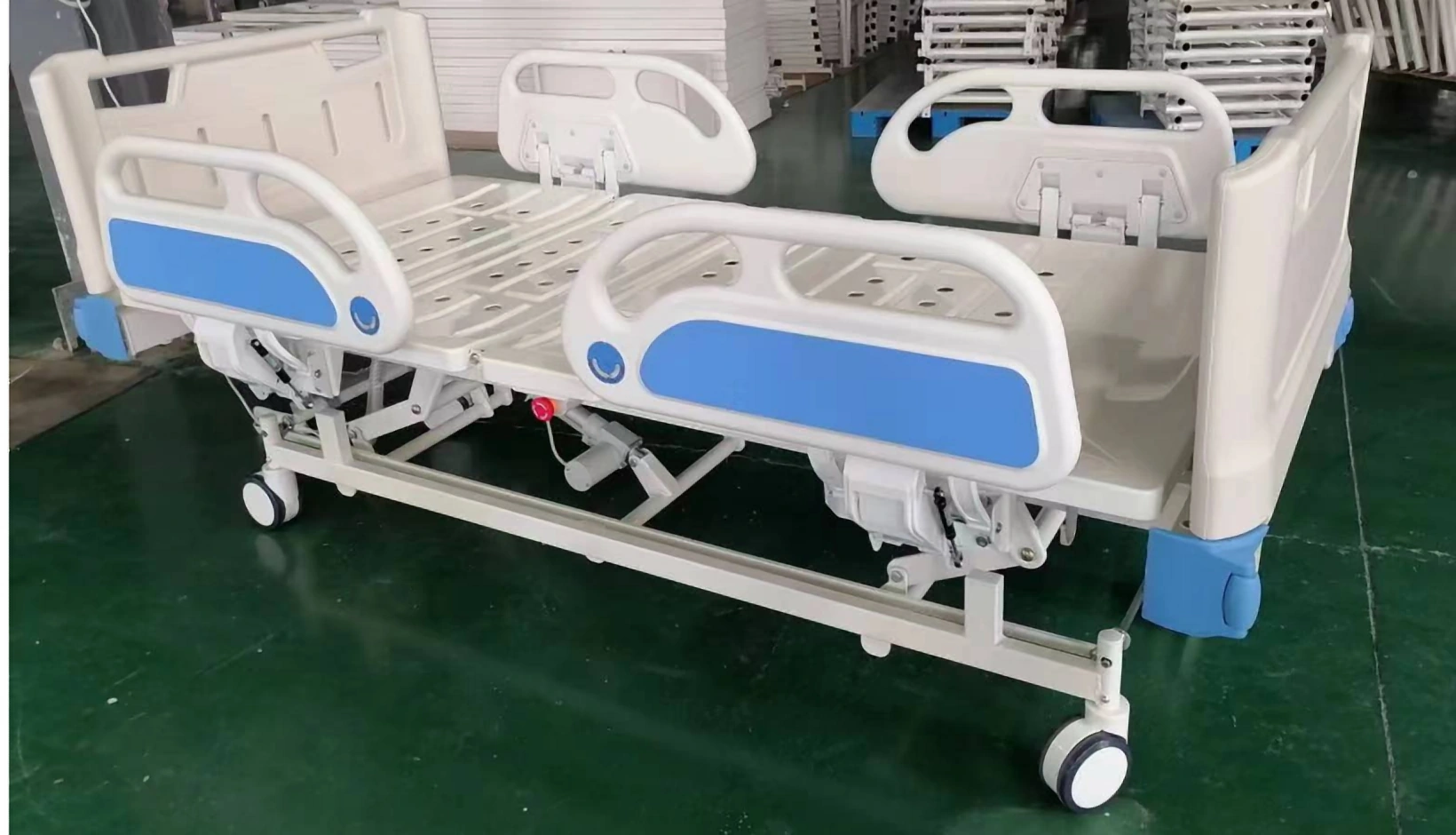
Electric Hospital Beds
Motorized multi-function beds with electric height, backrest, and leg adjustment options.
View product